Updated
Cat food safety
Can Cats Eat Spicy Food? No, Skip It
Skip it
No. Do not feed spicy food to cats.
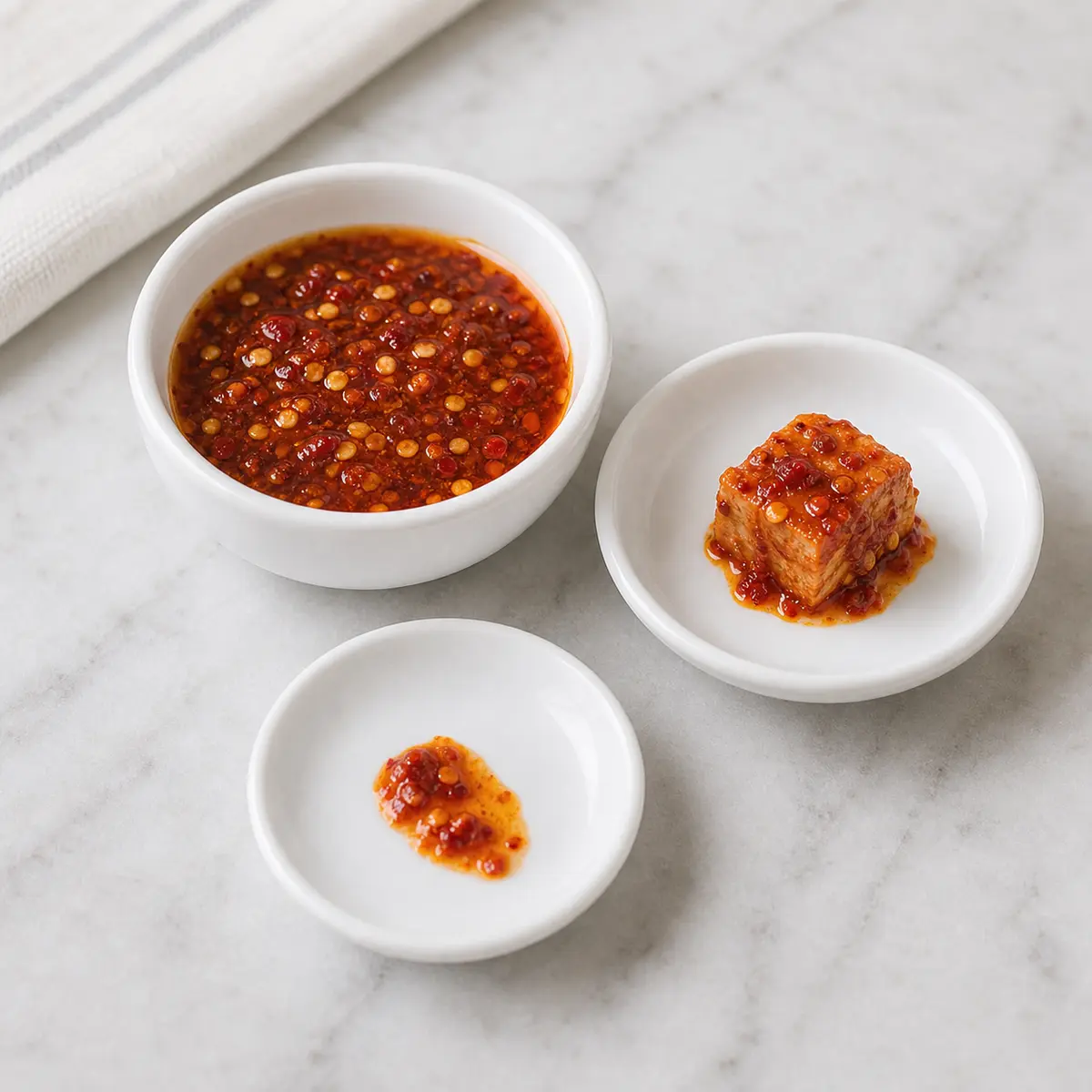 Spicy Food
Ask your vet
Call your veterinarian if spicy food contained garlic or onion, a large amount was eaten, or drooling, vomiting, pain, coughing, or repeated diarrhea starts.
Irritation comes first
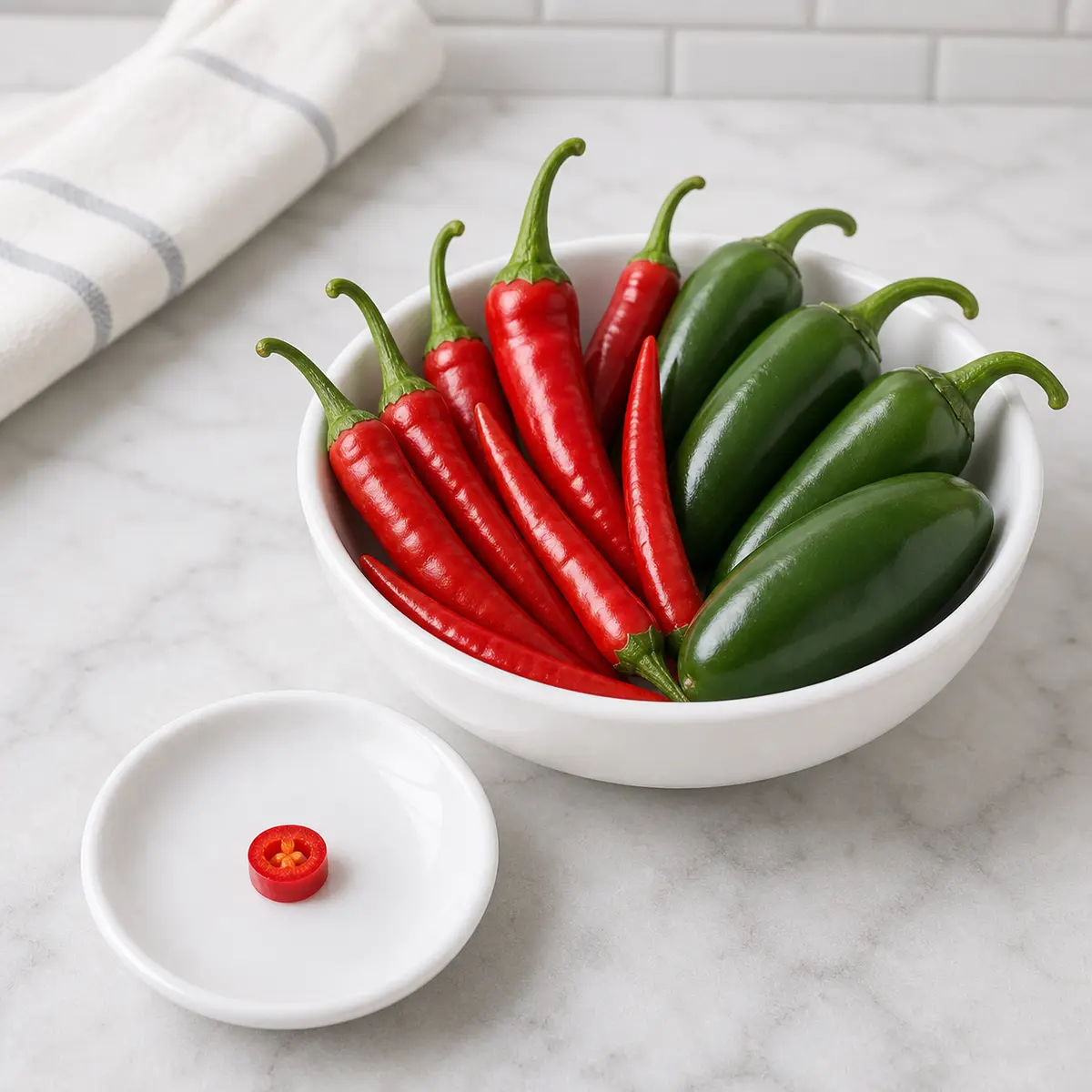
Chiles and hot sauces can irritate the mouth and stomach quickly.
Ingredients pile up
Garlic, onion, salt, oil, and rich sauces often matter as much as the heat.
How to handle it
- Remove the spicy food and offer normal fresh water nearby.
- Check the ingredients for garlic, onion, xylitol, alcohol, caffeine, salt, and high-fat sauces.
Avoid
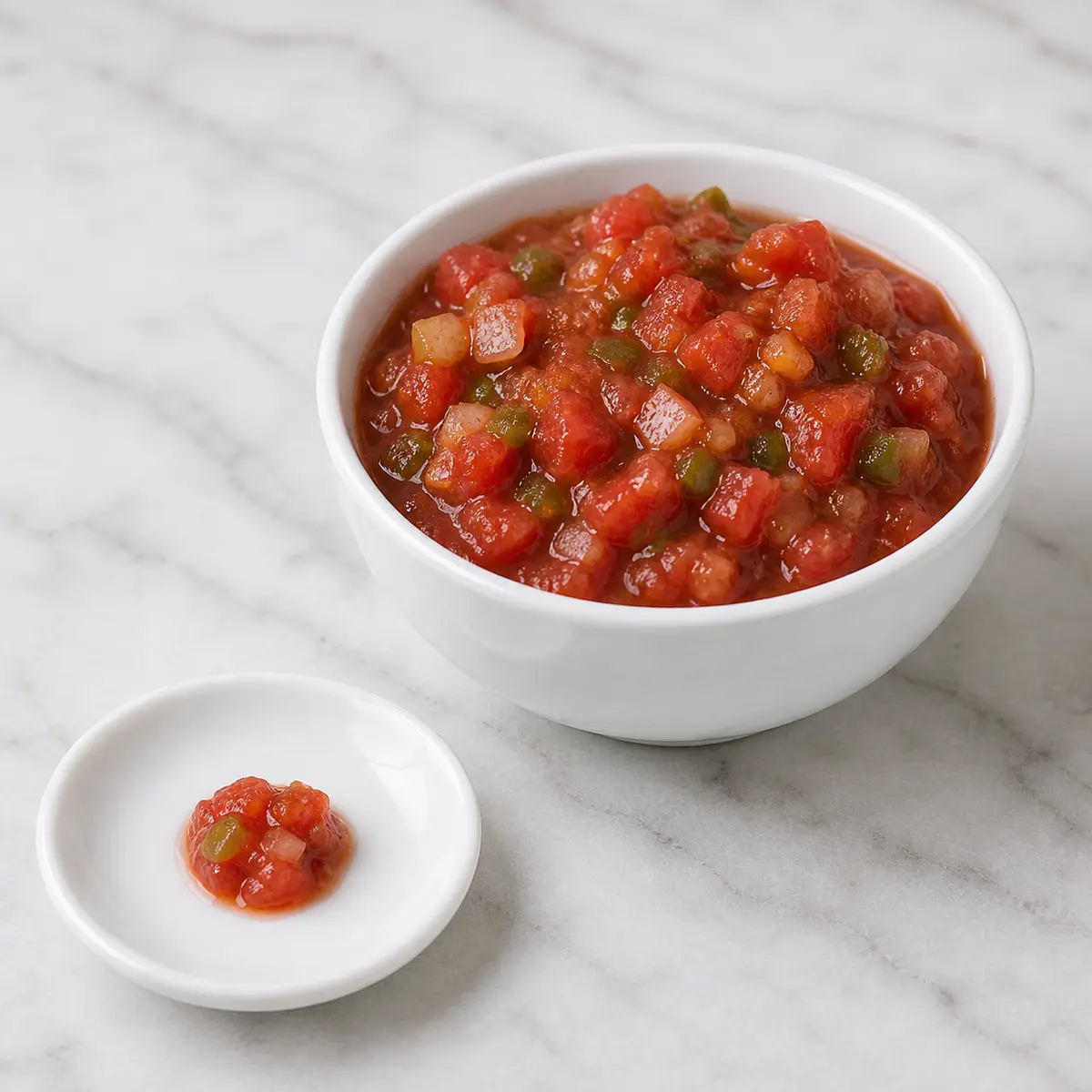
- Hot sauce, chili oil, spicy leftovers, garlic, onion, peppers, salsa, curry, salty sauces, fried spicy foods, and repeated licking.
- Do not force food or water into a distressed cat unless a veterinary professional tells you to.
Watch
- Drooling, pawing at the mouth, vomiting, diarrhea, belly pain, thirst, coughing, lethargy, or behavior that feels wrong.
Portion
No safe treat serving. A tiny lick is an ingredient-check question.
Helpful food-safety supplies
Optional tools for measuring, storing, serving, and cleaning up tiny portions safely.
Affiliate links: Furball Cove may earn from qualifying purchases at no extra cost to you.