Updated
Cat food safety
Can Cats Eat Swiss Chard? Tiny Plain Pieces Only
Tiny plain piece only
A tiny plain piece of Swiss chard is usually okay for some healthy cats, but it is easy to skip.
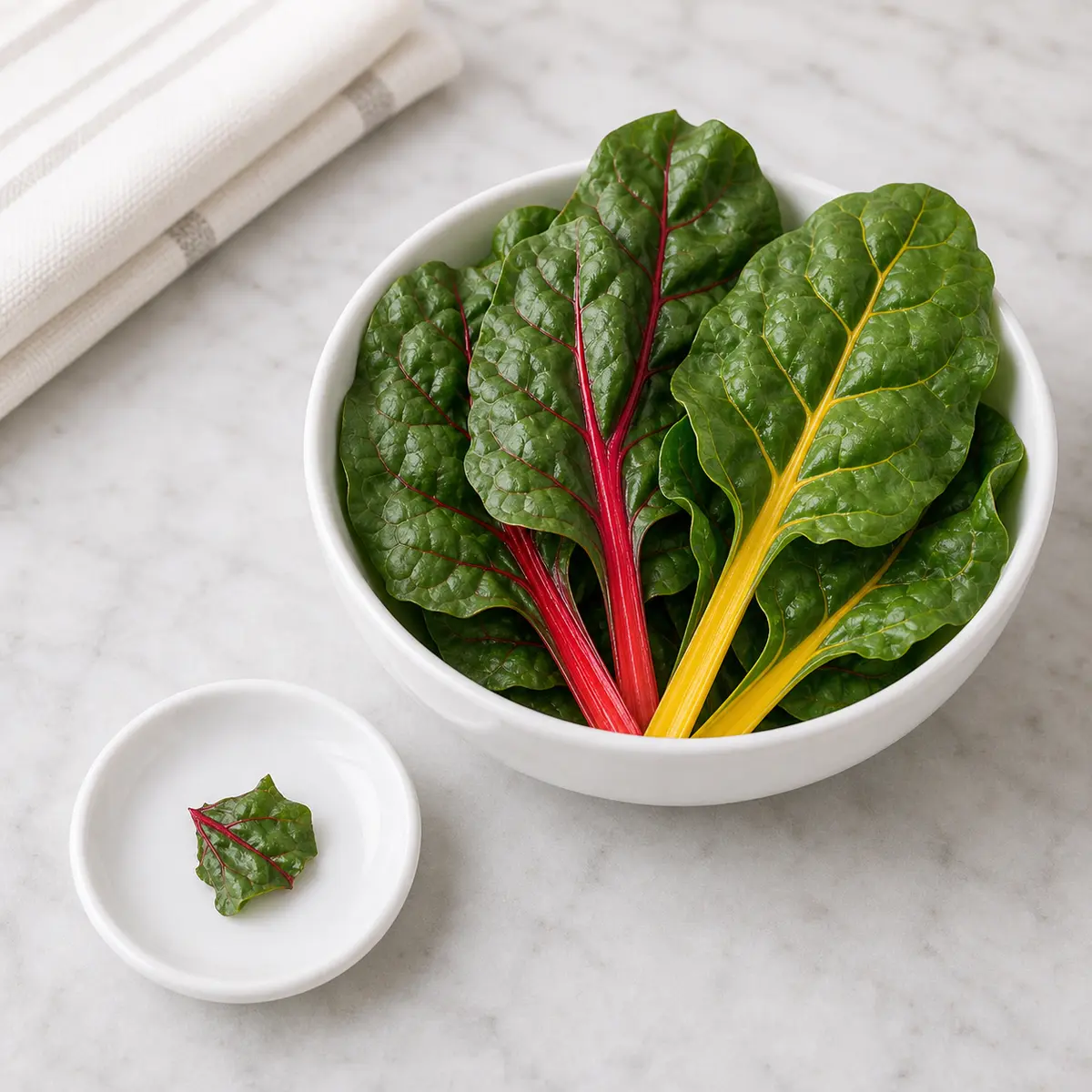 Swiss Chard
Ask your vet
Call your veterinarian if the chard was cooked with onion or garlic, or if urinary signs, repeated vomiting, or pain appears.
Medical history changes it
Cats with urinary or kidney concerns should not get leafy extras without veterinary approval.
Keep seasonings out
Garlic, onion, butter, salt, and dressing turn a small leaf into a poor choice.
Serve
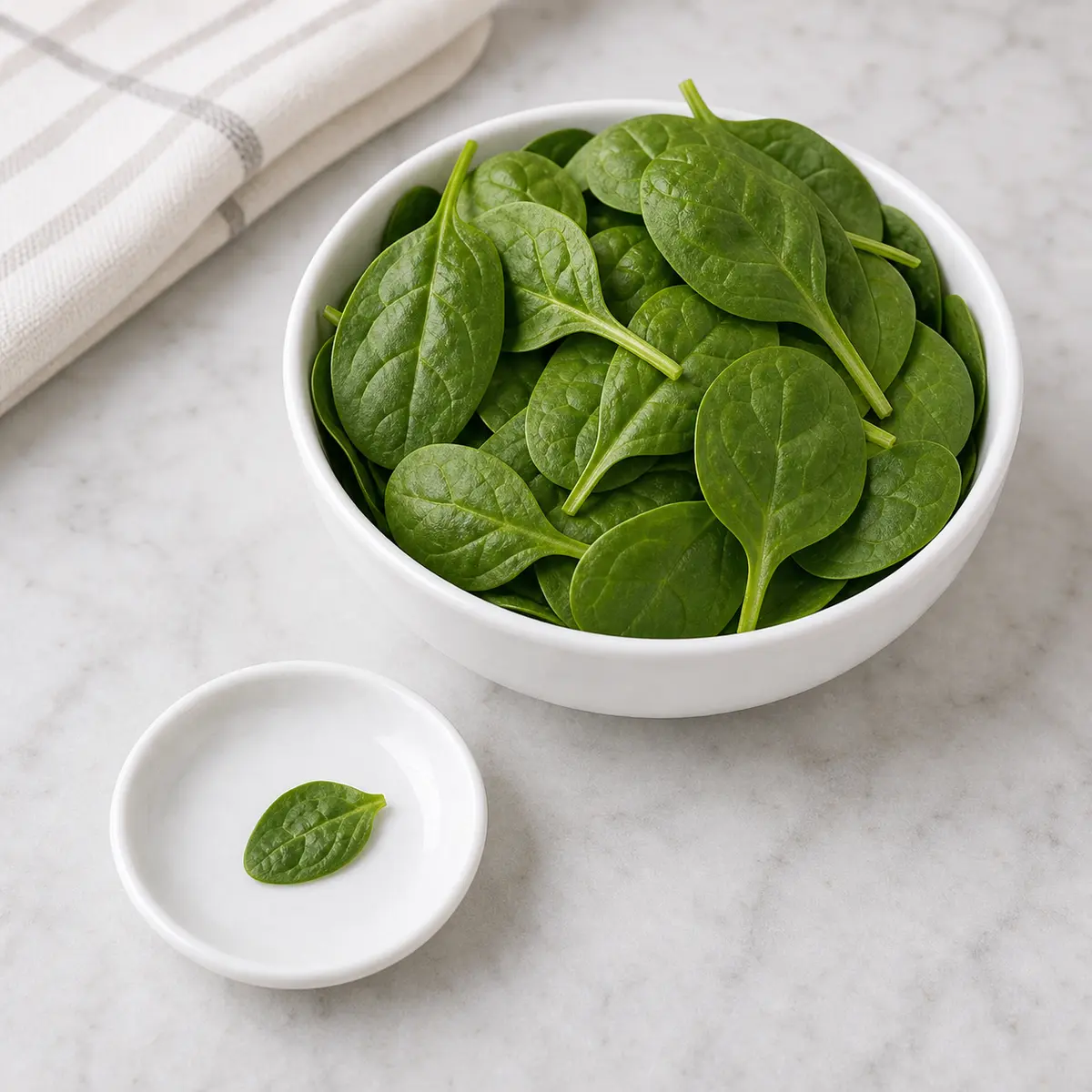
- Wash well and offer one tiny plain leaf piece, cooked or raw only if easy to chew.
- Use no butter, oil, salt, vinegar, dressing, onion, garlic, or seasoning.
Avoid
- Seasoned chard, sauteed chard with garlic or onion, dressings, large portions, stems that are hard to chew, and frequent servings.
- Swiss chard for cats with urinary crystals, kidney disease, calcium oxalate history, digestive sensitivity, or prescription diets unless your veterinarian approves.
Watch
- Vomiting, diarrhea, gas, drooling, appetite changes, litter-box changes, or belly discomfort.
Portion
One tiny leaf piece is enough.
Helpful food-safety supplies
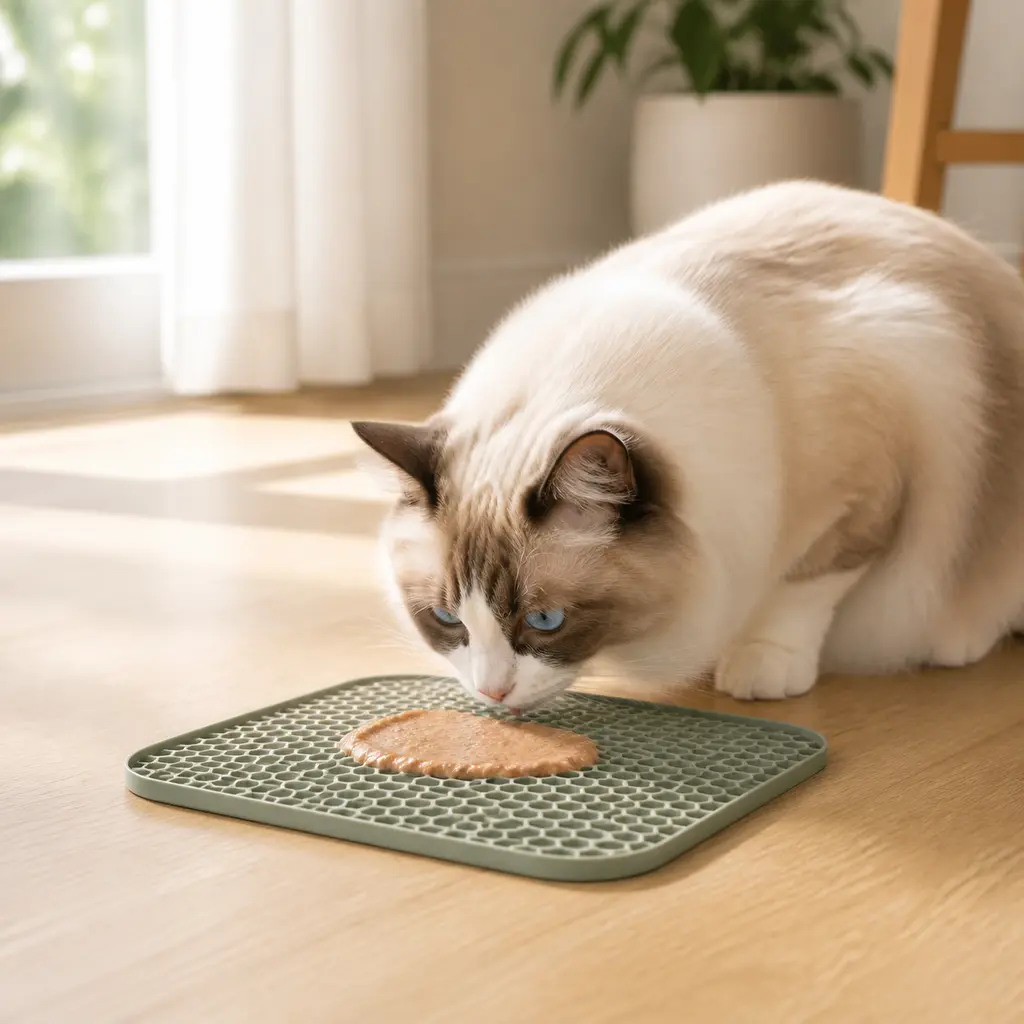
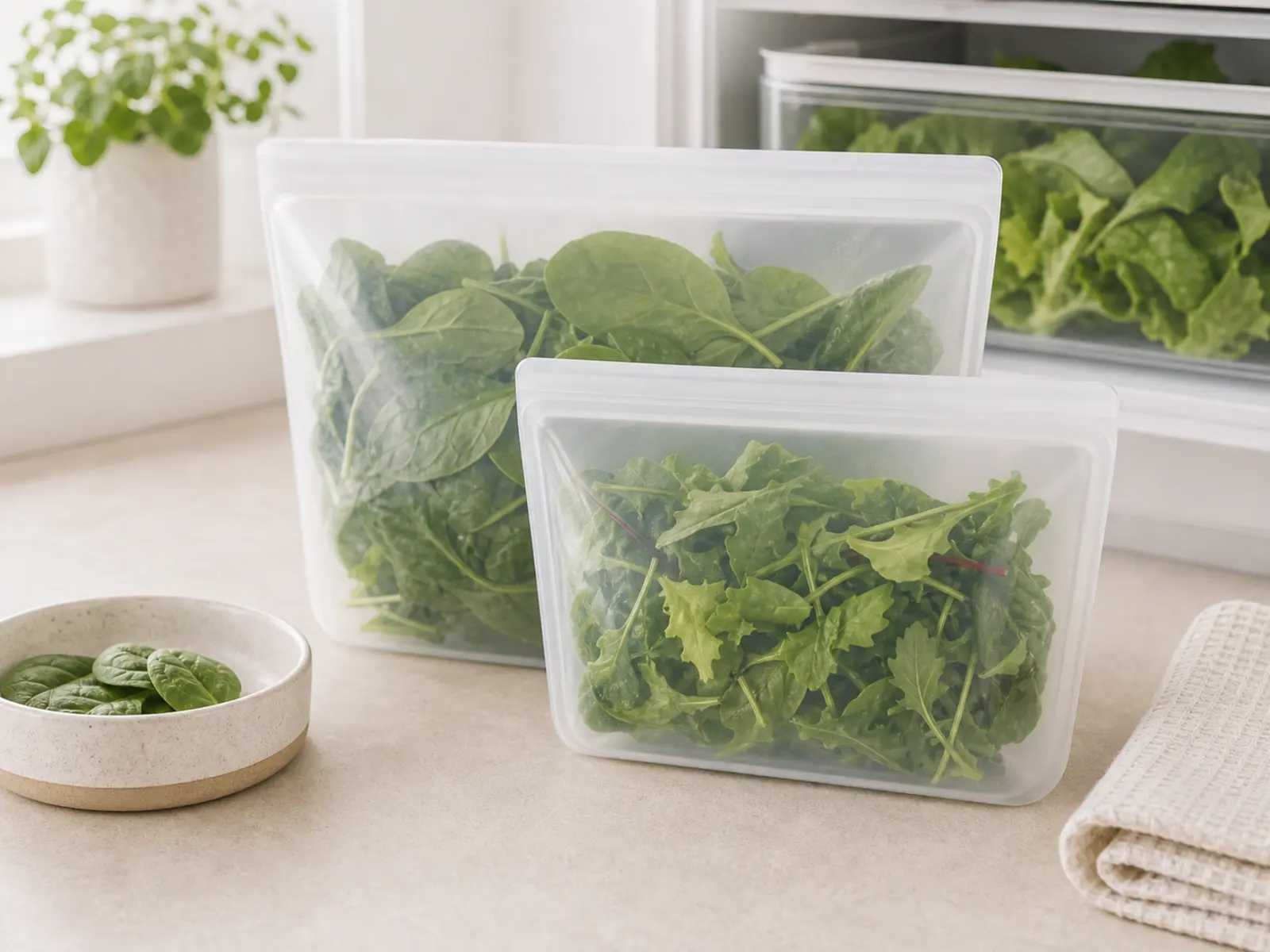
Optional tools for measuring, storing, serving, and cleaning up tiny portions safely.
Affiliate links: Furball Cove may earn from qualifying purchases at no extra cost to you.