Updated
Rabbit food check
Can Rabbits Eat Fennel? Yes—Bulb and Fronds
Yes—fresh bulb and fronds
Yes. Adult rabbits can eat fresh fennel fronds and the crisp bulb-like base. Wash a small leafy sprig or thin bulb strip and serve it plain among familiar greens beside unlimited grass hay. Leave fennel seeds, tea, extracts, essential oil, and cooked recipes out of the pen.
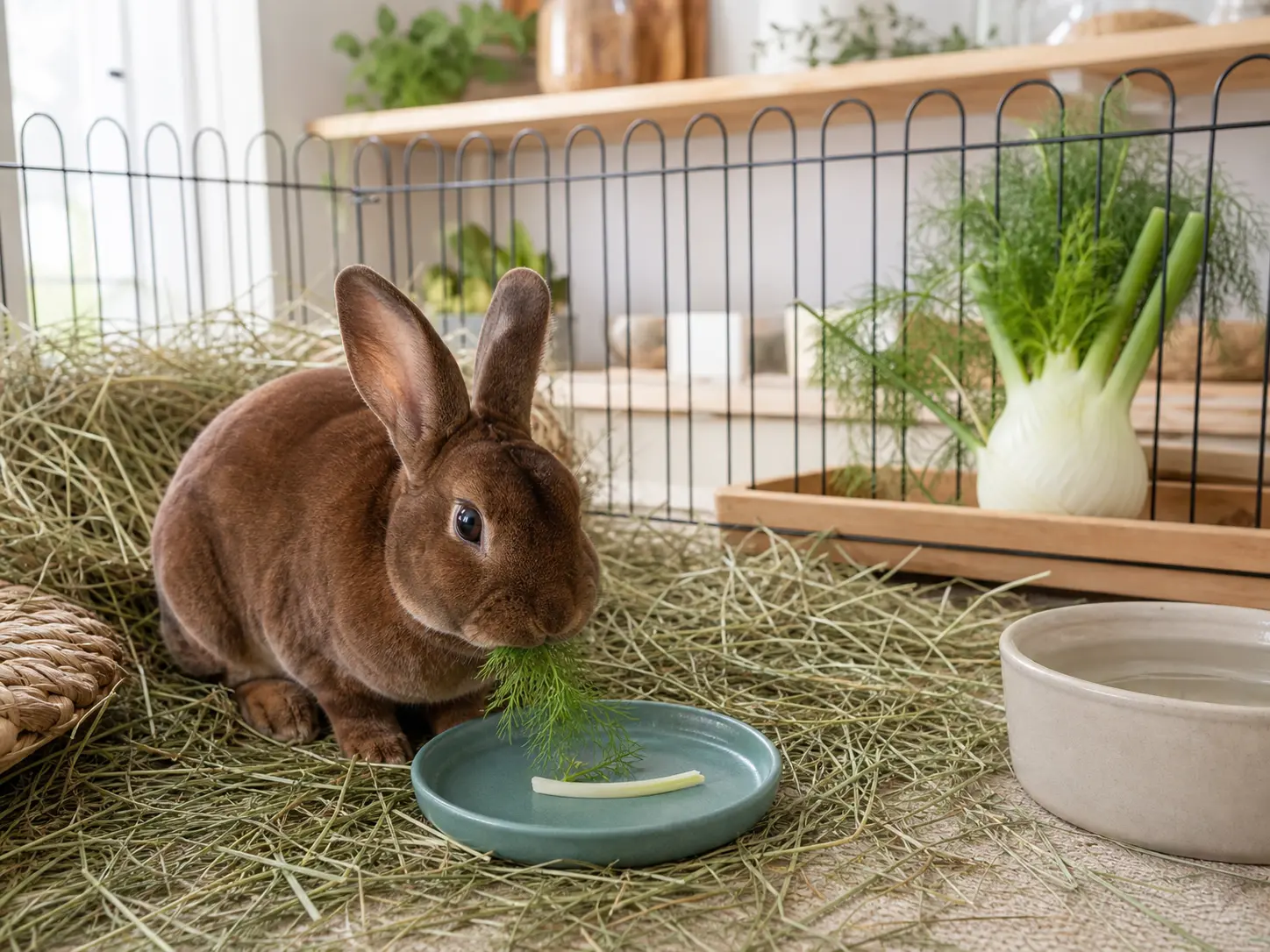 Fennel
Yes—the fresh bulb and leafy tops are edible
House Rabbit Society names fennel, Foeniculum vulgare, among rabbit-safe vegetables and includes both the leafy tops and base. Rabbit Welfare Association & Fund also includes fennel on its vegetable-and-herb list. Offer the fresh plant part plain, not a fennel-flavored product.
The bulb and fronds belong to one plant
Florence fennel reaches the produce aisle with a round layered base, stout pale-green stalks, and airy threadlike fronds. Both parts can join the rabbit's greens plate beside hay. Keep them attached until prep so the feathery top stays identifiable.
Open the layers and fan out the fronds
Soil can sit between the bulb's outer layers, while the fine leaves hold grit in dozens of little branches. Cut one narrow strip, separate one small frond, and rinse each part where water can reach every surface. A slippery base or sour smell means the fennel is finished.
Fennel seed is a different decision
A spice jar is not a shortcut to the fresh vegetable. House Rabbit Society specifically notes reported stool issues with fennel seeds. Skip seeds, tea, extracts, oils, and supplements; the useful rabbit serving is the washed fresh base or leafy top.
Read the fennel label before trimming
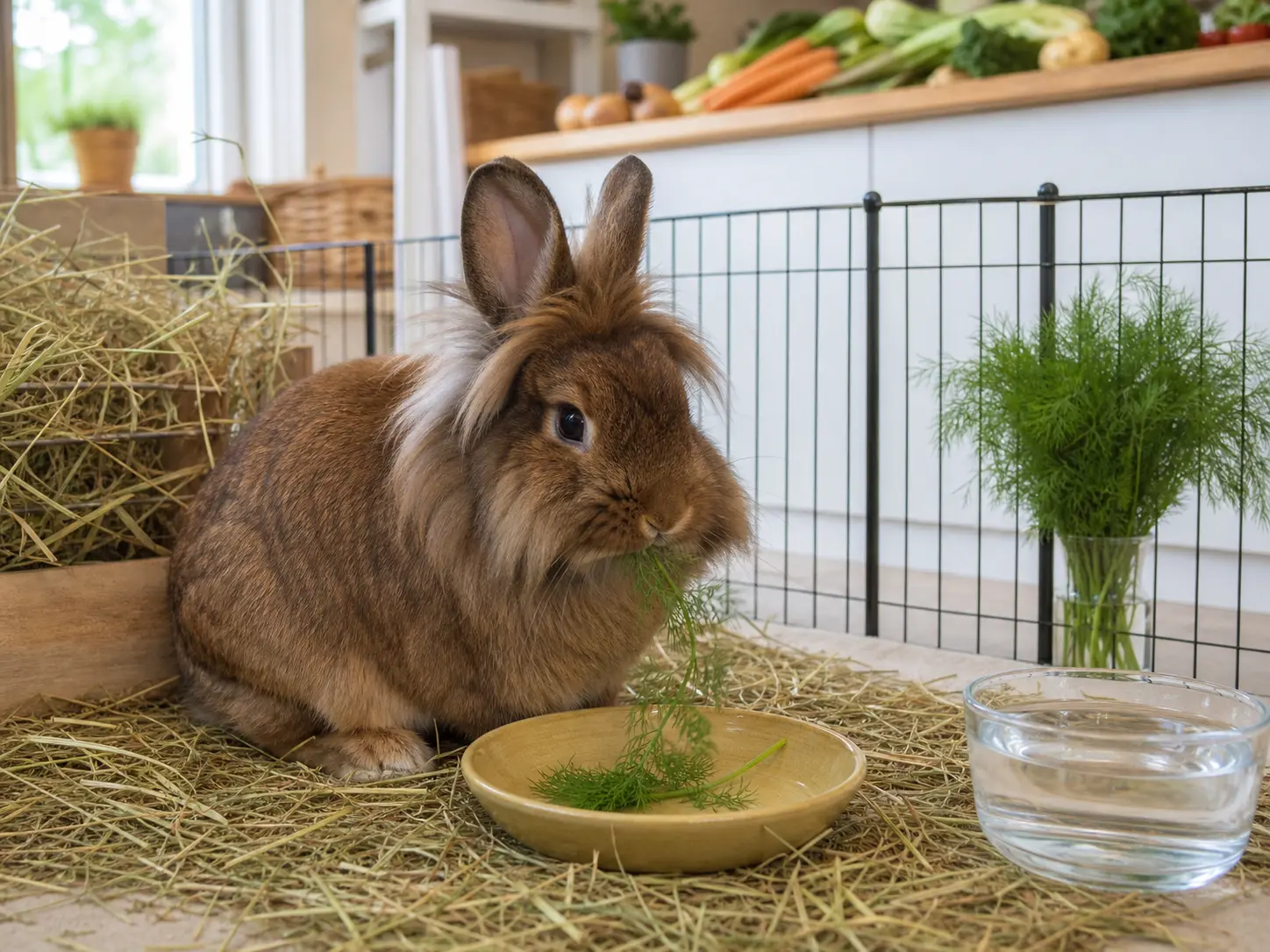
The produce band says fennel; pale base, ribbed stalks, and feathery tops remain attached. The rabbit waits beside timothy hay while one small frond and thin base strip go to the sink.
Rinse the layers and fine branches
Turn the bulb strip under cool water, then spread the frond gently so grit can rinse through. A damp brown layer or flattened slimy top goes to the compost instead of the teal saucer.
Serve the fresh pieces beside hay
Set the frond and thin crisp strip on the saucer, then refrigerate the rest of the bulb. The rabbit gets those plain fresh pieces beside hay and water, not a roasted wedge from dinner and not a spoonful from the spice shelf.
Check what happens after the crunch
An empty saucer only shows that fennel tastes good. Later, look for steady hay chewing, comfortable movement, and the usual round droppings. Slower eating or output, hunching, or a painful posture calls for prompt advice from the rabbit-savvy clinic.
Serve
- Confirm fresh fennel from the produce label. Look for a firm layered pale base, green ribbed stalks, and fine threadlike fronds all attached to the same vegetable.
- Pull away a bruised outer layer and inspect the base where grit and moisture collect. Discard slimy folds, fuzzy growth, sour odor, blackened patches, and collapsed wet fronds.
- Rinse a thin bulb strip on both faces. Fan open the feathery top under cool water so grit can leave the fine branches instead of hiding between them.
- Serve one small frond or one or two thin base strips plain. Return the rest to the refrigerator before human cooking, seasoning, or salad dressing begins.
Avoid
- Fennel seed, seed blends, tea, extract, supplement, tincture, or essential oil. House Rabbit Society lists the fresh leafy tops and base, while noting reported stool trouble with seeds.
- Roasted fennel, soup, sausage, pasta sauce, gratin, restaurant garnish, or any piece carrying salt, oil, butter, cheese, stock, sauce, or seasoning.
- A large wedge or whole bulb used as one serving. Fresh fennel belongs inside the adult greens rotation and should not displace hay.
- A loose feathery clipping guessed to be fennel after its label and attached bulb are gone. Dill and carrot tops can look similar from a distance.
- A moldy, slimy, sour-smelling, heavily bruised, gritty, badly wilted, or unidentified piece.
Watch
- The small fennel serving disappearing while the rabbit keeps returning to the hay pile
- Normal posture, movement, water use, and interest in familiar food
- The rabbit's usual separate round droppings after a first fennel tasting
- Reduced eating or droppings, soft stool, diarrhea, belly pressing, hunching, tooth grinding, weakness, or unusual quietness; contact a rabbit-savvy veterinarian promptly
Portion
For an adult already comfortable with leafy vegetables, use one small frond or one or two narrow bulb strips as part of the usual mixed greens serving. If fennel is new, start with less and keep the rest of the meal familiar. The fragrant bulb does not replace unlimited grass hay.
Keep fennel layers, fronds, and portions easy to see
These produce-prep tools help keep the fennel name with the vegetable, expose damp outer layers, rinse fine fronds, and reserve one plain rabbit portion before dinner prep.
Affiliate links: Furball Cove may earn from qualifying purchases at no extra cost to you.
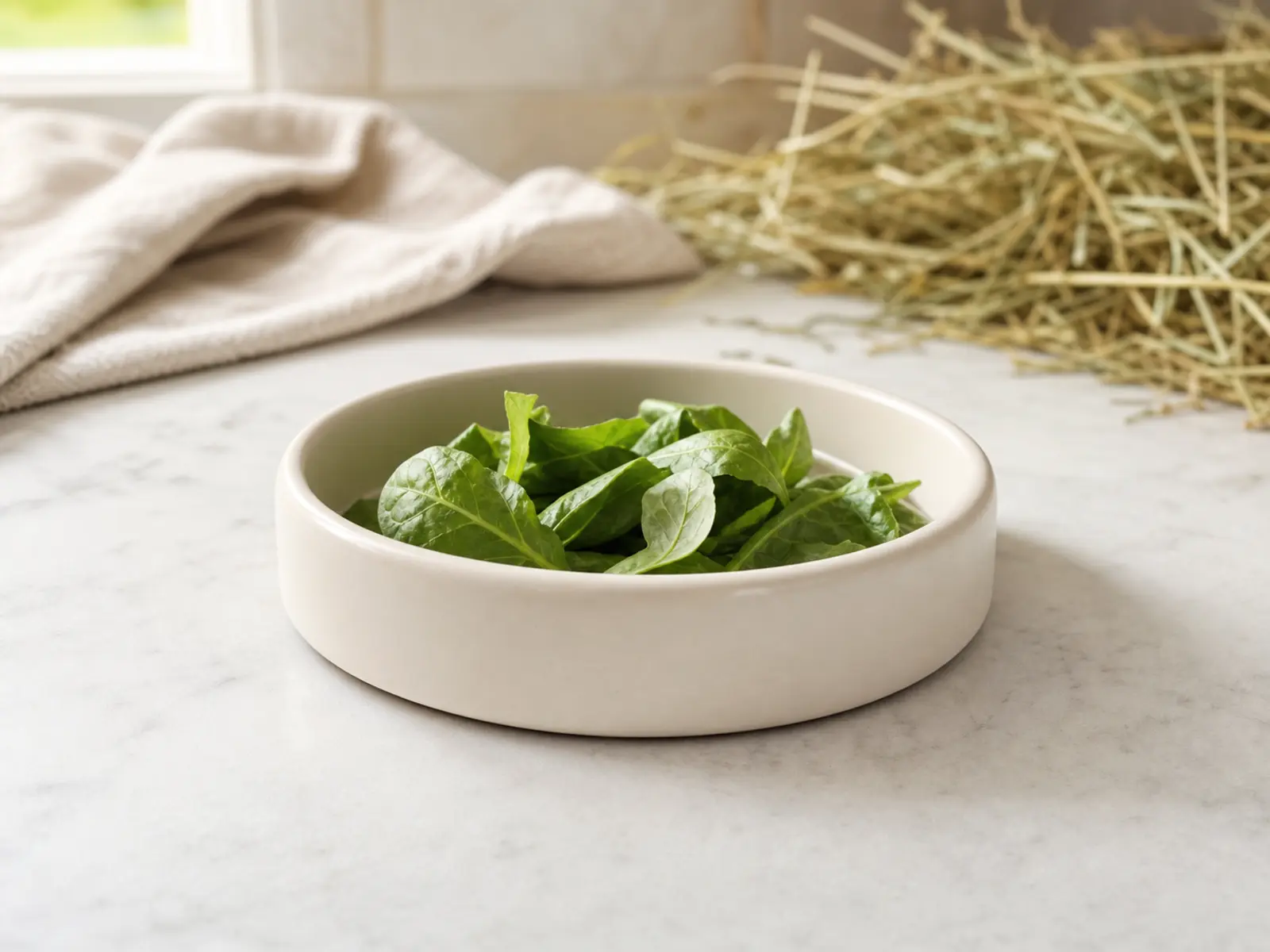
Ceramic food dish
Place one small frond or two thin bulb strips on a washable saucer apart from pellets, cooked fennel, and seasoned scraps.
Shop ceramic food dish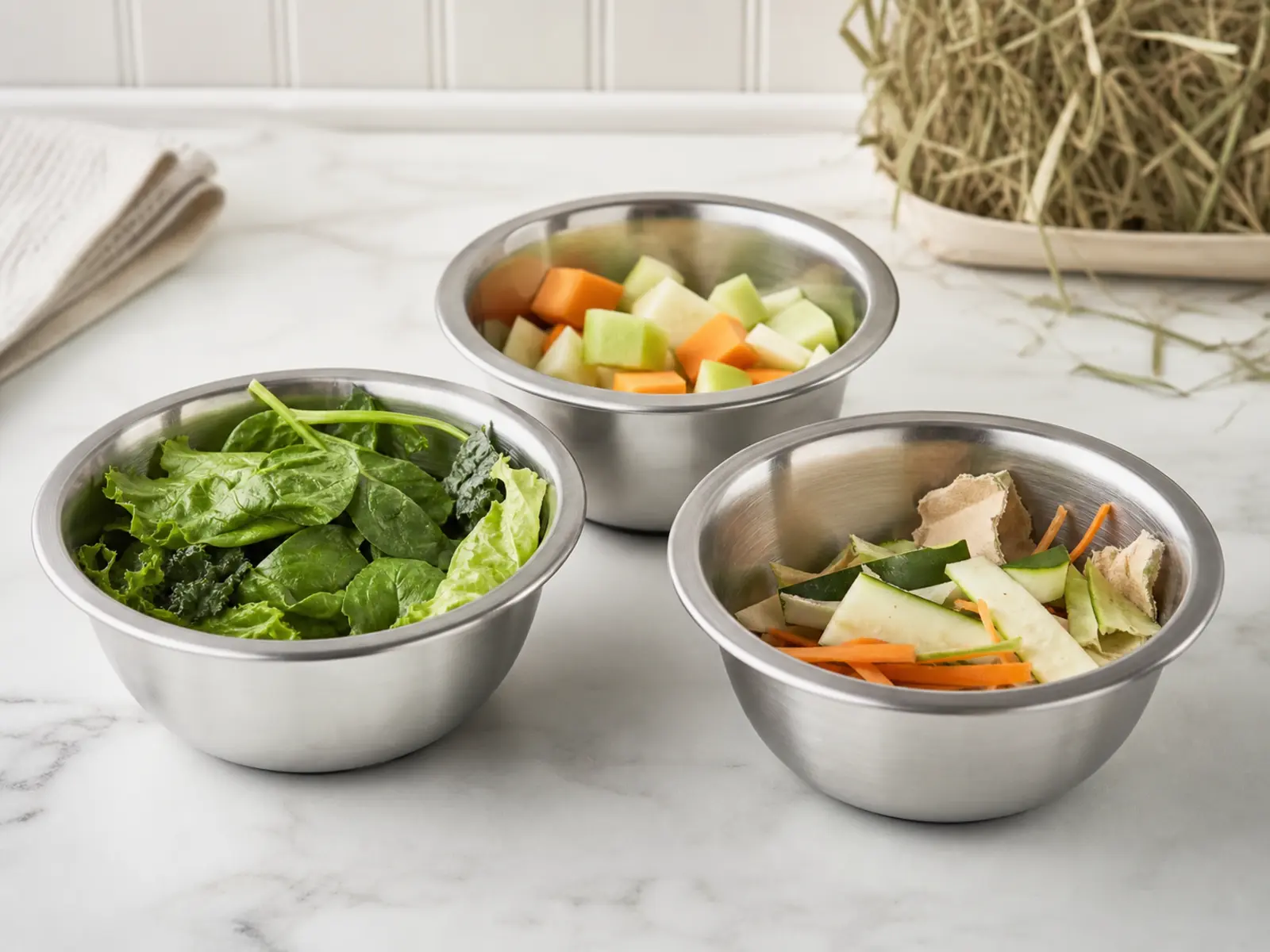
Stainless prep bowls
Reserve the rabbit's washed fennel before the remaining bulb reaches oil, salt, stock, cheese, sauce, or the oven.
Shop stainless prep bowls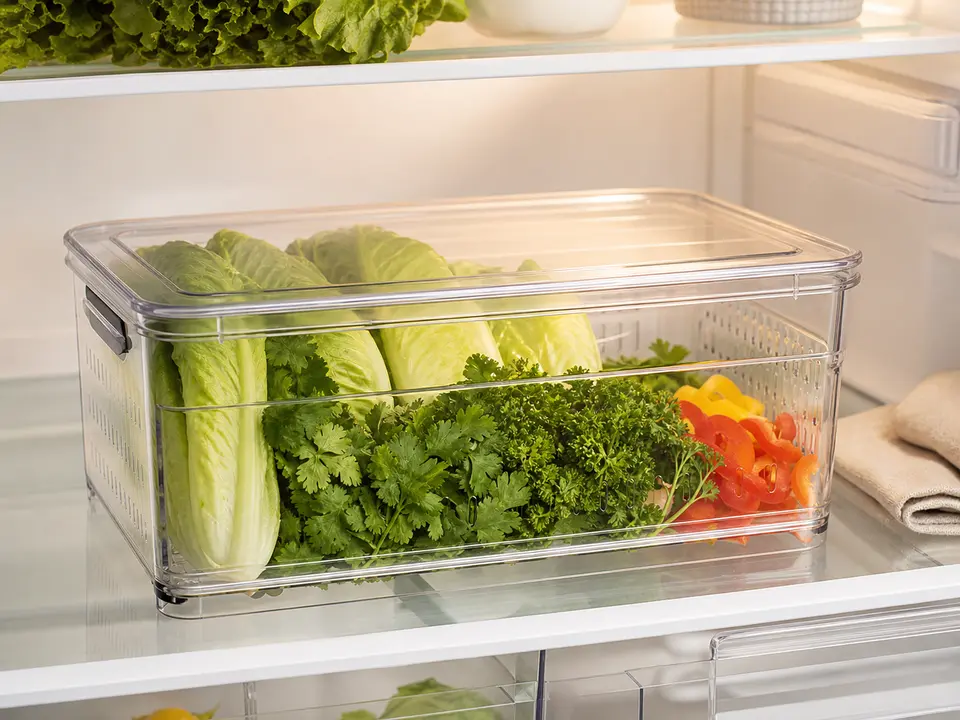
Rabbit greens bin
Give the labeled bulb a visible refrigerator space where wet outer layers, wilted fronds, and the opened date remain easy to check.
Shop rabbit greens bin