Use wet food for moisture and texture
Wet food brings water into the meal and often has more aroma than kibble. That can help cats who prefer softer food, cats who drink lightly, and seniors who need meals to be easier to approach.
Updated
Wet food
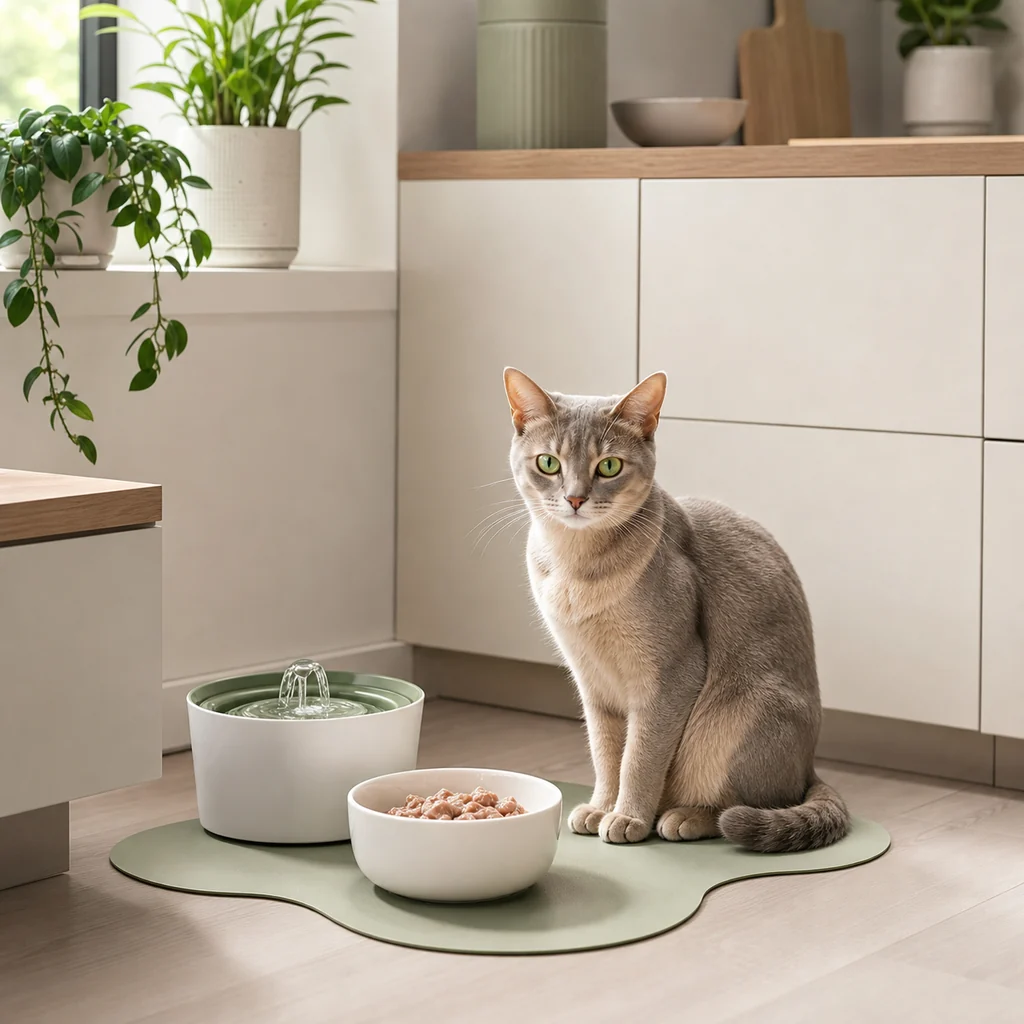
Wet food is useful when moisture, aroma, or soft texture makes meals easier.
The job is not to make dinner fancy. Serve a complete wet food in a clean, measured way, then watch whether your cat eats it comfortably and consistently.
Wet food brings water into the meal and often has more aroma than kibble. That can help cats who prefer softer food, cats who drink lightly, and seniors who need meals to be easier to approach.
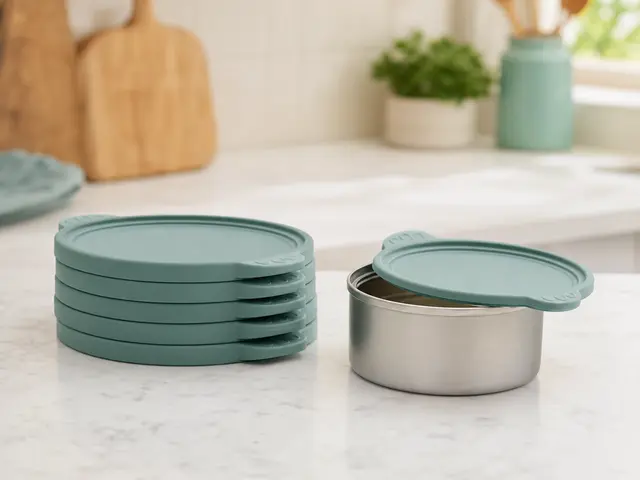
Start with a portion your cat is likely to finish. Pick up leftovers, wash the dish, and refrigerate opened food promptly so smell and texture do not turn into the problem.
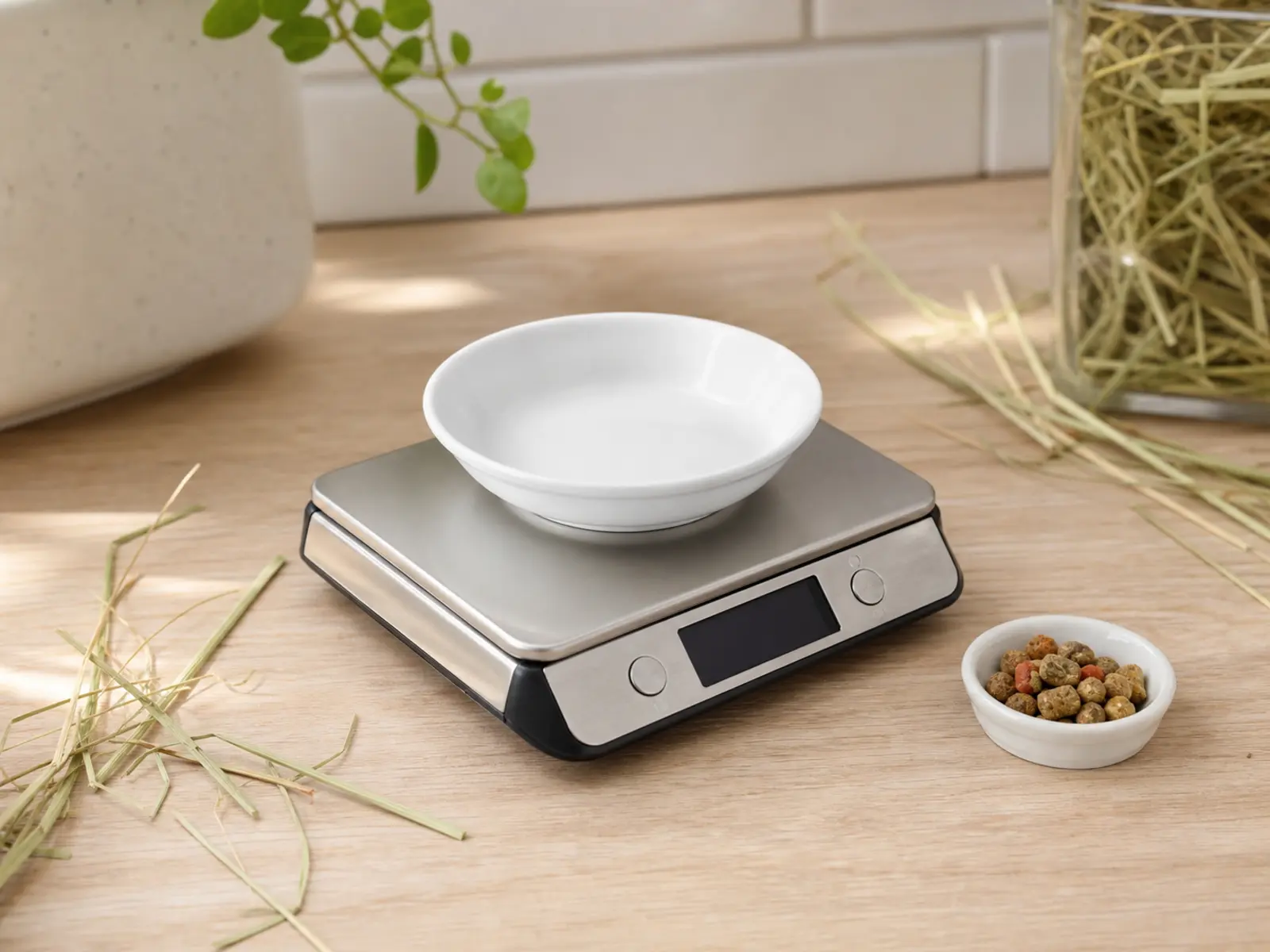
Wet food plus unchanged kibble can quietly become too much food. If you mix wet and dry, count both and keep treats visible.
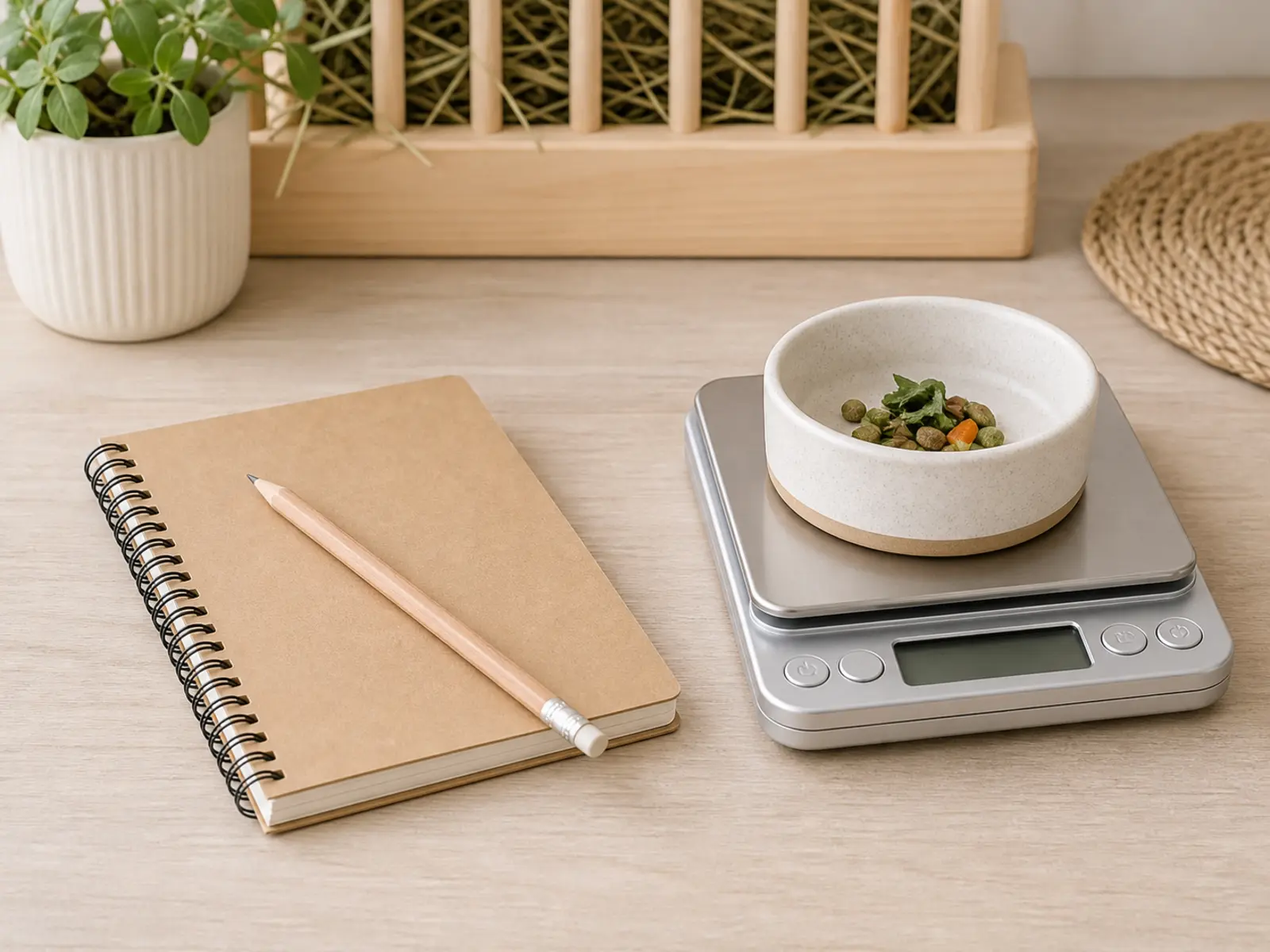
Texture preference is normal. Sudden appetite loss, repeated vomiting, weight loss, pain, or hiding is not a texture debate; call your veterinarian.
Wet food gear should make serving, storage, and cleanup cleaner without adding fuss.
Affiliate links: Furball Cove may earn from qualifying purchases at no extra cost to you.
Cover opened cans before they dry out or make the fridge smell like dinner.
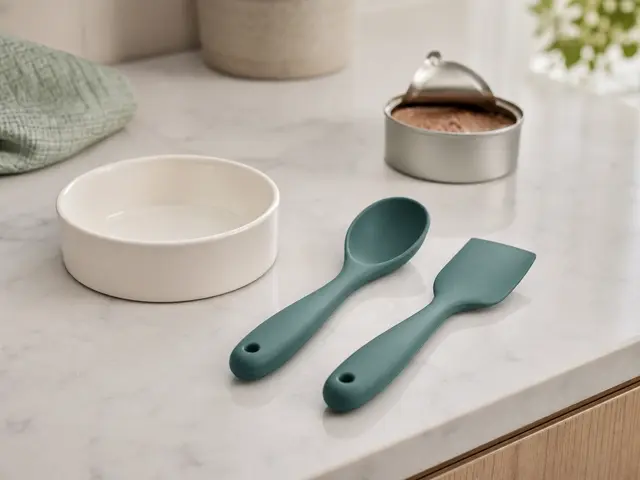
Portion soft food cleanly without scraping with random kitchen tools.
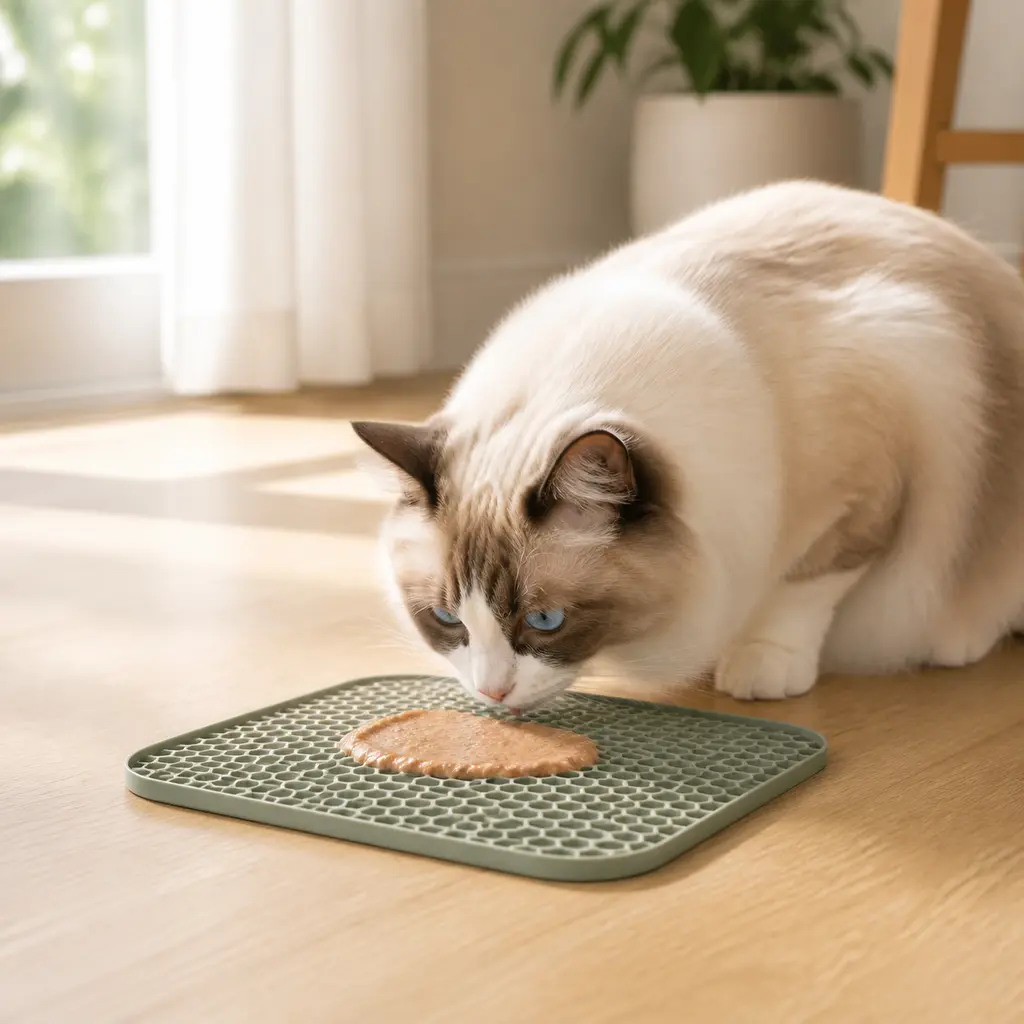
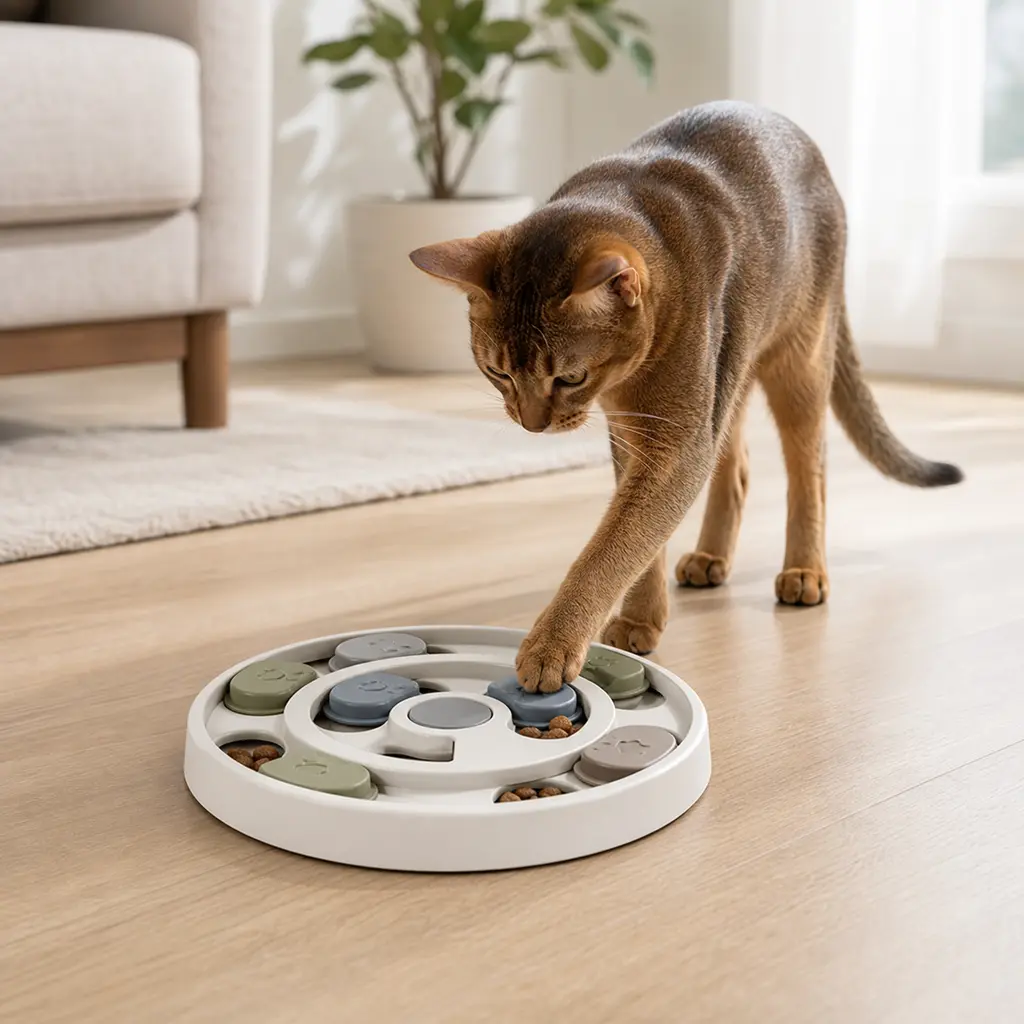
Use it for a tiny smear when you want a slow treat, not a second meal.
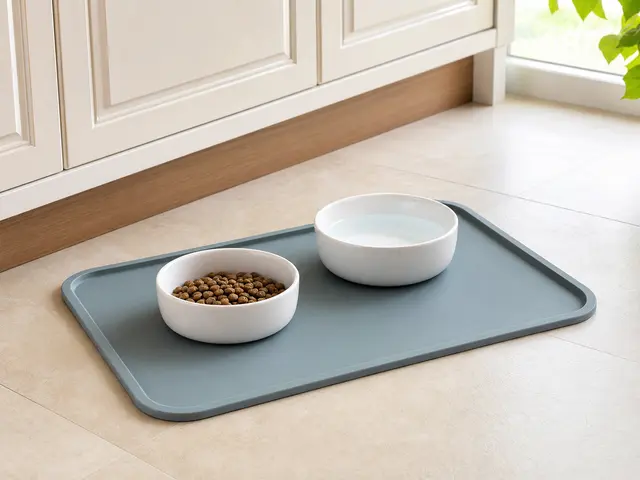
Keeps wet-food drips contained and makes daily cleanup easier.
It depends on the cat and the routine. Wet food adds moisture and aroma; dry food can be practical when measured and paired with good water access.
Do not leave wet food out long enough to dry, smell stale, or attract pests. Pick up leftovers promptly and follow the storage instructions on the package.