My cat is eating but losing weight: what should I watch?
A cat who is eating but losing weight needs a veterinary check. Watch meal amounts, water, litter, vomiting, stool, teeth, and body feel so your veterinarian can see the full pattern.
Do not let a good appetite make weight loss feel harmless. Cats can lose muscle under a fluffy coat, and the useful clues are often split between the bowl, the box, and your hands.
Use your hands, not just your eyes
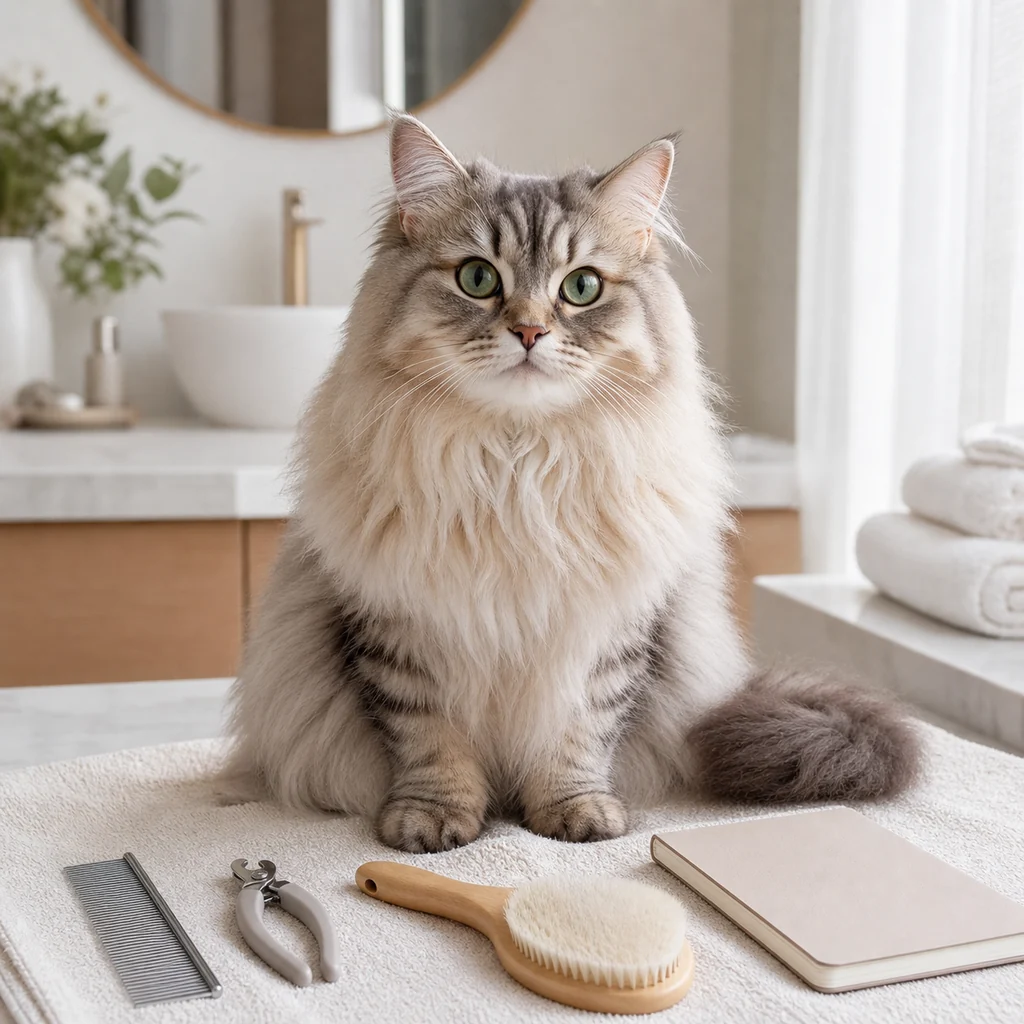
During calm petting, feel ribs, spine, hips, and back-leg muscle. A long or thick coat can hide weight loss until your cat suddenly feels bonier than they look.
Treat symptom pages as triage support, not a diagnosis. Appetite, water, urine, stool, breathing, mobility, gums, pain signs, and energy matter more than one isolated symptom word.
Compare appetite with actual intake
Eating can mean finishing full meals, begging often, stealing food, or only licking gravy. Write down meal amounts, treats, wet food, dry food, and whether another pet blocks the bowl.
Start by deciding whether this can wait. Breathing trouble, urine changes, appetite loss, severe pain, collapse, toxin exposure, or sudden decline means the next step is a vet call.
Track water, stool, vomiting, and teeth
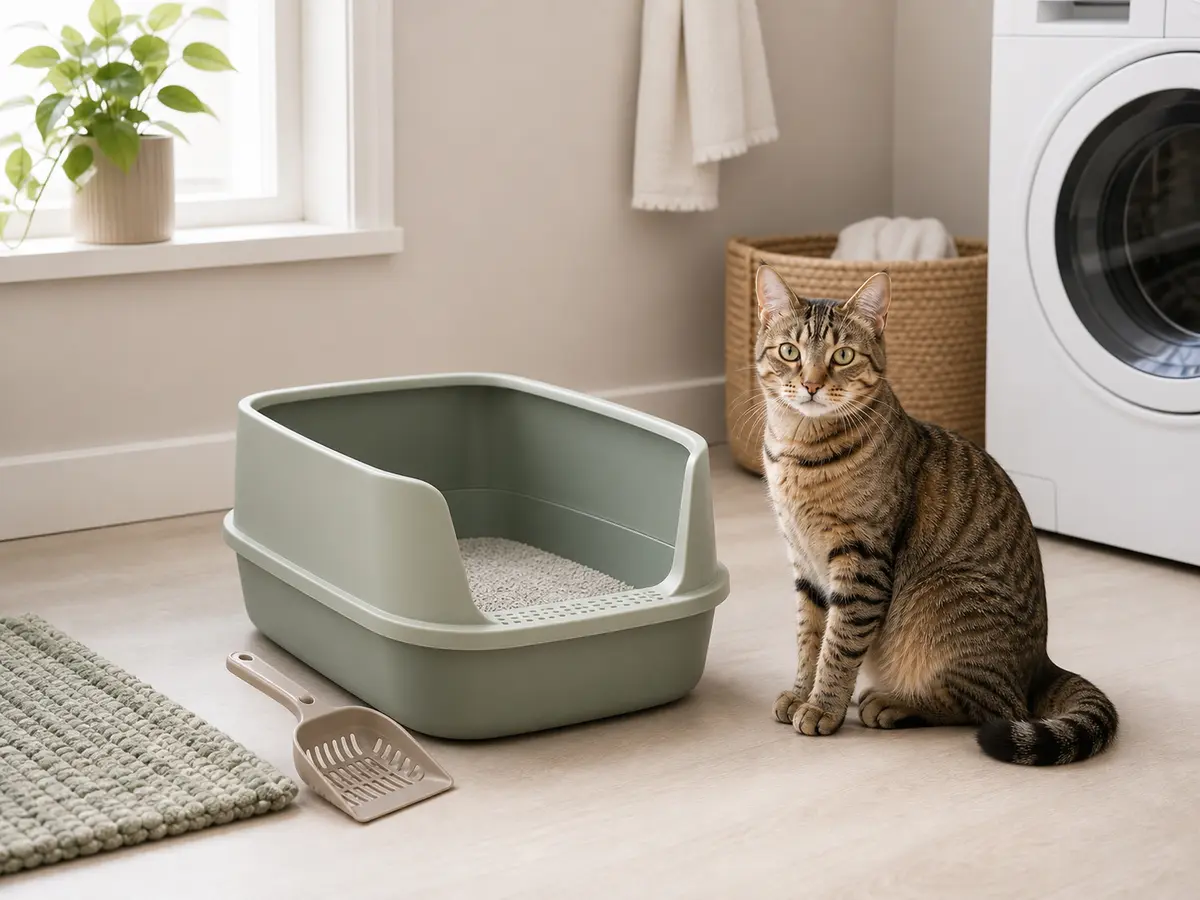
For your veterinarian, connect weight with bigger litter clumps, thirst, vomiting, diarrhea, bad breath, drooling, dropped food, or lower grooming. Those details can change the urgency of the appointment.
Write down timing, frequency, appetite, litter use, breathing, movement, and any trigger you saw. A short video is often more useful to your veterinarian than a long description.
Bring numbers if you can
A kitchen scale is not required, but any clinic weight, baby scale number, harness fit change, or photo timeline helps. If you only have what you feel under your hands, bring that too.
Do not monitor at home when breathing is hard, gums look pale or blue, the cat cannot stand, pain is obvious, appetite stops, urination changes, or symptoms escalate.
Do not wait on unexplained loss
Schedule a veterinary visit for unexplained weight loss, especially in senior cats. Call sooner for appetite loss, vomiting, diarrhea, weakness, pain, major thirst changes, or a cat who seems unwell.
Write down timing, frequency, appetite, litter use, breathing, movement, and any trigger you saw. A short video is often more useful to your veterinarian than a long description.
Before you decide
Is your cat eating full meals, eating more, or only picking at favorite parts?
Can you feel more ribs, spine, hips, or back-leg muscle loss than before?
For your veterinarian, are thirst, vomiting, diarrhea, mouth pain, or litter changes present?
Is your cat senior, fluffy, or managing another health issue?
Next best moves
Write down meal amounts, treats, water, litter, stool, and any weights.
Feel body condition during calm petting once or twice a week.
Schedule a veterinary check for unexplained weight loss instead of waiting for it to become obvious.
Quick cat question
Can a cat eat and still lose weight?
Yes. Appetite alone does not prove weight is safe, so unexplained loss belongs in a veterinarian conversation.
What should I watch before the appointment?
Watch meal amount, water, litter clumps, stool, vomiting, teeth, grooming, activity, and what your cat feels like under your hands.