Fleas can cause scratching, overgrooming, scabs, flea dirt, hair loss, restlessness, or no obvious signs at first, so check the coat and call your vet about cat-safe treatment.
Indoor cats can get fleas too. The useful question is not whether your cat goes outside; it is whether you see coat clues, bedding clues, or another pet bringing fleas into the home.
Look for flea dirt and skin clues
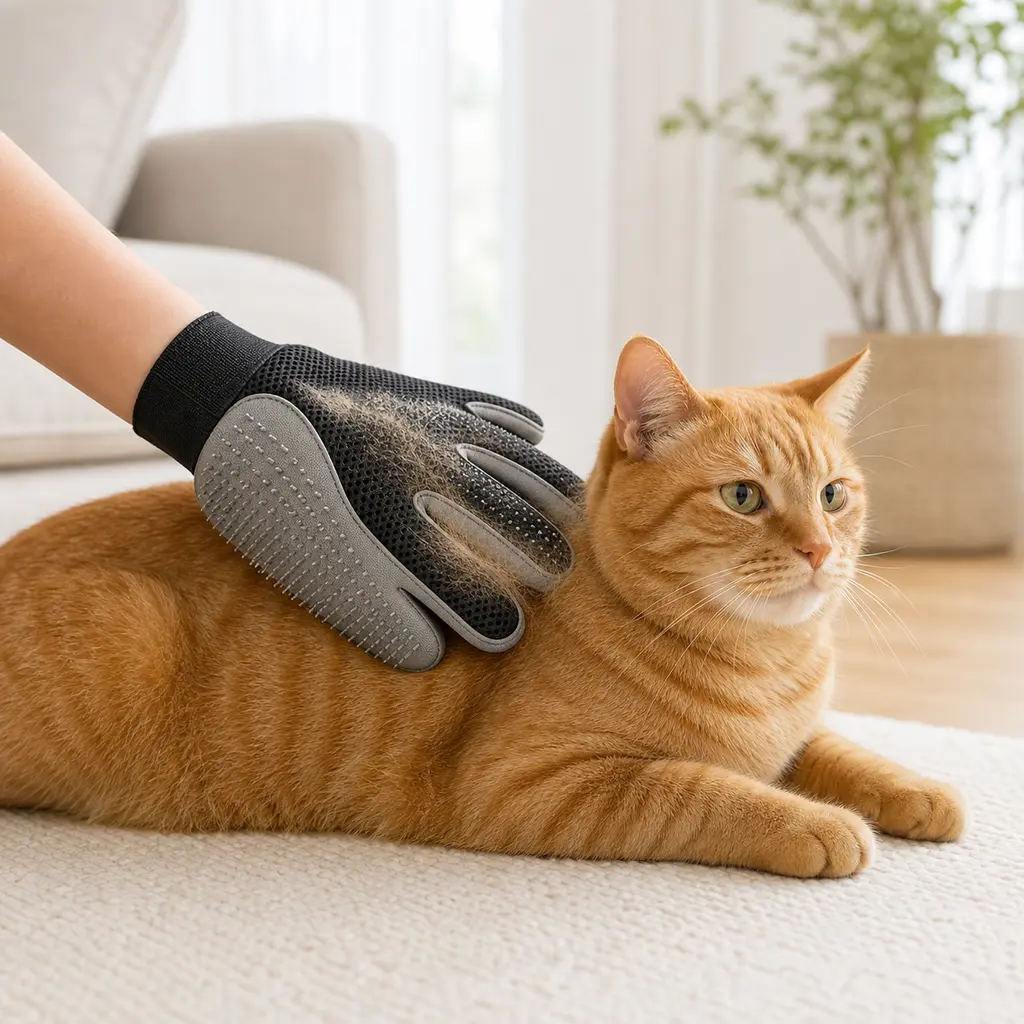
Flea dirt can look like black pepper in the coat or bedding. Scratching, overgrooming, scabs, hair loss, restlessness, and irritated skin can also point to fleas.
Good preventive care is easier when records are current. Keep vaccine dates, parasite prevention, microchip details, dental notes, weight, and medication history where you can find them.
Check bedding and favorite spots
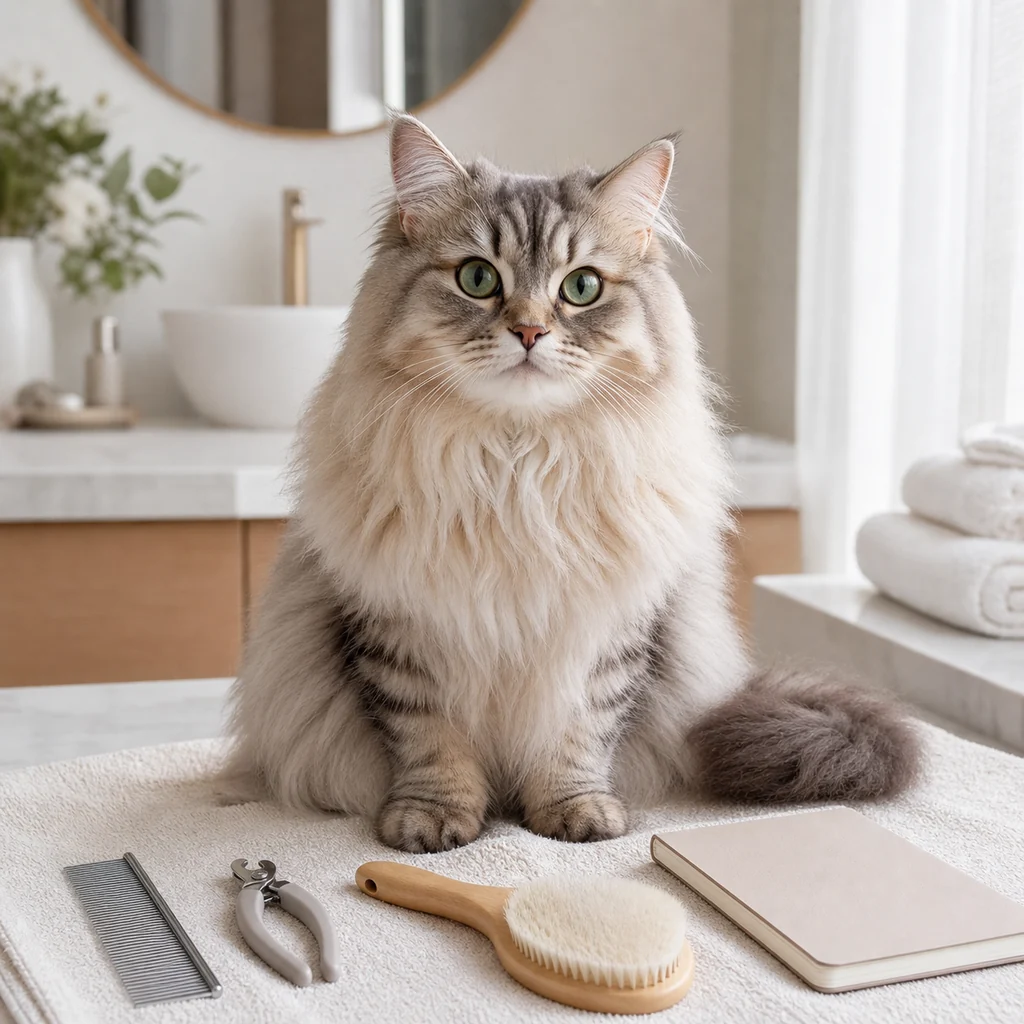
Look where your cat sleeps, grooms, and scratches. A washable bed, blanket, or perch can reveal specks and irritation before you see an actual flea.
Start with the date and the record. If you know what was done, when it was done, and what is due next, the page can turn into a clear calendar step.
Treat cats differently from dogs
Use only cat-safe products recommended by your veterinarian. Some dog flea products can be dangerous for cats, and guessing at treatment can make a bad day worse.
Put the next appointment, refill, or record update on the calendar while the details are fresh. Preventive pages should turn into one concrete admin step, not a vague intention.
Think about every pet in the home
If one pet has fleas, the home plan may need to include all pets, bedding, vacuuming, and safe timing. Ask your vet how to treat the household without exposing your cat to unsafe products.
Routine-care planning should move faster when a cat is overdue, on medication, losing weight, changing litter habits, or showing mouth pain, coughing, weakness, or persistent vomiting.
Call for wounds or a sick cat
Call your veterinarian if your cat has open sores, heavy itching, pale gums, weakness, a kitten is involved, or the problem is not improving with a cat-safe plan.
Good preventive care is easier when records are current. Keep vaccine dates, parasite prevention, microchip details, dental notes, weight, and medication history where you can find them.
Before you decide
Do you see black specks, scabs, overgrooming, or hair loss?
Does another pet go outside or visit shared spaces?
Is your cat a kitten, senior, or already unwell?
Are you using only cat-safe products?
Next best moves
Check coat and bedding calmly.
Call your vet about safe treatment.
Treat the household plan carefully instead of grabbing a random product.
Quick cat question
How do I know if my cat has fleas?
Fleas can cause scratching, overgrooming, scabs, flea dirt, hair loss, restlessness, or no obvious signs at first, so check the coat and call your vet about cat-safe treatment.
When should I get help?
Call your veterinarian if the change is sudden, painful, repeated, worsening, or paired with appetite, litter, breathing, movement, or behavior changes.