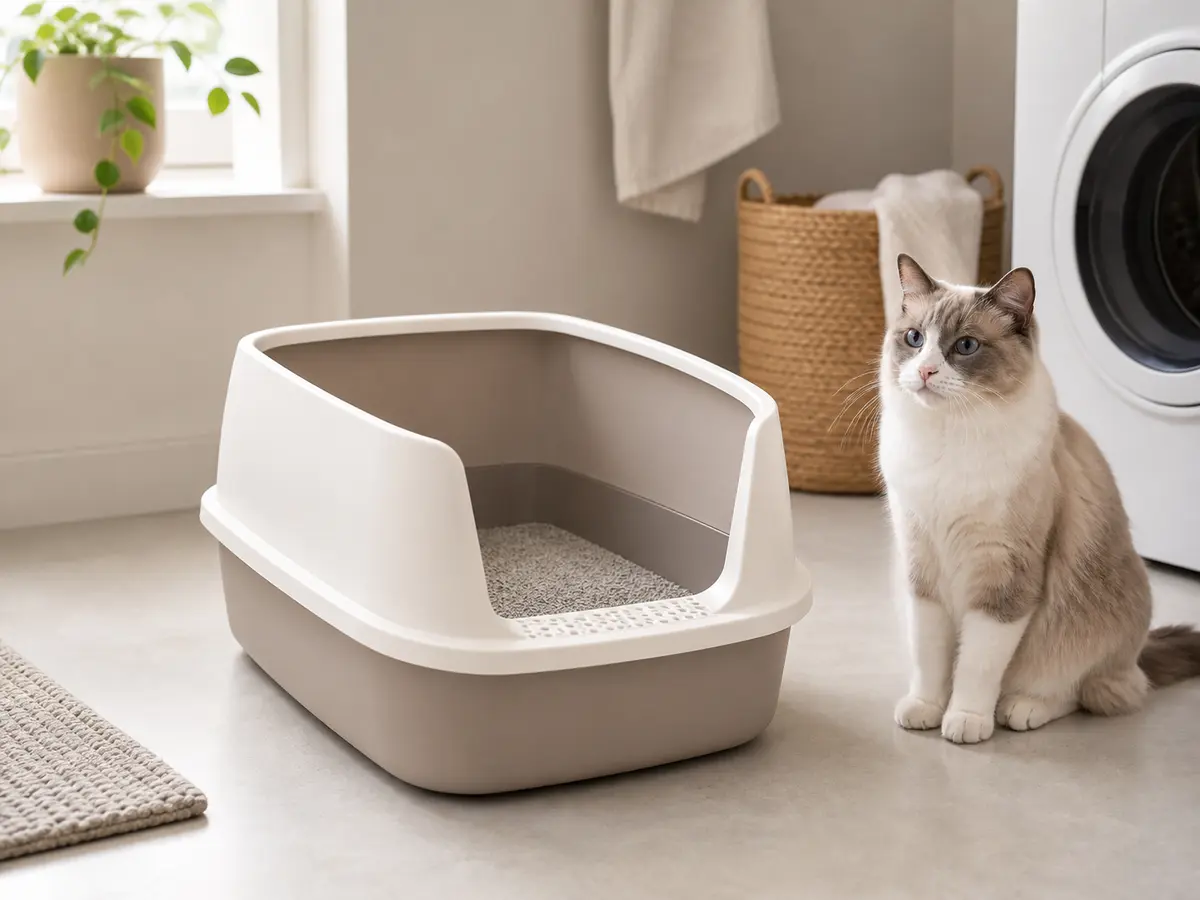
Put comfort before trapping power
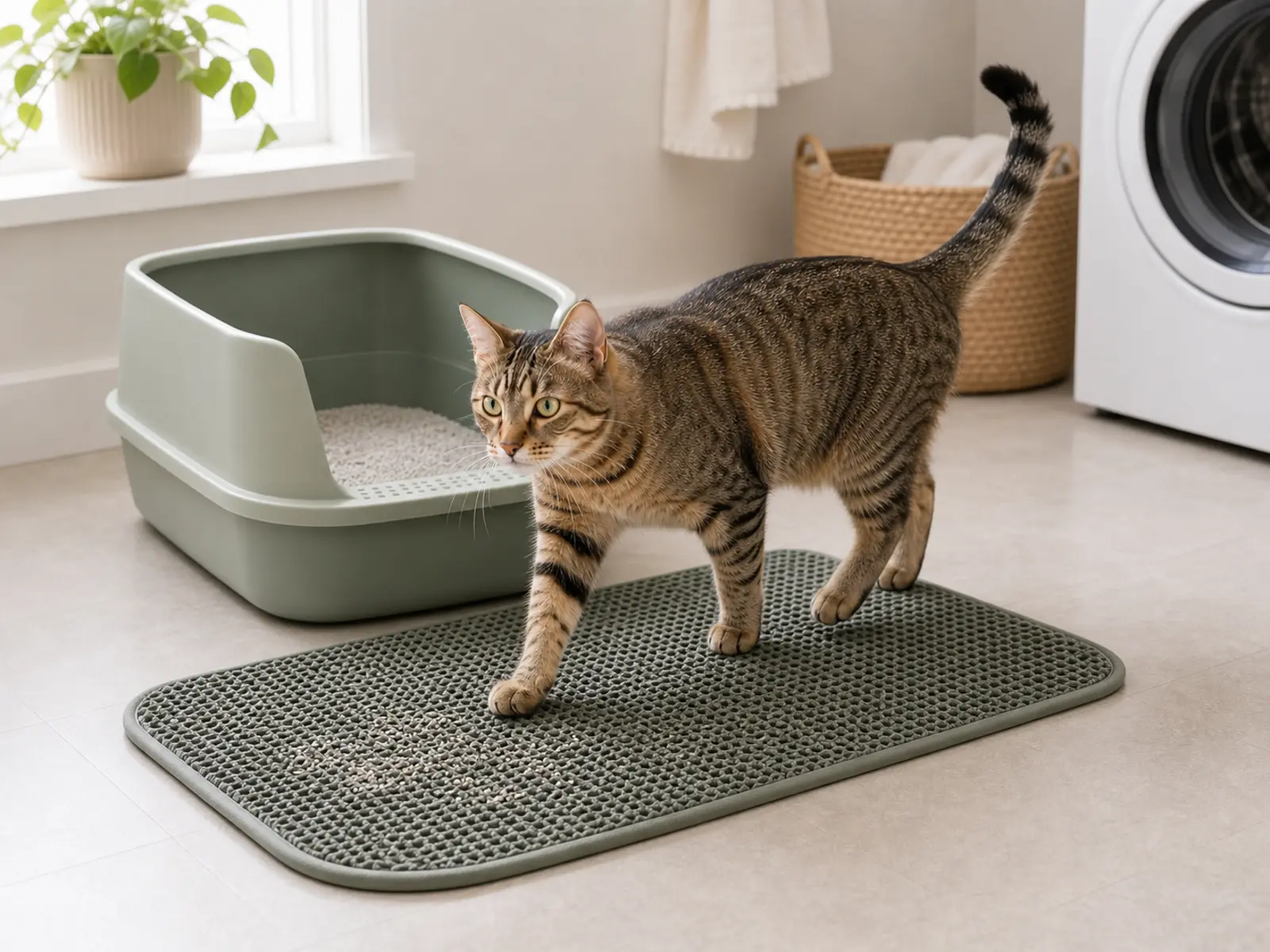
Deep grooves can catch litter, but some cats dislike prickly or unstable textures. If your cat leaps over the mat or exits another way, the mat is not helping.
Updated
Litter tracking
A good litter mat catches scatter without making your cat avoid the box route.
The mat is there to help cleanup, but your cat is the one who has to walk across it. Texture, size, placement, and washing matter more than a clever pattern.
Deep grooves can catch litter, but some cats dislike prickly or unstable textures. If your cat leaps over the mat or exits another way, the mat is not helping.
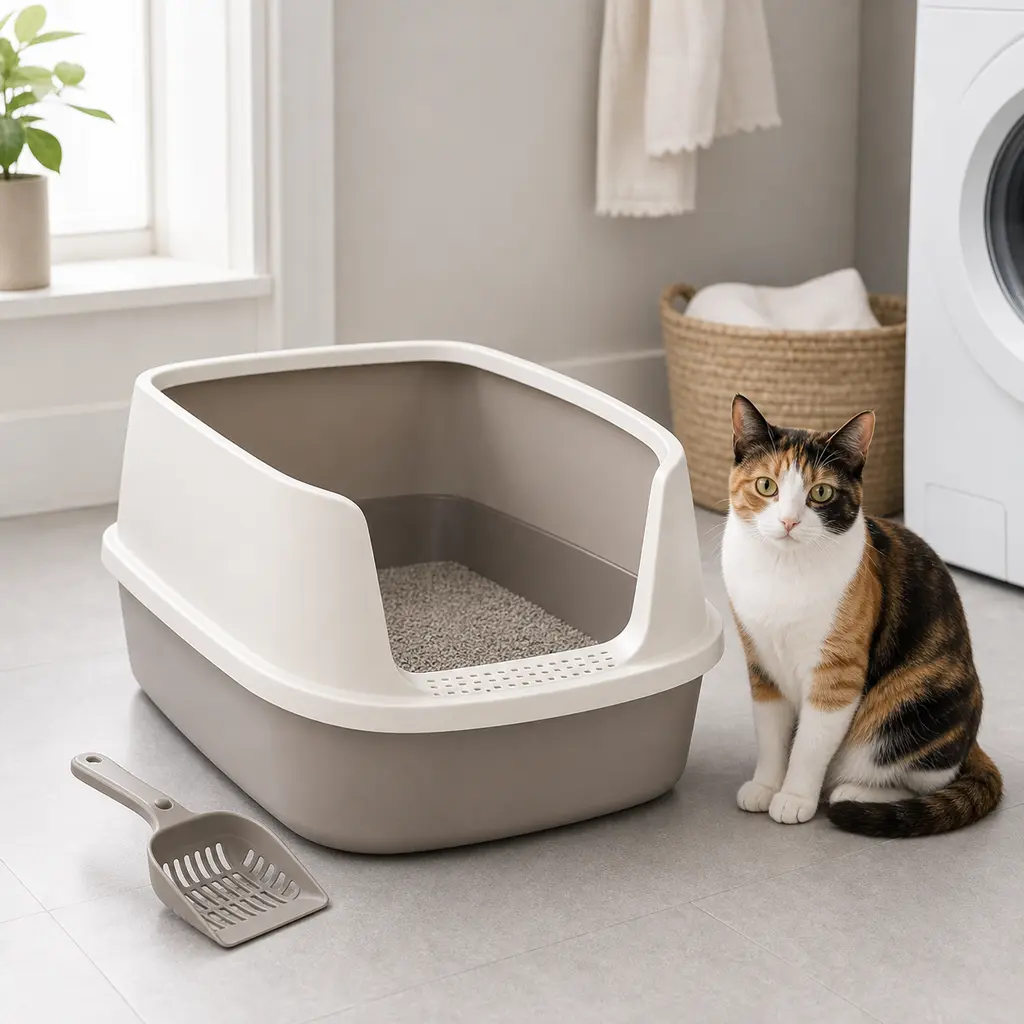
Place the mat where paws naturally land after leaving the box. A tiny mat off to the side will not catch much and may just add clutter. The clue may be in the first step, the digging, the exit path, or what happens right after the box.
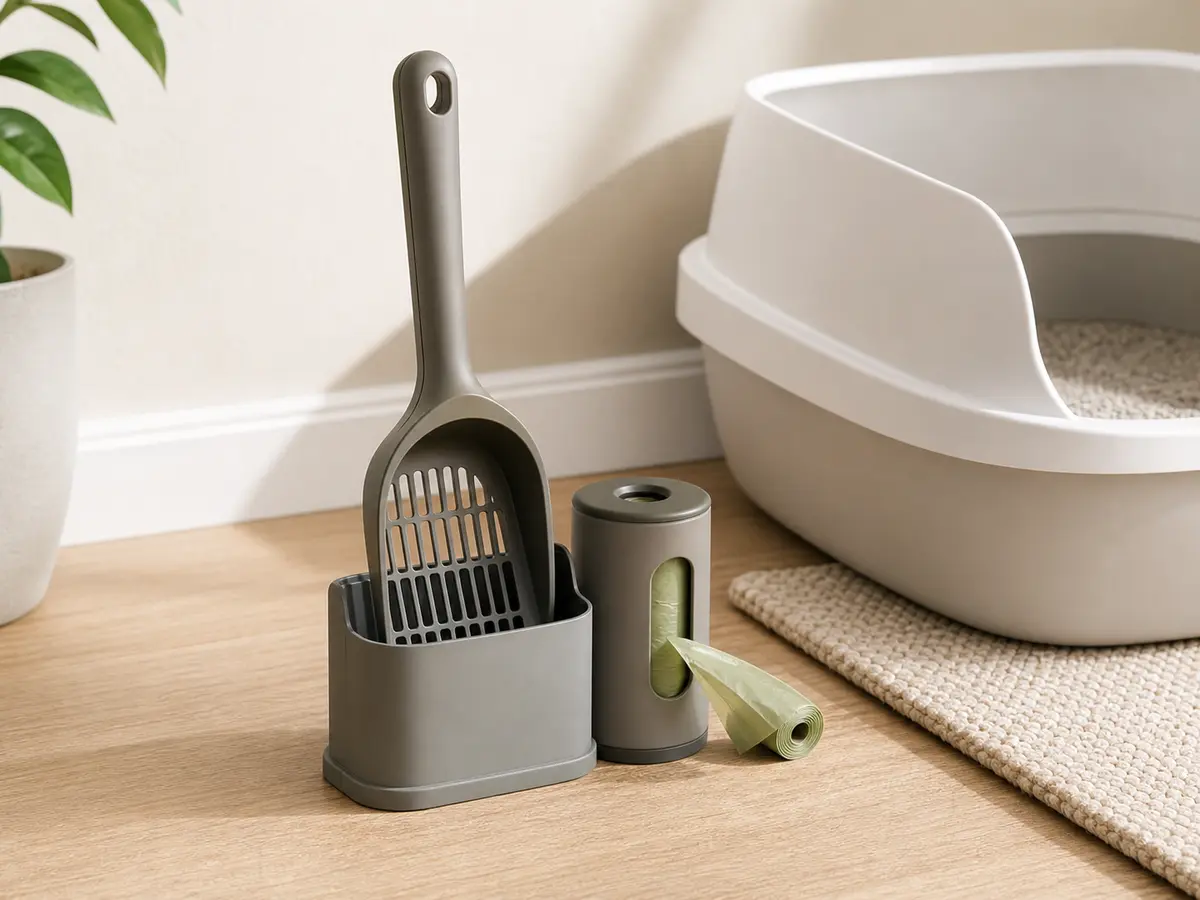
A mat that traps litter also traps dust and odor. Choose one you can shake out, vacuum, rinse, or wash without turning cleanup into a weekend project. Watch the route to the box too; a good box in a stressful corner can still fail.
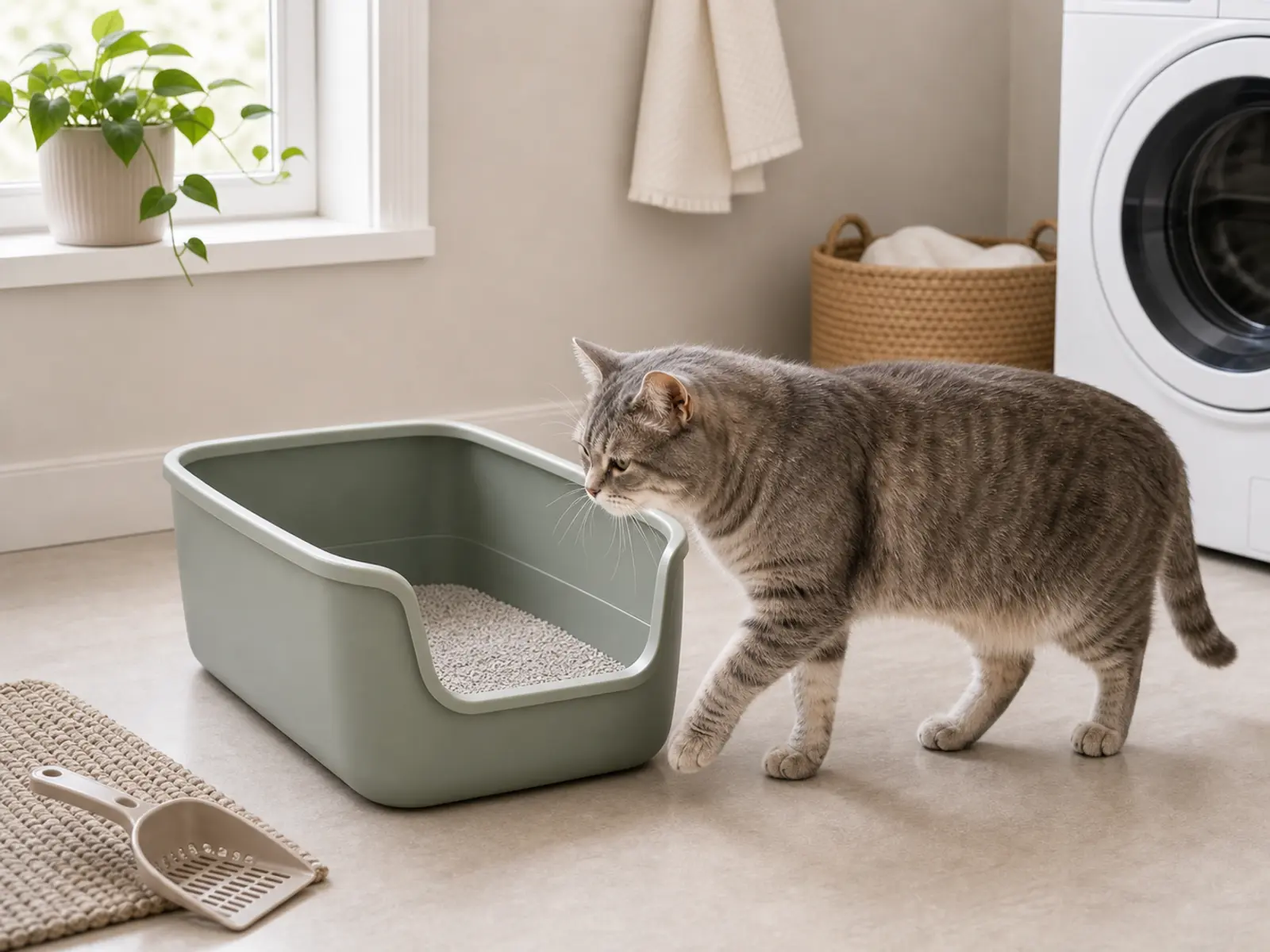
Older cats, declawed cats, sore cats, and cats with tender paws may need a softer route. If a mat changes litter habits, remove it and rebuild the setup more gently.
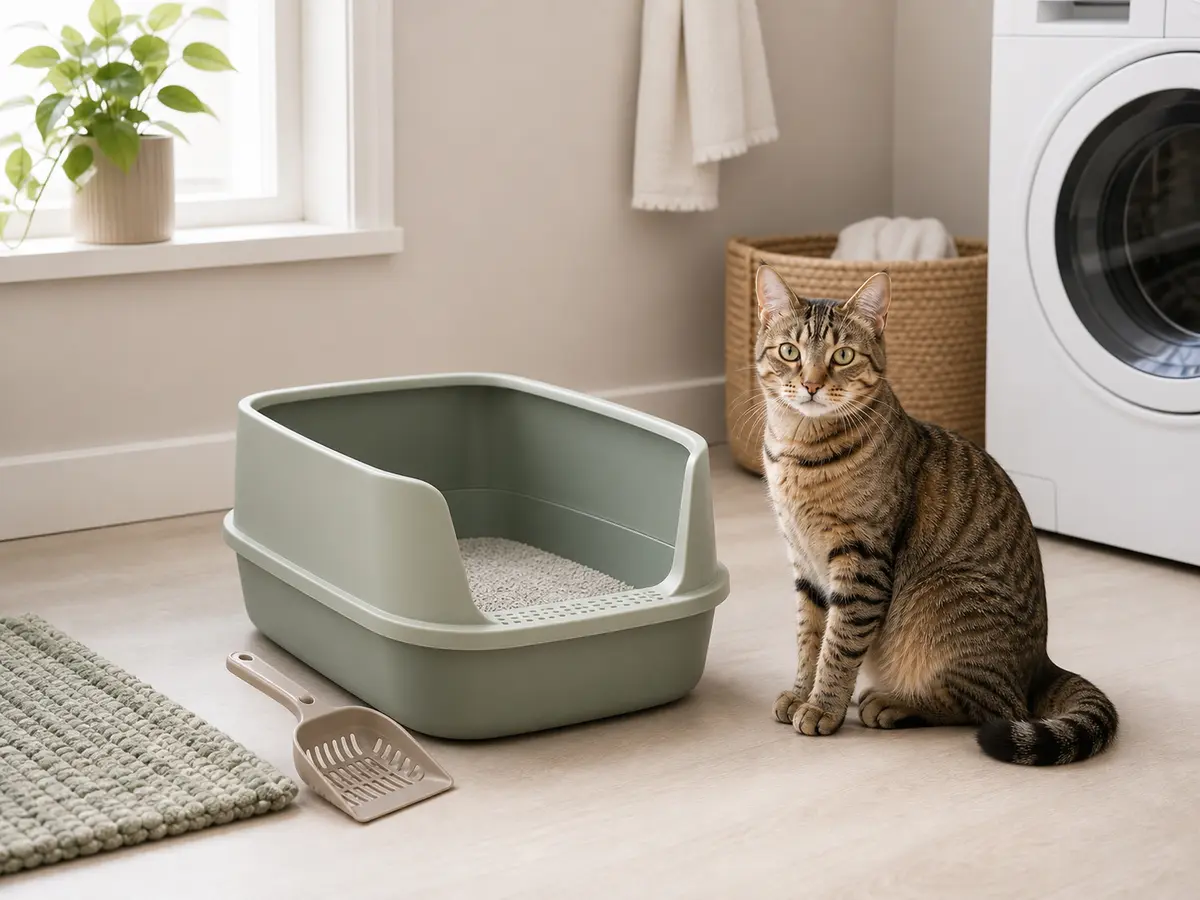
For cat litter mats, write down where the problem happens, what the box looked like, and what changed that week. A simple pattern can point toward access, odor, stress, another pet, or a health concern.
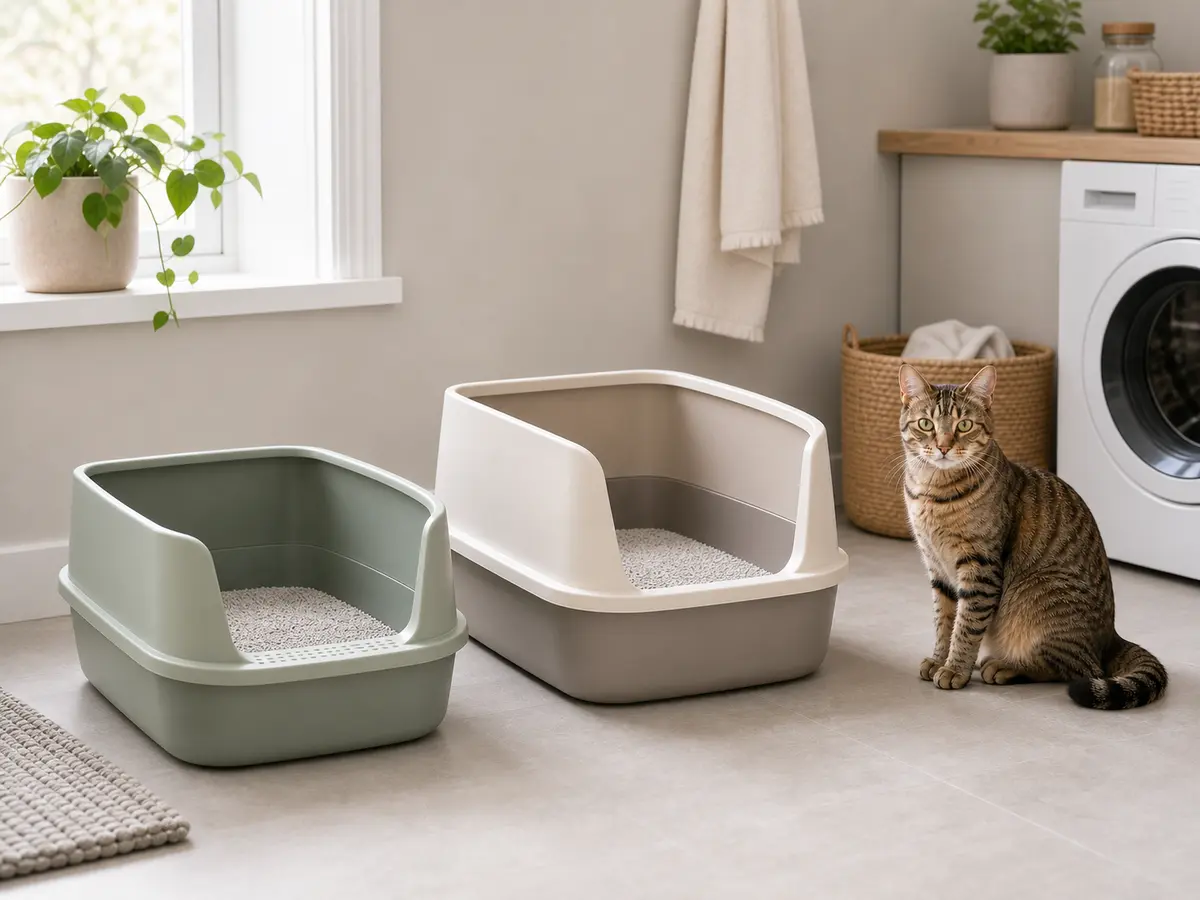
For cat litter mats, prioritize access, scooping, tracking control, and a location your cat can reach without stress.
Affiliate links: Furball Cove may earn from qualifying purchases at no extra cost to you.
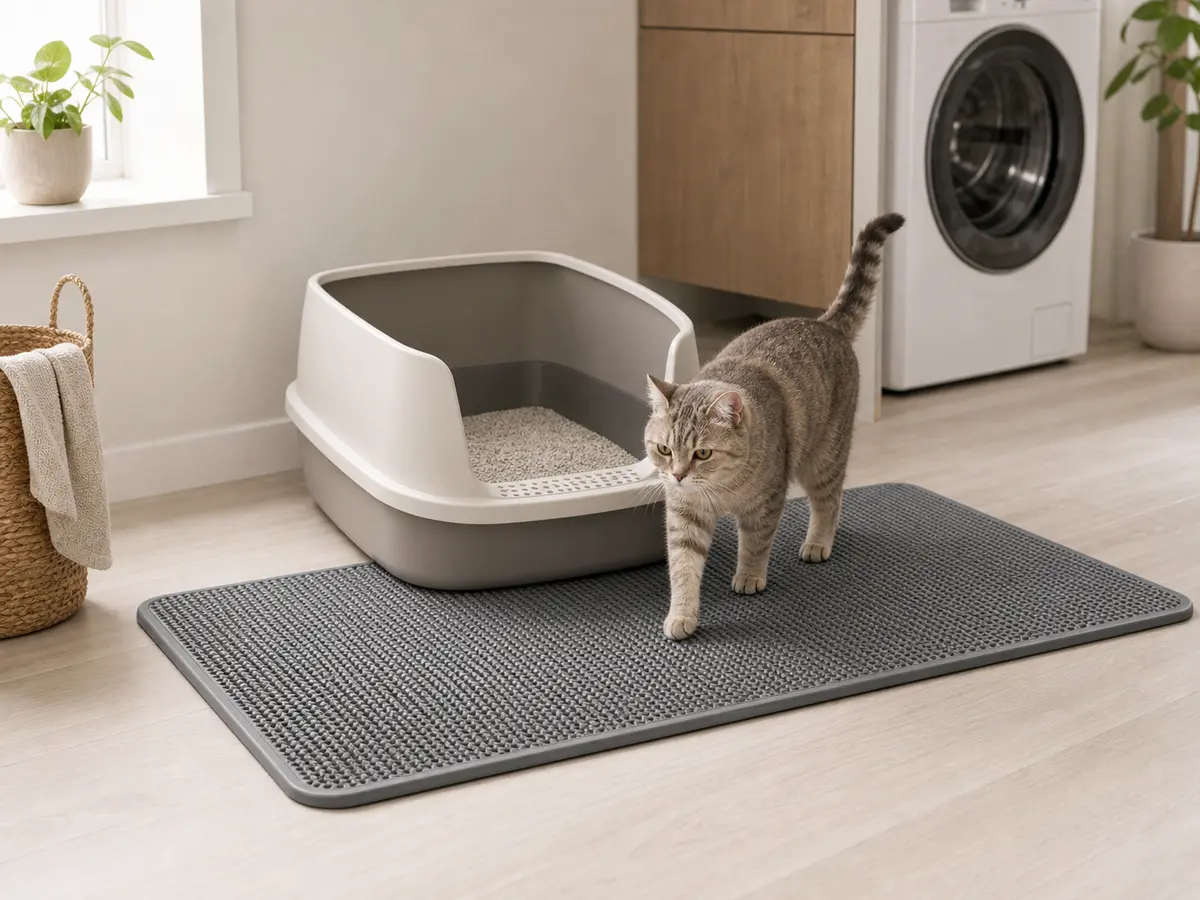
Cat Litter Mats works better when the setup can give the exit path a cleaner landing without blocking access.
Use it in a cat litter mats routine to keep litter scatter more manageable without hiding the box from view.
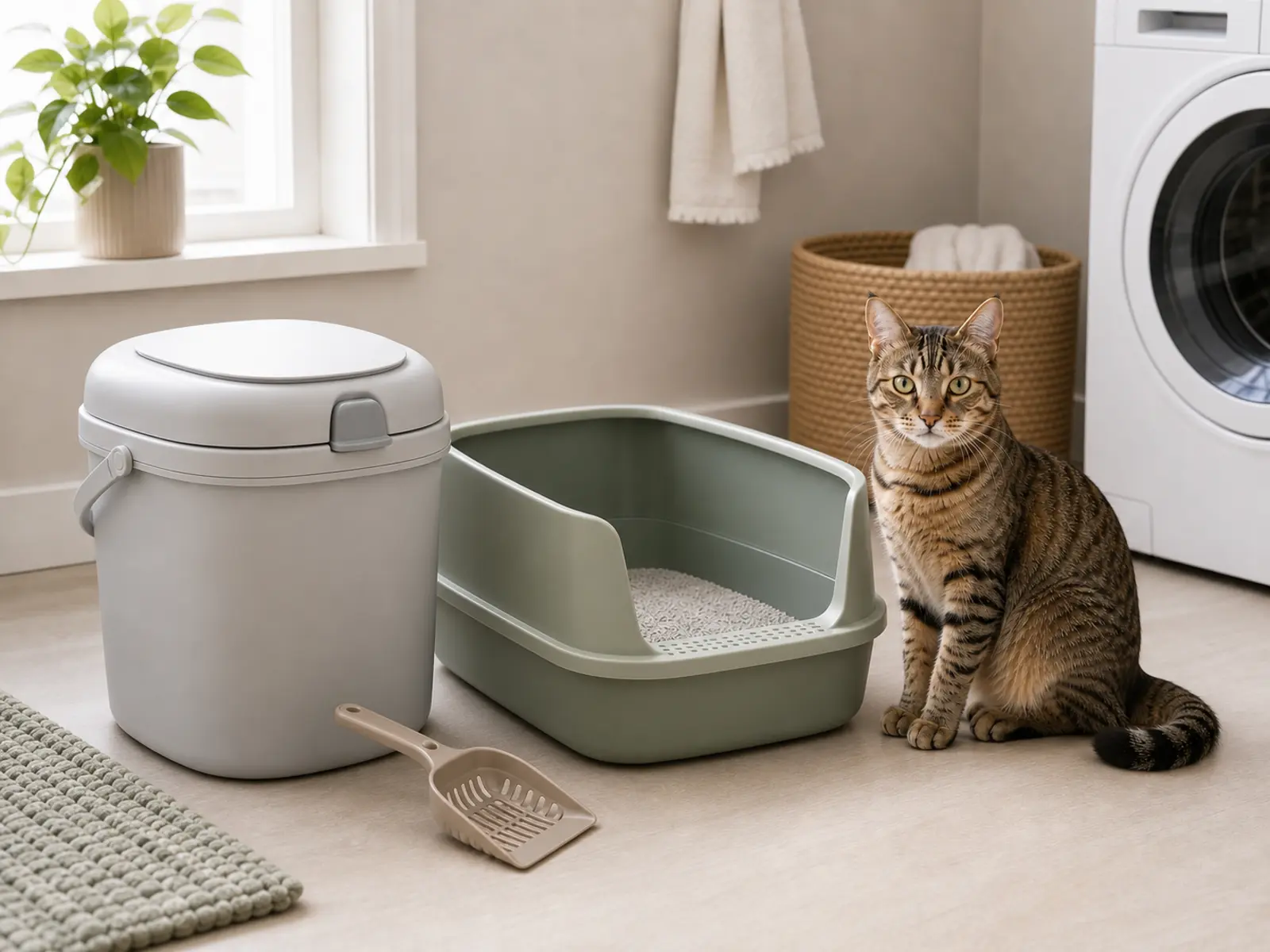
This earns its spot in cat litter mats because it can give the scoop a clean home instead of leaning it on the nearest wall.
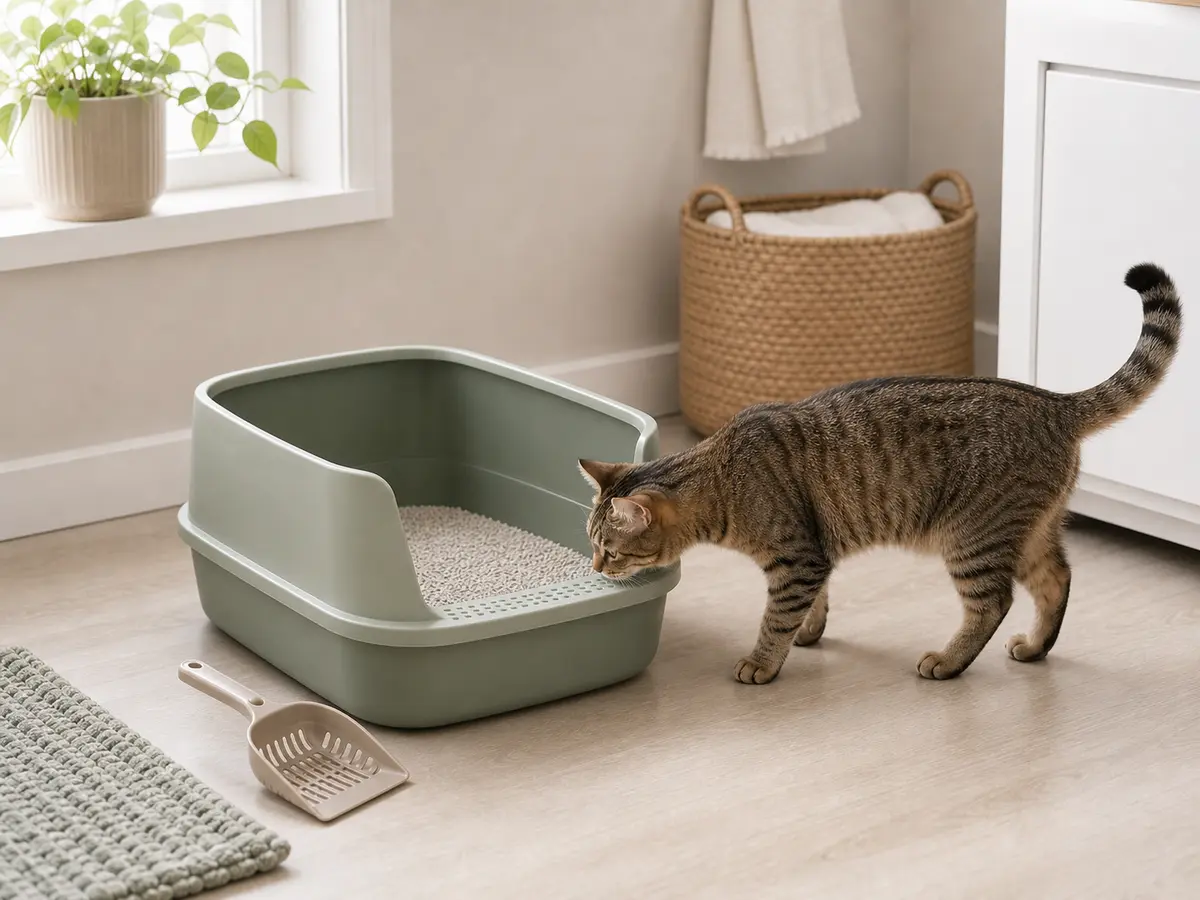
For cat litter mats, choose this when you want to help you test whether box entry is part of the problem.
Judge cat litter mats by what your cat does before, during, and after the box. Pausing, perching, bolting out, digging forever, or missing the edge all tell you something.
Do not treat sudden accidents, tiny clumps, huge clumps, repeated box visits, or painful posture as just a preference problem. Those patterns need veterinary guidance.