Choose size before features
Most cats do better with more room than people expect. If your cat has to curl tightly, back out awkwardly, or hang over the edge, the box is probably too small for daily comfort.
Updated
Litter boxes
The best litter box is roomy, easy to enter, easy to keep clean, and placed where your cat feels safe using it.
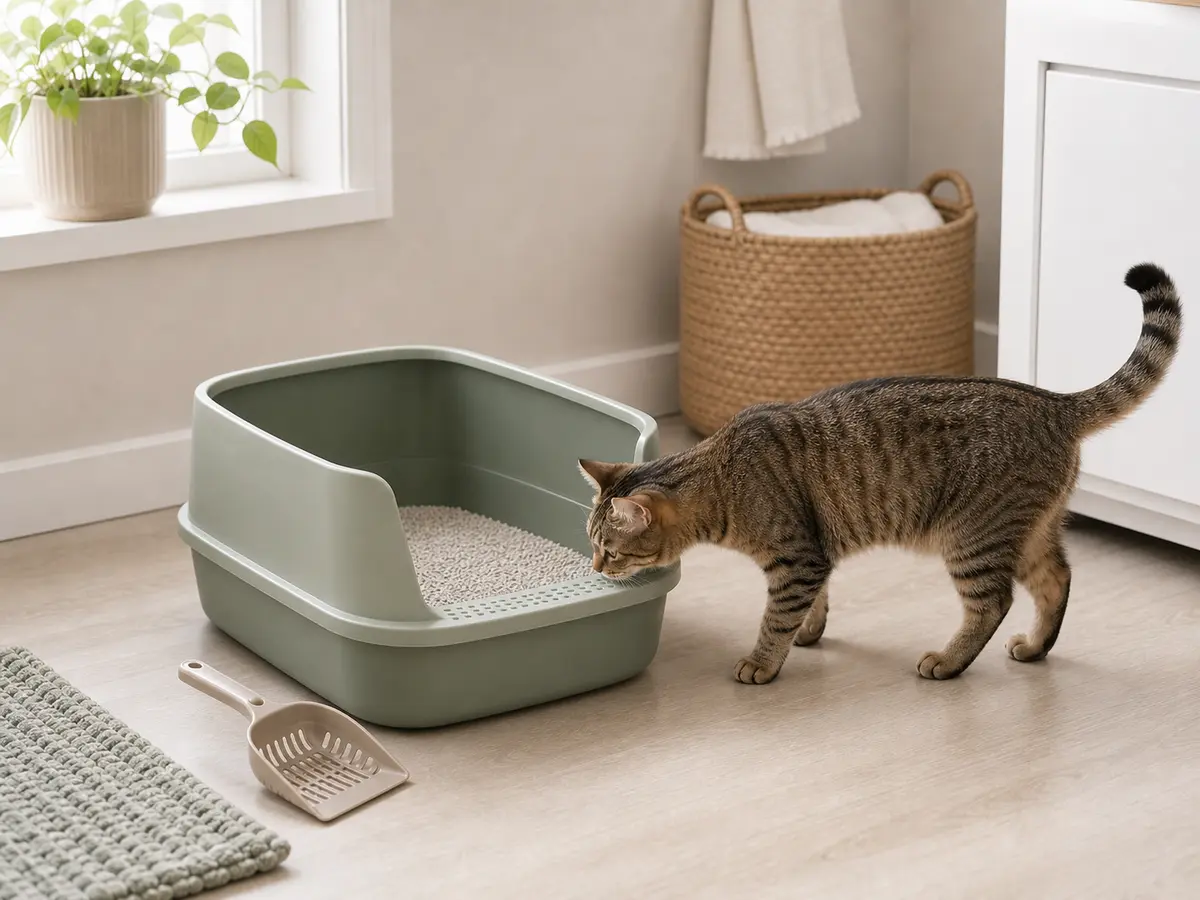
Fit the box to your cat's body and the room, not the fanciest label. A good box lets your cat step in, turn around, dig, cover, and leave without feeling trapped.
Most cats do better with more room than people expect. If your cat has to curl tightly, back out awkwardly, or hang over the edge, the box is probably too small for daily comfort.
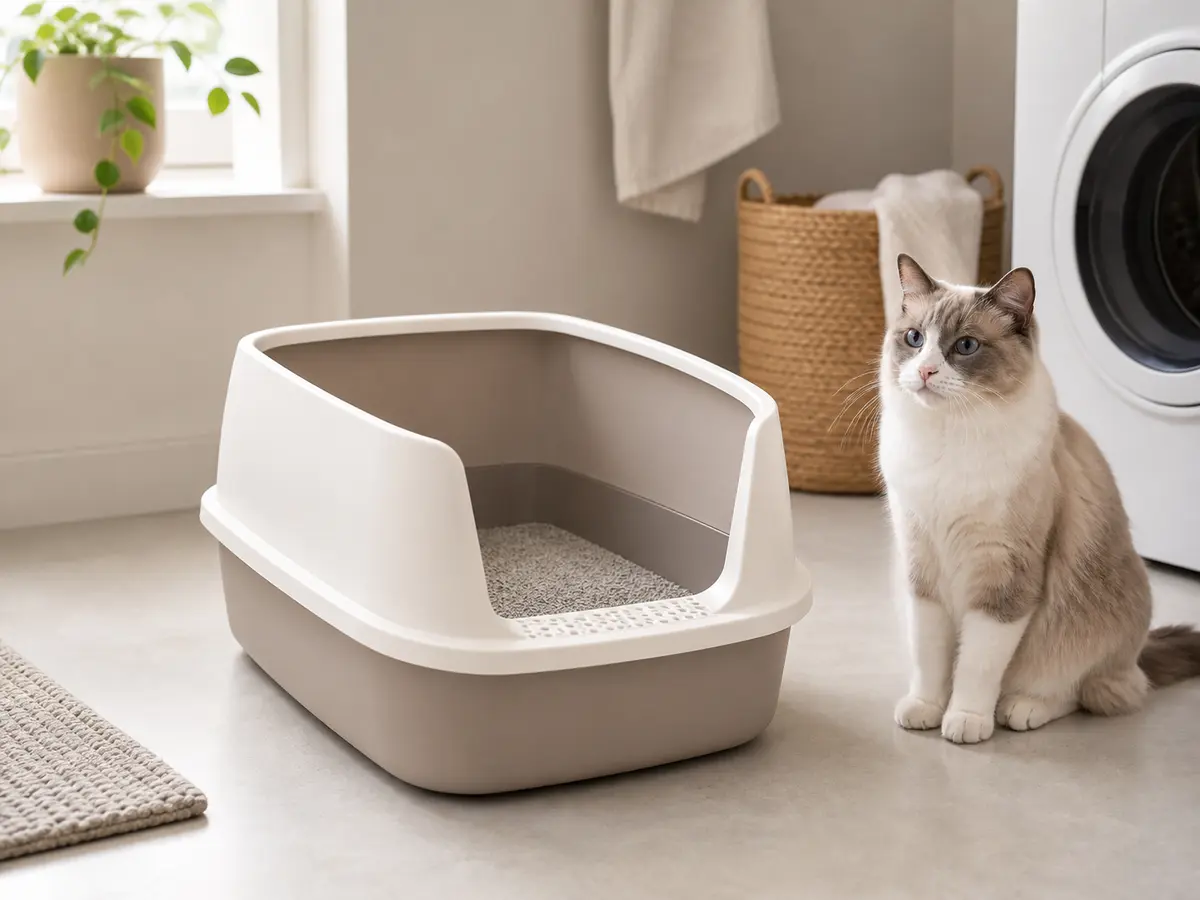
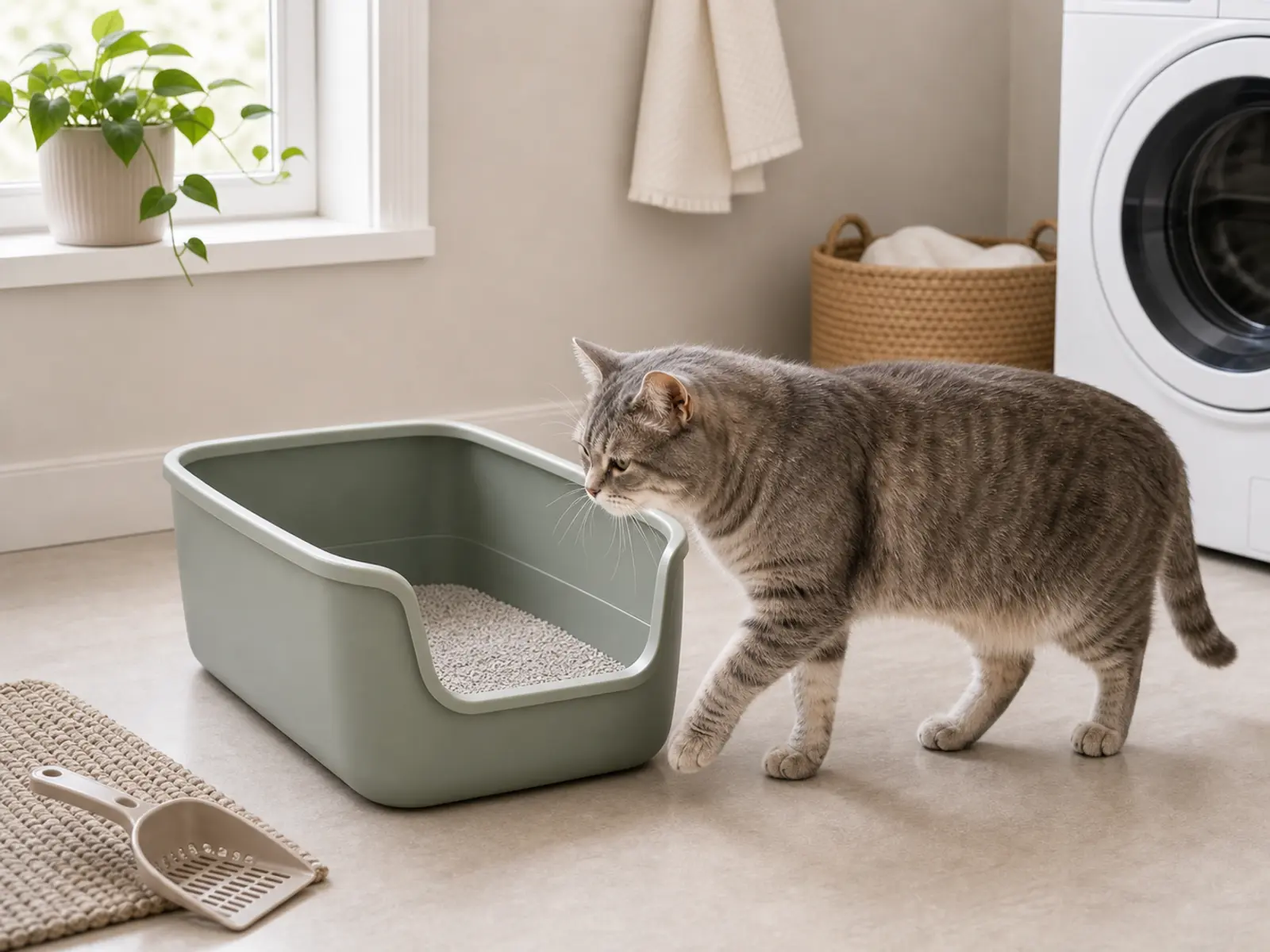
Kittens, seniors, large cats, and cats with sore joints may need a lower entry. A box that looks tidy but makes the first step hard can quietly become a problem.
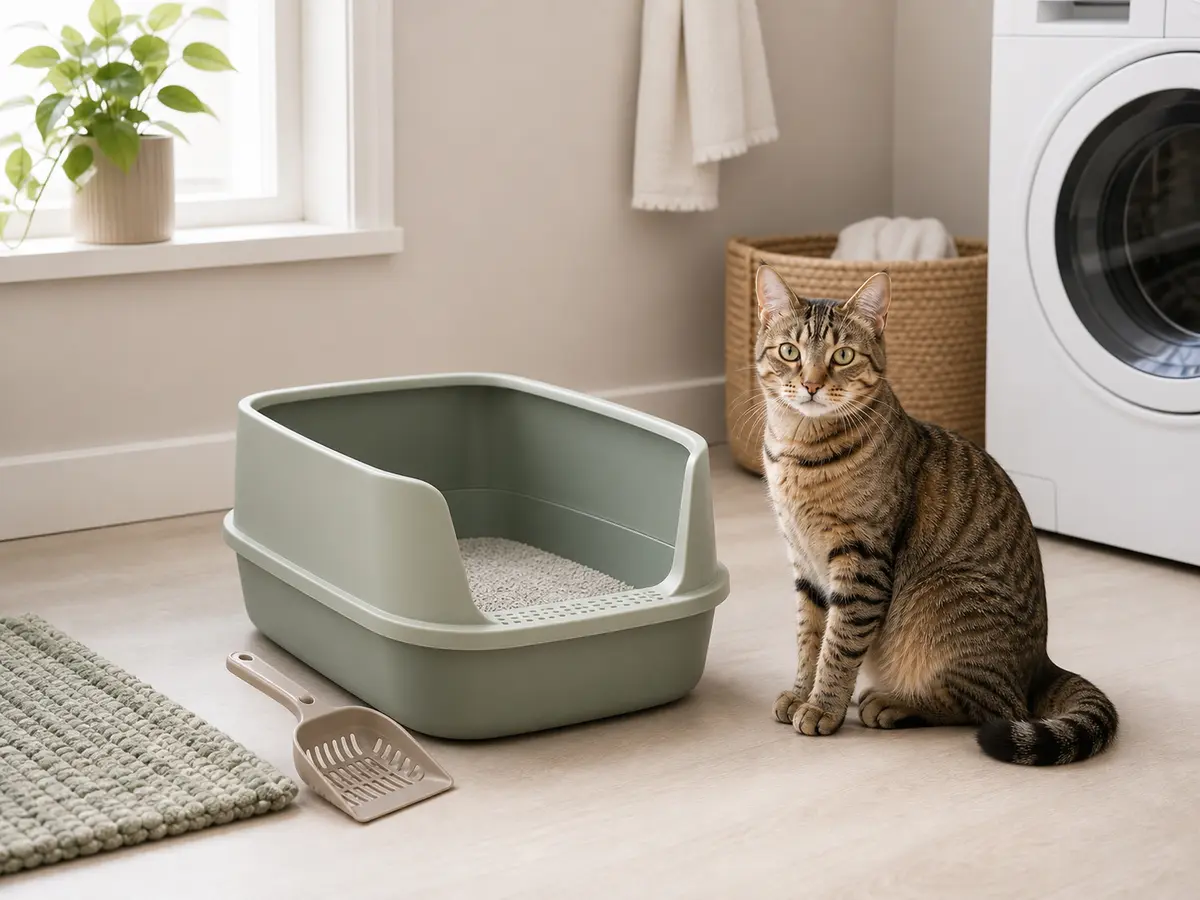
Covered boxes can reduce what people see, but some cats dislike trapped odor, tight turns, or one blocked exit. If your cat hesitates, try an open box before buying another covered design.
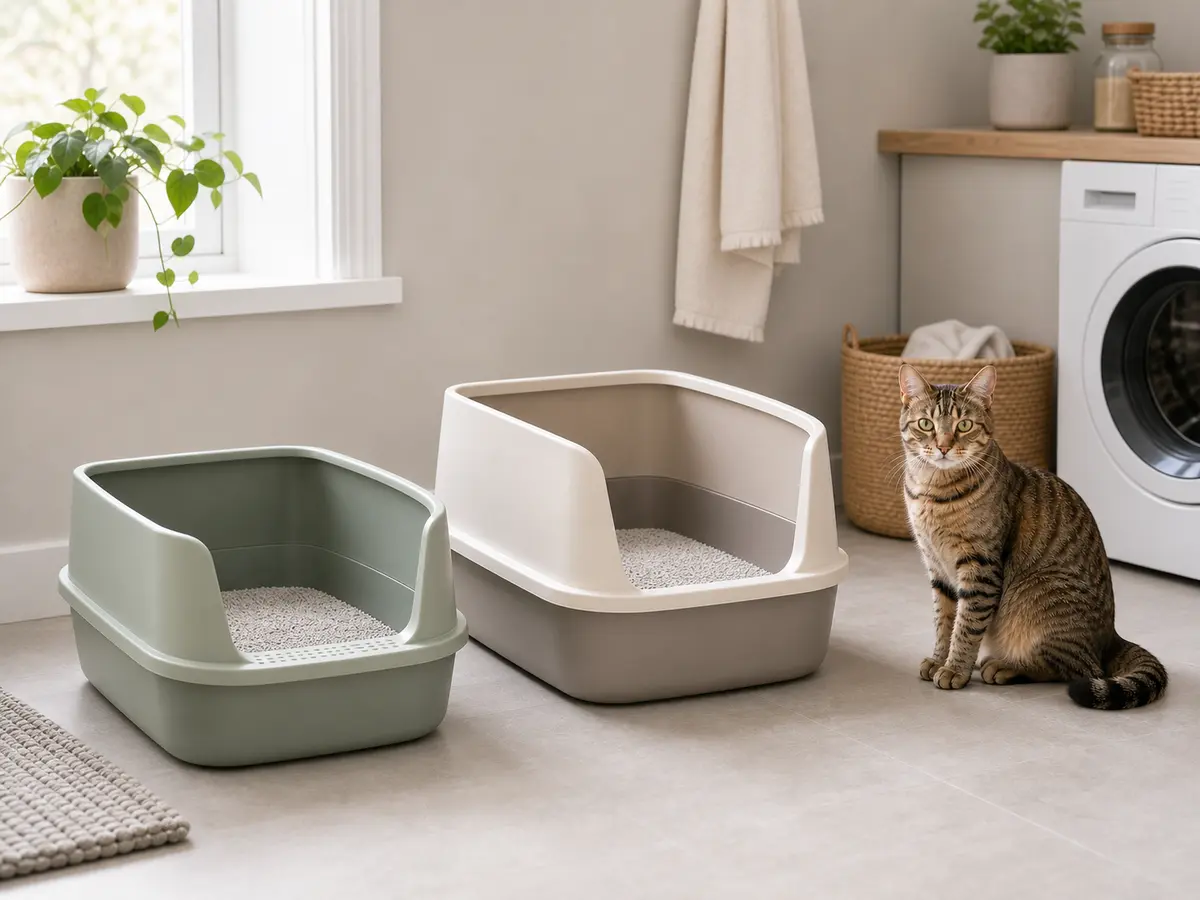
A good box location is quiet but not isolated behind a scary appliance or guarded doorway. Your cat should be able to enter, use the box, and leave without being cornered.

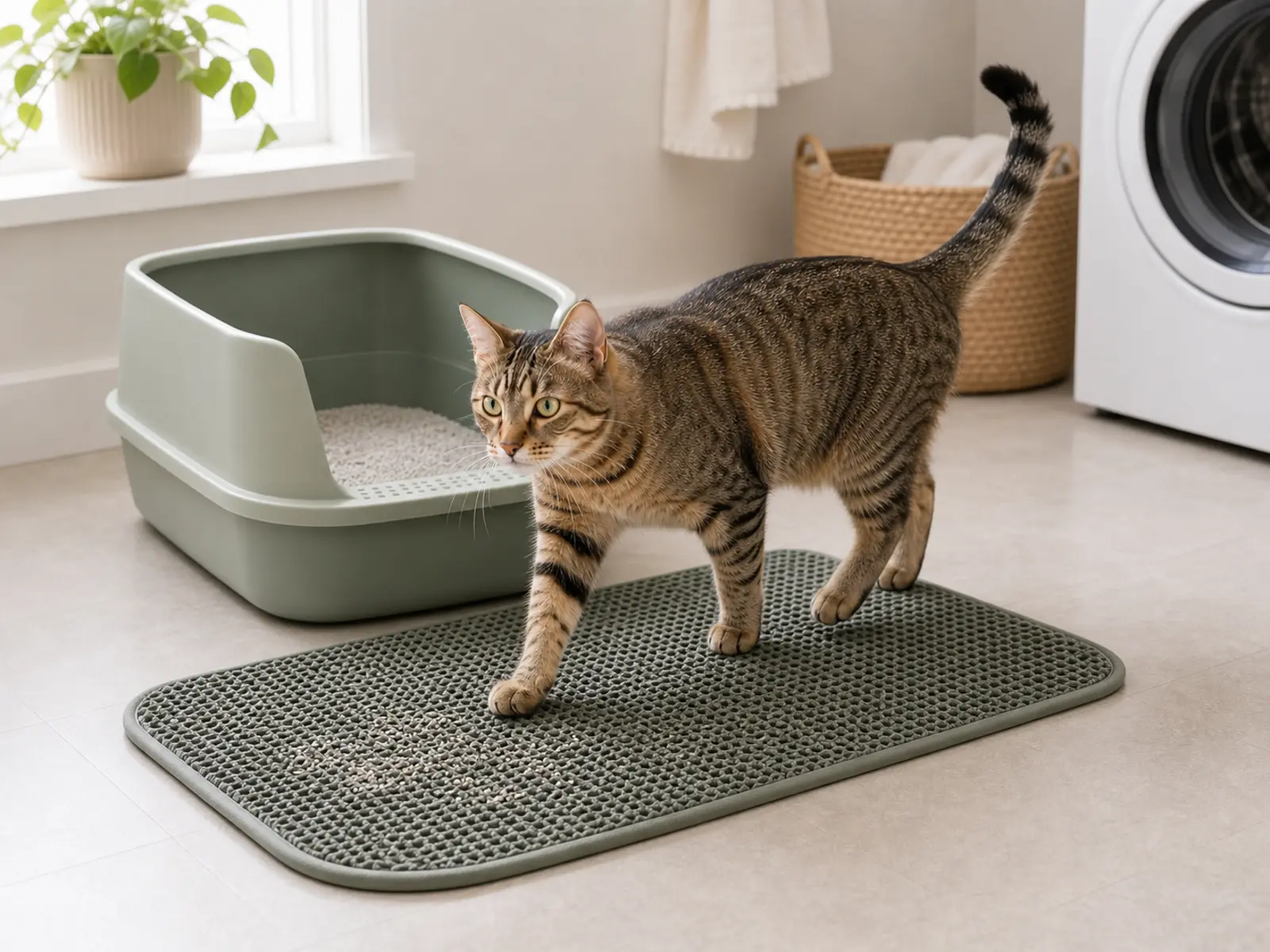
With cat litter boxes, look beyond the box itself. A tight hallway, loud appliance, guarded doorway, slippery mat, or tall entry can make the bathroom feel harder than it needs to be.
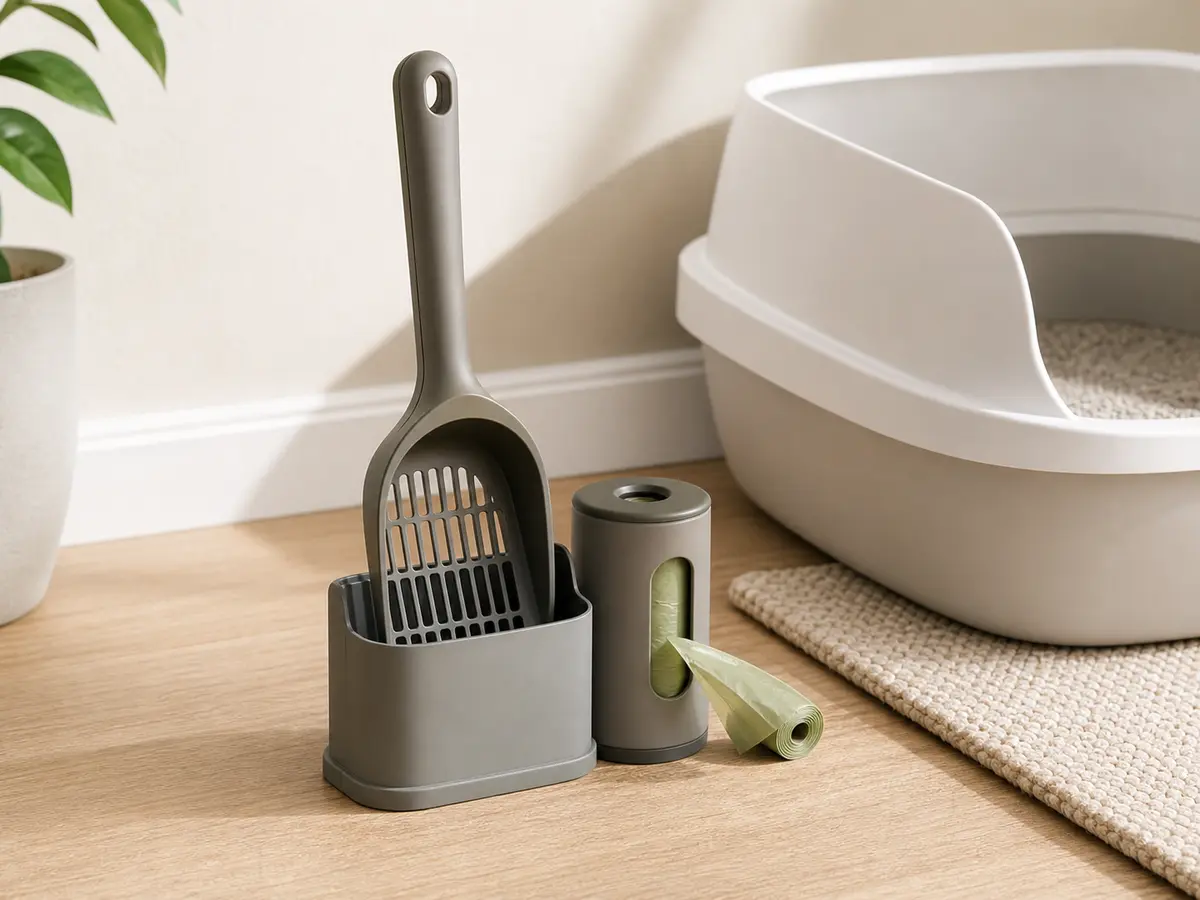
Good litter gear for cat litter boxes makes the clean habit easier to keep, not harder to maintain.
Affiliate links: Furball Cove may earn from qualifying purchases at no extra cost to you.
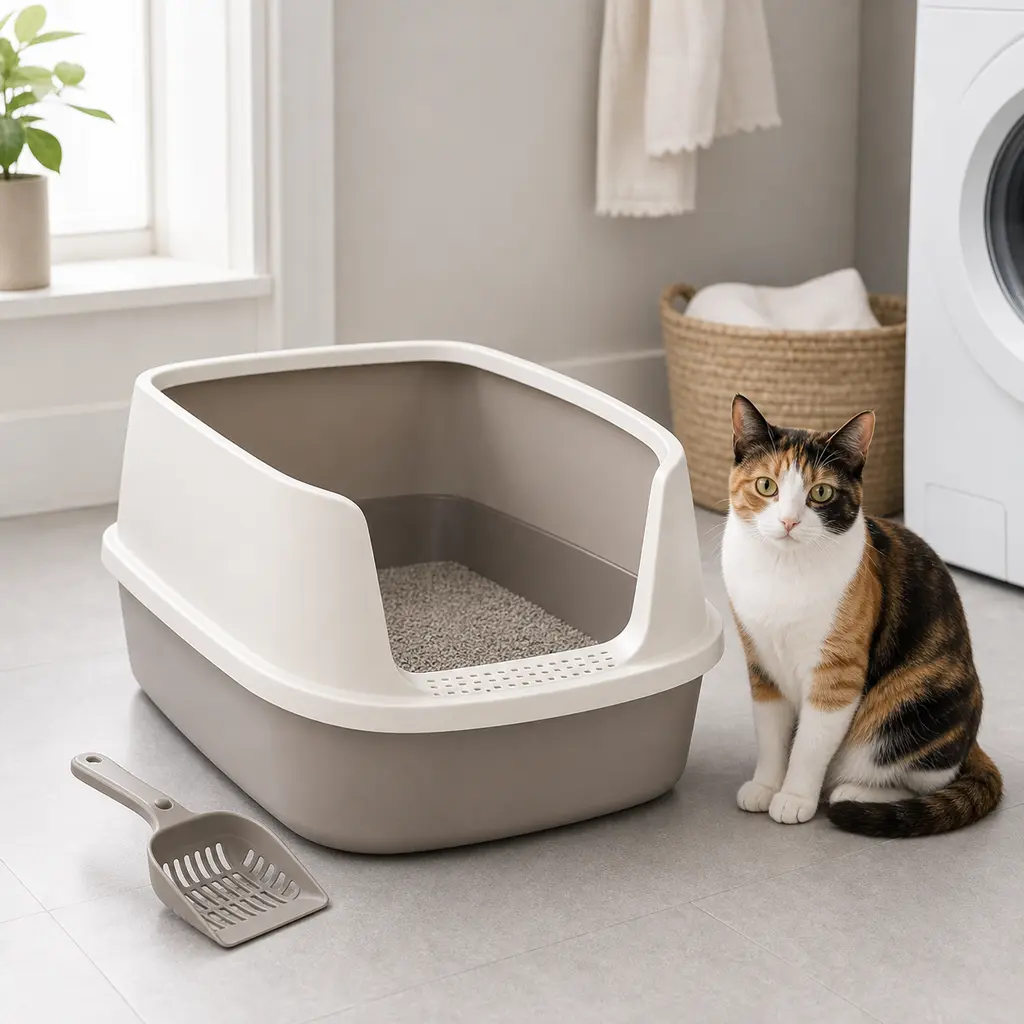
For cat litter boxes, choose this when you want to contain busy digging while still giving many cats an easy way in.
This earns its spot in cat litter boxes because it can give small or stiff cats a simpler route into the litter area.
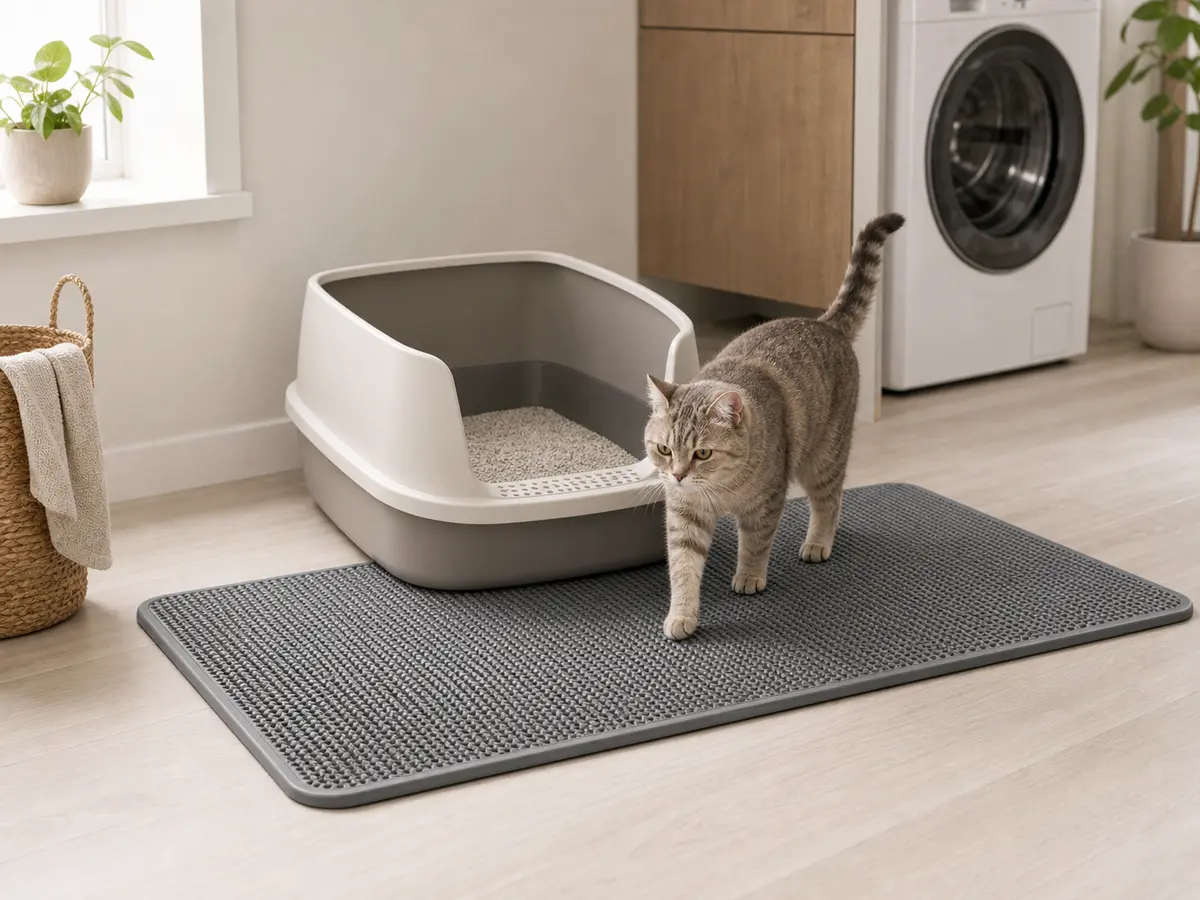
This earns its spot in cat litter boxes because it can give the exit path a cleaner landing without blocking access.
Use it in a cat litter boxes routine to turn cleanup into part of the setup, not a scavenger hunt.
Your cat should be able to step in, turn around, dig, cover, and leave without balancing on the rim. If their shoulders, hips, or tail hang over the edge, start with a roomier open box.
Call your veterinarian for straining, crying, blood, repeated trips, not urinating, sudden misses, or a cat who looks uncomfortable in or near the box.