Use it when entry looks hard
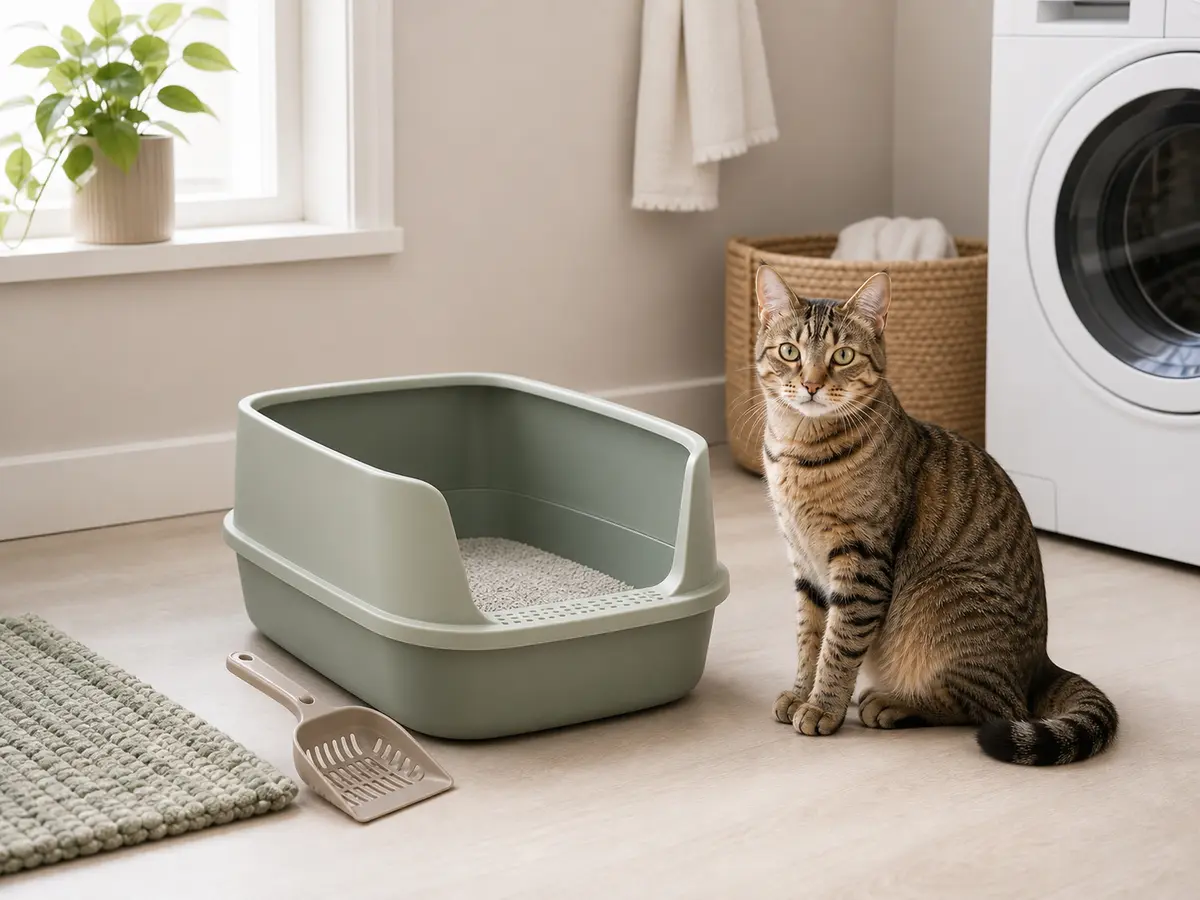
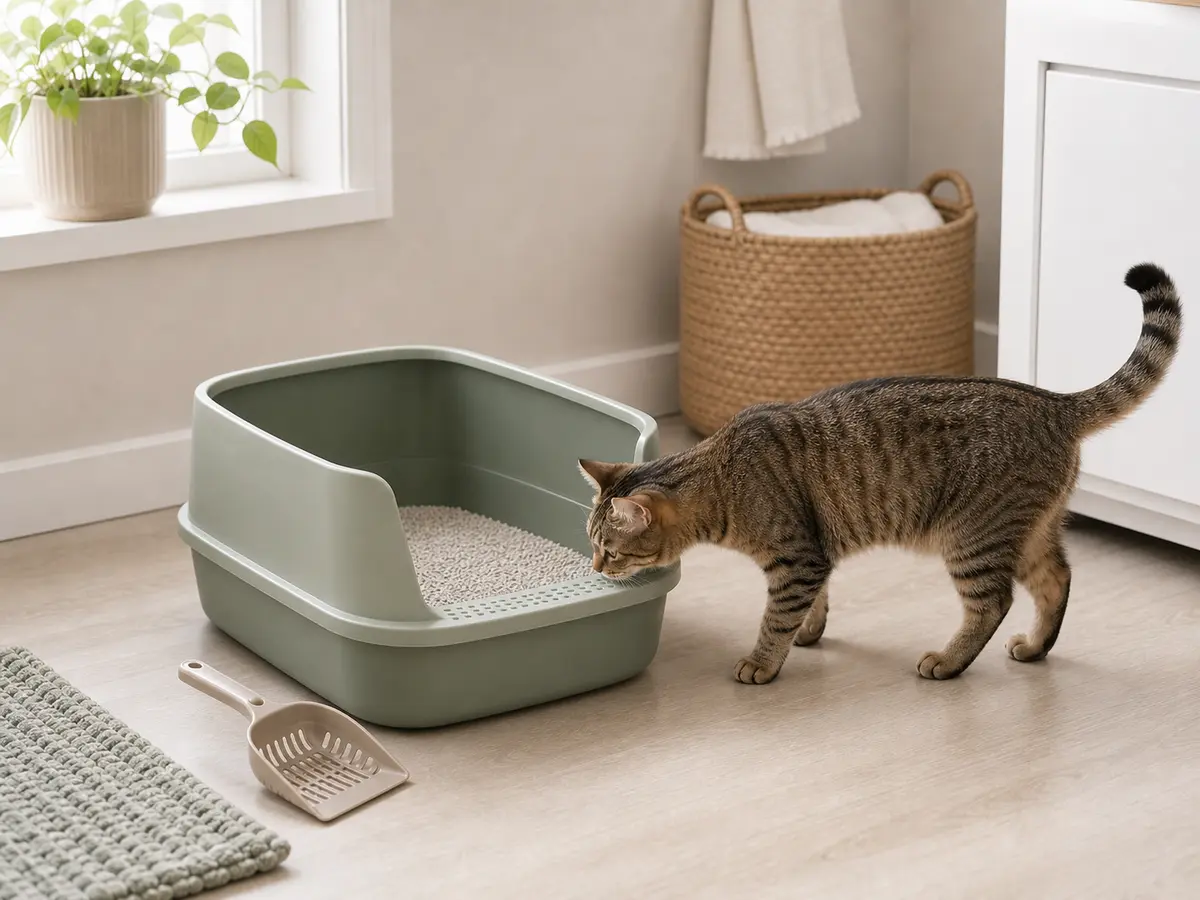
Watch the first step. If your cat pauses, climbs slowly, catches a paw, or chooses the floor beside the box, entry height may be part of the story.
Updated
Litter access
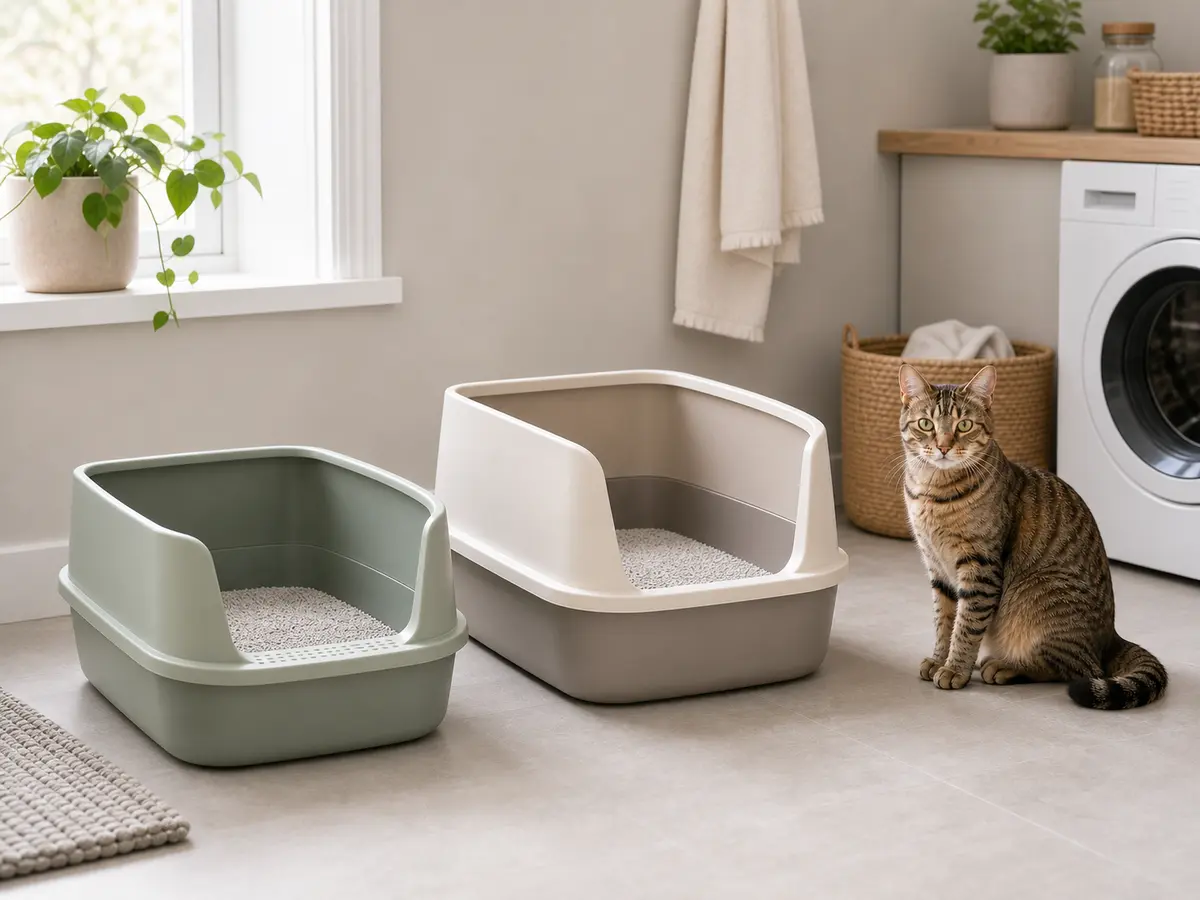
A low-entry litter box helps when the first step into the box is part of the problem.
Low-entry boxes are not only for old cats. They can help kittens, short-legged cats, large cats, sore cats, and cats who hesitate at tall plastic walls.
Watch the first step. If your cat pauses, climbs slowly, catches a paw, or chooses the floor beside the box, entry height may be part of the story.
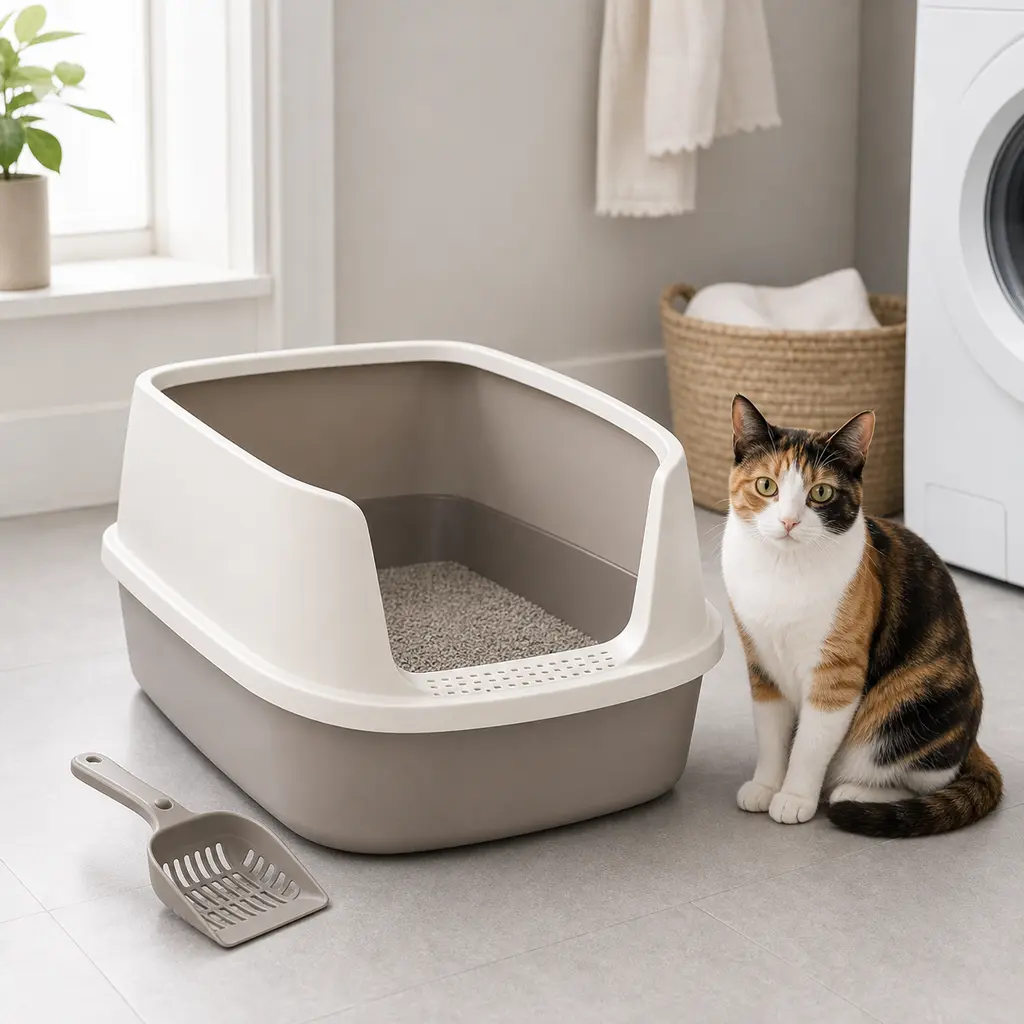
A low front does not help much if the box is still cramped. Your cat needs space to turn, dig, and cover without balancing on the edge. Sudden changes in urine, stool, straining, pain, or repeated misses deserve a veterinarian's help.
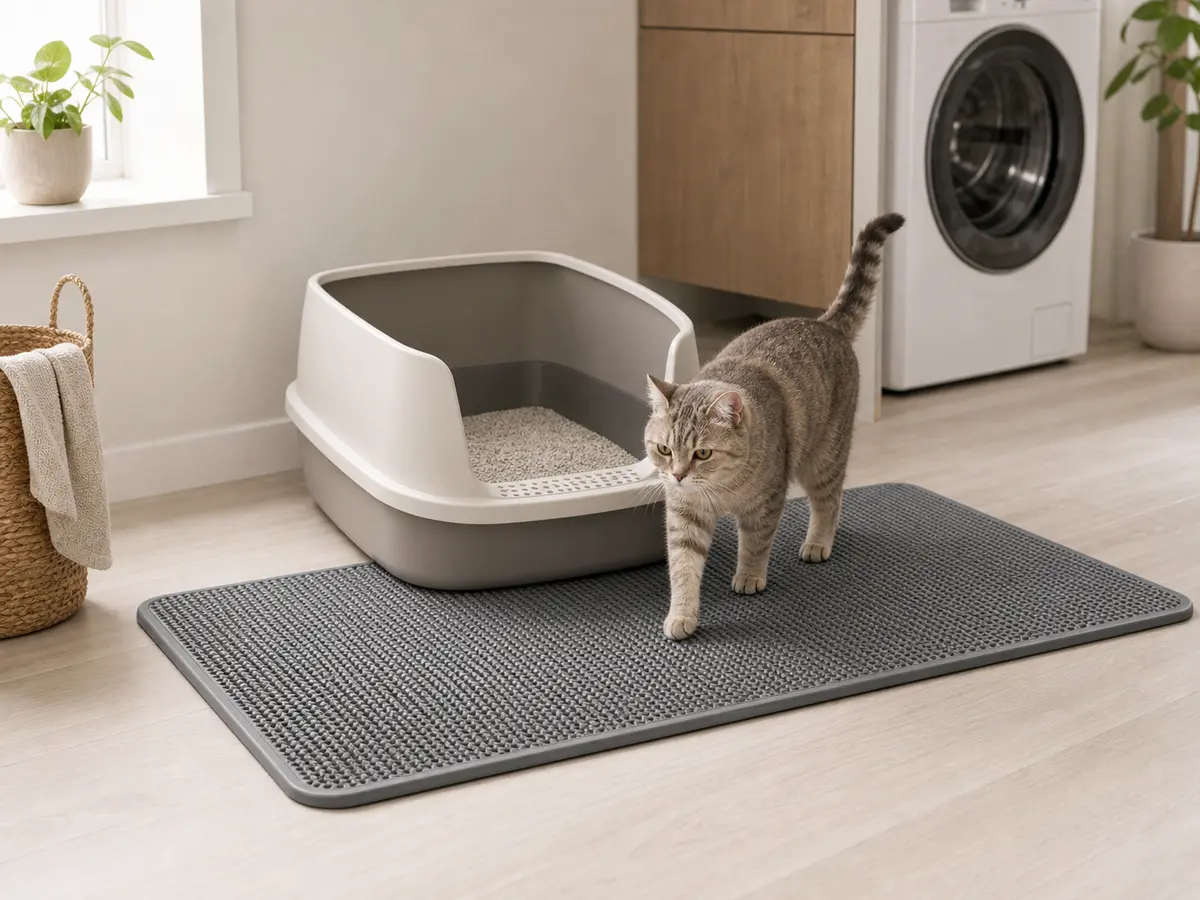
A mat can help with tracking, but avoid making the route bumpy, sticky, or narrow. The path to the box should feel easy from the cat's point of view.
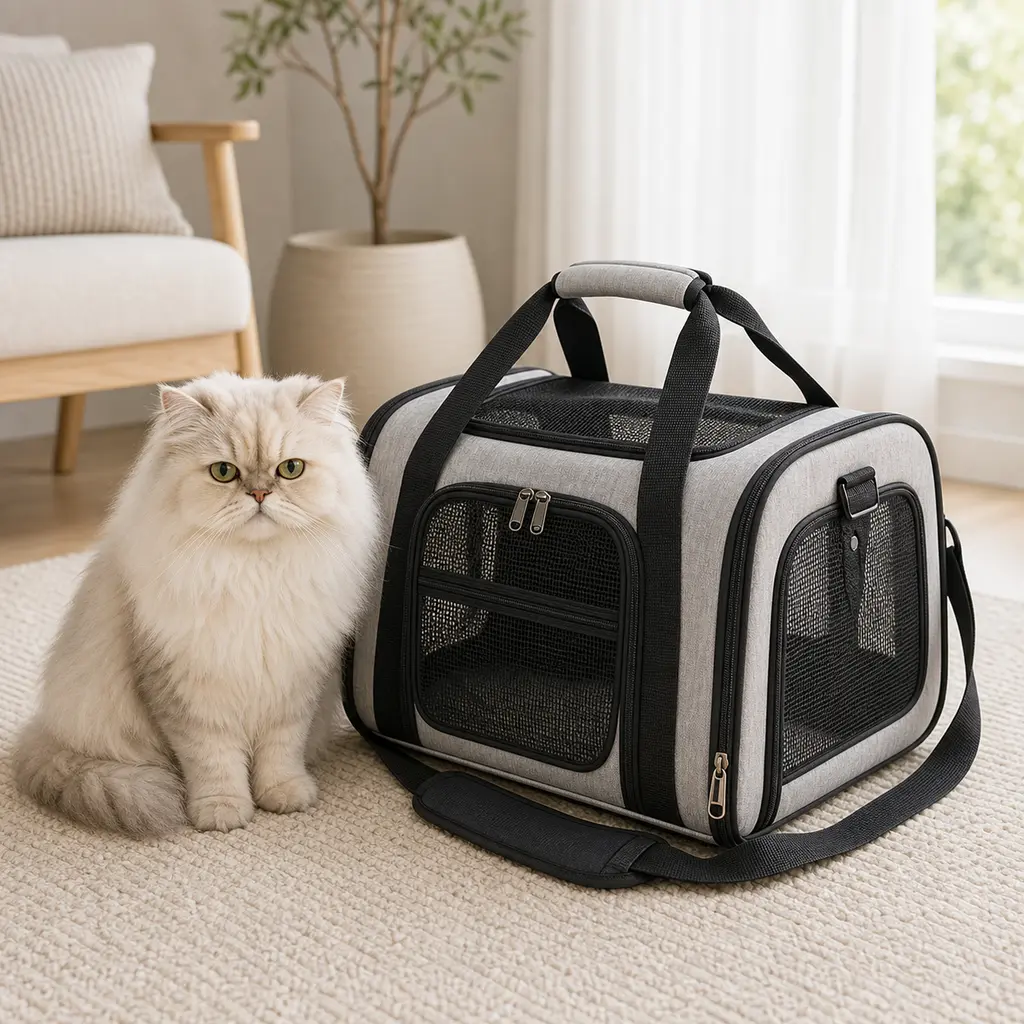
If a cat who used to hop in easily starts missing, straining, crying, or avoiding the box, treat pain or urinary trouble as possible causes and call your veterinarian.

With low-entry litter boxes, look beyond the box itself. A tight hallway, loud appliance, guarded doorway, slippery mat, or tall entry can make the bathroom feel harder than it needs to be.
For low-entry litter boxes, prioritize access, scooping, tracking control, and a location your cat can reach without stress.
Affiliate links: Furball Cove may earn from qualifying purchases at no extra cost to you.
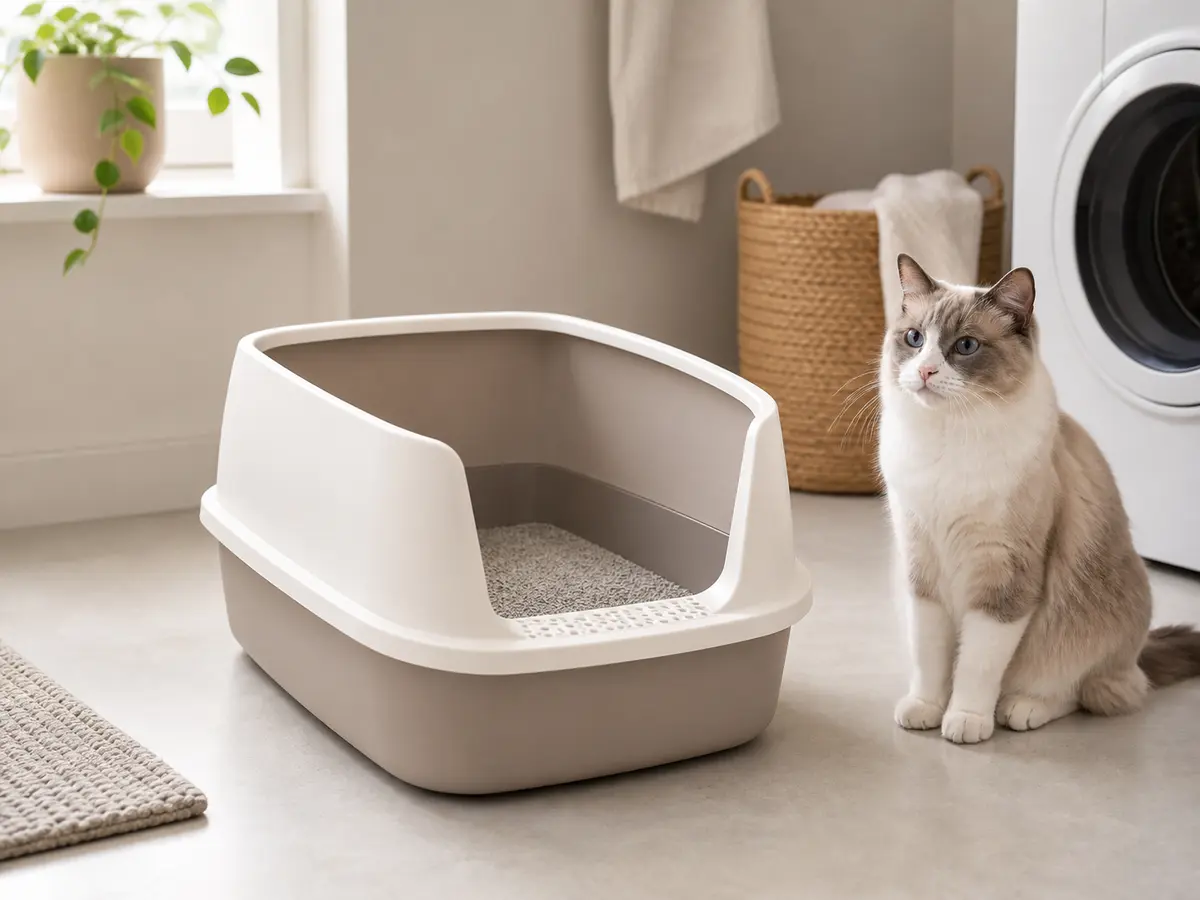
This earns its spot in low-entry litter boxes because it can make access easier for kittens, seniors, or cats who hesitate at tall sides.
This earns its spot in low-entry litter boxes because it can contain busy digging while still giving many cats an easy way in.
Low-Entry Litter Boxes works better when the setup can give the exit path a cleaner landing without blocking access.
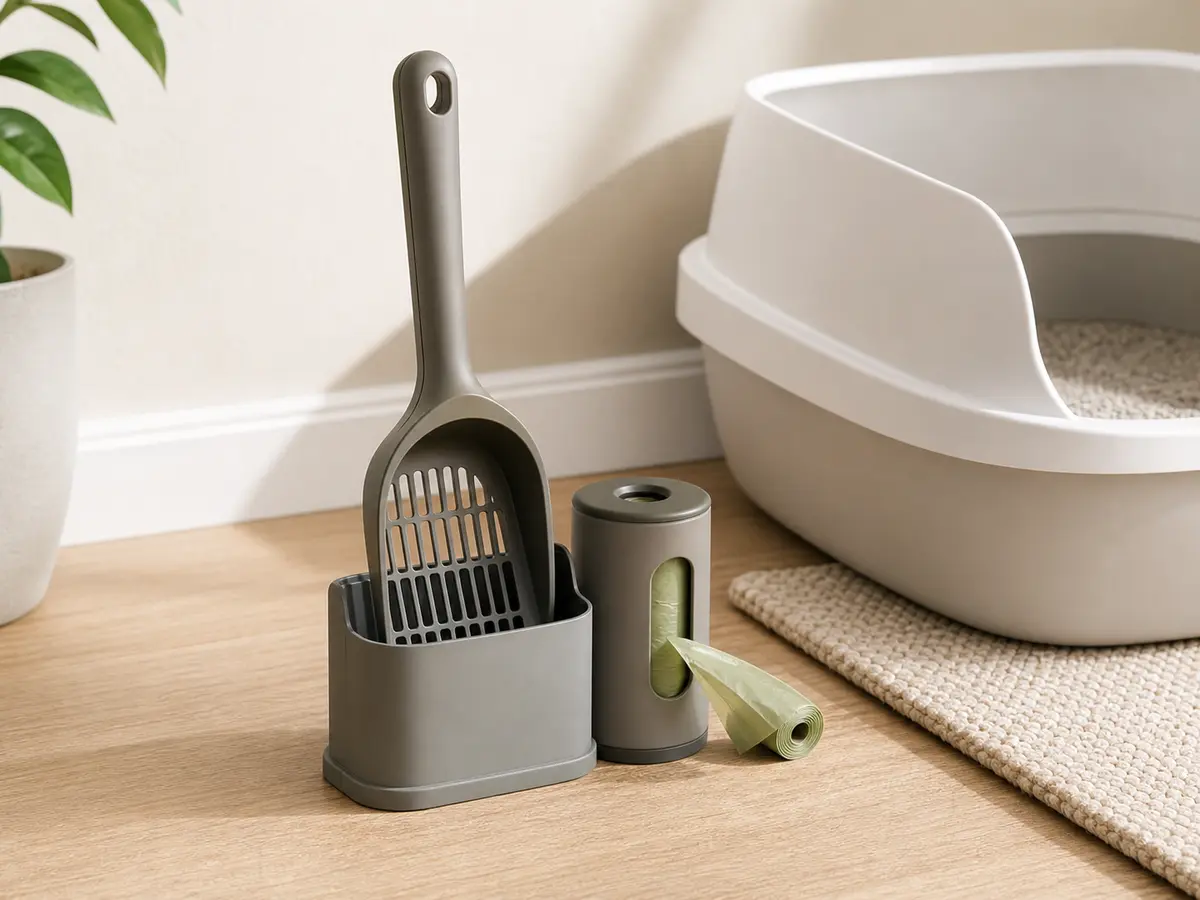
For low-entry litter boxes, choose this when you want to make the one-minute box check easier to repeat every day.
Your cat should be able to step in, turn around, dig, cover, and leave without balancing on the rim. If their shoulders, hips, or tail hang over the edge, start with a roomier open box.
Call your veterinarian for straining, crying, blood, repeated trips, not urinating, sudden misses, or a cat who looks uncomfortable in or near the box.