Updated

Preventive care

Cat Microchip

A microchip is a smart safety backup for cats because indoor cats can still slip out.

Preventive care works best when it feels boring and repeatable: regular vet visits, clean records, parasite prevention, dental checks, and small notes before problems get loud.

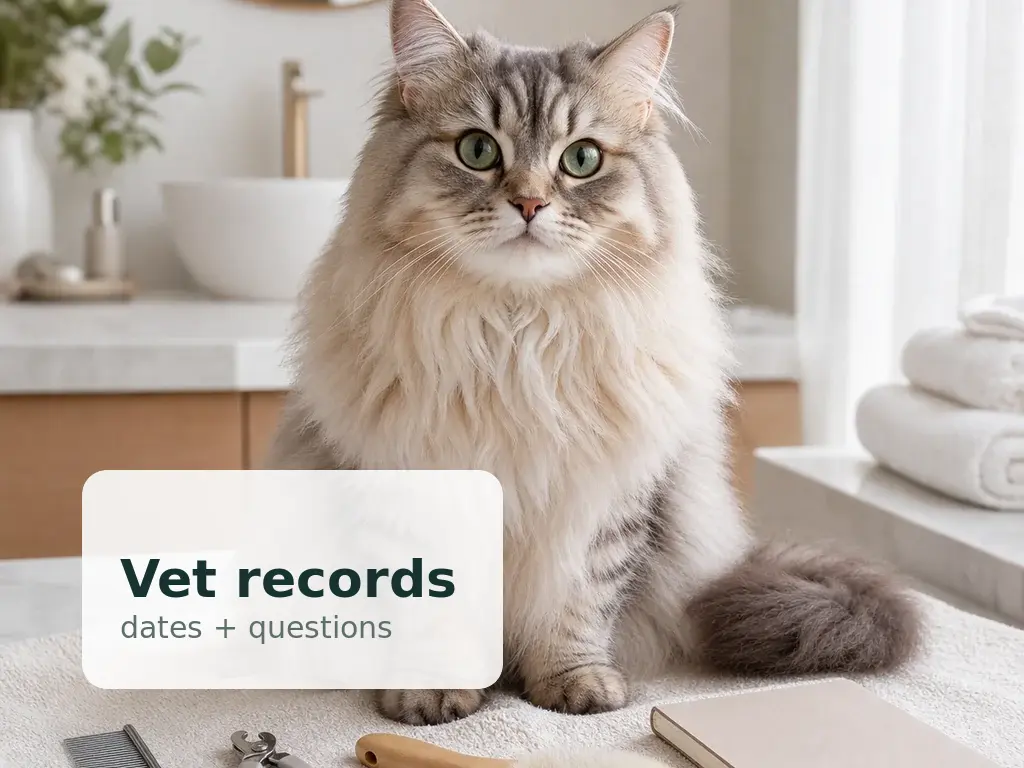
Cat vet records and appointment questions

Start with records and timing

A microchip is a smart safety backup for cats because indoor cats can still slip out.

Start with the date and the record. If you know what was done, when it was done, and what is due next, the page can turn into a clear calendar step.
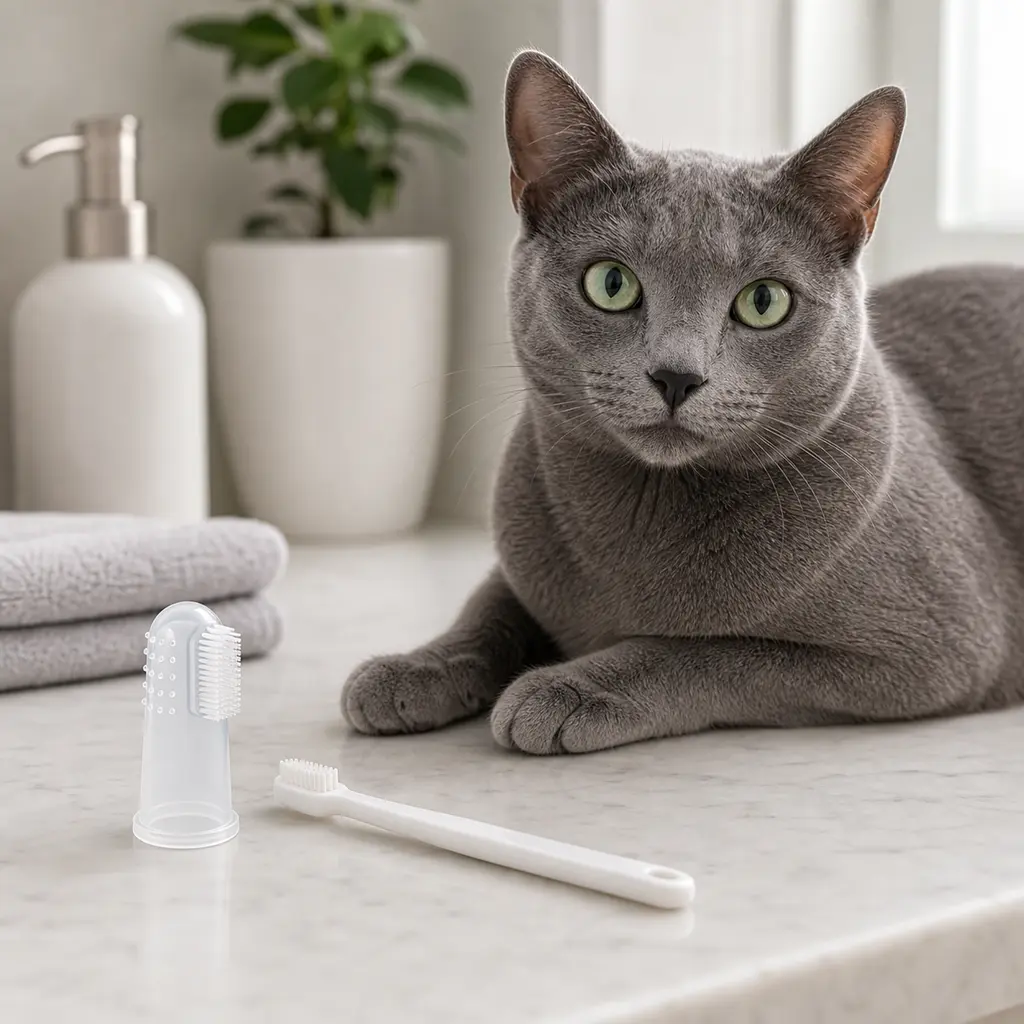
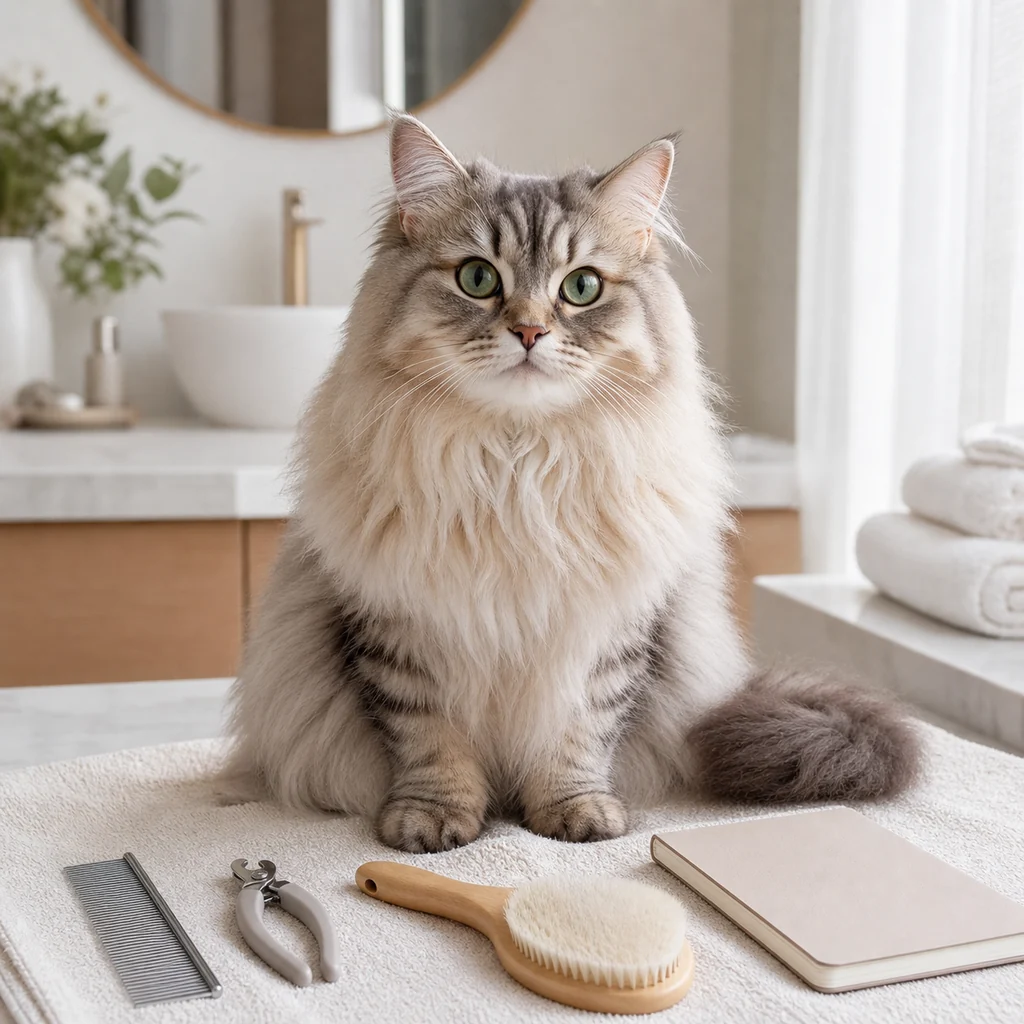
Cat dental finger brush for gentle mouth-care routines

What this looks like at home

A collar or ID tag can fall off. A registered microchip gives shelters and vets a way to connect a found cat to you.

Good preventive care is easier when records are current. Keep vaccine dates, parasite prevention, microchip details, dental notes, weight, and medication history where you can find them.

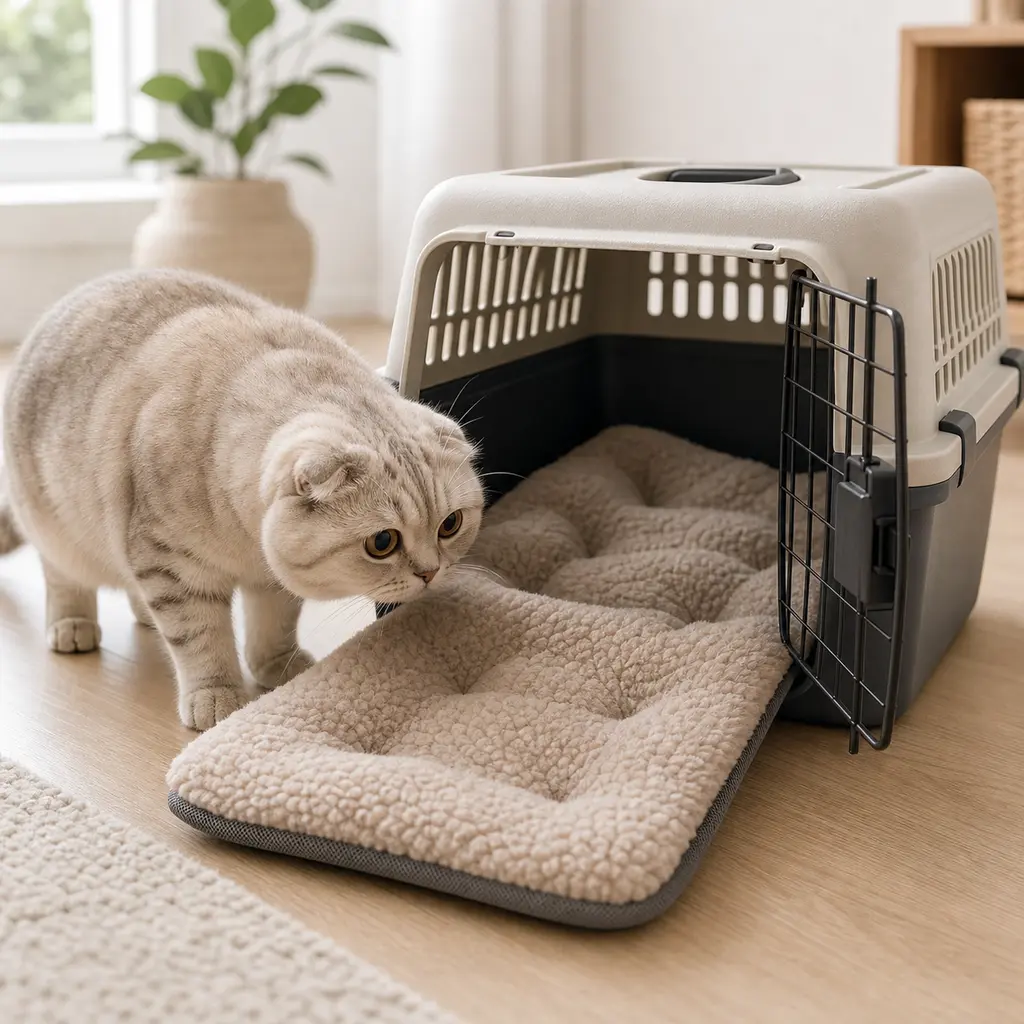
Soft mat inside an open cat carrier

What to do next

Ask your vet or shelter to scan the chip, register it, and keep the contact information updated when you move or change phone numbers.

Put the next appointment, refill, or record update on the calendar while the details are fresh. Preventive pages should turn into one concrete admin step, not a vague intention.

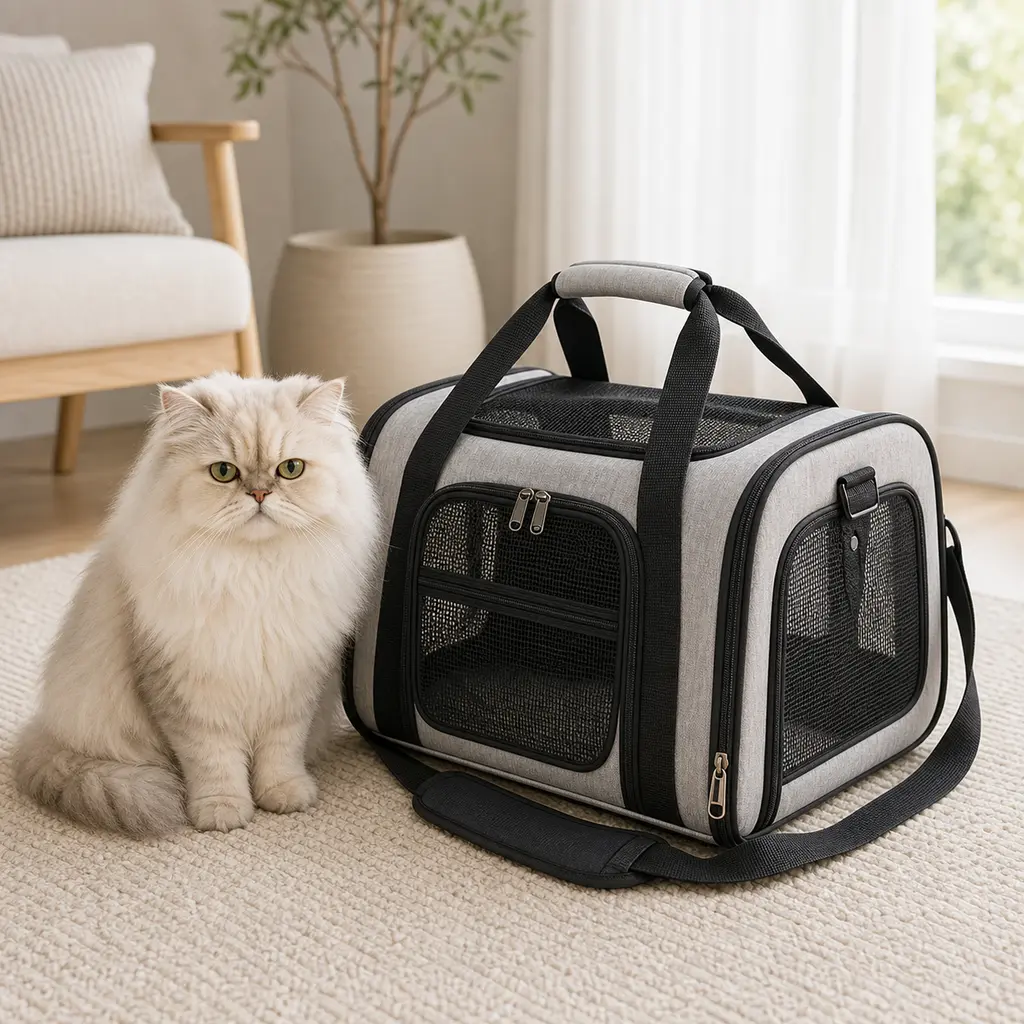
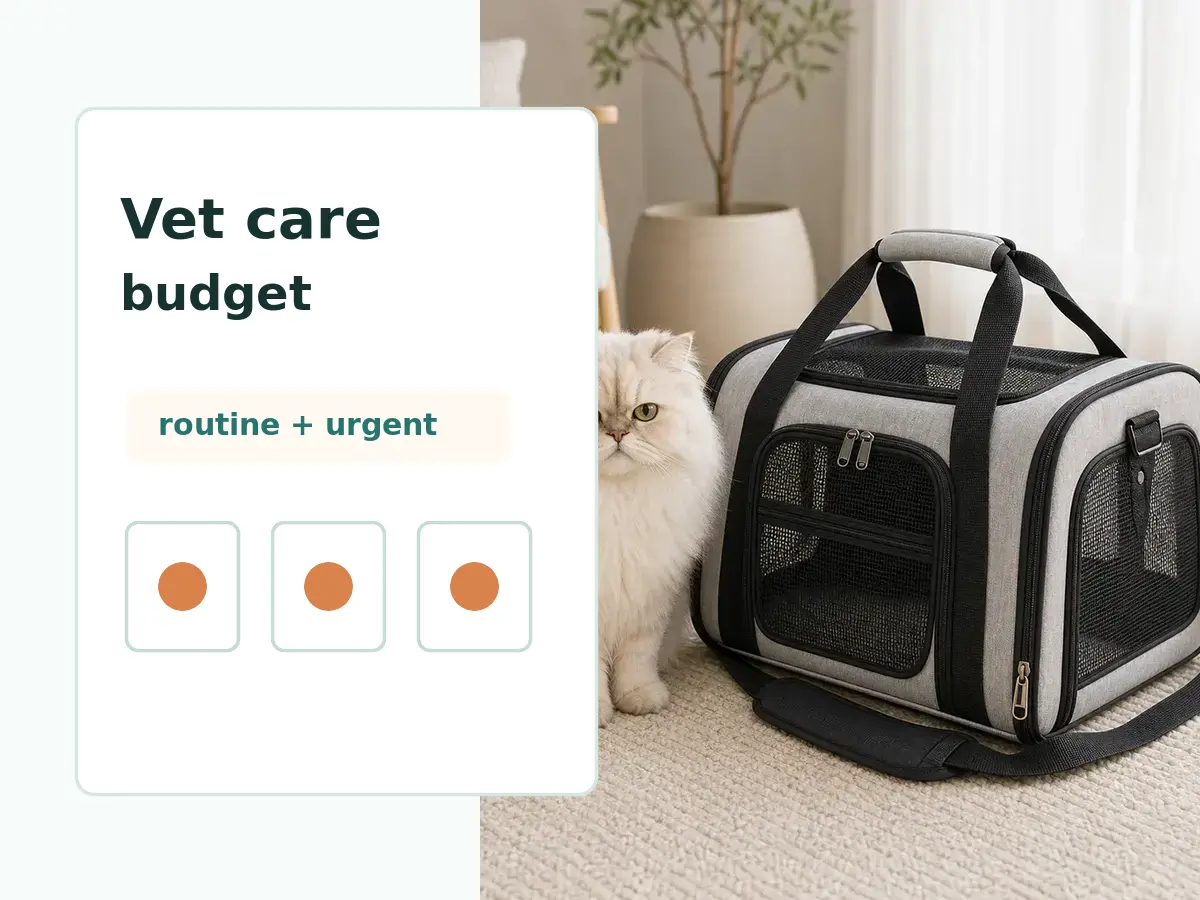
Soft-sided cat carrier for travel practice

When to get help

Call your veterinarian if the change is sudden, painful, severe, repeated, or paired with appetite loss, litter changes, breathing trouble, collapse, or obvious distress.

Routine-care planning should move faster when a cat is overdue, on medication, losing weight, changing litter habits, or showing mouth pain, coughing, weakness, or persistent vomiting.

Before you decide

  • Is this a new pattern or a long-standing habit?
  • Did food, litter, home setup, visitors, pets, or routine change recently?
  • Does your cat still eat, drink, use the box, move, and rest normally?
  • Would pain, toxin exposure, or sudden illness make this urgent?

Next best moves

  • Make one small change and observe before changing everything.
  • Keep notes if the pattern repeats.
  • Call your vet quickly for sudden health, pain, toxin, or litter-box warning signs.

Quick cat question

Should my cat be microchipped?

A microchip is a smart safety backup for cats because indoor cats can still slip out.

Is this a substitute for a veterinarian?

No. Use it to understand the routine and decide what to ask, but call your veterinarian for illness, pain, toxins, sudden behavior changes, or anything that feels urgent.

References