Cat insurance is mainly a plan for unexpected vet bills, not a replacement for routine care.
The useful question is not whether every cat owner needs the same policy. It is whether you could handle the bill if your cat needed urgent diagnostics, a hospital stay, dental treatment, or help for a sudden urinary, injury, or illness problem.
Plan around the care you could not easily absorb
Routine exams and preventives are predictable enough to budget for. Insurance is most useful when a normally quiet Tuesday turns into a carrier trip, diagnostics, treatment, or a specialist conversation you did not expect.
Separate accident, illness, and wellness
Accident and illness coverage is usually the core policy. Wellness add-ons may help spread out predictable care, but read the numbers carefully: sometimes a simple monthly savings line does the same job with less paperwork.
Read exclusions like a future claim
Look for waiting periods, pre-existing condition language, exam-fee coverage, dental limits, prescription rules, hereditary or congenital exclusions, annual limits, deductibles, and reimbursement percentages before the policy feels urgent.
Remember that cats hide problems
Indoor cats still need a plan. Appetite changes, litter-box changes, dental pain, breathing trouble, limping, and weight loss can stay quiet until the visit is no longer optional.
Solve the cash-flow problem too
Many pet insurance plans reimburse after you pay the clinic. Keep an emergency fund, credit plan, or clinic payment conversation in mind so you are not relying on reimbursement money you have not received yet.
Choose before symptoms appear
The easiest time to compare policies is when your cat is healthy and the records are simple. Once symptoms are documented, that history may affect future coverage, so do the calm reading early.
Before you decide
Could you pay an urgent vet bill before reimbursement arrives?
Do you understand the deductible, annual limit, and reimbursement percentage?
Have you read the waiting-period and pre-existing-condition language?
Are routine care costs budgeted separately from accident and illness coverage?
Next best moves
Compare sample policies before your cat is sick or injured.
Ask your clinic what urgent diagnostics and dental care commonly cost in your area.
Keep policy notes, vet records, and microchip details in one easy-to-find place.
Helpful appointment-ready supplies
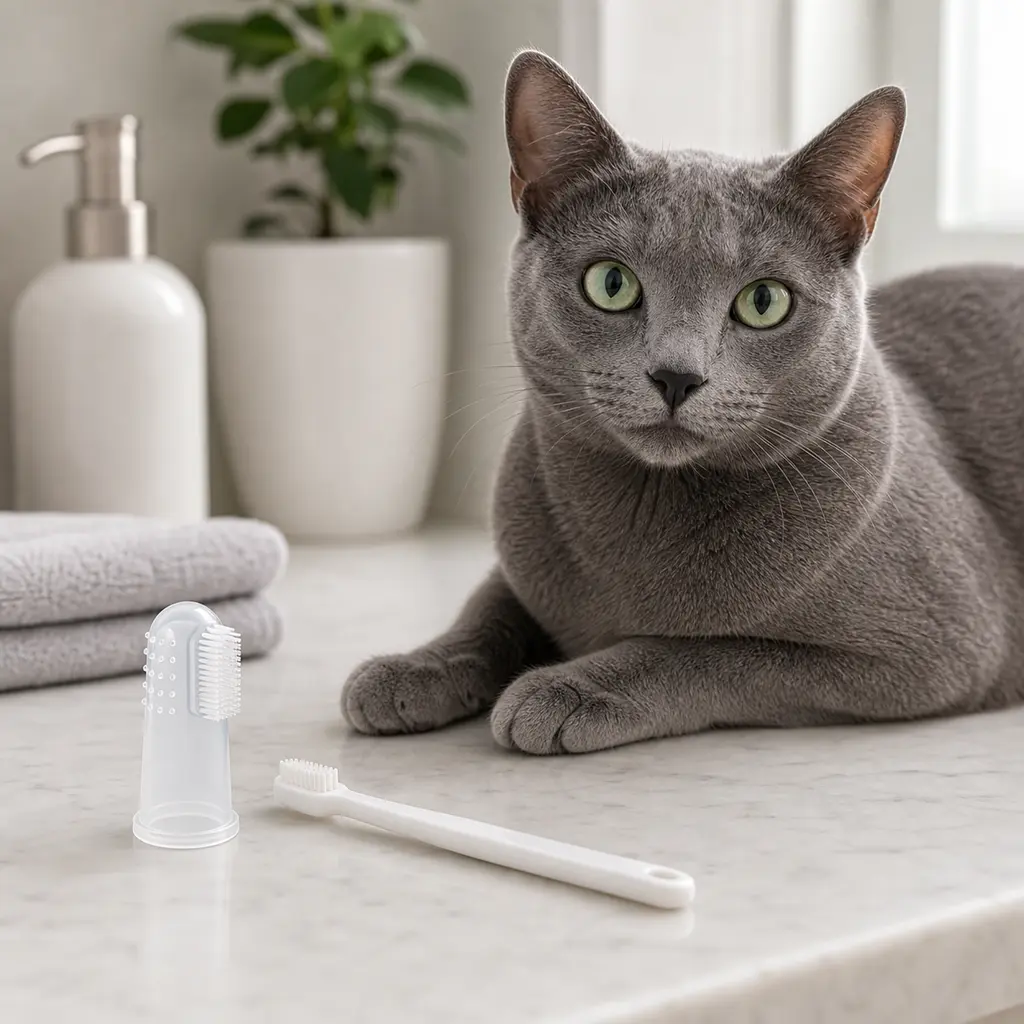
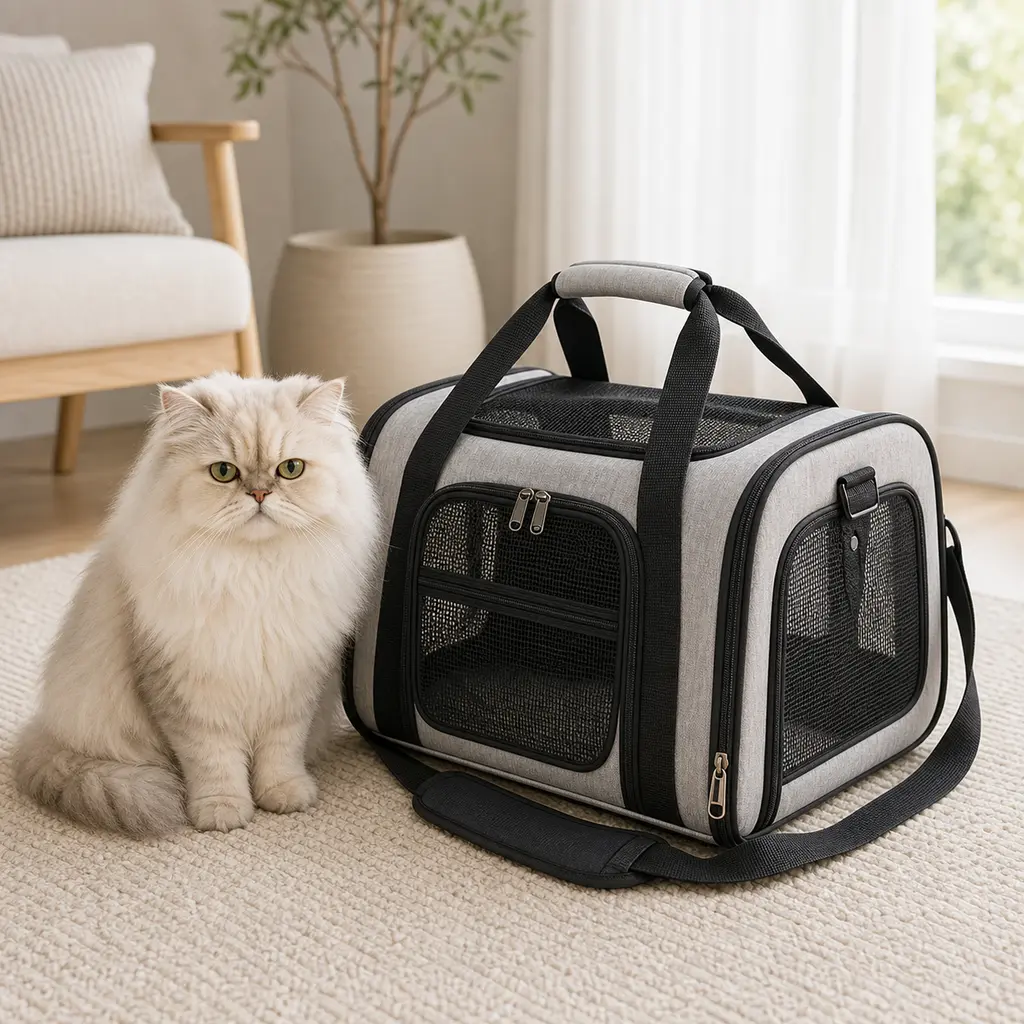
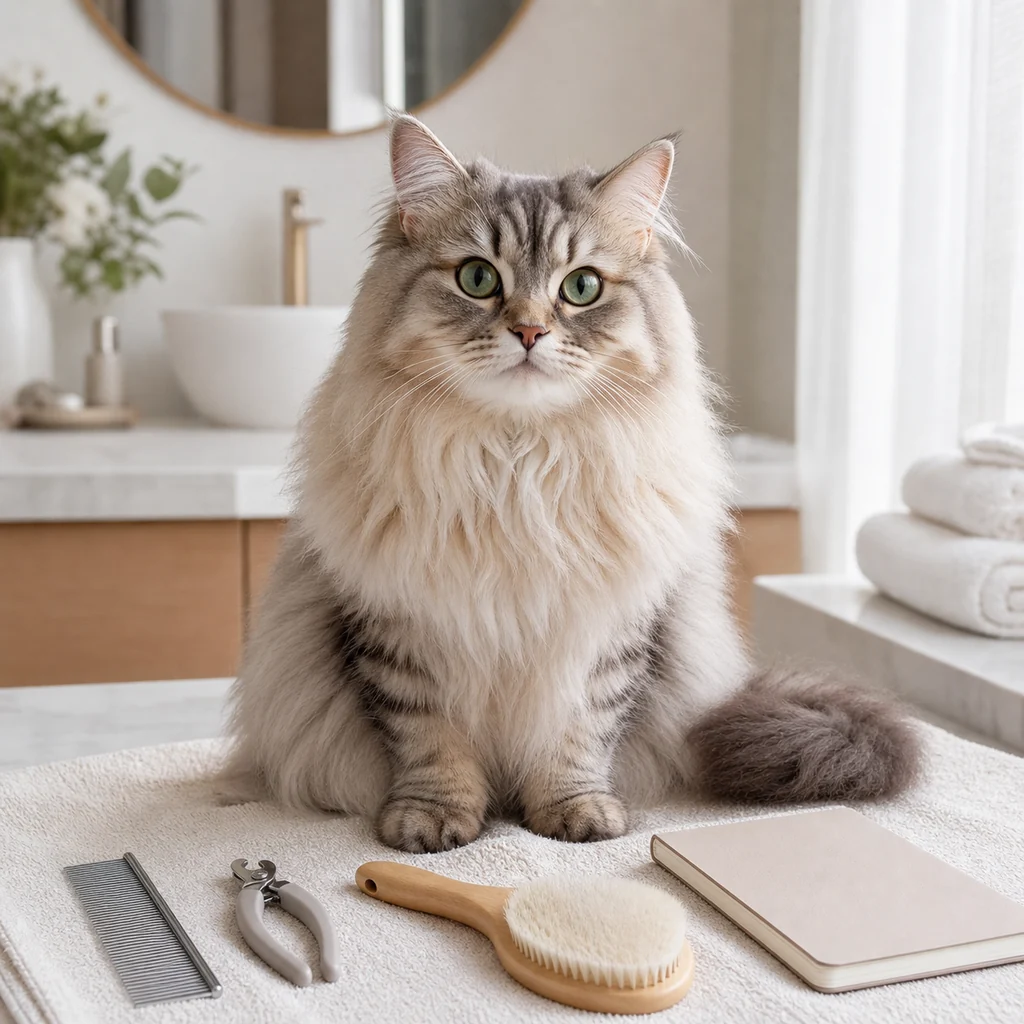
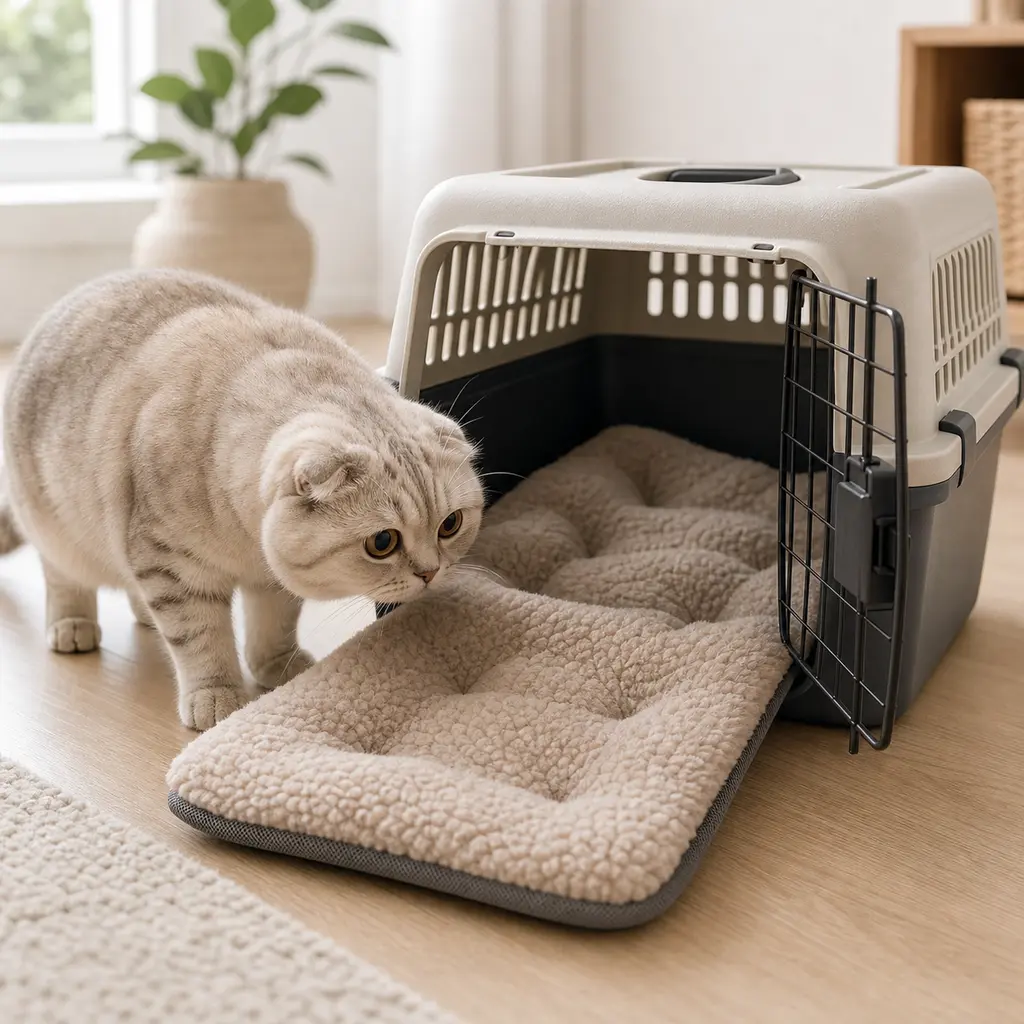
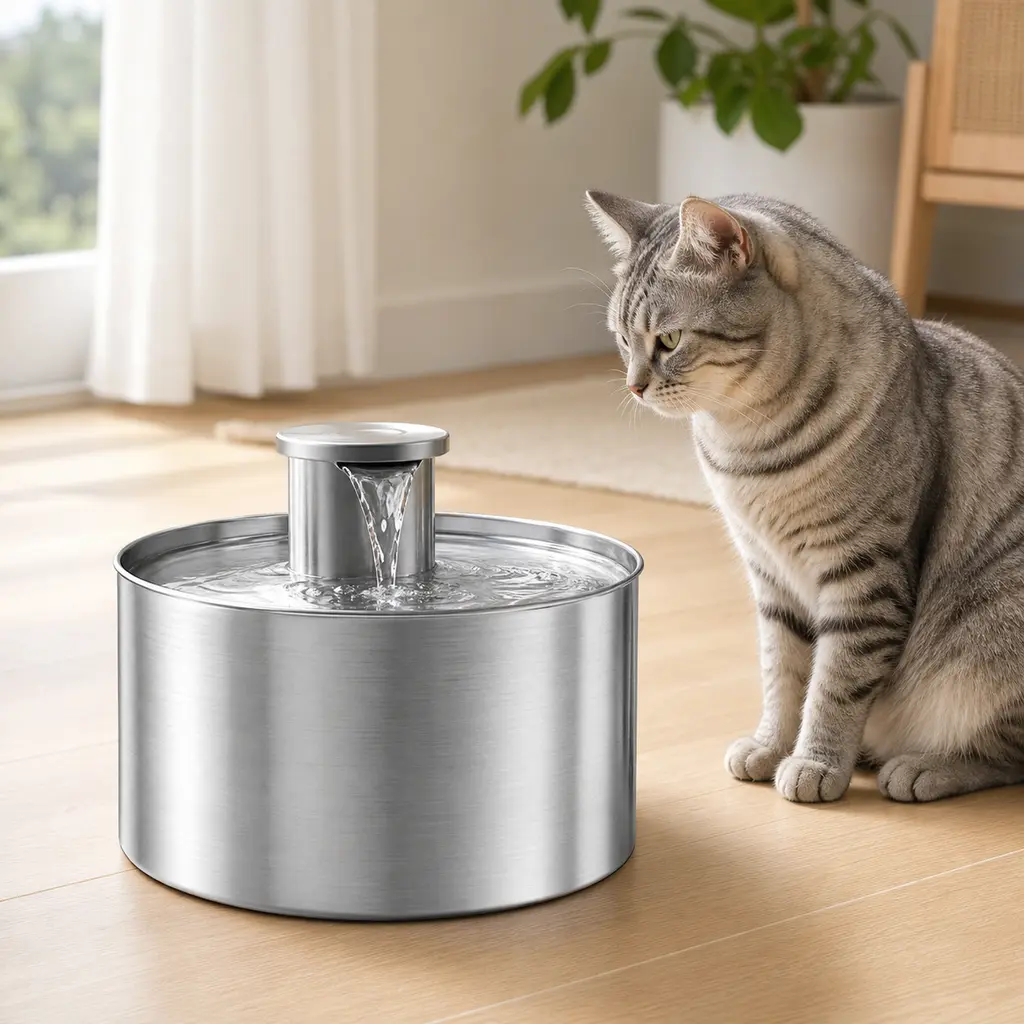
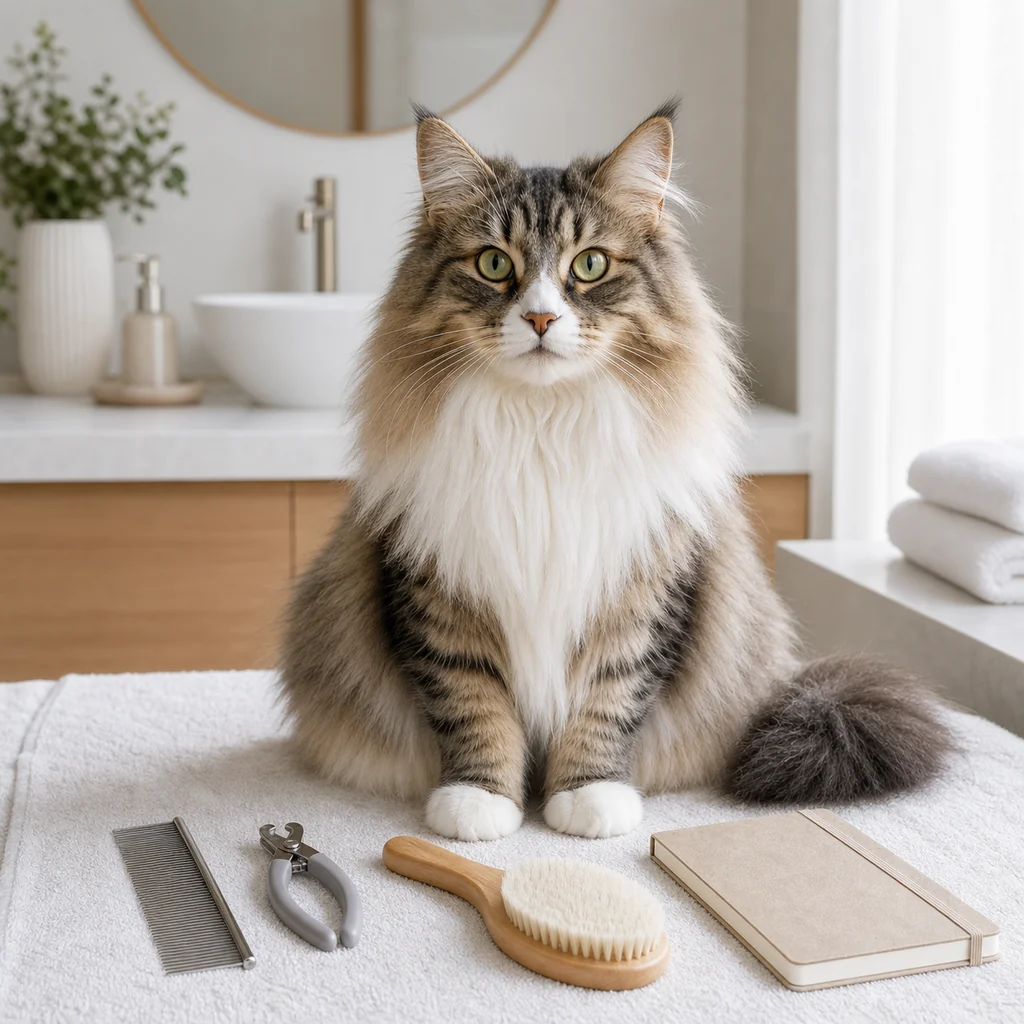
Insurance paperwork will not make the carrier easier. These practical supplies help you keep records, make vet trips calmer, and notice daily changes sooner.
Affiliate links: Furball Cove may earn from qualifying purchases at no extra cost to you.
It depends on your finances, your cat's health history, and how you handle risk. It can help with unexpected accident or illness bills, but routine care and reimbursement timing still need a separate plan.
Should I buy cat insurance before the first vet visit?
Compare policies early if you are considering coverage. Waiting until symptoms appear can make pre-existing-condition language more complicated, so it is better to read the policy while your cat is healthy.