Worm signs can include visible segments, vomiting, diarrhea, belly changes, weight loss, or no obvious signs, and treatment should be matched by your veterinarian.
This is a stool-and-history page. The important clues are what you see in the box, whether your cat hunts or has flea exposure, and whether weight, appetite, or energy has changed.
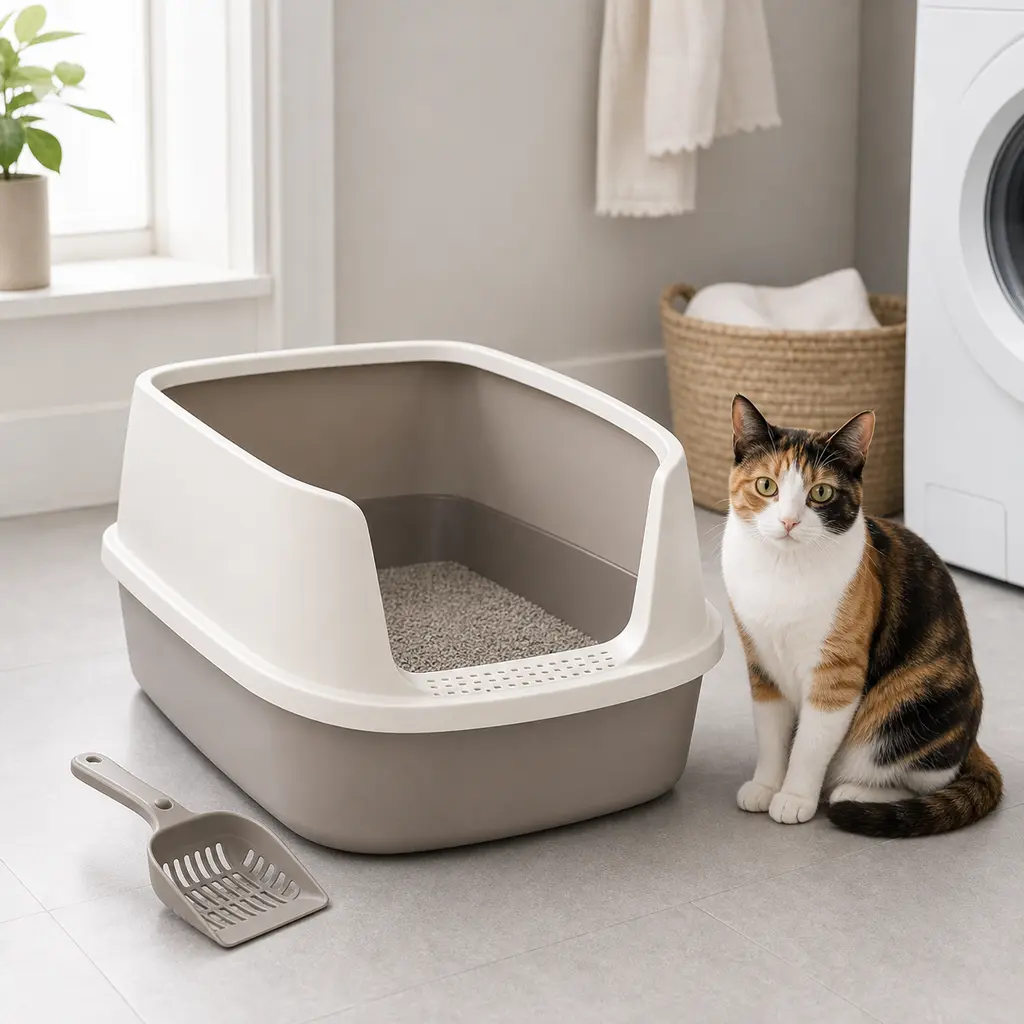
Check the box without guessing
Visible segments, unusual stool, diarrhea, vomiting, or a sudden change in box habits can matter. If your vet asks for a stool sample, bring one as directed instead of relying on memory.
Good preventive care is easier when records are current. Keep vaccine dates, parasite prevention, microchip details, dental notes, weight, and medication history where you can find them.
Connect fleas, hunting, and history
Flea exposure, hunting, rescue history, outdoor access, kittens, and multi-pet homes can change parasite risk. Tell your veterinarian the real routine, even if your cat is usually indoors.
Start with the date and the record. If you know what was done, when it was done, and what is due next, the page can turn into a clear calendar step.
Watch body condition and appetite
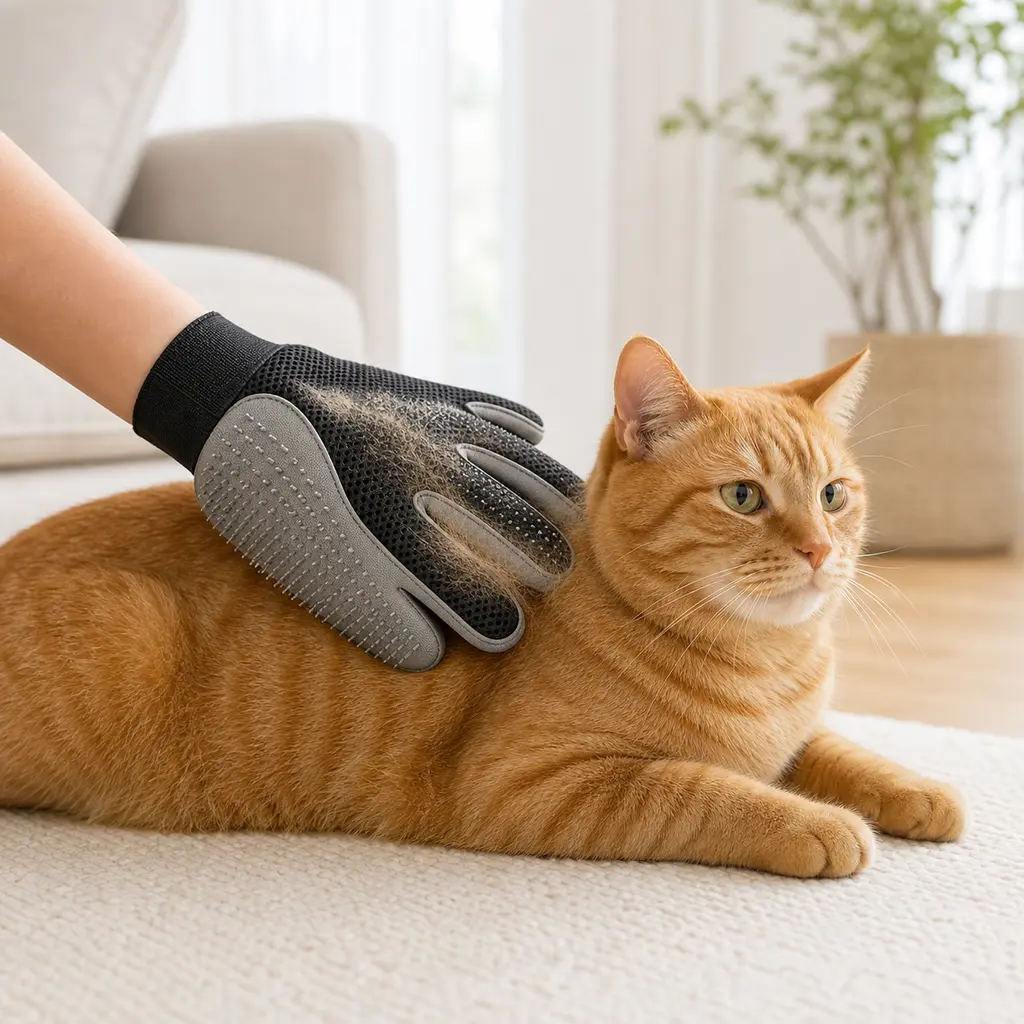
A pot-bellied look, weight loss, vomiting, diarrhea, dull coat, or appetite change deserves a vet conversation. Some cats show very little until the problem is found another way.
Put the next appointment, refill, or record update on the calendar while the details are fresh. Preventive pages should turn into one concrete admin step, not a vague intention.
Use the right dewormer for the right problem
Different parasites need different treatment. Do not use random dewormers, dog products, or leftover medication; ask your veterinarian what fits your cat.
Routine-care planning should move faster when a cat is overdue, on medication, losing weight, changing litter habits, or showing mouth pain, coughing, weakness, or persistent vomiting.
Keep cleanup boring and repeatable
Scoop consistently, wash bedding when needed, manage fleas if they are part of the risk, and follow your vet's timing if repeat treatment or testing is recommended.
Good preventive care is easier when records are current. Keep vaccine dates, parasite prevention, microchip details, dental notes, weight, and medication history where you can find them.
Before you decide
Any visible segments, vomiting, diarrhea, belly change, or weight loss?
Any flea exposure, hunting, rescue history, or outdoor access?
Is your cat a kitten, senior, or in a multi-pet home?
Did your vet ask for a stool sample?
Next best moves
Call your vet with stool and exposure details.
Use only cat-specific treatment recommended for your cat.
Keep litter cleanup and flea control consistent.
Quick cat question
How do I tell if my cat has worms?
Worm signs can include visible segments, vomiting, diarrhea, belly changes, weight loss, or no obvious signs, and treatment should be matched by your veterinarian.
When should I get help?
Call your veterinarian if the change is sudden, painful, repeated, worsening, or paired with appetite, litter, breathing, movement, or behavior changes.