Updated
Dog training principle
Add Distance Slowly
Distance makes every cue harder, so add it one small step at a time while your dog is still succeeding.
Use this rule for sit, down, wait, place, recall, mat work, and almost any cue that needs to hold up in real life.
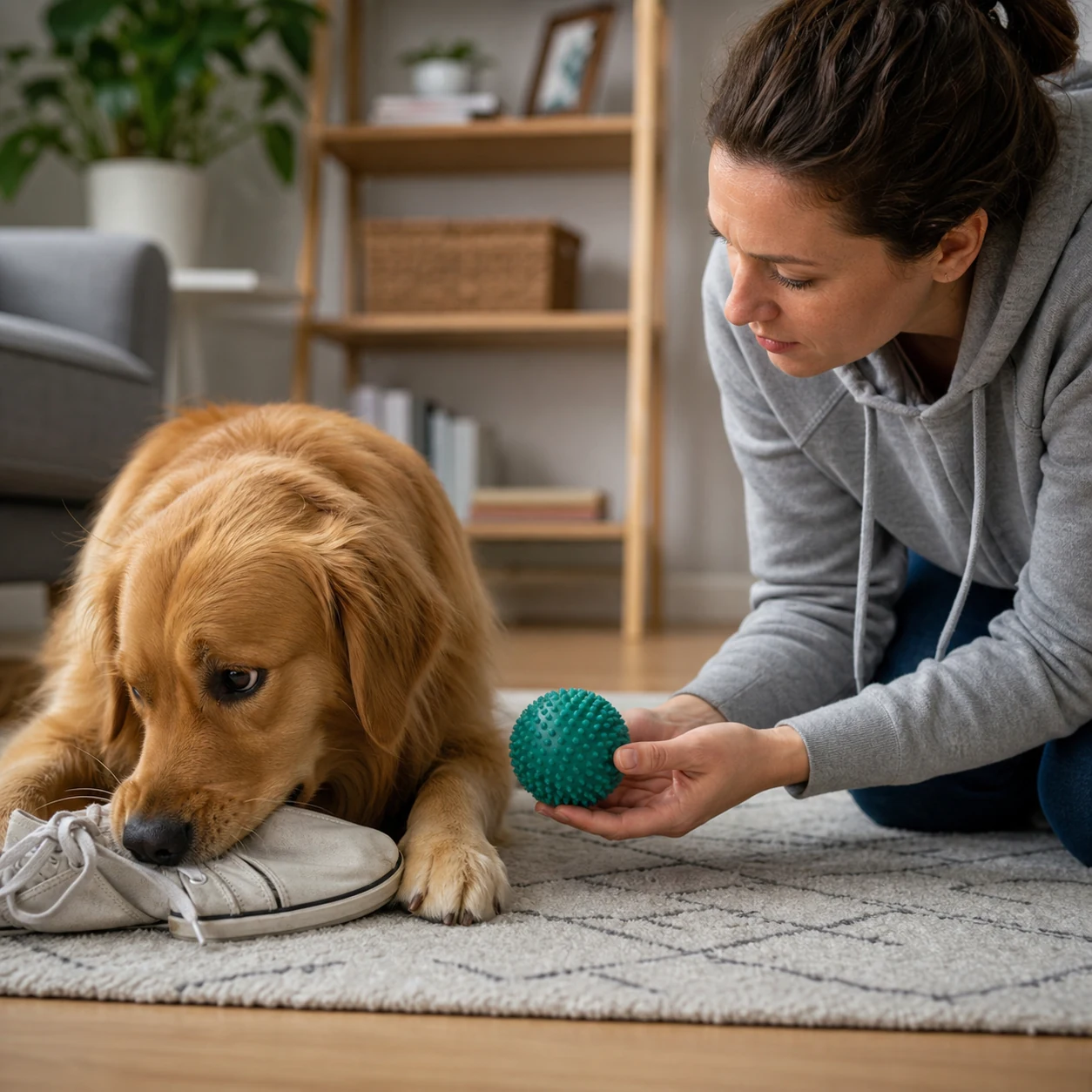
A cue can look finished when you are standing right beside your dog, then fall apart the moment you step away. That does not mean your dog is stubborn. It means distance changed the question.
Teach distance like a volume knob, not a light switch. One step, reward, release, repeat. If your dog breaks, you found the edge and can make the next rep easier.
Great for
- Dogs learning wait, stay, place, mat, sit, or down.
- Recall practice on a long line.
- People who want reliability without testing too much too soon.
Wait a bit if
- Your dog is already failing at the close version.
- The area is unsafe if your dog moves.
- You are adding distance, duration, and distractions at the same time.
Make waiting clear
Start where success is easy
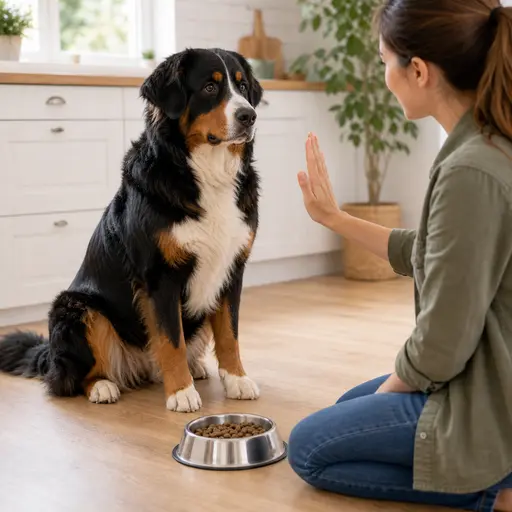
Stand close enough that your dog can hold the cue without leaning, creeping, or popping up.
Step away once
Take one small step back, return to your dog, reward in position, then release. Do not call your dog out of the position every time.
Repeat before adding more
Do several clean one-step reps before trying two steps. Boring practice builds a strong cue.
Return to reward
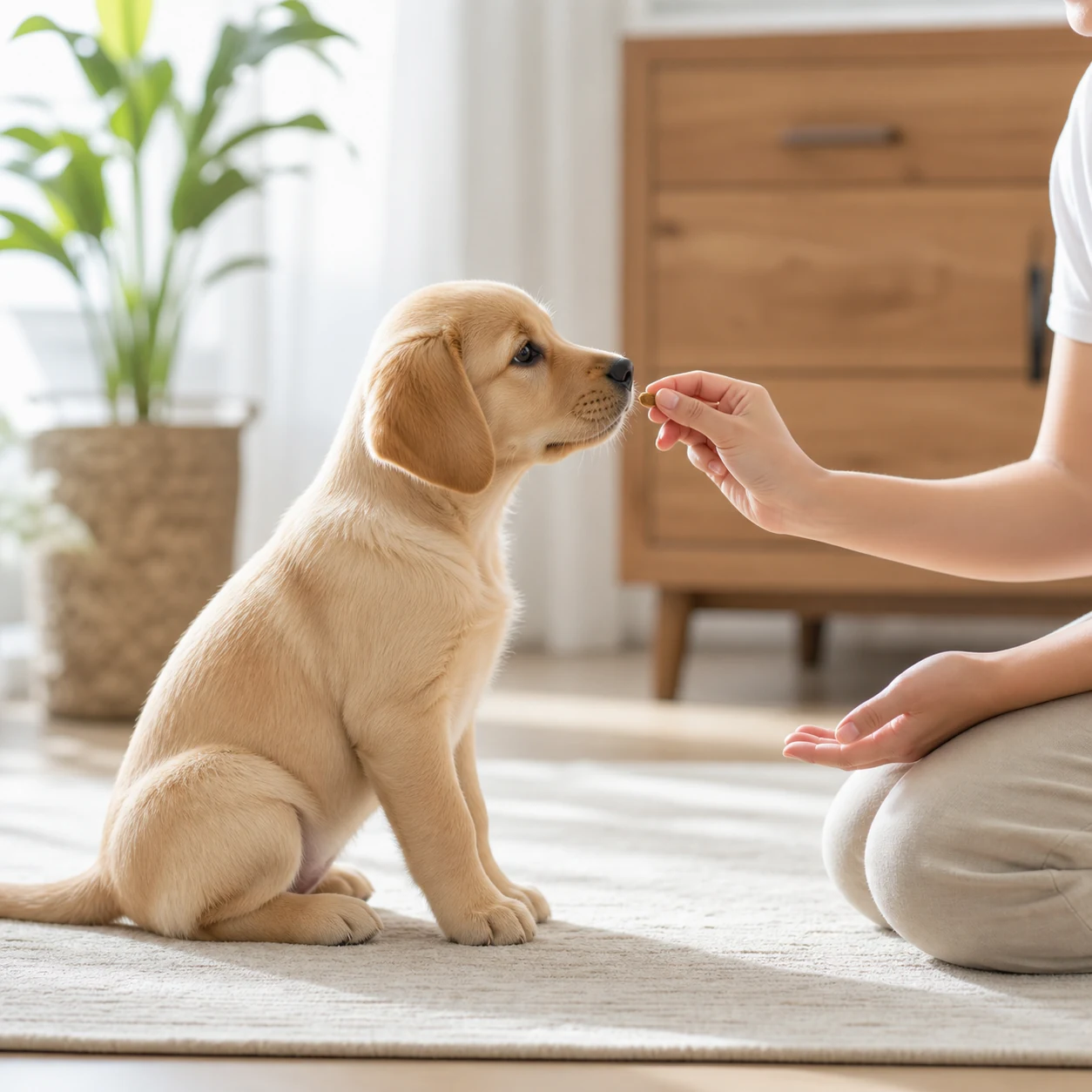
For position cues, walk back and feed where your dog is. That teaches them staying put is what pays.
Lower another difficulty
If you add distance, shorten duration and reduce distractions. Make only one part harder at a time.
Use a leash or long line outside
For outdoor distance work, use safe management. Practice should never depend on your dog making a perfect choice near danger.
Little things that help
Keep sessions tiny
Two or three clean minutes usually teach more than a long session where your dog gets tired, grabby, or confused.
Use one cue
Say the word once, then help your dog succeed. Repeating the cue over and over teaches them that the first version does not matter.
Make mistakes easier
If your dog misses twice, lower the distraction, shorten the time, or move closer. The setup should teach the behavior, not expose the failure.
Helpful little extras
Affiliate links: Furball Cove may earn from qualifying purchases at no extra cost to you.
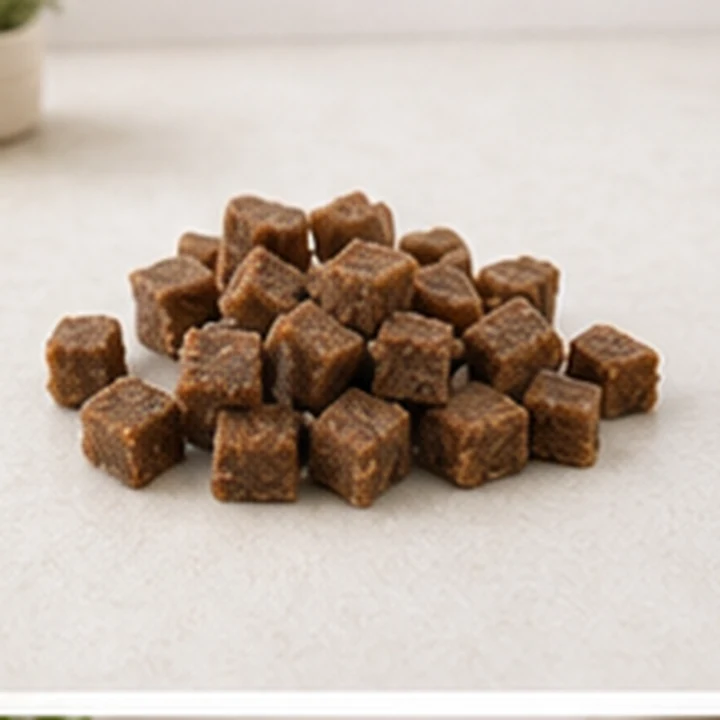
Soft training treats
Tiny soft rewards let you pay the exact moment your dog gets the cue right without slowing the lesson down.
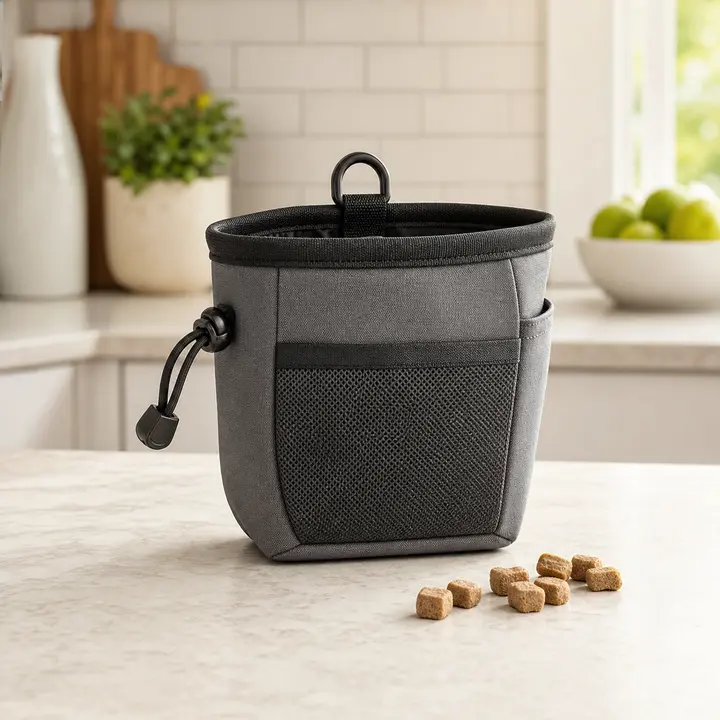
Training treat pouch
A pouch keeps rewards on your body, so you can mark and pay the good choice before the moment disappears.
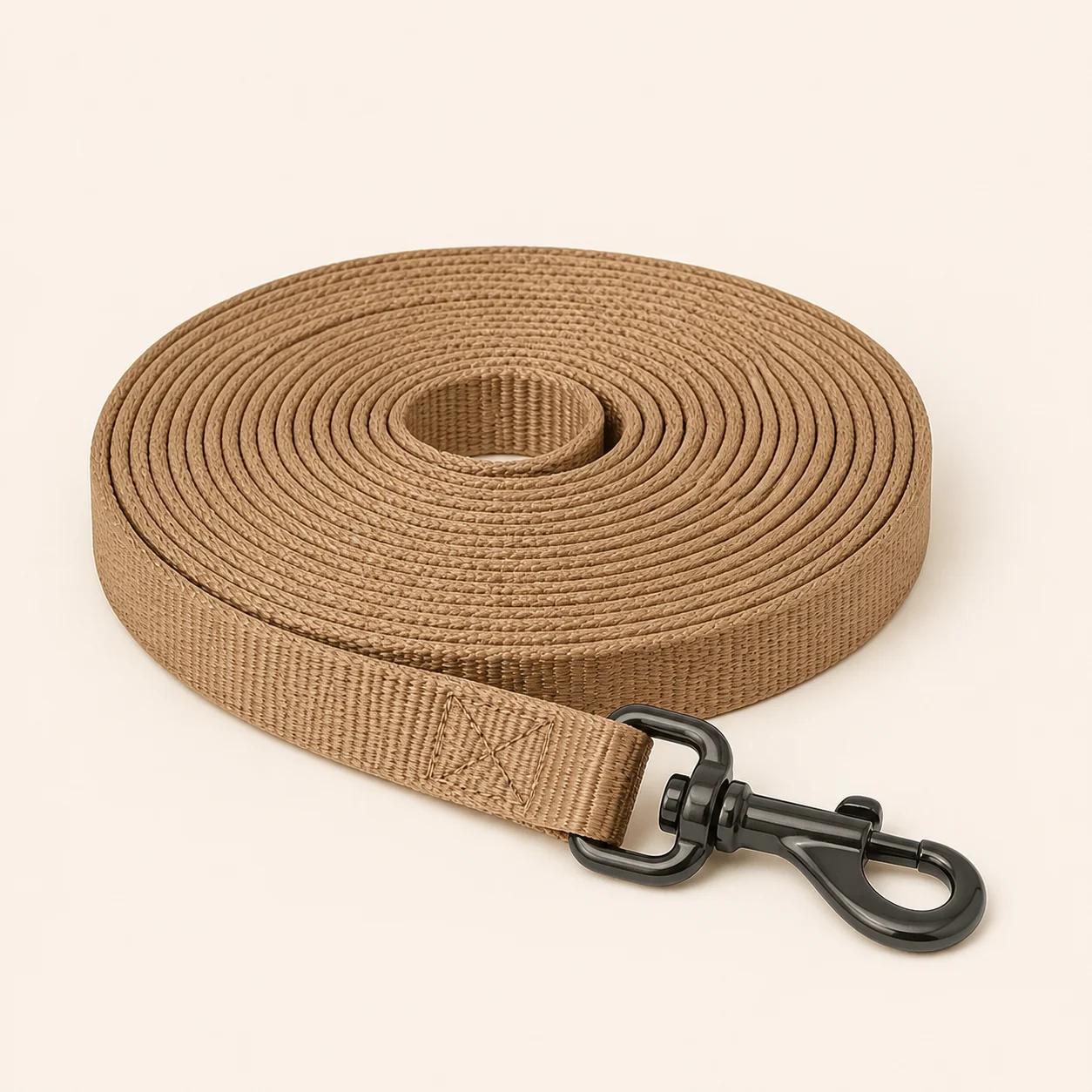
Long training line
A long line lets your dog practice coming back with room to move while you keep a safe backup connection.
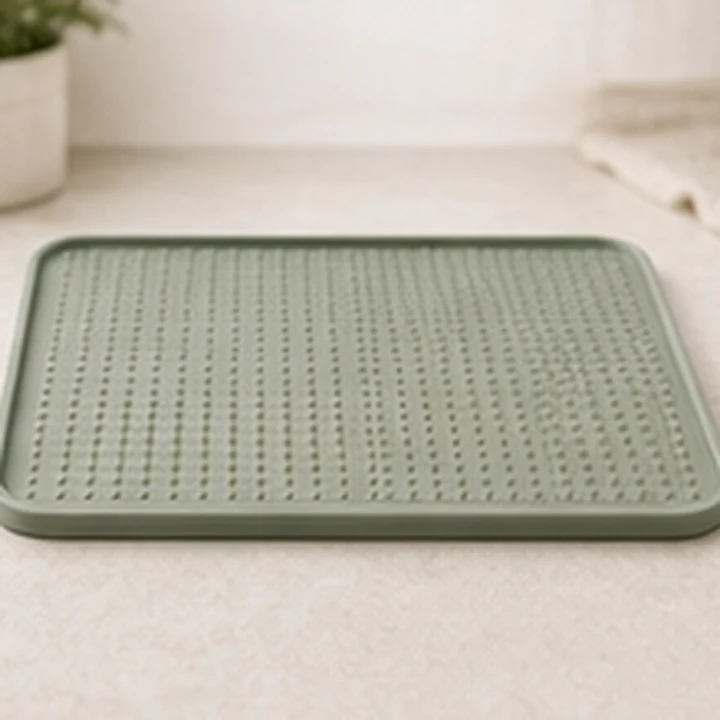
Non-slip training mat
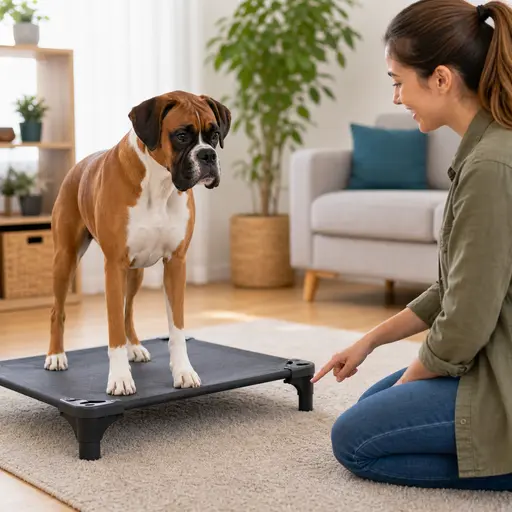
A steady surface helps your dog plant their feet, lie down comfortably, and understand where the practice spot begins.
Questions people ask
How fast should I add distance?
As fast as your dog can stay successful. If they break twice, you added too much.
Should I call my dog to me from a stay?
Sometimes, but not every time. Return to reward often so your dog does not anticipate moving.
Can I practice this outside?
Yes, with a leash, long line, fence, or another safe backup.