Updated
Dog training
Teach Your Dog Wait
Wait asks your dog to pause for a moment before moving, eating, exiting, or rushing through a threshold.
It is a practical impulse-control cue, not a forever stay. Teach the pause and the release together.
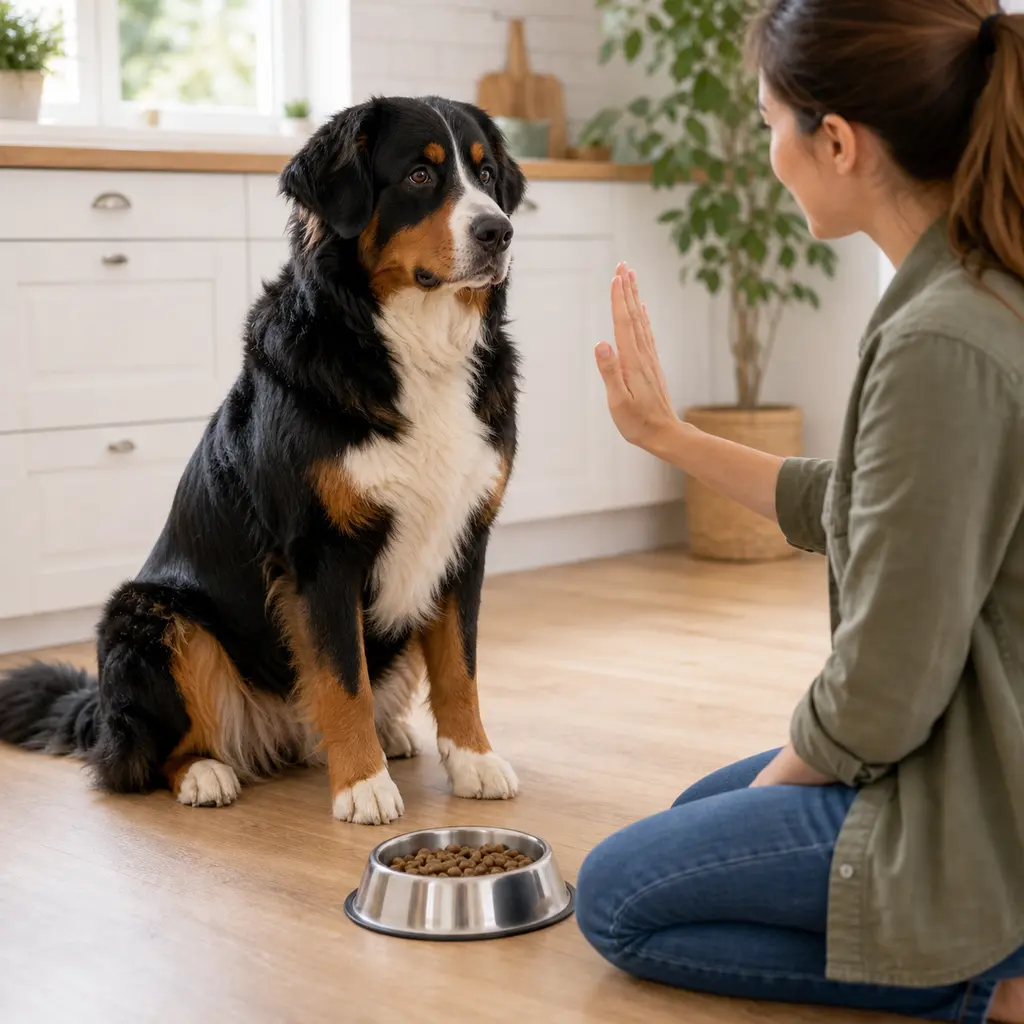
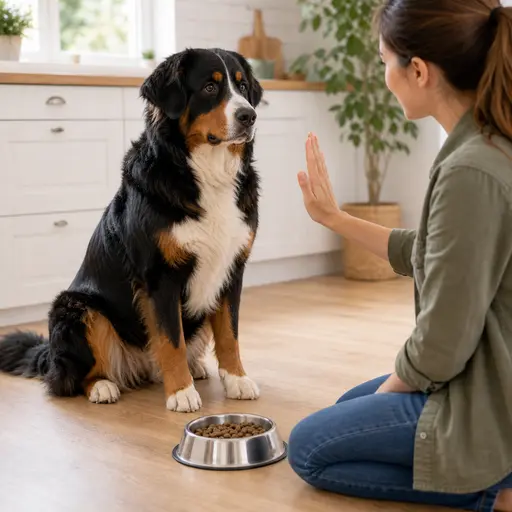
Wait is useful because it fits real life: doors opening, bowls going down, gates unlatching, car doors cracking open, or kids carrying snacks through the room.
The cue should feel clear and fair. Your dog pauses briefly, you reward the pause, and then you release them so they know exactly when the job is over.
Great for
- Dogs who rush doors, bowls, gates, or car exits.
- Puppies learning that movement can have a pause button.
- Families who want a simple safety habit before exciting moments.
Wait a bit if
- Your dog is in a dangerous place where a leash or closed door is needed.
- Your dog is too excited to eat, hear you, or keep four feet still.
- You need a long stay; teach stay separately after wait is easy.
Add distance slowly
Start with one tiny pause
Hold a bowl, toy, or closed door still. Say wait, count one calm beat, then mark and reward before your dog moves.
Teach the release immediately
Say okay or free, then lower the bowl, toss the toy, or step through the door together. The release tells your dog the pause is finished.
Add seconds slowly
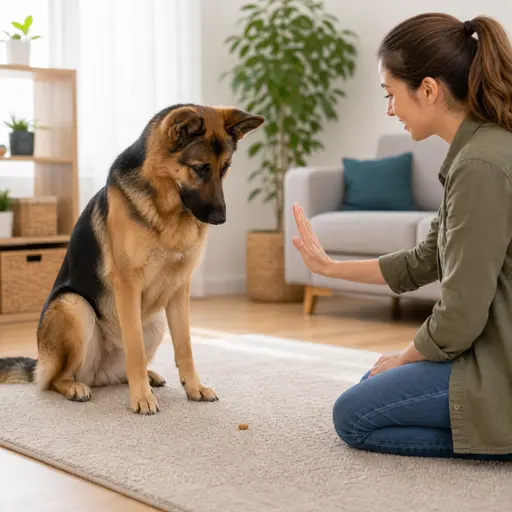
Build from one second to two, then three. If your dog pops forward, shorten the next repetition instead of correcting.
Reward while your dog is waiting
Feed or praise during the pause sometimes, not only after the release. That keeps the stillness valuable.
Practice in useful places
Try easy versions at interior doors, the food bowl, the leash hook, the crate door, and the car while your dog is safely managed.
Keep safety backups
Use a leash, harness, gate, or closed car door anywhere a mistake could matter. Wait is a skill, not a physical barrier.
Little things that help
Keep sessions tiny
Two or three clean minutes usually teach more than a long session where your dog gets tired, grabby, or confused.
Use one cue
Say the word once, then help your dog succeed. Repeating the cue over and over teaches them that the first version does not matter.
Make mistakes easier
If your dog misses twice, lower the distraction, shorten the time, or move closer. The setup should teach the behavior, not expose the failure.
Helpful little extras
Affiliate links: Furball Cove may earn from qualifying purchases at no extra cost to you.
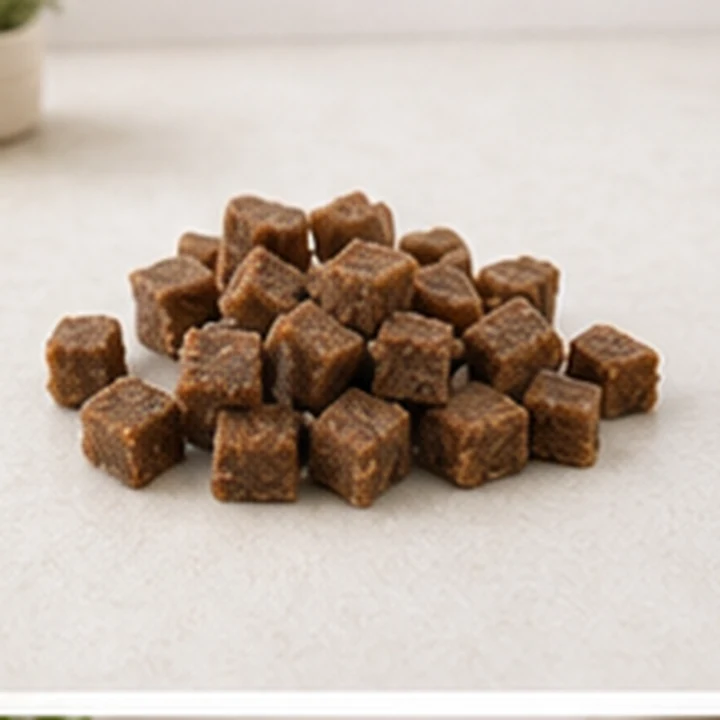
Soft training treats
Tiny soft rewards let you pay the exact moment your dog gets the cue right without slowing the lesson down.
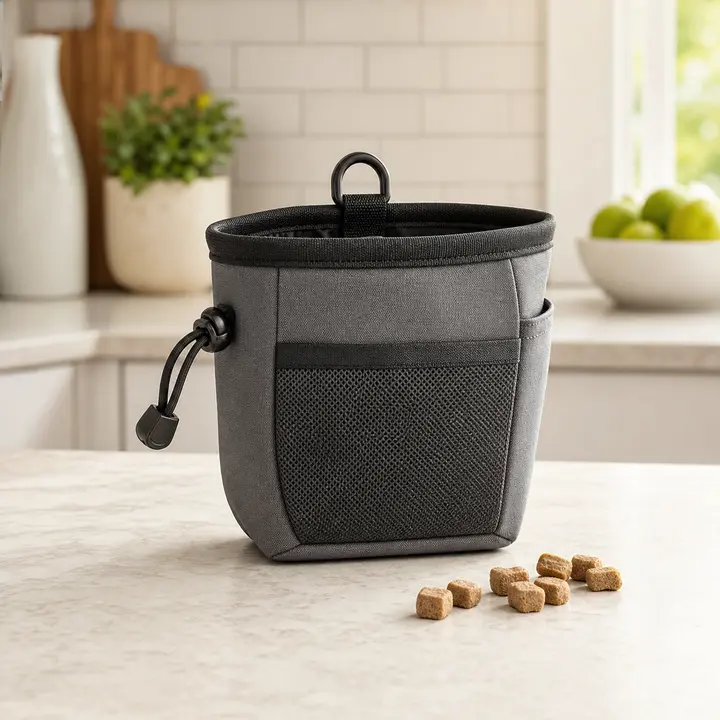
Training treat pouch
A pouch keeps rewards on your body, so you can mark and pay the good choice before the moment disappears.
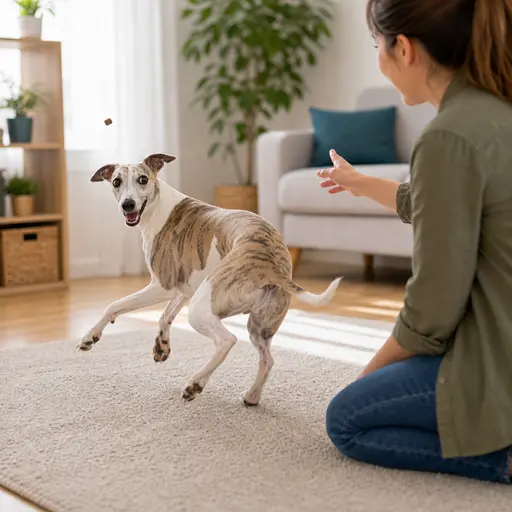
Training clicker
A clear marker helps your dog understand which tiny movement earned the reward, especially in the first few sessions.
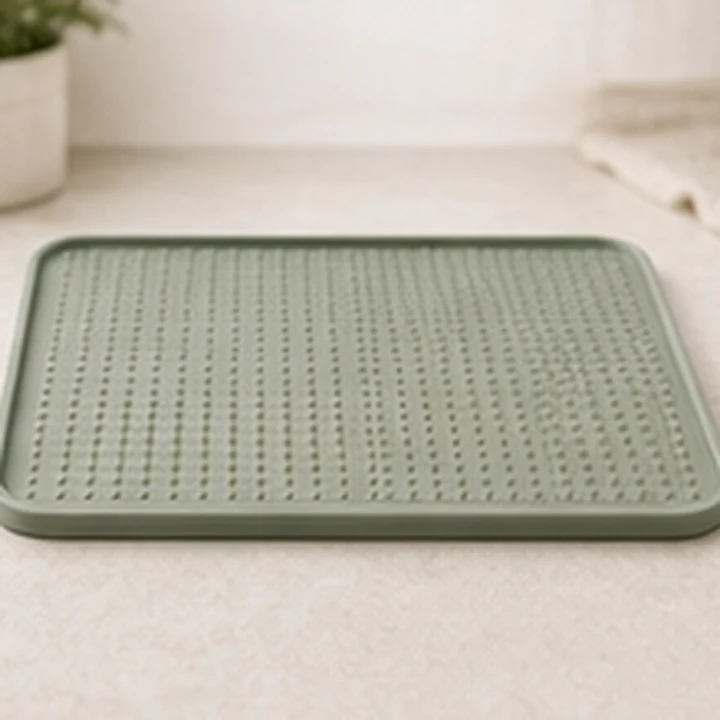
Non-slip training mat
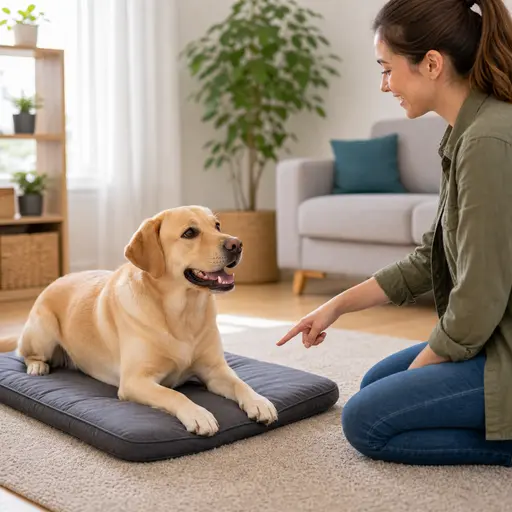
A steady surface helps your dog plant their feet, lie down comfortably, and understand where the practice spot begins.
Questions people ask
Is wait the same as stay?
Not exactly. Wait is usually a short pause before the next thing happens. Stay is a longer position cue with more duration.
What if my dog breaks wait?
Make the next round easier. Shorten the time, lower the excitement, or move farther from the door or bowl.
Can I use wait at the car?
Yes, but keep a leash or hand on the harness. A cue should never be the only safety system near traffic.