Updated
Dog training
Teach Your Dog Place
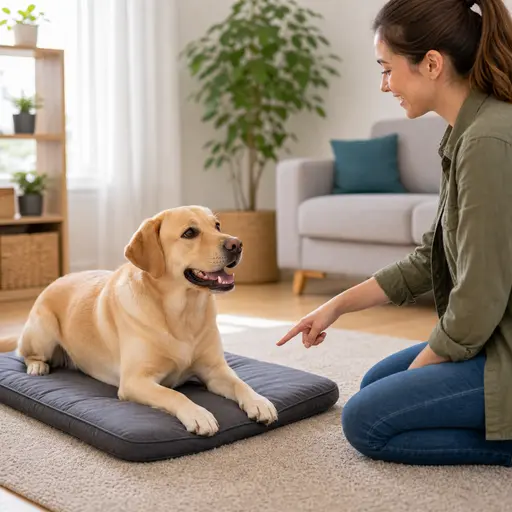
Place teaches your dog to go to a specific bed, cot, platform, or mat and stay there until released.
Use it as a structured station cue for doors, guests, mealtimes, and busy rooms while keeping the station calm and rewarding.
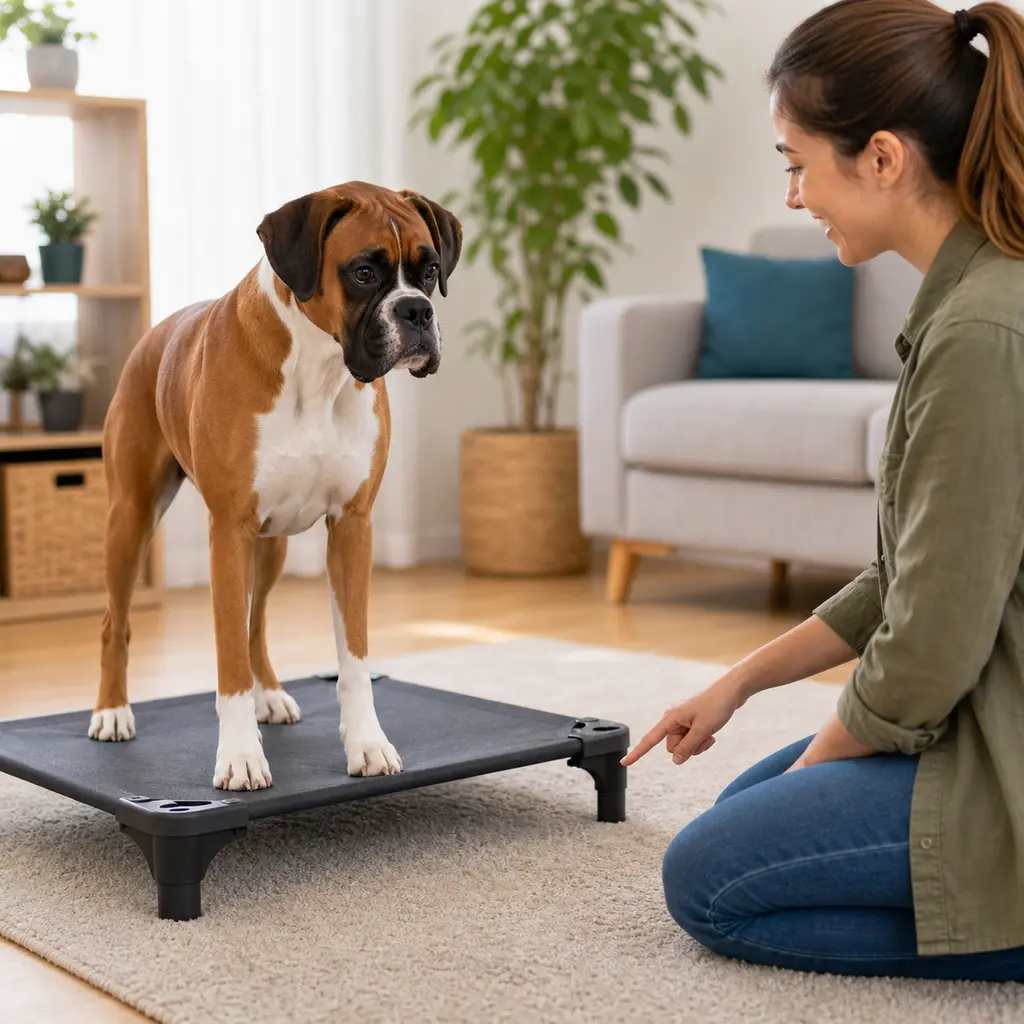
Place is helpful for dogs who need a clear job when the house gets active. A raised cot, bed, or mat tells your dog exactly where their body should be.
The cue should be taught in calm layers: go to the spot, stay for a short stretch, handle a little movement, then release. Skipping those layers makes place feel frustrating.
Great for
- Dogs who need structure around doors, meals, or guests.
- Homes that want a clear station instead of constant corrections.
- Dogs who already know sit, down, or go to mat.
Wait a bit if
- Your dog is anxious, guarding the station, or being sent there after trouble instead of being taught calmly.
- Visitors or kids are allowed to bother the dog on place.
- The dog has no release cue yet.
Make quiet time clear
Choose a clear station
Use a bed, cot, mat, or low platform with an obvious edge. Reward your dog for stepping onto it without asking for duration yet.
Pay on the station
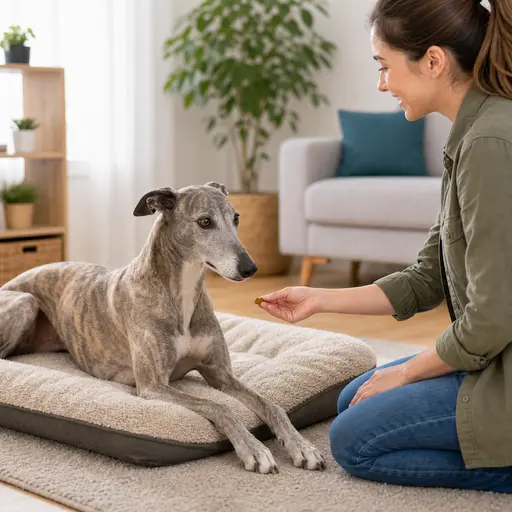
Feed several small treats while your dog remains on the spot. The station should become the place where good things happen.
Add place before movement
Say place right before your dog heads to the station. Fade pointing and luring as the path becomes familiar.
Add duration in seconds
Count one second, reward, then release. Build gradually so your dog does not learn to leave early.
Add household movement
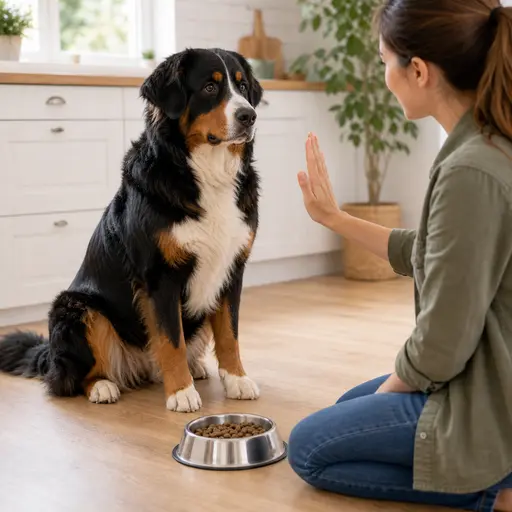
Take one step away, sit down, pick up a plate, or open an interior door. Change only one piece at a time.
Protect the station
Teach kids and guests to leave the dog alone there. Place should be a job and a rest spot, not a place where people crowd them.
Little things that help
Keep sessions tiny
Two or three clean minutes usually teach more than a long session where your dog gets tired, grabby, or confused.
Use one cue
Say the word once, then help your dog succeed. Repeating the cue over and over teaches them that the first version does not matter.
Make mistakes easier
If your dog misses twice, lower the distraction, shorten the time, or move closer. The setup should teach the behavior, not expose the failure.
Helpful little extras
Affiliate links: Furball Cove may earn from qualifying purchases at no extra cost to you.
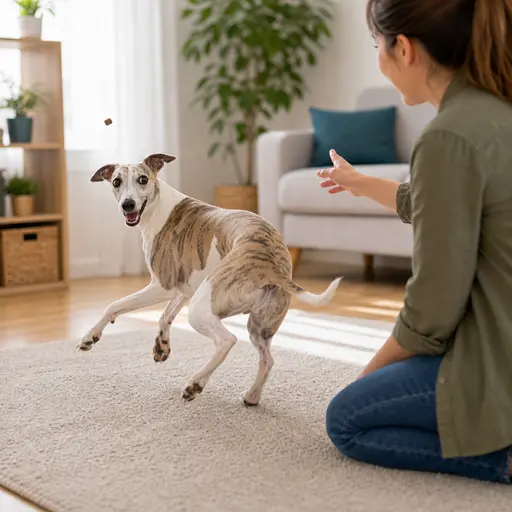
Training platform
A low platform makes the boundary obvious for dogs who need to feel exactly where their paws belong.
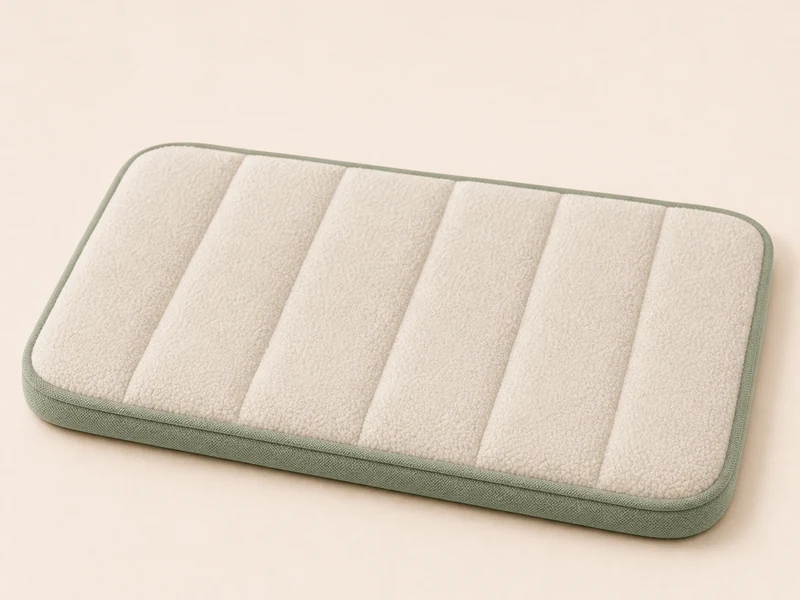
Washable dog mat
A familiar mat gives your dog a clear landing spot for place, settle, visitors, meals, and busy household moments.
Soft training treats
Tiny soft rewards let you pay the exact moment your dog gets the cue right without slowing the lesson down.
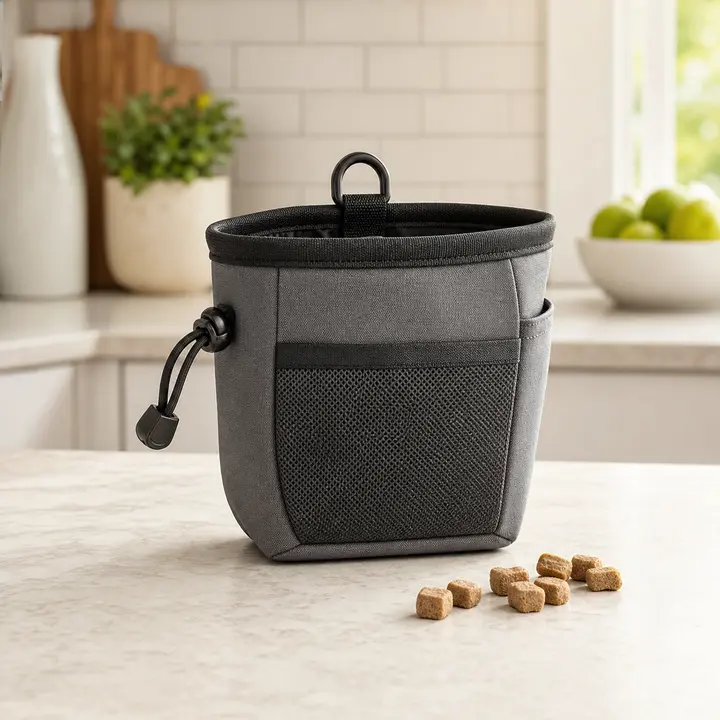
Training treat pouch
A pouch keeps rewards on your body, so you can mark and pay the good choice before the moment disappears.
Questions people ask
Should place be strict?
It should be clear, not harsh. Teach the station, reward staying, and use a release cue instead of scolding mistakes.
Can place help with guests?
Yes, but practice before guests arrive. For intense jumping, barking, or fear, use management and consider a qualified trainer.
What should I use as the place?
Use a surface your dog can see and feel: a bed, mat, cot, or low platform that fits their body comfortably.