Updated
Recall cue clarity
Call Once
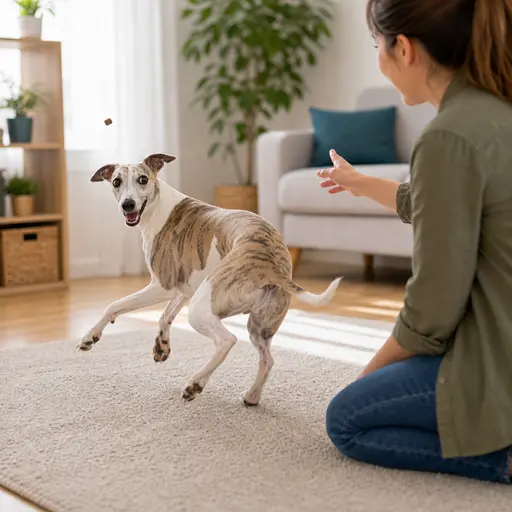
Call once, then help your dog succeed instead of turning the cue into background noise.
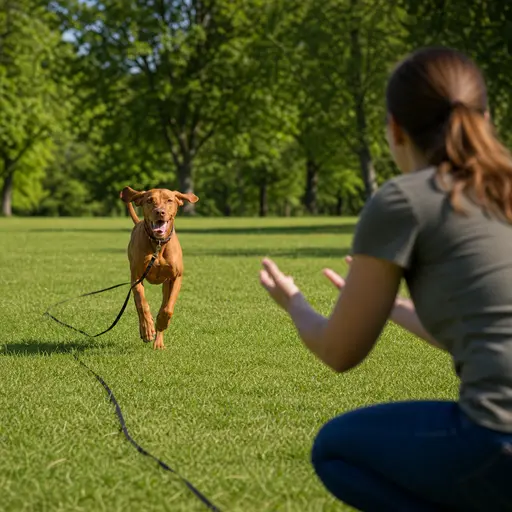
If your dog cannot answer, the setup is too hard. Move closer, make happy movement, use the long line, and reward the moment they reconnect.
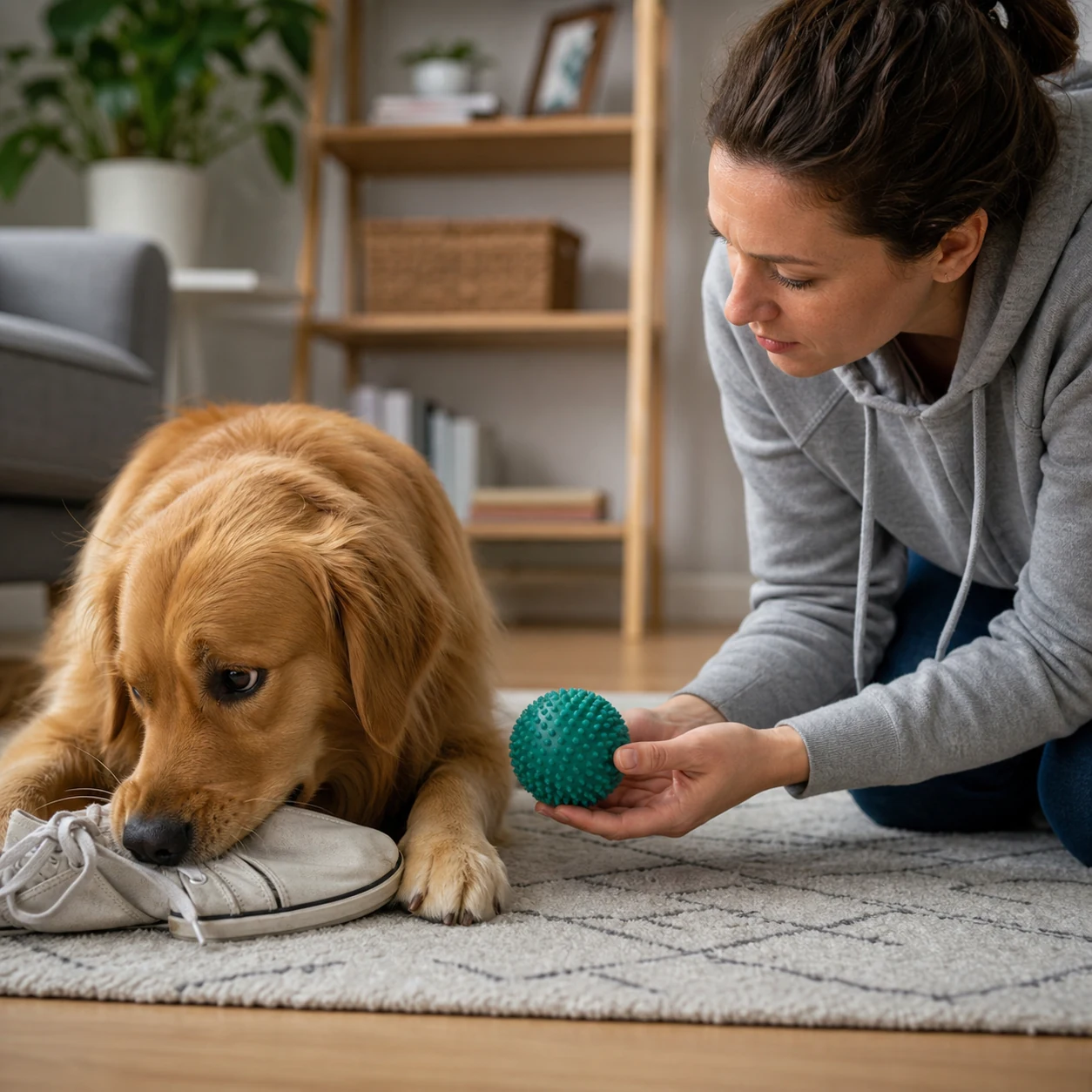
Repeating come ten times teaches your dog that the first nine calls do not matter. It also gives you less information about what your dog can actually handle.
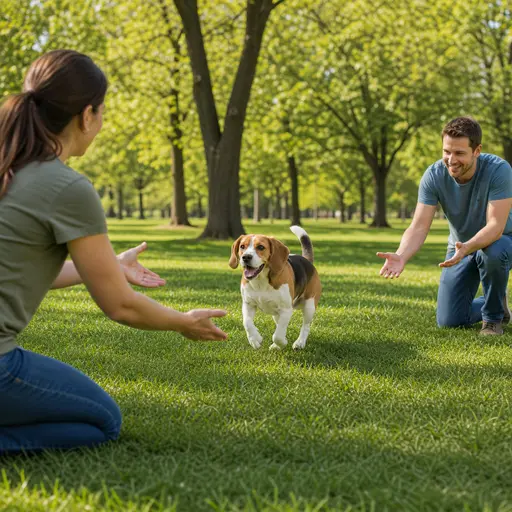
A cleaner plan is call once, then change the picture. Move closer, lower the distraction, clap, jog away, or use the long line so your dog can turn back and get paid.
Great for
- Dogs who hear recall cues many times before responding.
- Puppies learning that one cue has one clear meaning.
- Families trying to keep everyone consistent with recall practice.
Wait a bit if
- Emergency situations where you need to physically secure the dog right away.
- Off-leash practice before the dog is ready for the environment.
- Expecting a clean response when rewards, distance, and distractions are not realistic yet.
Practice the return
Choose the cue before you start
Use one word or sound. Everyone in the house should know what it means and when to use it.
Call once in an easy setup
Start close, with your dog lightly distracted or already likely to turn. Say the cue once in a bright voice.
Help instead of repeating
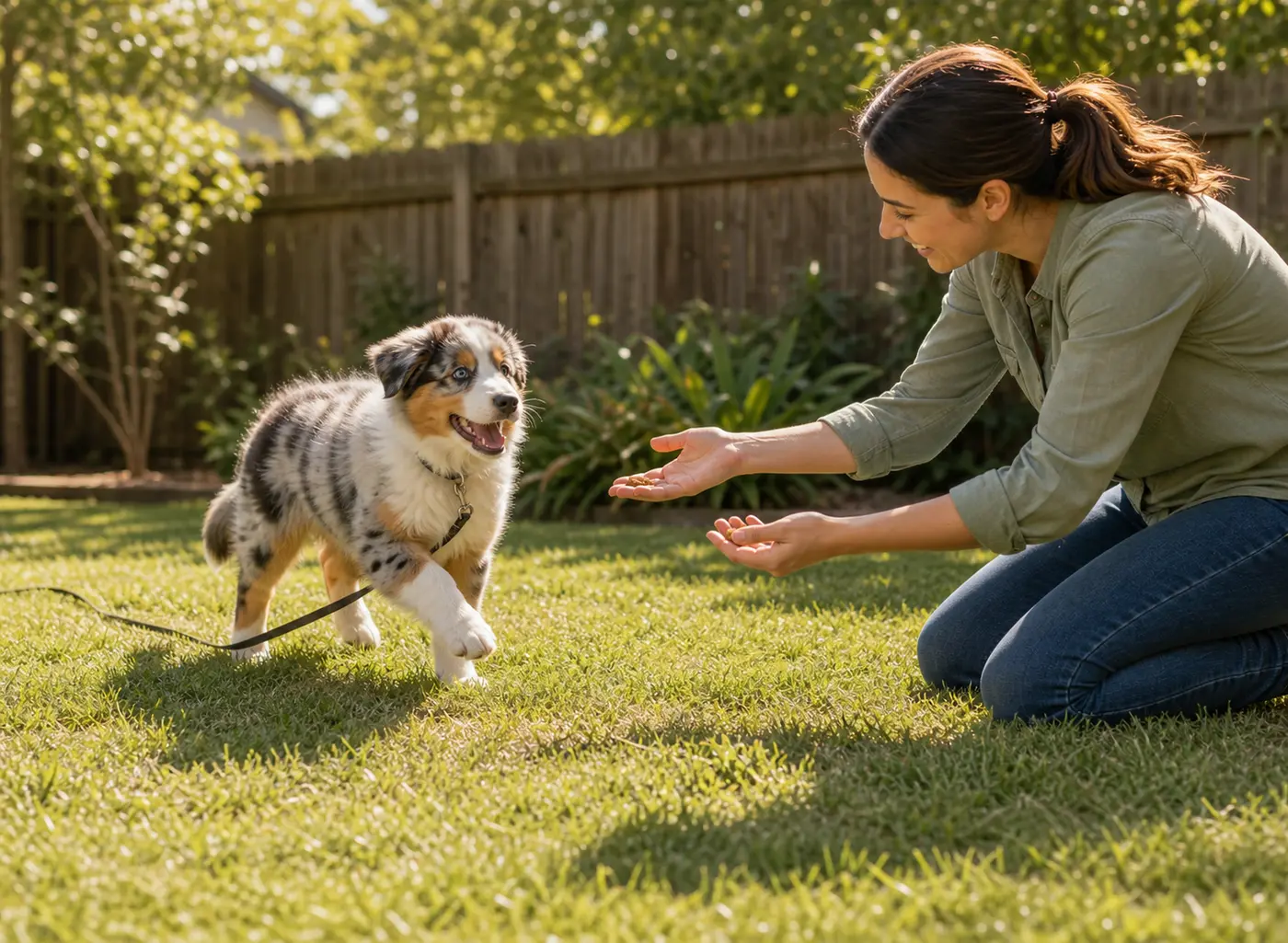
If your dog hesitates, jog away, crouch, make kissy sounds, or use the long line gently to prevent wandering farther.
Reward the full return
Pay when your dog comes all the way in, not just when they glance at you from a distance.
Make the next rep easier
A missed cue means the setup was too hard. Reduce distance, choose a quieter place, or use a better reward.
Keep practice short
A few clean reps teach more than a long session where the cue gets sloppy.
Little things that help
Count the first cue
If your dog only comes after the third call, practice easier setups until the first cue matters again.
Use movement
Running away playfully often pulls a puppy back better than standing still and repeating yourself.
Pay check-ins too
Reward voluntary check-ins during walks. They make the actual recall cue easier later.
Helpful little extras
Affiliate links: Furball Cove may earn from qualifying purchases at no extra cost to you.
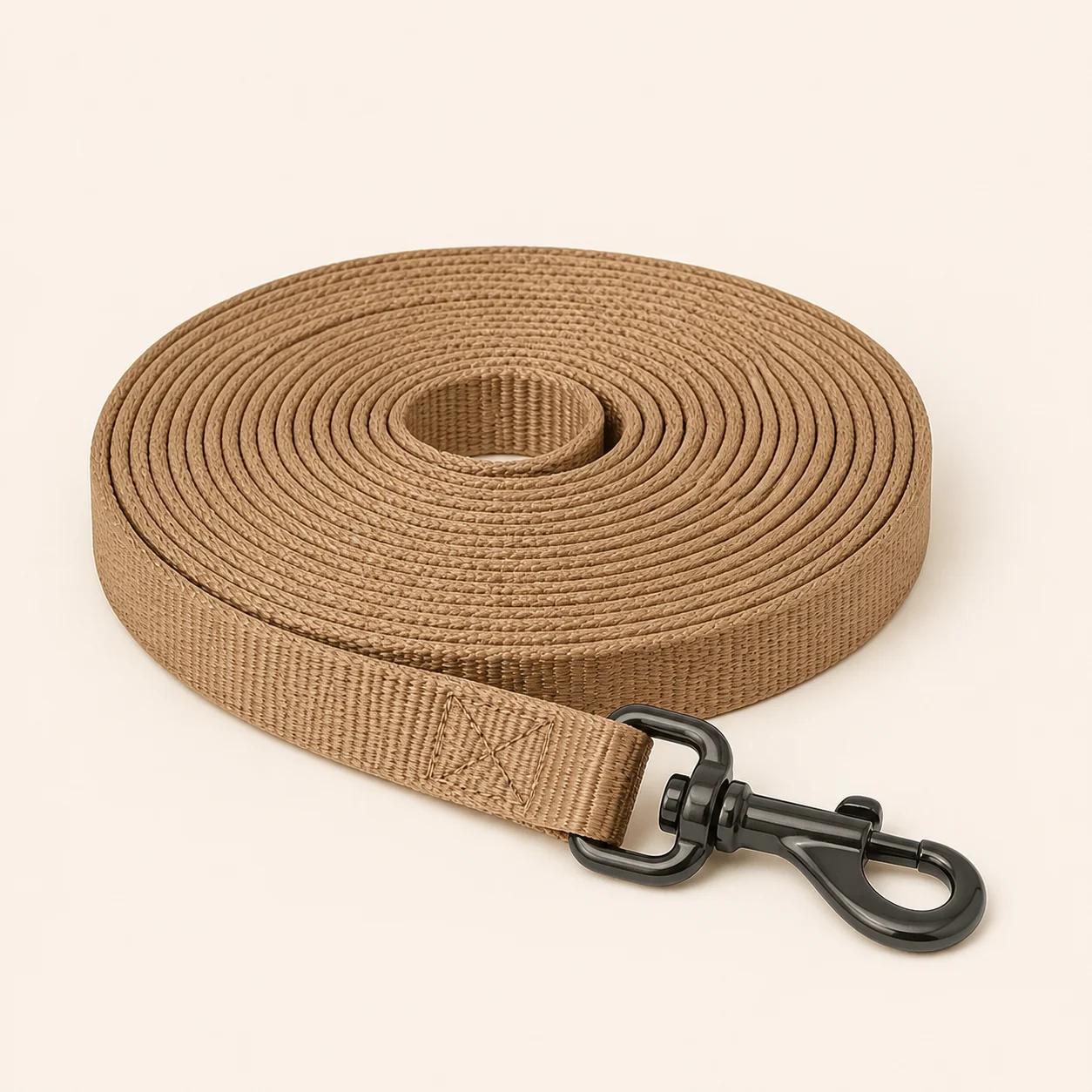
Long training line
A long line lets your dog practice recall with real movement while you still have a safety backup.
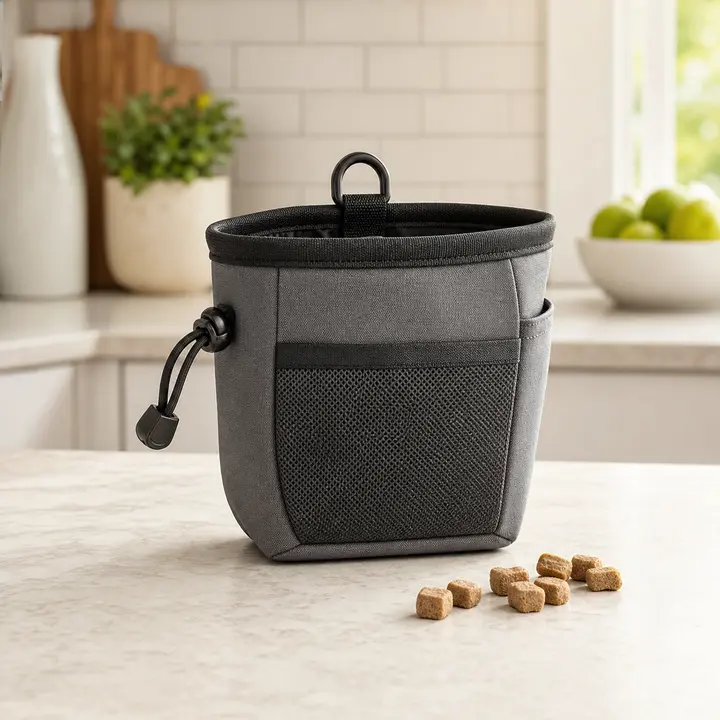
Training treat pouch
Recall rewards need to be ready before your dog turns back, not dug out after the moment is gone.
High-value training treats
Use rewards your dog truly cares about when you are competing with smells, dogs, movement, and open space.
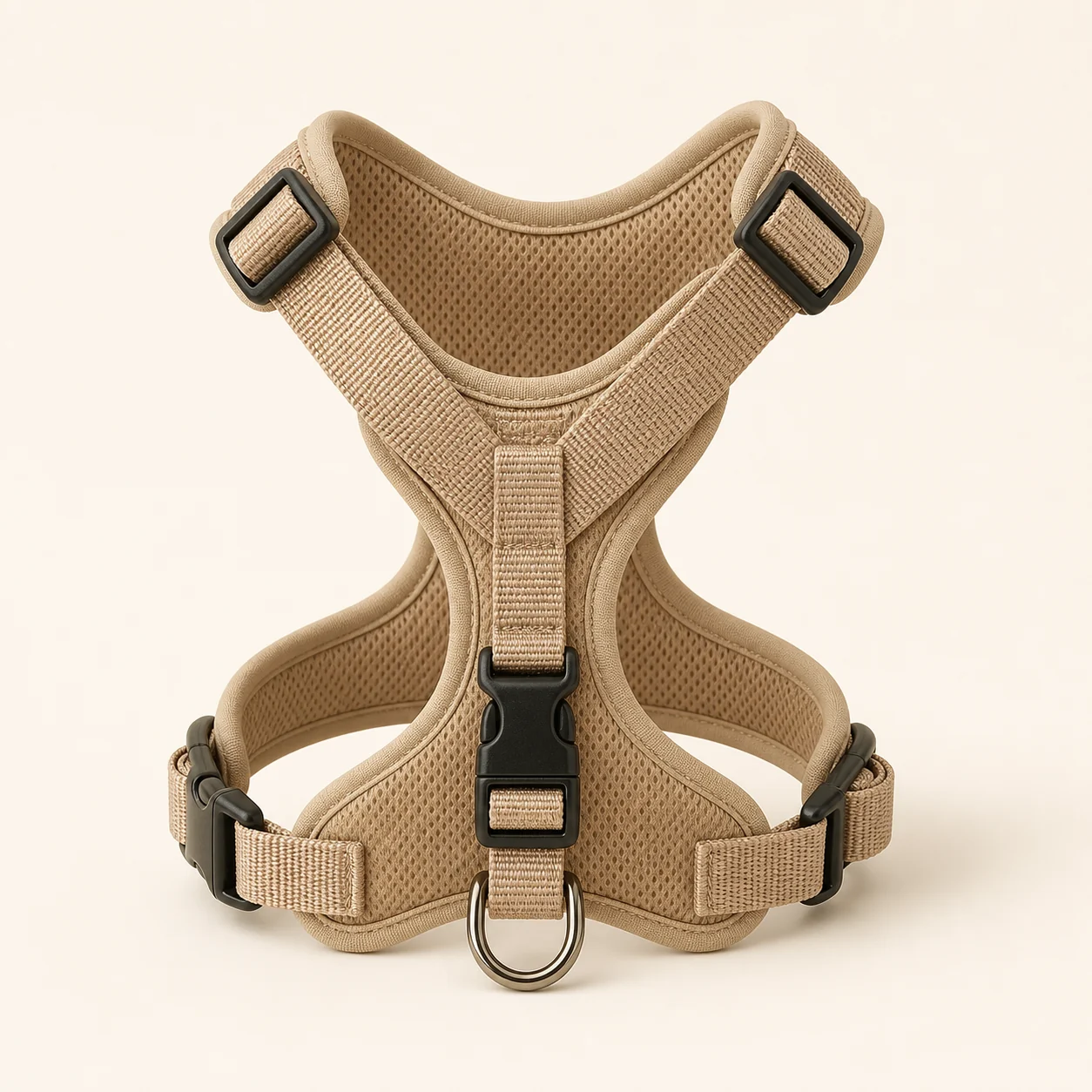
Front-clip harness
A comfortable harness gives you a secure attachment point without putting recall practice on the neck.
Questions people ask
What should I do if my dog ignores the first cue?
Make the situation easier and help them turn back. Do not keep repeating the cue from the same hard setup.
Can I use my dog's name first?
Yes. Use the name to get attention, then the recall cue when your dog can move toward you.
Does calling once mean I can never make other sounds?
You can encourage with happy movement or noise after the cue. The point is not repeating the recall word until it loses meaning.