Updated
Recall motivation
Call and Release
Recall gets stronger when coming back does not always mean the good stuff is over.
Call, reward, and release when it is safe so your dog learns that returning can be part of the fun, not only the end of it.
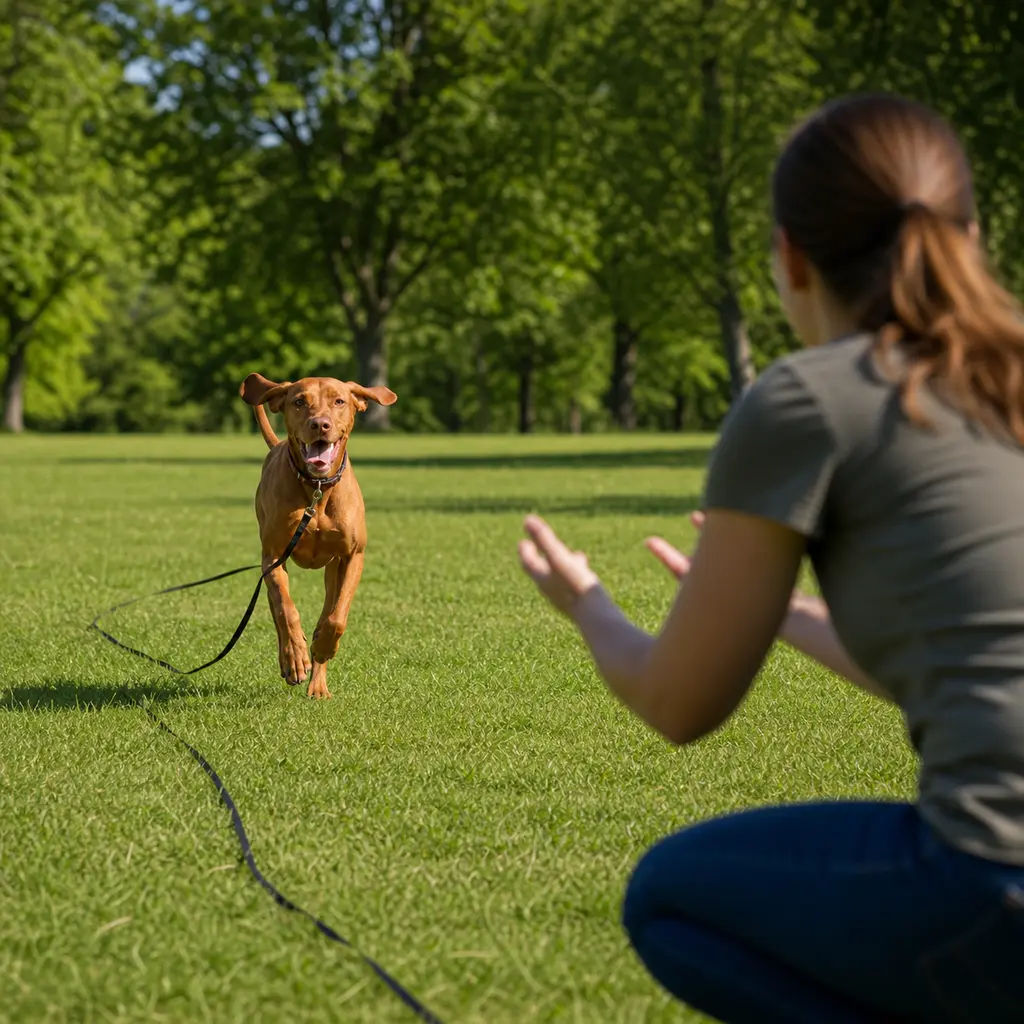
Many dogs learn a sneaky pattern: come means leash on, park over, friends gone, or toy taken away. They are not being spiteful; the cue has started predicting disappointment.
Call-and-release reps rebalance the cue. Your dog comes in, gets paid, and often gets to go back to sniffing, playing, or exploring safely.
Great for
- Dogs who slow down because recall often ends the activity.
- Puppies practicing in fenced areas, yards, hallways, or on a long line.
- Owners who want recall to feel joyful instead of suspicious.
Wait a bit if
- Releasing a dog back to an unsafe distraction.
- Off-leash practice where roads, wildlife, unknown dogs, or open gates are nearby.
- Using release as a reward when your dog is already overexcited or unable to listen.
Practice the return
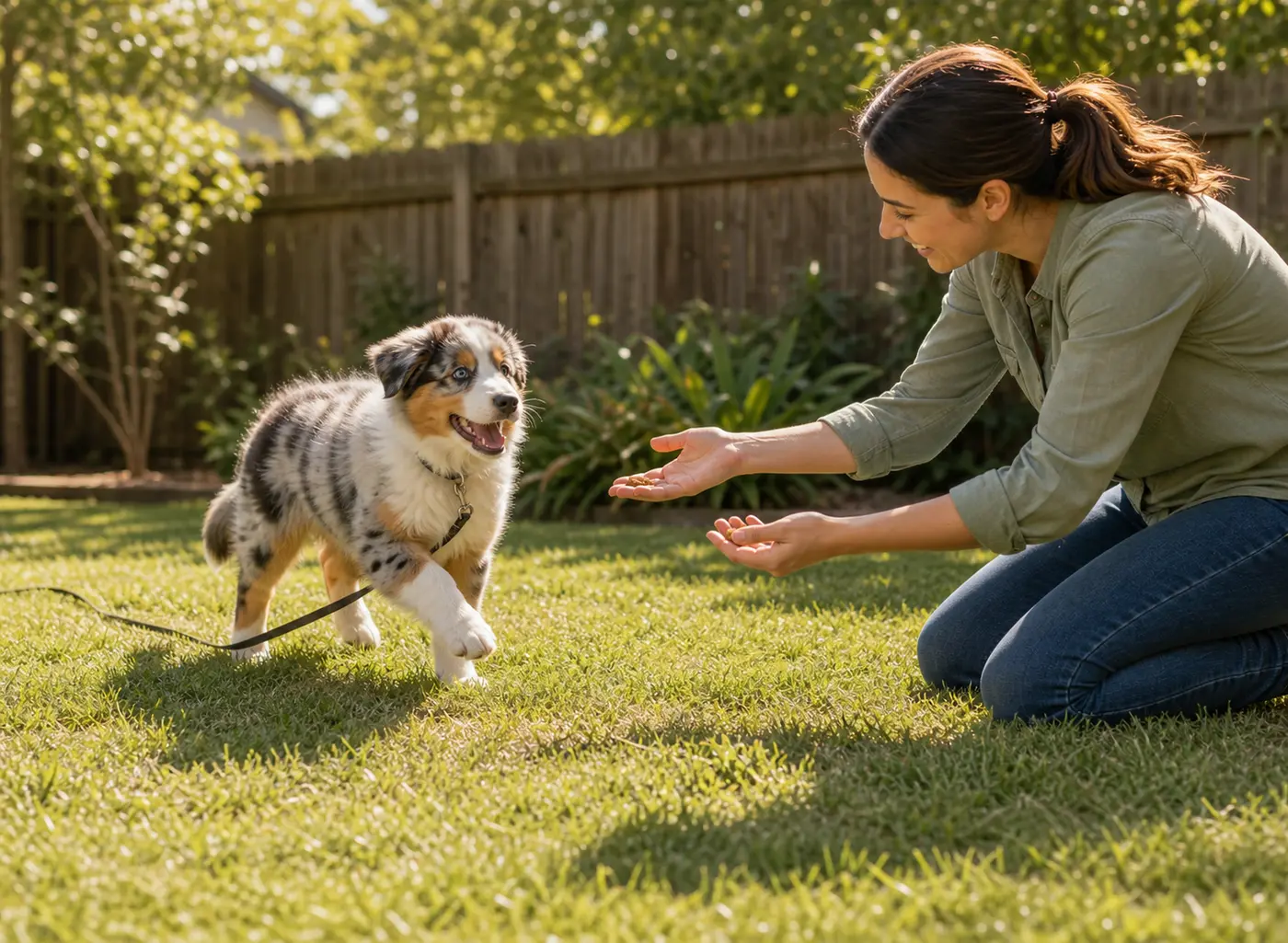
Pick a safe practice space
Use a fenced area, hallway, quiet yard, or long line. Your dog should be able to explore without true risk.
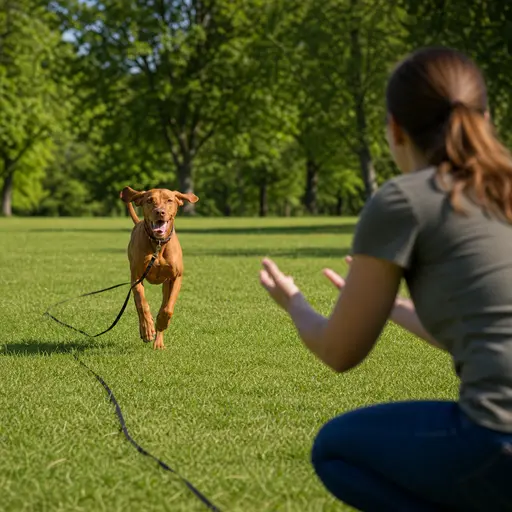
Call once from a short distance
Wait for a moment when your dog can succeed, then use your recall cue once.
Reward close to you
Feed several tiny treats, praise, or play briefly when your dog reaches you.
Touch the harness gently
Practice the same calm finish you would need in real life, then let go before your dog worries.
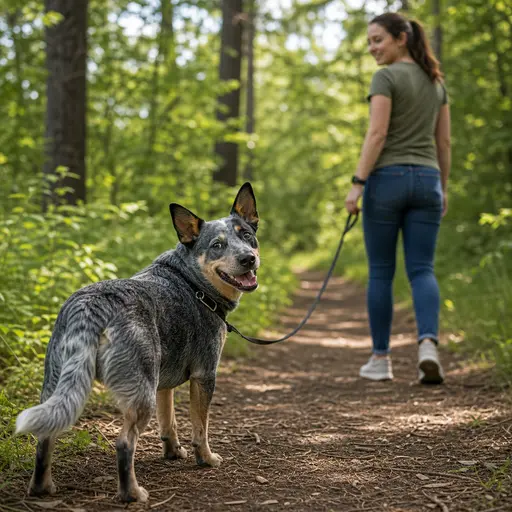
Release back to the activity
Say your release word and let your dog return to sniffing, playing, or exploring when it is safe.
Mix in real endings
Sometimes the walk does end. The goal is variety, so recall does not predict the end every single time.
Little things that help
Use life rewards
Sniffing, greeting a safe person, returning to a toy, or moving down the trail can be powerful rewards.
Keep endings calm
When the fun really is over, reward first, clip calmly, and leave without turning it into a chase.
Watch arousal
If release makes your dog frantic, choose a quieter reward or add a short sniff break instead.
Helpful little extras
Affiliate links: Furball Cove may earn from qualifying purchases at no extra cost to you.
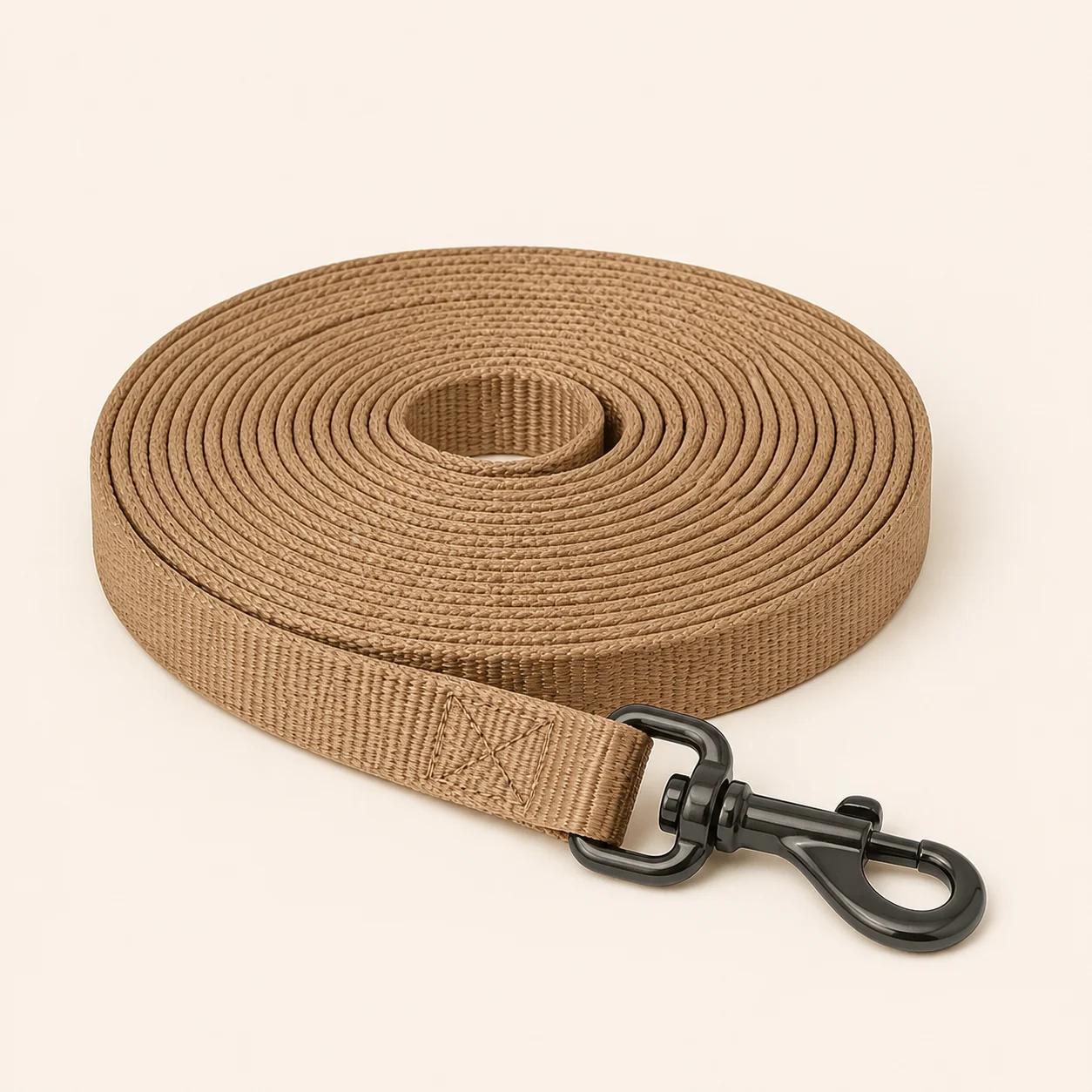
Long training line
A long line lets your dog practice recall with real movement while you still have a safety backup.
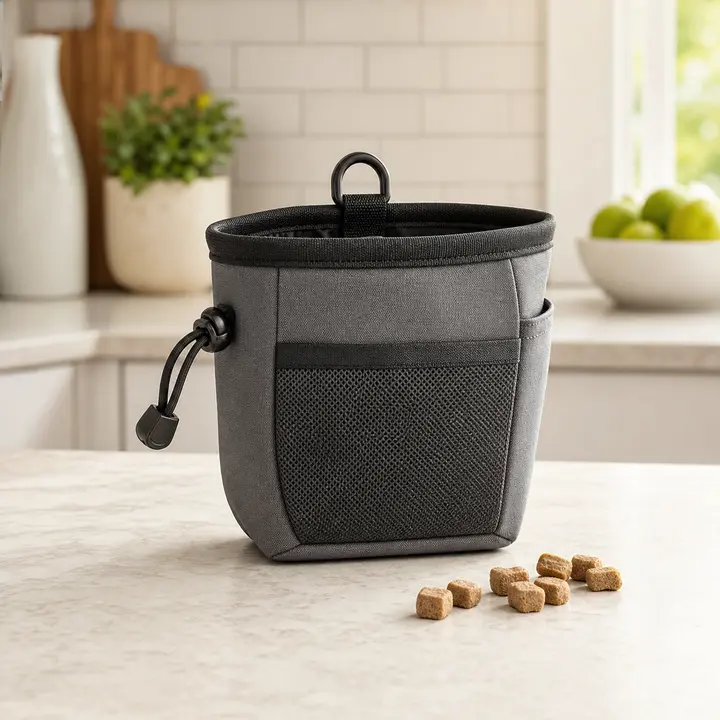
Training treat pouch
Recall rewards need to be ready before your dog turns back, not dug out after the moment is gone.
High-value training treats
Use rewards your dog truly cares about when you are competing with smells, dogs, movement, and open space.
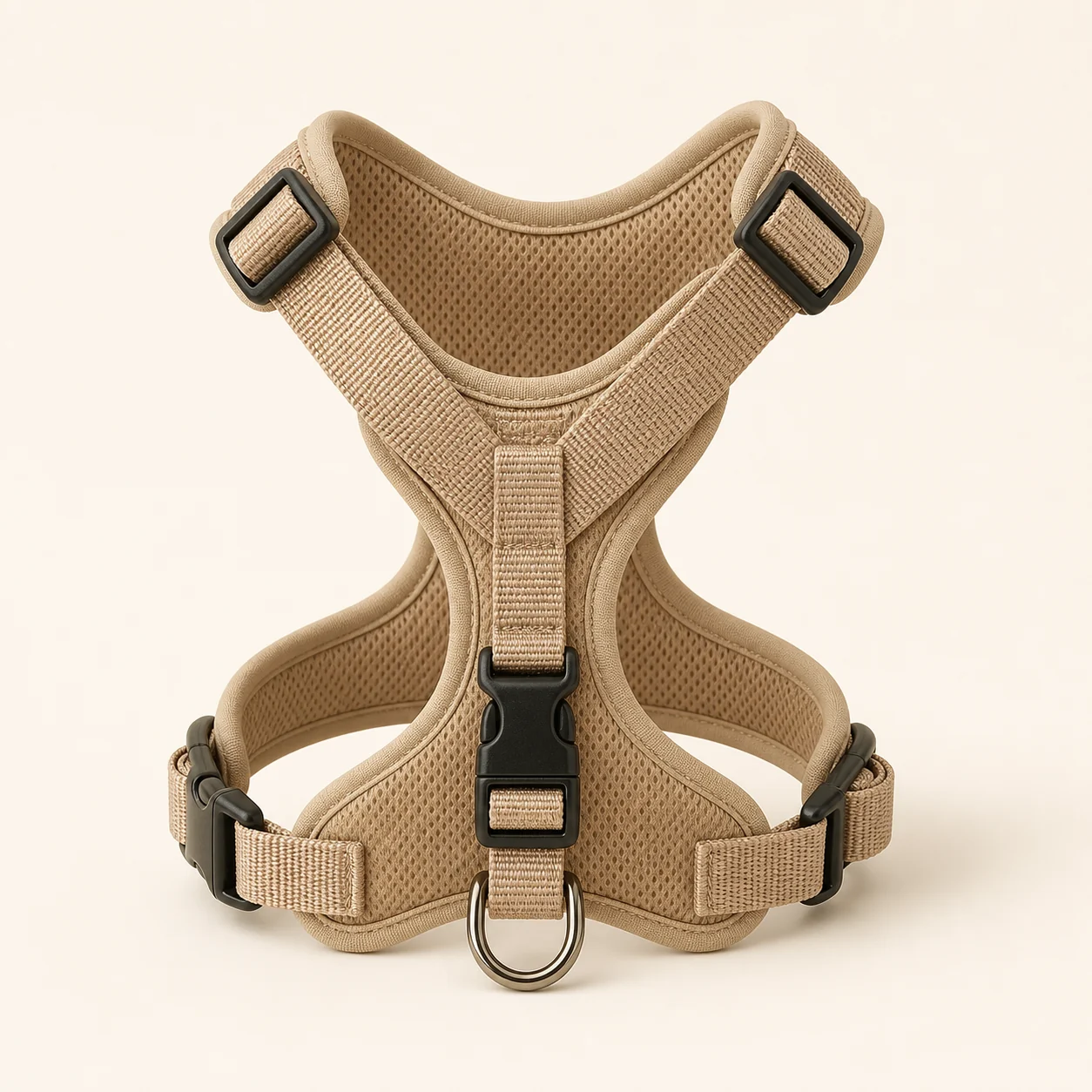
Front-clip harness
A comfortable harness gives you a secure attachment point without putting recall practice on the neck.
Questions people ask
Do I have to release my dog every time?
No. Mix it in often during practice so recall does not always predict the end.
What if the distraction is unsafe?
Do not release back to it. Reward the return, secure your dog, and move away.
Can I use this with toys?
Yes, if your dog can still think. Call, reward, and release back to the toy in short, controlled reps.