

Updated
Recall trust rule
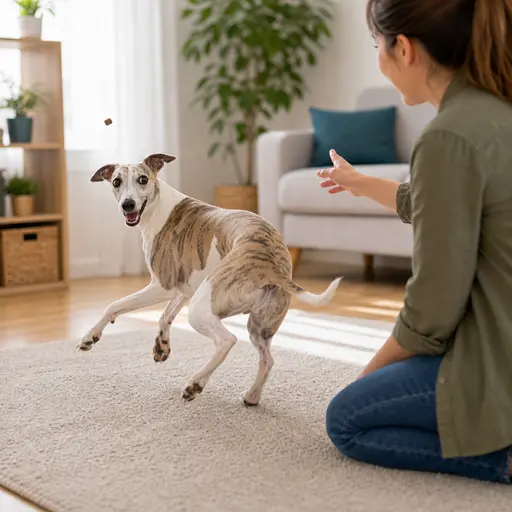
Reward the Return
When your dog comes back, make that choice feel safe and worth repeating.
Even if the return was slow, the moment your dog reaches you is not the time for anger. Pay the return, secure your dog, and make the next setup easier.
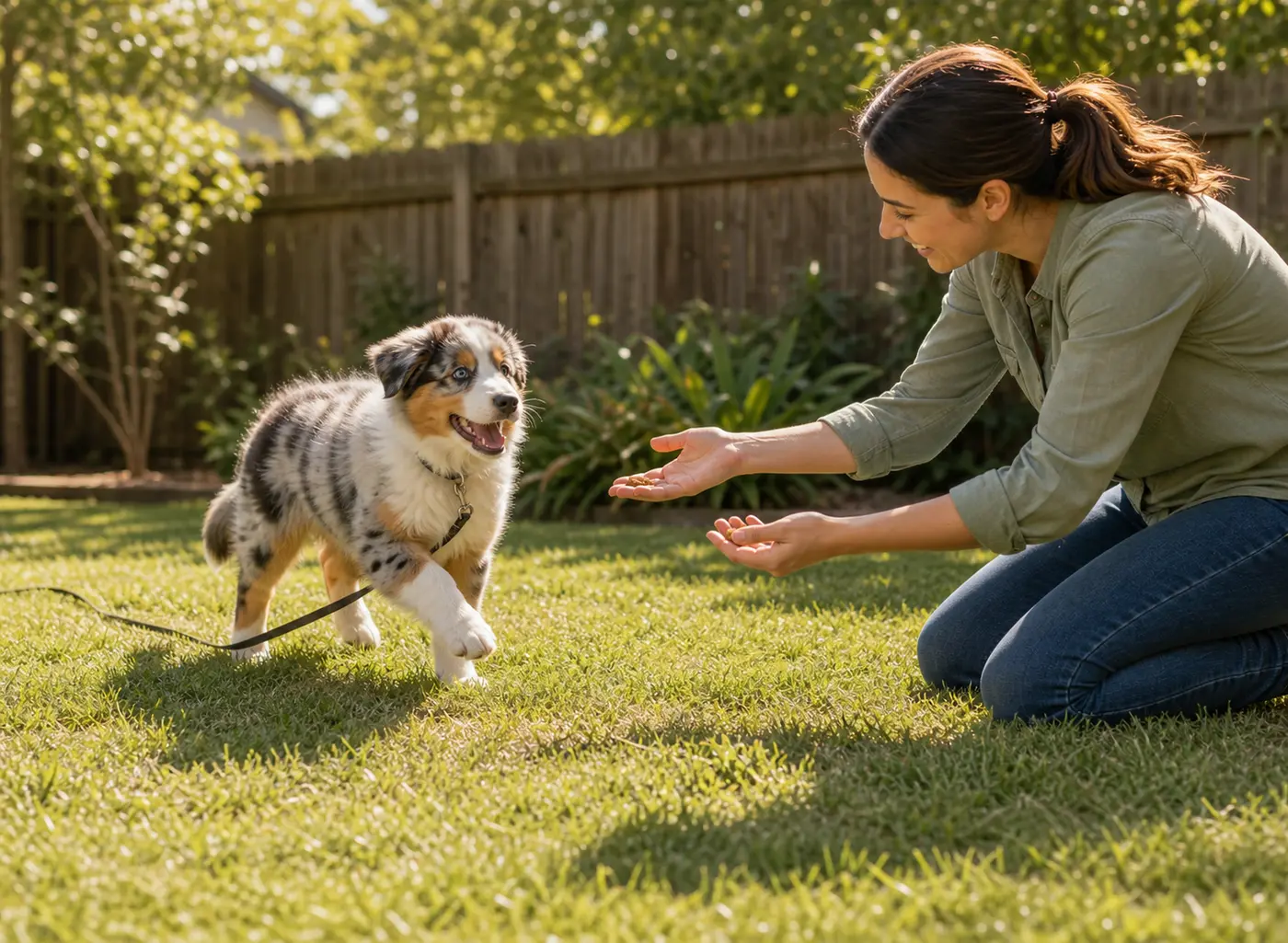
Recall depends on trust. If coming back predicts anger, collar grabbing, or the instant end of every good thing, many dogs start choosing distance instead.
You can still be practical. Clip the leash, move away from the problem, and change the next setup, but keep the return itself safe.
Great for
- Dogs who hesitate before coming close enough to touch.
- Owners rebuilding recall after frustrating outdoor moments.
- Families teaching children how to receive a dog calmly when they come back.
Wait a bit if
- Letting unsafe behavior continue without management.
- Chasing a dog who is avoiding you unless safety requires immediate help.
- Ignoring fear, guarding, or conflict around collar handling. Use a qualified trainer for those cases.
Build the recall
Soften your body
Turn sideways, lower your voice, and make returning feel inviting instead of confrontational.
Reward when your dog reaches you
Feed, praise, or play when your dog comes all the way in, even if the response was slower than you wanted.
Secure calmly if needed
Clip the leash or touch the harness gently after the reward. Practice this finish in easy sessions too.
Release when it is safe
Sometimes send your dog back to sniffing or play. That keeps coming back from always meaning the fun is gone.
Change the next setup
If the recall was messy, reduce distance, add a long line, or choose a quieter place next time.
Protect the relationship
Your dog should feel that coming to you solves problems, not creates a new one.
Little things that help
Practice the finish
Reward a gentle collar or harness touch during easy moments so close returns do not feel suspicious.
Use better management
If your dog keeps making unsafe choices, the answer is more setup help, not a harsher greeting when they return.
Reward slow returns too
You can improve speed later. First, keep the path back to you emotionally safe.
Helpful little extras
Affiliate links: Furball Cove may earn from qualifying purchases at no extra cost to you.
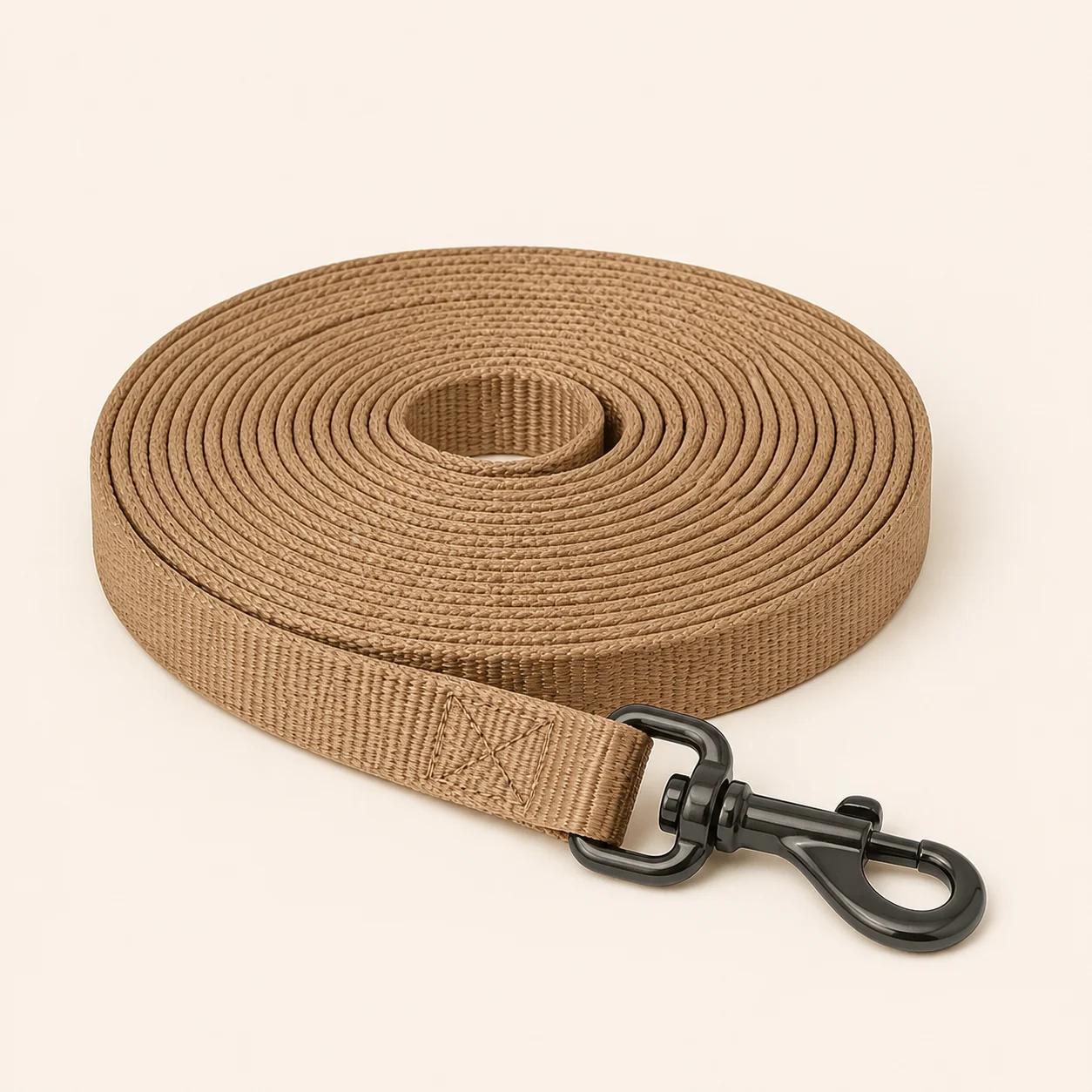
Long training line
A long line lets your dog practice recall with real movement while you still have a safety backup.
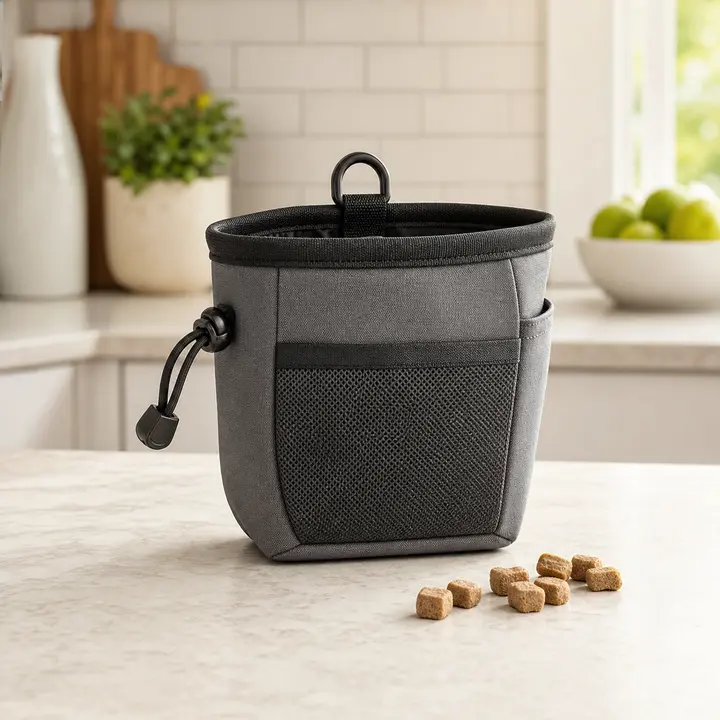
Training treat pouch
Recall rewards need to be ready before your dog turns back, not dug out after the moment is gone.
High-value training treats
Use rewards your dog truly cares about when you are competing with smells, dogs, movement, and open space.
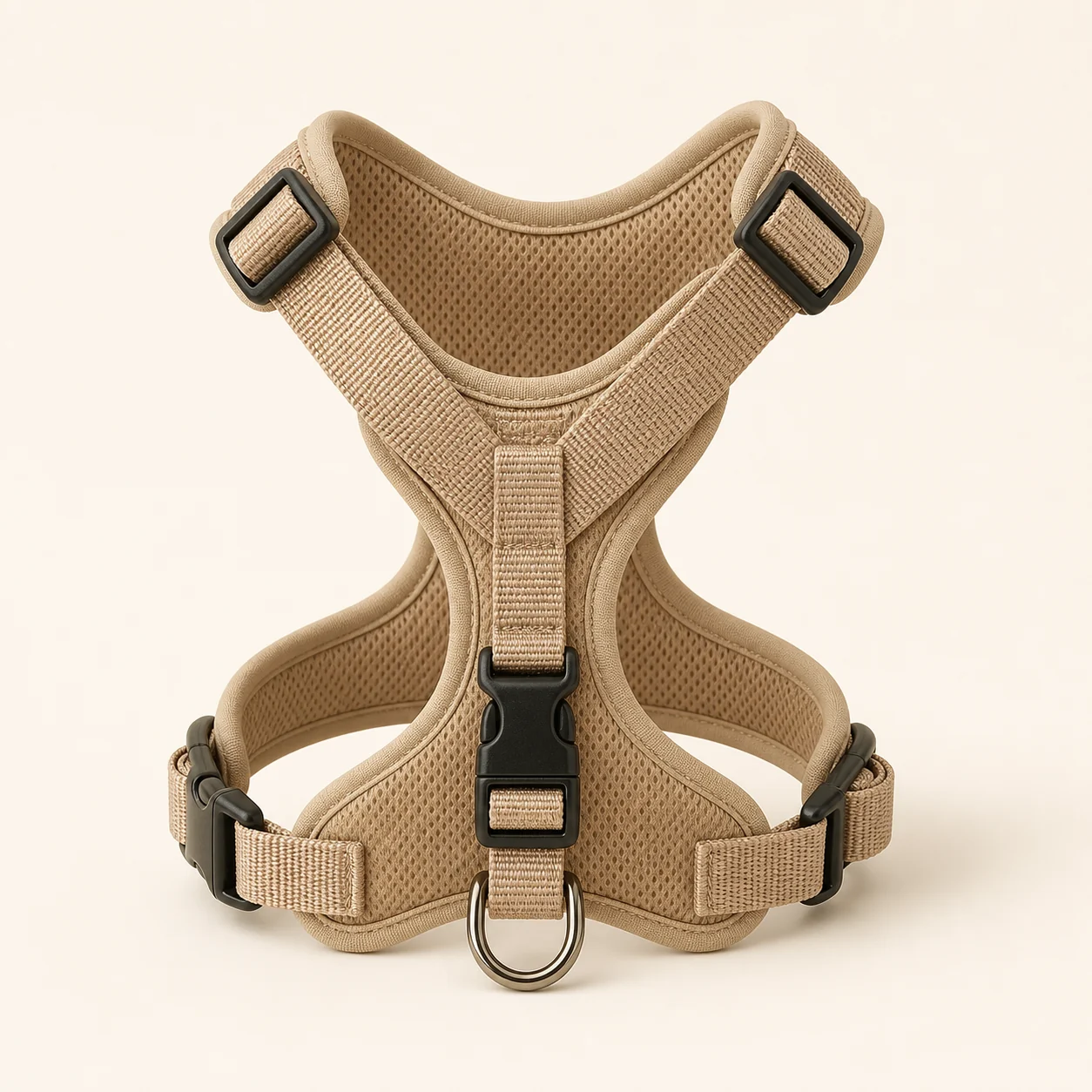
Front-clip harness
A comfortable harness gives you a secure attachment point without putting recall practice on the neck.
Questions people ask
What if my dog ran off and scared me?
Secure them calmly, breathe, and make the next outing safer with a leash, fence, or long line. The return still needs to feel safe.
Should I reward a slow recall?
Yes. Reward the return, then train easier setups to build speed.
How do I stop the same mistake from happening?
Use management: long lines, gates, doors, fences, and easier environments while recall improves.
Try these next
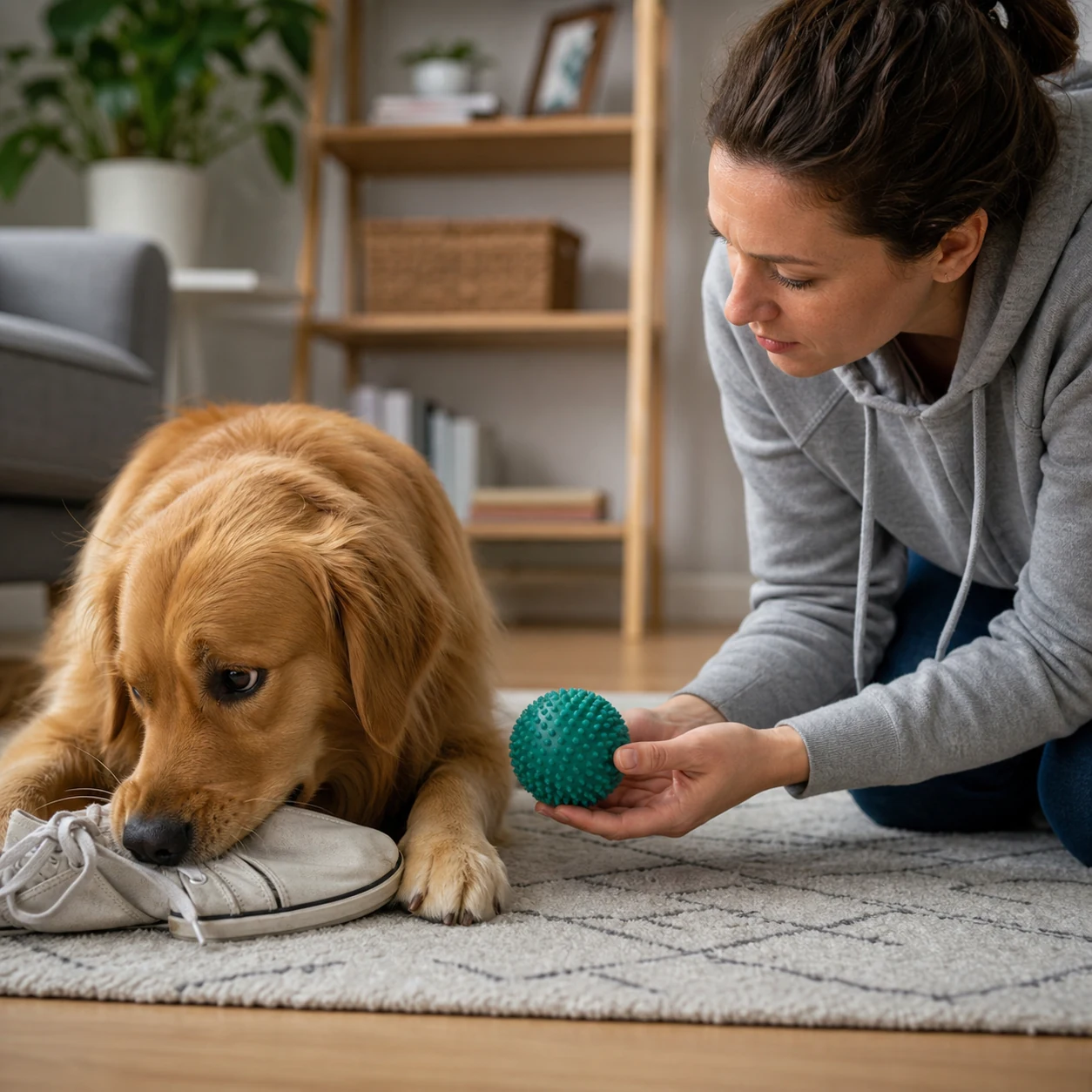
Call Once
Keep your recall cue clean instead of repeating it into background noise.
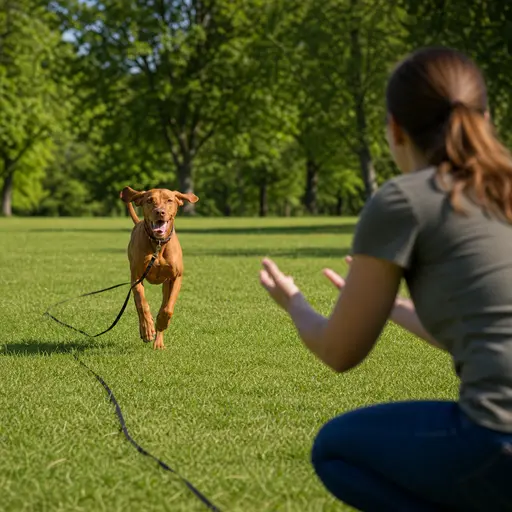
Call and Release
Teach your dog that recall does not always end the fun.
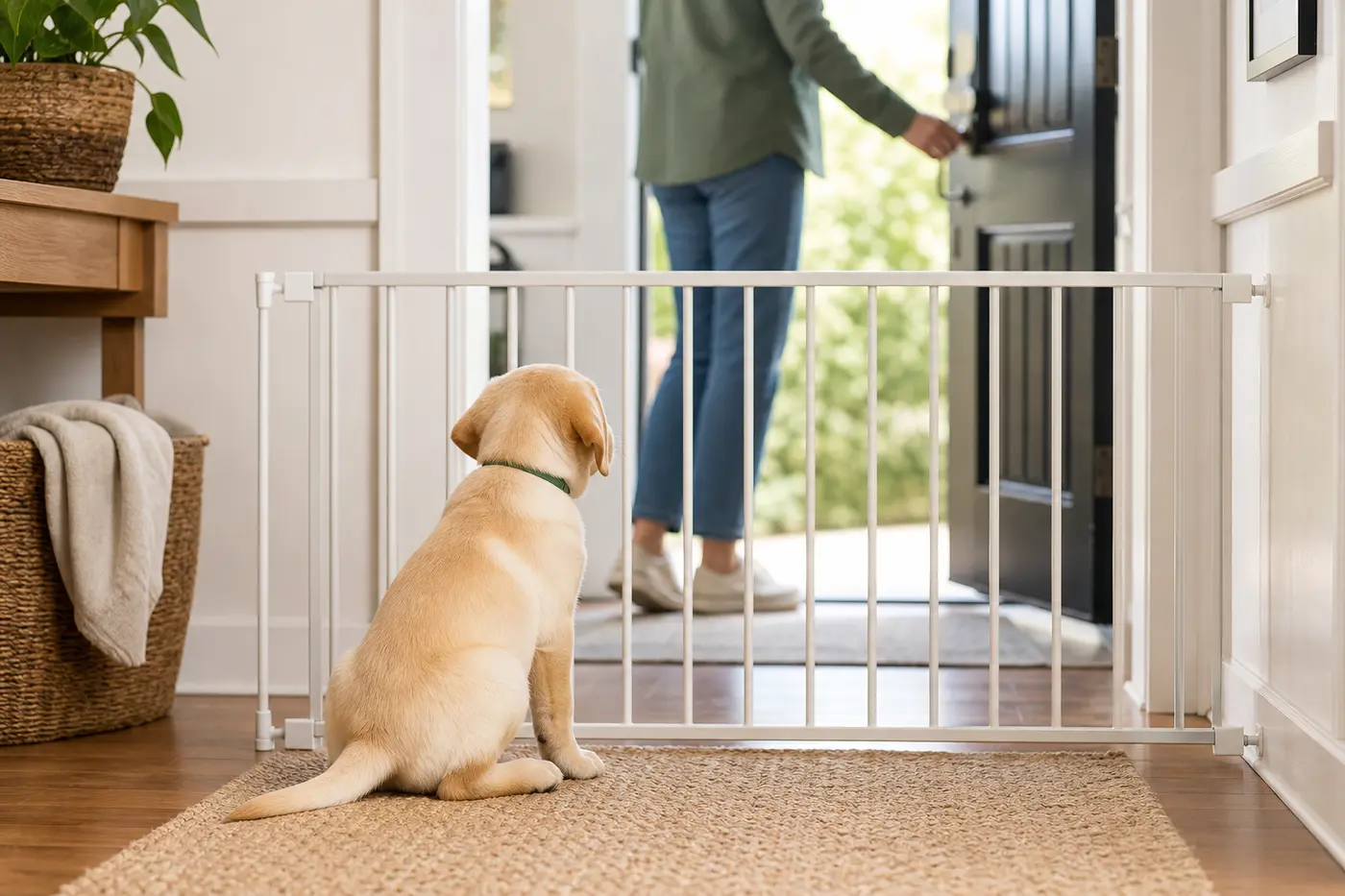
Recall Safety Setup
Use setup to prevent unsafe choices while training catches up.
Long Line Recall
Give your dog safe freedom while recall is still growing.