Updated
Dog training
Teach a Check-In Walk
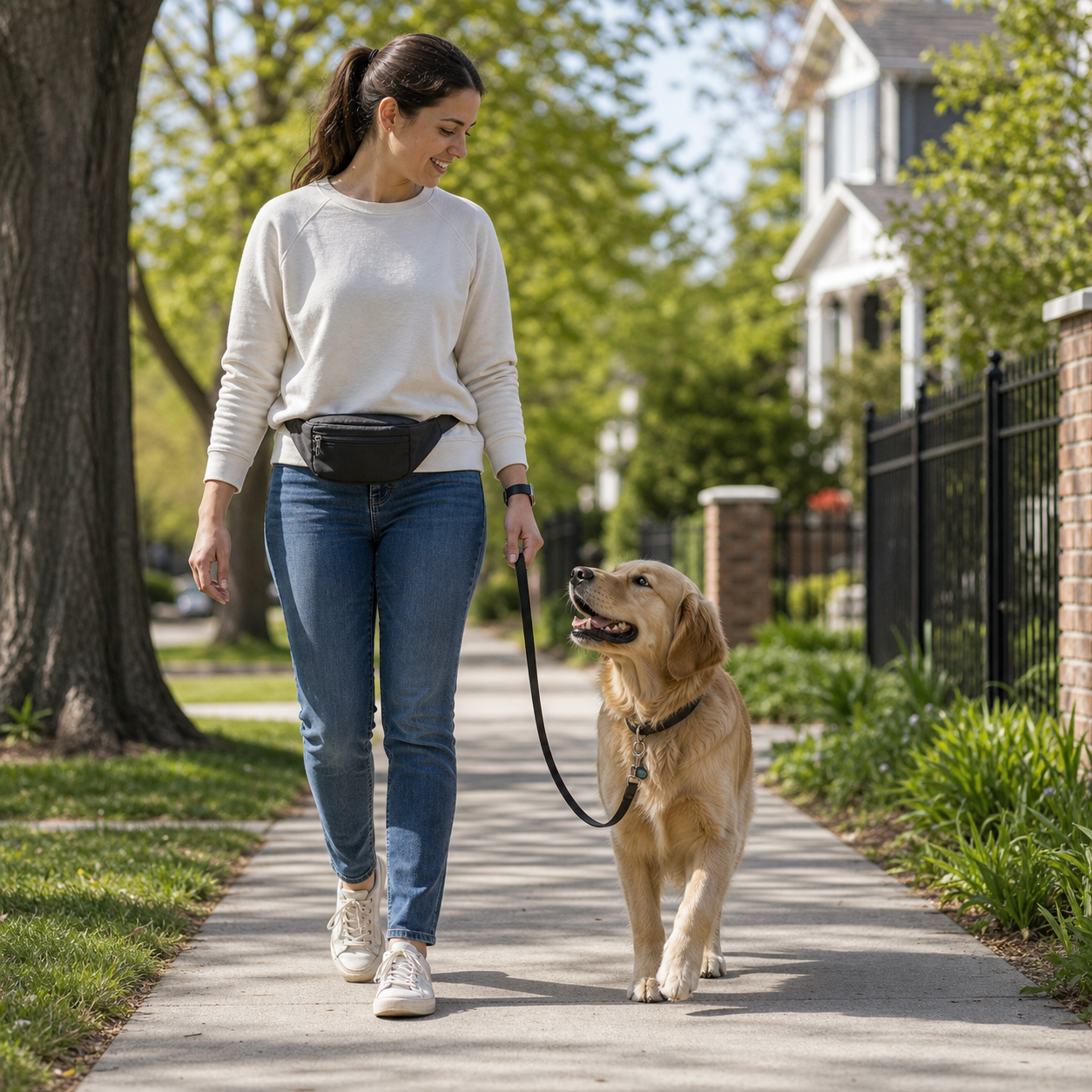
A check-in walk rewards your dog for voluntarily glancing back, slowing down, or reconnecting with you.
This is the foundation for better leash manners because a dog who checks in is easier to guide before trouble starts.
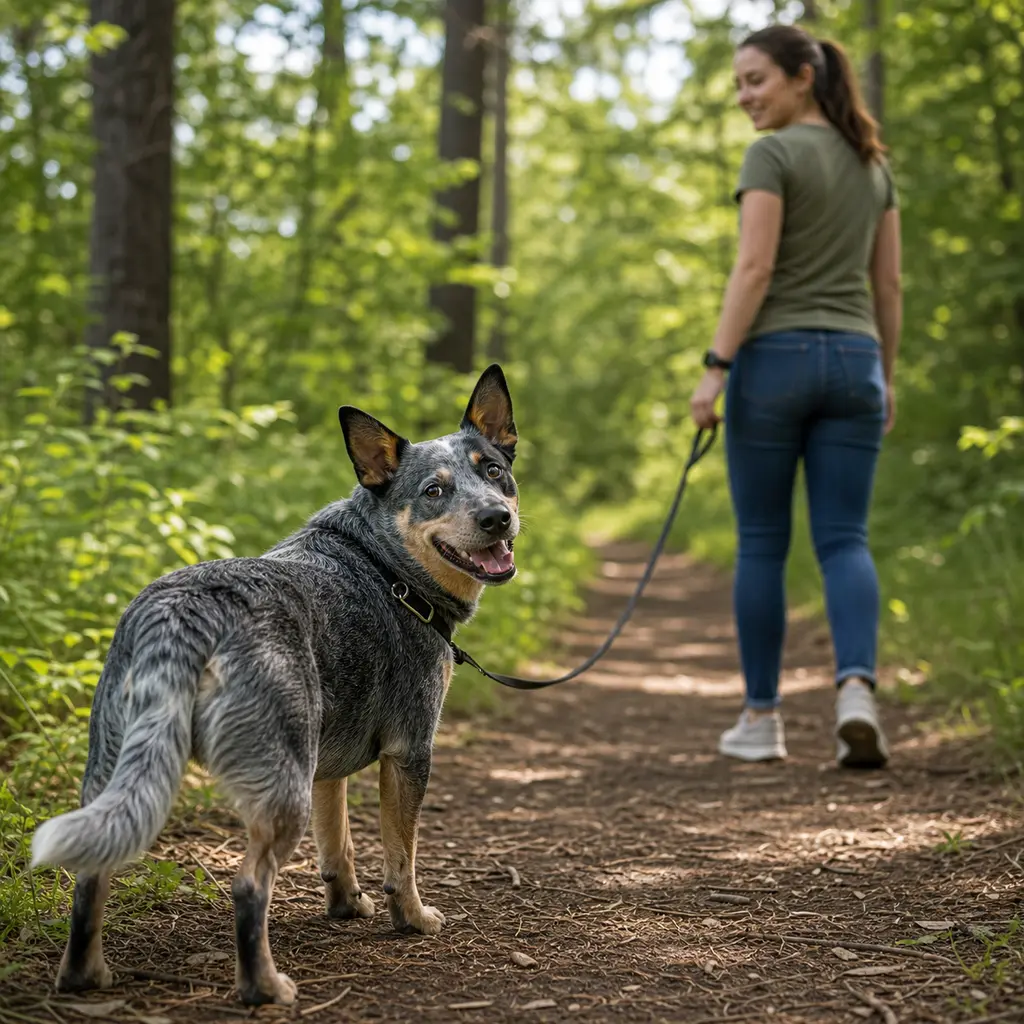
Check-ins are small, but they change the whole walk. Instead of waiting until your dog is pulling or staring, you pay the moment they choose to notice you.
Over time, your dog learns that staying connected does not end the walk. It makes the walk more rewarding.
Great for
- Dogs who pull ahead but still glance back sometimes.
- Puppies and new dogs learning sidewalk connection.
- Handlers who want a soft focus habit without constant cueing.
Wait a bit if
- Your dog is too worried or aroused to notice you.
- You are walking in an area where stopping to reward is unsafe.
- You only reward after calling your dog, not voluntary choices.
Build calmer leash reps
Start without saying anything
Walk in a quiet place with treats ready. Wait for your dog to glance back, slow down, or turn an ear toward you.
Mark the voluntary check-in
Say yes or click the instant your dog checks in. Feed near your leg so coming back toward you pays.
Walk on after the reward
Keep moving so your dog learns that checking in does not end the walk.
Reward more before hard spots
Pay several check-ins before corners, driveways, dogs, bikes, or busy smells.
Add a cue later
Once voluntary check-ins are common, add a cue like with me or this way for times you need help.
Use sniffing as a bonus
After a good check-in, release your dog to sniff a safe spot. That makes connection valuable even when food is less exciting.
Little things that help
Watch for the tiny glance
Do not ask for eye contact at first. Mark the little head turn your dog offers on their own, then reward close to your side.
Pay before the leash tightens
Reward the glance while your dog is still able to think. Waiting until they are already pulling turns the lesson into damage control.
Use check-ins near transitions
Practice before doors, curbs, parked cars, and narrow sidewalk gaps. Those are the moments when a quick glance can change the whole walk.
Helpful little extras
Affiliate links: Furball Cove may earn from qualifying purchases at no extra cost to you.
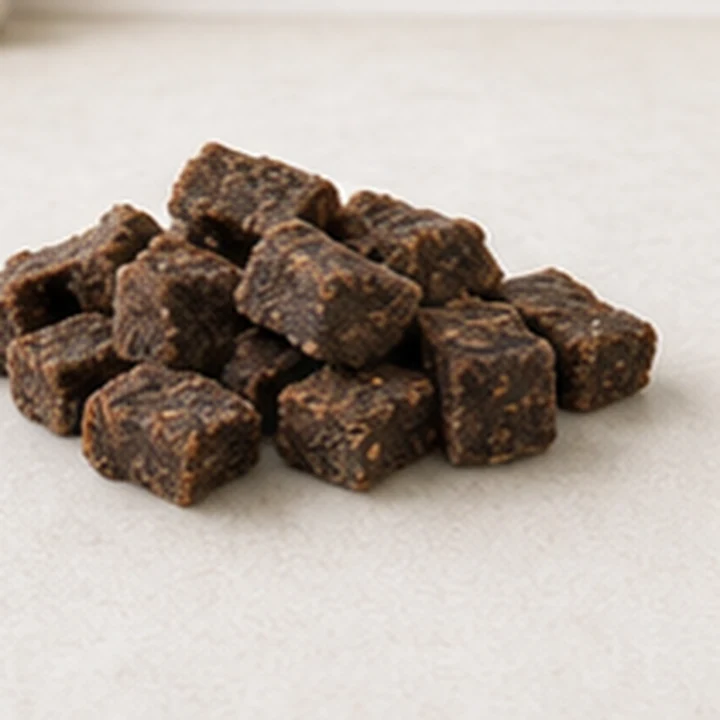
High-value training treats
Use rewards worth turning away from smells for, then deliver them close to your leg after each voluntary glance.
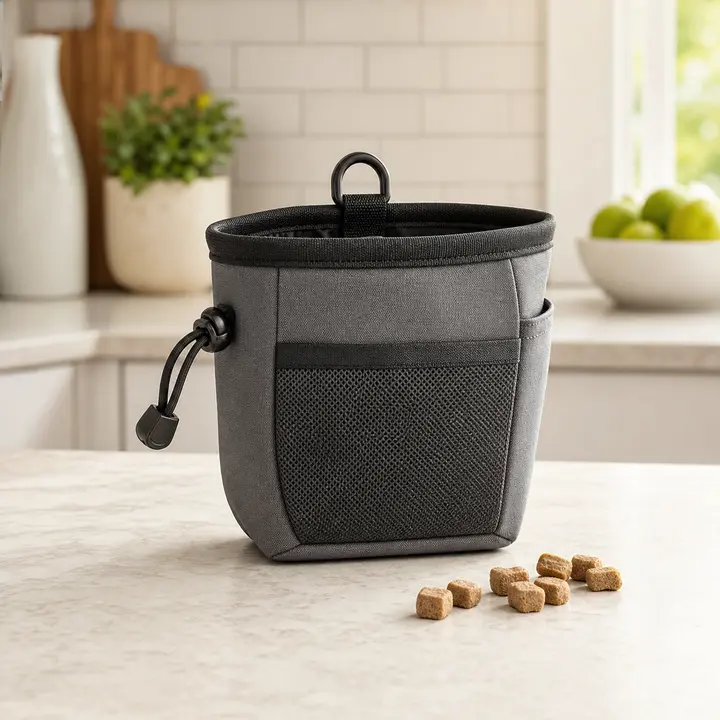
Training treat pouch
Fast access matters because a check-in can last less than a second before your dog looks back at the world.
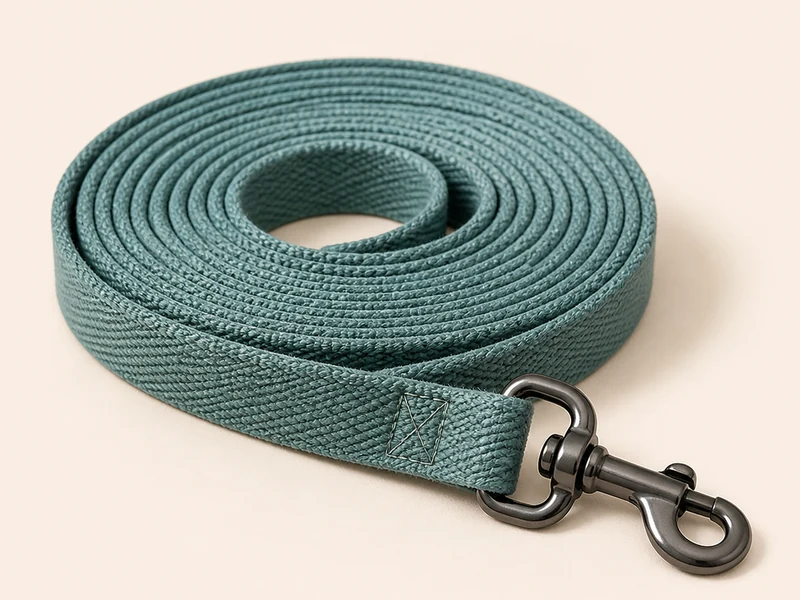
Six-foot leash
A steady leash length makes it easier to notice when your dog chooses to reconnect instead of simply running out of room.
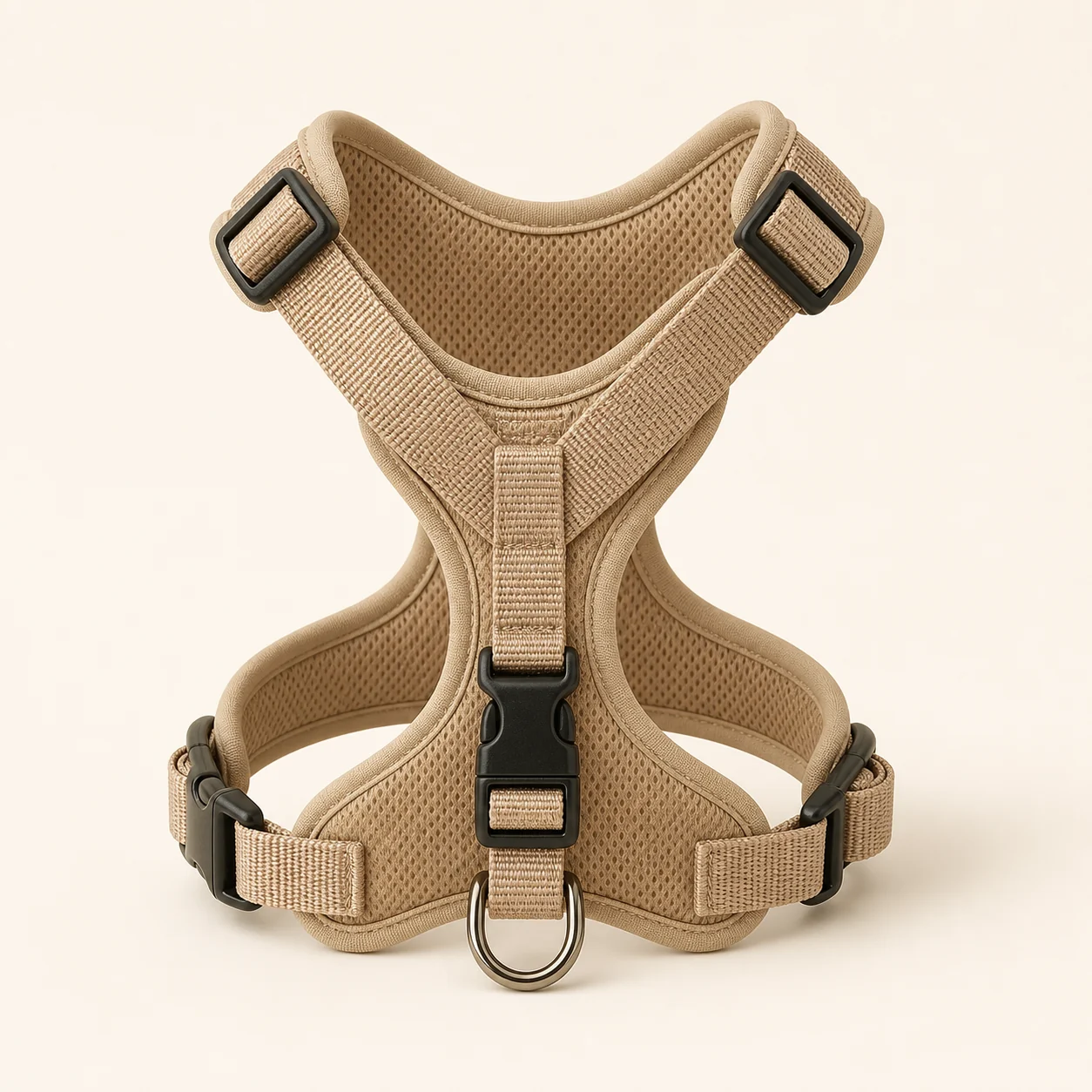
Front-clip harness
A well-fitted harness can reduce sudden forward leverage while you reward attention on easier stretches.
Questions people ask
Should I say my dog's name for every check-in?
Not at first. Reward voluntary check-ins so your dog learns to offer connection without being prompted every time.
How often should I reward?
Often at first, especially in easy places. As the habit grows, reward the best check-ins and use sniff breaks too.
What if my dog never looks back?
Start in a yard, hallway, or driveway and use better rewards. If the environment is too hard, make it easier.