Updated
Dog training
Stop-and-Go Leash Training
Stop-and-go teaches your dog that a tight leash stops the walk and a soft leash makes movement possible again.
The goal is not to yank or argue. You become predictable, reward the reconnect, and move forward when the leash is soft.
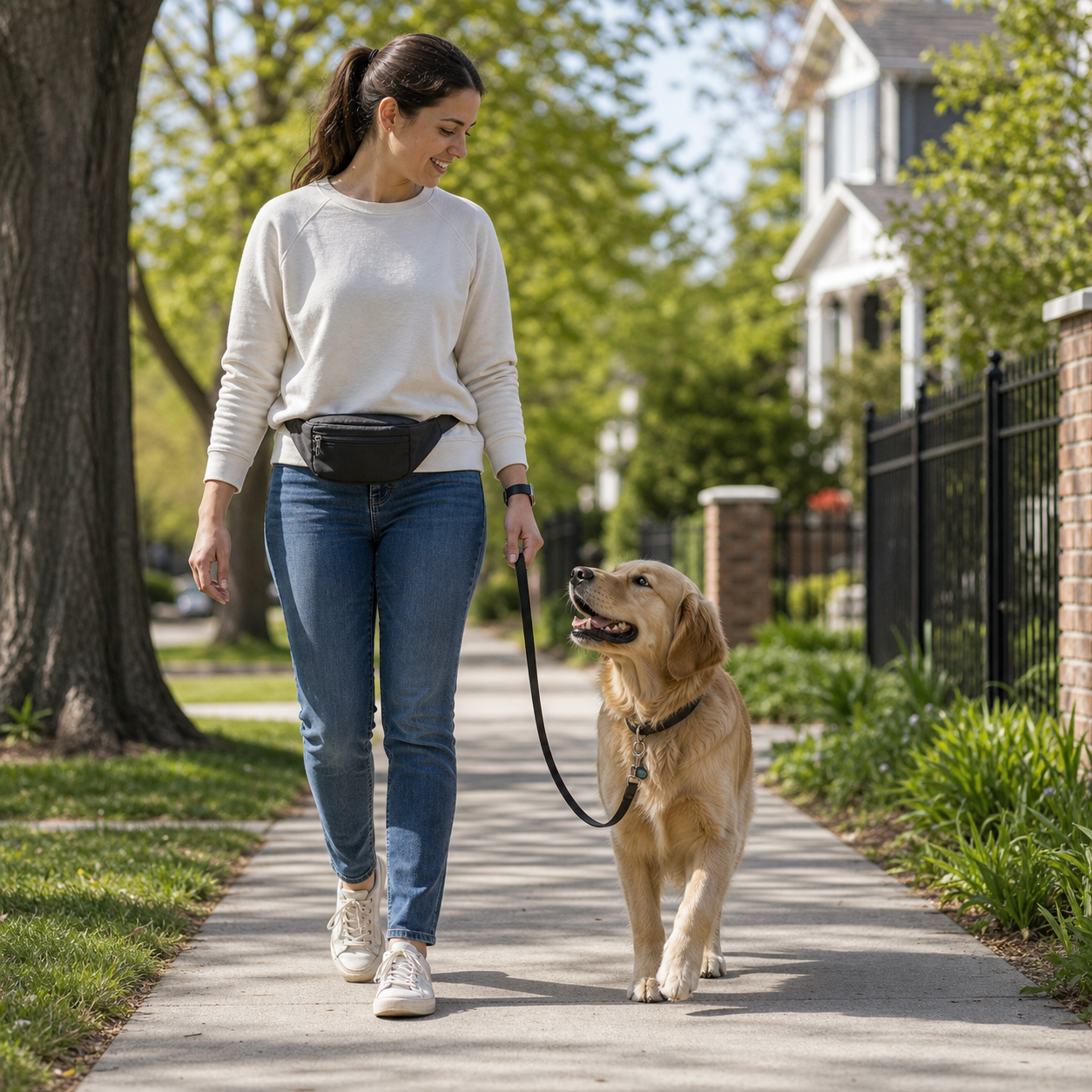
Stop-and-go works because it makes the leash rule simple. Tight leash means the walk pauses. Turning back, softening the line, or coming near you makes the walk continue.
It feels slow at first, so practice on a boring route where you can be consistent. A few clean minutes are better than a whole walk where your dog rehearses pulling.
Great for
- Dogs who forge ahead on normal neighborhood walks.
- Handlers who can pause calmly and reward reconnecting.
- Quiet routes where you can practice without blocking traffic or crowds.
Wait a bit if
- Your dog is lunging, panicking, or too over threshold to eat.
- You are in a place where stopping suddenly is unsafe.
- The leash is attached to gear that rubs, chokes, or restricts normal movement.
Practice the walk
Start on a boring stretch
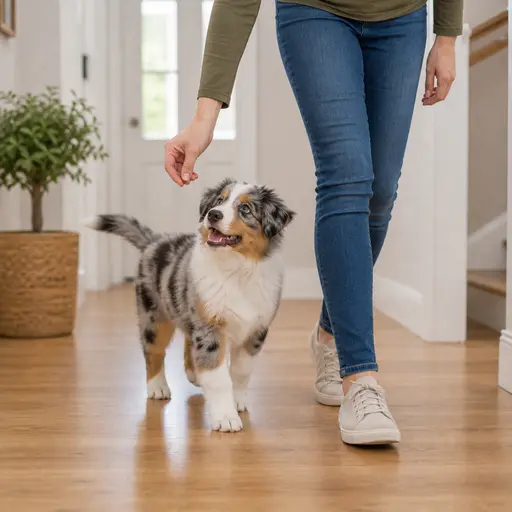
Choose a quiet driveway, hallway, yard path, or calm sidewalk. Have treats ready before you move.
Walk until the leash tightens
The moment the leash goes tight, stop your feet. Keep your hands still and avoid pulling your dog back.
Wait for a reconnect
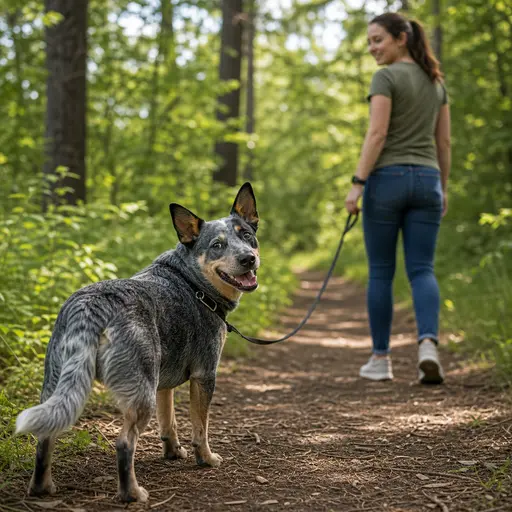
Look for your dog turning back, stepping toward you, or softening the line. Mark that moment and reward near your leg.
Move forward again
After the reward, walk on. Moving forward is part of the reward, so restart before your dog gets frustrated.
Keep the first reps short
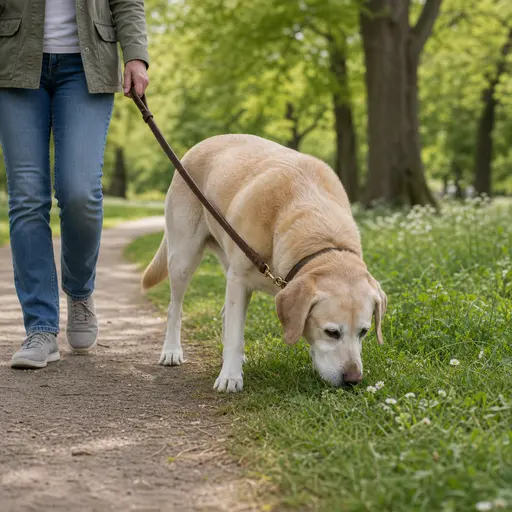
Practice for one to three minutes, then give a sniff break. Long stop-and-go sessions can make both of you tense.
Add harder places slowly
Try a slightly busier block only after the easy route has several soft-leash stretches.
Little things that help
Choose one boring stretch
Use a driveway, quiet sidewalk, or empty hallway where you can stop without blocking anyone. The first win is calm repetition, not distance.
Let your feet teach the rule
Freeze the instant the leash tightens, then breathe and wait. When your dog turns back or softens the line, start walking again.
Quit before you get annoyed
Do five or six clean pauses, then take a sniff break. If you practice until both of you are irritated, the walk stops feeling fair.
Helpful little extras
Affiliate links: Furball Cove may earn from qualifying purchases at no extra cost to you.
High-value training treats
Pick rewards your dog can swallow quickly, because stop-and-go works best when you can pay the soft leash and keep moving.
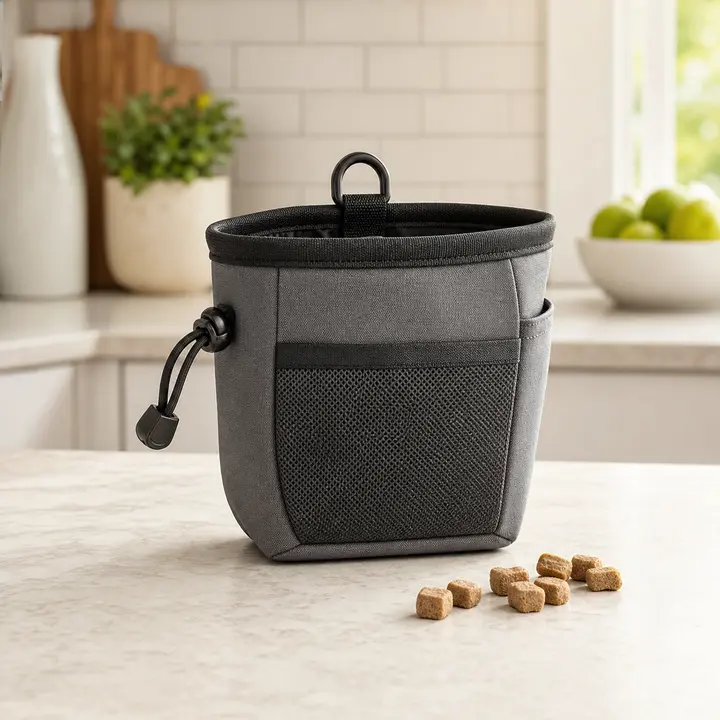
Training treat pouch
A pouch lets you reward the exact moment your dog turns back instead of fumbling through pockets after the lesson has passed.
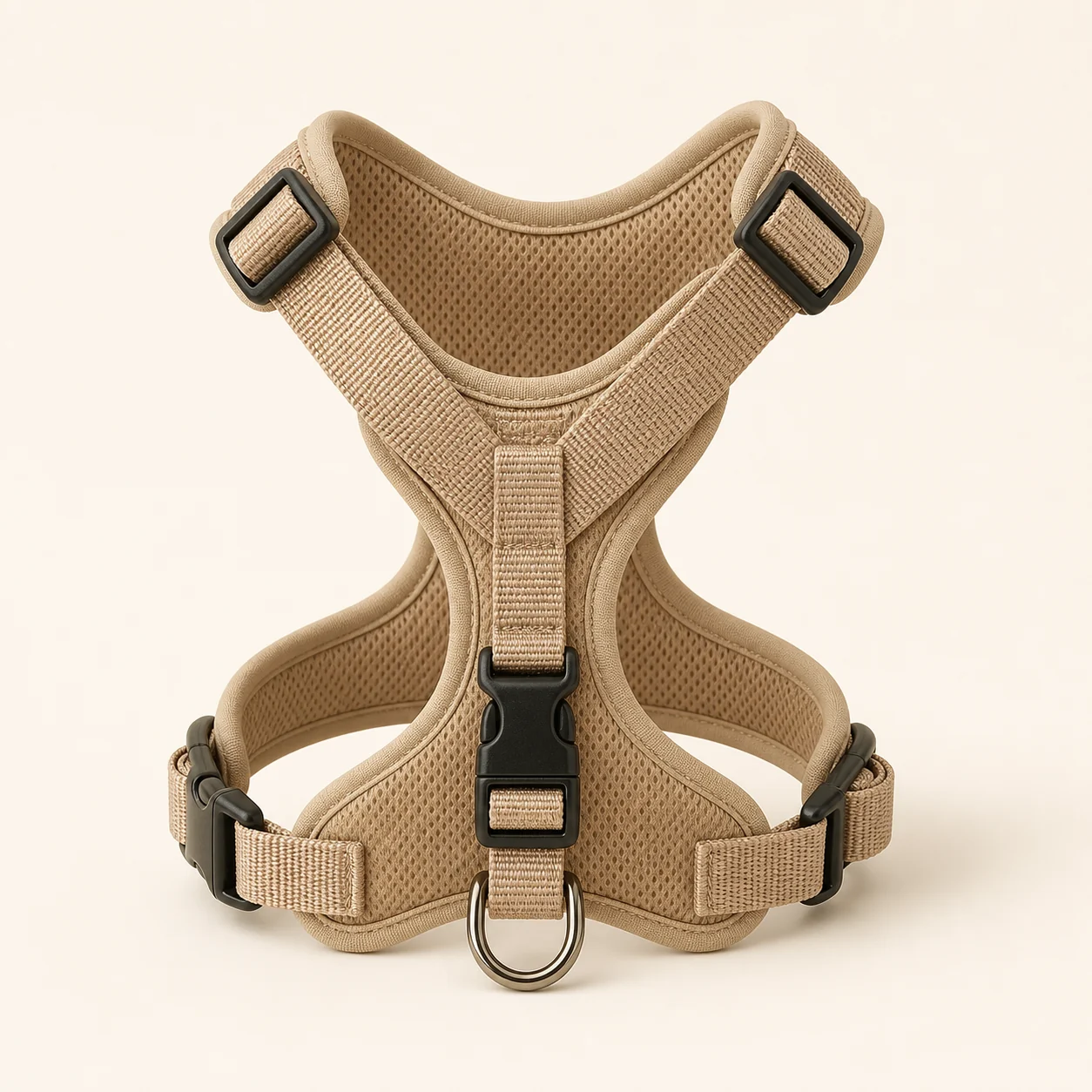
Front-clip harness
Helpful for dogs who surge forward, especially while you teach that pulling no longer makes the walk speed up.
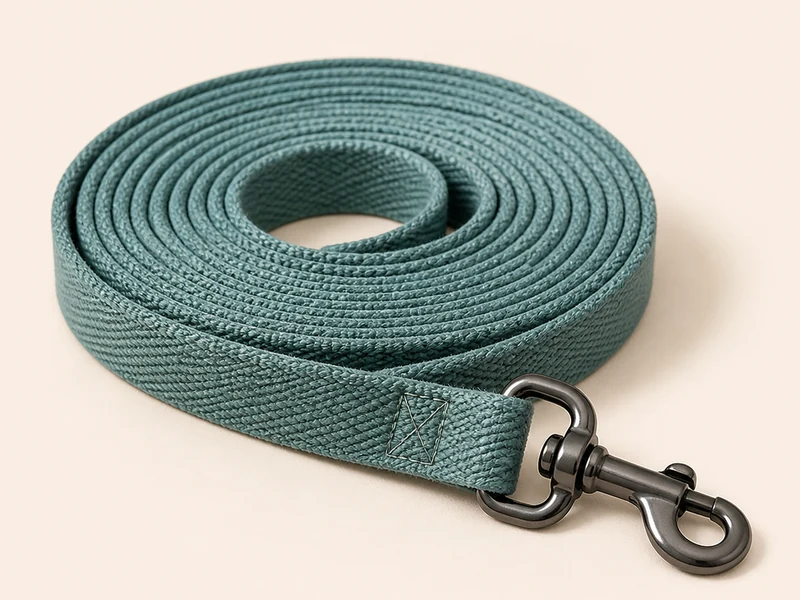
Six-foot leash
A fixed six-foot leash gives enough slack for practice without the changing distance of a retractable lead.
Questions people ask
Should I pull my dog back when they pull?
No. Stop your feet, keep the leash steady, and reward the dog for turning back or softening the line.
Why does this feel slow?
Your dog is learning a new walking rule. Use short practice stretches, then release to sniff so the walk still feels good.
What if my dog pulls harder?
Move to an easier route, use better rewards, and check gear comfort. If lunging or panic is involved, get qualified help.