

Updated
Dog training
Look Then Leave on Dog Walks
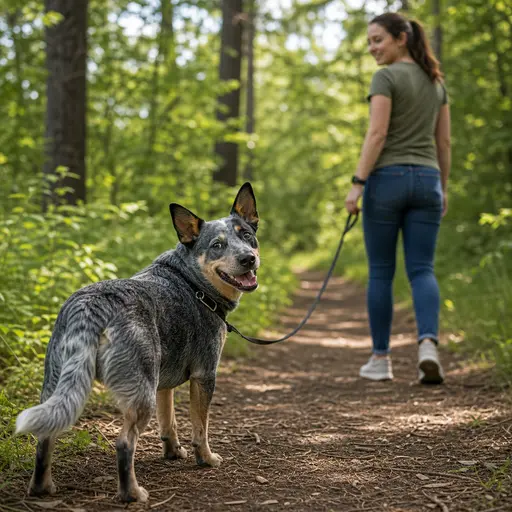
Look then leave lets your dog notice a trigger, get rewarded, and move away before tension climbs.
This is a distance-first skill. Your dog should be able to look, eat, and turn away without exploding.
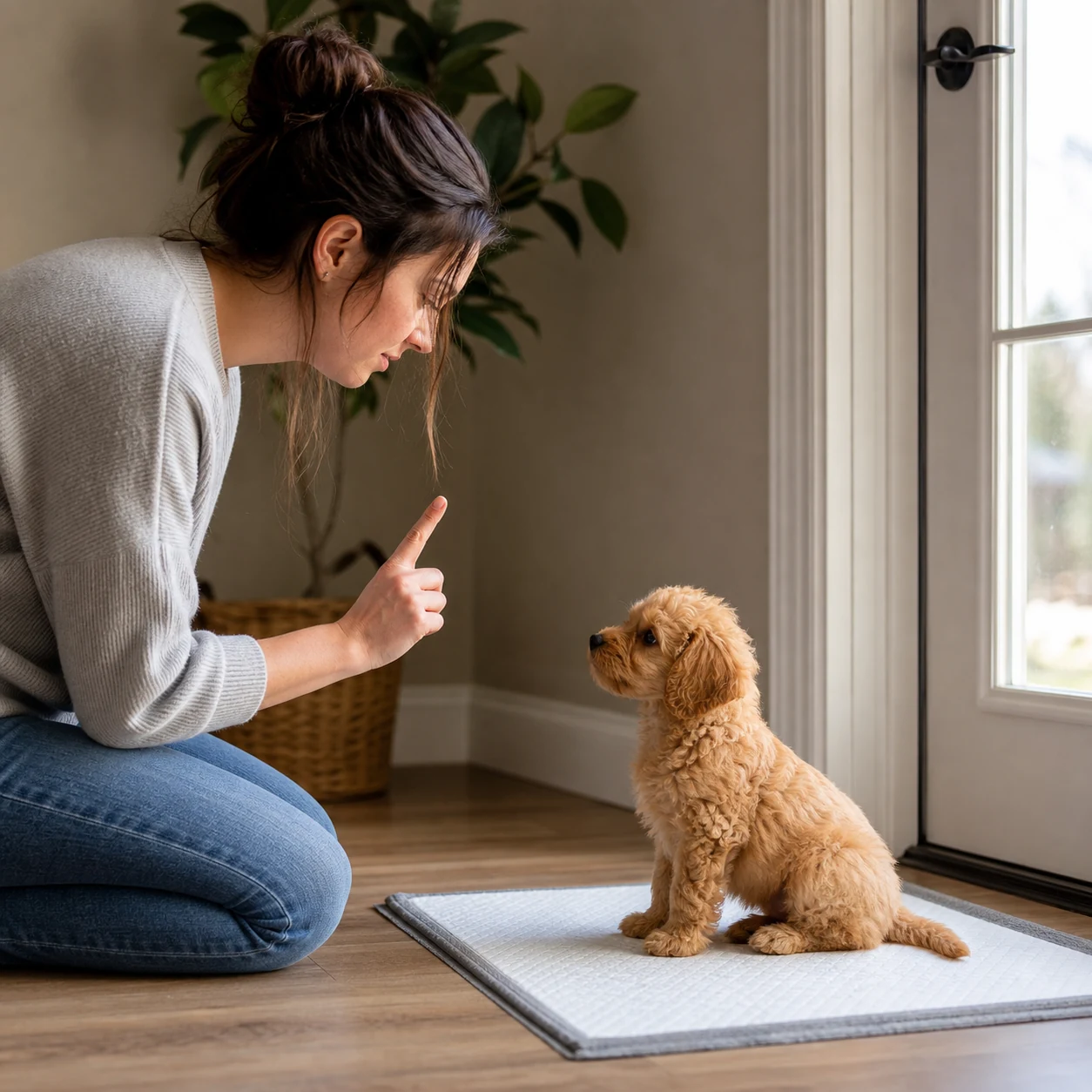
Many dogs do better when they are allowed to notice the world instead of being forced to ignore everything. Look then leave rewards the glance and then creates space.
Use it early, at a distance where your dog can still think. If your dog is barking, lunging, or panicking, the setup is too hard.
Great for
- Dogs who stare before reacting.
- Mild dog, bike, car, or person distractions at a workable distance.
- Handlers who can move away instead of getting closer.
Wait a bit if
- Your dog is already barking, lunging, biting, or panicking; add distance and work with a qualified professional.
- The trigger is trapped close by with no exit route.
- You are using the cue to push your dog toward something scary.
Shape the walking pattern
Find the safe distance
Start far enough away that your dog can see the trigger and still take food.
Mark the look
When your dog glances at the dog, bike, person, or car, mark calmly before the stare gets hard.
Reward near you
Feed close to your leg or slightly behind you so your dog naturally turns away from the trigger.
Leave before the spike
Move away after the reward. Do not wait until your dog has to bark or lunge to get distance.
Repeat only if it stays easy
One or two calm looks are enough. If your dog gets more tense, increase distance.
Use professional help for risk
For biting, severe lunging, panic, or unsafe handling, work with a qualified trainer or veterinary behaviorist.
Little things that help
Start at noticing distance
Your dog should be able to see the bike, dog, or person and still take food. If they cannot, move farther away before training.
Reward the look, then leave
Let your dog glance, mark it, feed, and turn away. The point is not staring longer; it is learning that distance is available.
Get help for big reactions
If walks involve biting, panic, or hard lunging, do not try to push through it. Work with a qualified trainer or veterinary behavior professional.
Helpful little extras
Affiliate links: Furball Cove may earn from qualifying purchases at no extra cost to you.
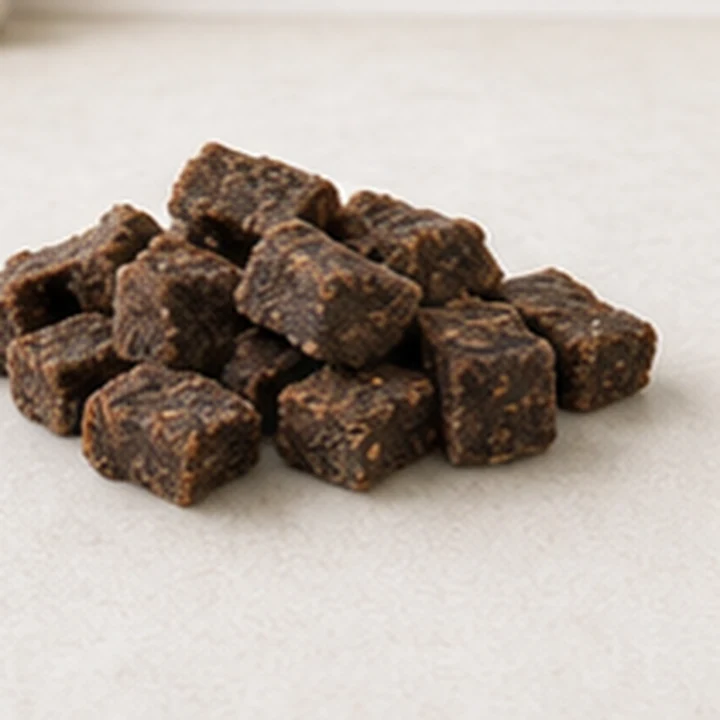
High-value training treats
Bring rewards good enough to compete with the environment, because this skill asks your dog to disengage from something interesting or hard.
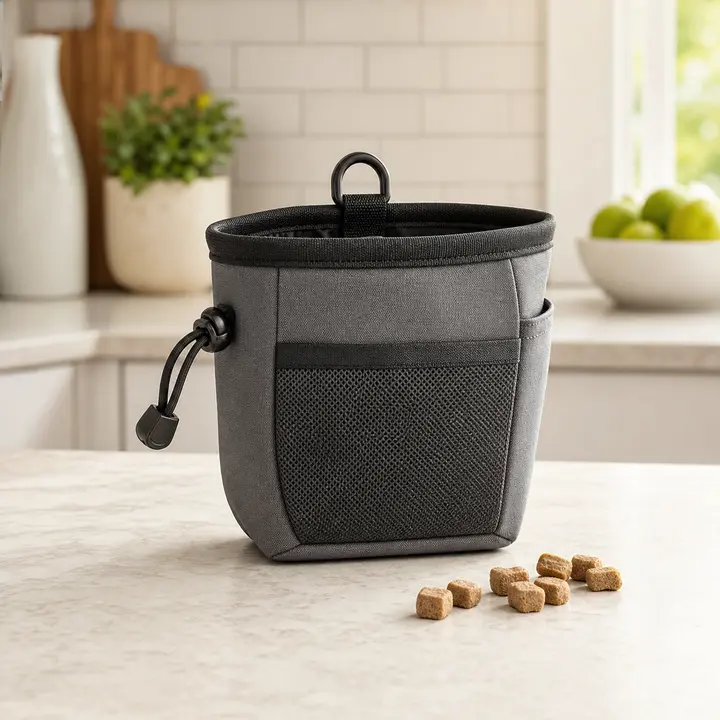
Training treat pouch
Fast delivery lets you mark the glance and feed before the look turns into a long stare.
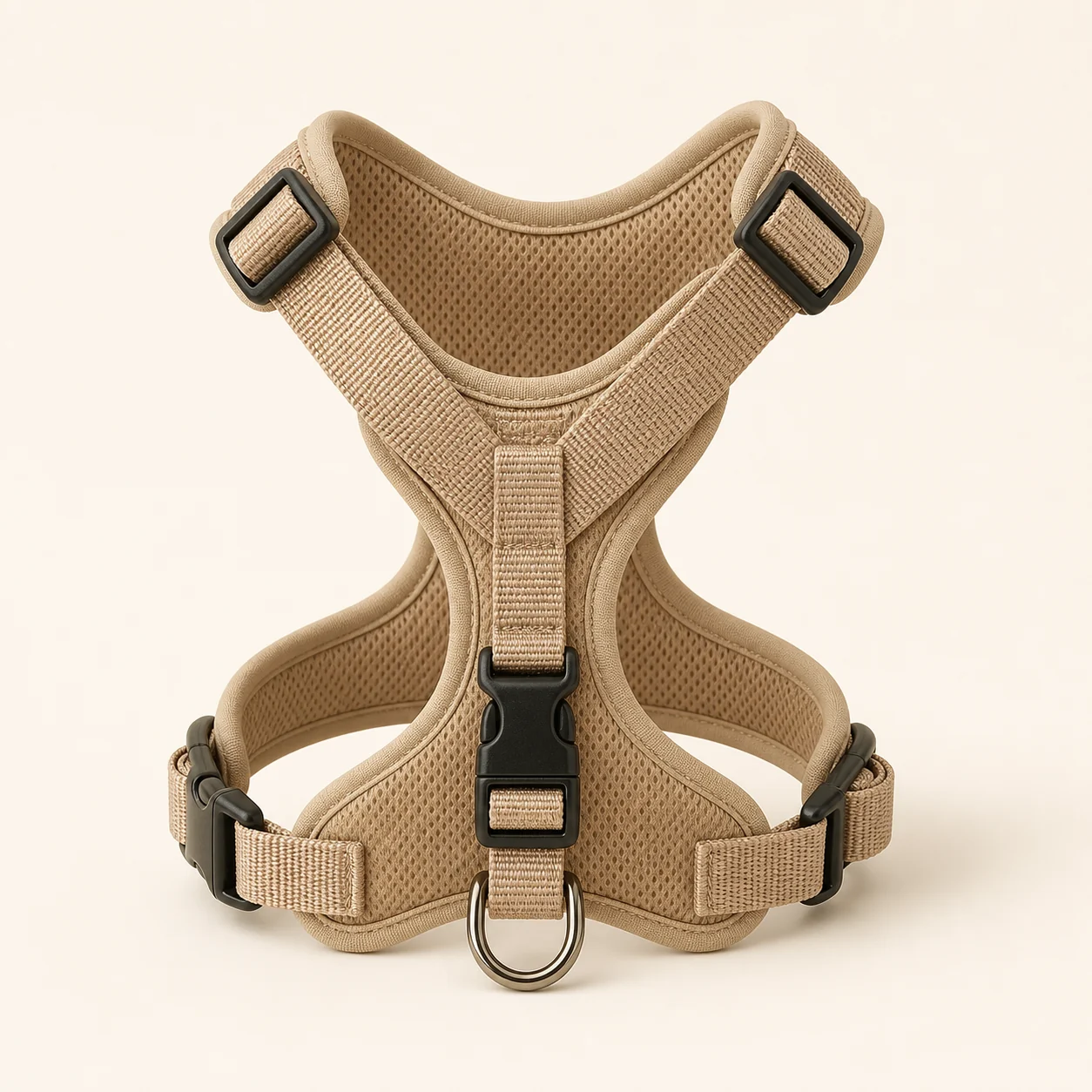
Front-clip harness
A secure harness gives you a kinder way to guide the turn away while your dog learns the pattern.
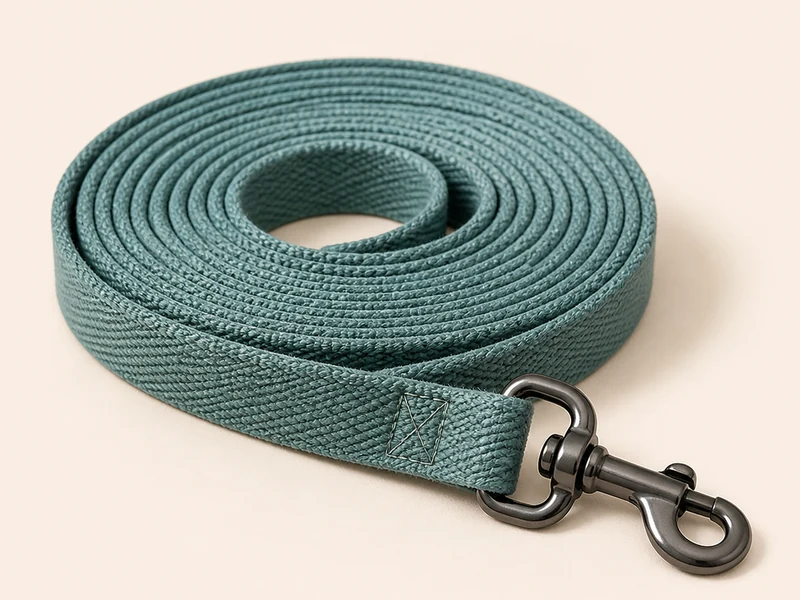
Six-foot leash
A fixed leash keeps both of you close enough to leave together without the lag of a long line.
Questions people ask
Should I make my dog sit and watch triggers?
Usually no. Many dogs do better noticing briefly, getting paid, and moving away.
How close should we be?
Far enough that your dog can eat, respond, and recover. That distance may be much farther than you expect at first.
When do I need help?
Get qualified help if reactions involve biting, severe lunging, panic, or if walks feel unsafe.
Try these next
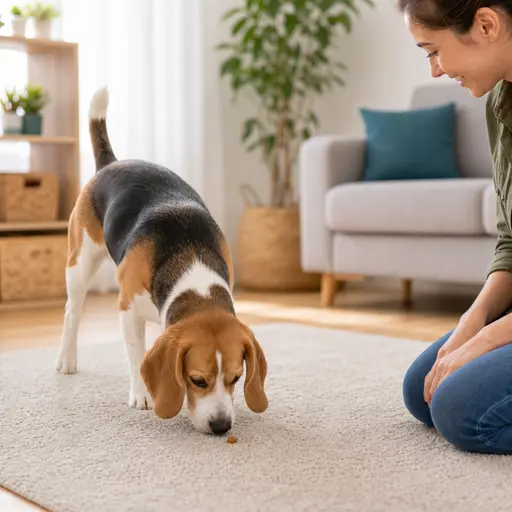
Find It Reset
A short sniff search can lower pressure during a hard walk.
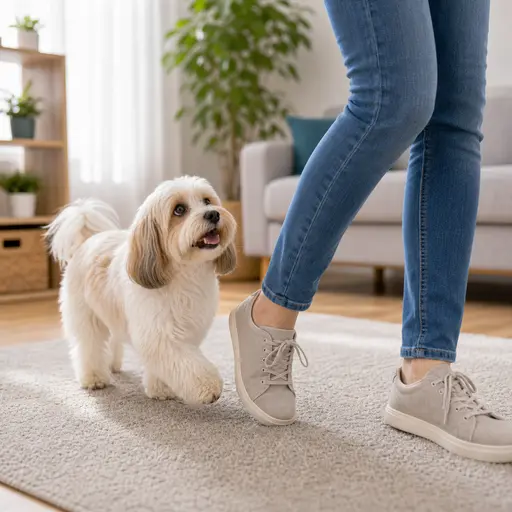
Emergency U-Turn
Practice a cheerful turn before you need it on a crowded sidewalk.
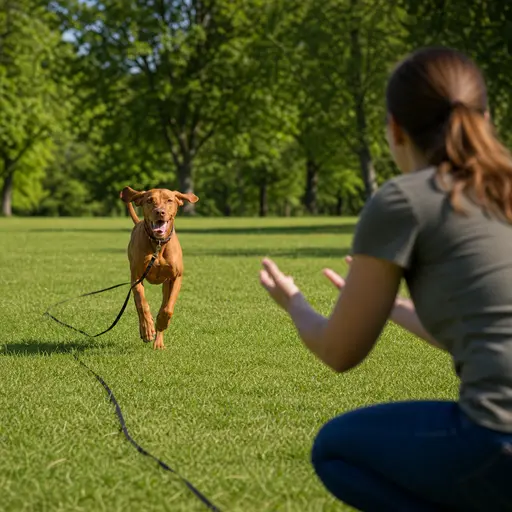
Decompression Walk
Use quiet sniff time when the neighborhood walk is too much.
Check-In Walk
Reward voluntary glances before you need to ask for attention.