Dog dental care works best when it becomes a tiny routine instead of a once-a-year panic.
Start with gentle mouth handling, use dog-safe products, and ask your vet about pain, buildup, loose teeth, or breath that suddenly changes.
01
Make mouth care boring first
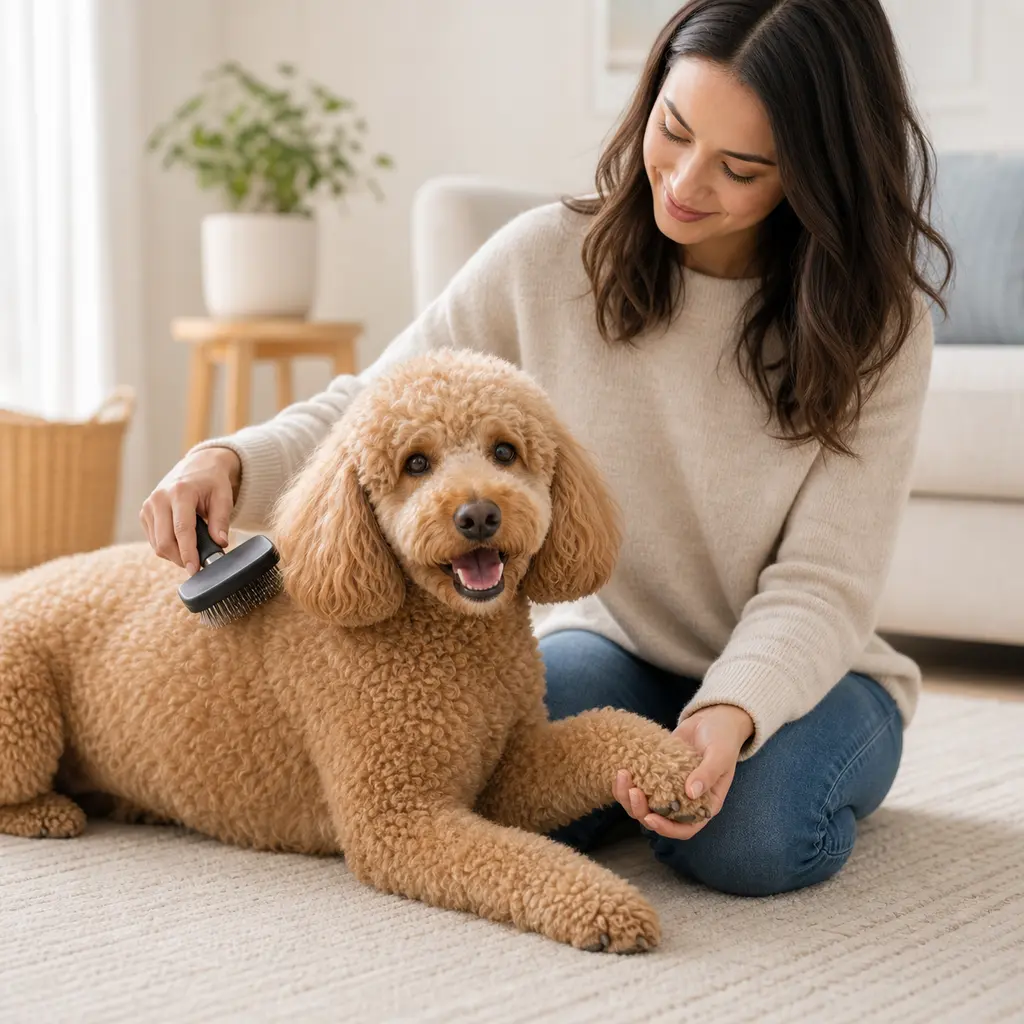
Before you try to brush every tooth, help your dog feel safe with the idea. Lift a lip for one second, reward, and let them walk away. A dog who accepts quiet mouth checks is easier to help later when you need to look at gums, a broken tooth, or something stuck between teeth.
02
Use dog-safe tools
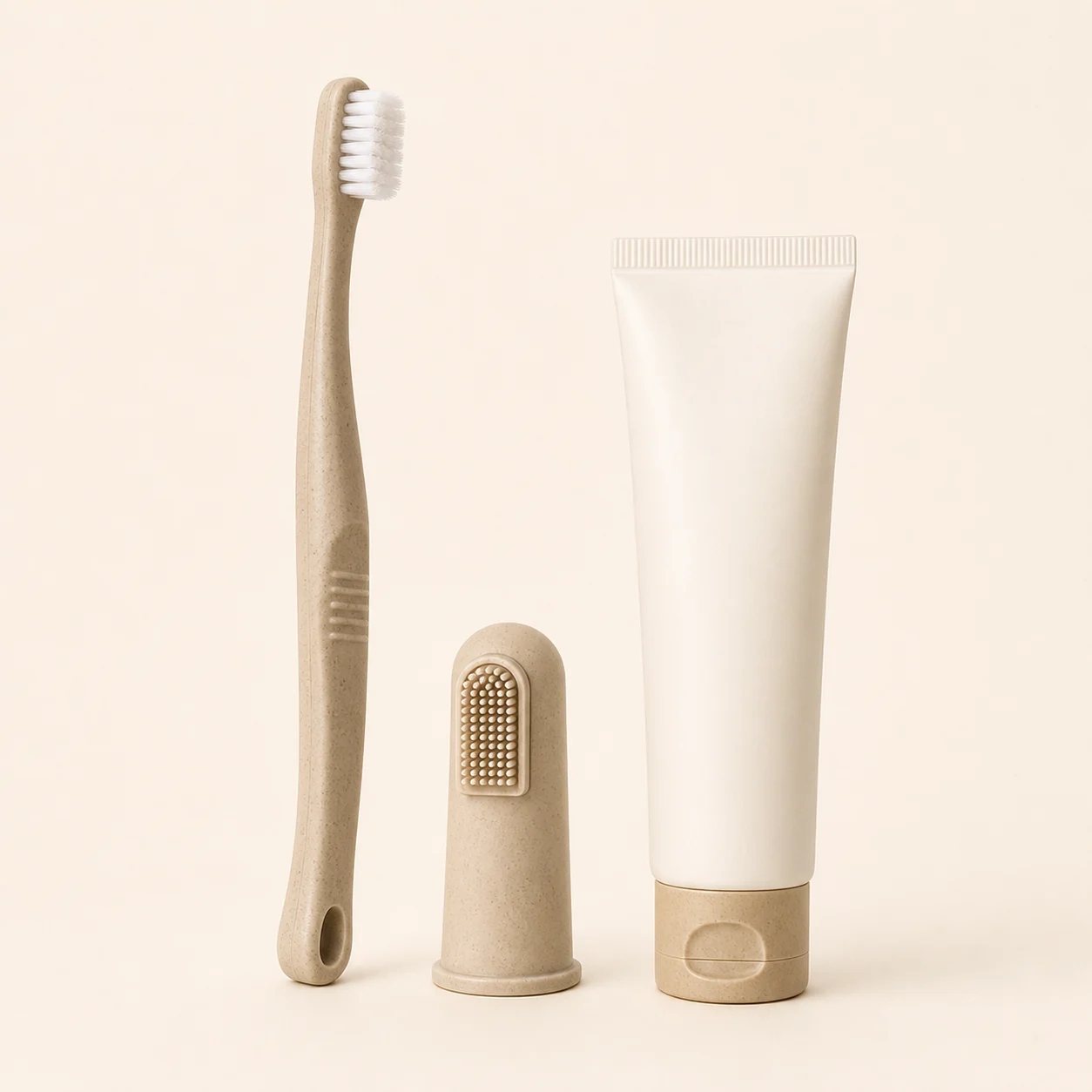
Use a dog toothbrush, finger brush, gauze, or another vet-approved option, and use toothpaste made for dogs. Human toothpaste is not for dogs. Keep the first sessions short and focus on the outside surfaces of the teeth and gumline where plaque tends to collect.
03
Chews can help, but they are not a magic fix
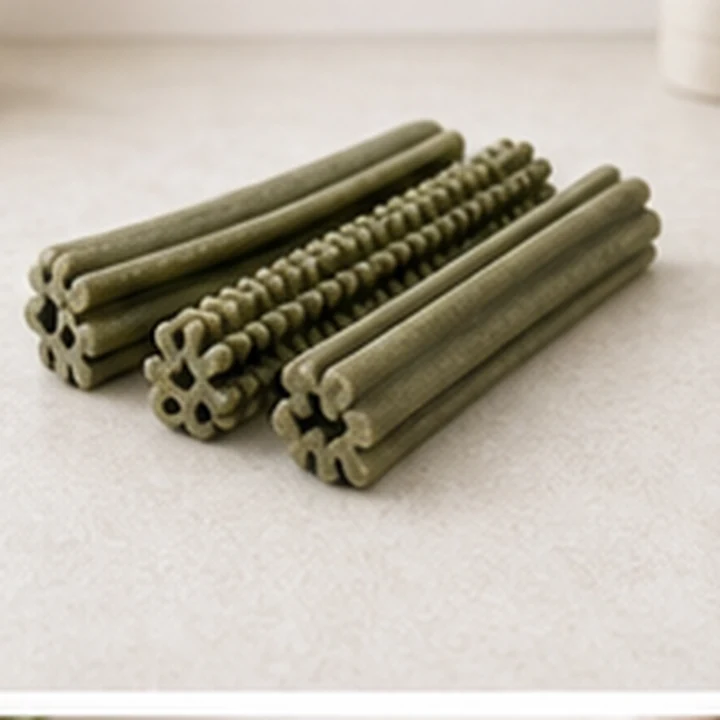
Dental chews, special diets, and water additives may be useful for some dogs, but they do not replace checking the mouth. Avoid anything so hard that it risks cracking teeth. If you are not sure which products make sense for your dog's mouth, ask your vet for options that fit your dog's size, chewing style, and health history.
04
Watch eating and breath changes
Bad breath, red gums, drooling, pawing at the mouth, loose teeth, swelling, bleeding, dropping food, or chewing on only one side can mean discomfort. Dogs often keep eating even when their mouth hurts, so do not wait for them to refuse every meal before calling your vet.
05
Professional dental care has a place
Your vet can check what you cannot see at home and explain when a professional cleaning or dental imaging may be needed. That is especially important if your dog has tartar buildup, missing teeth, a small crowded mouth, a broken tooth, or a history of painful dental disease.
06
Keep the routine kind
If brushing turns into a chase, make the step easier. Let your dog lick a tiny amount of dog toothpaste, touch the brush to one tooth, then stop. The habit grows from trust and repetition, not from pinning your dog down while everyone gets upset.
Many dogs benefit from regular brushing, but the routine has to be introduced gently. Ask your vet what makes sense for your dog's mouth, age, and dental history.
Can dental chews replace brushing?
Usually no. Chews may help some dogs, but they do not let you inspect gums, loose teeth, swelling, or pain.
When should I call the vet about teeth?
Call for bleeding gums, loose or broken teeth, swelling, mouth pain, sudden eating changes, drooling, or breath that changes sharply.