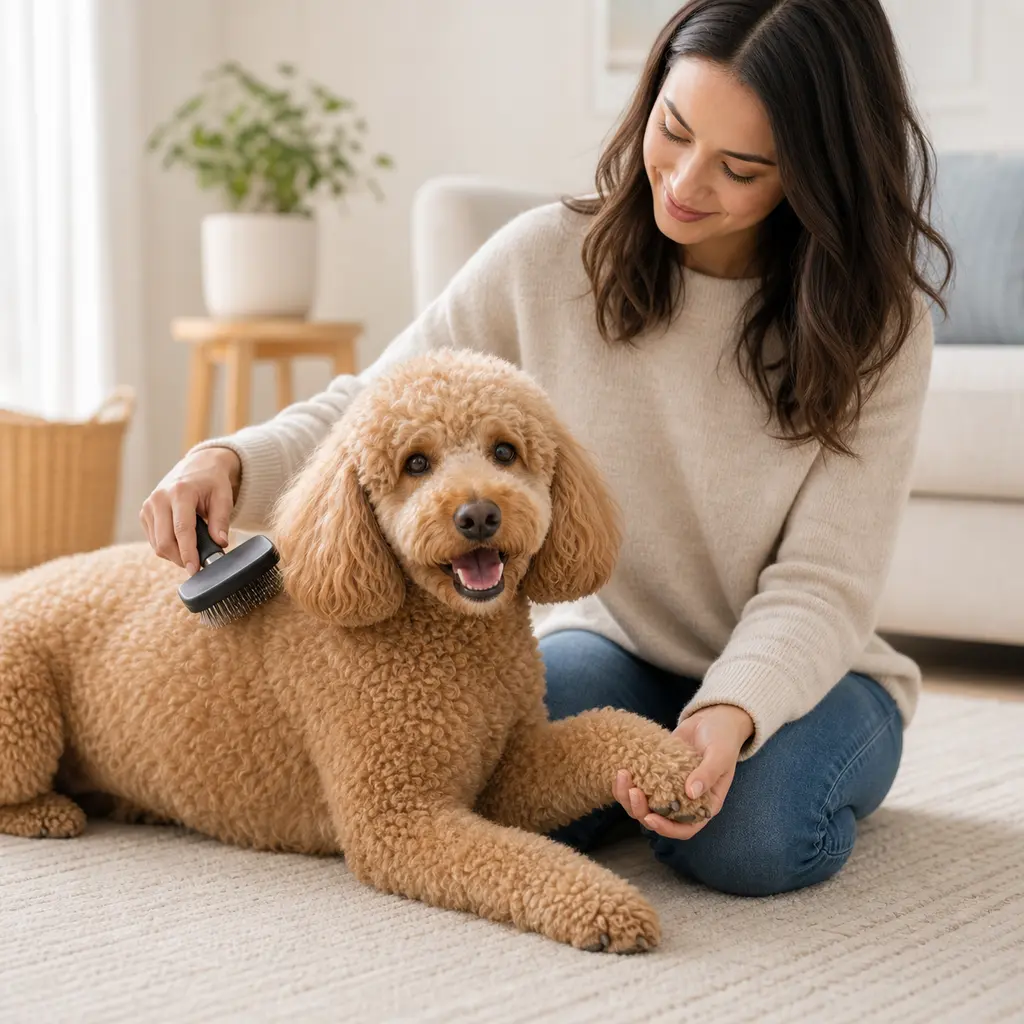
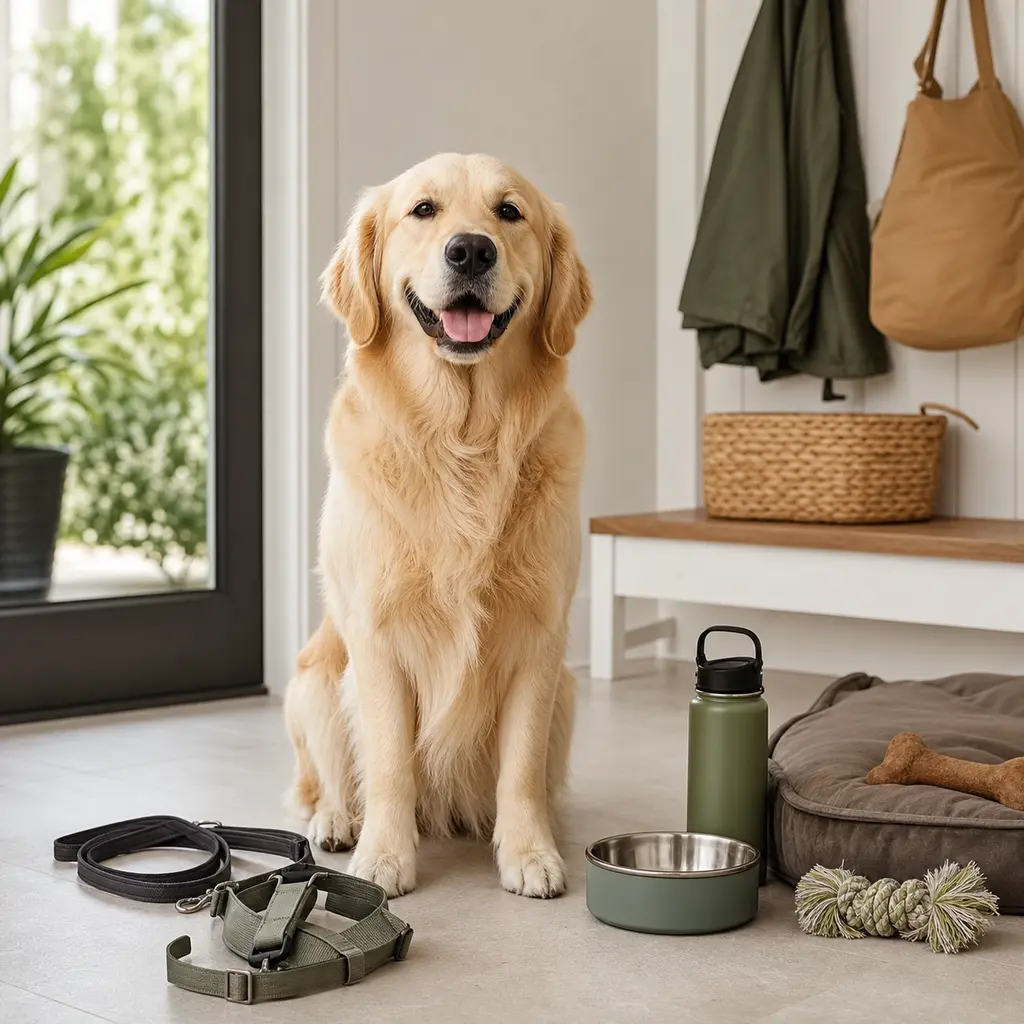
A good grooming routine keeps your dog comfortable and gives you a regular chance to notice changes.
The goal is not a salon-perfect dog every day. The goal is a coat, skin, ears, paws, and nails you can check without turning care into a battle.
01
Start with the coat in front of you
A short-coated dog, a double-coated dog, and a curly-coated dog do not need the same brush or the same schedule. Look at where your dog actually tangles, sheds, or gets dirty. The routine for a mud-loving retriever is different from the routine for a poodle mix who mats behind the ears after two quiet days.
02
Brush before the coat gets uncomfortable
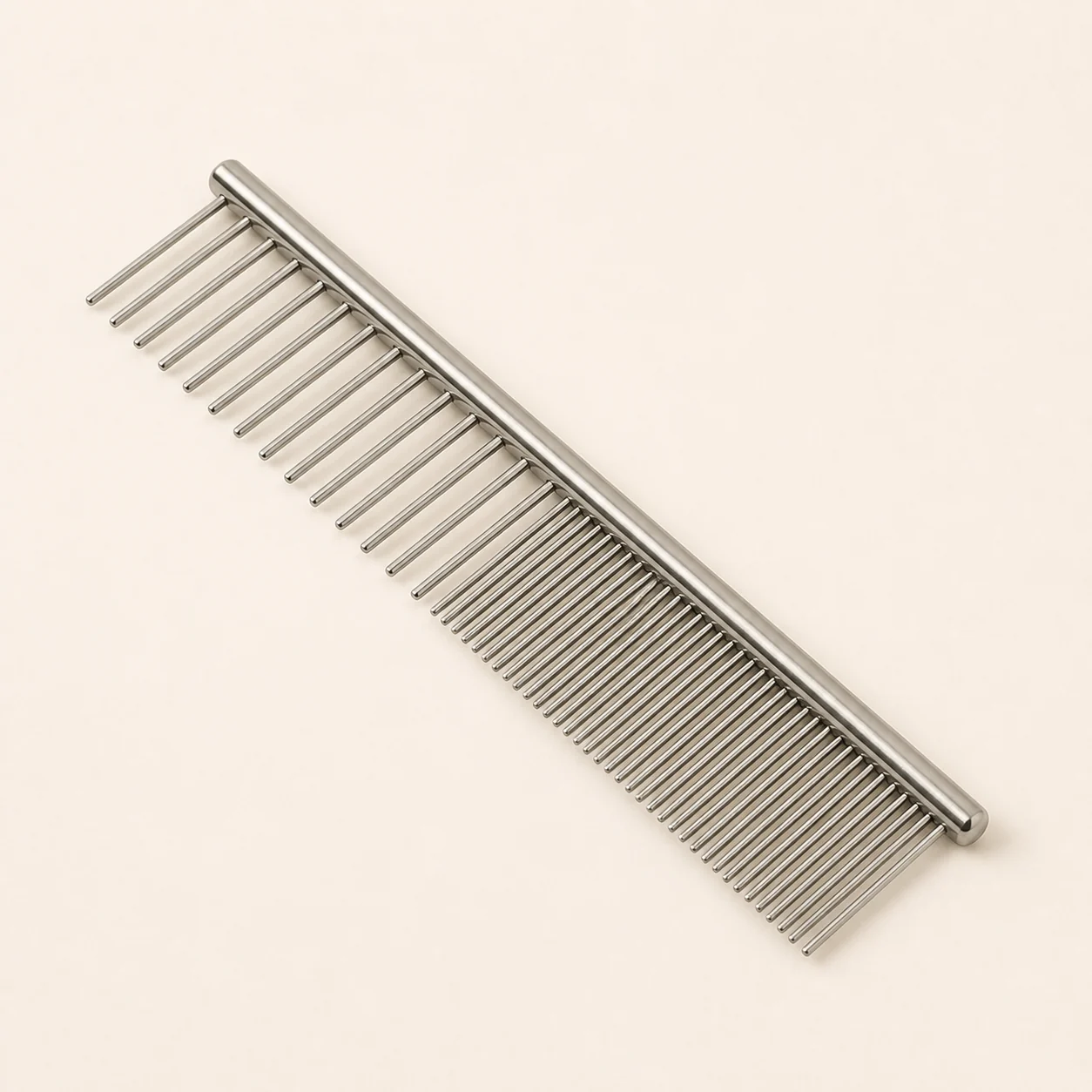
Brushing is easiest when the coat is still loose. Run your hands through collar areas, armpits, behind the ears, tail feathers, and anywhere a harness rubs. If your fingers catch, slow down and use a comb or detangling spray instead of yanking. Mats can pull on skin, so painful tangles belong with a groomer.
03
Baths should solve a real problem
Most dogs do not need constant baths, but they do need help after mud, odor, sticky paws, or skin-safe cleanup. Use dog-safe shampoo, rinse longer than you think you need to, and dry folds, feet, and thick coat areas well. If a smell returns quickly, ask your vet rather than masking it with more shampoo.
04
Nails, ears, and paws count as grooming
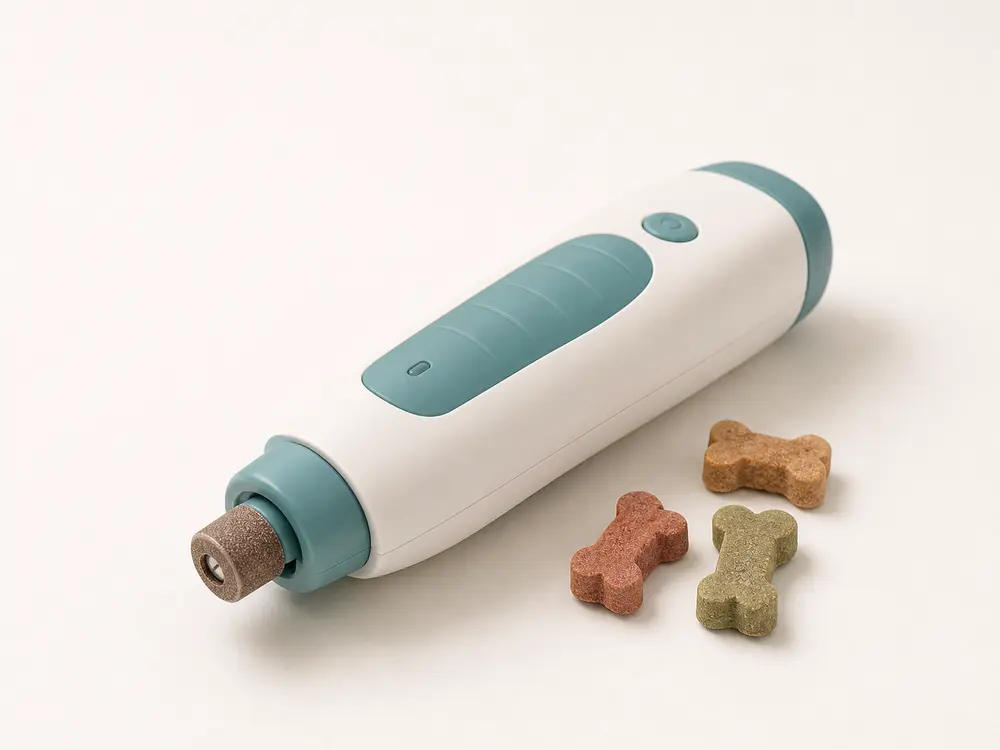
A grooming routine is also a handling routine. Touch one paw, reward, and stop before your dog pulls away hard. Check nails, pads, ear odor, redness, burrs, cracked skin, and anything stuck between toes. Limping, swelling, bleeding, strong odor, or a dog who suddenly hates a normal touch deserves a vet call.
05
Keep sessions short enough to repeat
Five calm minutes beat one exhausting hour. Put a towel or mat down, use a few treats, and work on the easiest area first. If your dog is worried, split the job across the day: one brush pass after breakfast, nails later, ears tomorrow. Predictable care builds trust faster than wrestling through the whole list.
06
Bring in help before grooming becomes scary
A good groomer can save you from painful mats, unsafe trimming, and frustration. A vet should handle sore skin, wounds, ear pain, sudden hair loss, or grooming that becomes painful. If fear or biting shows up around handling, work with your vet and a qualified reward-based trainer before the next session becomes a fight.
Quick checks
Coat tangles behind ears, under legs, around the collar, and near the tail.
Nail length, paw pads, ear odor, skin redness, flakes, bumps, or sore spots.
Whether your dog can relax for short handling before you add harder grooming jobs.
Next steps
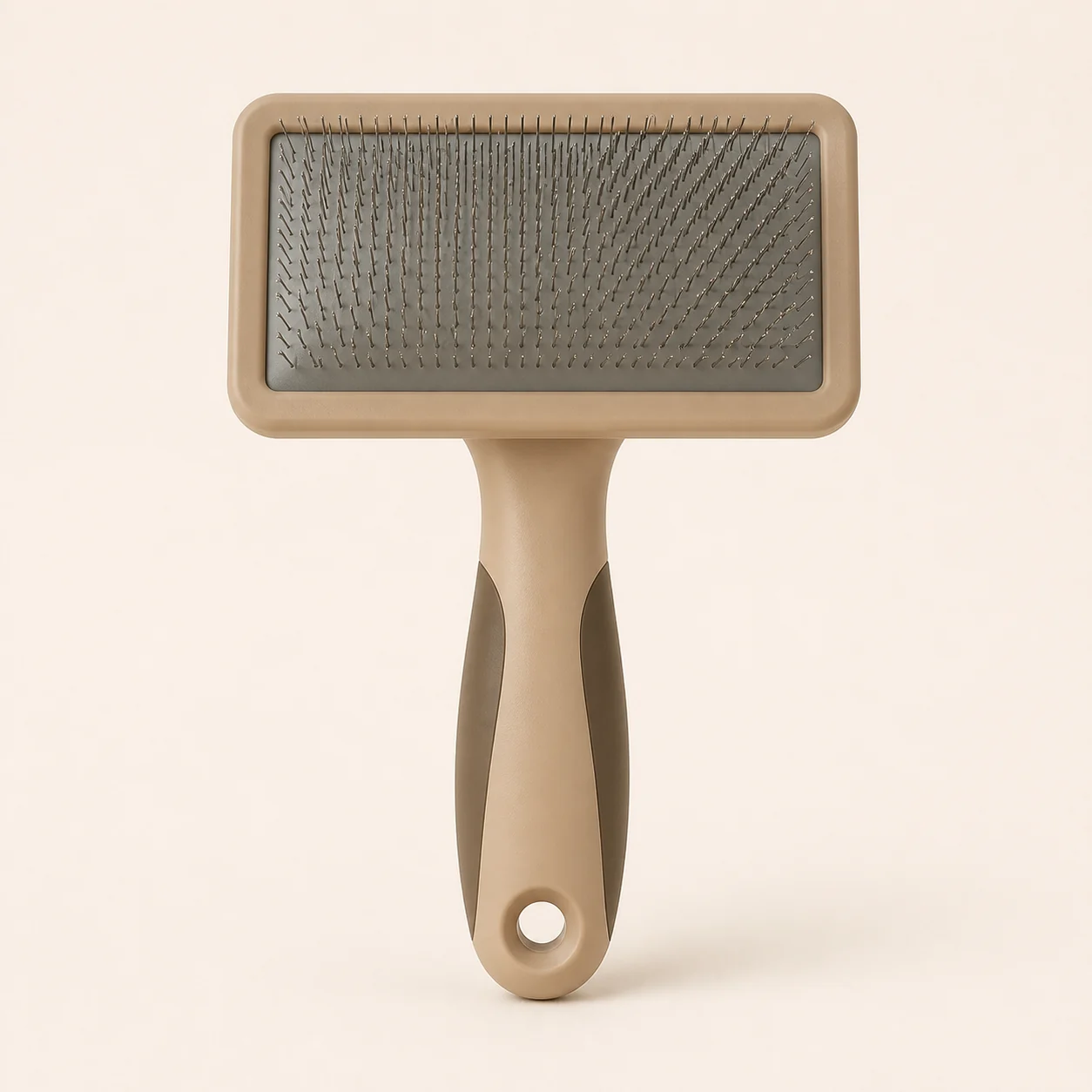
Use the brush and comb that match your dog's coat, not a one-tool-for-every-dog setup.
Schedule a groomer before mats tighten against the skin.
Call your vet for painful skin, swelling, strong odor, bleeding, sudden hair loss, or limping.
Useful grooming supplies
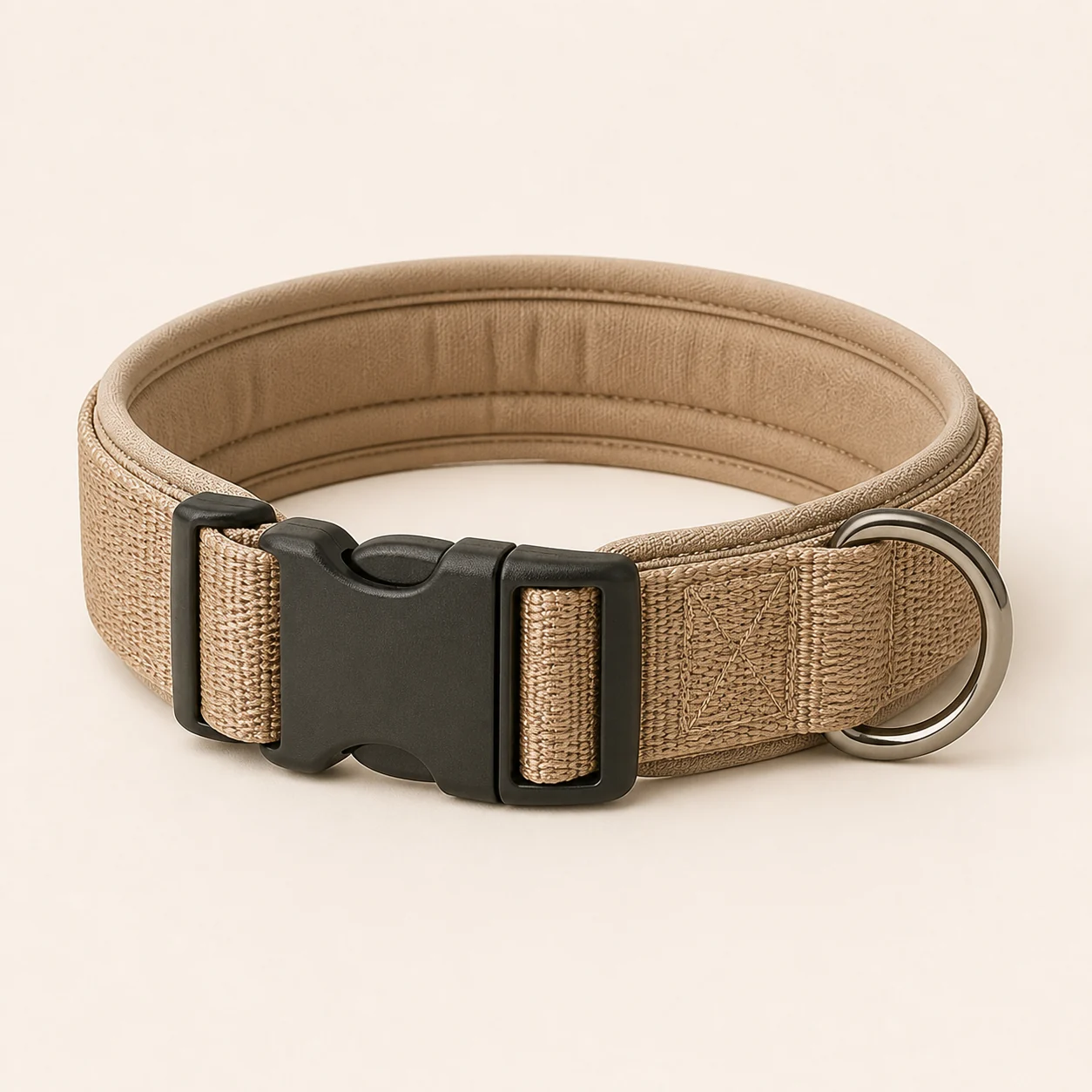
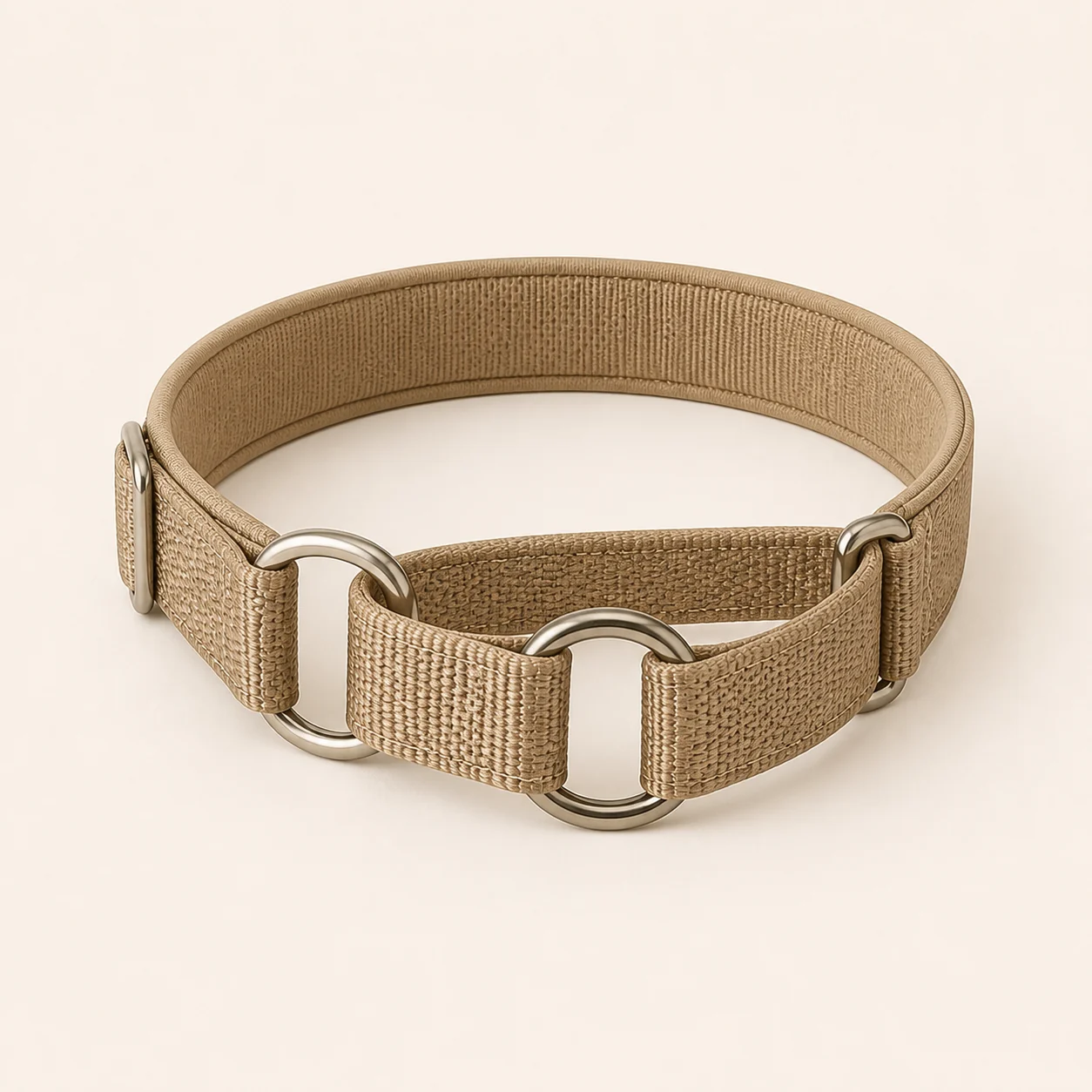
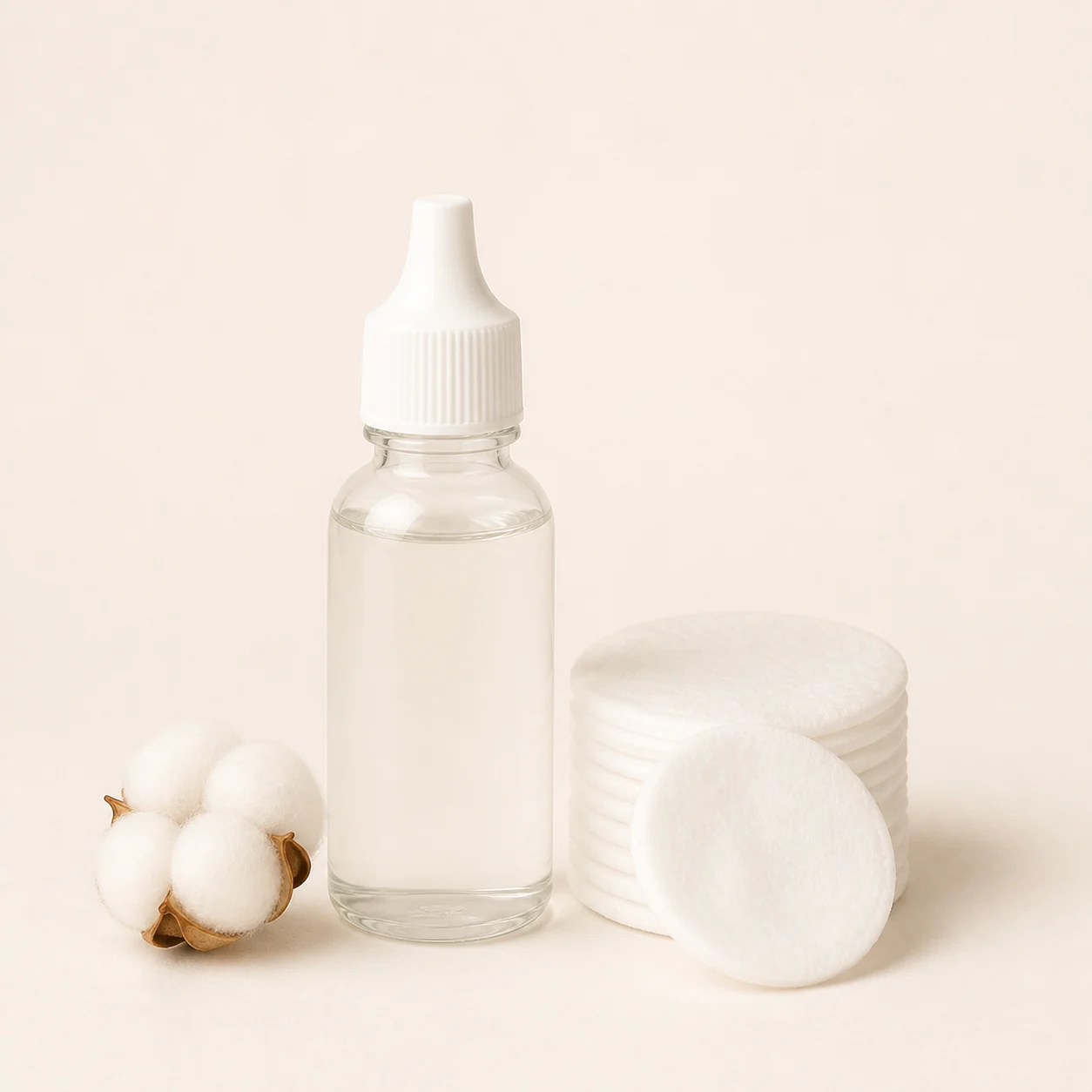
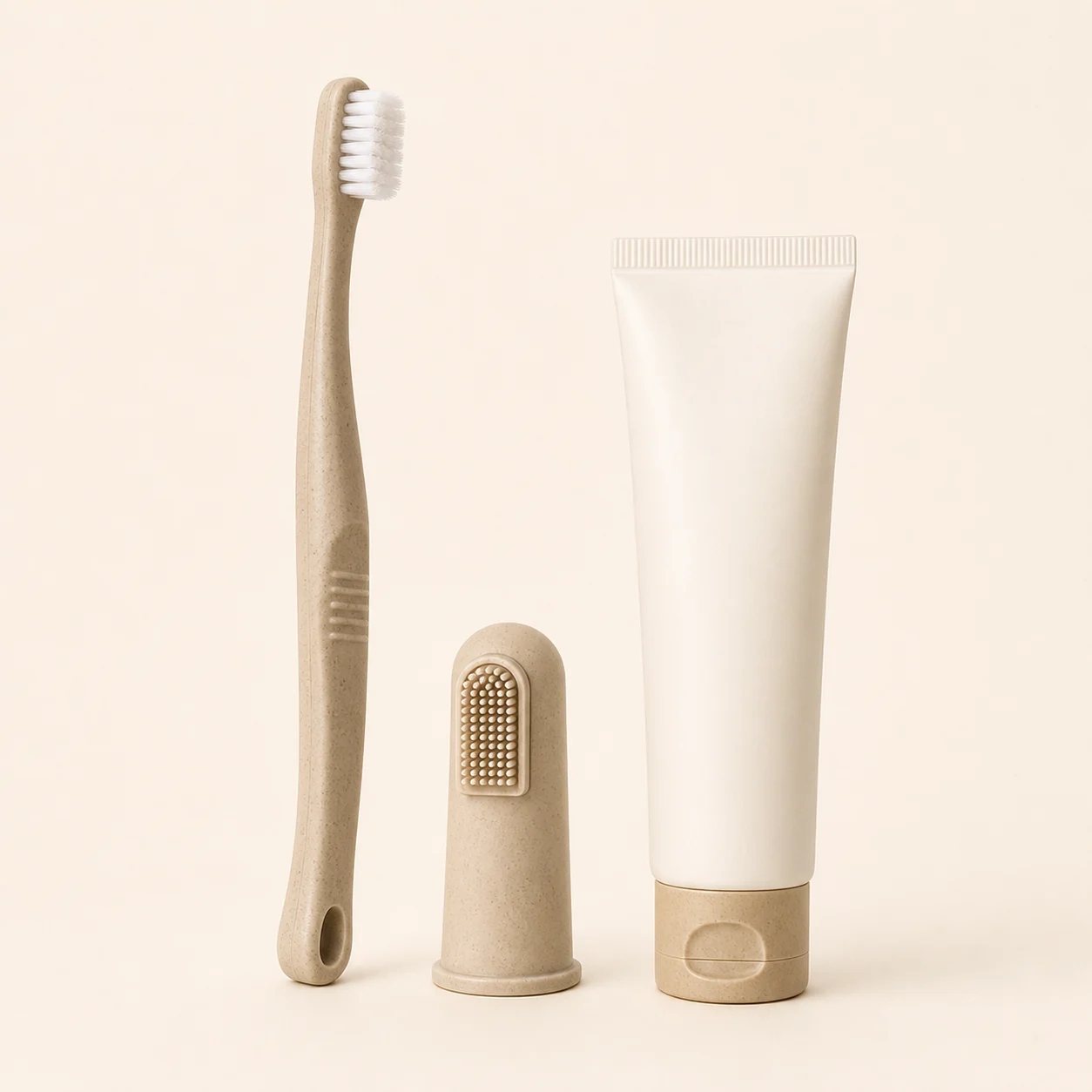
Choose tools that match your dog's coat and comfort level. Simple, gentle tools you use often beat a crowded grooming drawer.
Affiliate links: Furball Cove may earn from qualifying purchases at no extra cost to you.
It depends on the coat. Some dogs need quick daily brushing, while short-coated dogs may only need a few passes each week. Brush often enough that mats do not get a chance to tighten.
What if my dog hates grooming?
Make the job smaller. Reward one calm touch, one paw, or one brush stroke, then stop. If fear, snapping, or panic shows up, ask your vet and a qualified reward-based trainer for help.
When should a groomer handle it?
Use a groomer for tight mats, complicated coat trims, heavy undercoat, or any job you cannot do calmly and safely at home.