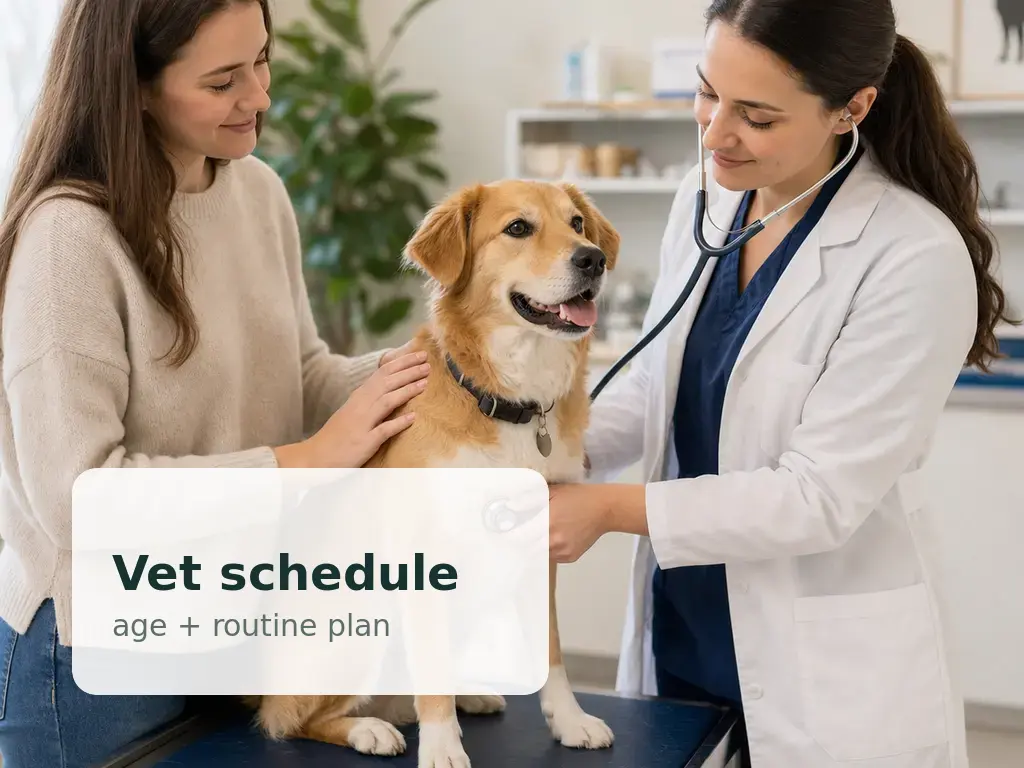
Vet visits go better when records, questions, and daily observations are already organized.
A good clinic relationship is part of everyday dog care, not something you only think about during an emergency.
01
Keep the ordinary records together
Save parasite prevention dates, medications, microchip details, food changes, allergies, surgery history, weight notes, and previous clinic notes in one place. Those details are easy to forget when your dog is sick, but they help the veterinary team understand the full picture quickly.
02
Bring real-life observations
Your vet does not live with your dog, so your notes matter. Write down appetite, drinking, stool changes, energy, coughing, limping, vomiting, itching, sleep, behavior changes, and when the problem started. A short video of a limp, cough, seizure-like episode, or breathing concern can be useful if it is safe to record.
03
Practice the easy parts at home
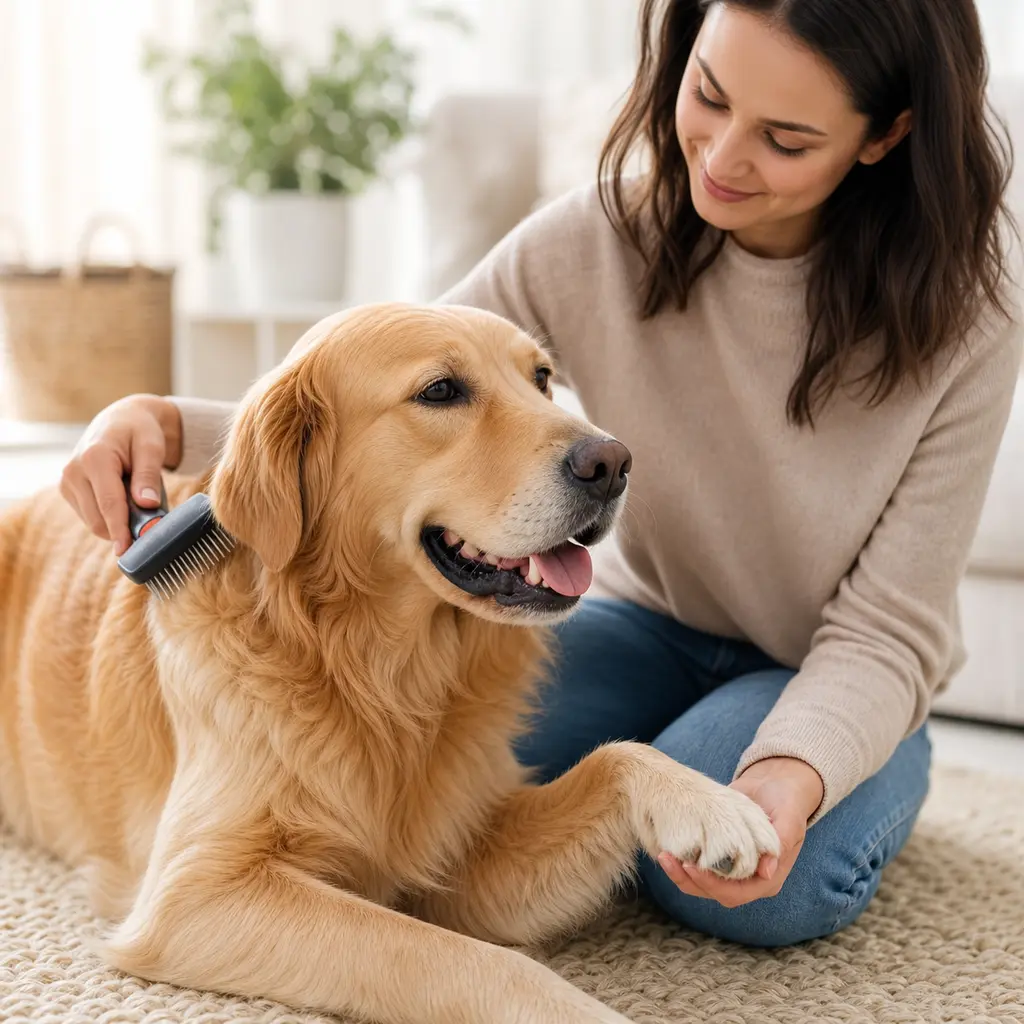
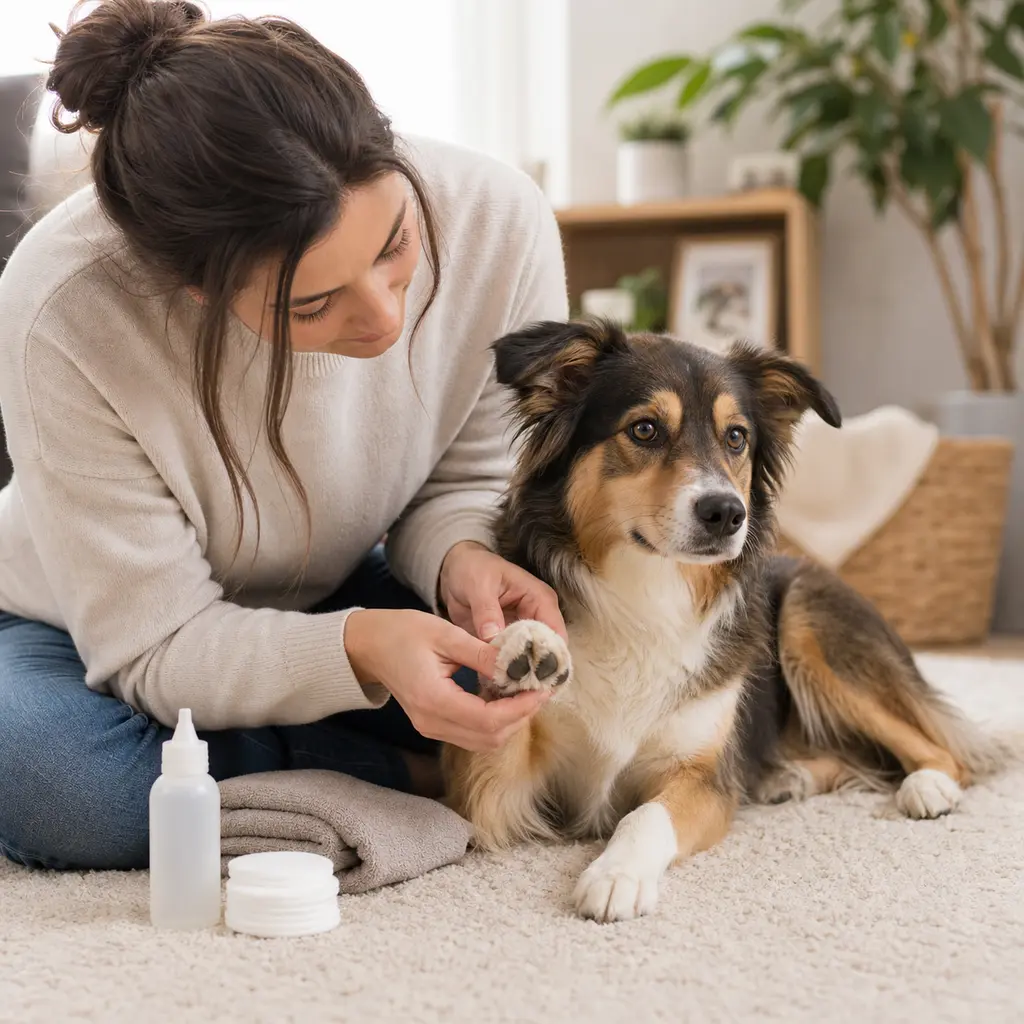
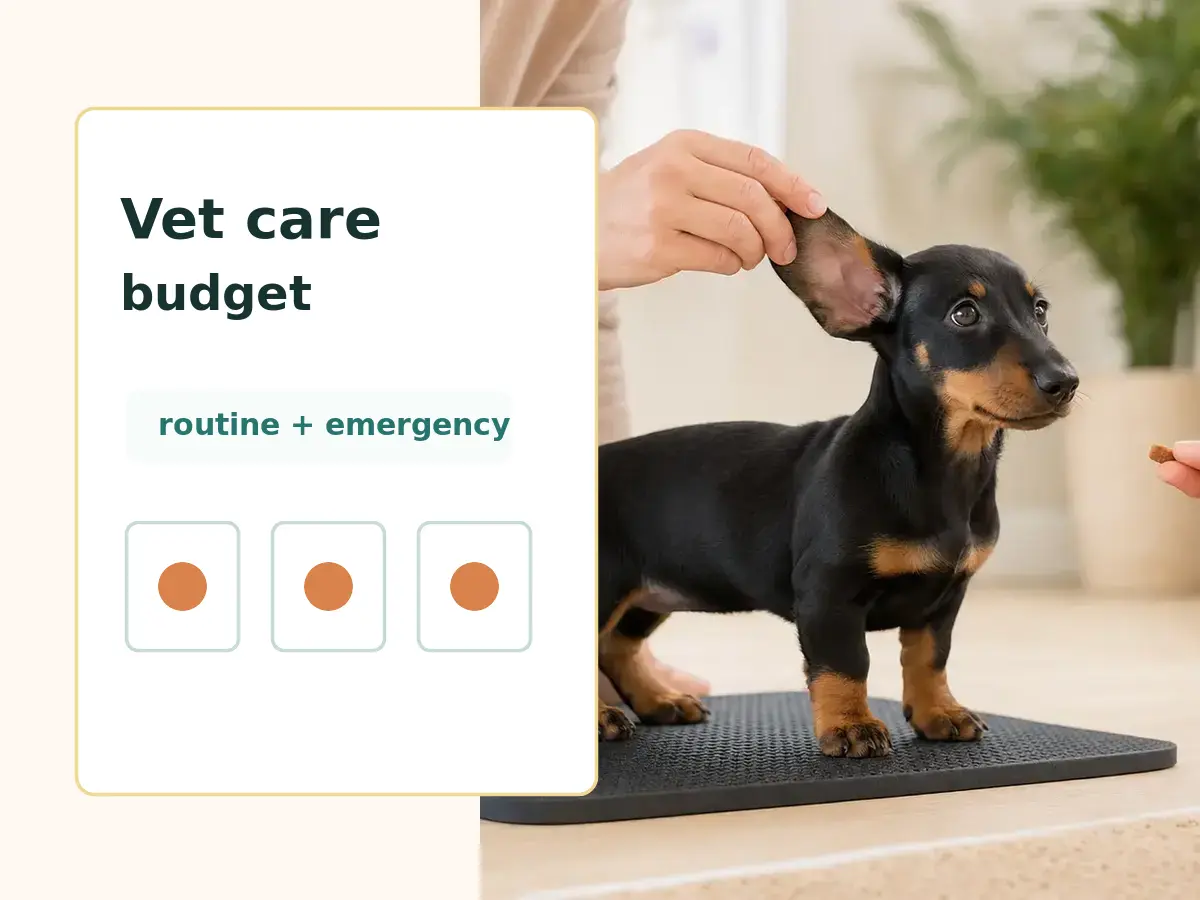
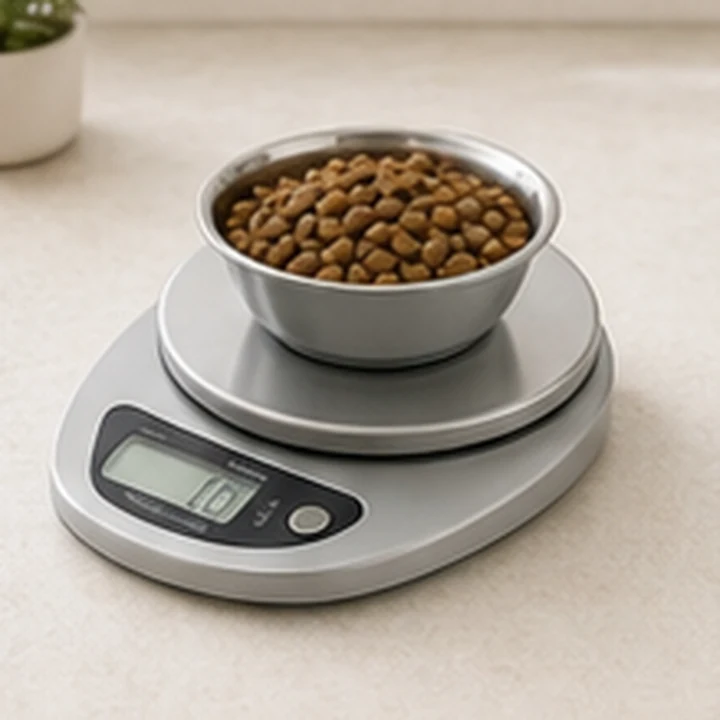
Vet handling is less strange when your dog has practiced small pieces: standing on a mat, stepping on a scale, letting you touch ears, lifting lips, and having paws handled. Keep practice short and reward-based. If your dog is frightened or defensive, ask the clinic about low-stress visit options before the appointment.
04
Separate routine care from urgent care
Annual or regular wellness visits are a good time to discuss weight, teeth, parasite prevention, lumps, mobility, skin, diet, and behavior. Trouble breathing, collapse, seizures, toxin exposure, pale gums, severe pain, repeated vomiting, or a swollen painful belly needs a same-day or emergency vet call instead.
05
Ask the question you are worried about
It is easy to leave the clinic and remember the one thing you meant to ask. Keep a phone note with questions as they come up: nail problems, dental breath, food changes, anxiety, coughing, supplements, travel, or whether a symptom can wait. Specific questions get better answers than a rushed memory at checkout.
06
Make the trip easier
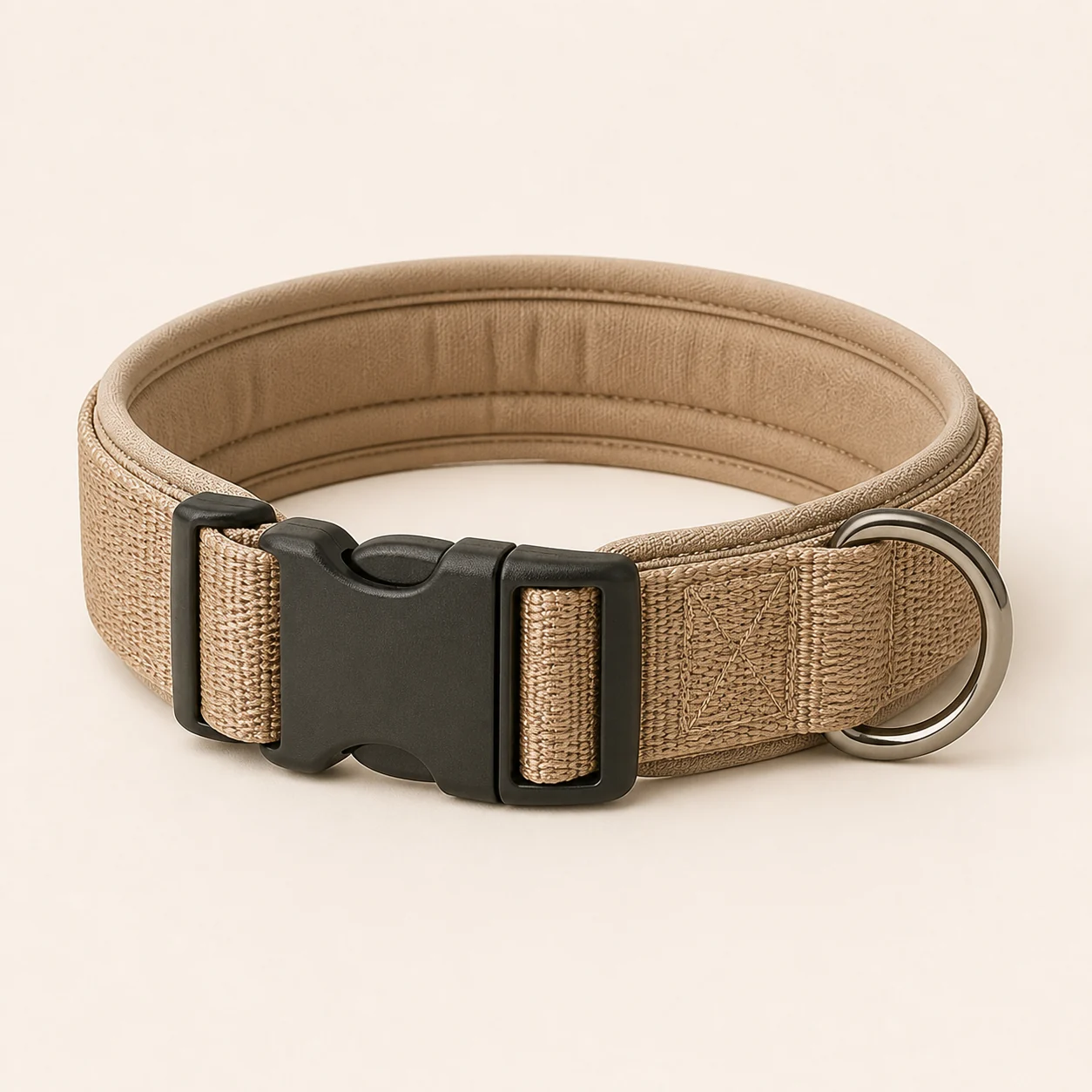
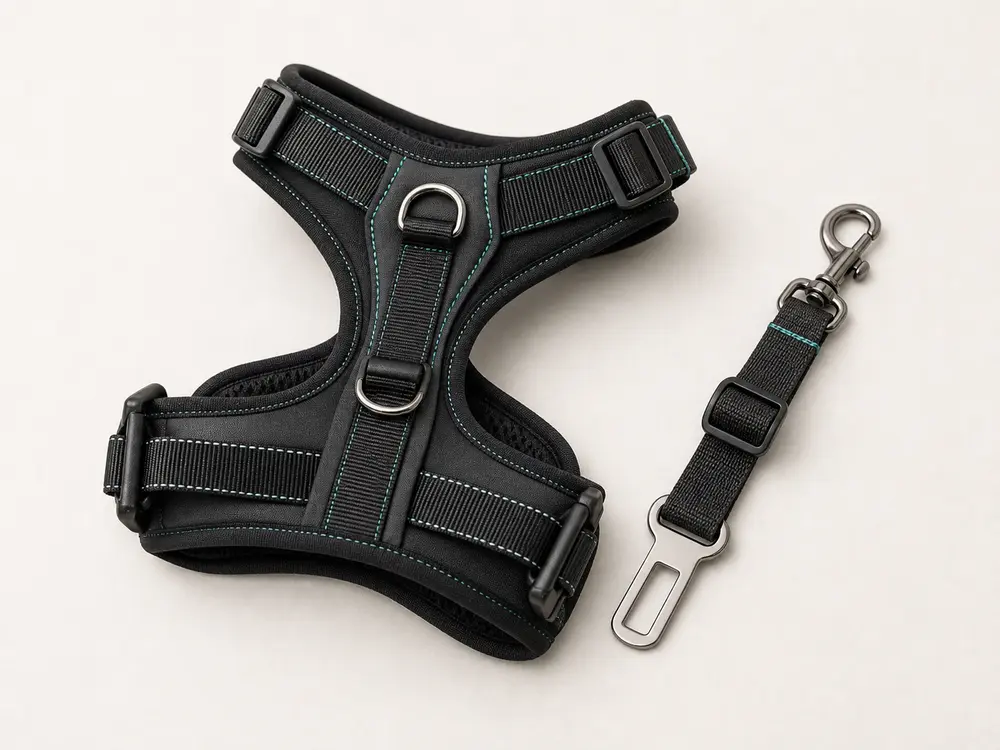
Bring a leash, harness, carrier if needed, treats if allowed, stool sample if requested, medications, and any records from another clinic. For nervous dogs, wait in the car if the clinic recommends it, use a mat, and keep greetings calm. The goal is a visit your dog can recover from, not a perfect performance.
Quick checks
Parasite prevention, medications, microchip, food, allergies, and weight notes.
Questions you want answered before the appointment ends.
Urgent signs that need a same-day or emergency call instead of a routine booking.
Next steps
Ask your clinic how they prefer photos, videos, records, and pre-visit questions.
Practice gentle handling at home when your dog is healthy.
Call ahead for severe pain, breathing trouble, collapse, toxins, seizures, or repeated vomiting.
Helpful visit supplies
Simple supplies can make waiting rooms, car rides, and clinic handling less stressful.
Affiliate links: Furball Cove may earn from qualifying purchases at no extra cost to you.
Bring records, medication names, prevention dates, food details, questions, and photos or videos of symptoms when safe and useful.
How can I help a nervous dog at the vet?
Practice small handling steps at home, bring familiar gear if appropriate, keep greetings calm, and ask the clinic about low-stress options.
What should not wait for a routine appointment?
Trouble breathing, collapse, seizures, toxin exposure, pale gums, severe pain, repeated vomiting, and a swollen painful belly need urgent veterinary guidance.