

Updated
Recall safety skill
Emergency Recall
An emergency recall is a special cue you protect for safety, not a word you use all day.
Pick one sound or phrase, pair it with rare rewards, and practice in safe places before you ever need it near a real hazard.
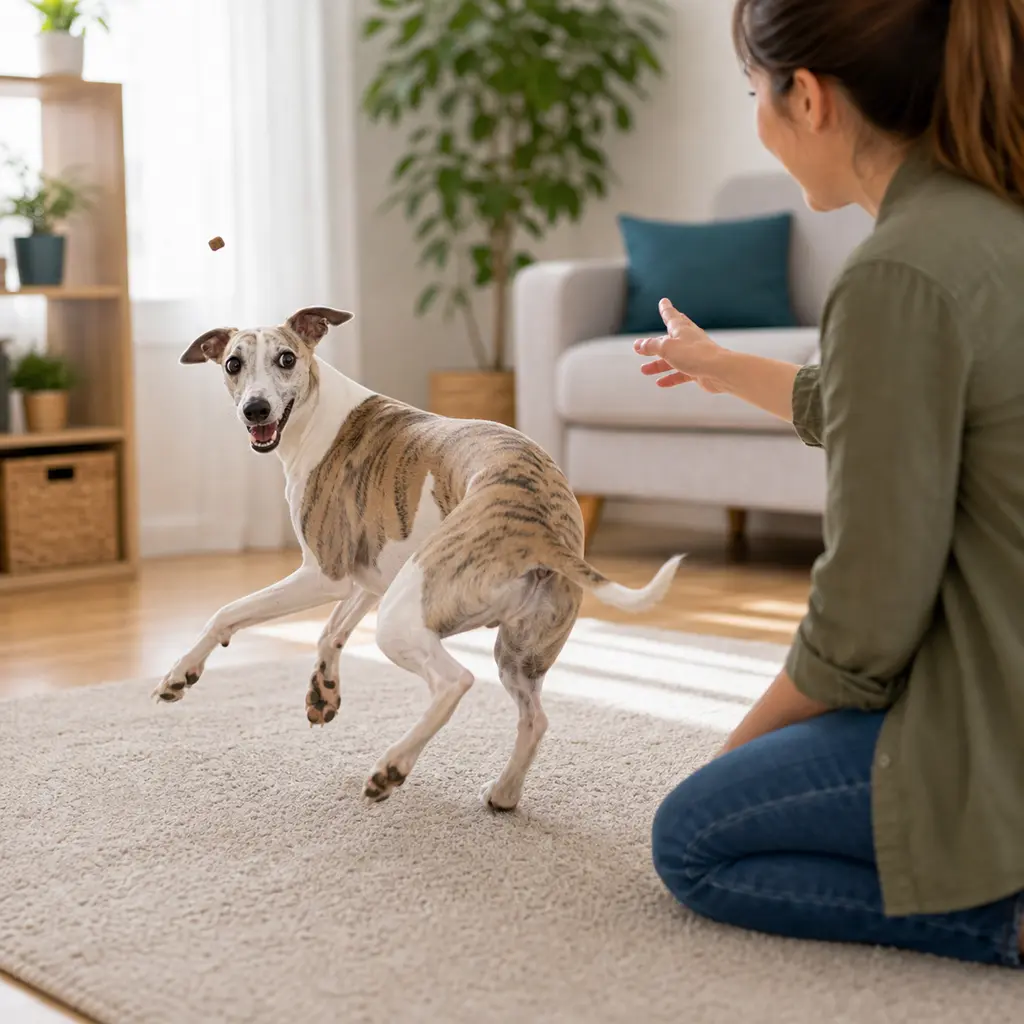
Emergency recall is for the moments where you need your dog to spin back fast: a gate pops open, a leash slips, or a distraction suddenly becomes unsafe.
Because the cue matters so much, protect it. Practice it rarely, reward it generously, and do not use it for boring everyday asks like leaving the yard after every fun moment.
Great for
- Dogs who already understand easy recall games.
- Families who hike, use fenced yards, travel, or live near busy doors.
- Owners who can save a special reward just for this cue.
Wait a bit if
- Replacing leashes, fences, long lines, and safe management.
- Testing the cue around traffic, wildlife, or dogs before it is deeply practiced.
- Using the special word casually when you are not ready to reward it.
Make coming back worth it
Pick a special cue
Choose a word or whistle pattern you do not use in normal conversation. Keep it short, bright, and consistent.
Pair it with a jackpot indoors
Say the cue once, then feed several tiny high-value rewards in a row. At first, your dog does not need to move far.
Add one easy step away
When your dog lights up at the cue, take one step away, call once, and reward close to your body.
Practice in safe fenced places
Use a hallway, fenced yard, or long line. Keep the setup easy enough that your dog can sprint in without making a risky choice.
Release after some reps
Sometimes reward and send your dog back to sniffing or play. The cue should not always mean the fun is over.
Save it for real safety
Use normal recall for normal life. Keep this cue special so it still feels powerful when it truly matters.
Little things that help
Use rare rewards
Tiny pieces of chicken, cheese, or another vet-safe favorite can make this cue feel different from everyday training treats.
Do not poison the cue
Avoid calling and then doing something your dog dislikes every time. Mix in release and easy wins.
Keep safety tools
Even a strong emergency recall is not a substitute for a leash near roads or a secure fence around open doors.
Helpful little extras
Affiliate links: Furball Cove may earn from qualifying purchases at no extra cost to you.
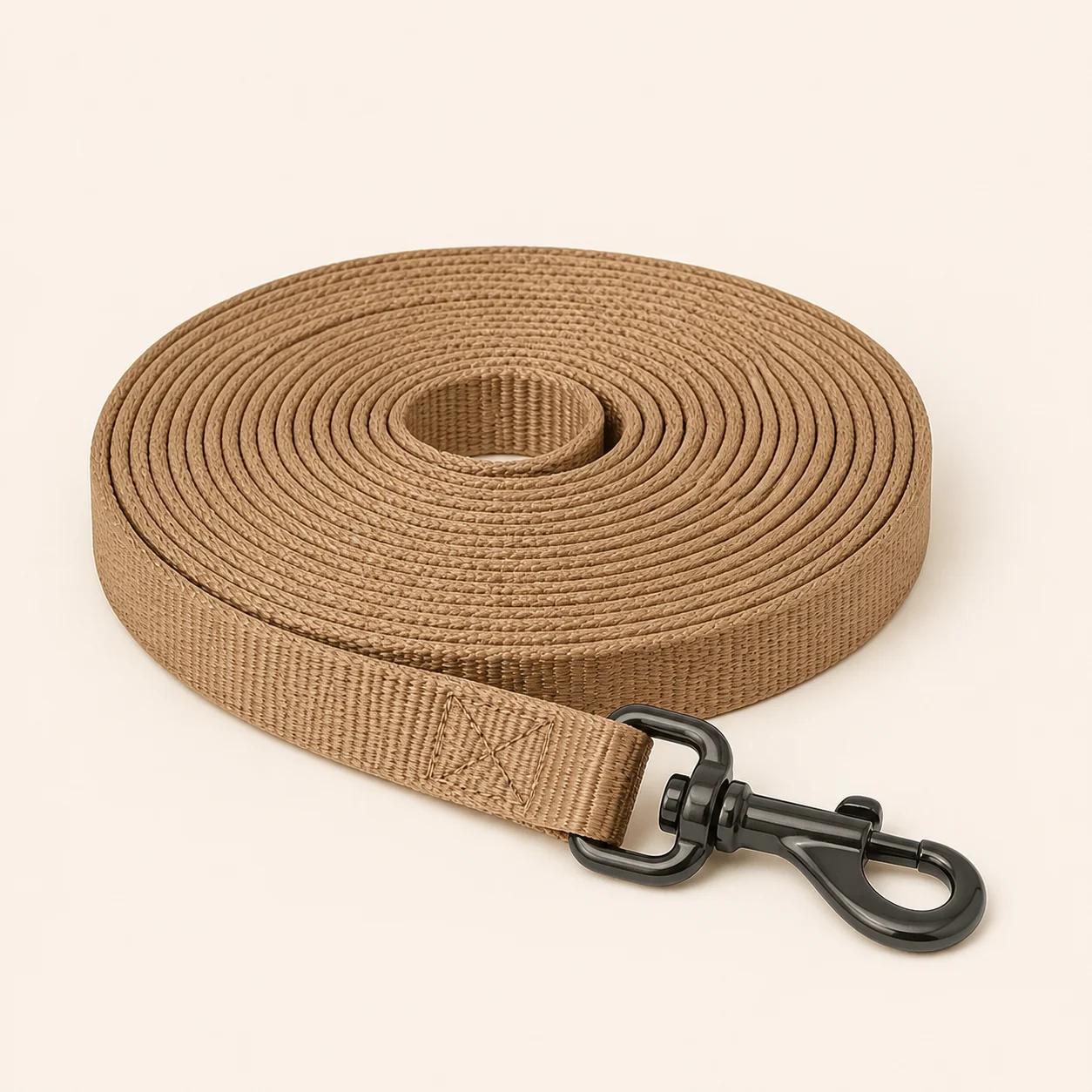
Long training line
A long line lets your dog practice recall with real movement while you still have a safety backup.
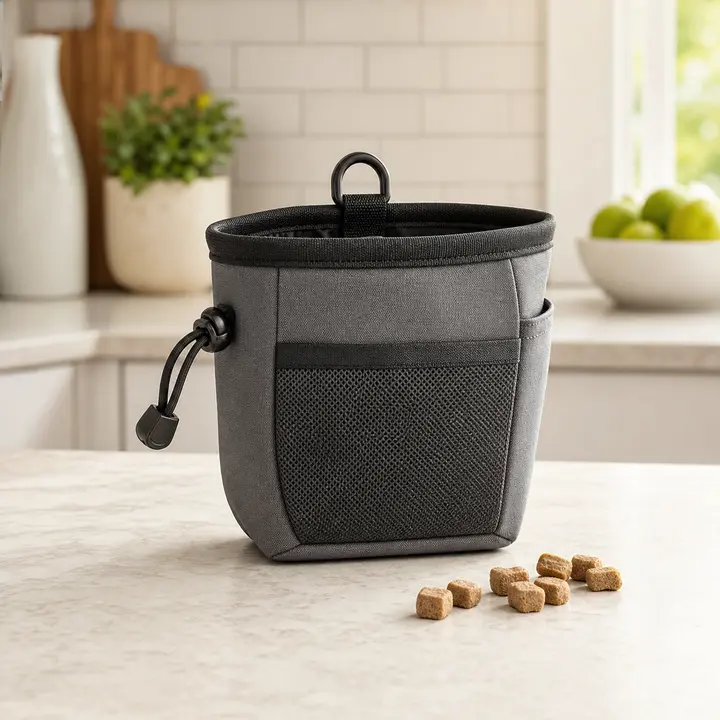
Training treat pouch
Recall rewards need to be ready before your dog turns back, not dug out after the moment is gone.
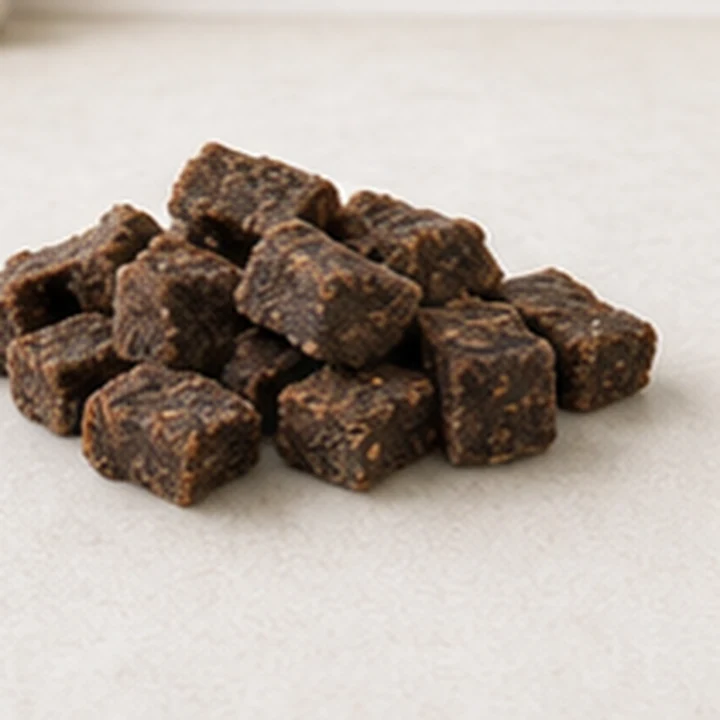
High-value training treats
Use rewards your dog truly cares about when you are competing with smells, dogs, movement, and open space.
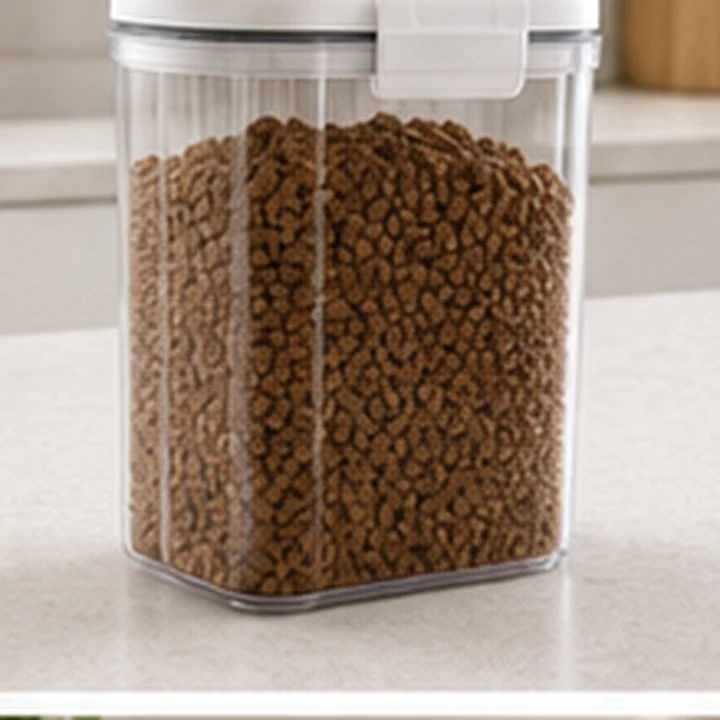
Training treat jar
A small jar by the door keeps special recall rewards ready for short surprise practice.
Questions people ask
How often should I practice emergency recall?
A few short reps per week is enough for many dogs. Keep it special and stop while your dog is thrilled to play.
Can I use a whistle?
Yes, if you condition the sound carefully and always make it worth a fast return.
What if my dog does not come?
Do not repeat the special cue. Make the setup easier, use a long line, and rebuild the association with better rewards.
Try these next
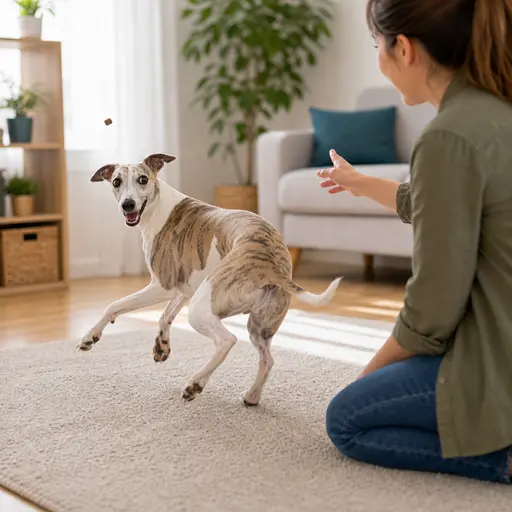
Treat Toss Recall
Build the happy turn-back before adding harder distractions.
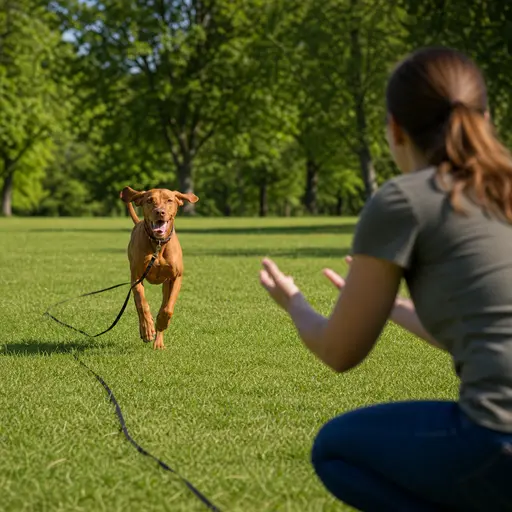
Long Line Recall
Give your dog safe freedom while recall is still growing.
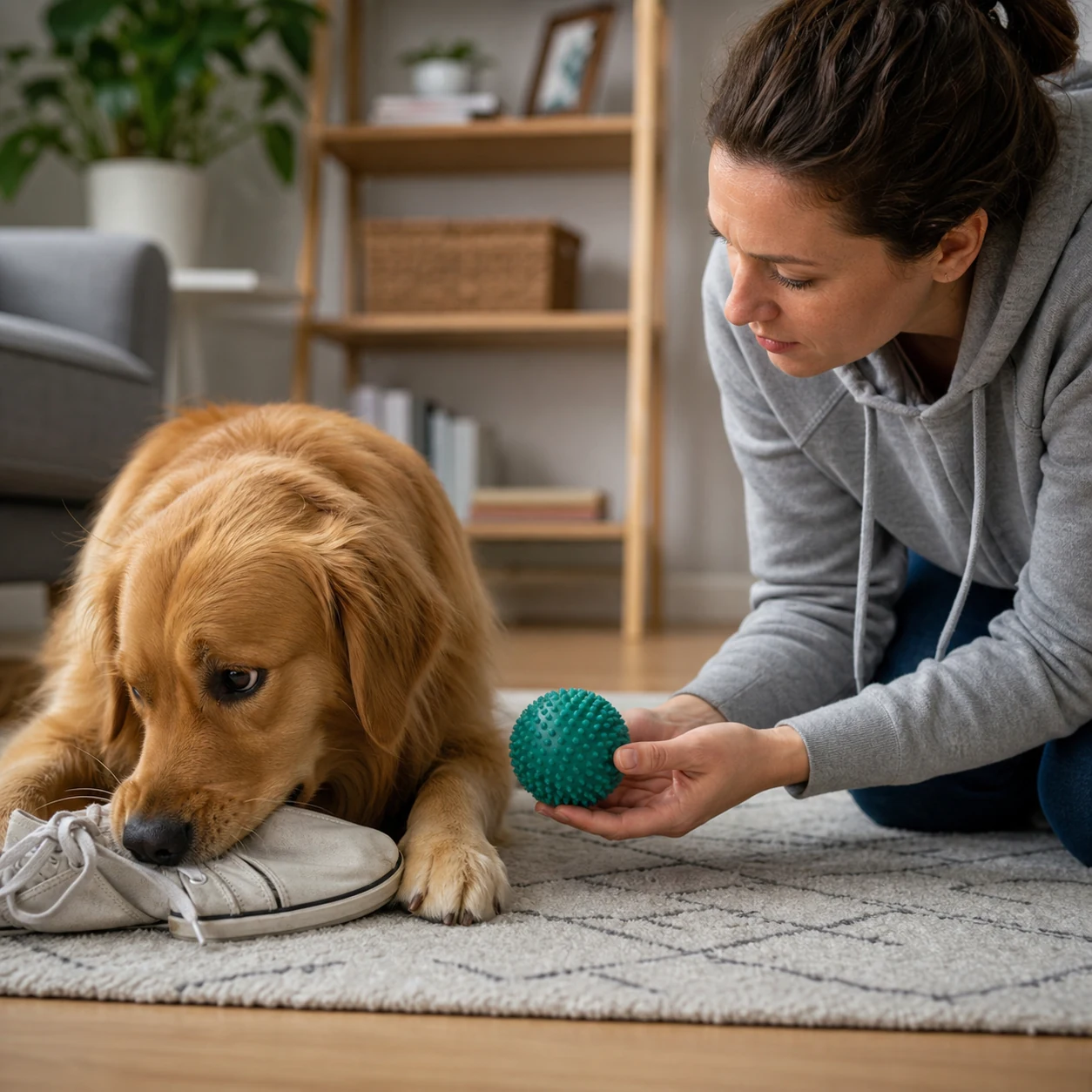
Call Once
Keep your recall cue clean instead of repeating it into background noise.
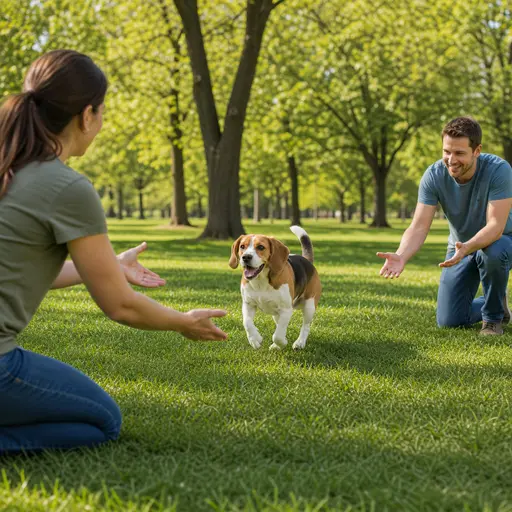
Call and Release
Teach your dog that recall does not always end the fun.