Updated
Dog training
Teach an Emergency U-Turn
An emergency U-turn teaches your dog to pivot with you and move the other way fast, happily, and without leash drama.
Practice it before you need it. The cue should feel like a fun direction change, not panic on the leash.
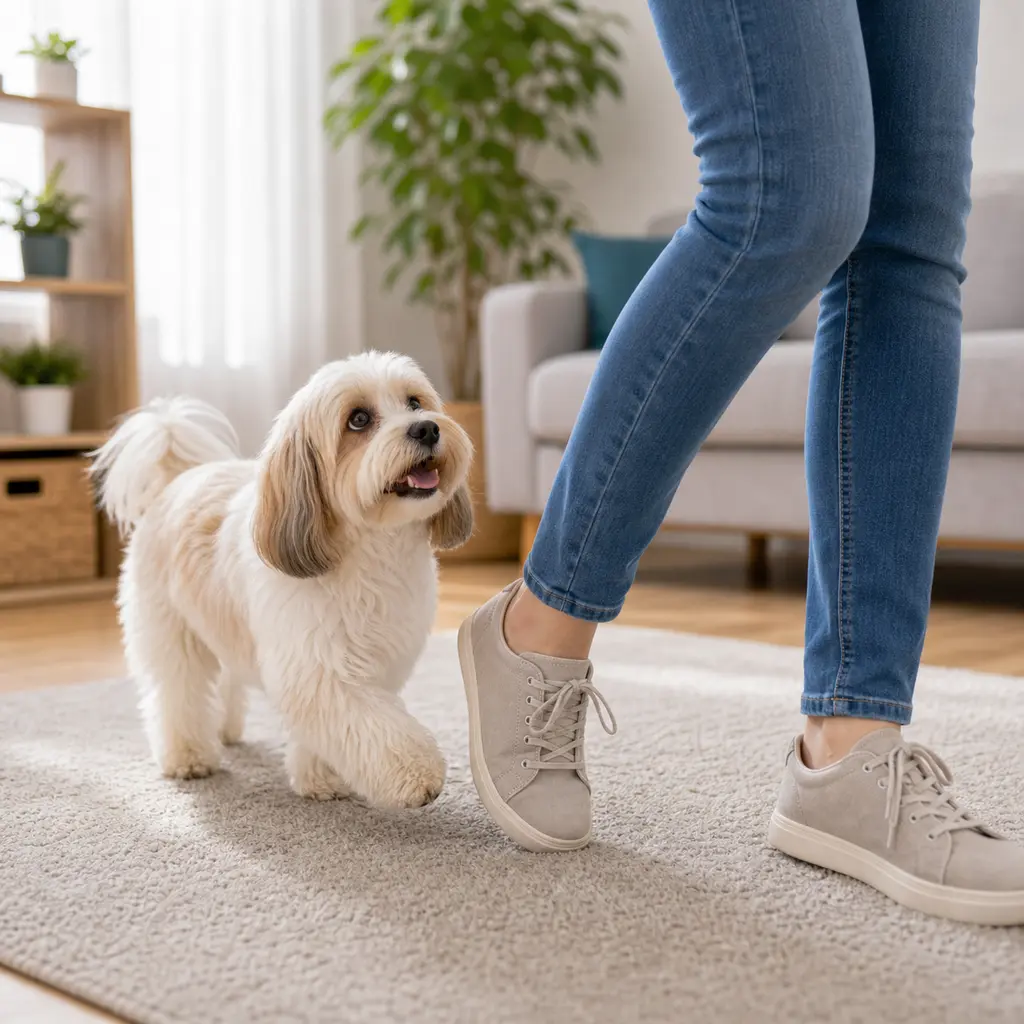
Every walk has surprise moments: a loose dog, a noisy truck, a tight doorway, a crowded sidewalk. A practiced U-turn gives you an exit plan.
The best version is cheerful and automatic. Your dog hears the cue, turns with you, and gets paid while you create distance.
Great for
- Dogs who can follow food or movement away from mild distractions.
- Handlers who need a safe exit cue on sidewalks.
- Walks with blind corners, narrow paths, or surprise triggers.
Wait a bit if
- You are already too close for your dog to turn.
- The leash or harness is uncomfortable or tangled.
- You need emergency physical safety; management comes before training.
Shape the walking pattern
Teach it with no trigger
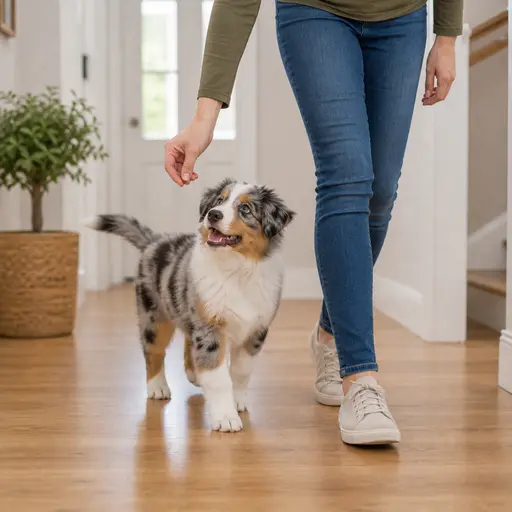
In a quiet area, say this way or turn, then pivot and jog two steps the other direction.
Pay the turn generously
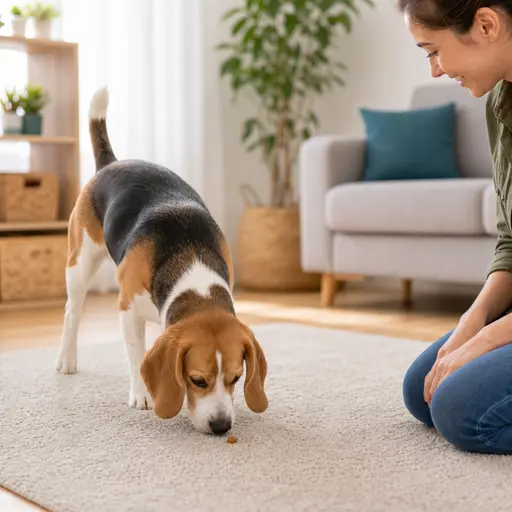
Feed several treats as your dog catches up beside you. Make the turn feel like great news.
Add leash rhythm
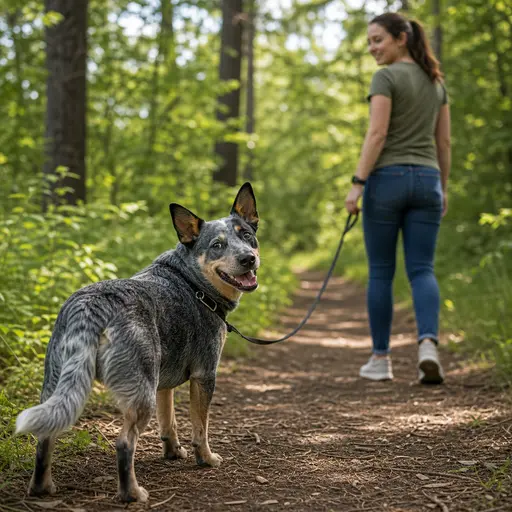
Practice with a loose leash, turning before there is tension. Your body movement should lead the cue.
Practice at corners
Use driveways, mailboxes, and quiet corners as planned turn points before trying surprise moments.
Use it early
Turn when you first notice the surprise ahead, before your dog reaches the end of the leash.
Recover after the turn
After you create distance, use find it, check-ins, or a sniff break to help your dog settle.
Little things that help
Make the cue cheerful
Practice this way or turn in a bright voice long before you need it. The sound should predict a fun exit, not trouble.
Turn while there is still room
Use the U-turn as soon as you spot trouble ahead. If your dog is already braced at the end of the leash, add distance first.
Pay after the escape
Reward once your dog is moving with you and the leash has softened. That reinforces leaving calmly, not just spinning around.
Helpful little extras
Affiliate links: Furball Cove may earn from qualifying purchases at no extra cost to you.
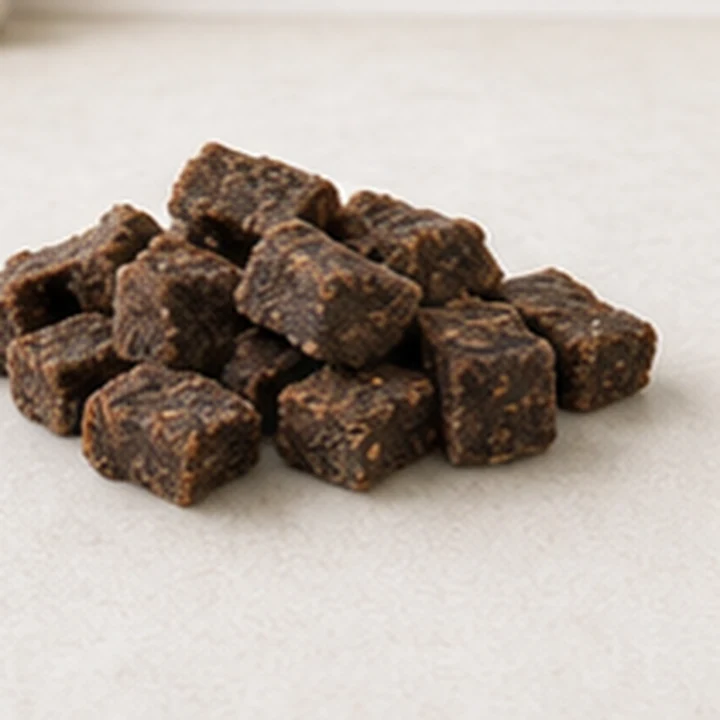
High-value training treats
Use a reward that makes the turn feel like great news, so leaving the surprise becomes worth choosing.
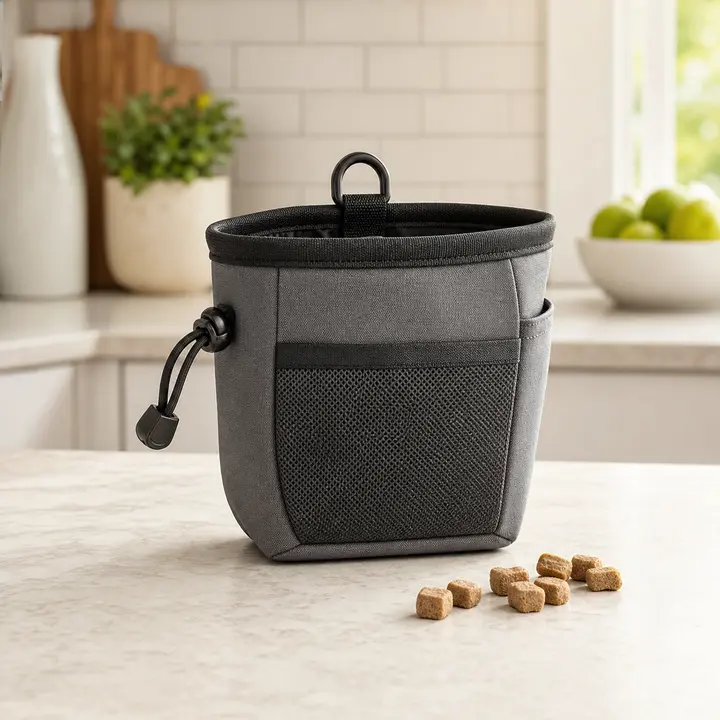
Training treat pouch
When a surprise appears, you need one-hand access so your other hand can keep the leash organized.
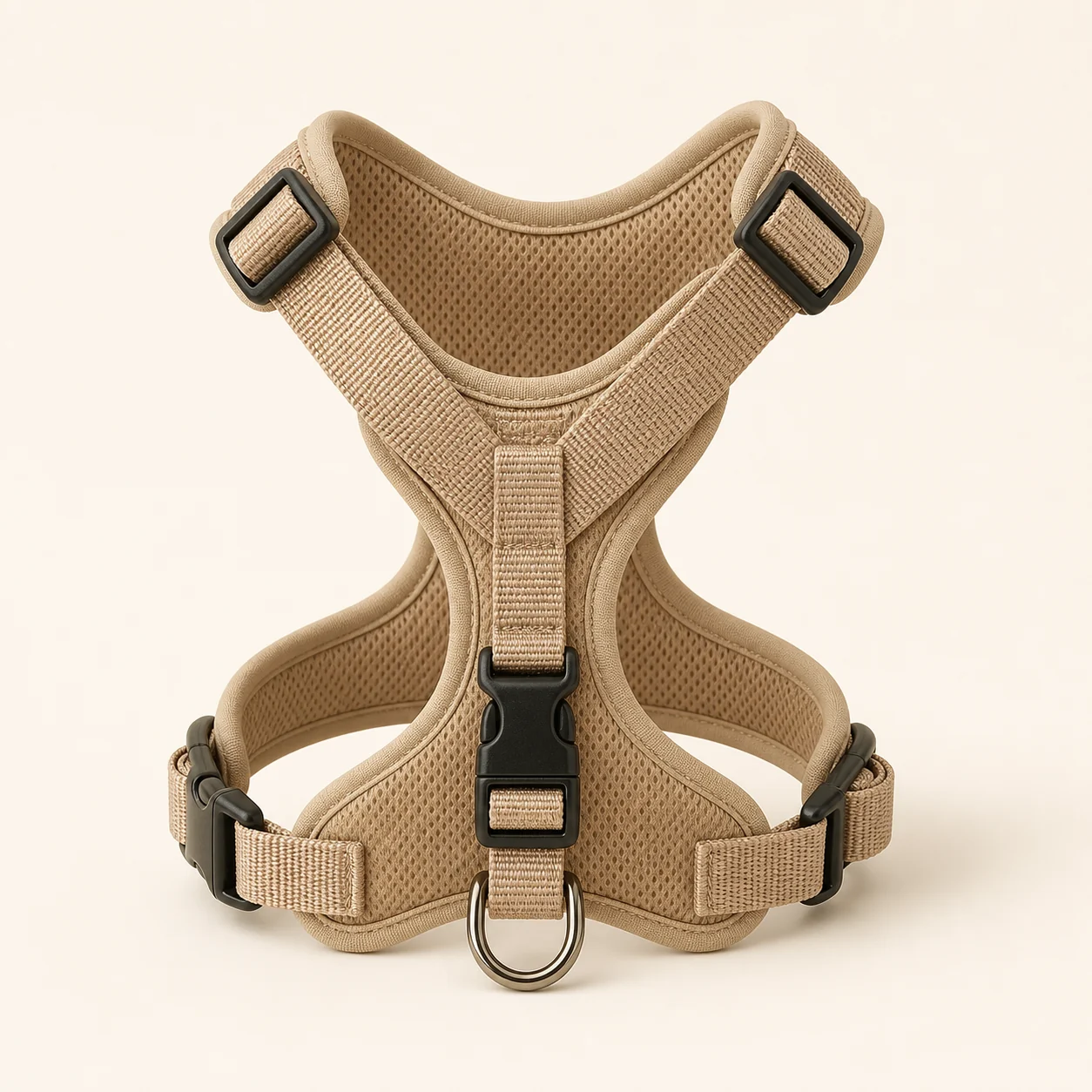
Front-clip harness
Helpful for pivoting away with less forward momentum, as long as the harness fits comfortably.
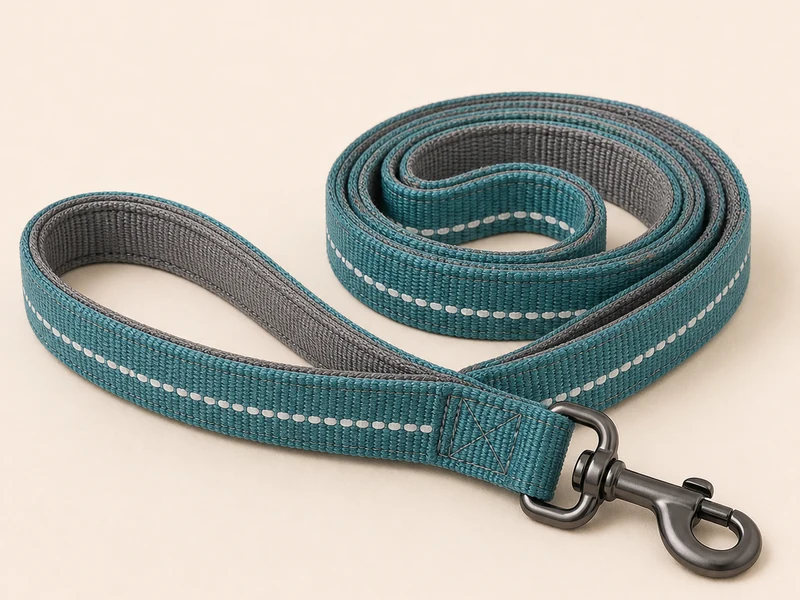
Reflective leash
Evening visibility is useful because surprise triggers are harder to read when the light is low.
Questions people ask
What cue should I use?
Use something cheerful and easy, like this way, turn, or let us go.
Should I pull my dog around?
Teach the turn with movement and rewards first. In true safety moments, manage the leash as needed, then practice easier later.
Can this help with big reactions?
Yes, for some dogs, when you practice far enough away. Severe lunging, biting, or panic needs distance, management, and qualified help.