Skin, ears, and paws often show discomfort before the rest of the dog looks sick.
A quick check after brushing, walks, baths, or muddy play can catch soreness, odor, licking, limping, and irritation early.
01
Check the places dogs bother most
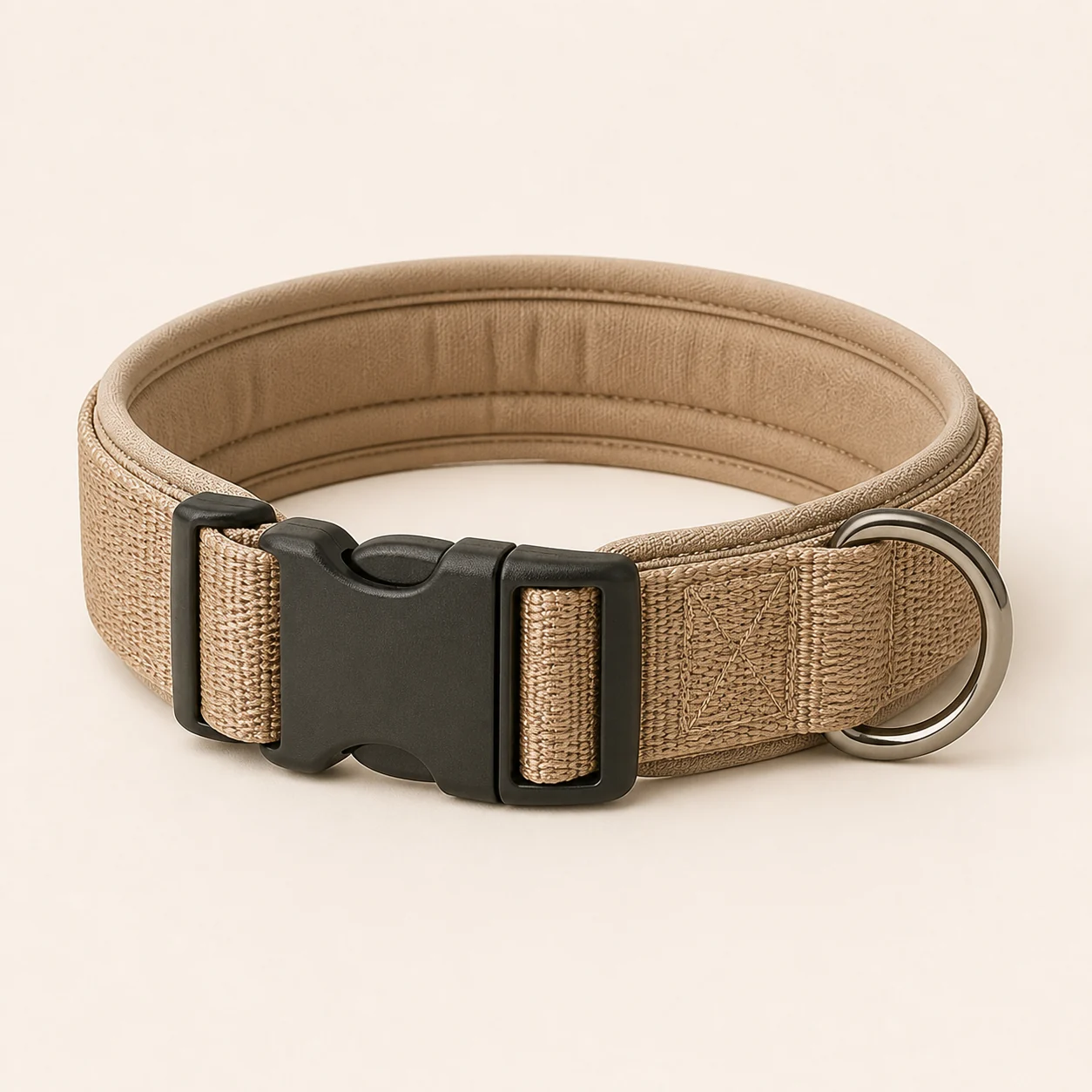
Look where your dog licks, scratches, rubs, or avoids touch. Common spots include ears, paws, belly, armpits, skin folds, tail base, and anywhere a collar or harness sits. Redness, heat, swelling, flakes, bumps, odor, or wet spots can all mean the skin needs attention.
02
Ears should not smell painful
A little wax can be normal, but strong odor, head shaking, scratching, redness, swelling, discharge, or a dog who cries when an ear is touched deserves a vet call. Do not keep pouring cleaner into a sore ear without knowing what is wrong. Painful ears need veterinary care.
03
Paws carry a lot of clues
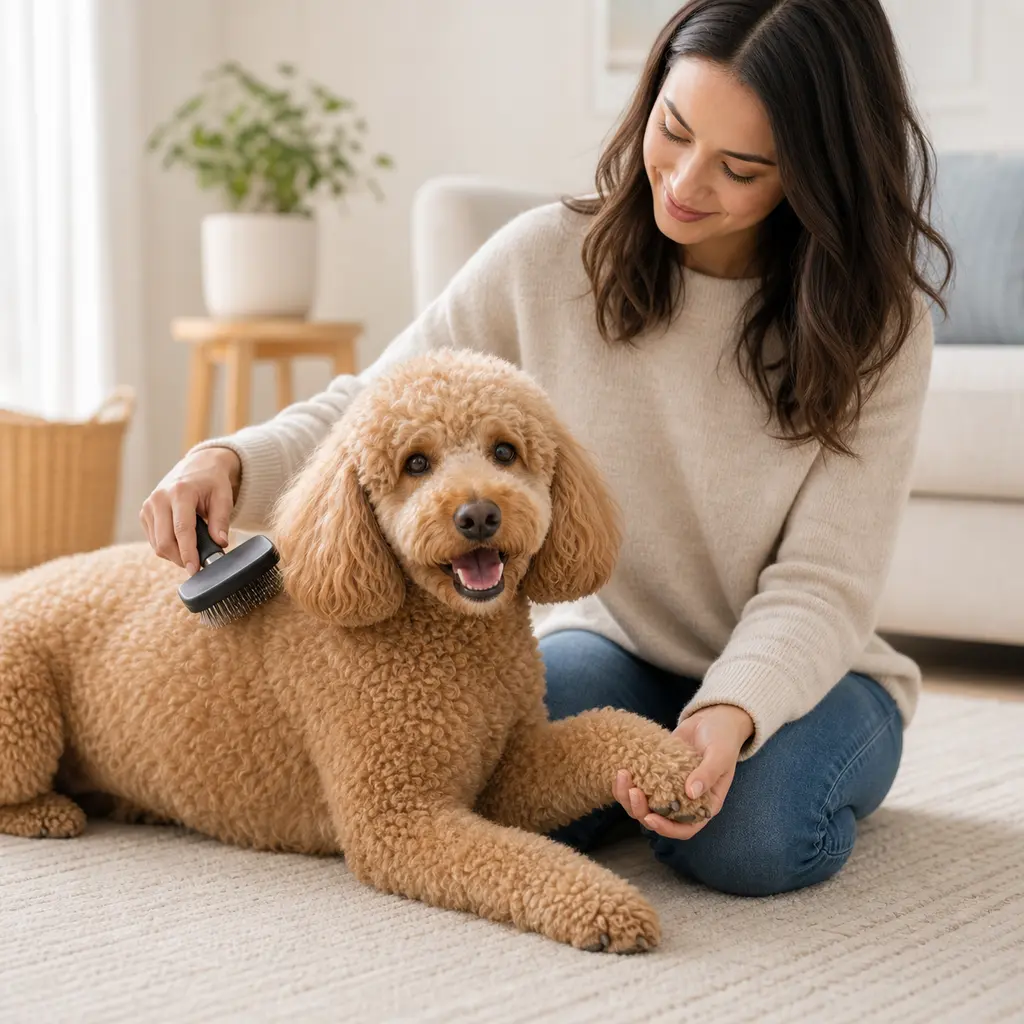
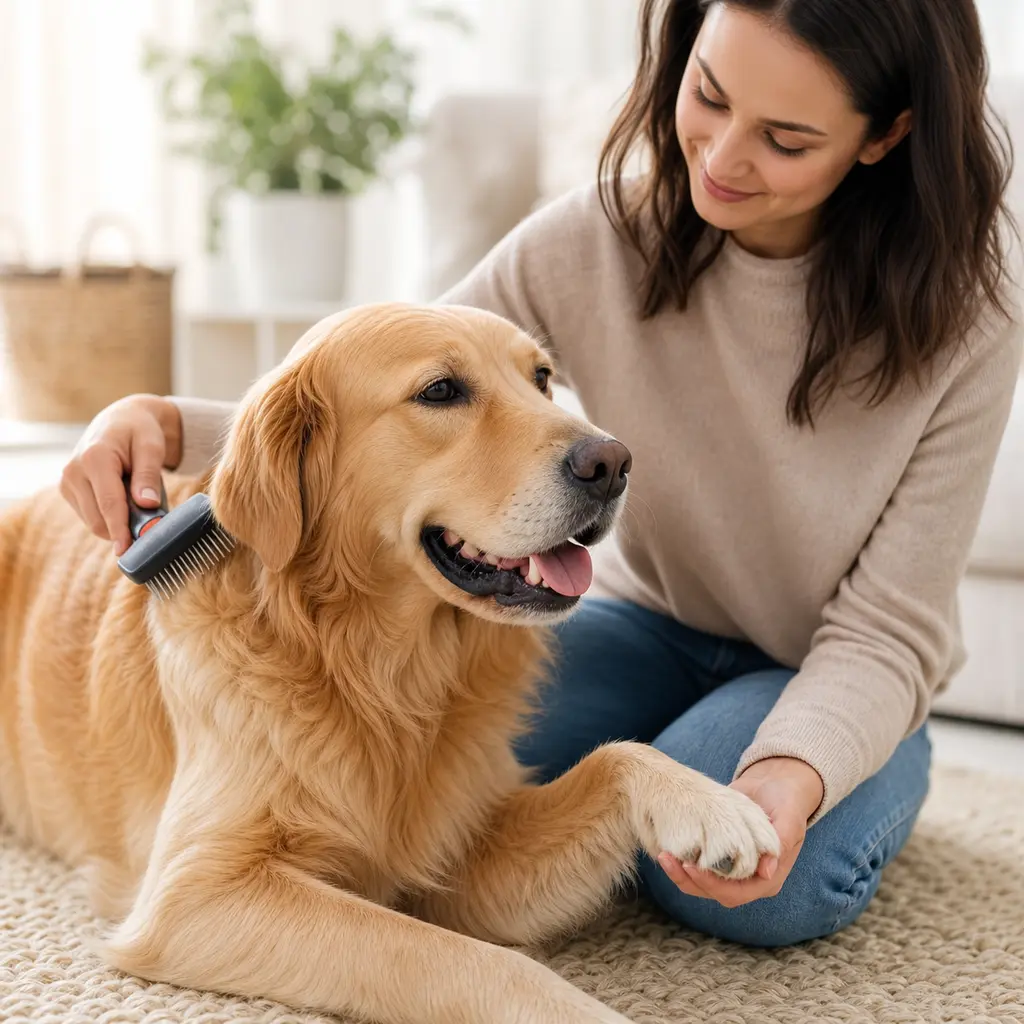
After walks, check pads, nails, between toes, and the top of each paw. Look for cracked pads, burrs, ice balls, foxtails, heat irritation, worn nails, swelling, bleeding, or one foot getting chewed more than the others. Limping, sudden tenderness, or a foreign object that will not come out easily needs a vet.
04
Licking is information
A dog who keeps licking one paw, scratching one ear, or chewing one hot spot is telling you something feels wrong. It may be irritation, pain, allergies, parasites, infection, or an injury. You do not need to diagnose it at home. Your job is to notice the pattern and call your vet when it is painful, recurring, spreading, or intense.
05
Dry carefully after wet outings
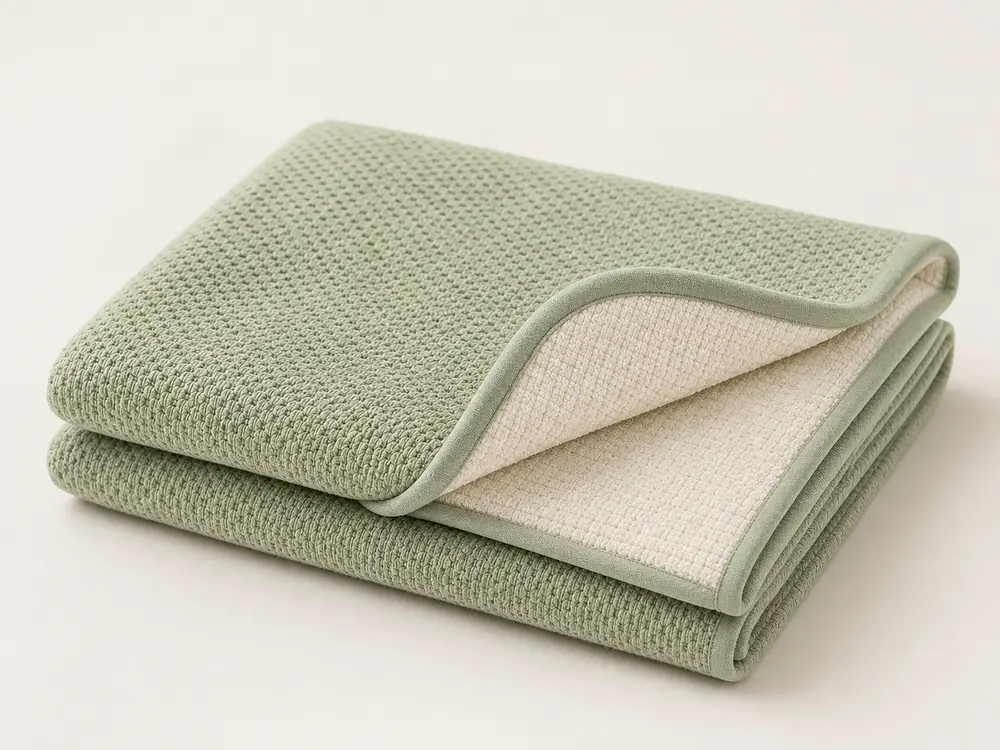
Moisture can sit in thick coats, skin folds, ears, and between toes. After swimming, rain, snow, or a bath, dry the spots that stay damp. Keep the towel routine gentle, especially for dogs who are sensitive about feet or ears. If drying hurts, stop and check what is sore.
06
Do not make sore skin a home experiment
Human creams, repeated cleaning, essential oils, leftover medication, and tight bandages can make some problems worse. Call your vet for bleeding, swelling, open sores, strong odor, ear pain, constant licking, limping, eye involvement, or skin that is not improving.
Quick checks
Ears: odor, redness, swelling, discharge, scratching, head shaking, or pain.
Paws: cracked pads, burrs, swelling, bleeding, limping, nail pain, or constant licking.
Skin: hot spots, flakes, bumps, hair loss, folds, parasites, and harness rubs.
Next steps
Dry paws, ears, and skin folds after wet outings.
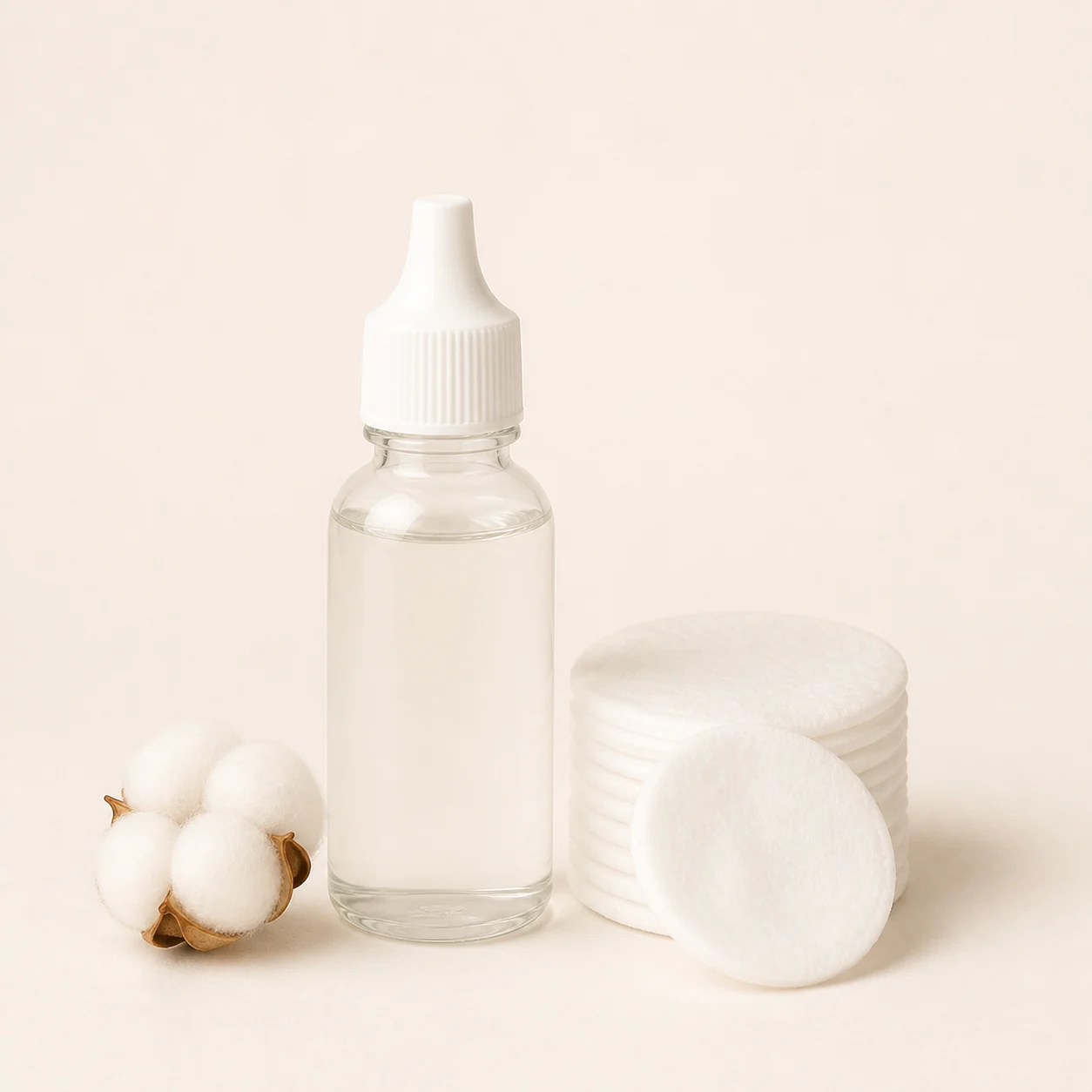
Use only dog-safe products and vet-approved cleaners.
Call your vet for pain, odor, swelling, limping, bleeding, open sores, or recurring irritation.
Useful skin, ear, and paw supplies
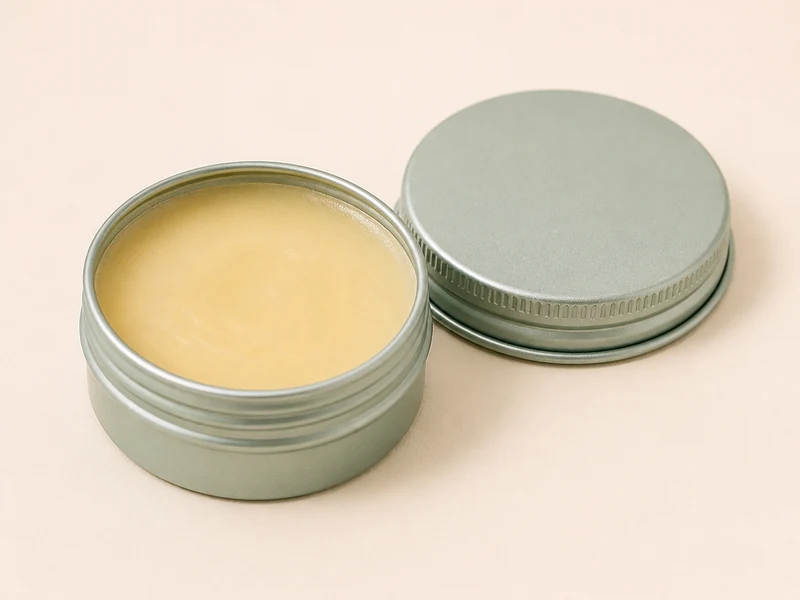
These supplies are for routine care, not a replacement for a vet exam when your dog is painful or infected.
Affiliate links: Furball Cove may earn from qualifying purchases at no extra cost to you.
Call for strong odor, head shaking, swelling, discharge, pain, bleeding, or a dog who suddenly will not let you touch the ear.
Is paw licking always allergies?
No. Paw licking can come from irritation, injury, pain, parasites, infection, allergies, or something stuck between toes. Your vet can help sort it out.
Can I clean a sore ear at home?
Ask your vet first if the ear is painful, swollen, smelly, bleeding, or full of discharge. Repeated cleaning can hurt if the ear needs treatment.