Updated
Puppy greeting manners
Calm Puppy Greetings
Calm greetings start before the jump: reward four paws on the floor while the person is still boring.
Set up one easy greeting at a time, pay the quiet body choices, and use a leash, mat, or gate when visitors are too exciting.
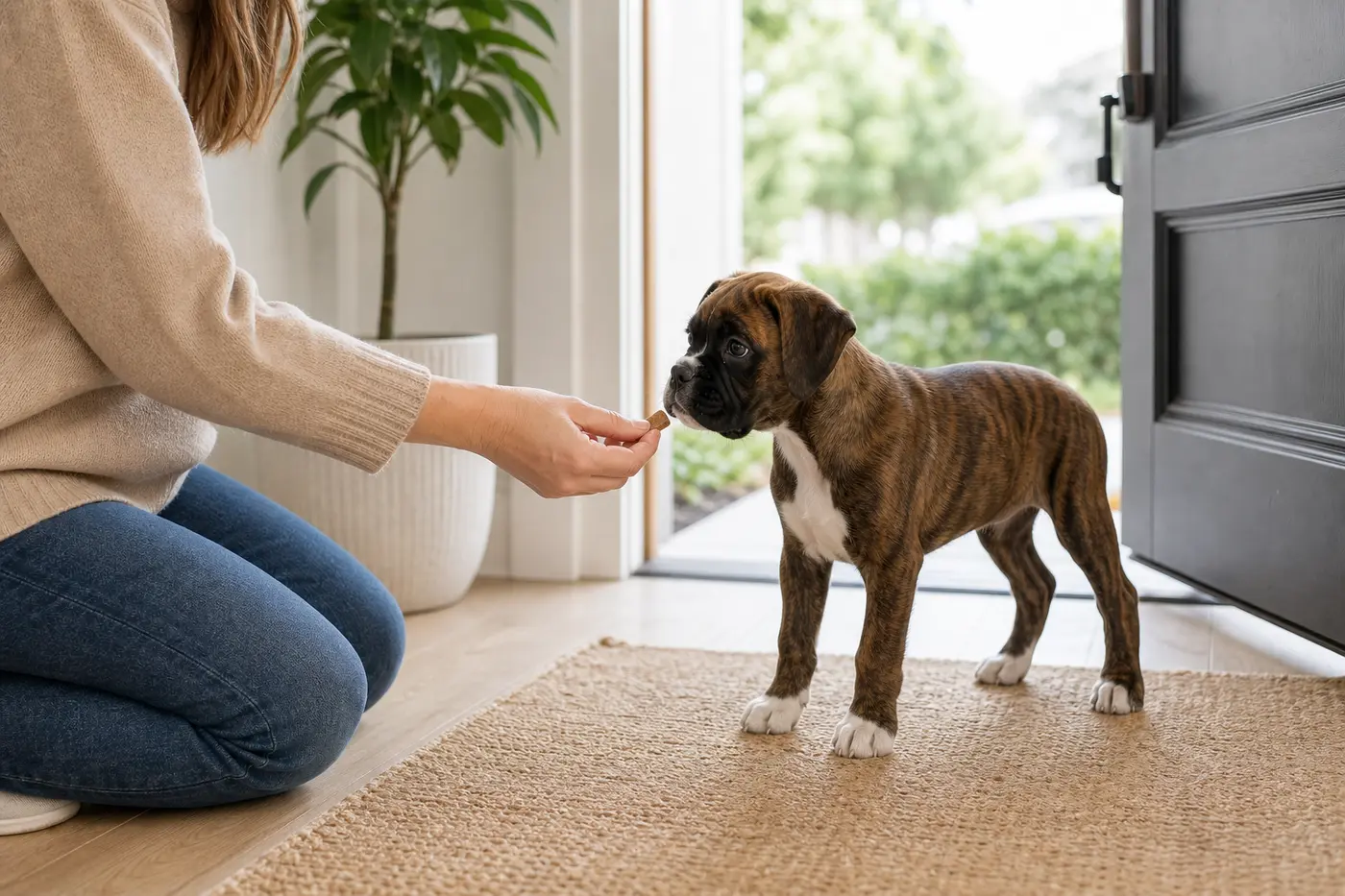
Jumping usually gets stronger because people are exciting. A puppy bounces up, someone laughs, touches, talks, or pushes them away, and the greeting still becomes a big reward.
Four-on-floor practice changes the timing. Your puppy gets paid while their paws are already down, and the person stays calm enough that the lesson feels possible.
Great for
- Puppies who jump, paw, mouth, or wiggle hard when people arrive.
- Families who want visitors and kids to have a clear greeting plan.
- Dogs who can eat and recover when the person stays calm and close.
Wait a bit if
- A puppy who growls, snaps, hides, or panics around people.
- Small children practicing without an adult controlling the setup.
- Busy door greetings where guests cannot follow the plan yet.
Reward four paws down
Choose one calm person
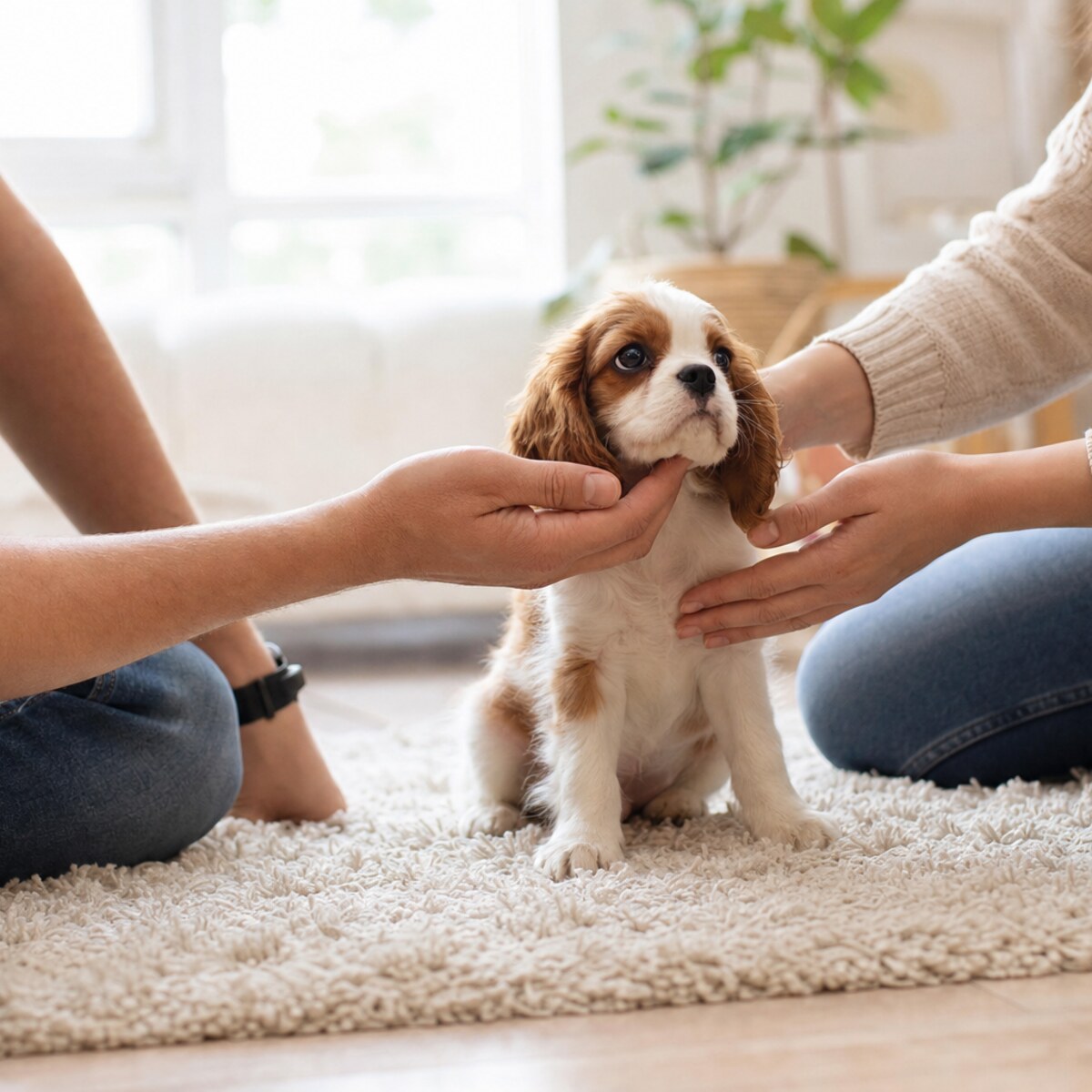
Start with someone who can stand still, turn slightly sideways, and keep their voice low. Excited greetings come later.
Set your puppy up to win
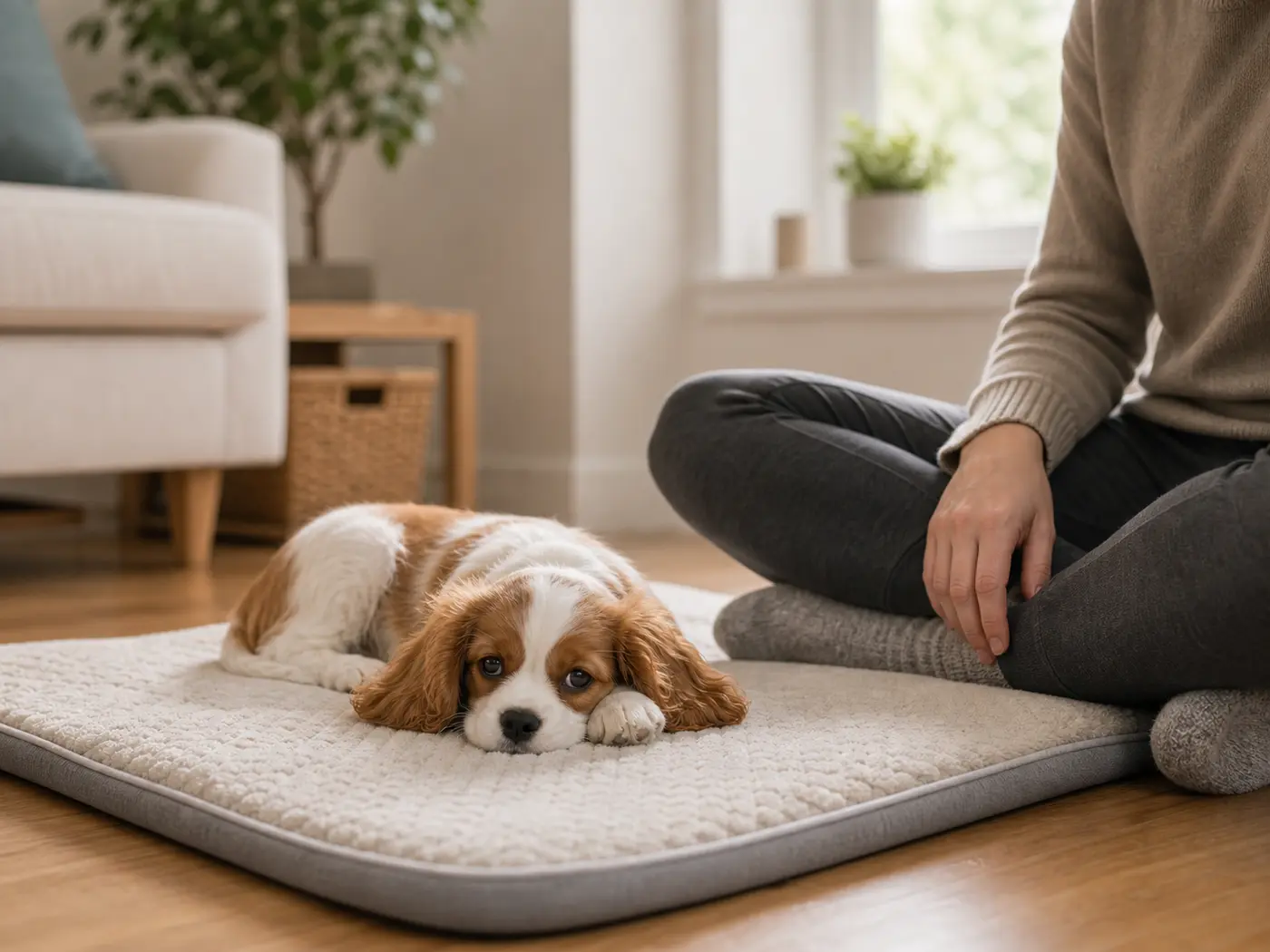
Use a leash, gate, mat, or a little extra distance. The setup should prevent a flying launch before you have a chance to reward.
Feed before the jump
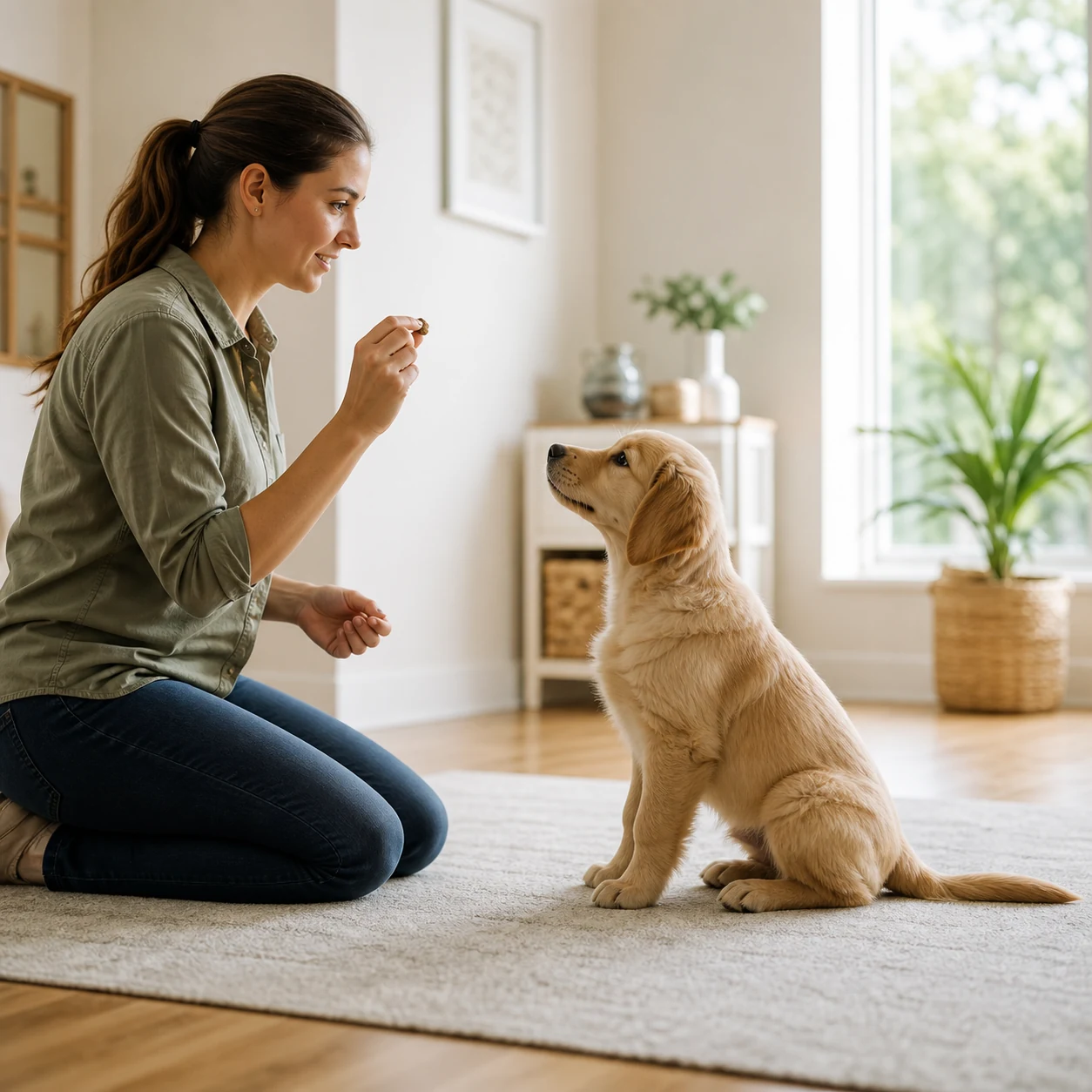
Drop or hand a tiny treat while all four paws are on the floor. Do not wait for the jump and then try to fix it.
Pause attention if paws come up
The person goes quiet and still for a moment. When paws return to the floor, soft attention and a reward come back.
Keep greetings very short
End after a few good seconds, then guide your puppy to a chew, mat, or sniff break. Long greetings are hard for baby dogs.
Add real visitors slowly
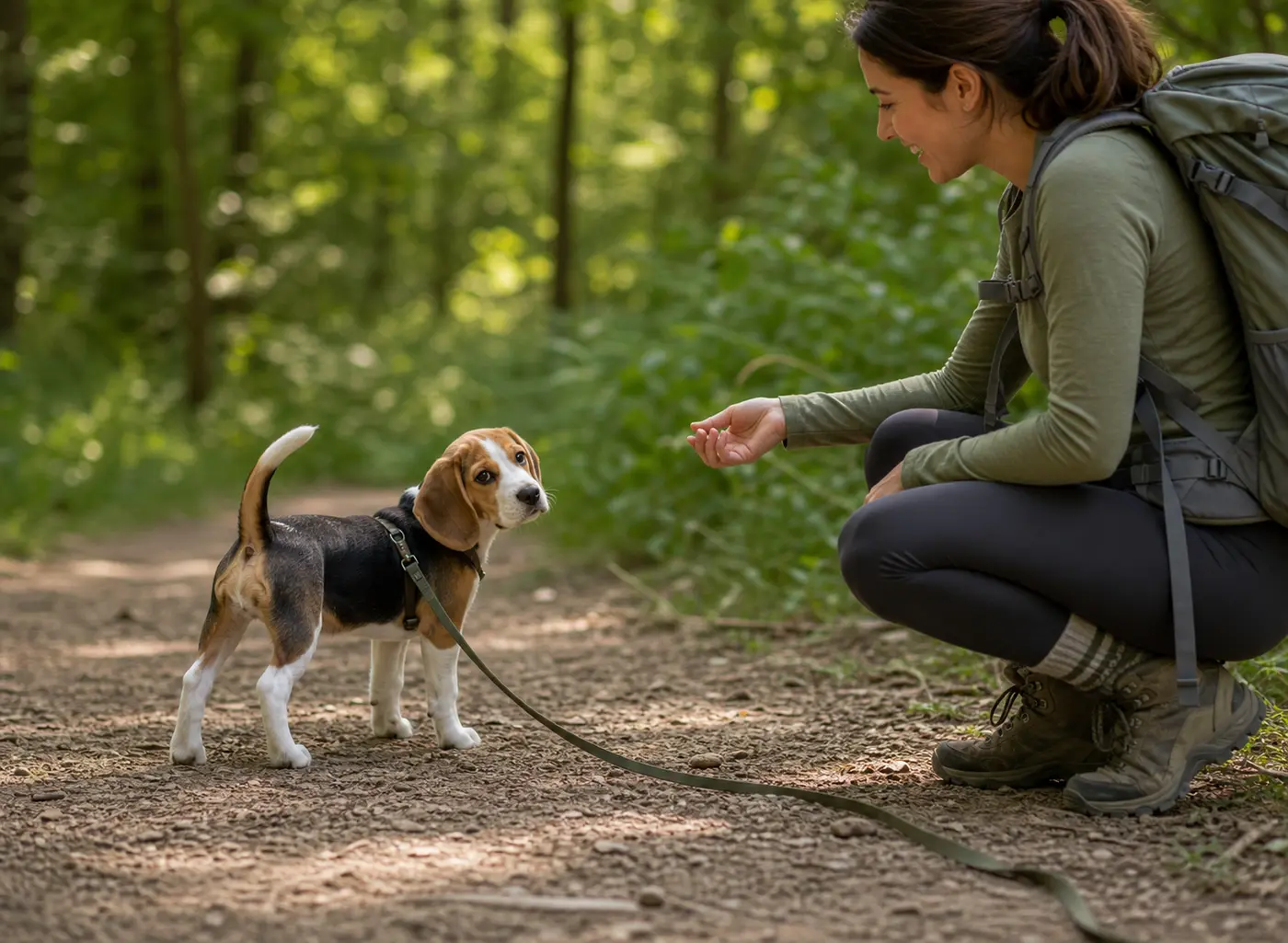
Practice with family first, then calm friends, then doorway arrivals. If the room gets loud, use the gate and reward from a distance.
Little things that help
Reward the first quiet second
The first second of a greeting is often the easiest moment to pay. Have treats ready before the person walks in.
Give guests one job
Ask visitors to keep hands low, voices soft, and attention brief. A clear job is easier than asking everyone to remember a long rule list.
Protect kids and puppies
Use supervision and distance around children. Calm greetings should never depend on a child being able to manage a bouncing puppy alone.
Helpful little extras
Affiliate links: Furball Cove may earn from qualifying purchases at no extra cost to you.
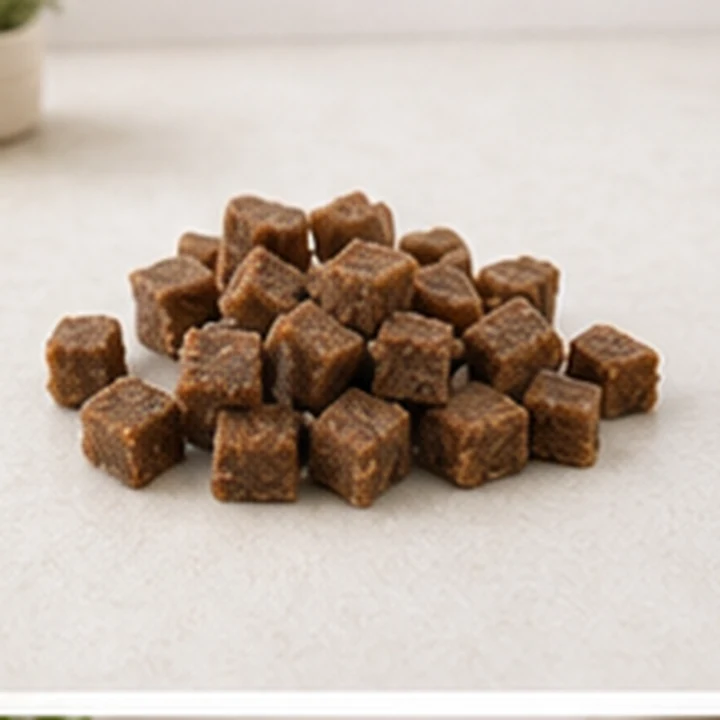
Soft training treats
Tiny soft treats let you pay paws on the floor quickly without turning the greeting into a meal.
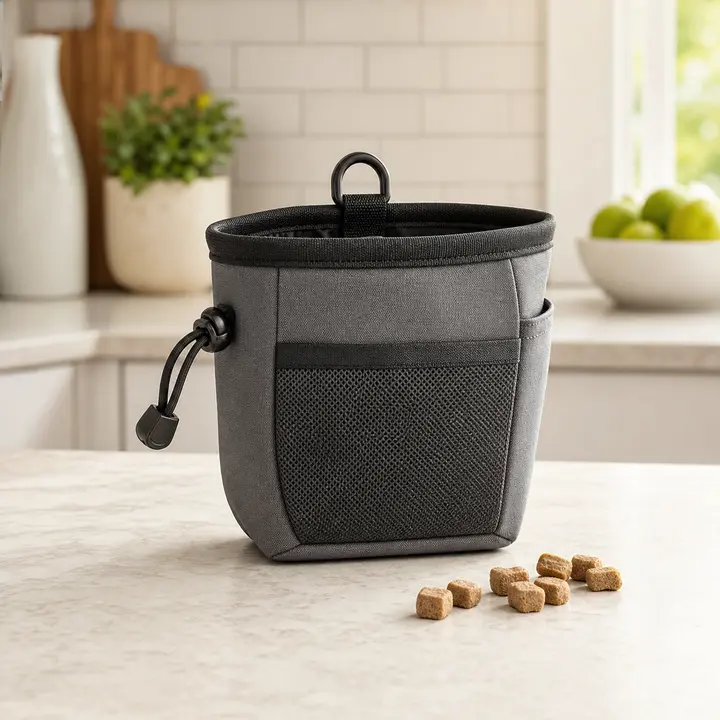
Training treat pouch
A pouch by the door keeps rewards ready for the first calm second instead of sending someone to hunt for treats.
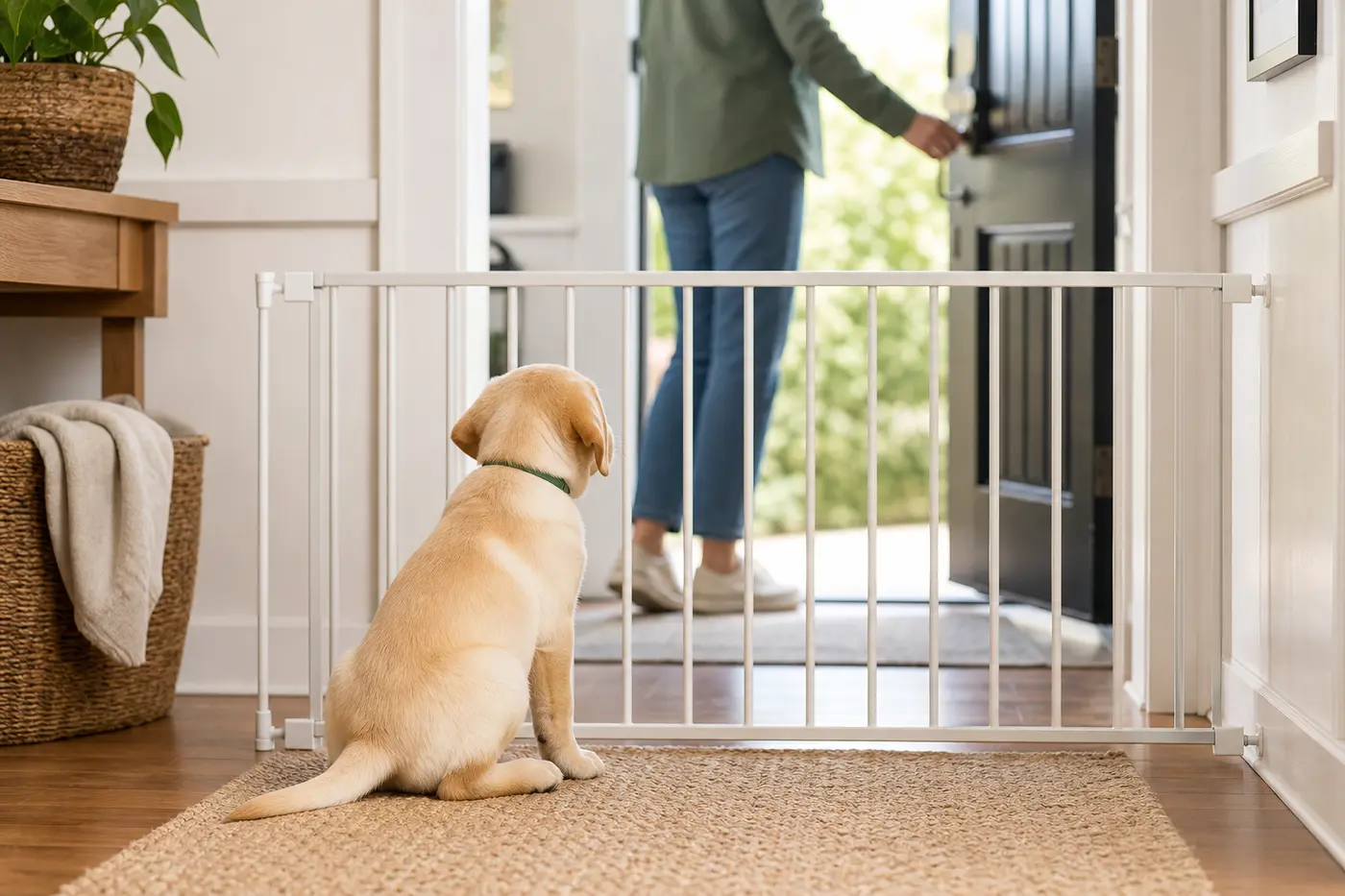
Indoor gate
A gate lets your puppy watch guests and earn rewards without rehearsing jumps, pawing, or grabbing sleeves.
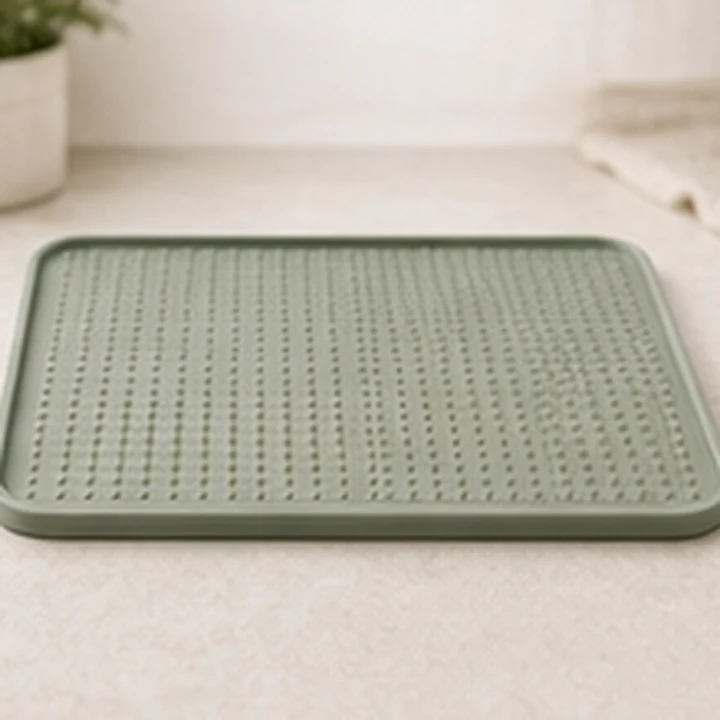
Washable training mat
A simple mat gives your puppy a landing spot near the door when greetings need a little more structure.
Questions people ask
Should I ask my puppy to sit for greetings?
You can, but reward four paws on the floor first. Many puppies cannot hold a sit if the person is already too exciting.
What if visitors encourage jumping?
Use a gate, leash, or puppy zone until visitors can follow the plan. Puppies learn from what happens, not from what we meant to teach.
Will my puppy grow out of jumping?
Some calm down with age, but repeated jumping can become a strong habit. Clear practice now makes adult greetings much easier.