Updated
Puppy training
Meal and Water Rhythm
Meals and water are part of potty training, not separate from it.
A predictable food and water rhythm helps your puppy feel settled, helps you spot potty patterns, and prevents many surprise accidents.
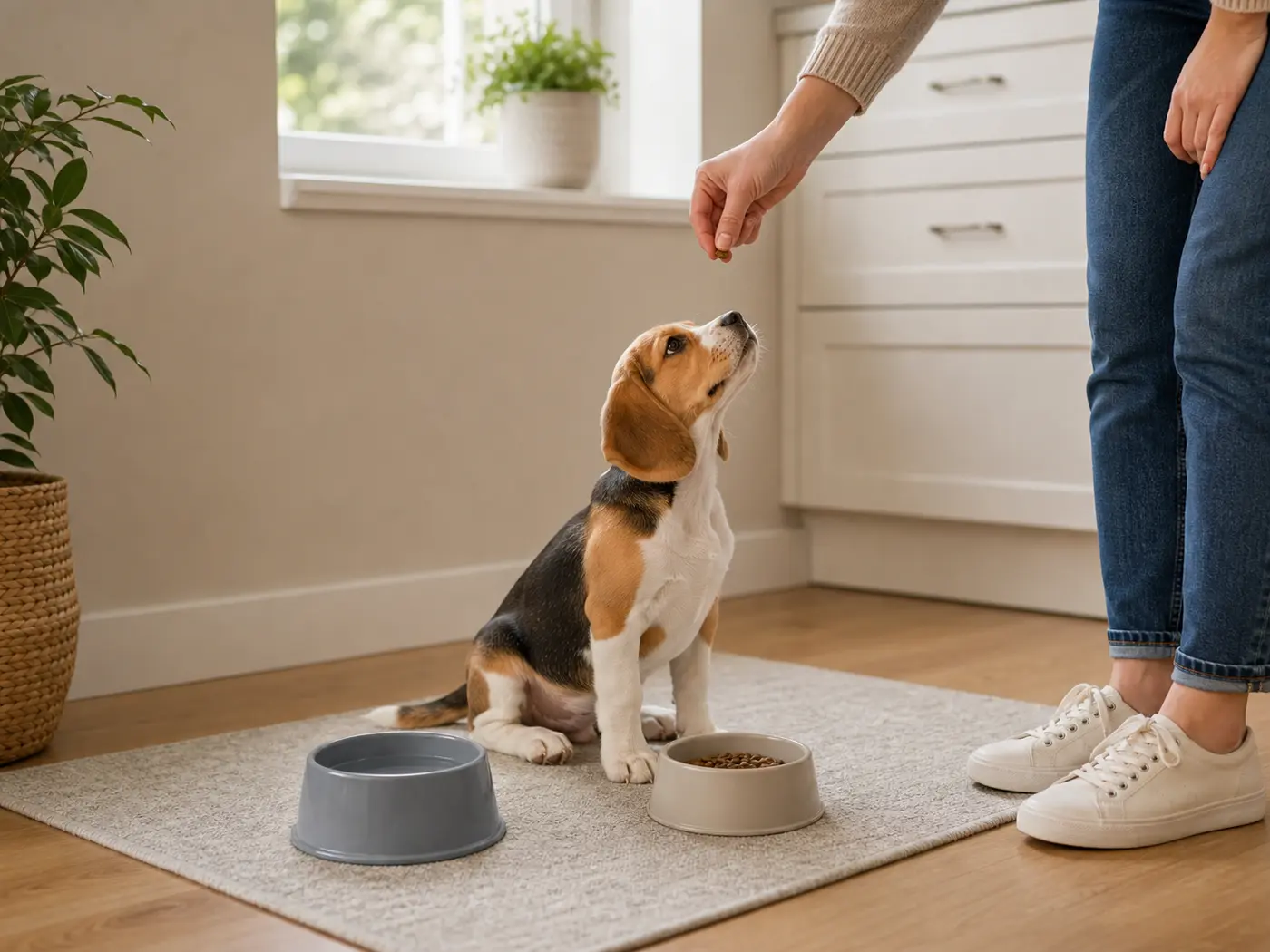
Meals and water shape the rest of the puppy day. A drink, a meal, or a burst of play often tells you the next potty trip is coming.
The goal is not to micromanage every sip. It is to notice the pattern so your puppy gets outside before their body has to make a decision indoors.
Great for
- Puppies working on potty training.
- Homes where accidents happen after meals, play, or big drinks.
- Owners trying to make feeding, water, naps, and outdoor trips feel connected.
Wait a bit if
- Restricting water without vet guidance.
- Changing food suddenly during a stressful first week.
- Ignoring vomiting, diarrhea, poor appetite, or unusual thirst. Call your vet when symptoms worry you.
Set up the first wins
Keep food familiar at first
During the first week, feed the food your puppy already knows unless your vet tells you otherwise. A sudden diet change can make potty timing harder and can upset a puppy who is already adjusting.
Plan potty after every meal
After breakfast, lunch, dinner, or a larger snack, take your puppy out soon. Do not wait for a perfect signal. Young puppies often realize they need to go after they are already moving.
Notice big drinks
Offer water often, especially after play, naps, warm weather, and chewing. When your puppy drinks a lot, plan a potty trip soon instead of hoping they will ask.
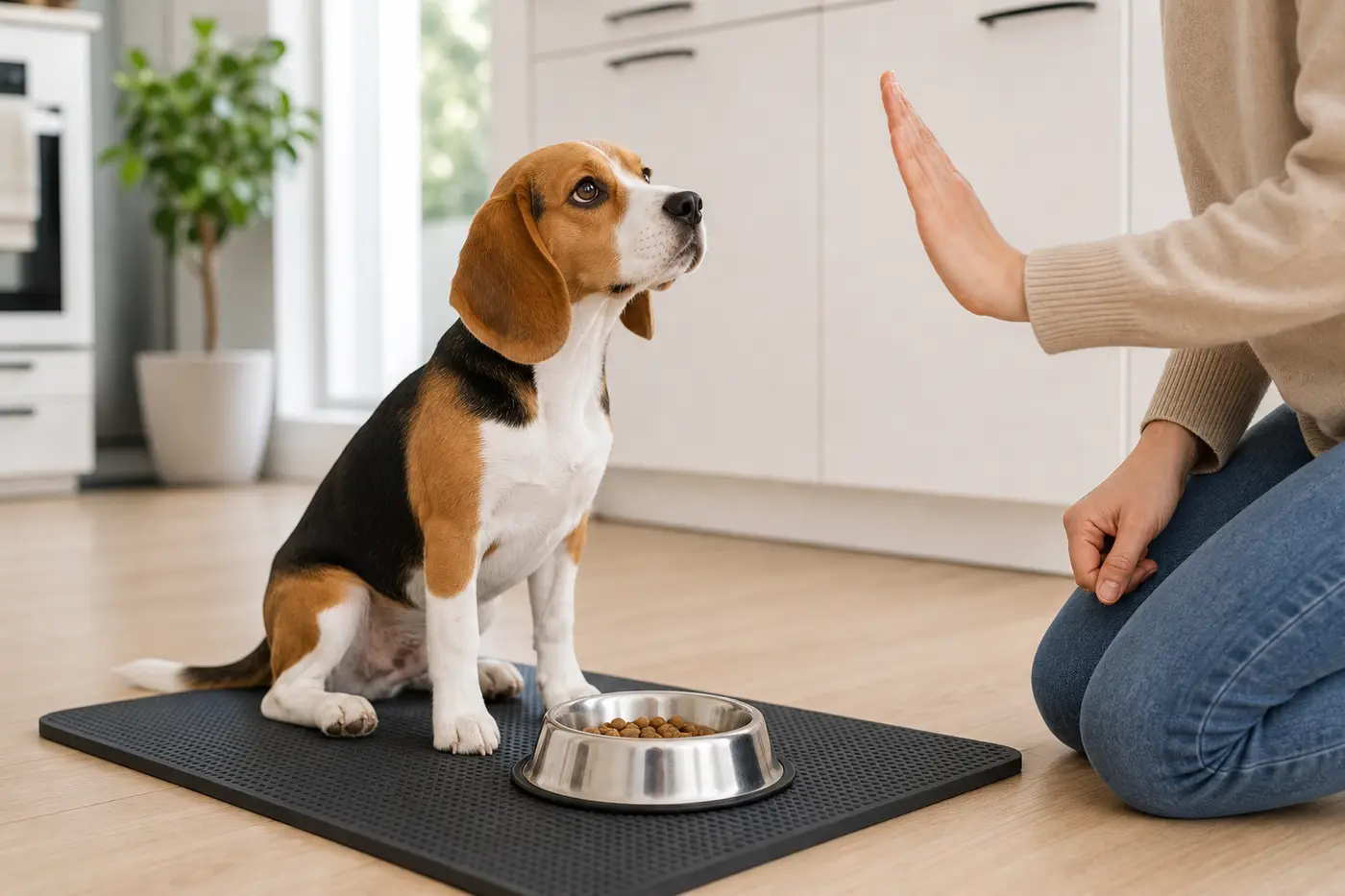
Use calm food manners
Ask for one tiny calm moment before the bowl goes down. You are not asking for perfection; you are teaching your puppy that meals arrive through quiet, predictable routines.
Make the meal area easy to clean
Use the same spot for bowls and keep cleanup simple. A washable mat, measured food, and nearby leash or treats make the next potty trip easier to remember.
Do not over-manage water
Puppies need water. Instead of restricting it heavily, learn the pattern: big drink, short wait, potty trip. Ask your vet if you are worried about unusual thirst or accidents.
Connect meals to naps
Many puppies do best with a simple rhythm: potty, meal, quiet play or tiny training, potty again, then nap. Food, potty, and sleep work together.
Track what actually happens
For a few days, write down meal times, water, potty trips, and accidents. Your puppy's pattern will become much clearer than trying to remember it in the moment.
Little things that help
Watch the after-meal window
Many puppies need to go out soon after eating. Make that trip automatic instead of waiting for sniffing.
Keep water predictable
Notice big drinks and plan a potty trip after them. Do not make water scarce as a shortcut.
Use meals calmly
Meals can support training, but a hungry puppy should not have to pass a long self-control exam before eating.
Helpful little extras
Affiliate links: Furball Cove may earn from qualifying purchases at no extra cost to you.
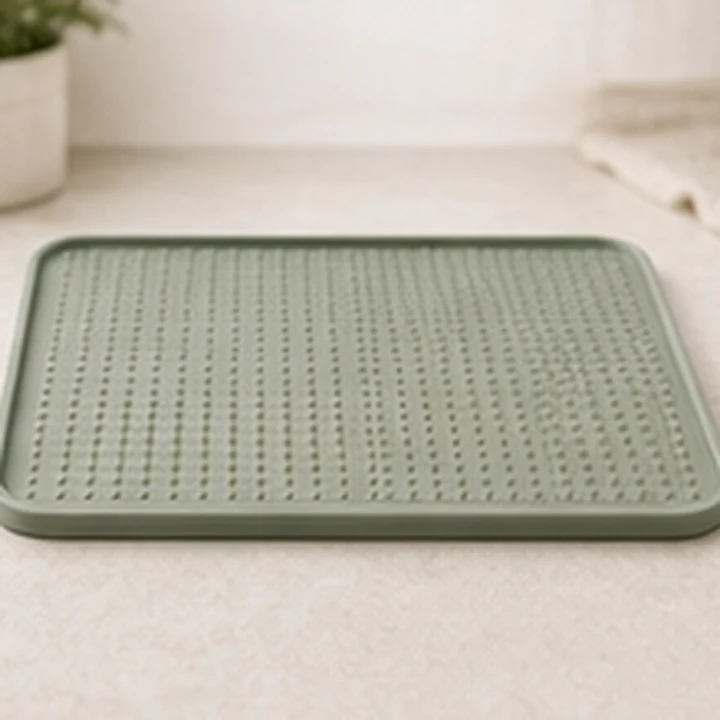
Washable food mat
Keeps bowls in a predictable place and makes first-week cleanup much easier.
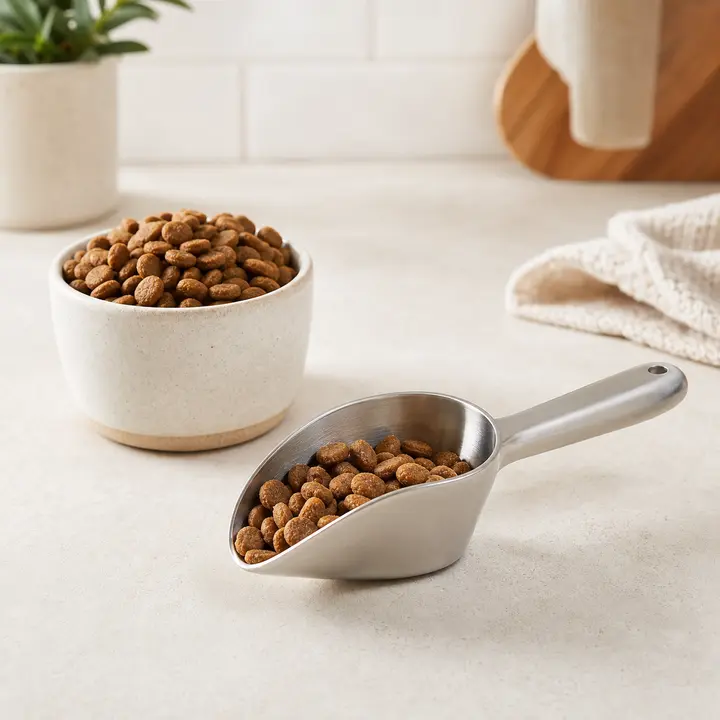
Measuring scoop
Helps keep meals consistent so potty patterns are easier to read.
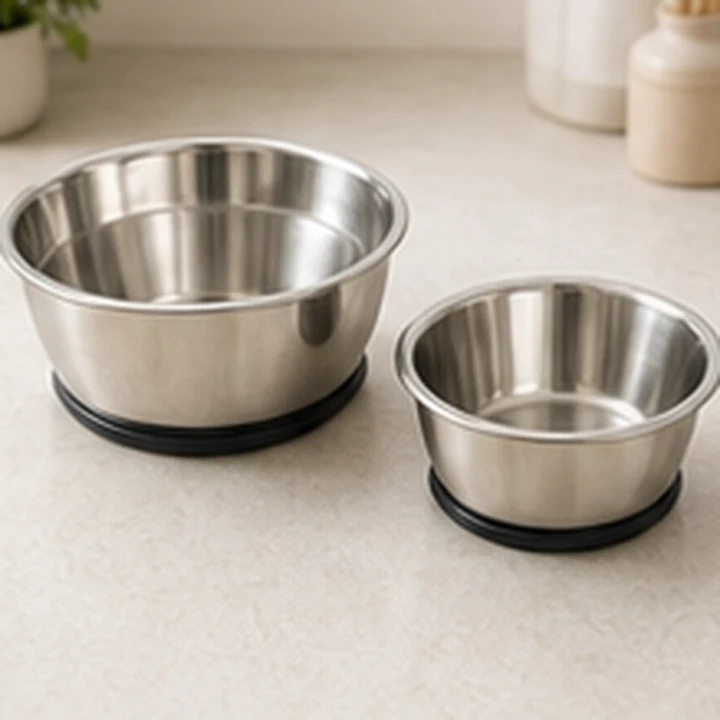
Stainless steel bowls
Simple, sturdy bowls are easy to clean and easy to keep in one predictable feeding spot.
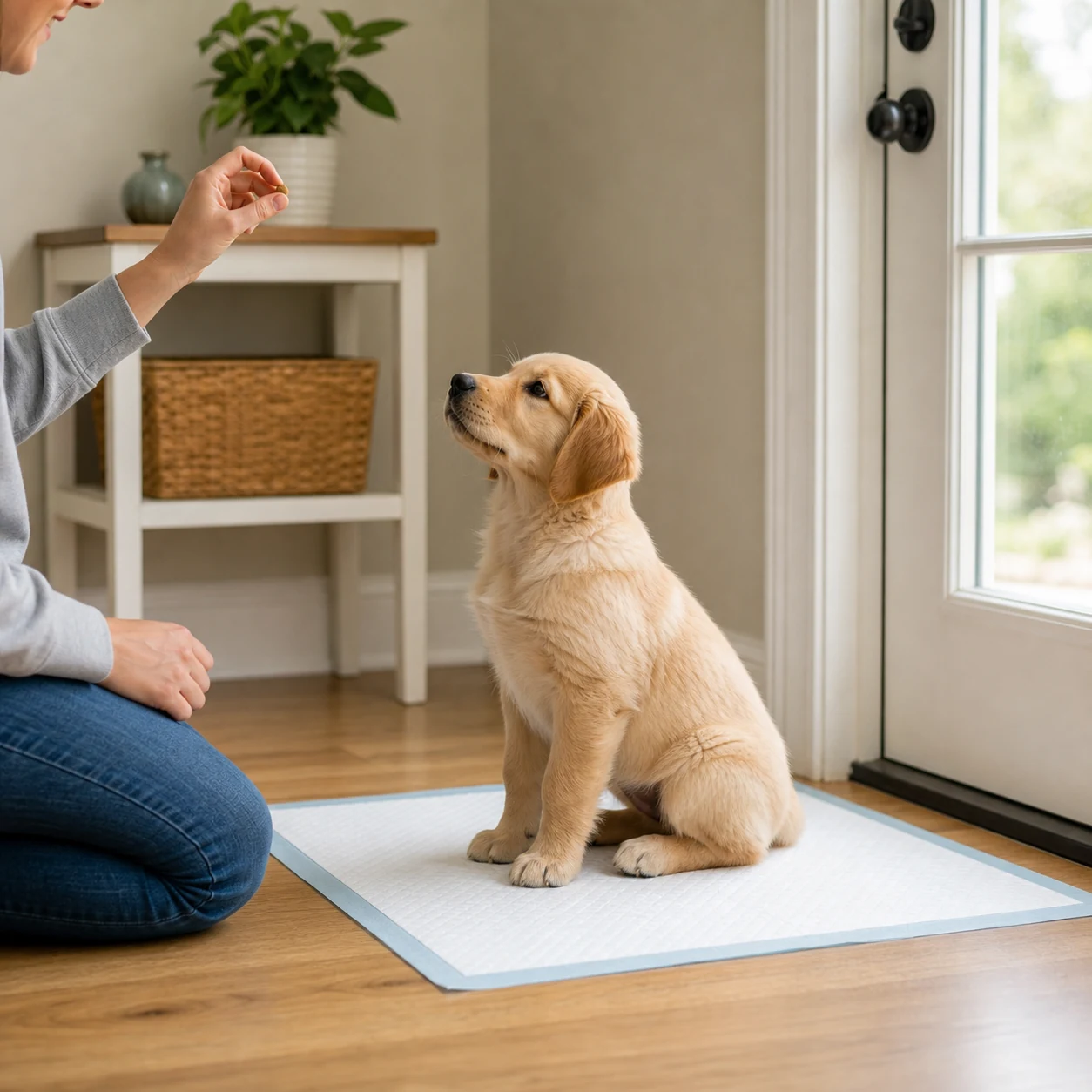
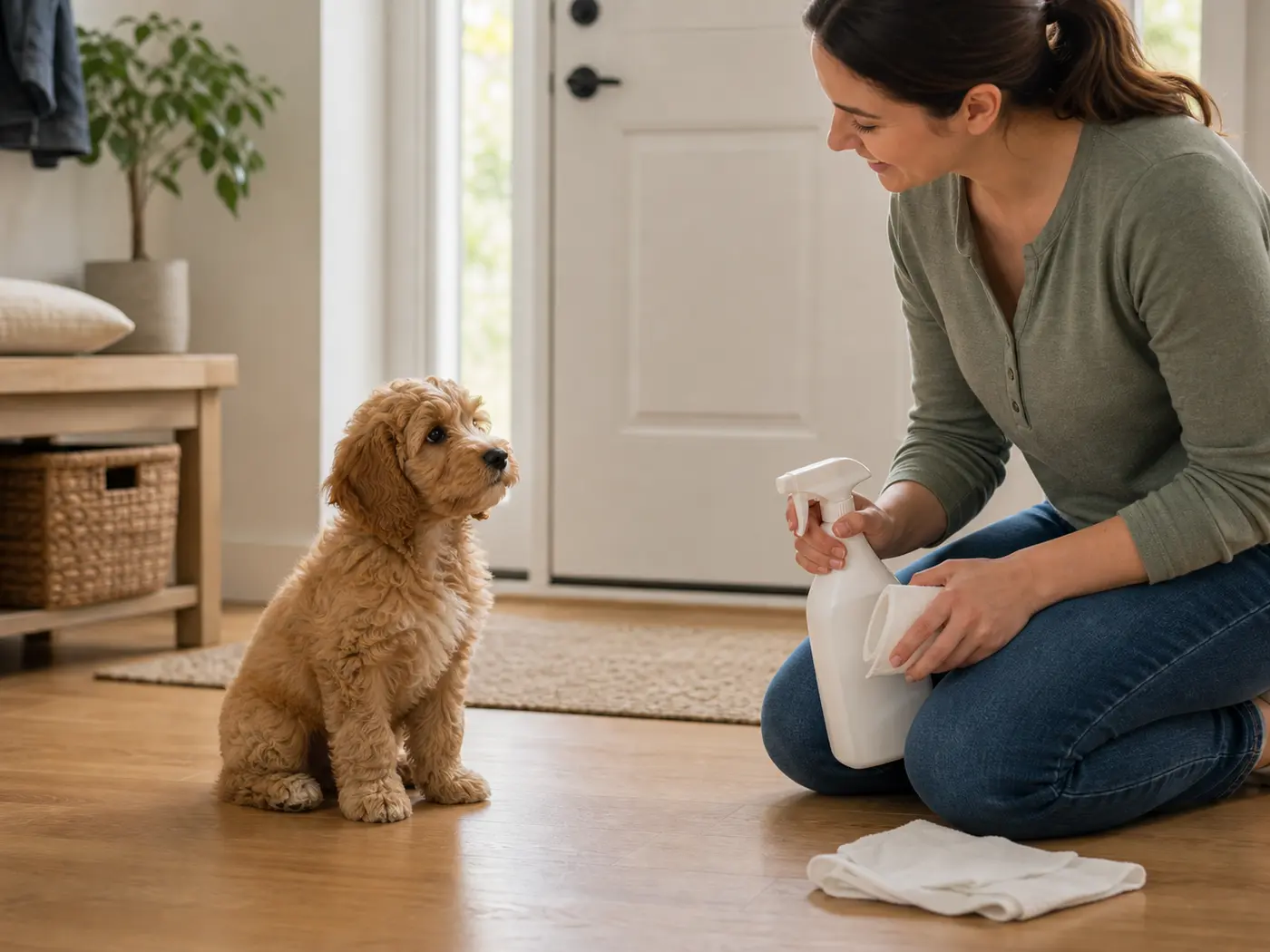
Enzyme cleaner
Useful when meal timing was off and an accident needs real scent cleanup.
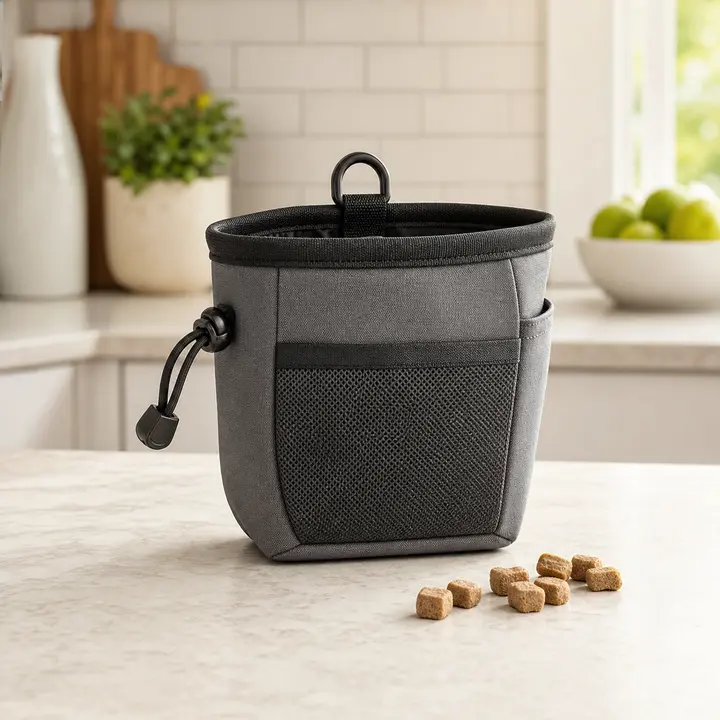
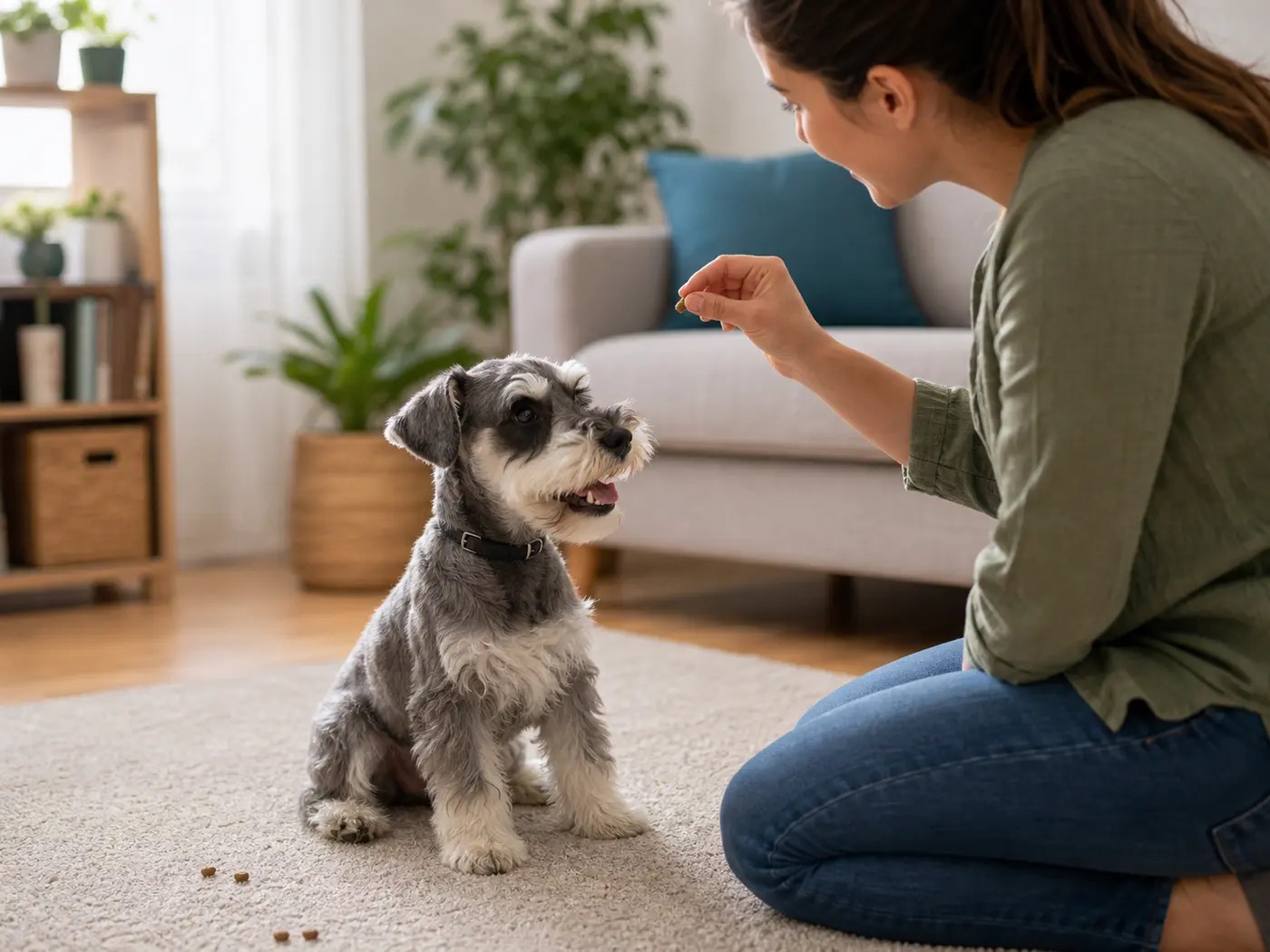
Training treat pouch
Keeps rewards ready for outside potty wins after meals and water.
Questions people ask
How soon after eating should I take my puppy out?
Start with soon after meals, especially for very young puppies. Track your puppy's pattern and adjust earlier or later once you have a few days of data.
Should I take water away to prevent accidents?
Do not heavily restrict water without veterinary guidance. Offer water regularly and plan potty trips after big drinks.
Why does my puppy pee right after drinking?
Young puppies have small bladders and limited warning. A big drink can create a fast potty need, especially after play or waking.
What if my puppy has diarrhea or unusual thirst?
Call your vet. Training schedules help normal puppy patterns, but health changes need medical guidance.