Updated
Puppy training
Puppy Potty Schedule
A good potty schedule makes the day predictable before your puppy has to guess.
Start with more trips than you think you need, reward the right spot warmly, and adjust the timing from what your puppy shows you each day.
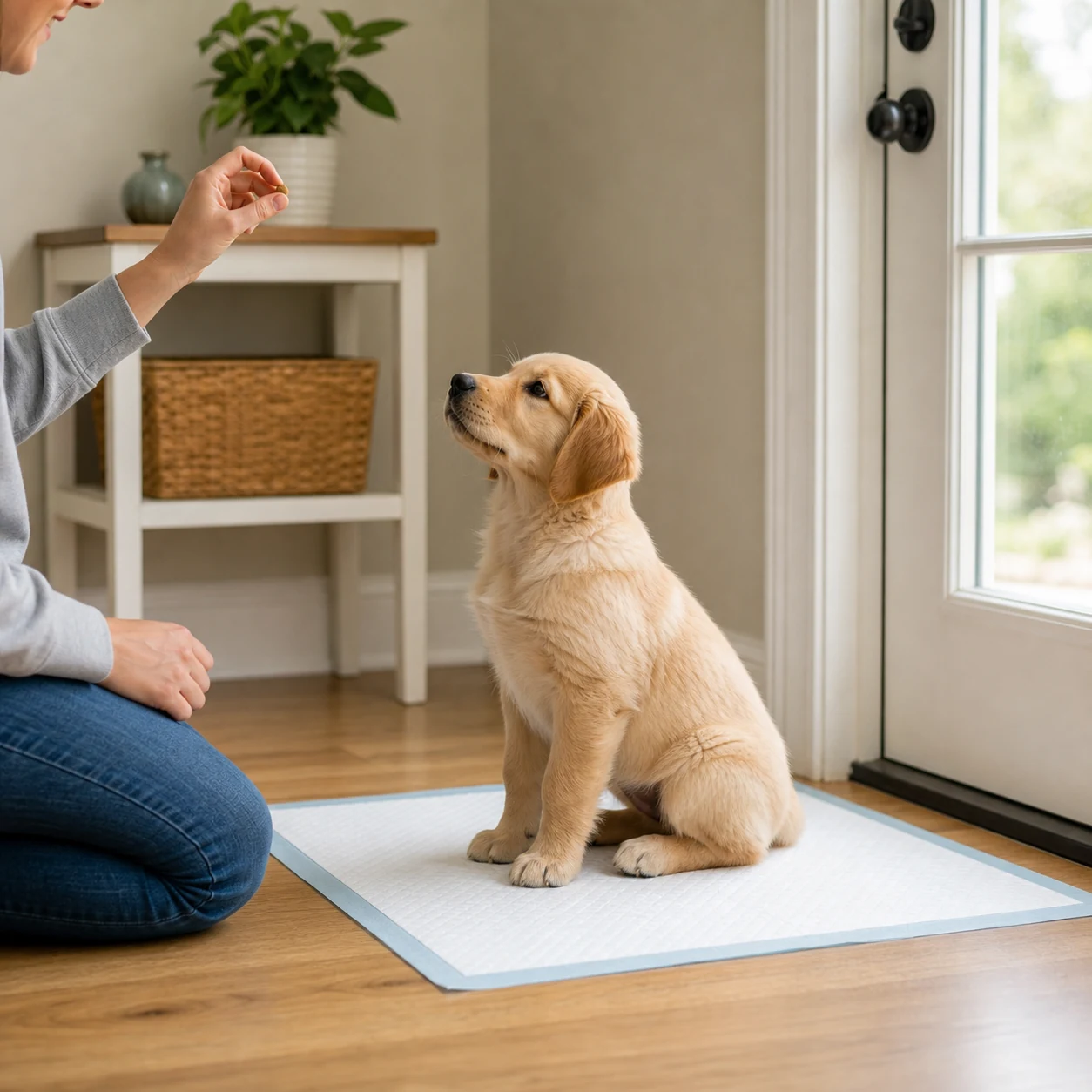
A potty schedule makes the day predictable before your puppy has to guess. Puppies are still learning their body, your doors, and how fast the outside trip happens.
The strongest plan is boring and consistent: same route, same spot, quick reward outside, and less freedom right after a miss.
Great for
- Puppies starting house training.
- Homes with accidents after sleep, meals, play, or roaming.
- Owners who need a practical outside rhythm instead of guessing.
Wait a bit if
- Punishing accidents after the fact.
- Long unsupervised freedom before clean habits are steady.
- Repeated accidents, straining, blood, diarrhea, or sudden changes without a vet call.
Start with these steps
Start with the sure trips
Take your puppy out after waking, eating, drinking, playing, training, chewing, and any sudden sniffing or circling. These are the moments when accidents are easiest to prevent.
Choose a starting interval
Most young puppies need a daytime trip every 30 to 60 minutes while awake. Tiny breeds, excited puppies, and brand-new arrivals usually need the shorter end at first.
Use one route and one spot
Go through the same door to the same outdoor area whenever you can. Familiar smells and a predictable path help your puppy understand what this trip is for.
Reward the finish, not the trip
Stand quietly, let your puppy sniff, and reward right after they finish outside. Save play and exploring for after the potty win so the reward is clear.
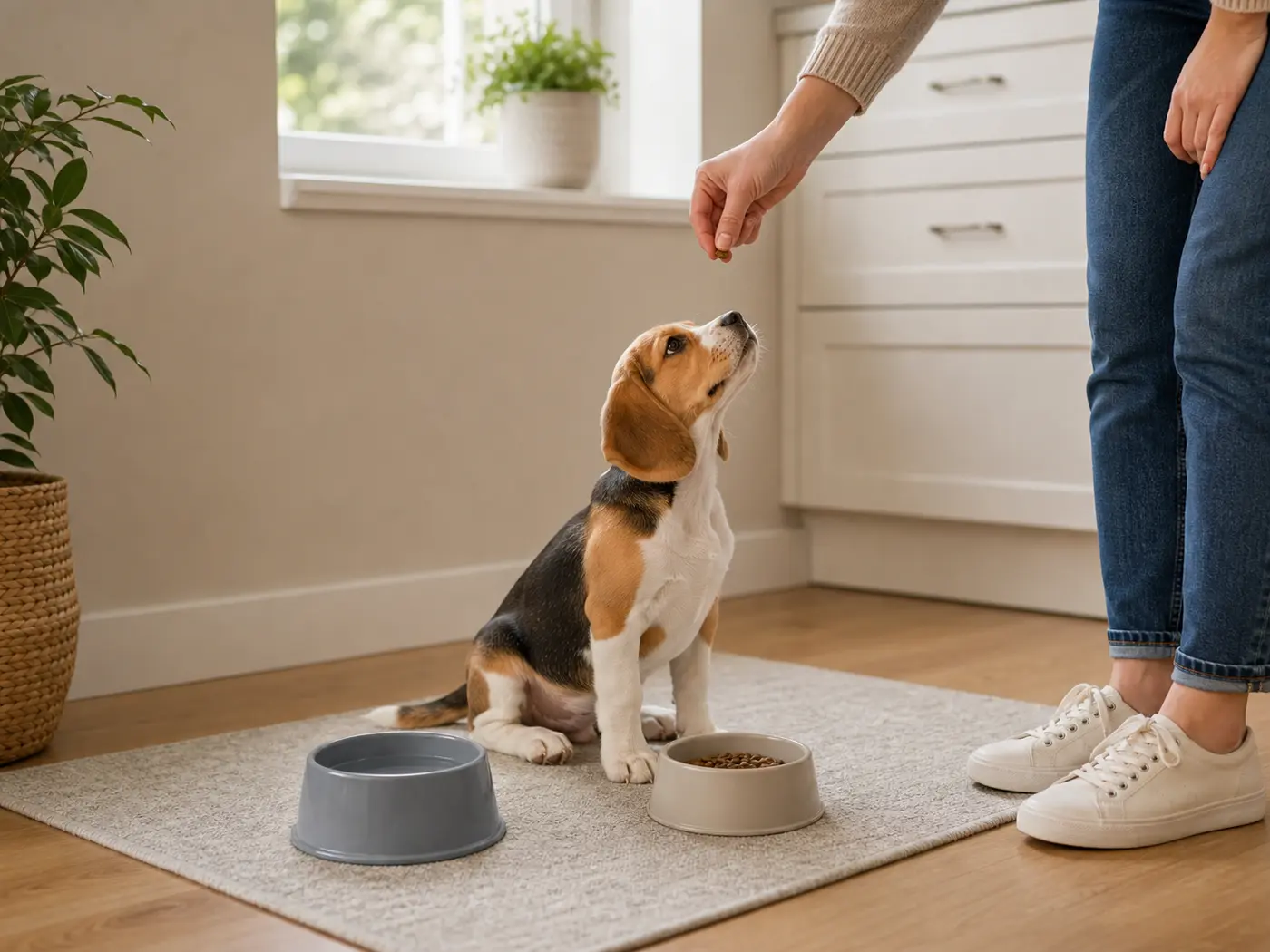
Plan meals, water, and potty together
Feed on a predictable rhythm and offer water often. After meals or a big drink, plan a potty trip soon instead of waiting for your puppy to ask.
Protect the high-risk windows
The busiest accident windows are after naps, after play, and right after coming out of the crate or pen. Carry very young puppies if the route to the door is still too exciting.
Keep nights boring and kind
Overnight potty trips should be calm: out, potty, soft praise, back to sleep. If your puppy wakes and needs help, respond quietly so the night still feels safe.
Treat accidents as information
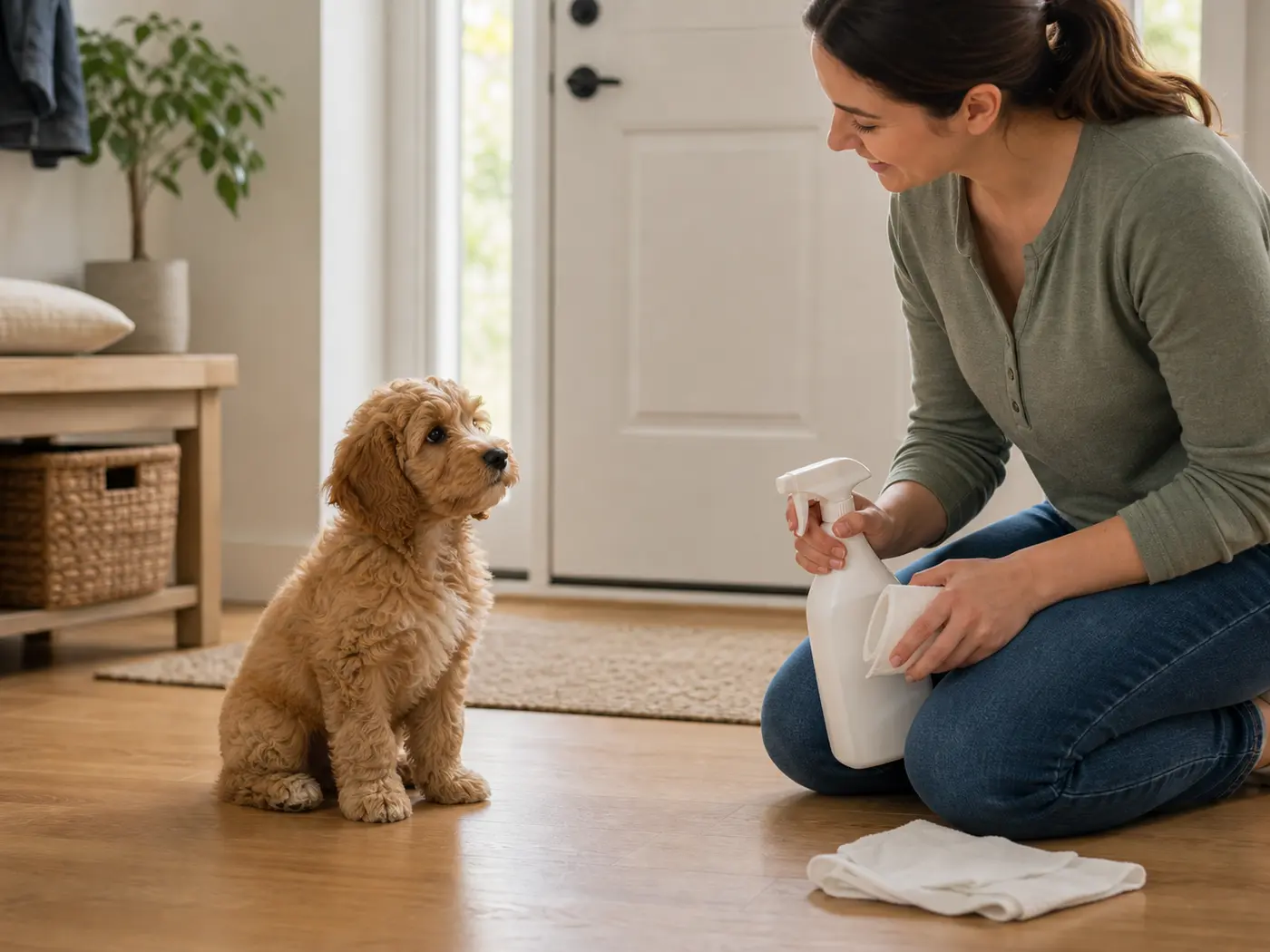
An accident usually means the interval was too long, the space was too big, or the signal was missed. Clean with enzyme cleaner and make the next version easier.
Expand freedom slowly
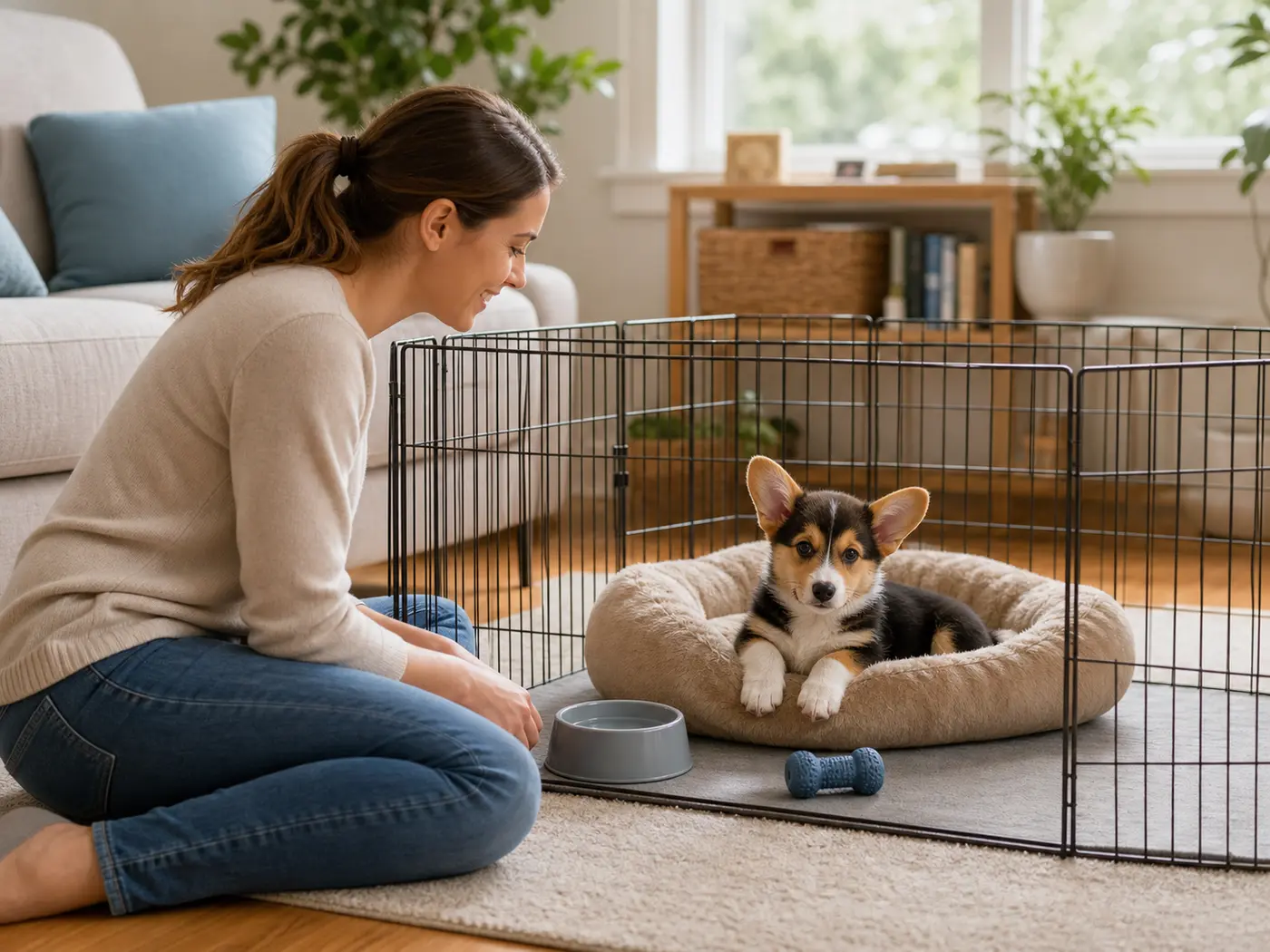
After several clean days, add a little more space or a little more time between trips. If accidents return, shrink the setup kindly and rebuild the rhythm.
Little things that help
Use the sure trips
Go out after waking, eating, drinking, playing, training, and sudden sniffing. Those moments are your schedule anchors.
Reward outside fast
Praise and reward while the success is still fresh, not after you are already back inside.
Shrink freedom kindly
After an accident, make the next hour easier with closer supervision, a gate, crate, leash, or sooner trip.
Helpful little extras
Affiliate links: Furball Cove may earn from qualifying purchases at no extra cost to you.
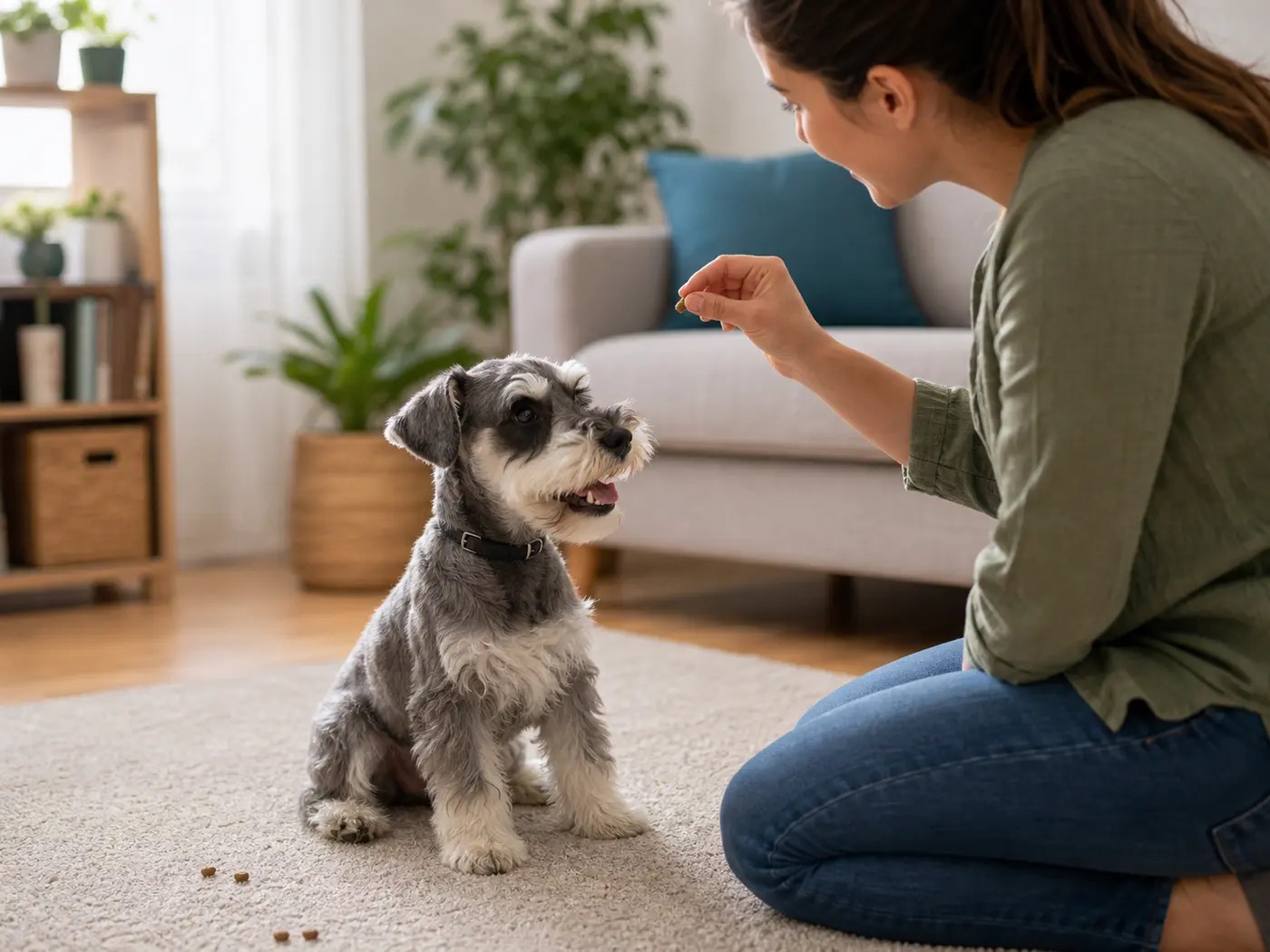
Enzyme cleaner
Removes accident scent so your puppy is less likely to return to the same indoor spot.
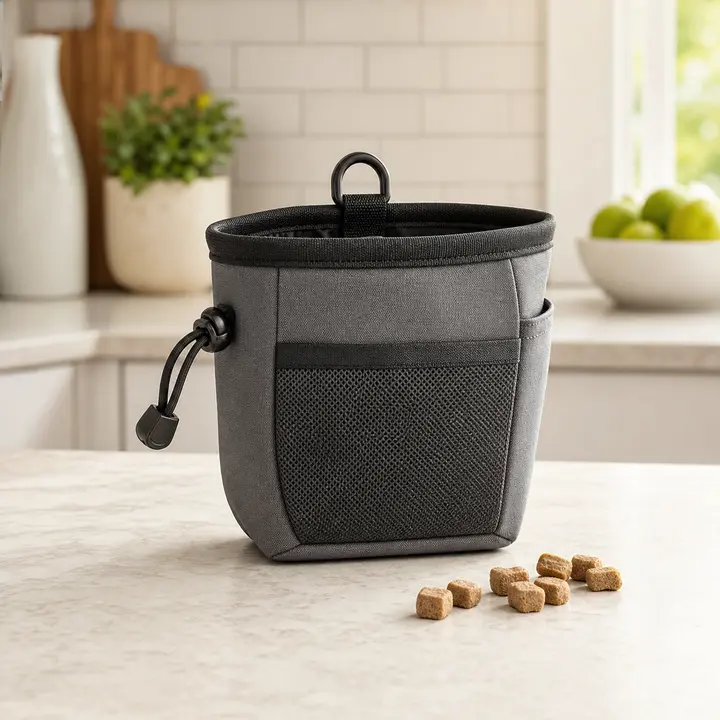
Training treat pouch
Keeps rewards ready at the door so outdoor success is paid at the right moment.
Soft training treats
Tiny soft treats make it easy to reward quickly without turning the potty trip into a long snack break.
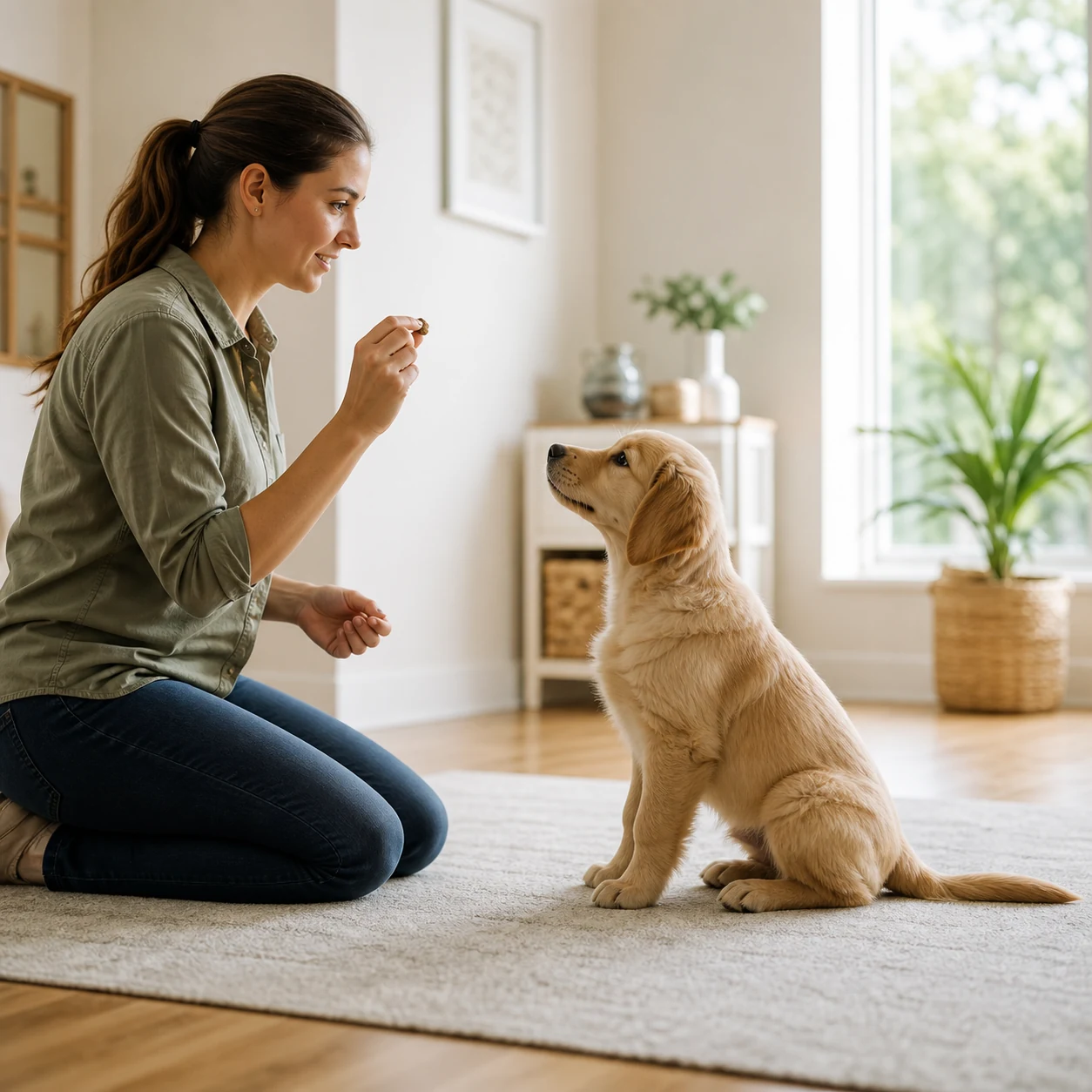
Pet gate
Keeps your puppy close enough to supervise while preventing full-house wandering between trips.
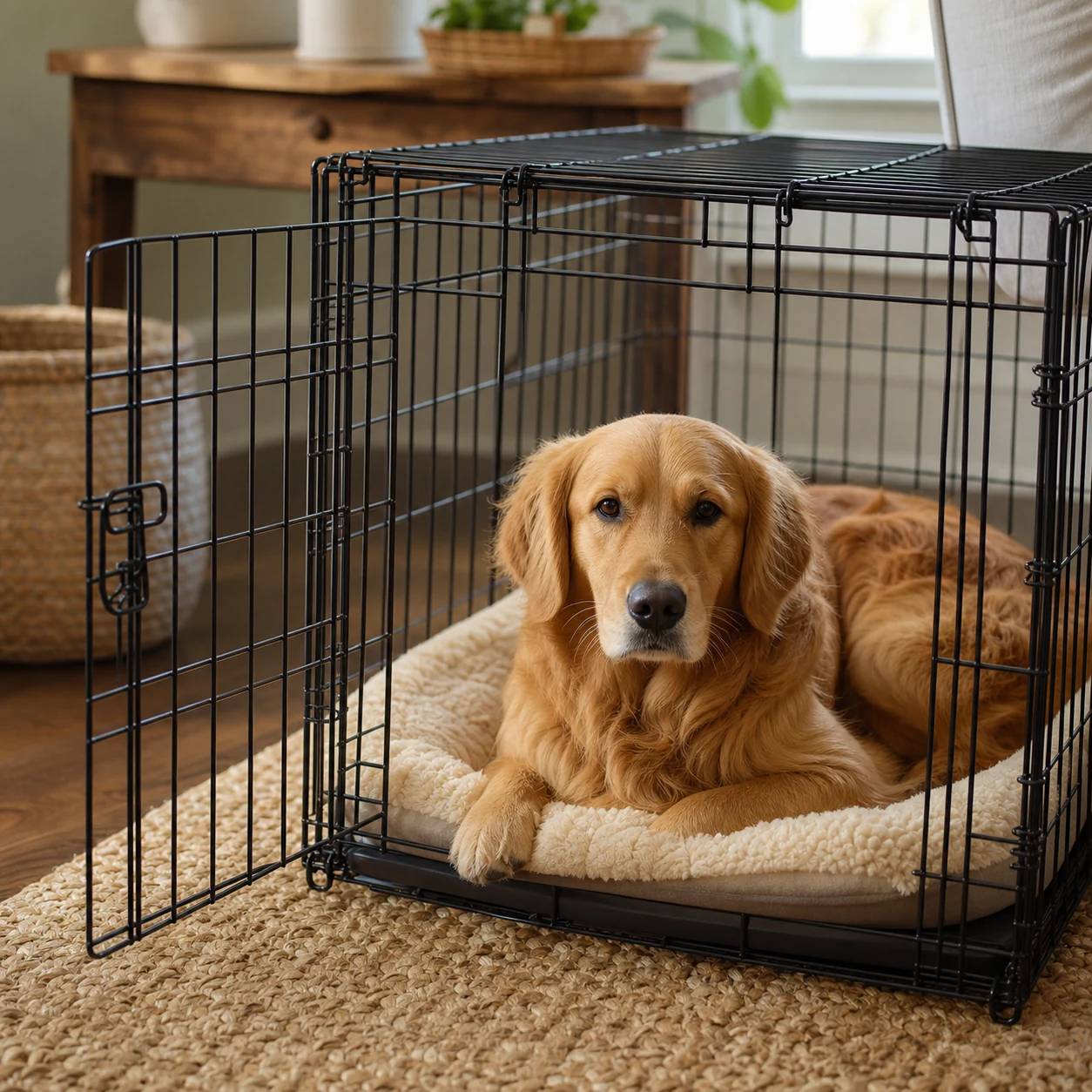
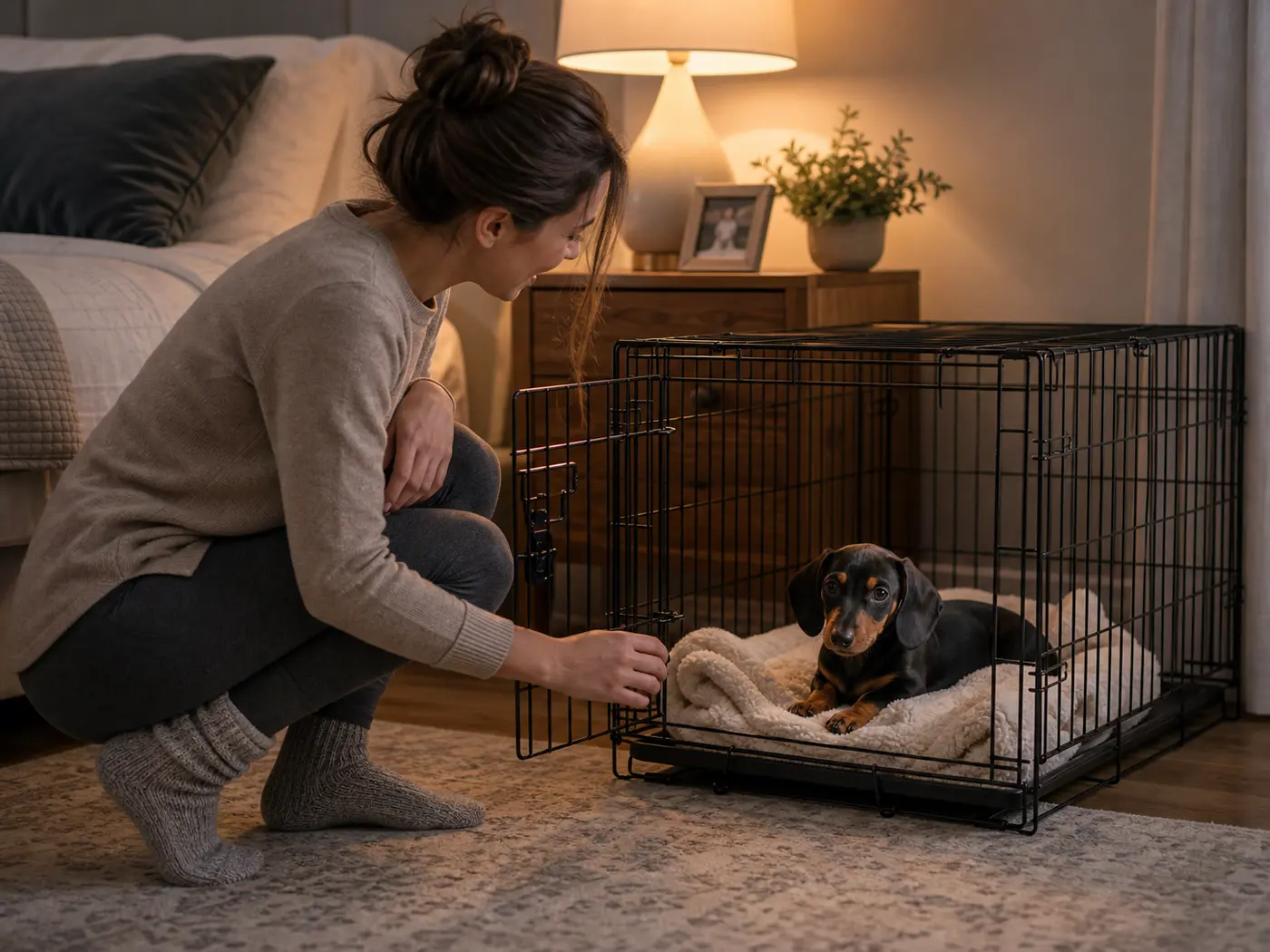
Dog crate
Creates a safe resting place for naps, overnight rhythm, and short breaks when introduced gently.
Washable food mat
Keeps water and meals in one easy-to-clean area so post-drink potty timing is easier to notice.
Questions people ask
How often should I take my puppy out during the day?
Start with every 30 to 60 minutes while awake, plus every wake-up, meal, drink, play session, and crate exit. If accidents happen, shorten the interval for a few days.
Should I wake my puppy up to potty?
During the day, take your puppy out when they wake naturally. Overnight, respond if they wake and seem unsettled, but keep the trip quiet so sleep can resume.
What should I do after an indoor accident?
Clean with enzyme cleaner, skip the scolding, and look for the missed pattern. The next schedule should be easier: smaller space, shorter interval, or quicker trip after play, food, or waking.
When can I give my puppy more freedom?
Add freedom after several clean days in a row. Start with one room and a short supervised window. If accidents return, reduce the space without making it a big event.