Updated
Puppy training
First Week Puppy Schedule
The first week works best when your puppy knows what happens next.
You do not need a perfect schedule. You need a kind rhythm you can repeat: potty, food, play, tiny training, potty again, and sleep.
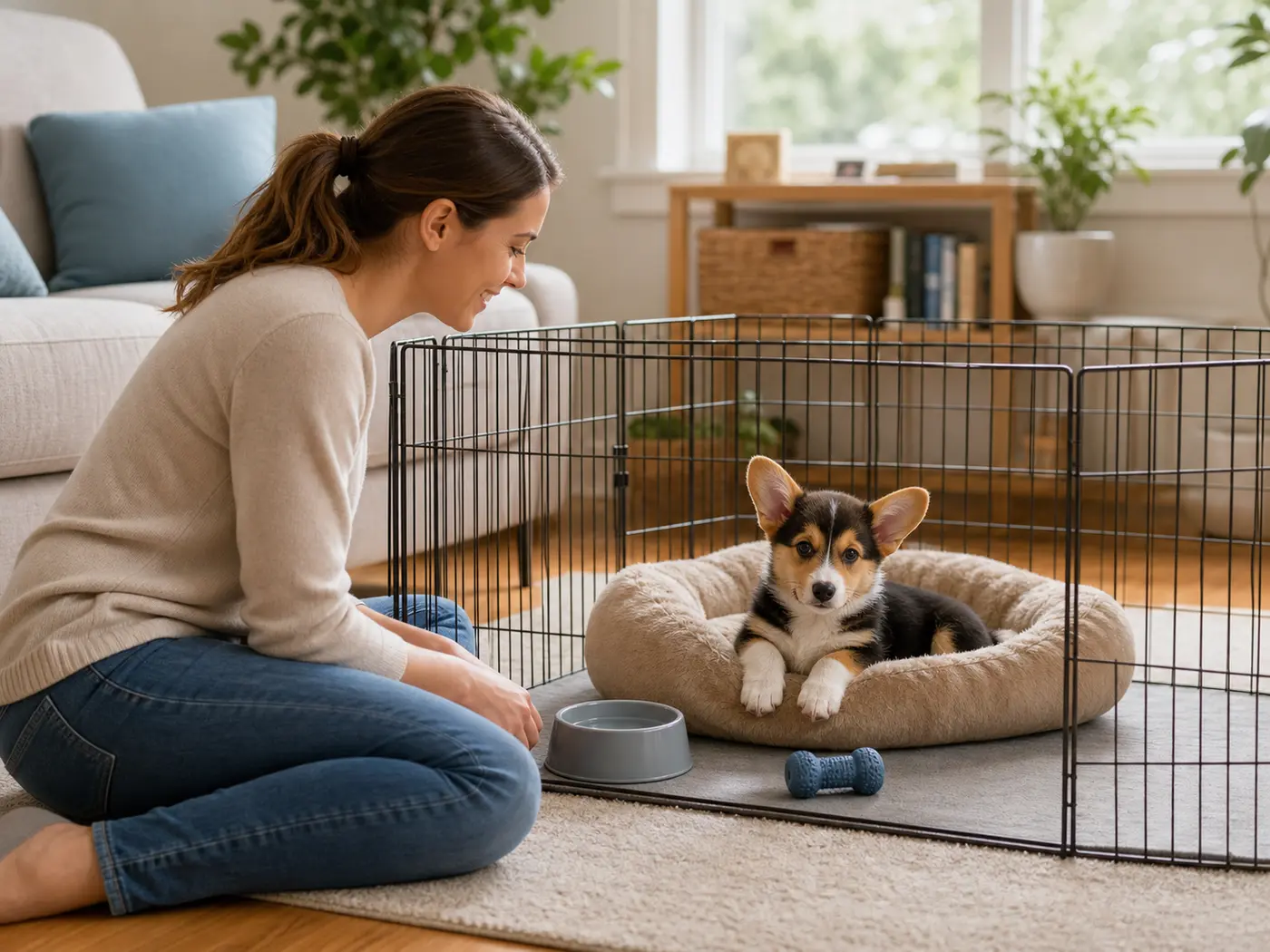
The first week is less about obedience and more about predictability. Your puppy is learning where to sleep, where to potty, when food appears, and which people are safe.
A simple schedule gives the whole house a calmer script. When wakeups, potty trips, meals, play, and naps repeat, your puppy has fewer chances to guess wrong.
Great for
- Brand-new puppies settling into a home.
- Families trying to coordinate potty, food, naps, and supervision.
- Owners who want fewer surprises during the first chaotic days.
Wait a bit if
- A puppy who is sick, not eating, vomiting, or having repeated diarrhea without a vet call.
- Expecting long obedience sessions during the first days.
- Giving the whole house at once before potty habits and chewing are predictable.
Start with these steps
Start with a small world
For the first week, your puppy does not need full access to the house. Use a crate, pen, gate, or puppy-proofed room so supervision, potty timing, chewing, and rest are easier to manage.
Run the same daily loop
Use a gentle pattern while your puppy is awake: potty, food or play, one tiny training win, potty again, then nap. Repetition helps your puppy feel safe and helps you spot patterns.
Anchor the day around potty trips
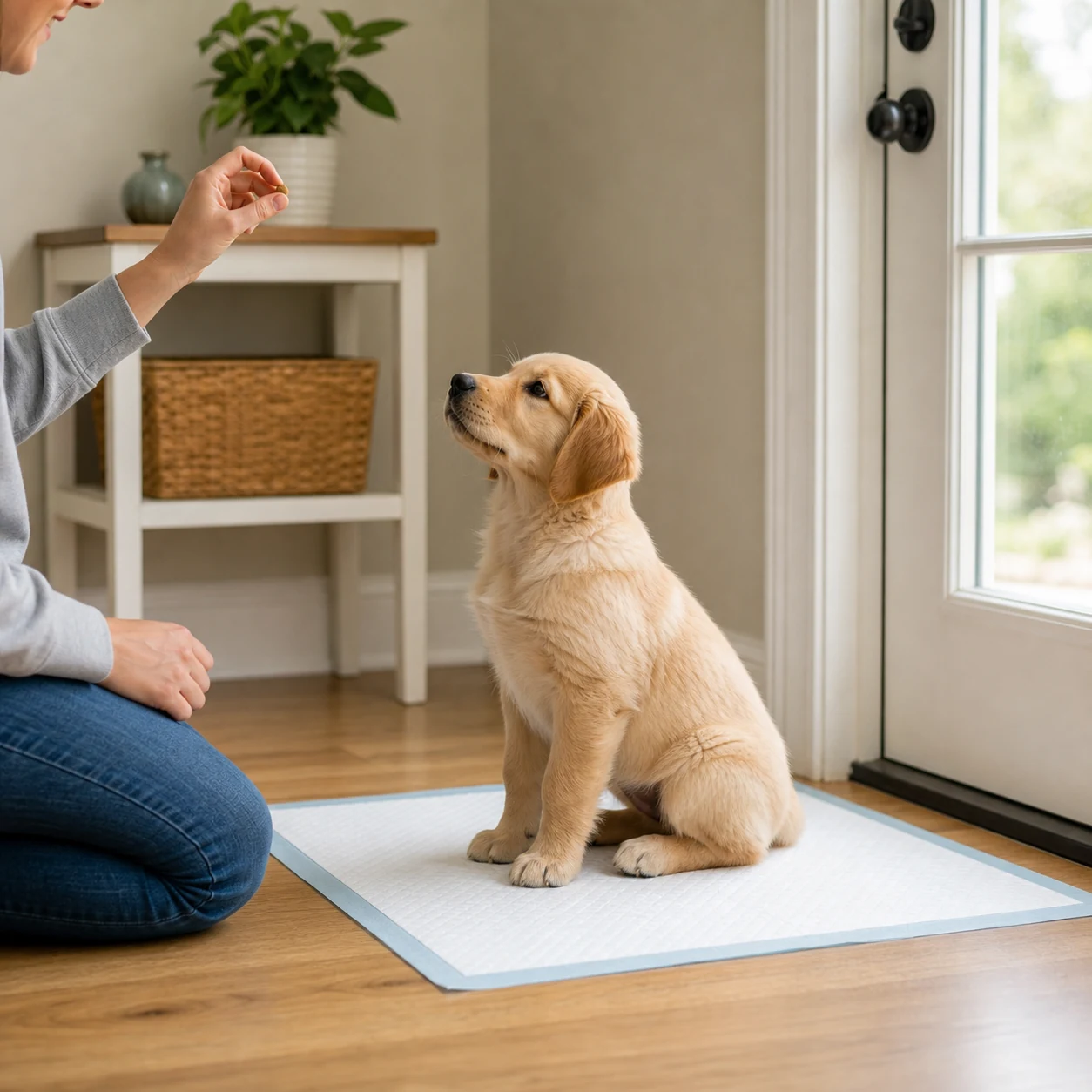
Take your puppy out after waking, eating, drinking, playing, training, chewing, and any sudden sniffing or circling. The first week is about preventing accidents before they happen.
Protect naps like training
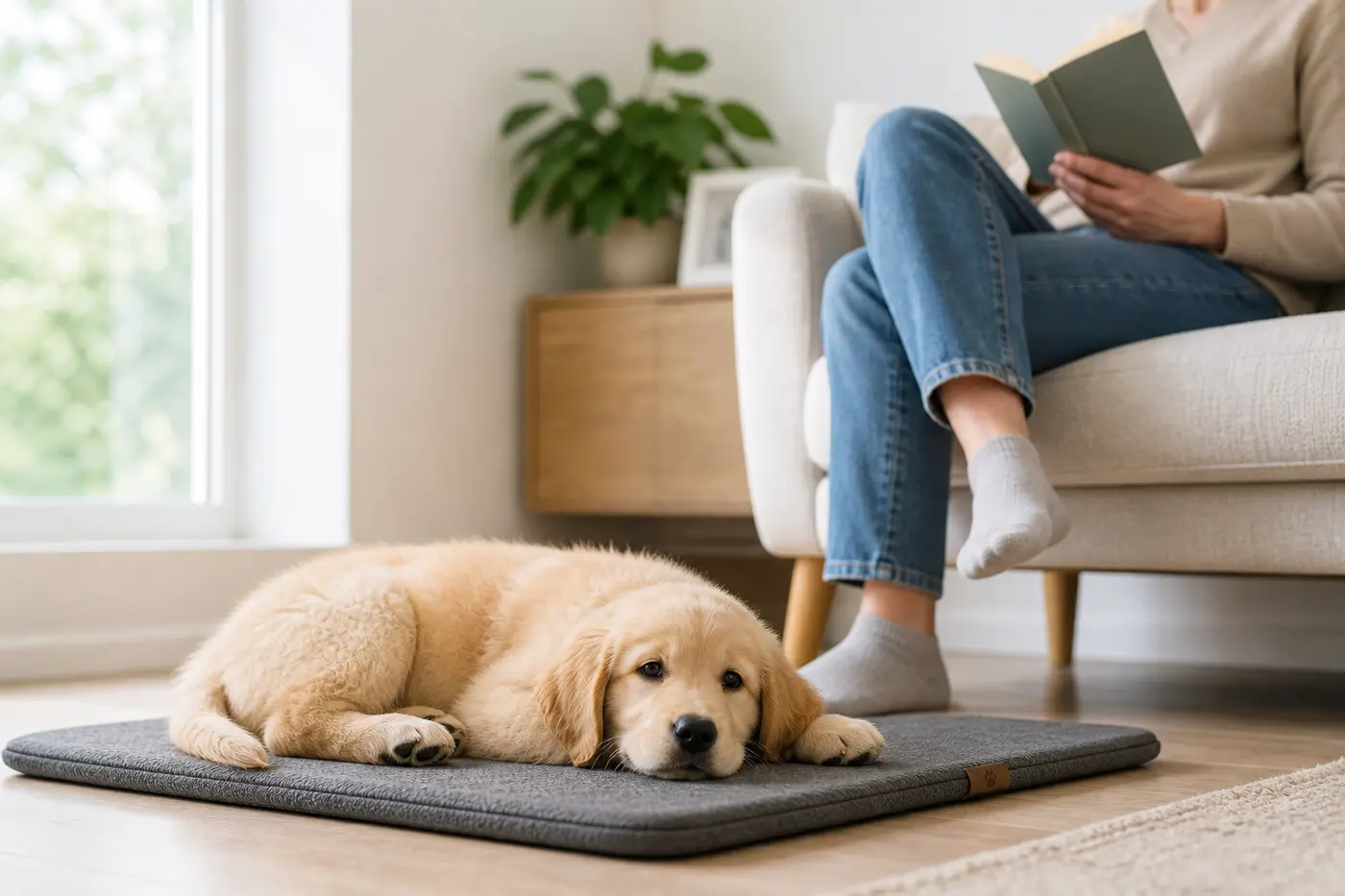
Sleep is not a break from training; it is how your puppy stays able to learn. After busy moments, guide your puppy back to a calm rest spot before the biting, barking, and wild laps begin.
Keep meals and water predictable
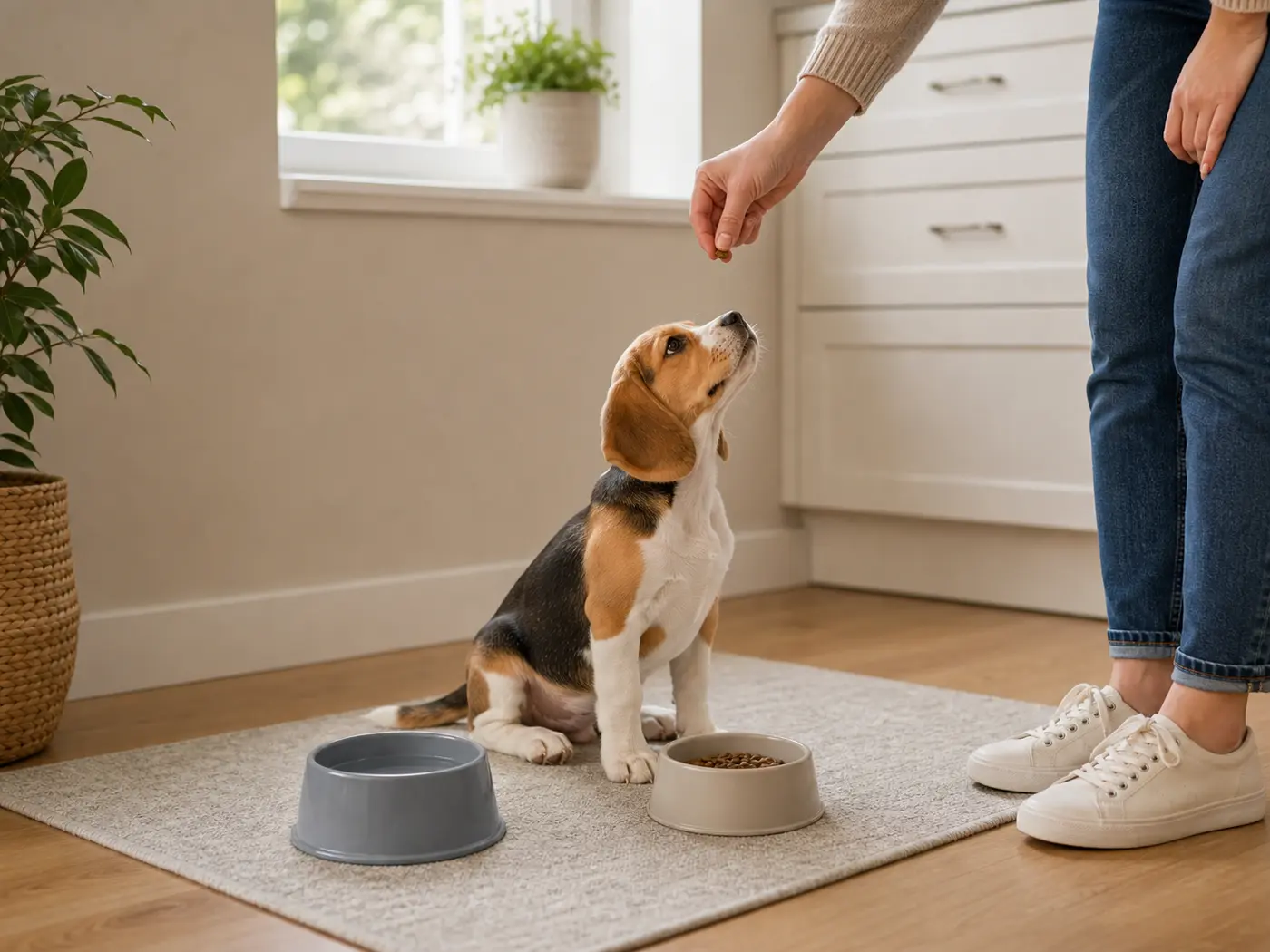
Feed the food your puppy already knows unless your vet advises otherwise. Offer water often, then plan a potty trip soon after drinking so meals and water support the schedule.
Teach one happy skill at a time
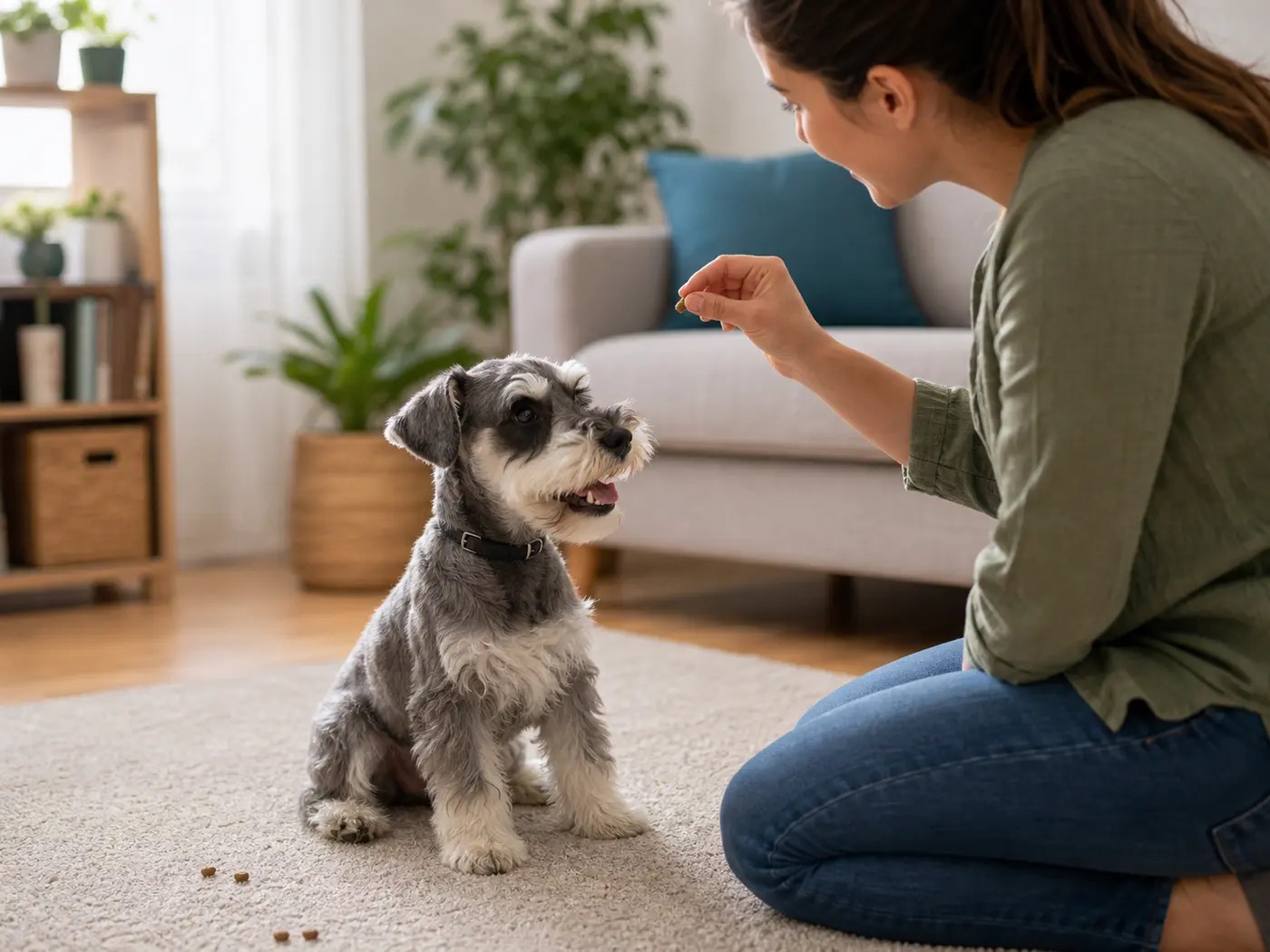
Name response, following you, coming a few steps, settling, and gentle handling are enough. Keep lessons tiny and cheerful so your puppy wants to play again tomorrow.
Make socialization quiet and safe
Socialization is not a parade of strangers touching your puppy. Let them see normal life from a safe distance, pair new sights with food, and leave before they feel overwhelmed.
Track the hard moments
Write down accidents, bitey windows, crate fussing, meal times, water, naps, and wake-ups. By day three or four, the schedule usually starts telling you what your puppy needs.
Adjust without blame
If the week gets messy, your puppy is not failing. Shorten the awake window, shrink the space, simplify visitors, or move the next potty trip earlier. Kind adjustments build trust.
Little things that help
Track the pattern
Write down wakeups, meals, potty trips, naps, and accidents for a few days. The schedule usually appears faster on paper.
Protect naps
Overtired puppies bite harder, bark more, and make worse choices. Rest is part of training.
Change one thing
If the day gets messy, adjust the next hour instead of blaming the puppy. Shorter freedom or an earlier potty trip often fixes more than a lecture.
Helpful little extras
Affiliate links: Furball Cove may earn from qualifying purchases at no extra cost to you.
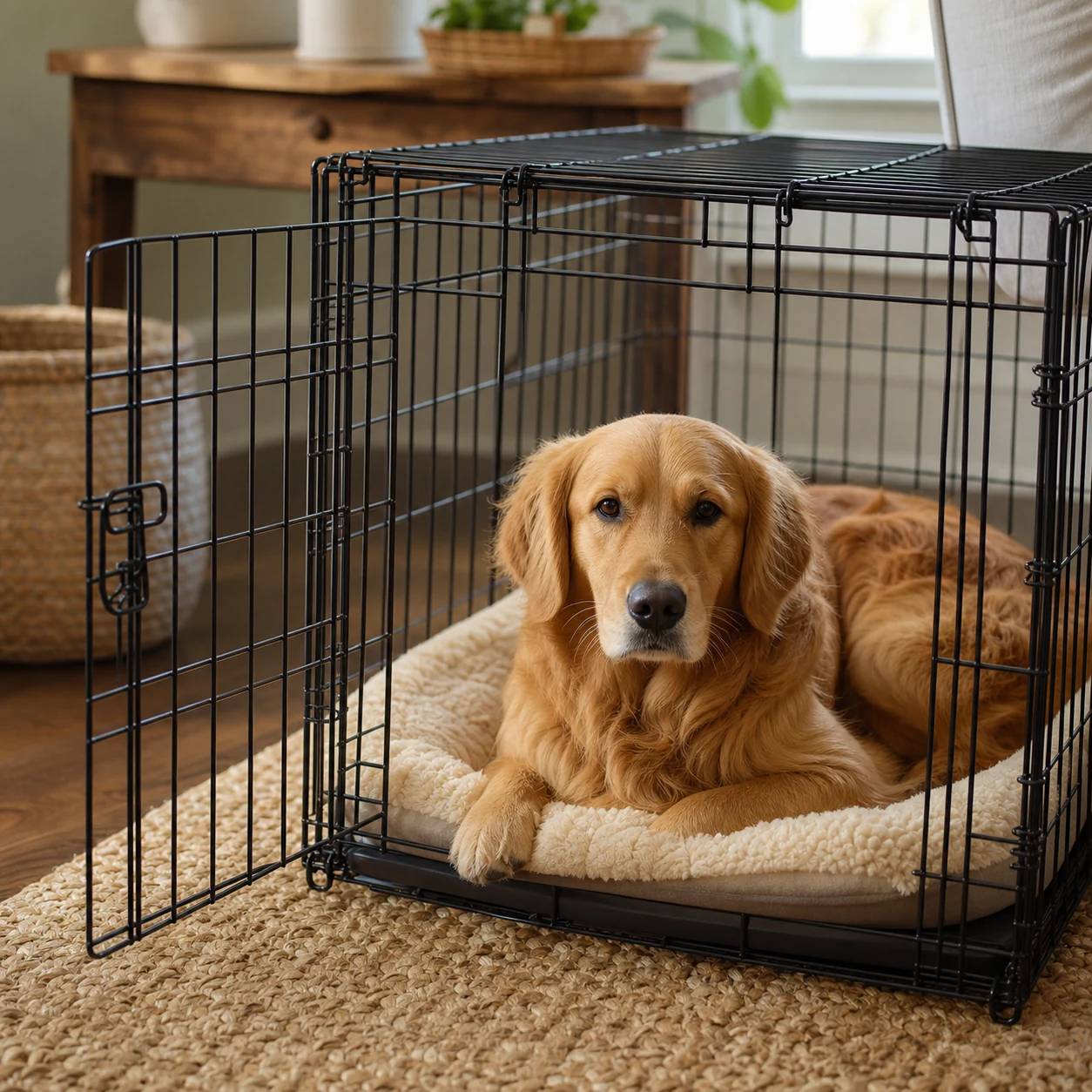
Dog crate
Creates a safe rest place for naps, overnight sleep, and short supervised breaks when introduced gently.
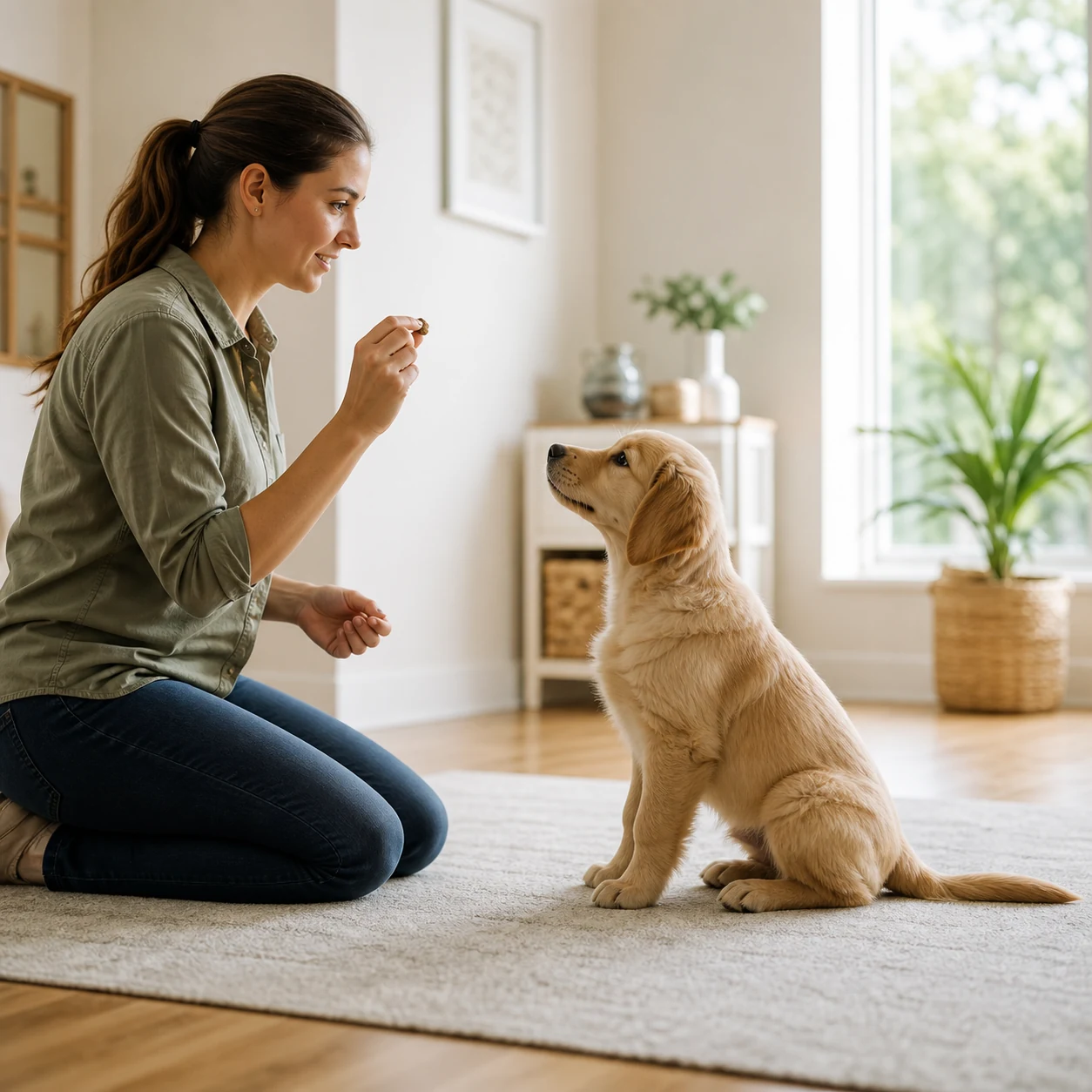
Pet gate
Keeps the first-week world small enough to supervise without isolating your puppy from family life.
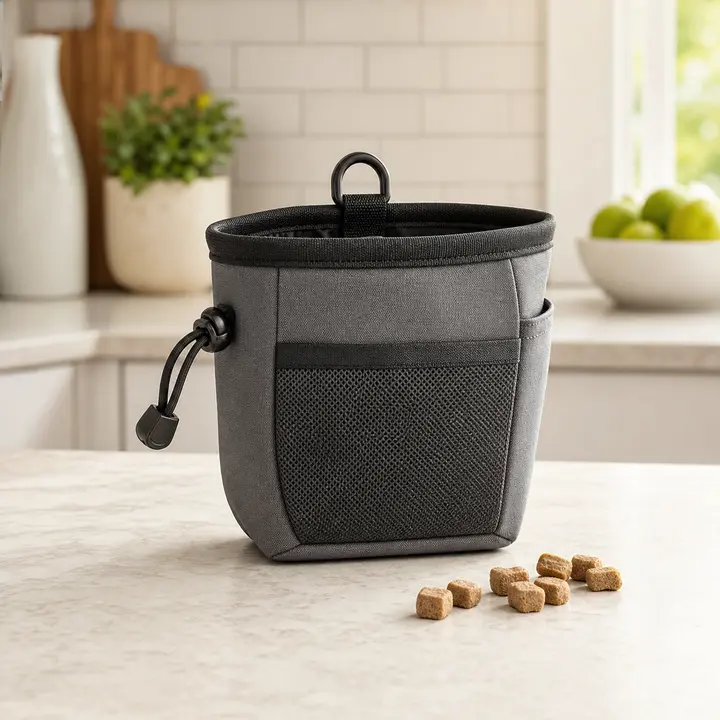
Training treat pouch
Keeps rewards ready for potty wins, name response, calm handling, and tiny first-week training reps.
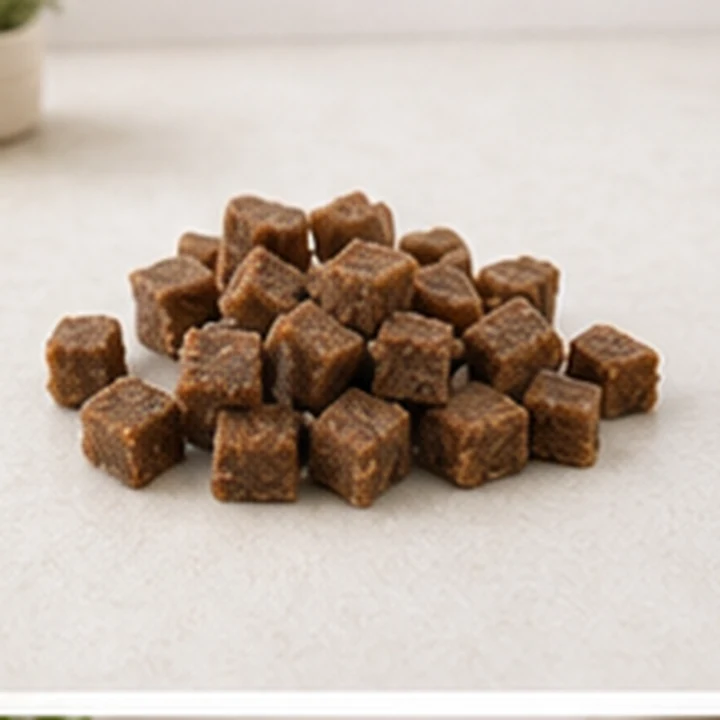
Soft training treats
Tiny soft rewards make it easy to celebrate good choices without turning every lesson into a long snack break.
Enzyme cleaner
Removes accident scent so cleanup supports the next better schedule instead of inviting repeats.

Long-lasting puppy chews
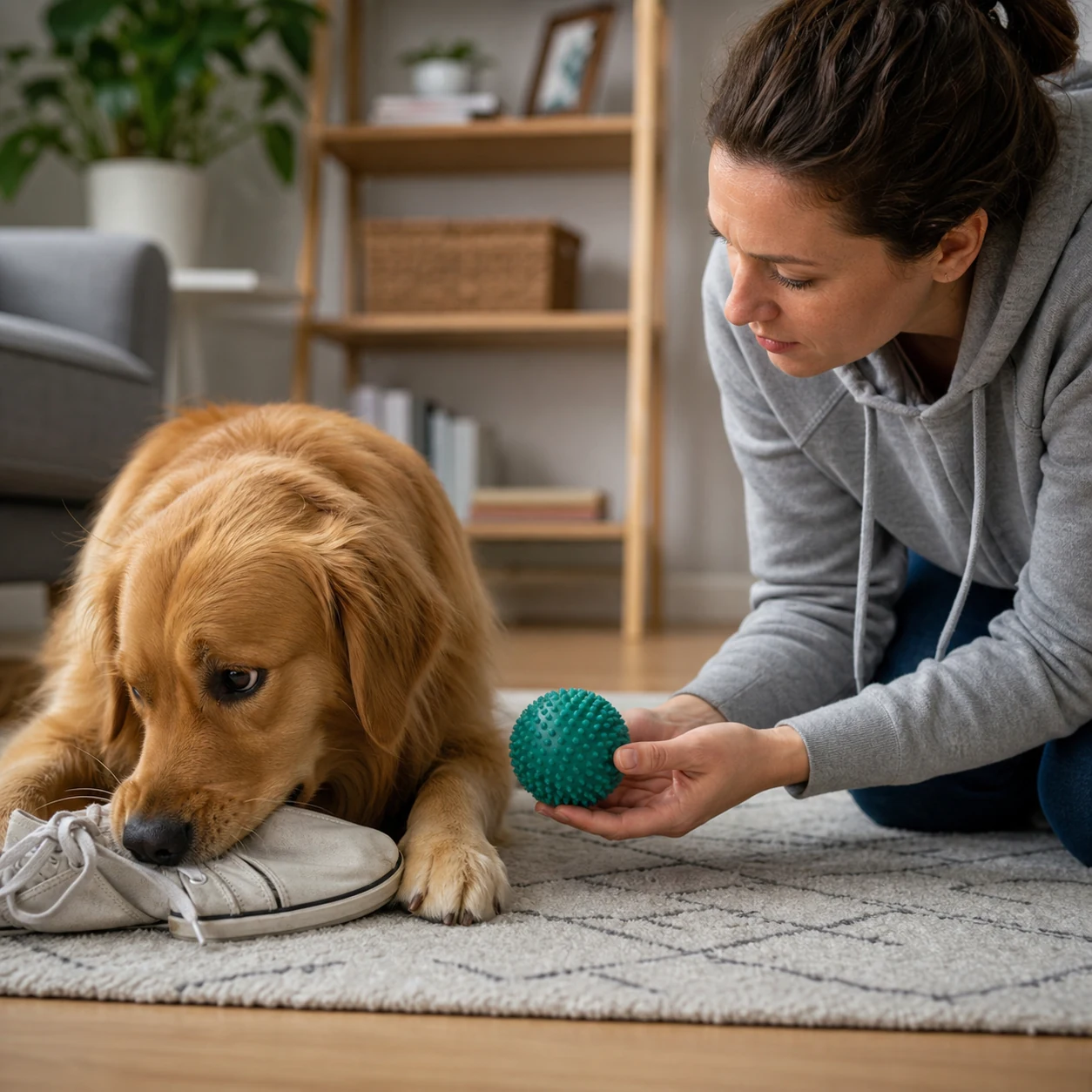
Gives your puppy a legal quiet job during rest blocks, crate time, and supervised calm moments.
Questions people ask
What should a puppy's first week schedule include?
The first week should include planned potty trips, familiar meals, water checks, short play, tiny training wins, safe chewing, lots of naps, and a predictable bedtime routine.
How strict should the first week schedule be?
Keep the order predictable, but stay flexible with the clock. Puppies change quickly. The goal is a rhythm your puppy can understand, not a perfect minute-by-minute plan.
How much training should I do in the first week?
Use very short sessions. Name response, following you, potty rewards, calm handling, crate comfort, and settling are enough. Stop while your puppy still feels happy.
What if the first week feels chaotic?
Make the next day smaller. Reduce freedom, shorten awake windows, simplify visitors, and move potty trips earlier. Chaos usually means the schedule is asking too much too soon.