Updated
Puppy training
Puppy Zone
A puppy zone gives your puppy a safe little world before the whole house is ready.
Think of it as a cozy home base, not a timeout spot. The right zone makes potty timing, naps, chewing, and supervision much easier.
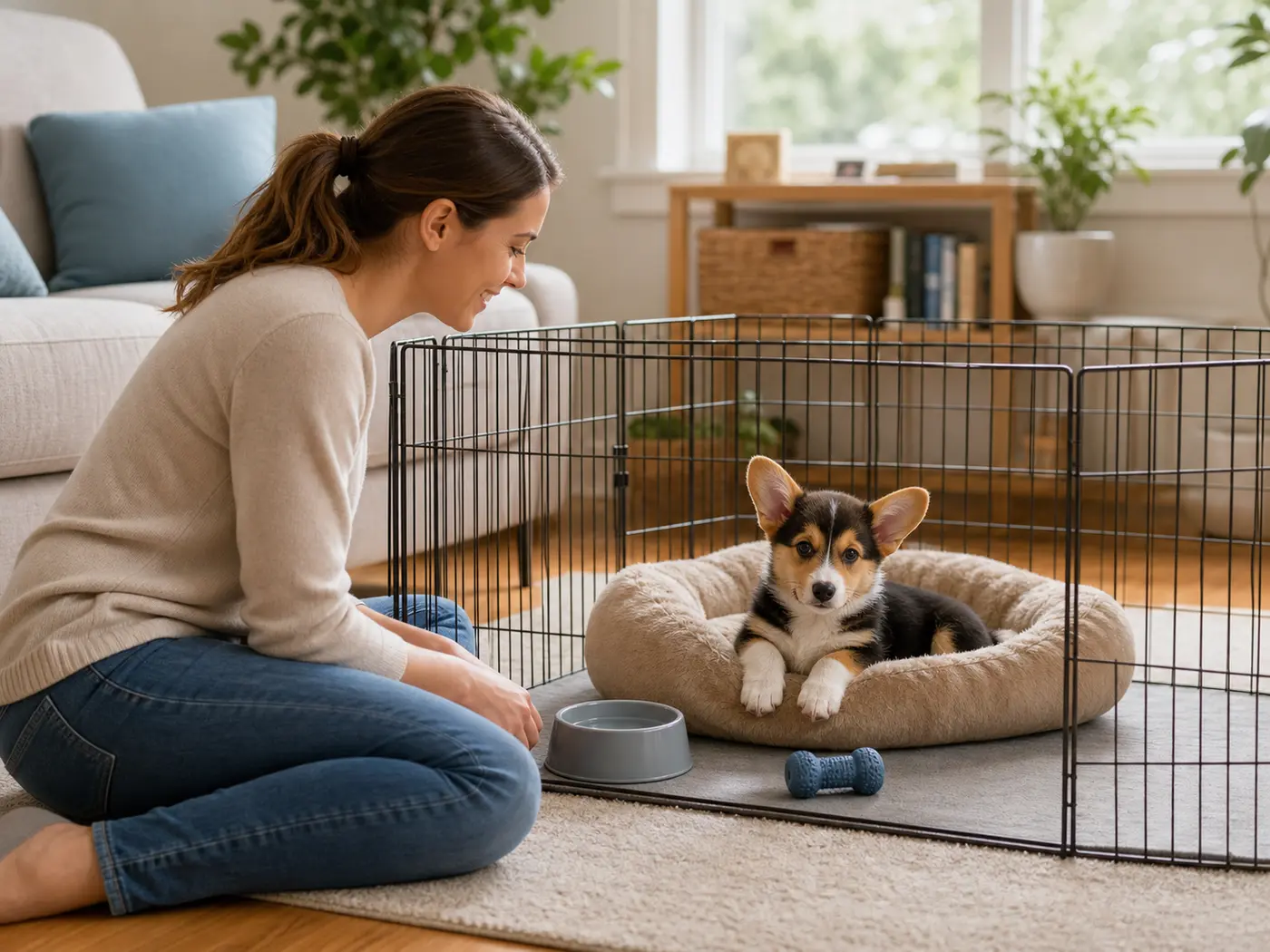
A puppy zone is the bridge between constant supervision and full-house freedom. It gives your puppy a safe little world when you cannot watch every paw, tooth, and potty signal.
The best zones feel calm, not like banishment. Food, water, rest, safe chews, and an easy potty route all matter more than making the space fancy.
Great for
- Puppies who chew, wander, or have accidents when nobody is close.
- Busy homes that need a safe place during meals, doors, calls, or kid activity.
- Dogs learning short independent rests without having the whole house available.
Wait a bit if
- Leaving a puppy distressed in a setup they have never practiced.
- Using the zone only after trouble happens.
- Unsafe chews, dangling cords, collars that can catch, or spaces that get too hot.
How to teach the first reps
Choose the right kind of space
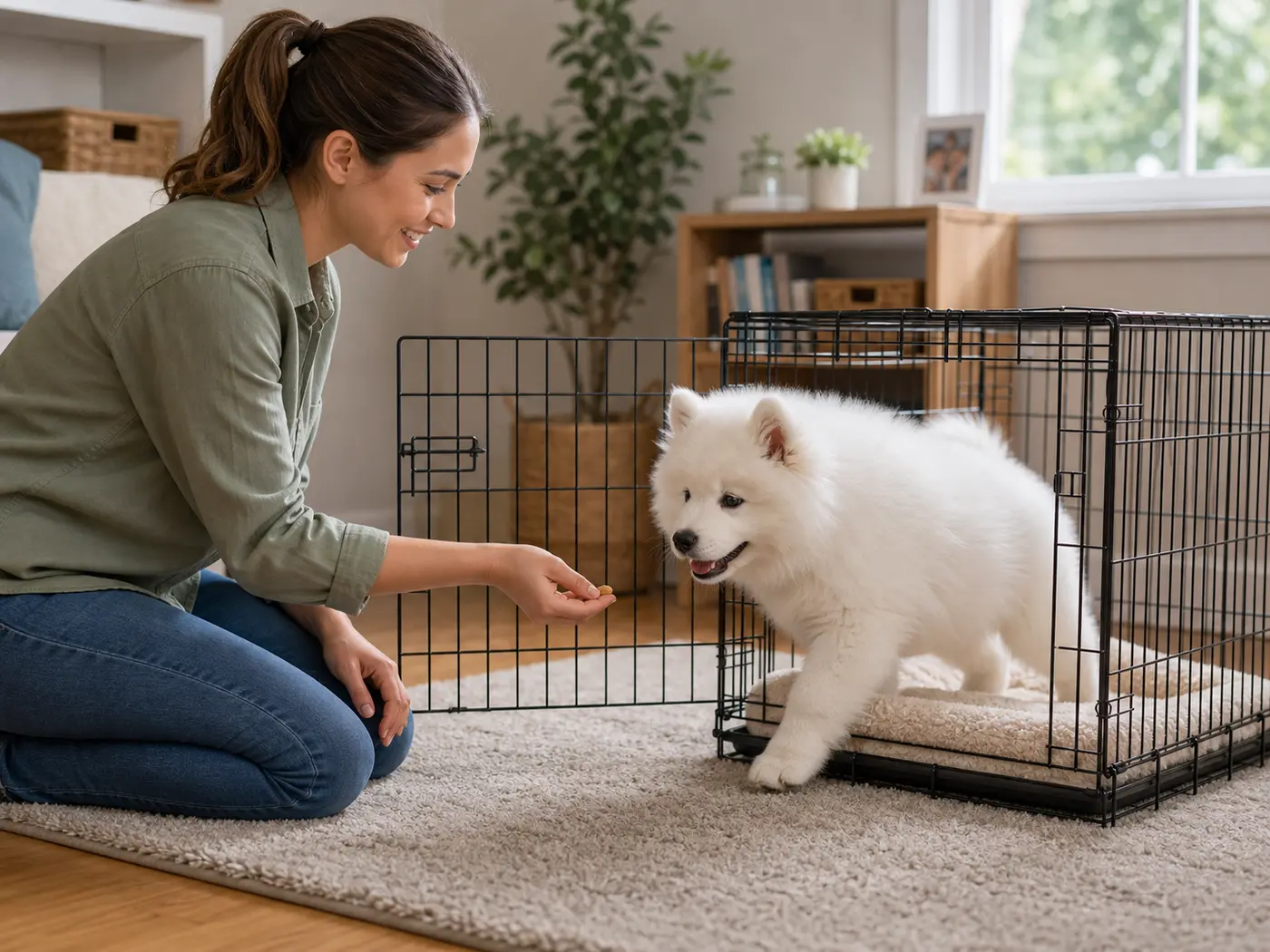
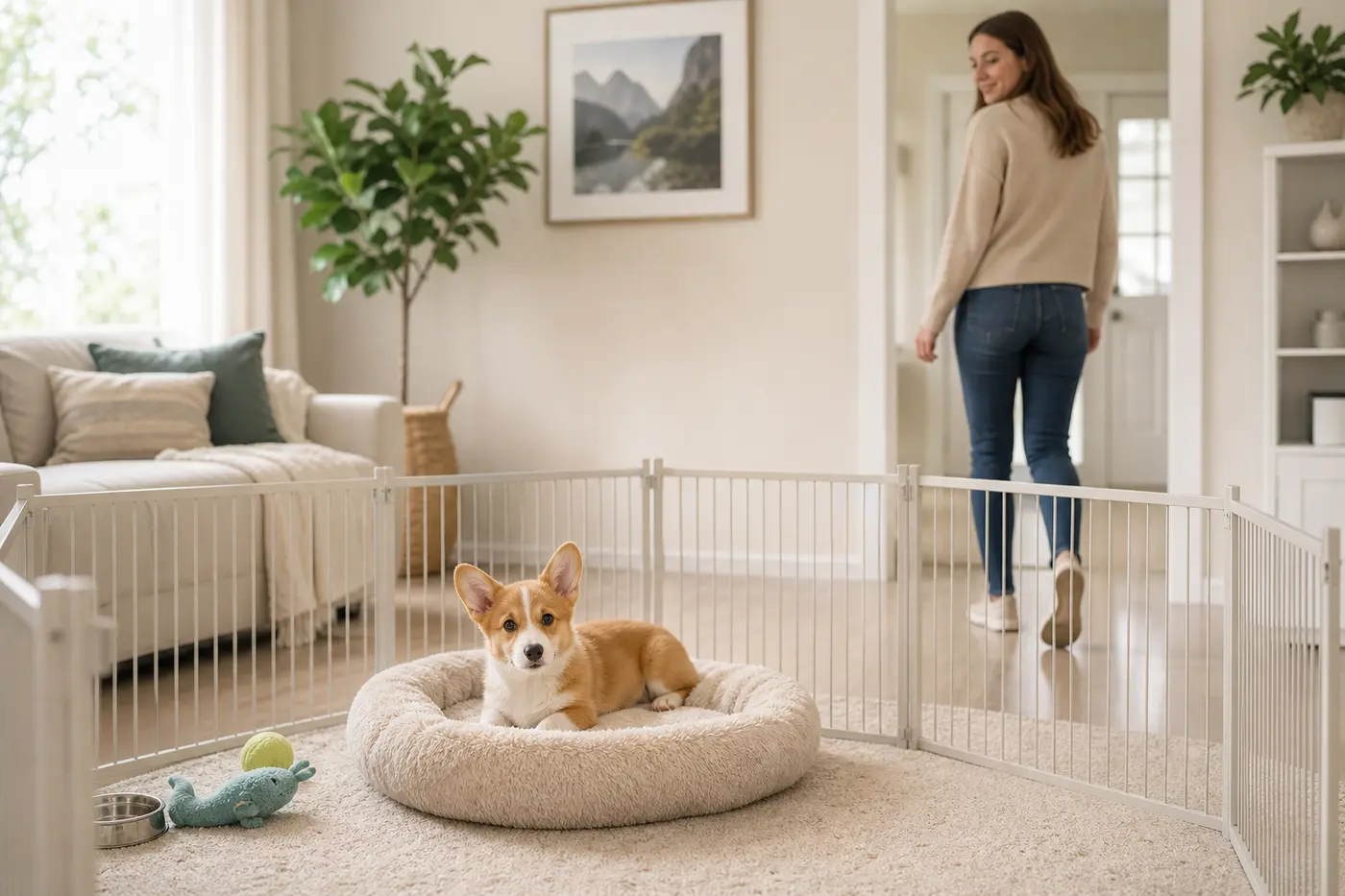
Use a crate, pen, gate, or puppy-proofed room depending on your puppy and your home. The best zone is small enough to supervise, safe enough for short breaks, and close enough that your puppy still feels part of family life.
Stock it with simple comforts
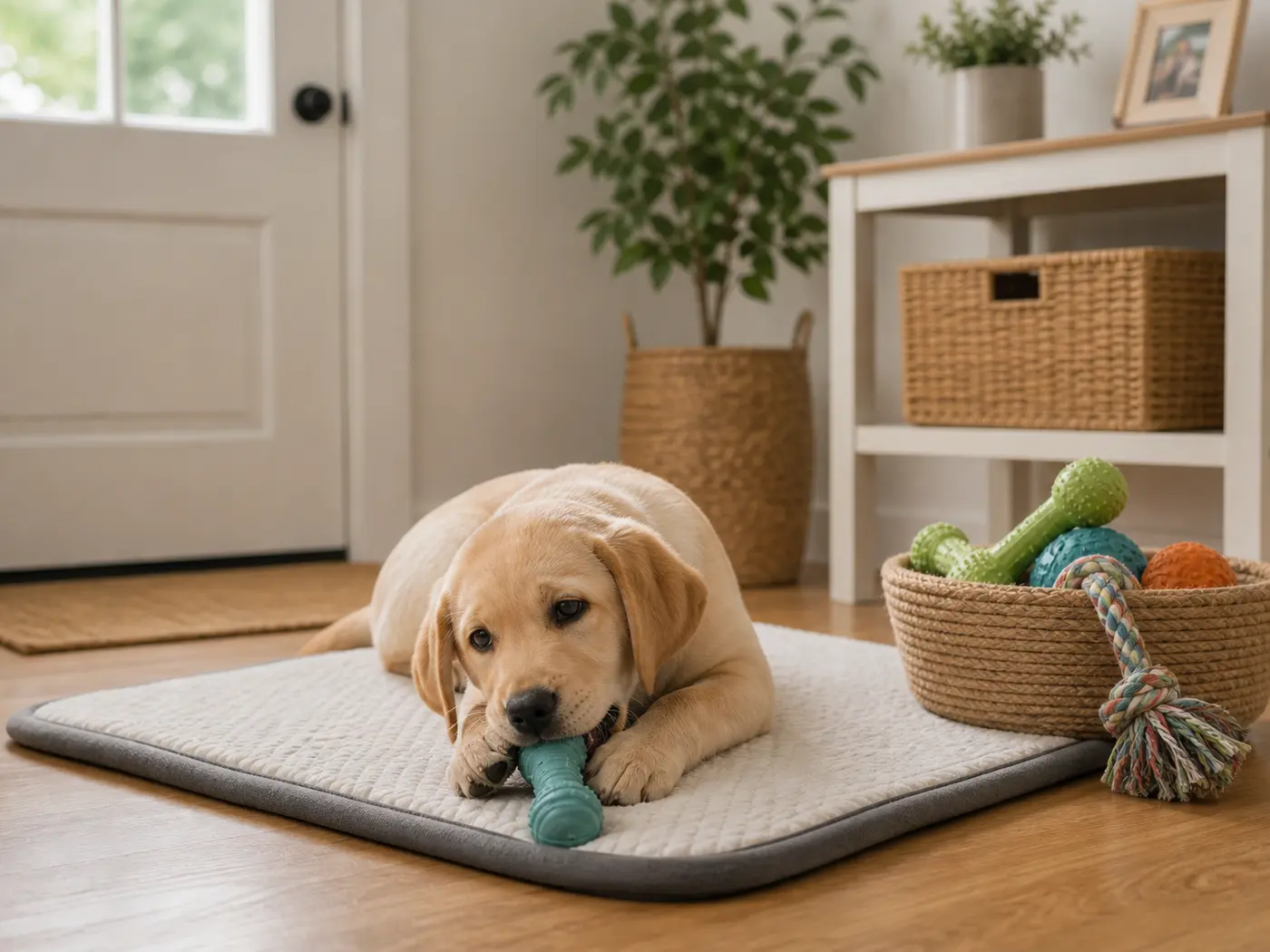
Add water, a washable bed, a safe chew, and one or two calm toys. Skip piles of exciting options. A puppy zone should make the right choices obvious, not turn into an indoor playground.
Keep the potty route clear
The zone should be close enough to your potty door that you can move quickly after waking, meals, water, and play. If your puppy has to run through the whole house, accidents become much more likely.
Use it before trouble starts
The zone works best before chewing, biting, and wild laps begin. After play, visitors, meals, or training, guide your puppy back with a calm voice and something legal to chew.
Practice short happy visits
Drop a treat in, let your puppy enter, and keep the first visits easy. Open the gate while your puppy is still calm so the zone predicts safety and rest, not being trapped after every fun moment.
Match the zone to the moment
Use the crate for deeper rest, the pen for supervised quiet time, a gate for family-room practice, and a puppy-proofed room only when your puppy is ready for more space.
Do not use it for late consequences
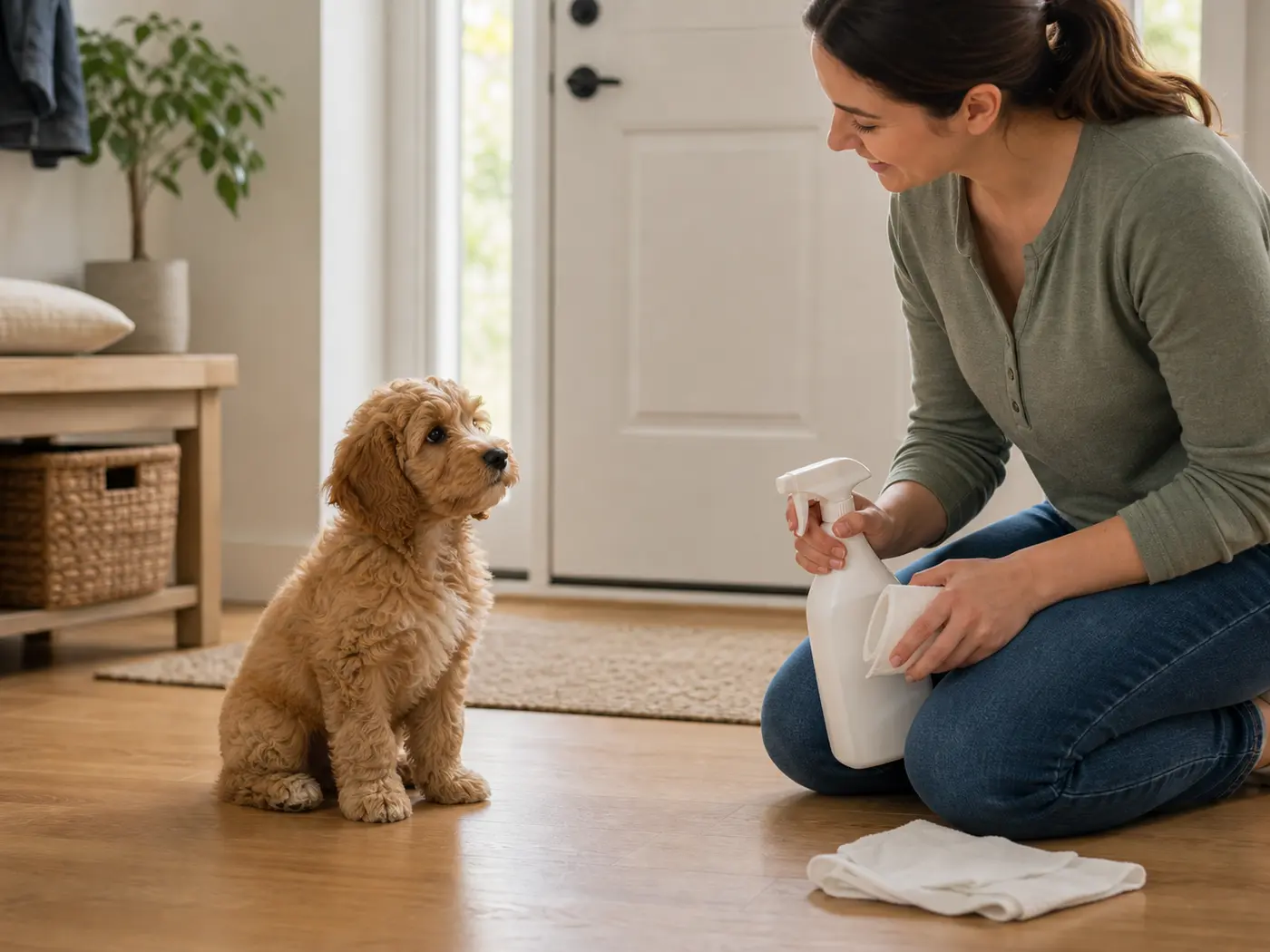
If you find an accident or chewed shoe, the teaching moment has already passed. Clean up, shrink freedom, and use the zone earlier next time with kindness and better timing.
Let freedom grow slowly
When potty timing, chewing, and naps are going well, add one supervised room or a short calm window. If mistakes return, go smaller again without making it a big event.
Little things that help
Use it before trouble
Put your puppy in the zone before cooking, showers, or work calls, not after they have already stolen a shoe.
Keep visits pleasant
Drop in a chew, meal, scatter, or calm reward so the space predicts good things.
Grow freedom slowly
A few clean days in one room are better than a full-house test that creates new habits to undo.
Helpful little extras
Affiliate links: Furball Cove may earn from qualifying purchases at no extra cost to you.
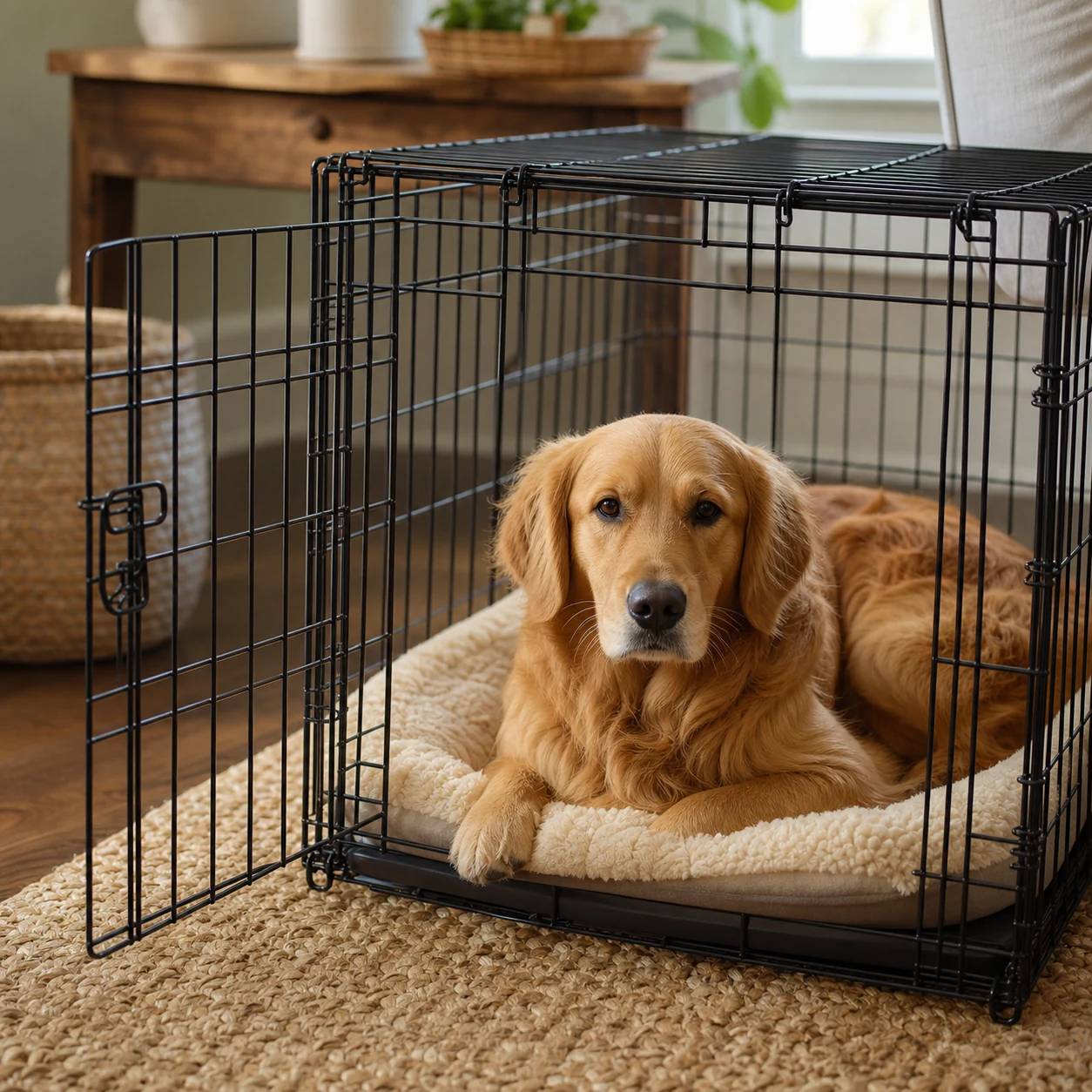
Dog crate
A safe rest place for naps, nights, and short breaks when introduced with food, chews, and calm exits.
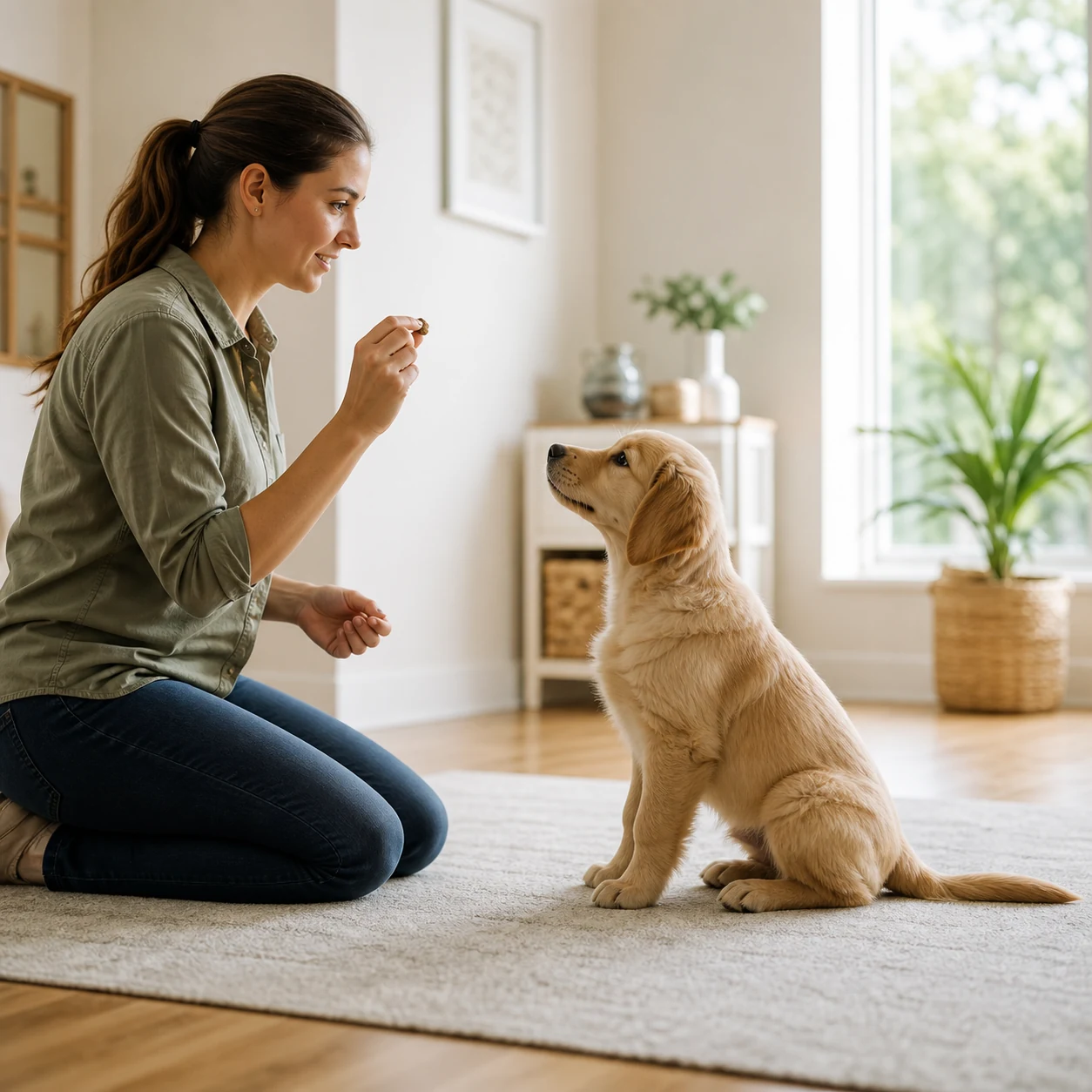
Pet gate
Keeps the first-week world small without cutting your puppy off from normal family life.
Long-lasting puppy chews
Gives your puppy a legal job during zone time, especially after play or before a nap.
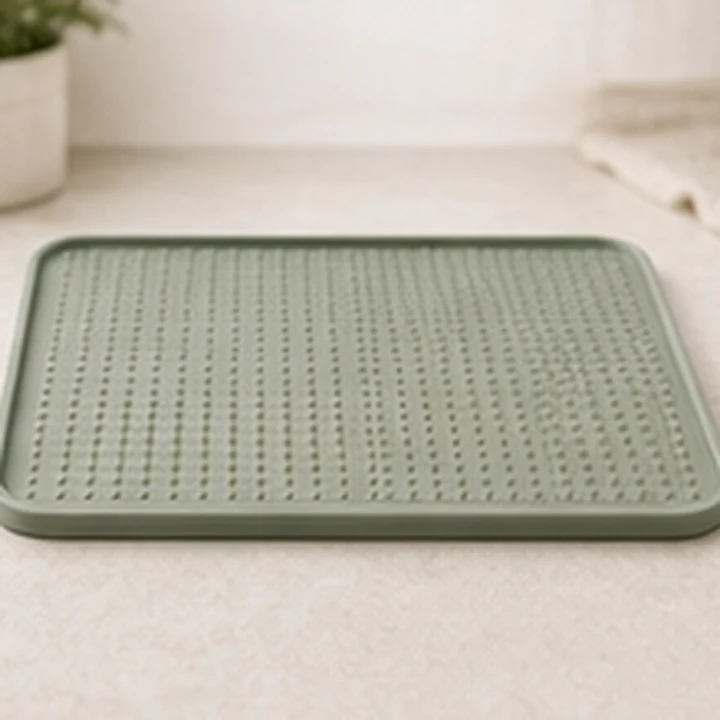
Washable food mat
Helps keep water, meals, and chew crumbs contained inside the home base.
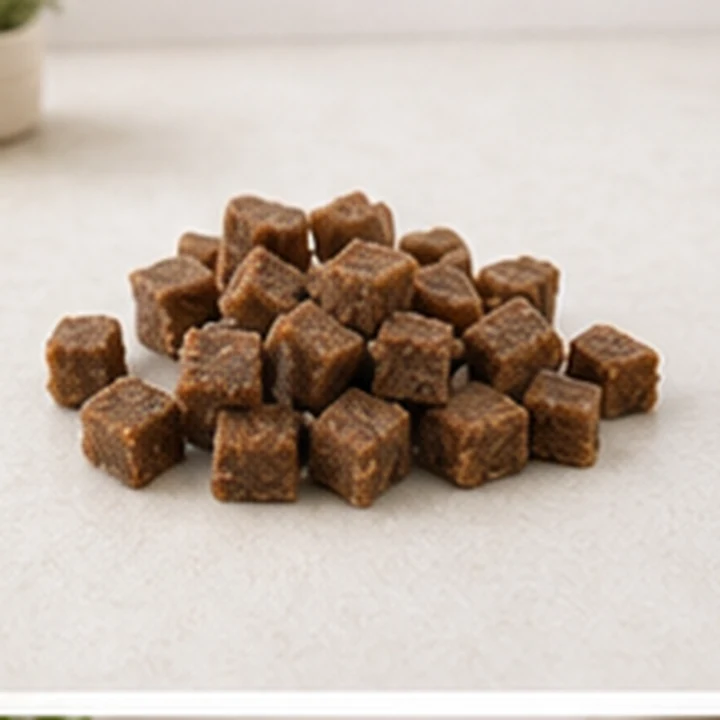
Soft training treats
Useful for rewarding calm entries, quiet moments, and happy returns to the zone.
Questions people ask
Is a puppy zone the same as crate training?
Not exactly. A puppy zone can be a crate, pen, gate, or small puppy-proofed room. Crate training is one part of building a safe rest setup.
How long can my puppy stay in the zone?
Start with short successful visits and build slowly. Young puppies need frequent potty trips, social contact, and help settling, so the zone should not become long isolation.
What if my puppy cries in the zone?
Check potty need, fear, hunger, temperature, and whether the visit was too long. Make the next repetition easier and pair the zone with calm rewards.
When can I stop using a puppy zone?
Use it less as your puppy earns freedom: reliable potty timing, safe chewing, calmer naps, and good supervision habits. Many families keep gates or a rest area for months.