Updated
Puppy training
Short Puppy Training Sessions
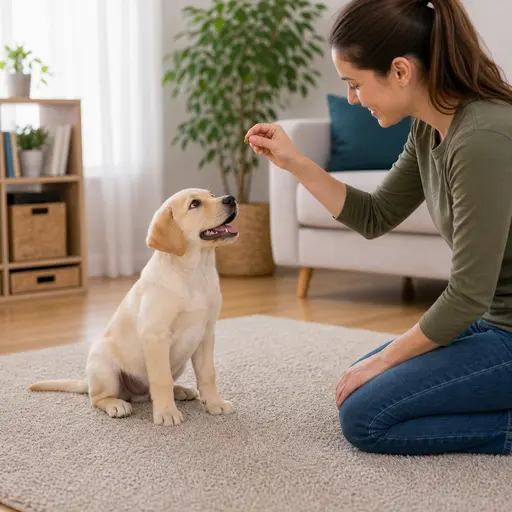
Short sessions help your puppy win before the lesson turns into noise.
Use real rewards, keep reps tiny, and stop while your puppy still looks delighted. The best first-week training feels like a little game.
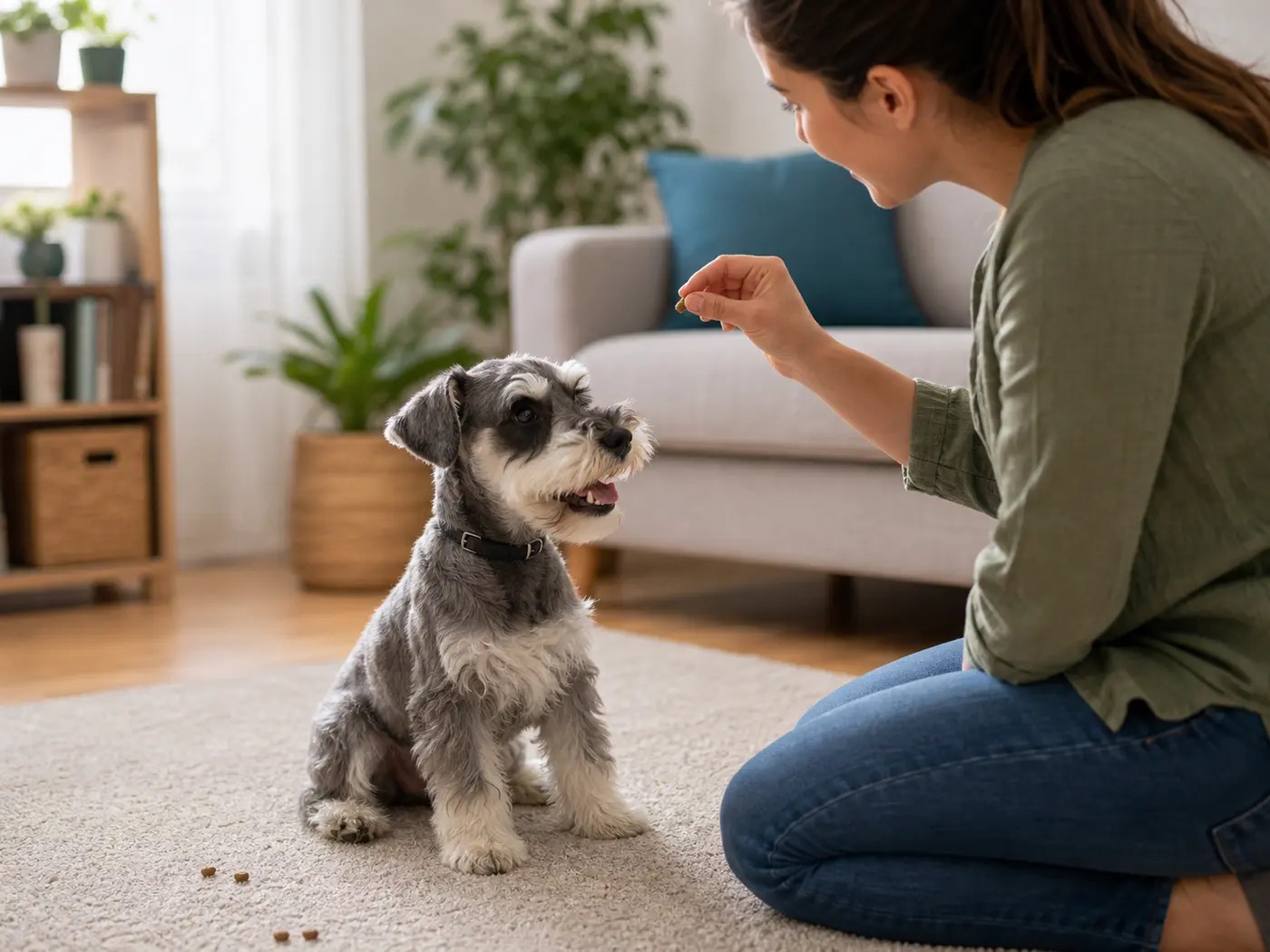
Puppies learn better in tiny wins than in long lessons. A few clear reps can teach more than ten minutes of repeating a cue while everyone gets tired.
Short sessions also protect your puppy from frustration. You stop while the lesson still feels fun, then let real life, play, chewing, or sleep finish the job.
Great for
- Puppies with short attention spans.
- Owners teaching name response, touch, recall, settle, or leave it.
- Families who want training folded into daily life instead of one big class at night.
Wait a bit if
- Practicing when your puppy is overtired, frantic, hungry, or needs to potty.
- Repeating a cue after your puppy has stopped understanding it.
- Training through fear, pain, or conflict without help from a qualified professional.
Turn practice into a habit
Start with one clear goal
Pick one tiny behavior: turn to the name, follow one step, touch a hand, settle on a mat, or walk calmly to the crate. One goal keeps the lesson kind and easy.
Use rewards your puppy truly wants
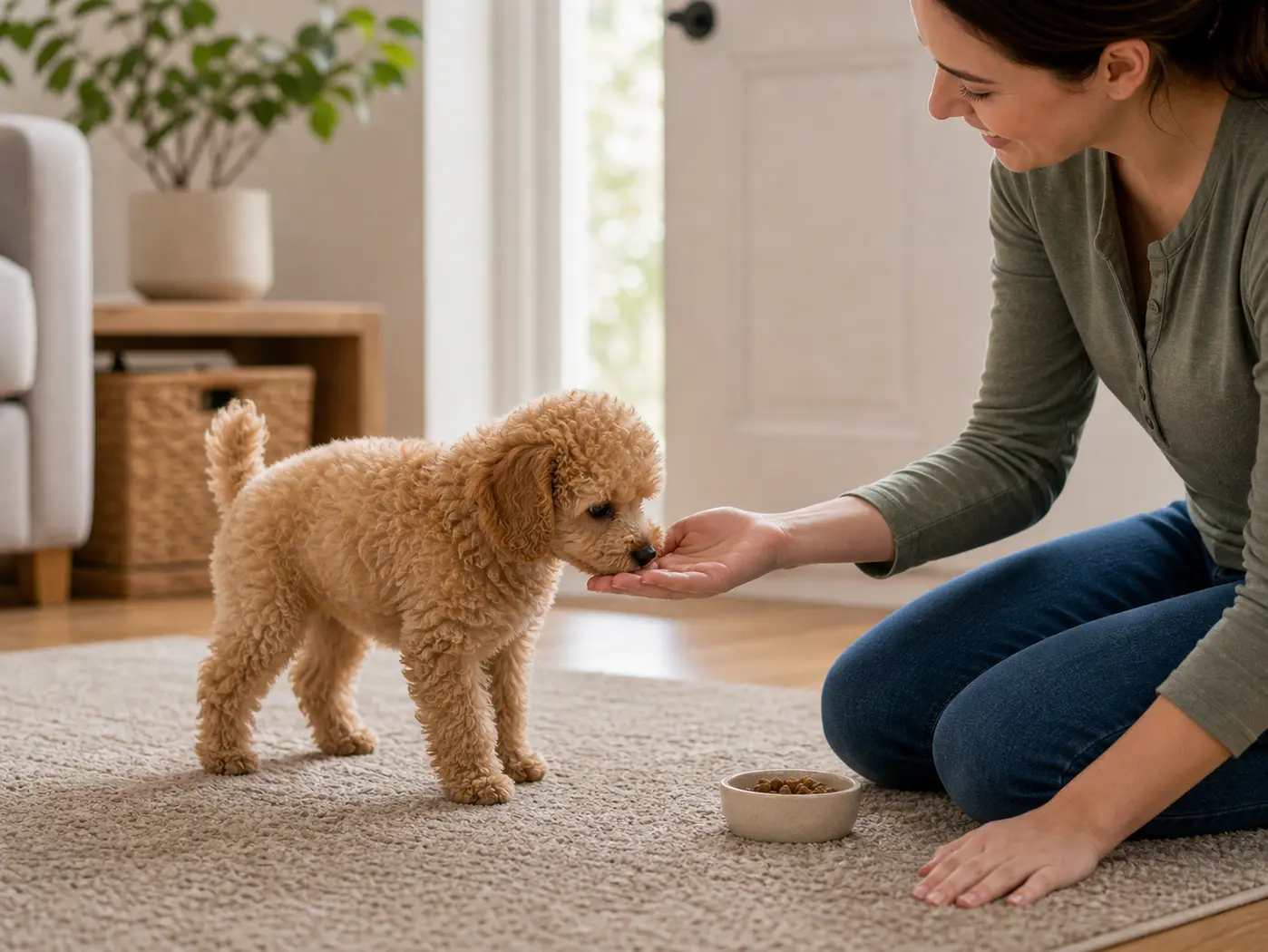
Food is often easiest, but real rewards can also be a toy, a sniff, a door opening, a soft voice, or permission to chase a tossed treat. Pay with what matters in that moment.
Keep the first rep almost too easy
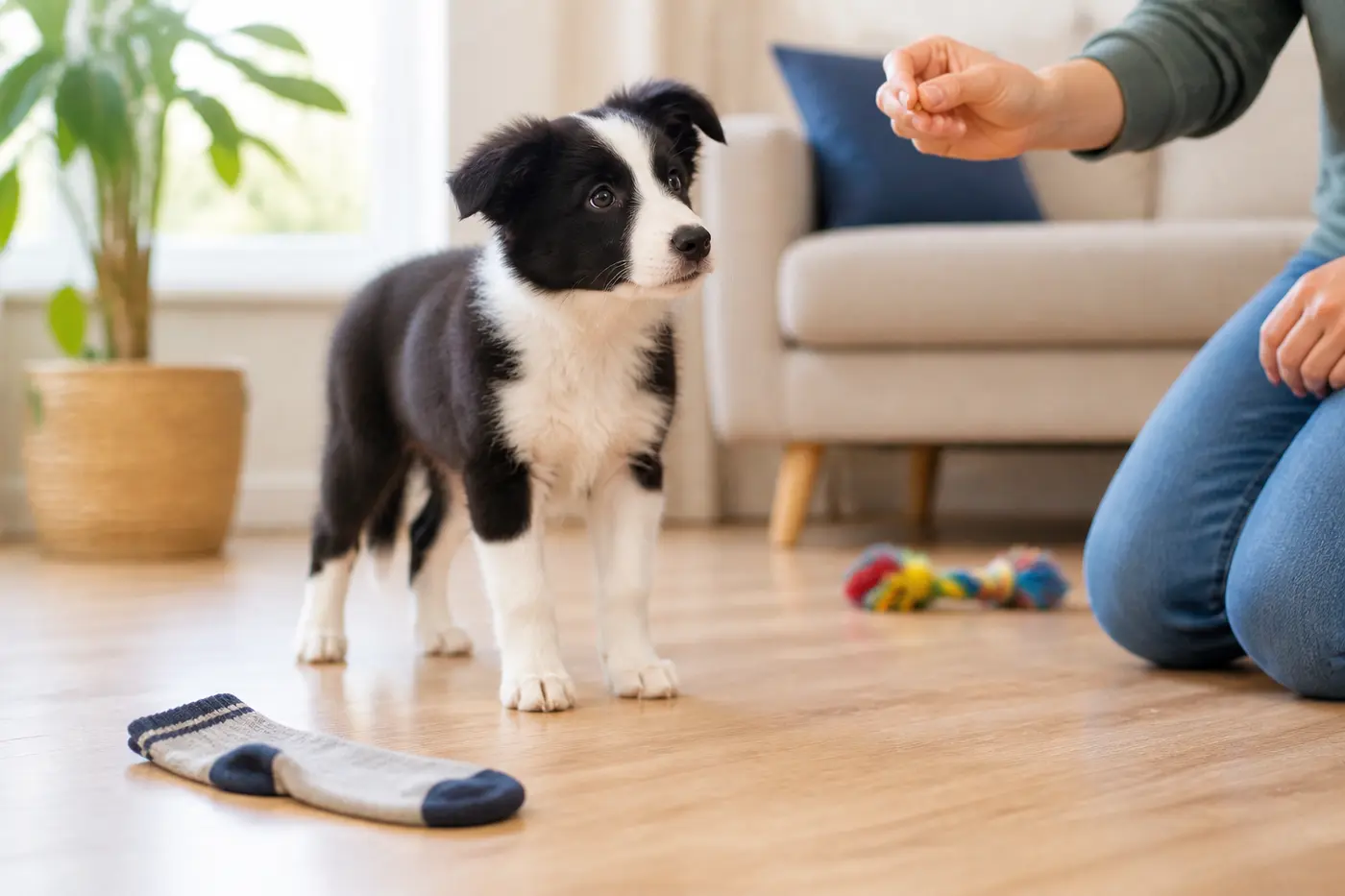
Stand close, reduce distractions, and reward the smallest good choice. A puppy who wins quickly relaxes into learning instead of guessing wildly.
Stop before the sparkle fades
One to three minutes is plenty for many puppies. End while your puppy is still engaged, then offer a potty trip, sniff, chew, or nap.
Use play as a reward carefully
Play can be wonderful, but it can also tip a tired puppy into biting. Keep toy rewards short, then reset with food, a scatter, or a calm pause.
Reward real-life choices
Pay the moments you want more of: checking in, choosing a chew, walking beside you, relaxing near the crate, or looking at a visitor without rushing.
Make mistakes smaller
If your puppy cannot do it, the setup is too hard. Move closer, lower the distraction, use a better reward, or ask for an easier version.
Fold training into the day
Training does not need to be a formal block. Use one tiny rep before meals, after potty, before opening a door, or before a nap. Little moments add up.
Little things that help
Pick one goal
One tiny goal per session keeps timing clean. Name response, one touch, or one leash turn is enough.
End early
Stop while your puppy still wants more. That keeps the next session easier to start.
Reward real life
Pay the puppy who checks in, settles, walks near you, or chooses a toy before you even ask.
Helpful little extras
Affiliate links: Furball Cove may earn from qualifying purchases at no extra cost to you.
Soft training treats
Tiny rewards let you pay the exact little choices that build confidence.
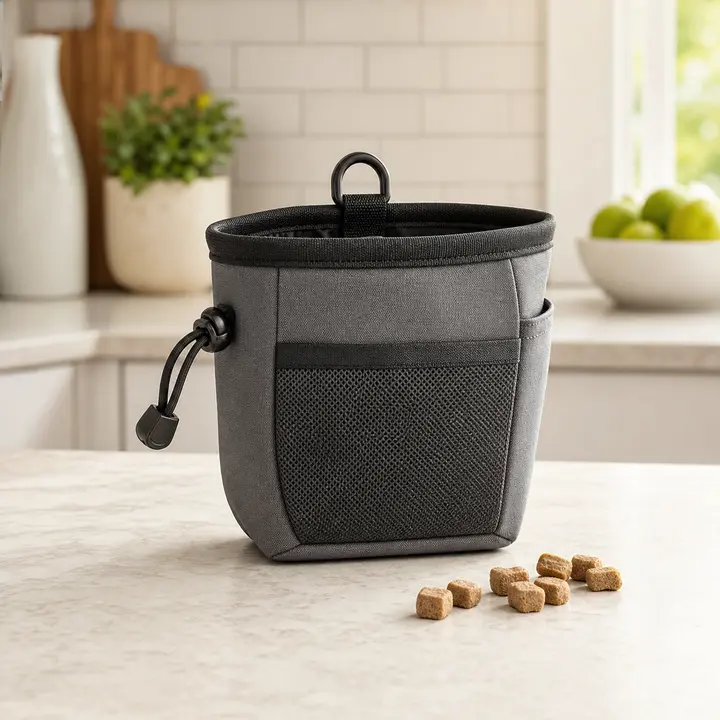
Training treat pouch
Keeps rewards close so your timing stays clean during quick first-week reps.
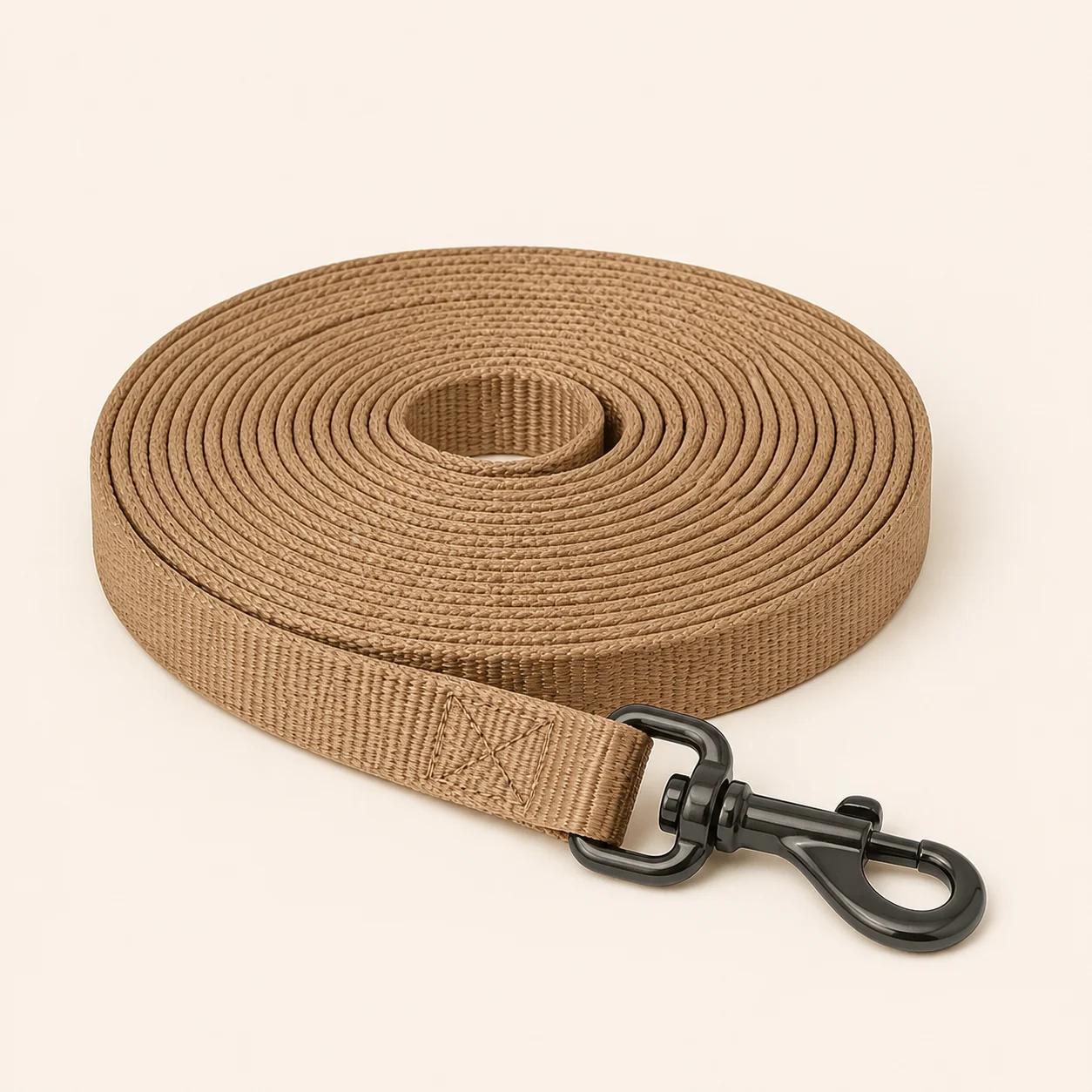
Long training line
Useful for safe recall games and outdoor check-ins before off-leash freedom is realistic.
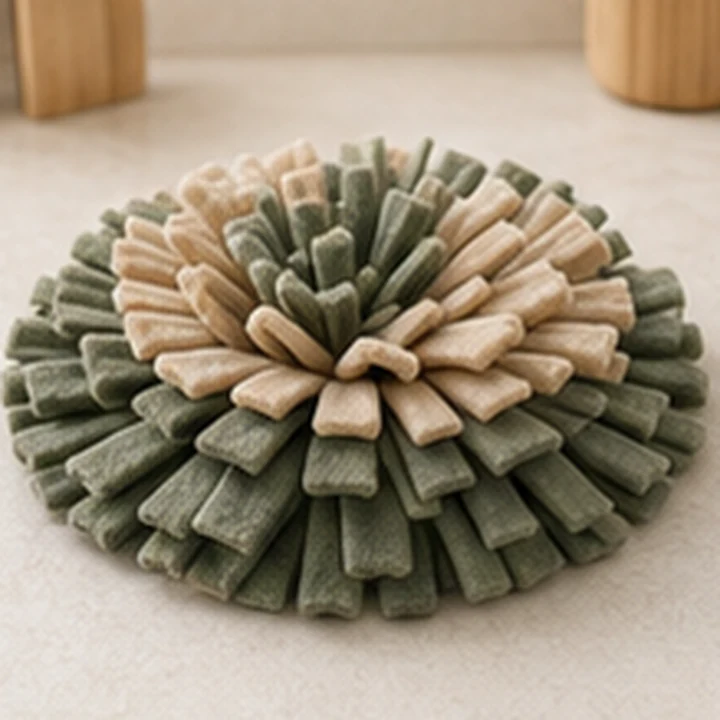
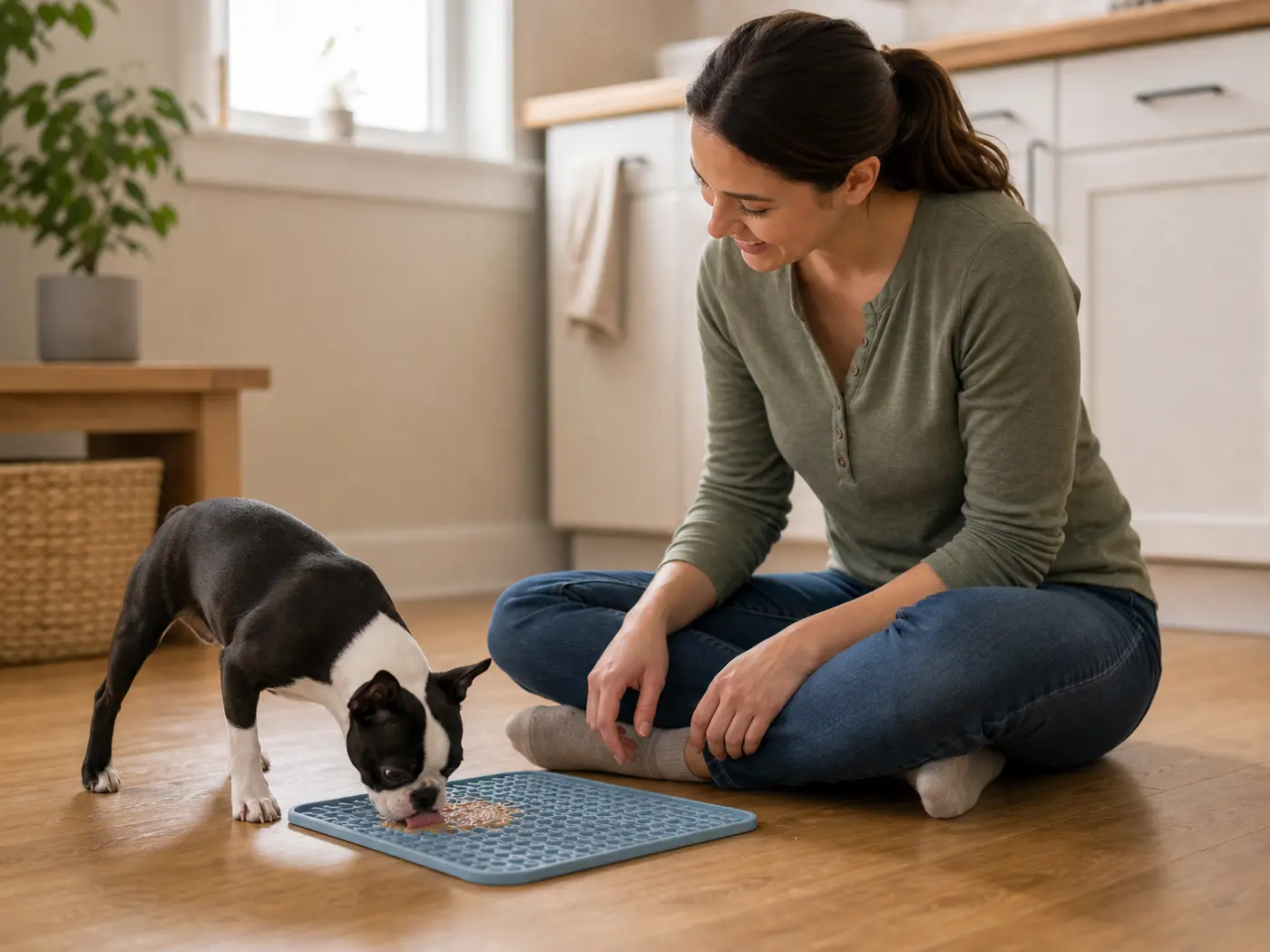
Snuffle mat
A calm sniffing reward that can help your puppy downshift after a lively session.
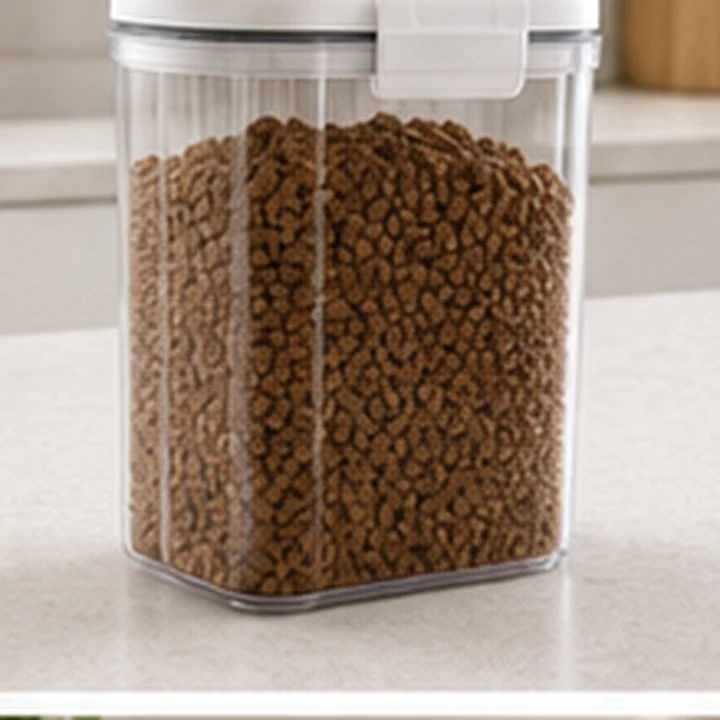
Treat jar
Keeps tiny rewards near daily practice spots so good moments are easy to catch.
Questions people ask
How long should puppy training sessions be?
Often one to three minutes is enough, especially in the first week. Stop while your puppy still looks happy and successful.
Do I always need treats?
Treats are usually the clearest first reward, but you can also use toys, sniffing, doors opening, praise, or access to something your puppy wanted.
What if my puppy gets too excited?
Shorten the session, use calmer rewards, lower the distraction, and add a potty or nap break. Excitement often means the session has gone too long.
Should kids train the puppy?
Yes, with adult help. Give kids simple jobs: say the name once, toss one treat, praise softly, or help reward calm behavior.