Updated
Cooperative care
Puppy Vet Check Practice
Practice tiny vet-style checks at home so exams feel familiar before your puppy needs a real one.
This is not a substitute for veterinary care. It is a kind way to help your puppy feel safer when gentle hands need to check ears, paws, teeth, and body.
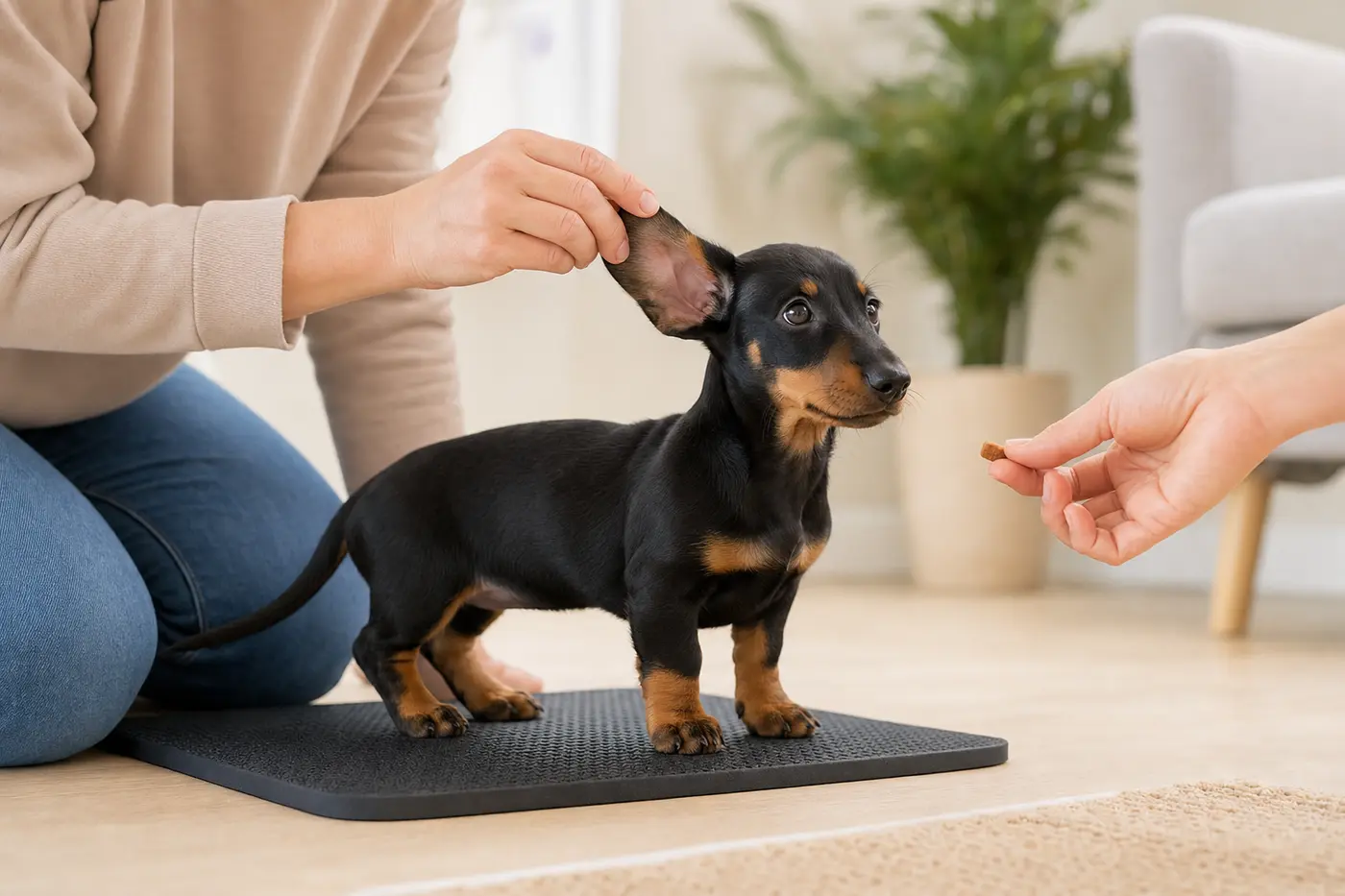
Vet and groomer prep is not about pretending to be a veterinarian. It is about making common handling feel familiar before the day your puppy is tired, worried, or uncomfortable.
Tiny checks at home can make real care easier: one paw touch, one ear look, one collar hold, one treat, then release. Choice and calm timing matter.
Great for
- Puppies preparing for exams, grooming, nail care, or handling.
- Families teaching kids that body care should be gentle and supervised.
- Dogs who can eat and recover during tiny handling moments.
Wait a bit if
- Painful areas, injuries, ear infections, eye problems, limping, vomiting, or urgent symptoms instead of vet care.
- Holding a scared puppy still until they give up.
- Children doing exams, nail care, or restraint without adult control.
Set up the first wins
Start With A Calm Setup
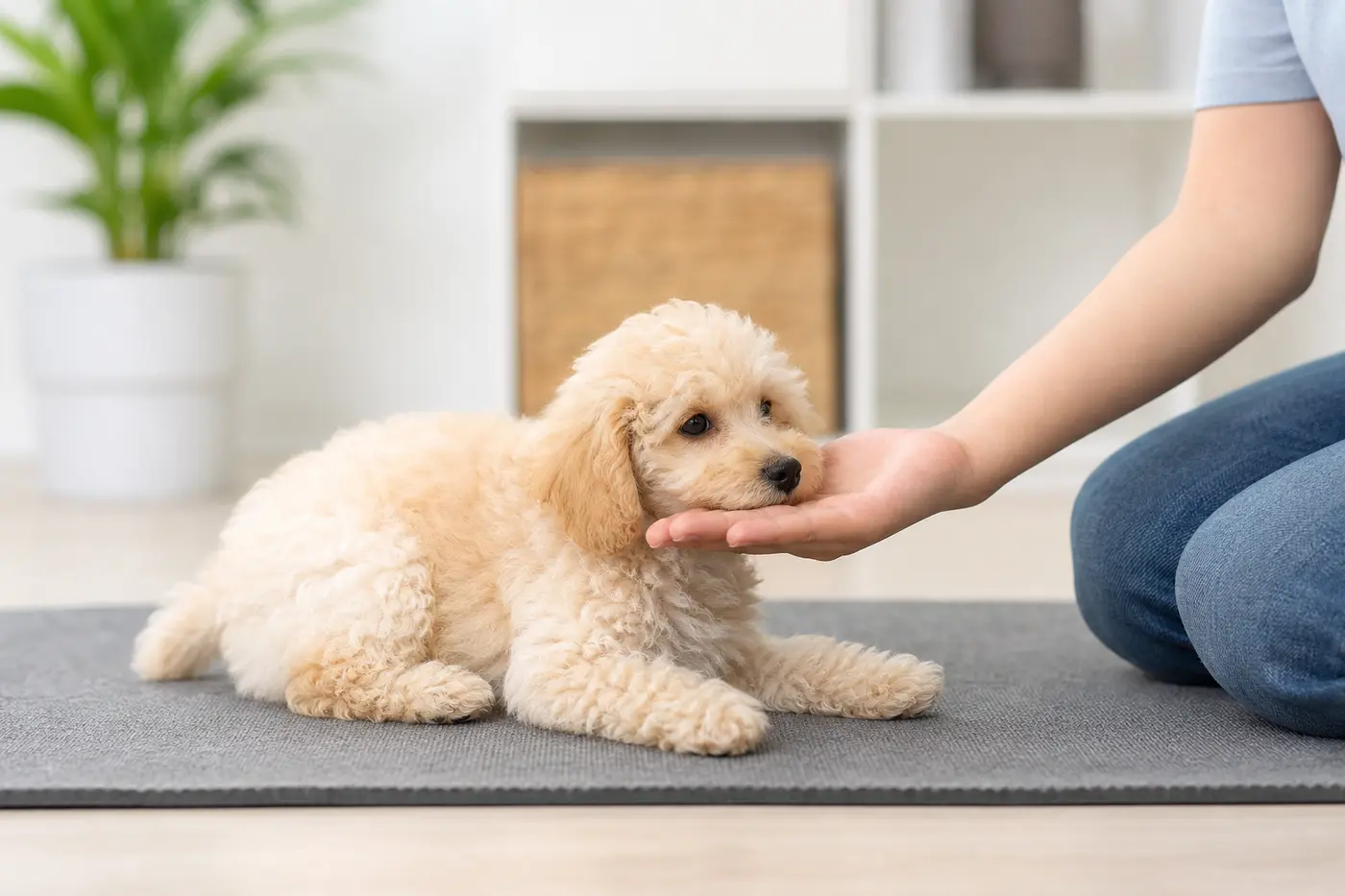
Choose a quiet room, a non-slip mat, and treats your puppy loves. Practice when your puppy is awake but not wild, full, or overtired.
Touch, Treat, Release
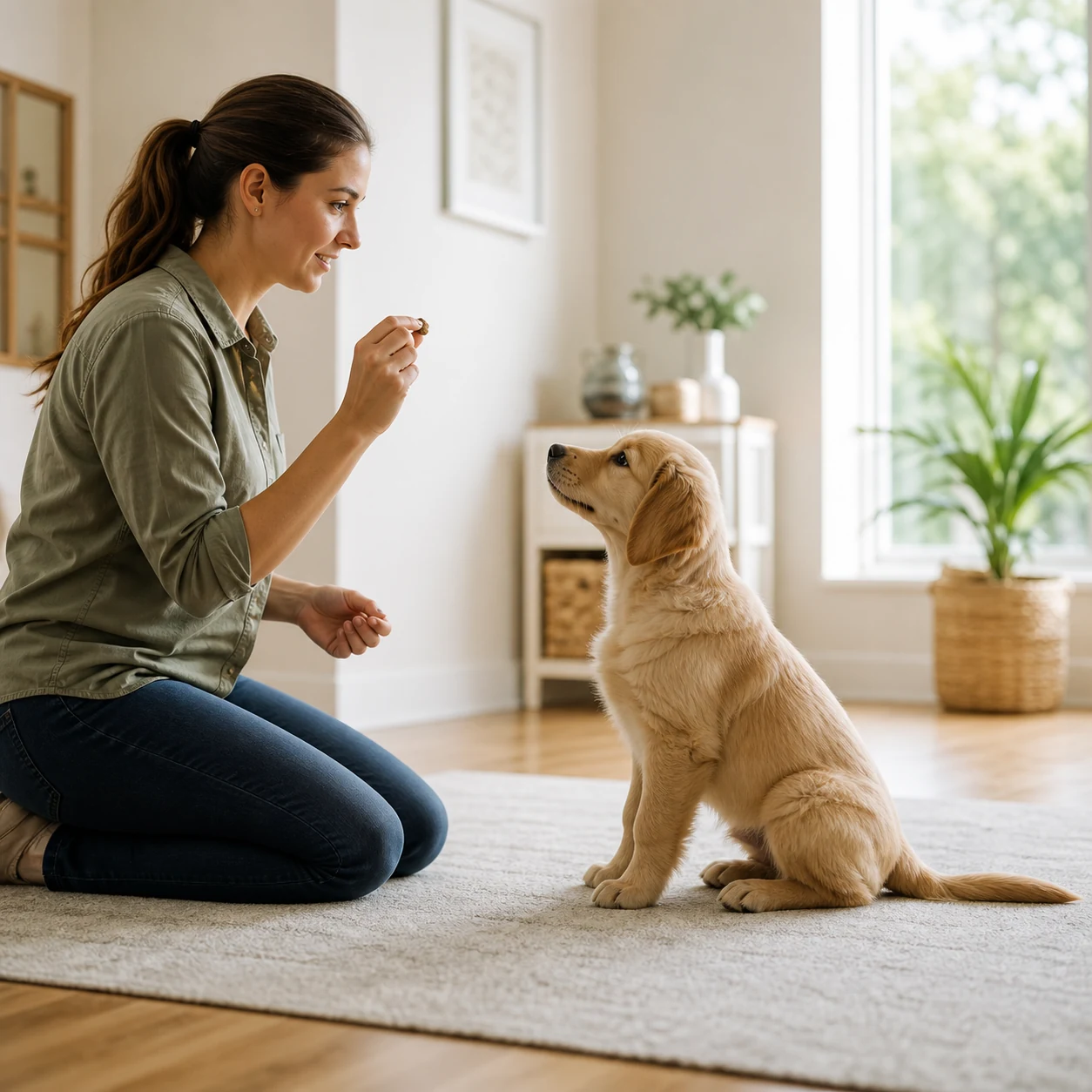
Every rep should feel simple: touch one body part for one second, feed, then let your puppy move. That release is what keeps the exercise trusting.
Practice The Places Vets Handle
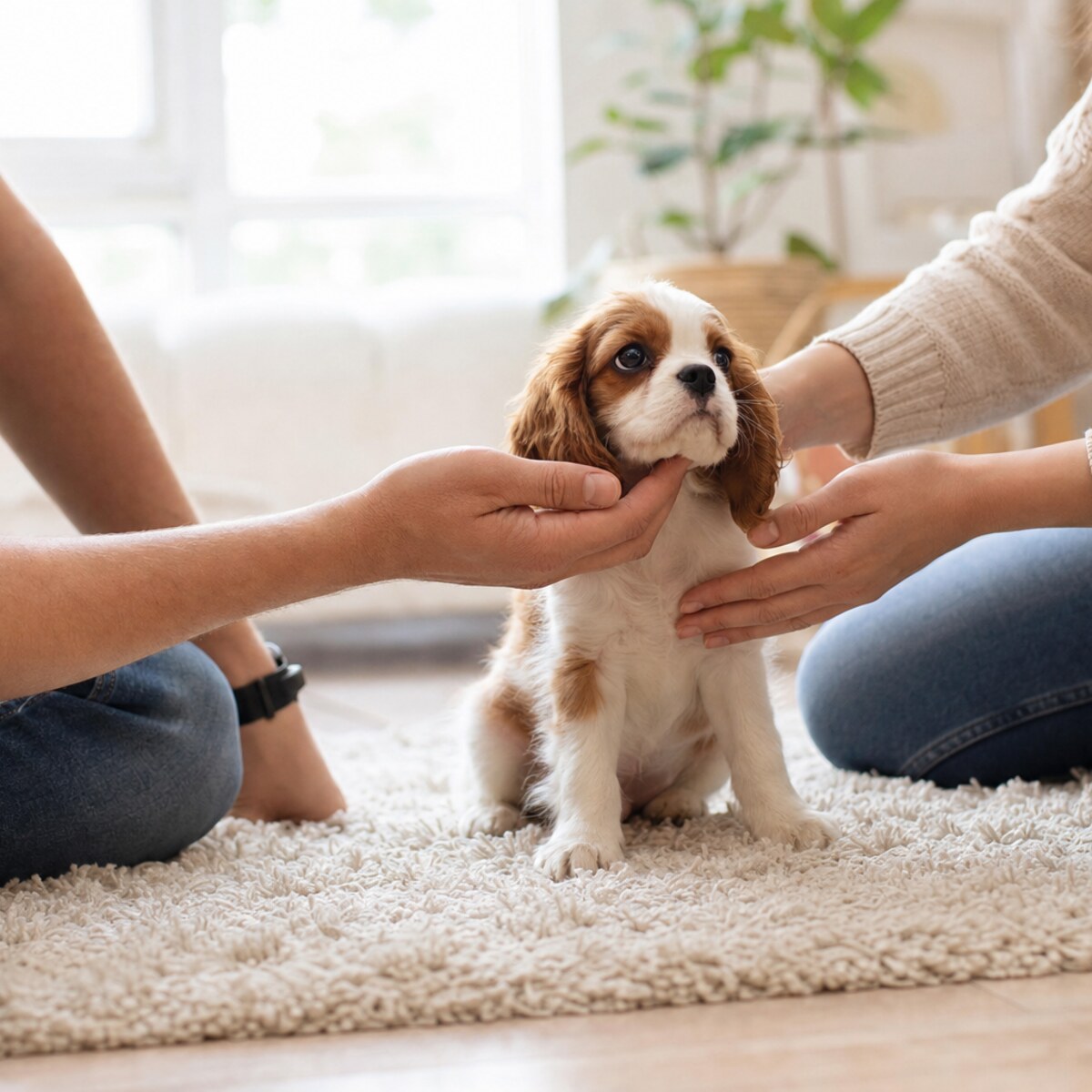
Work through ears, paws, collar, chest, belly, tail area, and a brief lip lift. Keep each one small. If your puppy pulls away, the next rep should be easier.
Make Real Appointments Easier
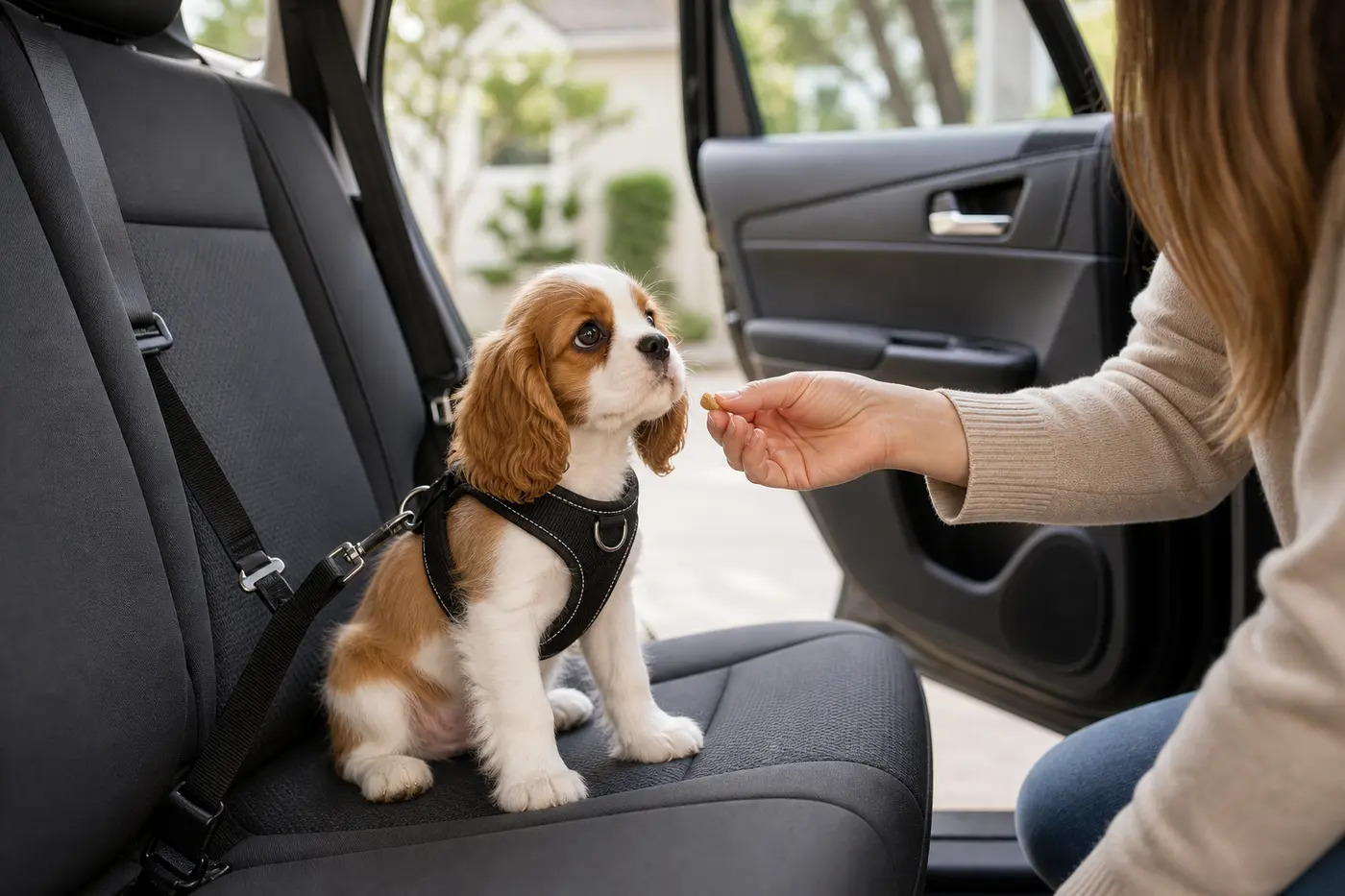
Bring familiar treats, arrive early enough to settle, and keep your voice soft. Ask your clinic whether happy visits are available if your puppy needs extra confidence.
Little things that help
Touch, treat, release
One tiny touch followed by a reward and a break teaches more trust than a long hold.
Practice common spots
Paws, ears, mouth, collar, tail area, belly, and brushing all become easier when they are not new.
Use professionals kindly
Ask your vet, groomer, or trainer how to make handling easier if your puppy freezes, growls, bites, or cannot recover.
Helpful little extras
Affiliate links: Furball Cove may earn from qualifying purchases at no extra cost to you.
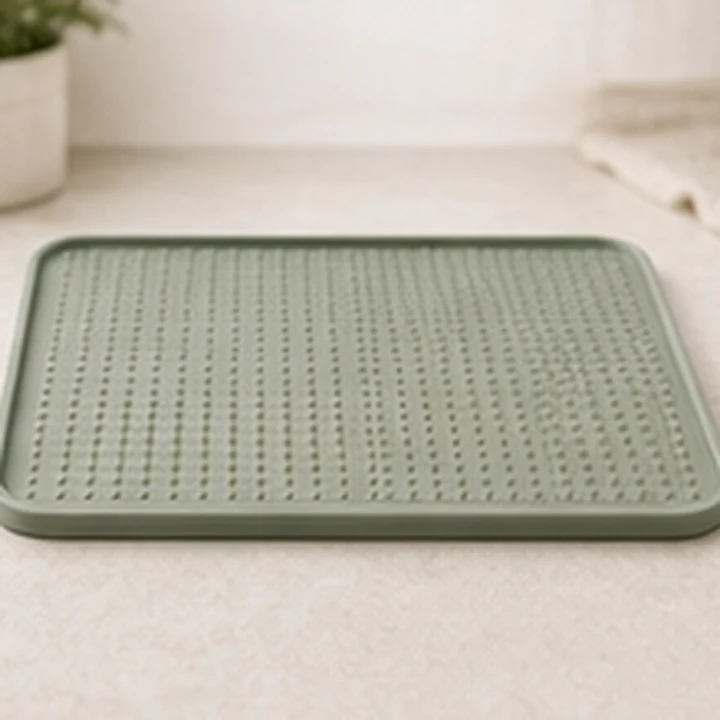
Non-slip grooming mat
Steady footing helps a puppy think clearly during body handling practice.
Soft training treats
Tiny rewards make each ear touch, paw touch, and collar touch feel worth repeating.
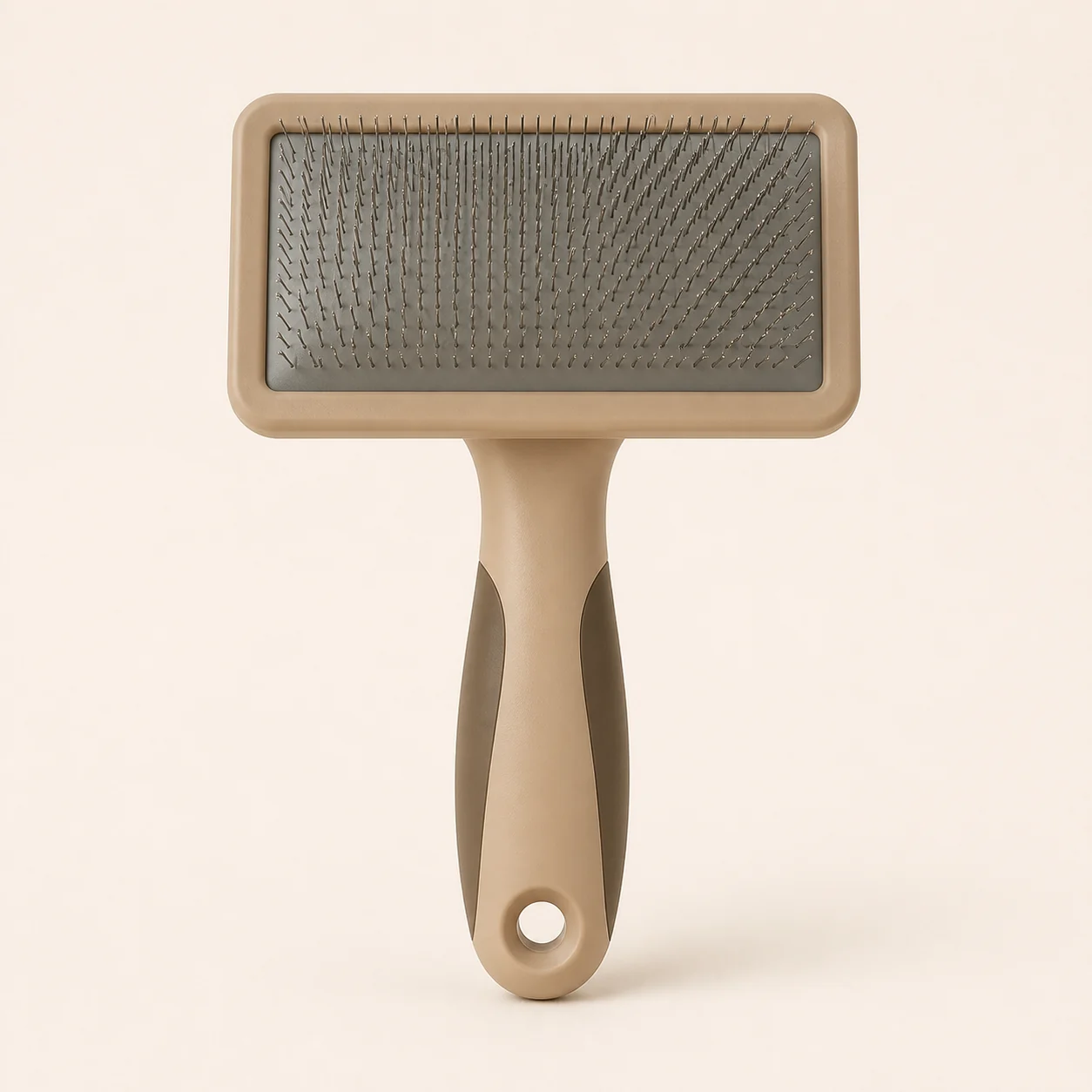
Puppy grooming brush
A gentle brush lets you introduce grooming as a pleasant part of the same care routine.
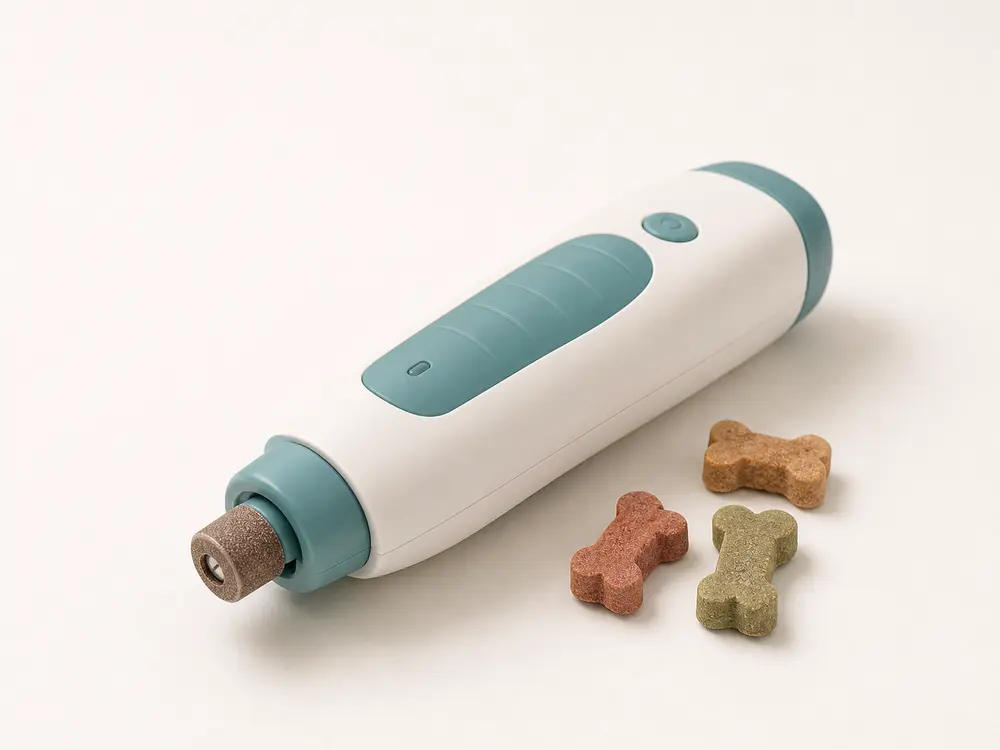
Quiet nail grinder
Introduce the sound at a distance first, then reward calm check-ins before using it near paws.
Questions people ask
How often should I practice vet checks?
Two or three tiny sessions a week is enough for most puppies. Keep it easy and cheerful so your puppy looks forward to the routine.
What if my puppy hates paw handling?
Start farther away. Touch the shoulder, feed, release, then slowly work down the leg over several sessions. Do not hold the paw while your puppy struggles.
Can this help with grooming?
Yes. Vet check practice builds the same skills needed for brushing, nail care, ear care, and calm towel handling.