

Updated
Puppy life skill
Puppy Car Ride Practice
Car ride practice teaches the car in tiny, boring pieces before every ride becomes a big event.
Start parked, add safety gear, take very short happy trips, and watch for motion-sickness signs instead of trying to train through nausea.
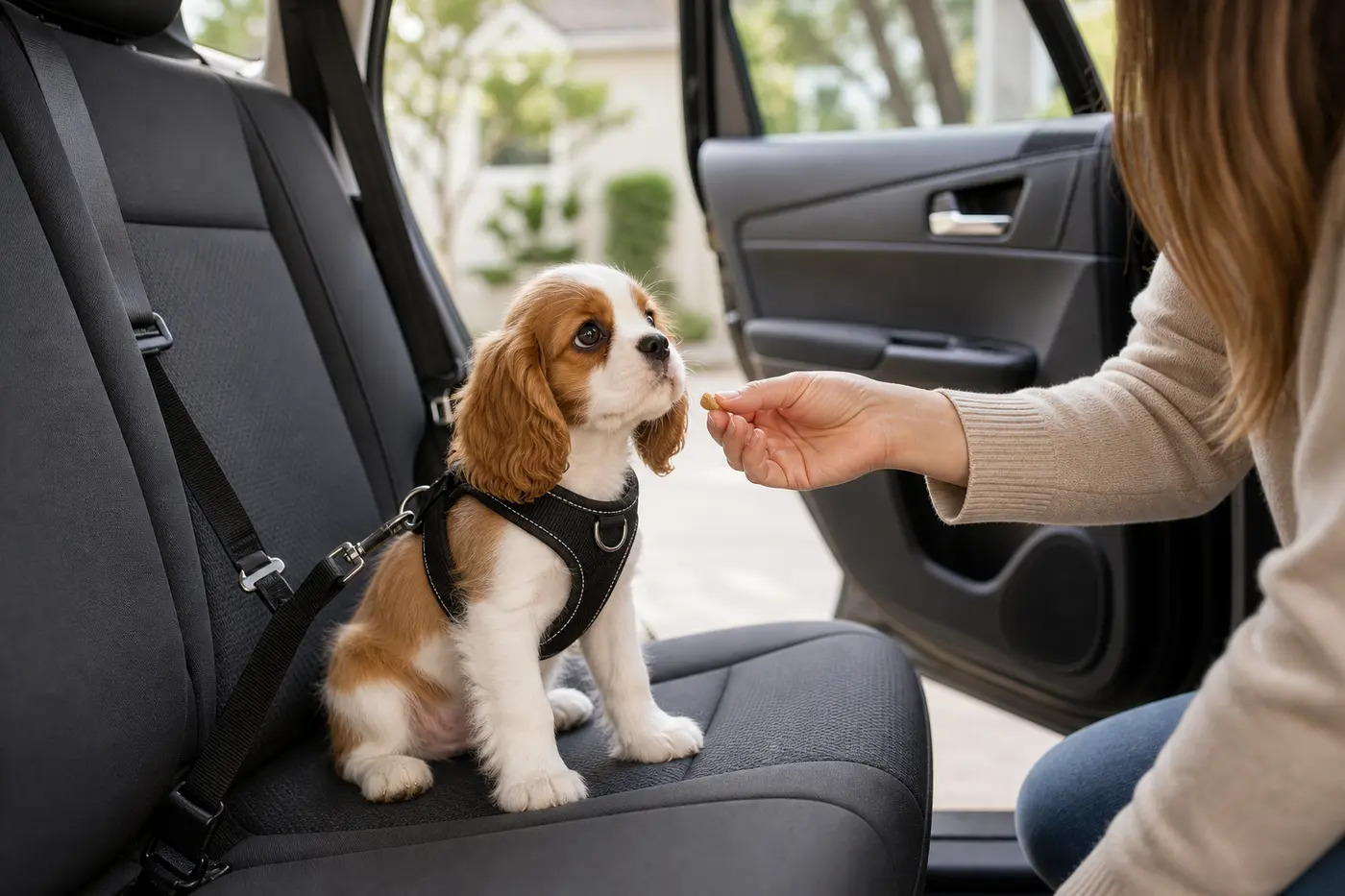
For many puppies, the car quickly starts to predict the vet, nausea, or a long day away from home. A calmer plan begins before the engine even turns on.
Think of the first lessons as car comfort, not car travel. Your puppy learns to climb in, settle, wear the restraint, and leave again without the whole experience becoming loud or rushed.
Great for
- Puppies who are new to car rides.
- Dogs who tense, hesitate, or drool before short trips.
- Families building easier vet visits, grooming trips, trail outings, or travel days.
Wait a bit if
- A puppy who vomits, drools heavily, or looks panicked in the car without vet guidance.
- Loose riding in the front seat or on a lap.
- Hot cars, long errands, or crowded outings before tiny practice rides feel easy.
How to teach the first reps
Start beside the parked car
Let your puppy sniff near the open door, eat a tiny treat, and walk away. If the driveway already feels hard, that is the first lesson.
Climb in and out
Invite your puppy into the parked car, reward a calm pause, then help them out again. Keep the engine off until this part feels ordinary.
Add the safety setup
Practice the crate, carrier, or car harness while the car is still parked. Clip in, feed a reward, unclip, and leave before your puppy gets worried.
Turn the engine on briefly
Start the car, feed a few calm rewards, then turn it off. The sound and vibration should become background noise before the car moves.
Take one tiny trip
Drive around the block or to a quiet sniff spot. End the ride while your puppy can still recover, eat, and walk normally.
Build a pleasant pattern
Mix in easy destinations so the car does not only predict appointments. Short rides to a calm park or a friend's driveway can make travel feel less intense.
Little things that help
Respect nausea signs
Drooling, lip licking, vomiting, shaking, or dread around the car can point to motion sickness. Ask your vet before pushing longer rides.
Skip the full stomach
Many puppies do better without a large meal right before travel. Use tiny rewards and keep water available when the trip is warm or longer.
Keep the car safe
Use shade, airflow, and secure restraint. A calm ride still needs practical safety, especially in warm weather or busy traffic.
Helpful little extras
Affiliate links: Furball Cove may earn from qualifying purchases at no extra cost to you.
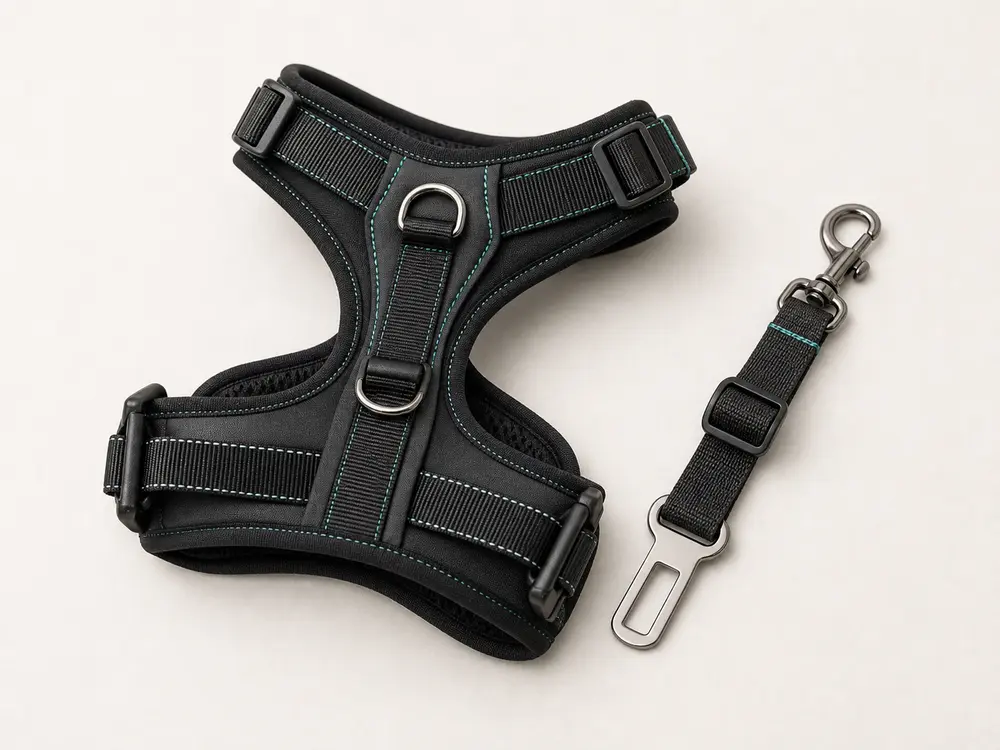
Crash-tested car harness
A car harness keeps practice safer than letting a puppy wander across seats or climb into your lap.
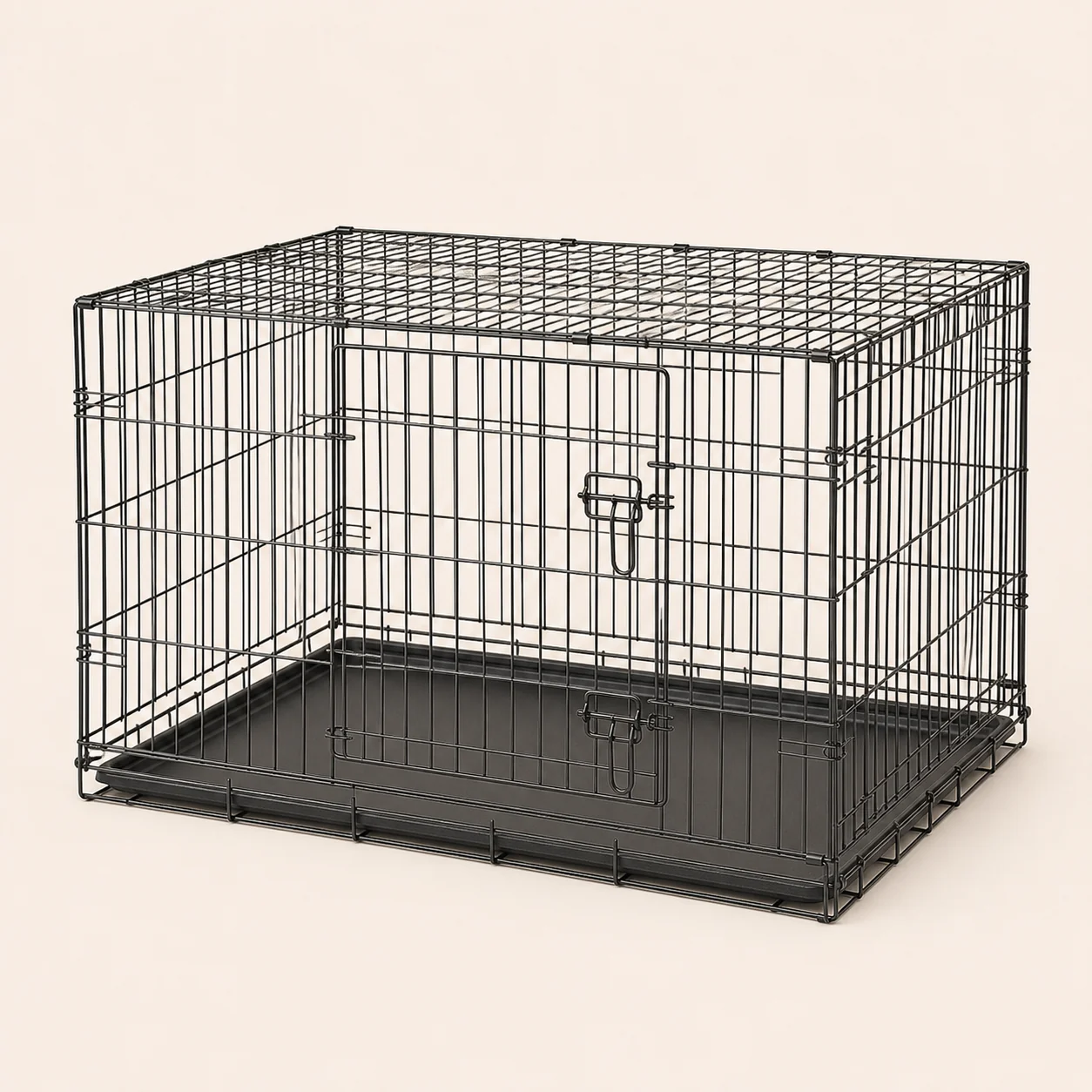
Travel crate
A sturdy travel crate gives many puppies a clear, contained place to settle during short practice rides.
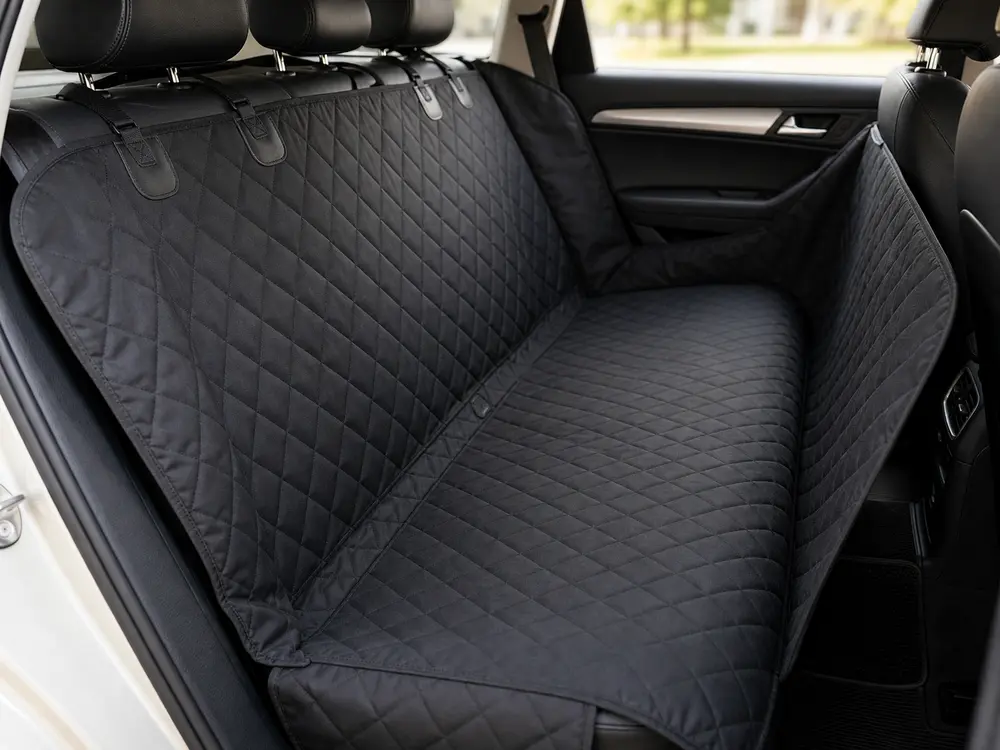
Waterproof seat cover
A washable cover makes muddy paws, drool, and early upset-stomach moments easier to clean without turning the ride into a crisis.
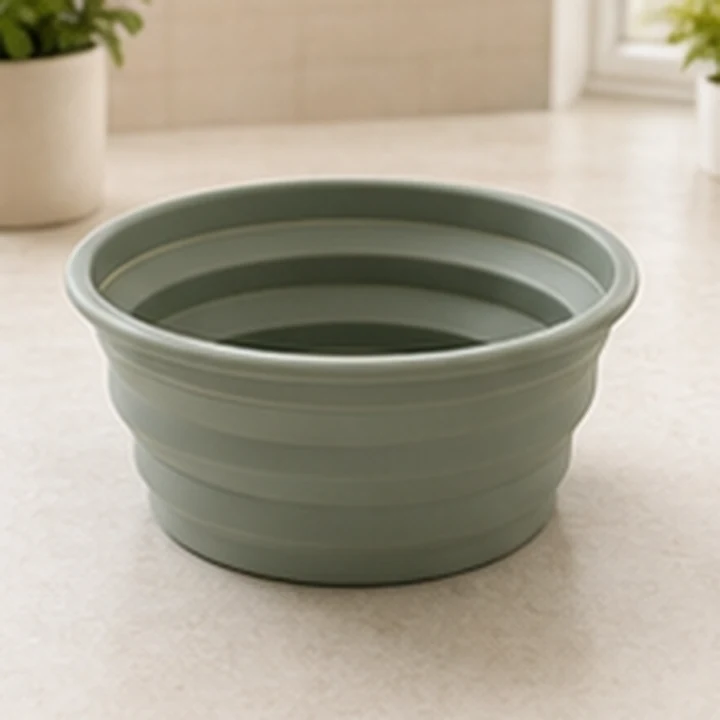
Collapsible travel bowl
A small bowl is useful for warm days, vet parking lots, trail stops, and any ride where your puppy needs a quiet water break.
Questions people ask
How long should the first ride be?
A loop around the block can be enough. The first goal is a ride your puppy can finish without panic, vomiting, or frantic movement.
What if my puppy throws up in the car?
Pause the training plan and ask your vet about motion sickness. You can still practice around the parked car, but do not keep repeating rides that make your puppy sick.
Can my puppy ride on my lap?
No. Use a secure crate, carrier, or car harness so your puppy is protected and you can drive without distraction.
Try these next
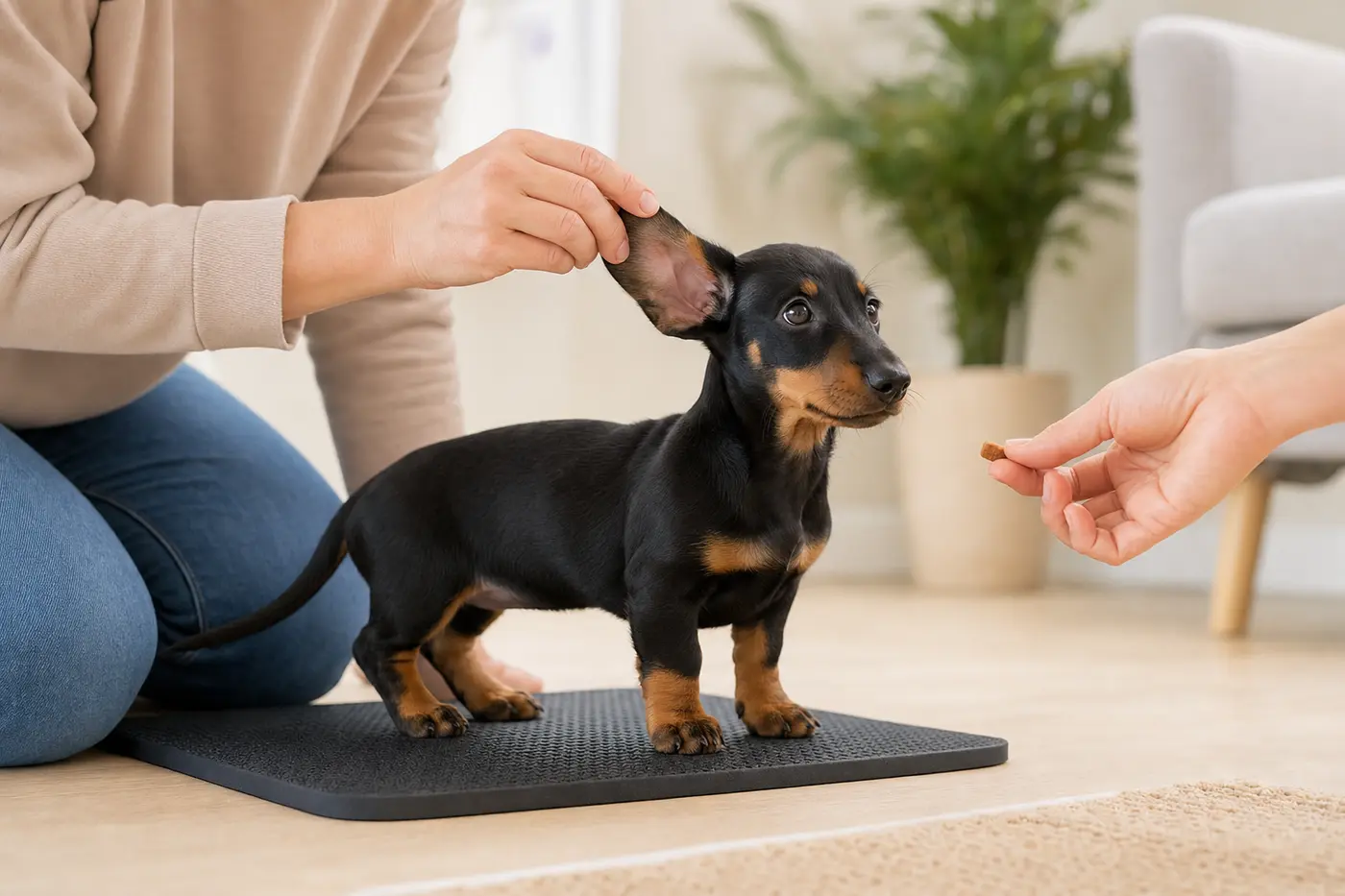
Vet and Groomer Prep
Car comfort pairs well with low-pressure handling practice.
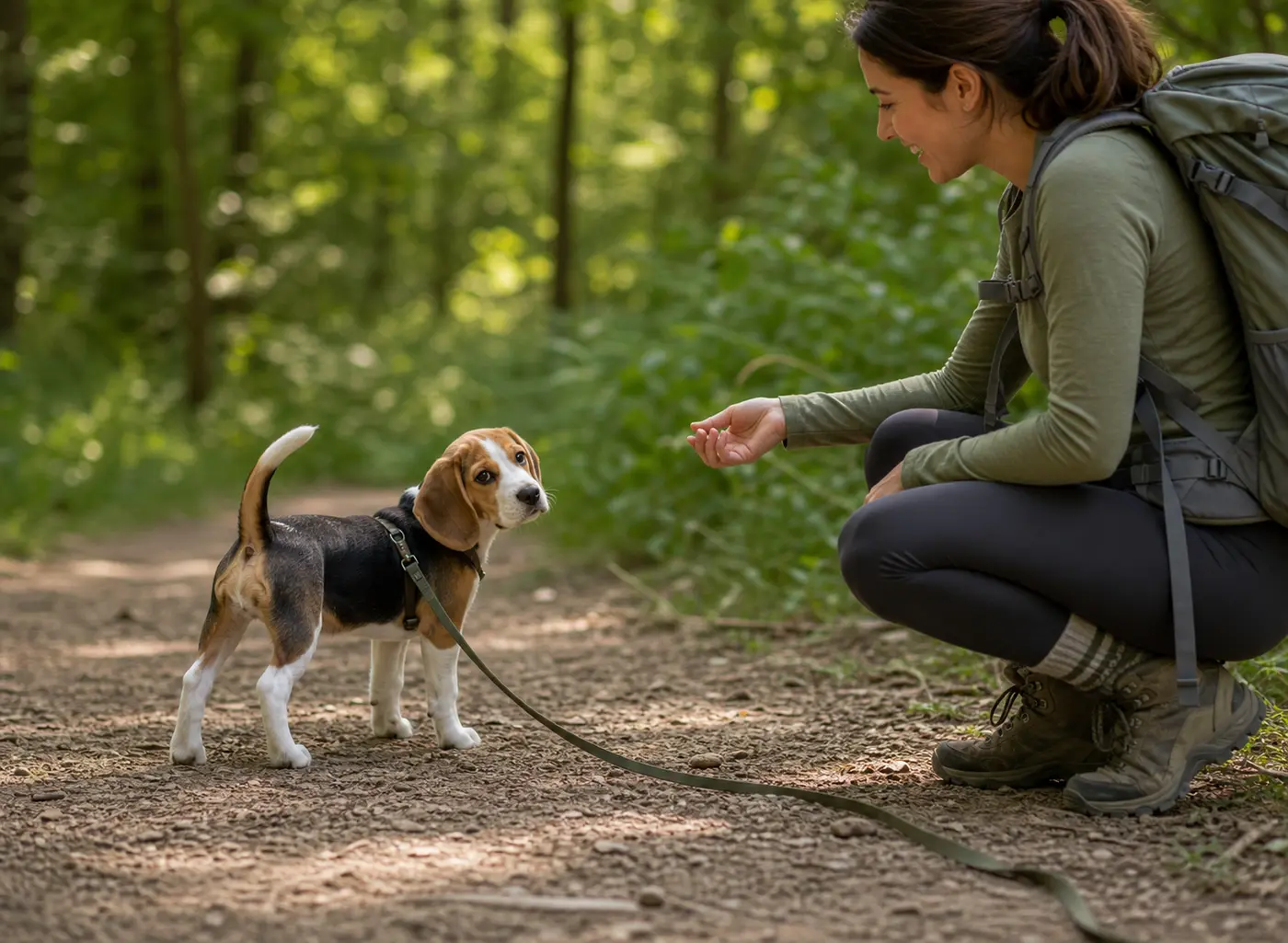
Watch the World
Use short outings for calm social exposure after the ride.
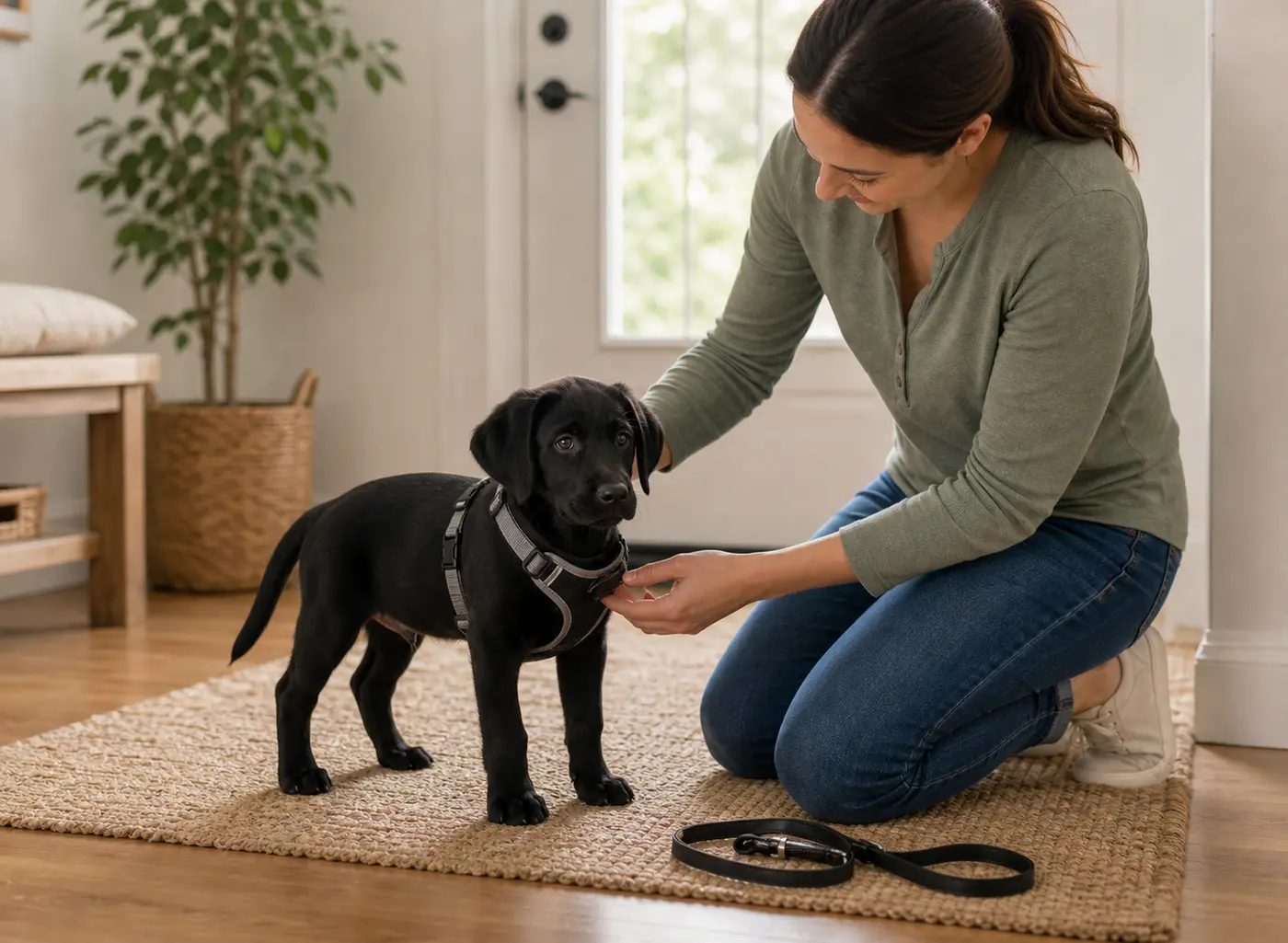
Harness and Leash
Make straps and clips feel familiar before travel days.
Puppy Training
Return to the full puppy plan for daily routines and life skills.