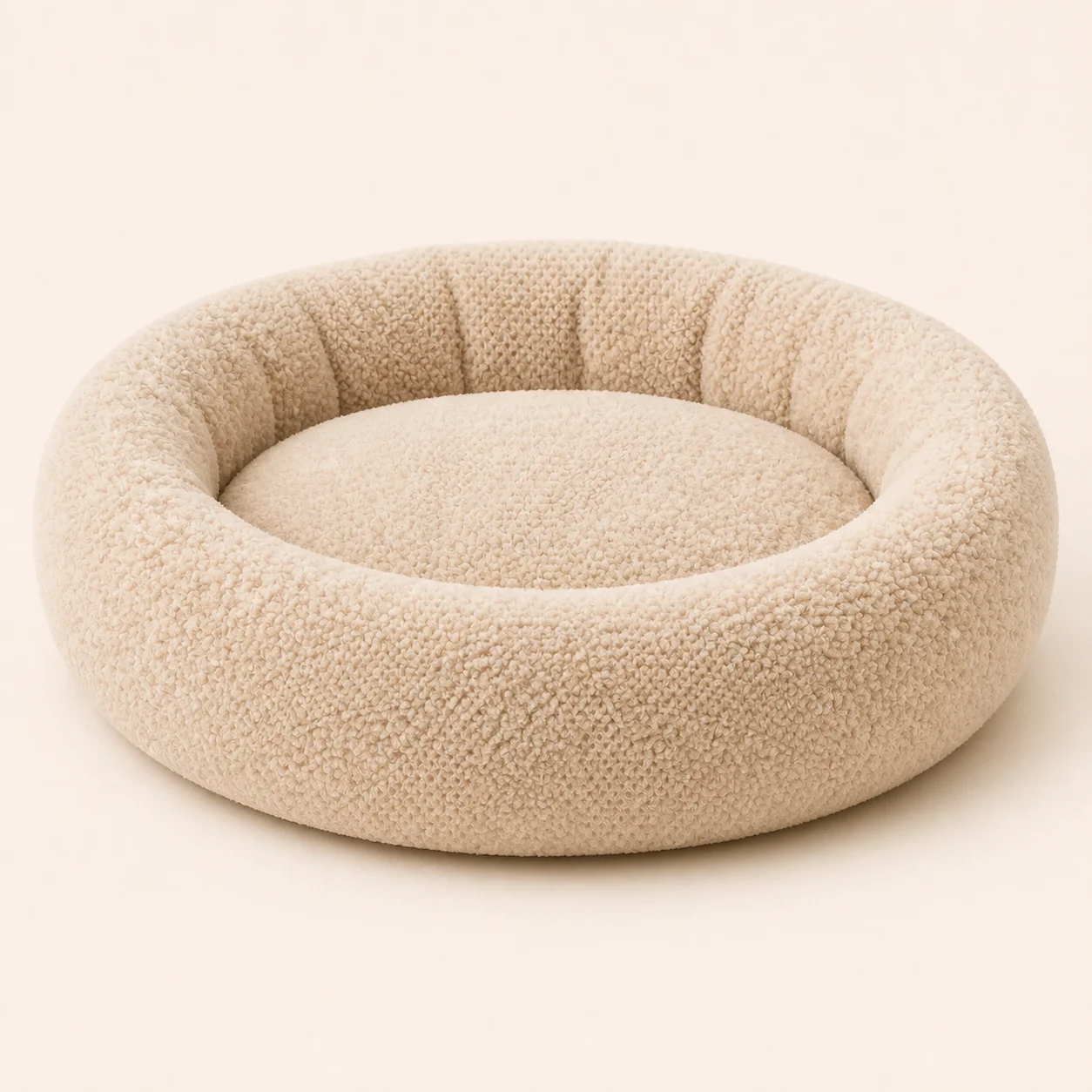
A good sleep setup gives your dog a predictable place to rest, enough comfort for their body, and enough boundaries to keep the house calm.
Sleep gear is not just decor. It affects night routines, naps, guests, work calls, car recovery, muddy paws, and whether your dog has a place to retreat when the house gets loud.
01
Choose the rest spot first
Look for a place where your dog can see the household without being in the traffic lane. A bed beside the couch, a crate in a quiet corner, or a mat near your desk can all work. The best spot is the one your dog can use every day without being bothered.
02
Match support to the dog
A young, light dog may flop happily on a simple mat, while a senior dog or large dog may need thicker support. Watch how your dog gets up after naps. Ask your vet about stiffness, limping, or a sudden change in rest habits, especially if the dog seems sore.
03
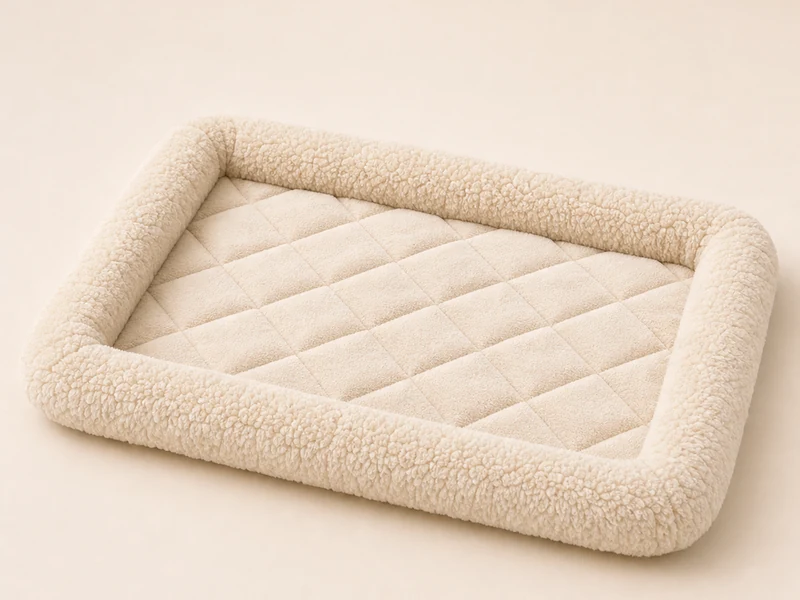
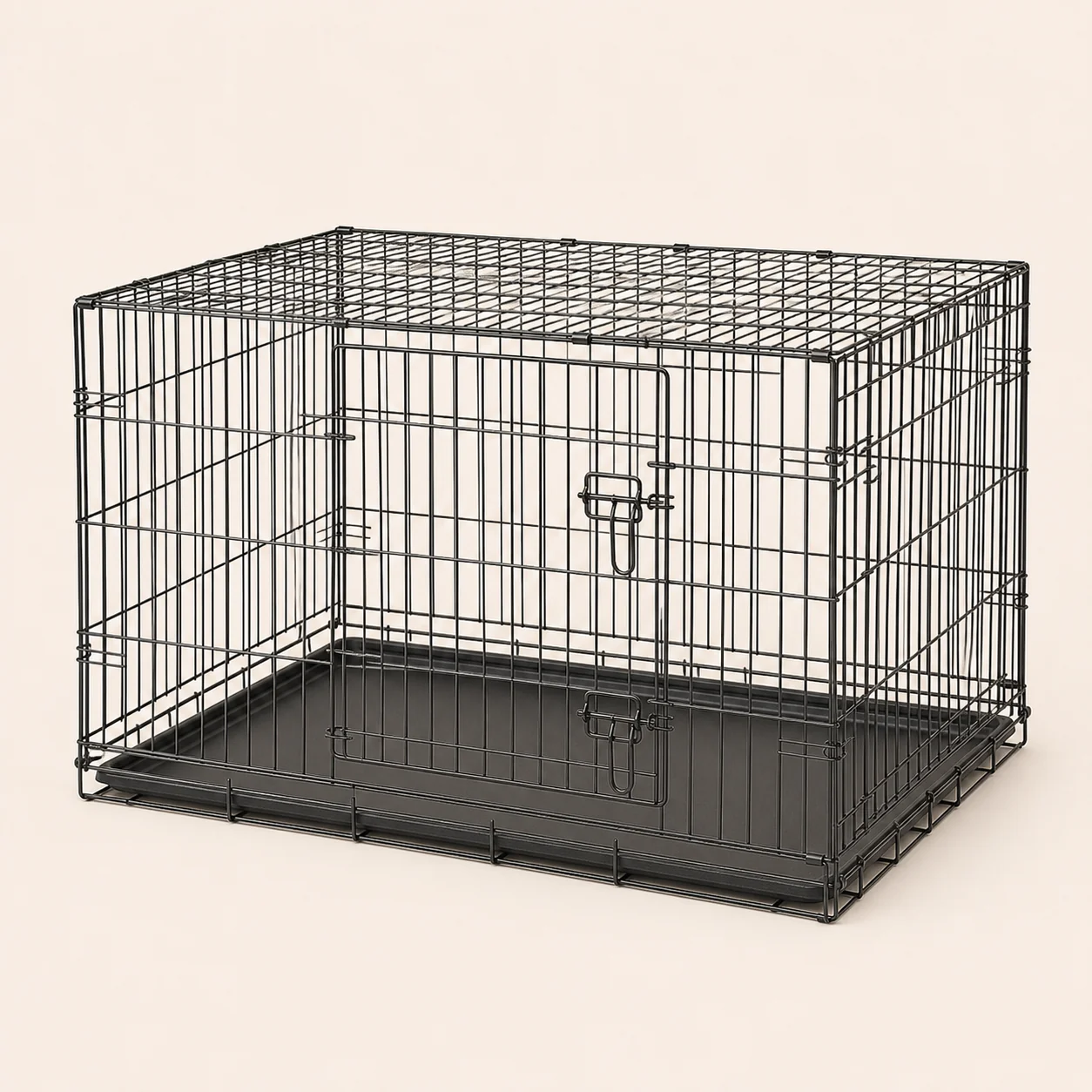
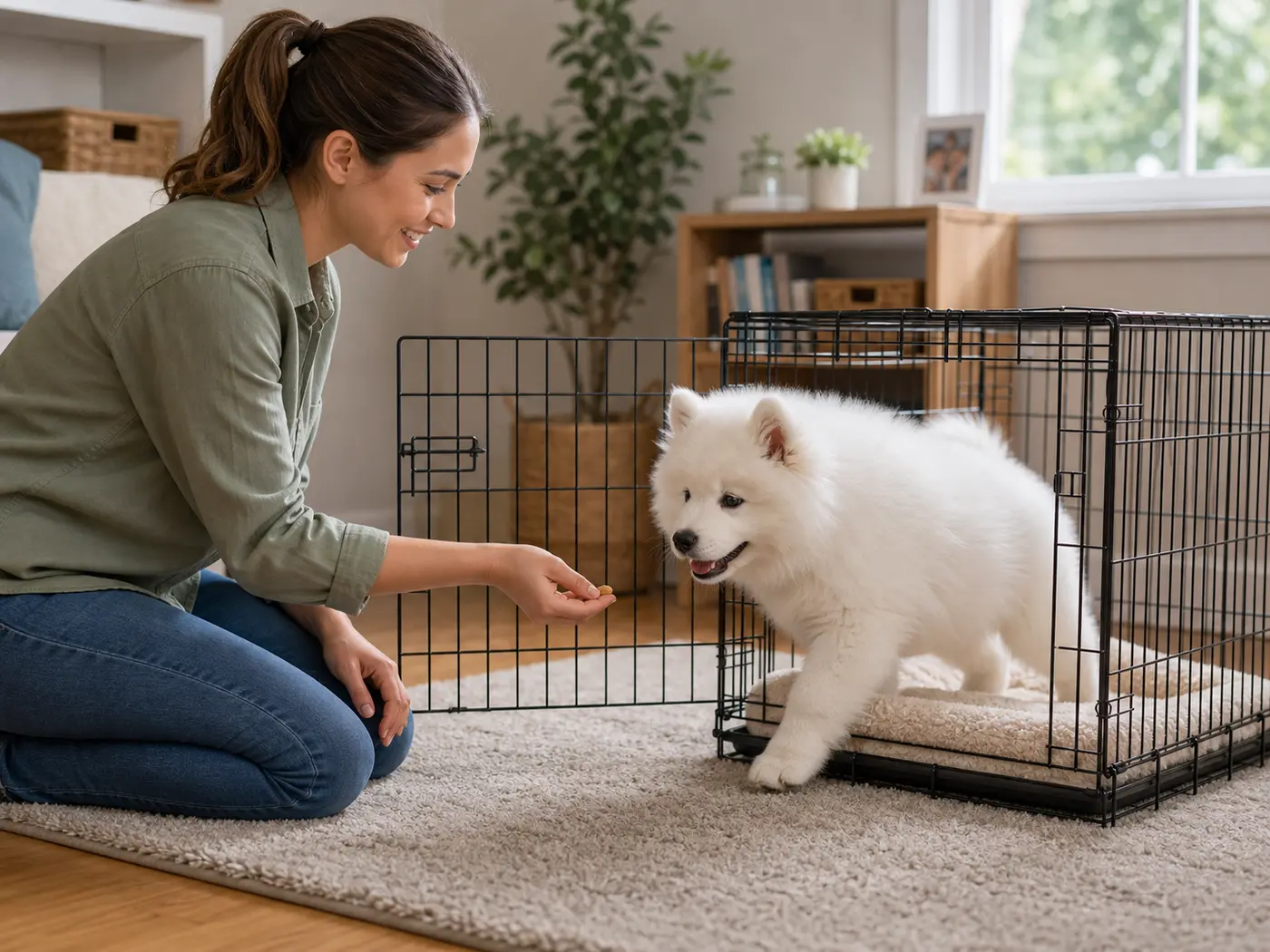
Use crates and pens as calm spaces
A crate or pen should feel predictable and safe. Add short, easy sessions with treats, chews, and an open door before asking for longer rest. If your dog panics, drools, claws, or tries to escape, pause and work with a qualified trainer or your vet.
04
Plan for heat, cold, and cleanup
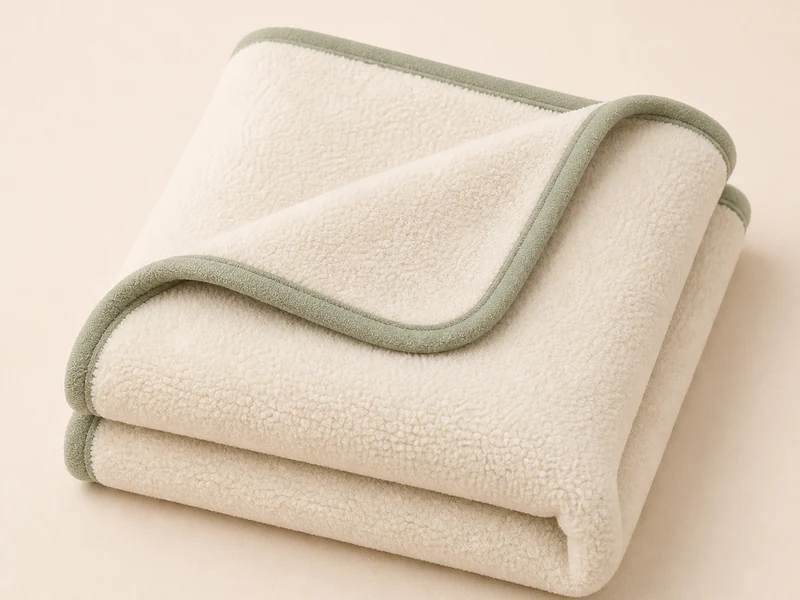
Some dogs seek cool floors, some burrow under blankets, and some bring every muddy paw straight to the bed. Choose washable covers, a spare blanket, and seasonal options like a cooling mat or warmer layer. Clean sleep gear makes skin checks and odor changes easier to notice.
05
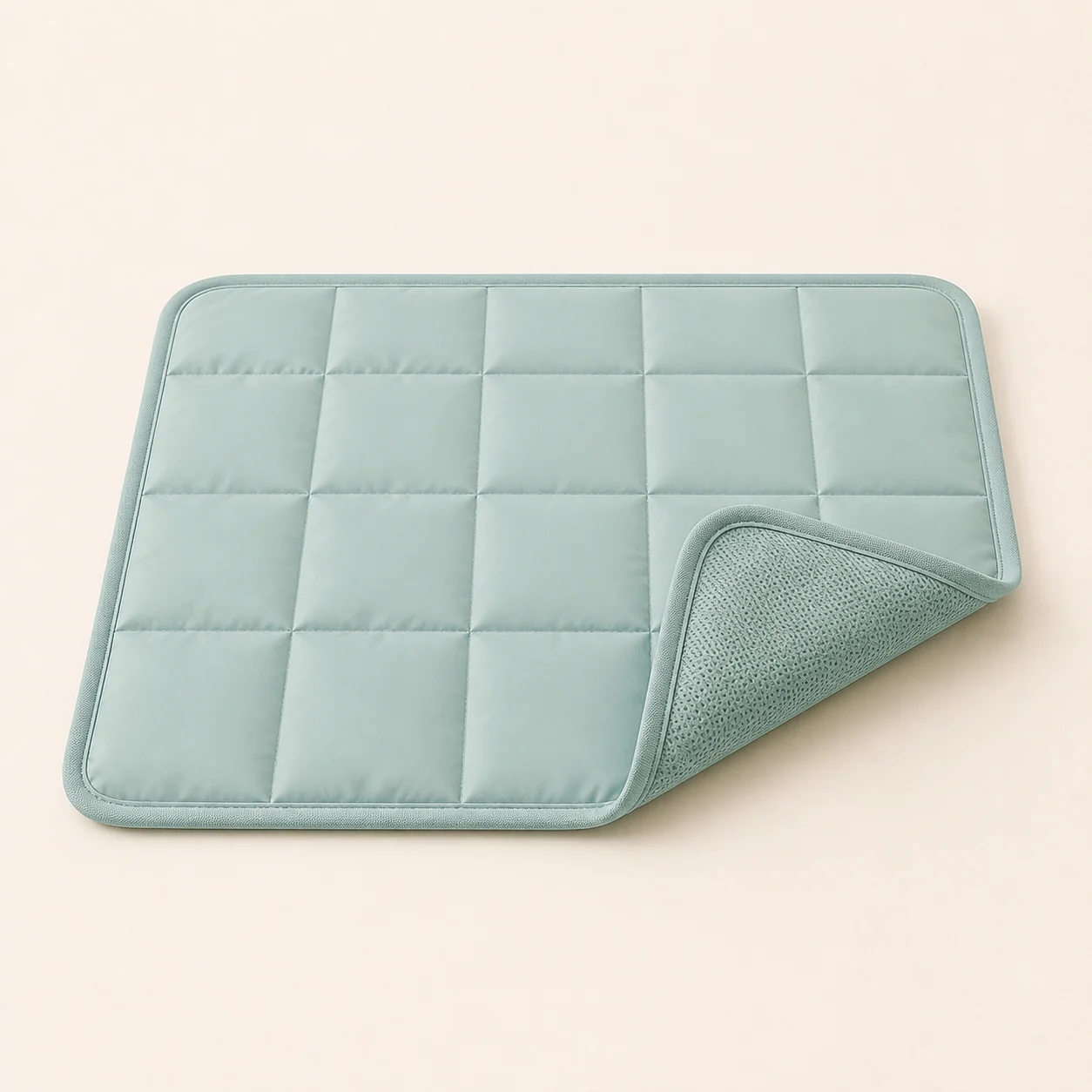
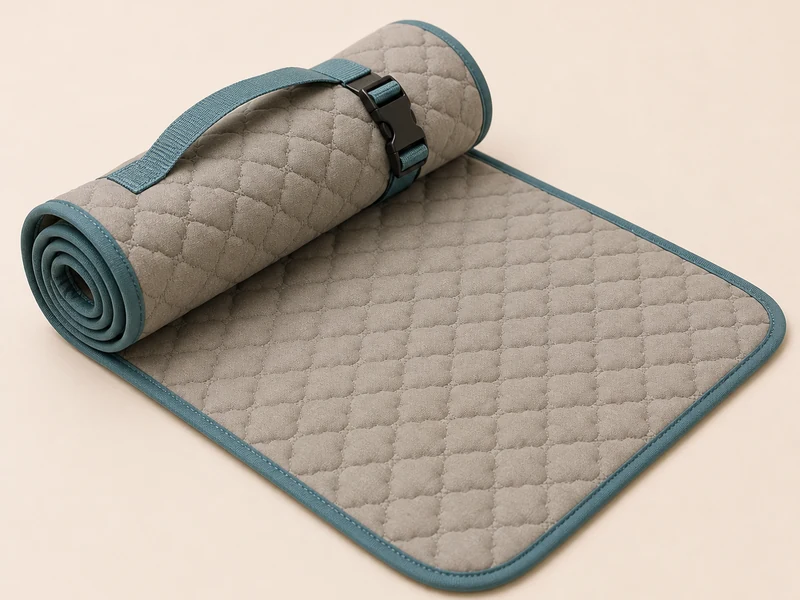
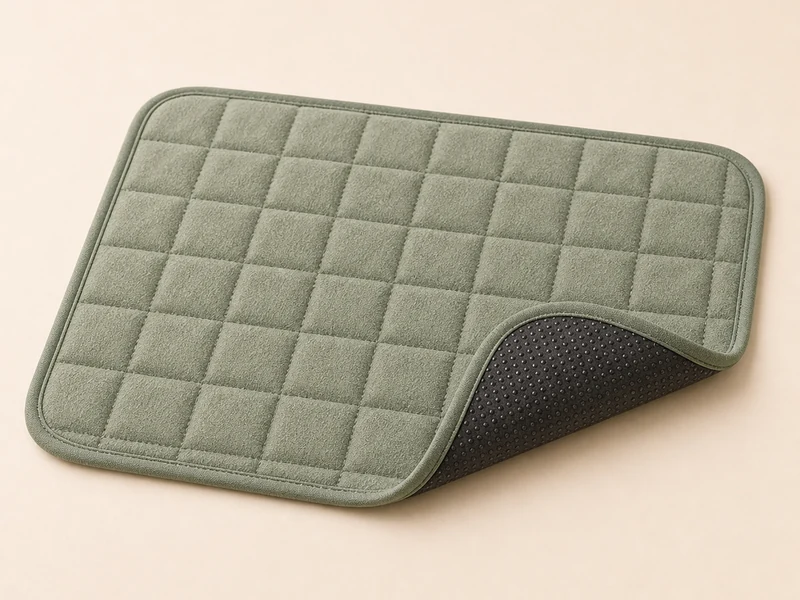
Use a mat for portable settling
A small travel mat can teach your dog where to relax at a cafe patio, a friend's house, training class, or the vet lobby. Start at home with short rewards for lying down, then bring the mat to slightly busier places before expecting calm in a hard setting.
06
Respect the retreat
A dog bed should not become the place where kids climb on the dog or adults keep waking them up. Teach everyone to let a resting dog sleep. Good rest prevents cranky evenings and gives shy, older, or sensitive dogs a safe place to reset.
Quick checks
The bed, crate, or mat is in a quiet place where your dog is not trapped or stepped over.
Covers, blankets, and pads are washable and dry fully before your dog uses them again.
Your dog can enter, turn around, lie down, and leave calmly when the setup is not meant for confinement.
Next steps
Use short, rewarded crate or mat sessions before relying on the setup for long rest.
Keep one spare washable cover or blanket ready for muddy days and accidents.
Ask your vet about sudden restlessness, pain, stiffness, limping, overheating, or sleep changes.
Sleep and crate setup supplies
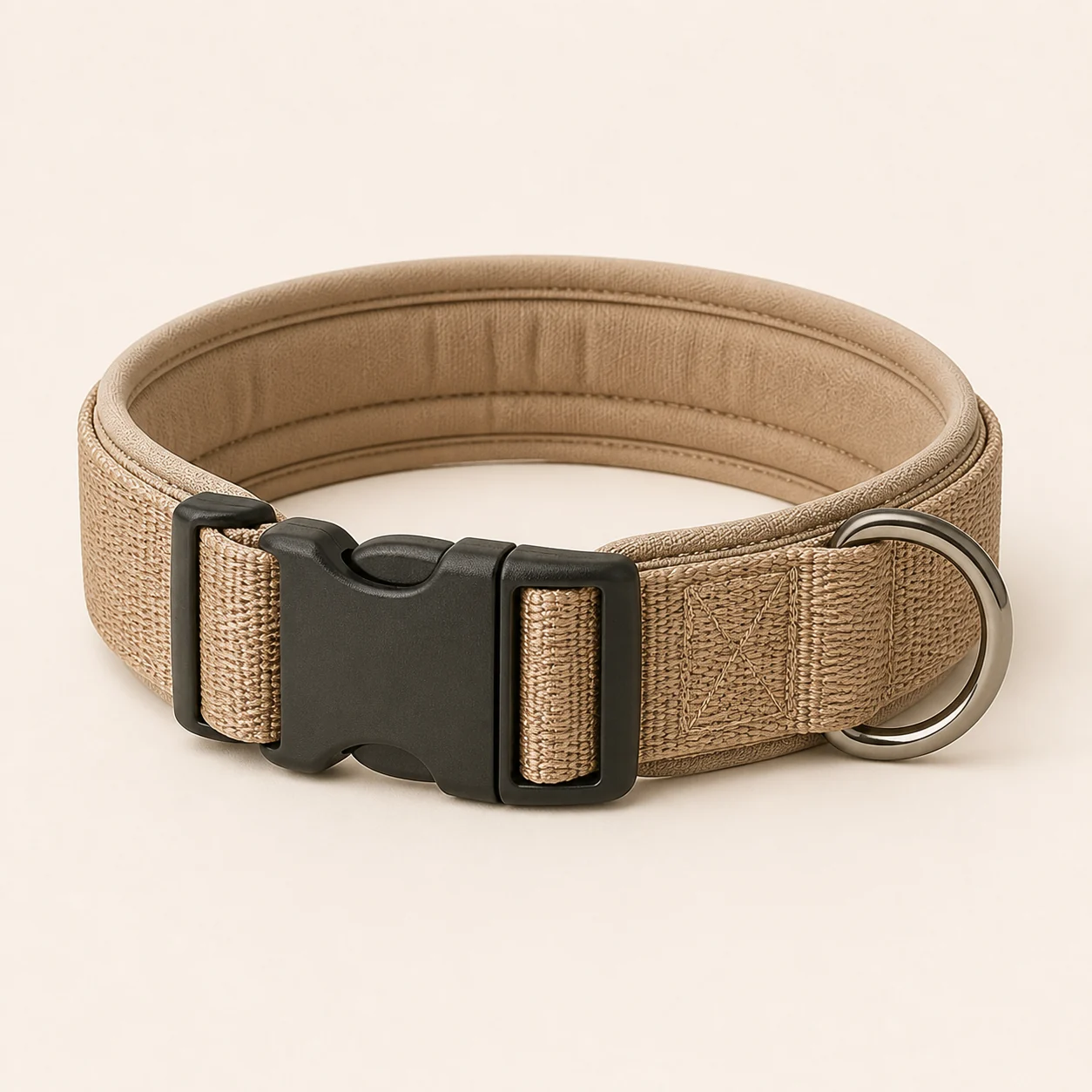
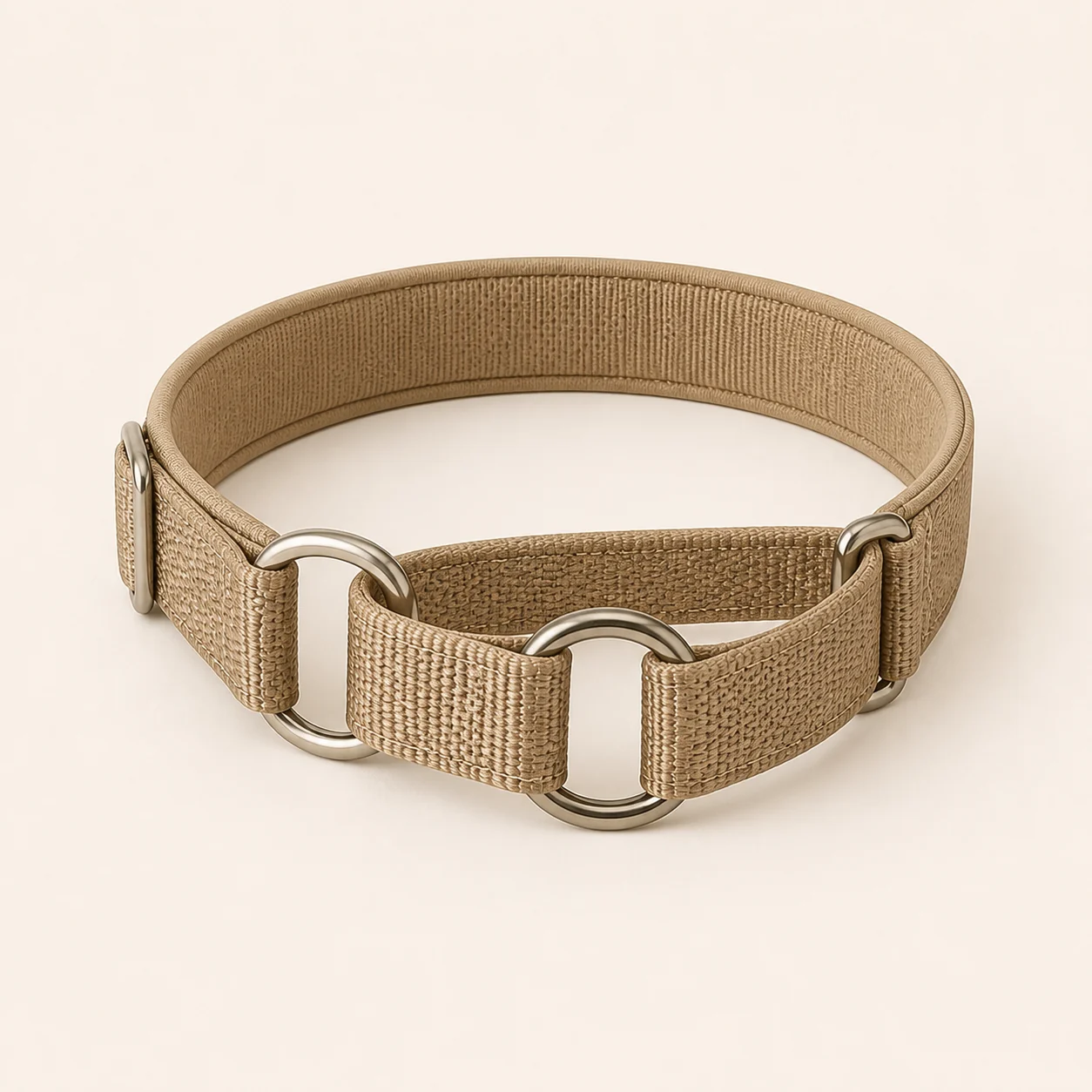
Pick sleep gear that matches your dog's body, the room, and the kind of rest you are trying to support.
Affiliate links: Furball Cove may earn from qualifying purchases at no extra cost to you.
A crate can be useful when introduced kindly and used for calm rest, not punishment. It is not right for every dog, and panic or escape attempts need professional help.
Where should my dog sleep?
Choose a place that is comfortable, safe, and predictable. Some dogs sleep best near people, while others rest better in a quieter corner.
How do I stop my dog from chewing the bed?
Supervise new bedding, remove it when chewing starts, offer safer chew options, and ask a trainer if the chewing is anxious, intense, or repeated.