For a puppy, prioritize potty cleanup, a safe sleep area, washable bowls, chew choices, tiny training rewards, and a simple way to block off rooms.
Puppies do best when the house is arranged before their busy little brain starts exploring it. Think small bladder, sharp teeth, short naps, soft treats, and a setup that keeps mistakes from turning into habits.
01
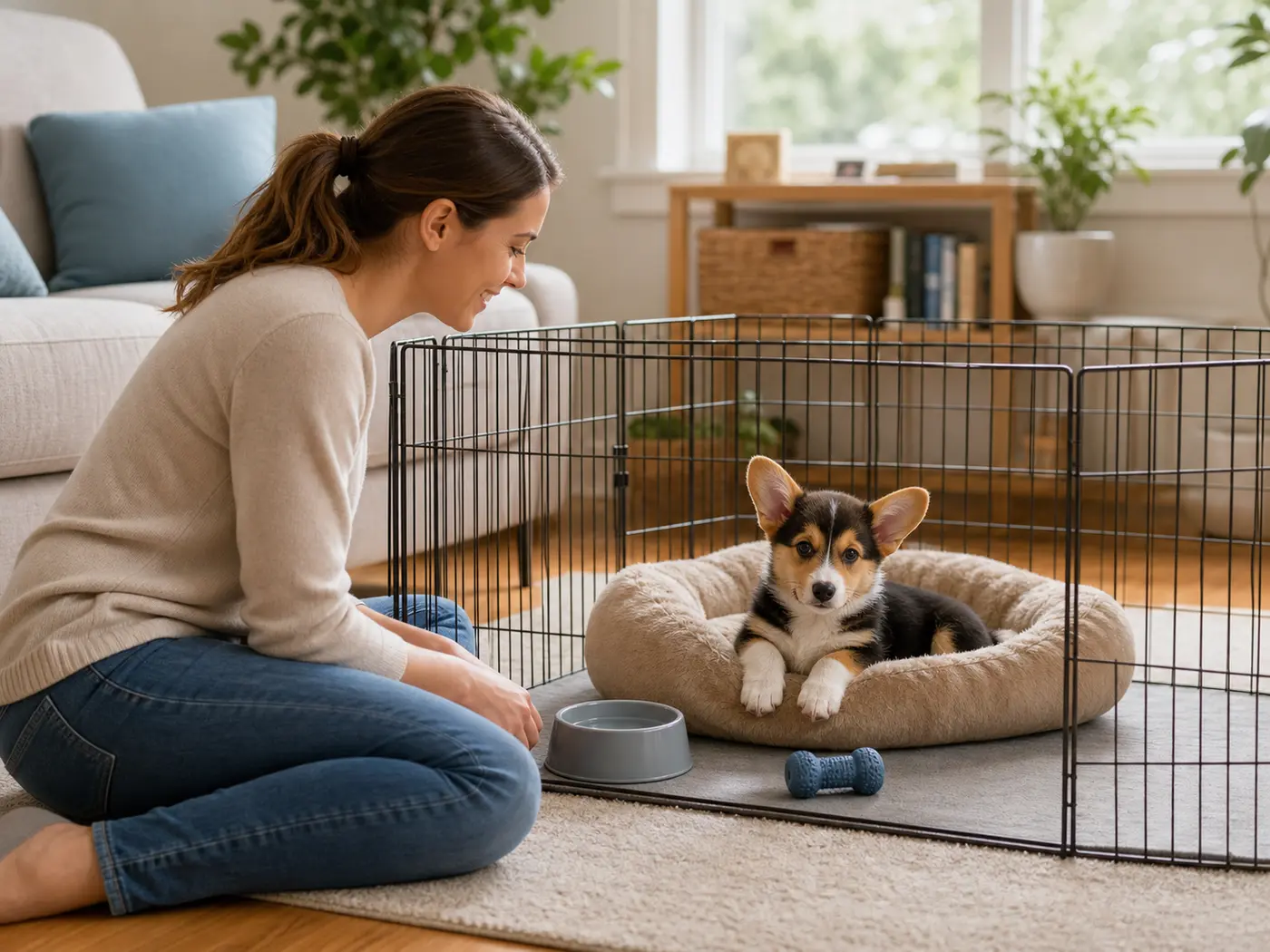
Set up a puppy zone
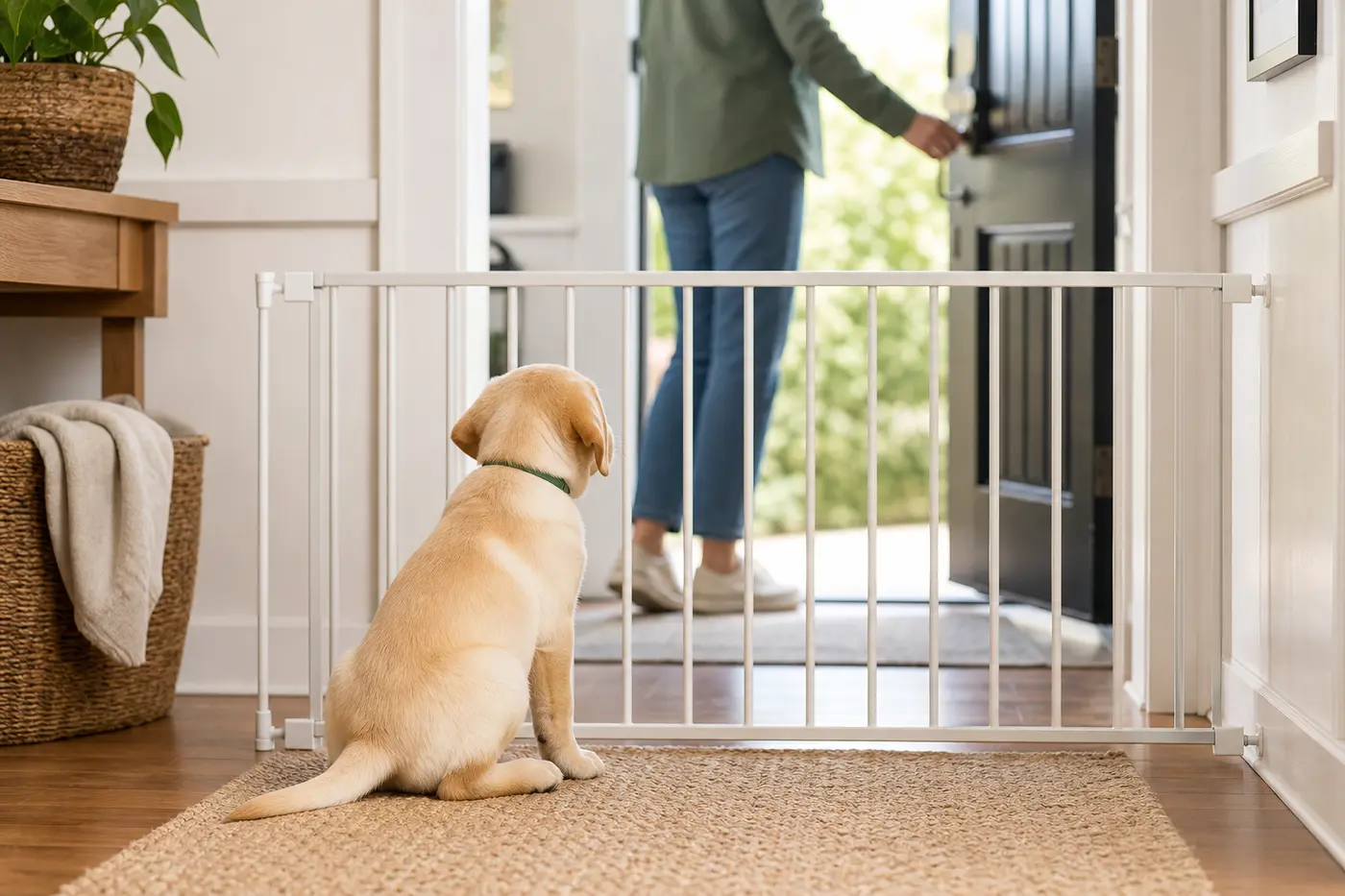
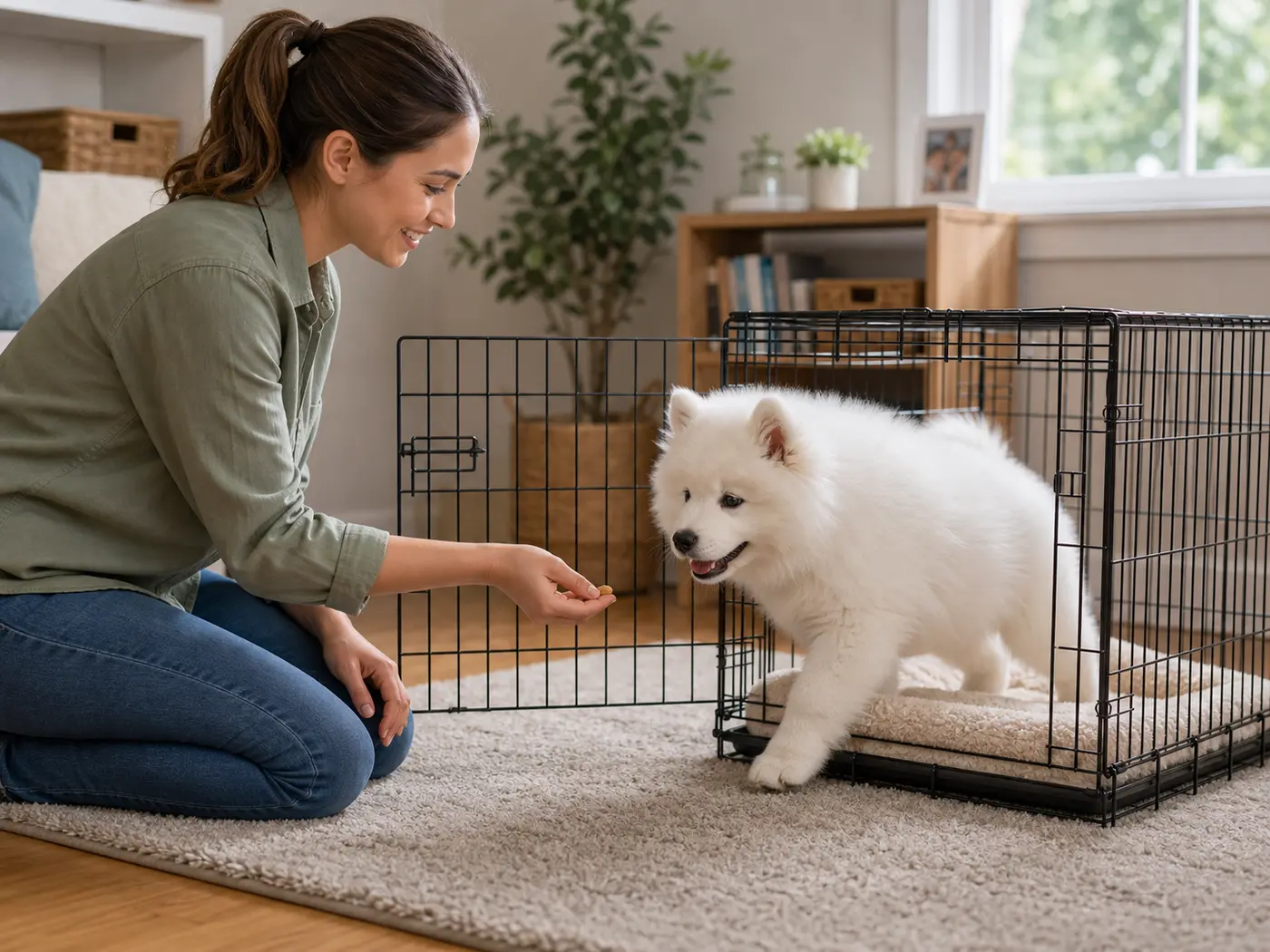
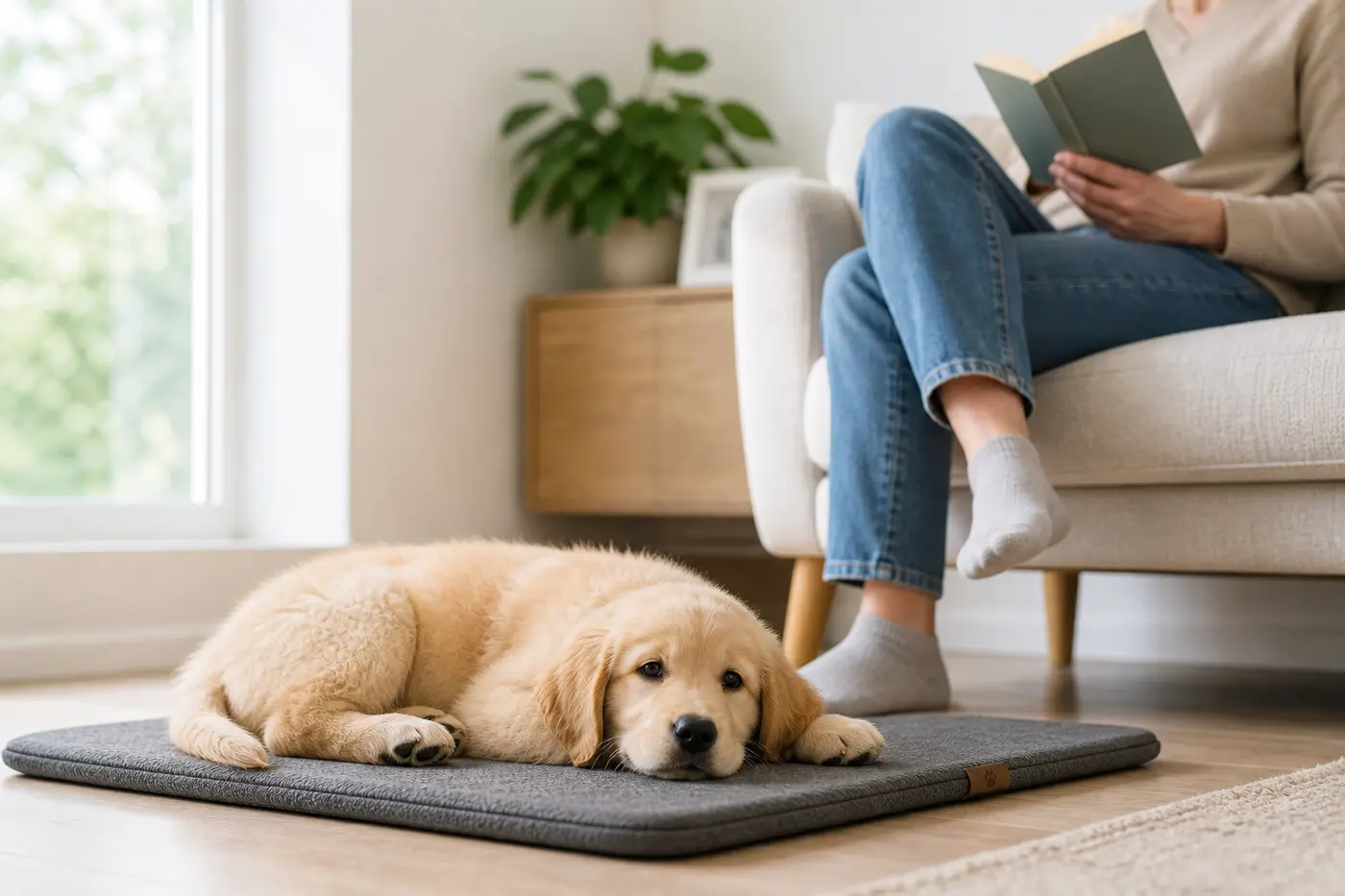
Use a crate, pen, or baby gate to create a small area where your puppy can sleep, chew, and be watched. The goal is not to isolate them all day. The goal is to stop a tiny puppy from rehearsing table-leg chewing, carpet accidents, and hallway zooms while everyone is distracted.
02
Make potty cleanup easy to reach
Even a smart puppy has accidents. Keep enzyme cleaner, paper towels, washable bedding, and a laundry basket close to the puppy area. Clean quietly, take the puppy outside, and reward the right spot. Big reactions can make some puppies hide before they go.
03
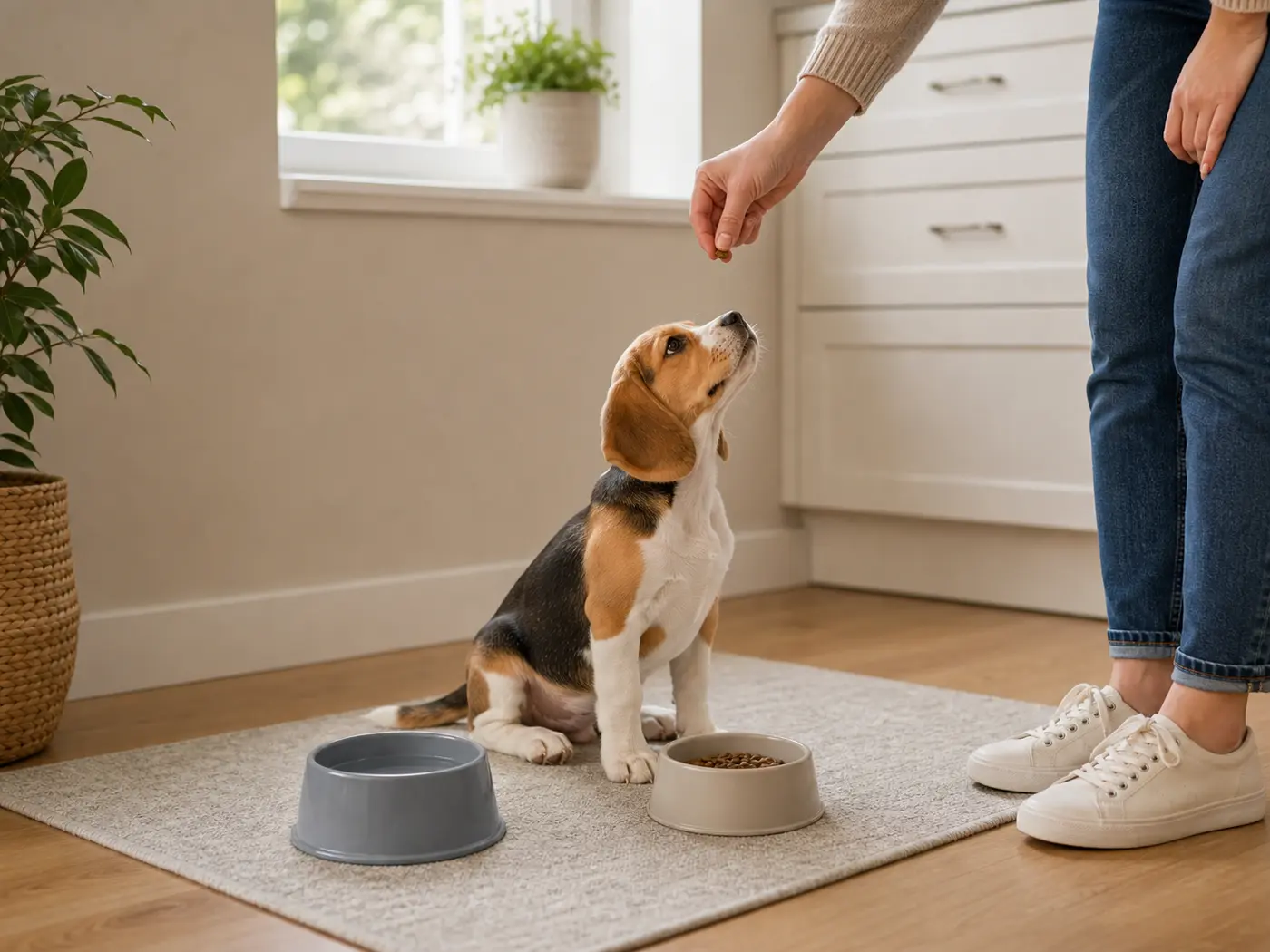
Feed from washable gear
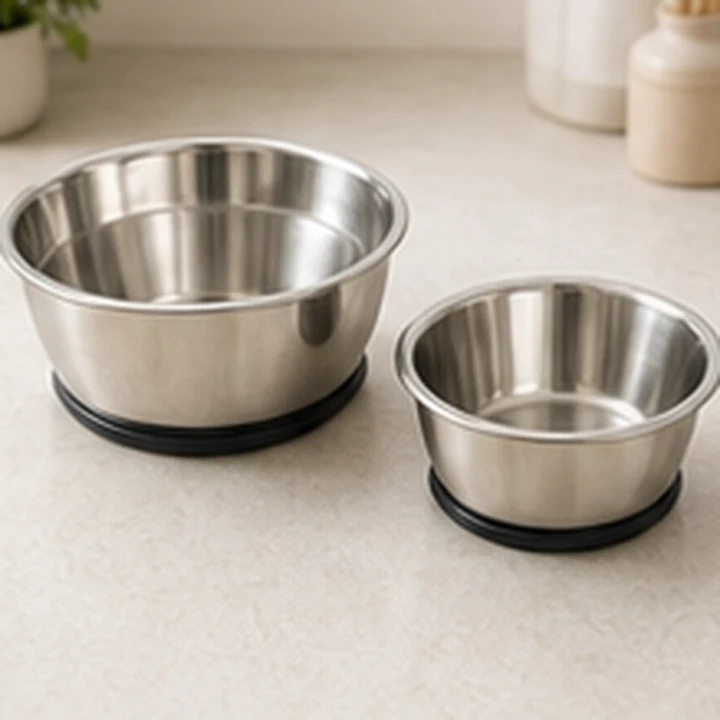
Use small bowls, a simple measuring scoop, and food your puppy already knows unless your vet gives different guidance. Puppies change fast, so measure meals, watch stool quality, and ask your vet before adding supplements or making big food changes.
04
Give teeth something legal to do
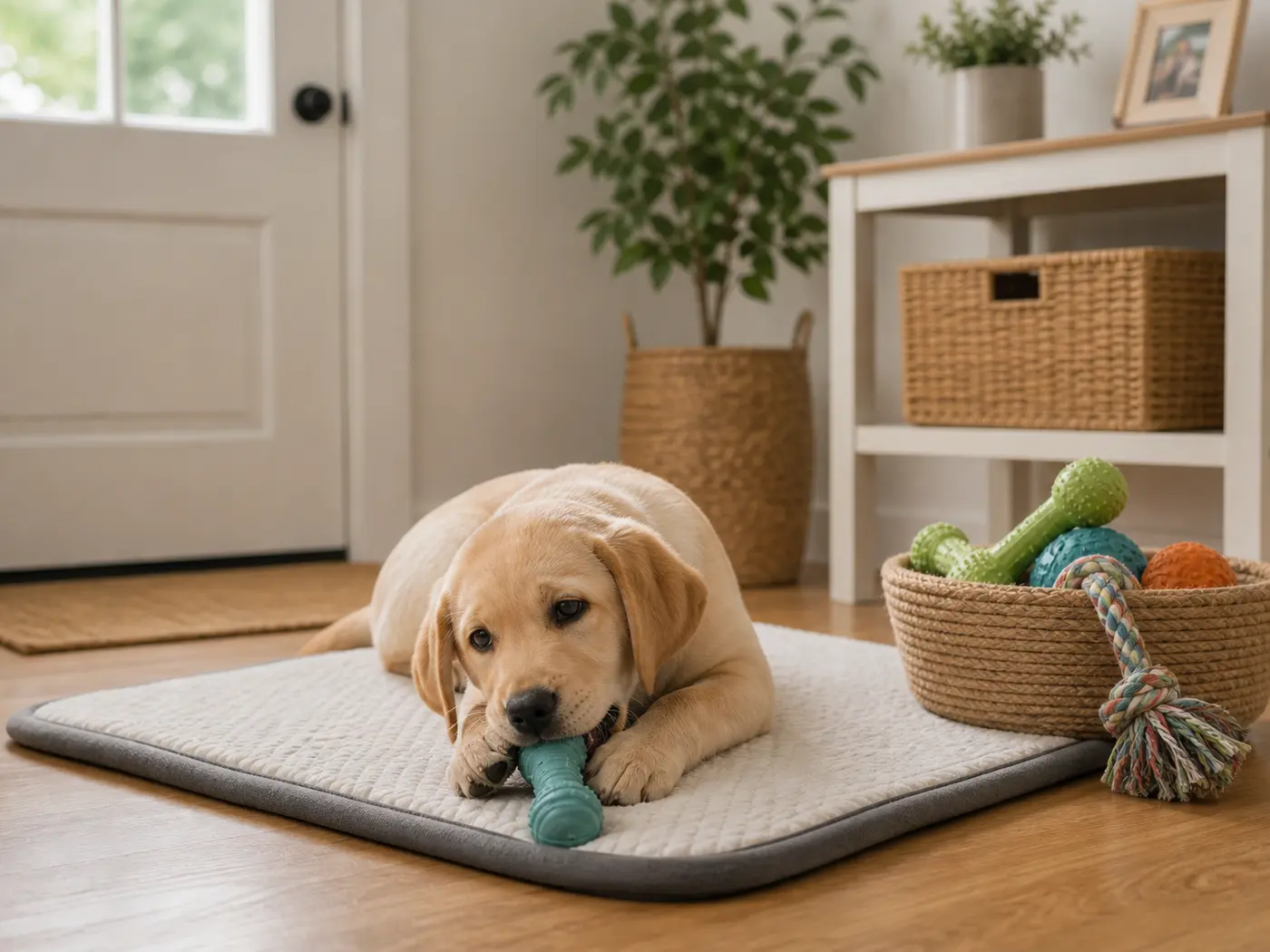
Puppy biting usually needs management more than speeches. Put safe chews near the couch, the puppy zone, and the place your puppy gets wild in the evening. Rotate textures, supervise, and remove anything that breaks, splinters, or becomes small enough to swallow.
05
Practice the tiny walking setup indoors
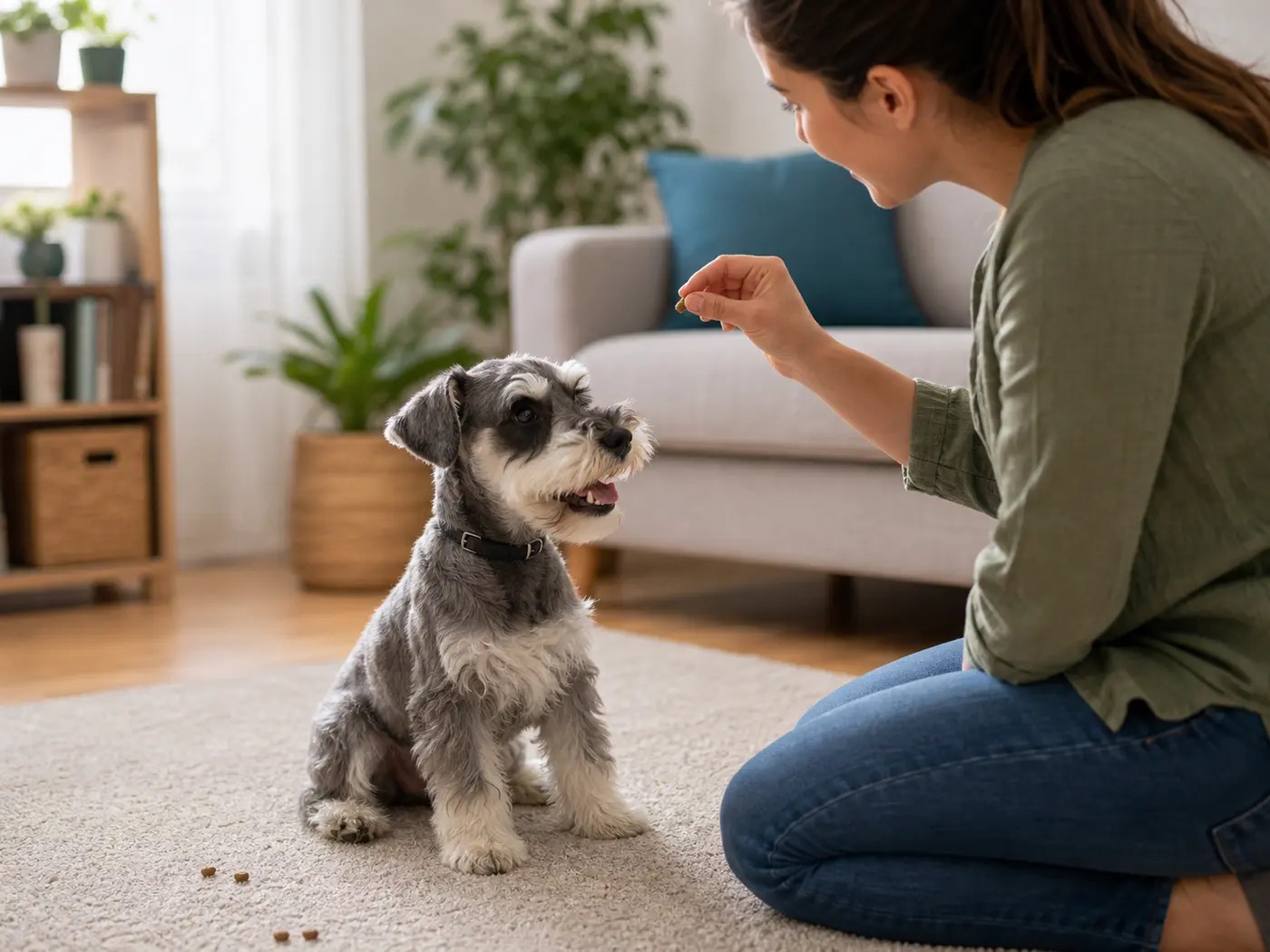
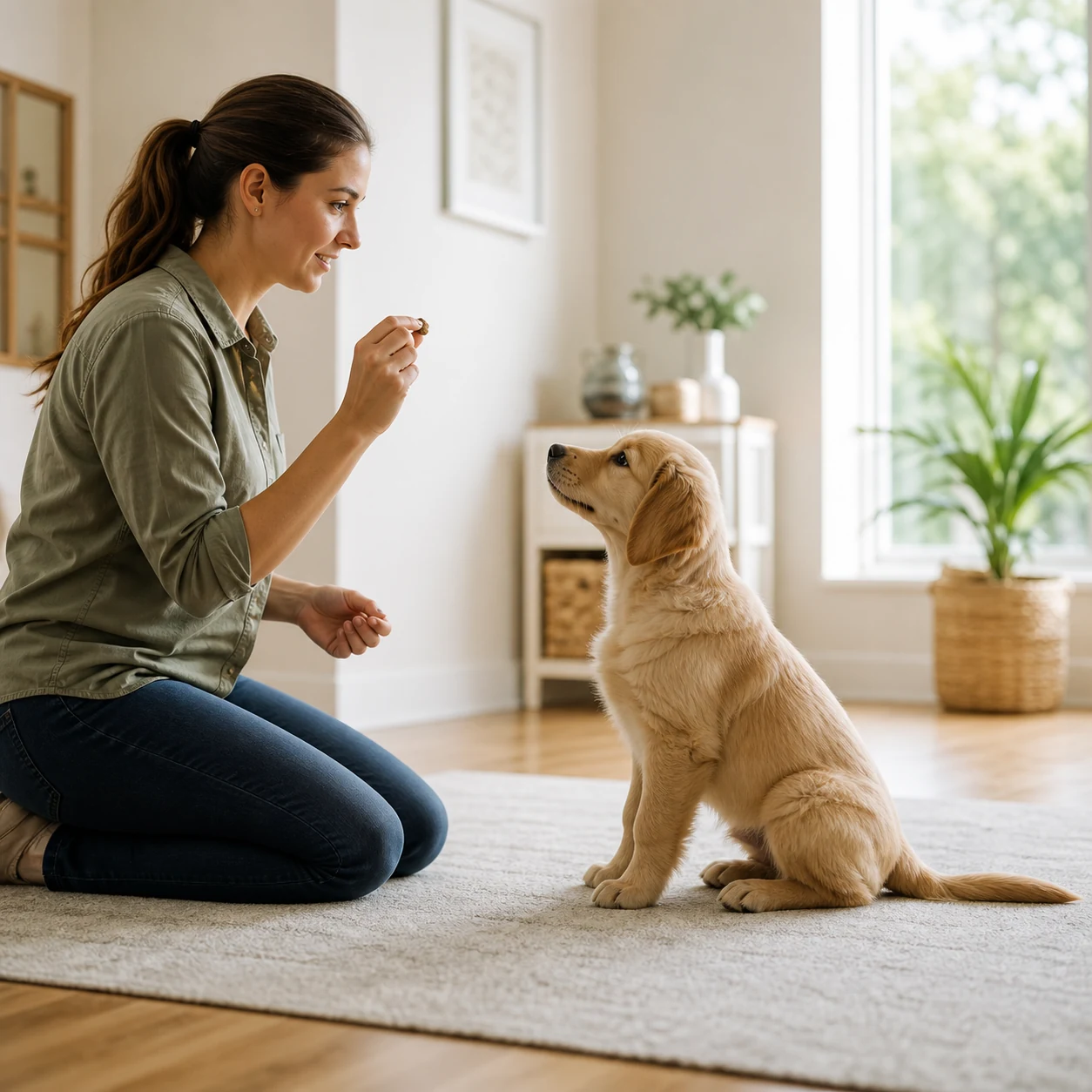
Let your puppy wear the collar or harness for short, happy moments before the big outside adventure. Clip the leash on inside, feed a few tiny rewards, and practice walking two steps with you. Outdoor walks are easier when the equipment is not the first surprise.
06
Keep sleep supplies boring and predictable
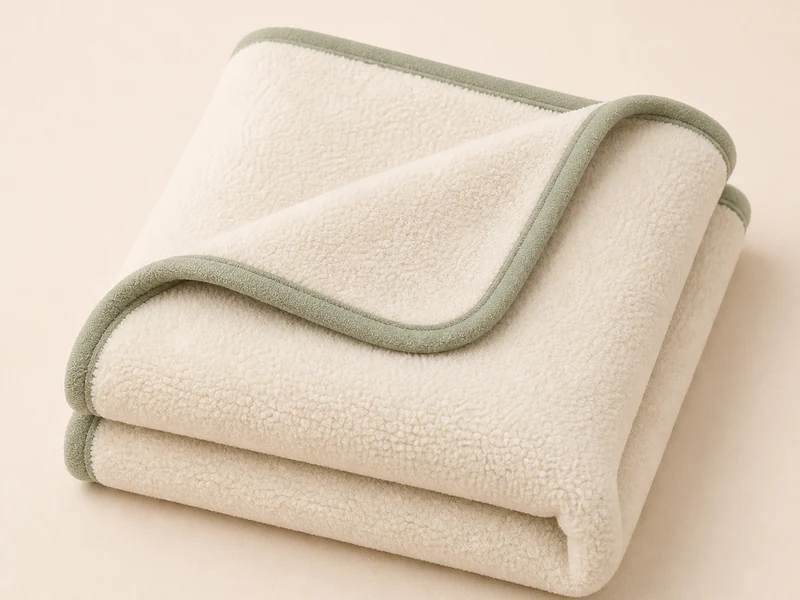
A soft blanket, washable bed, and safe crate or pen can help your puppy learn that sleep is part of the day. Expect some nighttime trips outside at first. If crying sounds panicked, painful, or suddenly different, check the puppy and call your vet when something seems off.
Quick checks
The puppy area has a bed or crate, water access when appropriate, chew options, and no loose cords or reachable trash.
Cleanup supplies, bags, towels, and washable bedding are close enough to use quickly.
Harness, collar, ID, and leash are puppy-sized and checked often as the puppy grows.
Next steps
Choose washable, replaceable supplies for the first month instead of expensive items you hope stay perfect.
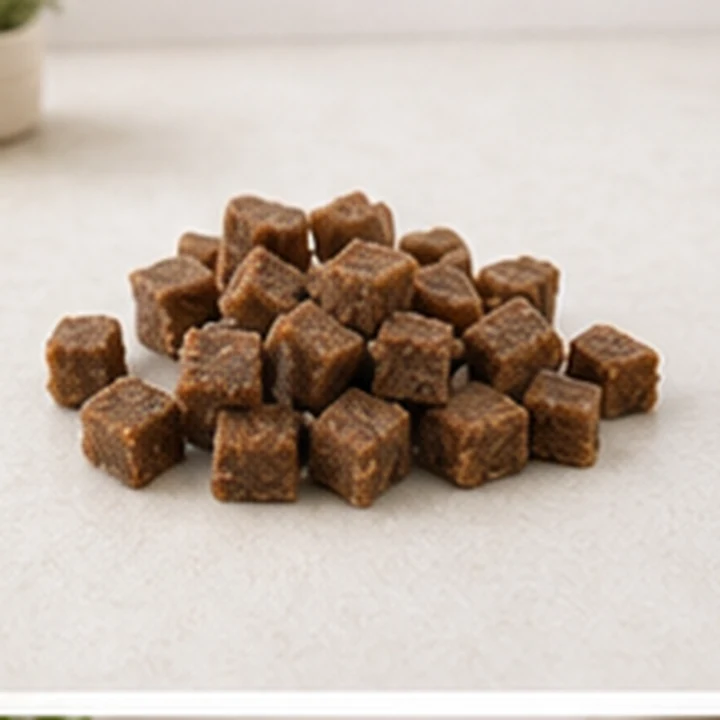
Keep training treats tiny so you can reward often without upsetting meals.
Ask your vet about vaccines, outdoor exposure, parasite prevention, diarrhea, vomiting, or appetite changes.
Puppy first-week supplies
Puppy gear should make supervision, cleanup, chewing, sleep, and short training sessions easier for tired humans.
Affiliate links: Furball Cove may earn from qualifying purchases at no extra cost to you.
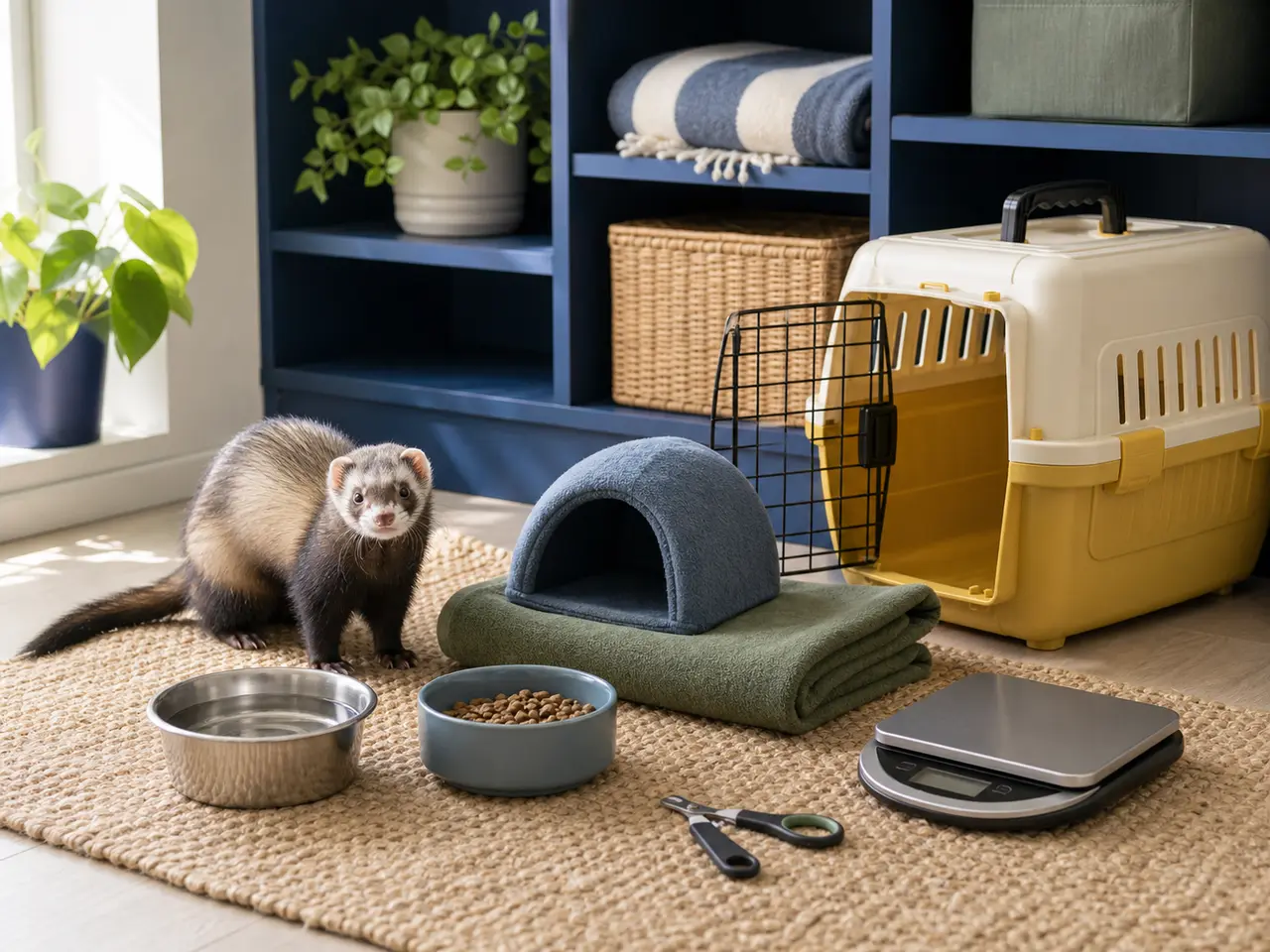
Potty cleanup, a safe rest area, food and water bowls, a collar or harness, leash, ID, tiny training treats, and supervised chews matter most in the first week.
Should a puppy have free run of the house?
Usually no. Use gates, pens, and supervision until your puppy understands potty routines, chewing rules, and how to settle.
How many toys does a puppy need?
A few good options are better than a pile. Choose safe chew textures, a soft toy for gentle play, and something that can hold food or encourage sniffing.