Start with the things that make the first week calmer: food and water, ID, a leash setup, a sleep space, cleanup supplies, a few safe chews, and one simple place to rest.
You do not need a cart full of cute extras before pickup day. Build the setup around the first real routines: eating, drinking, walking outside, sleeping, cleaning up, and giving your dog something safe to do while everyone learns the new rhythm.
01
Prepare for the first day, not the fantasy version
A new dog often arrives excited, tired, unsure, or all three. Put bowls, leash, ID, cleanup spray, a bed or crate, and a few safe chews where you can reach them before the dog walks in. The smoother the first evening feels, the easier it is to notice what your dog actually likes.
02
Start with meals and water
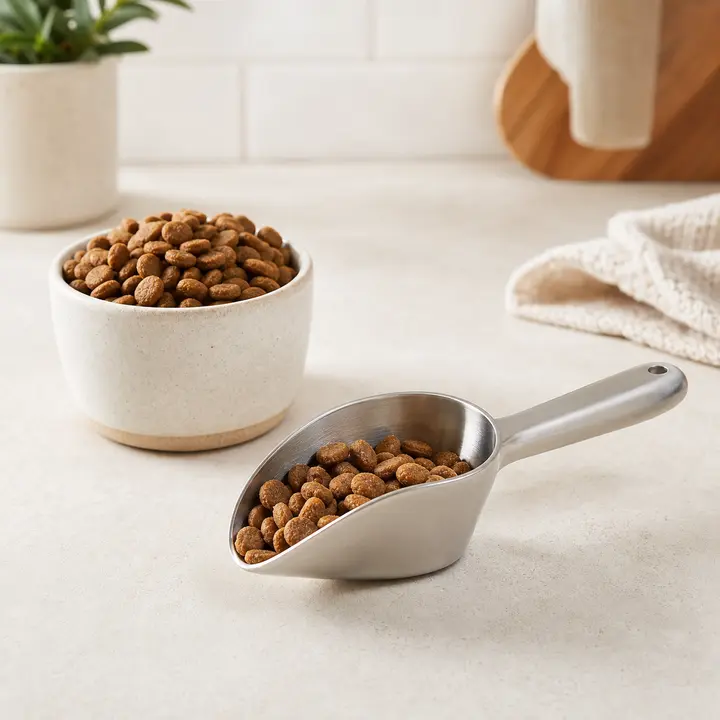
Use sturdy bowls that are easy to wash, then keep meals simple while your dog settles. If you are changing food, transition gradually unless your vet tells you otherwise. Measure the food, keep fresh water down, and write down appetite changes so you can spot a pattern instead of guessing.
03
Make walks safe before they are stylish
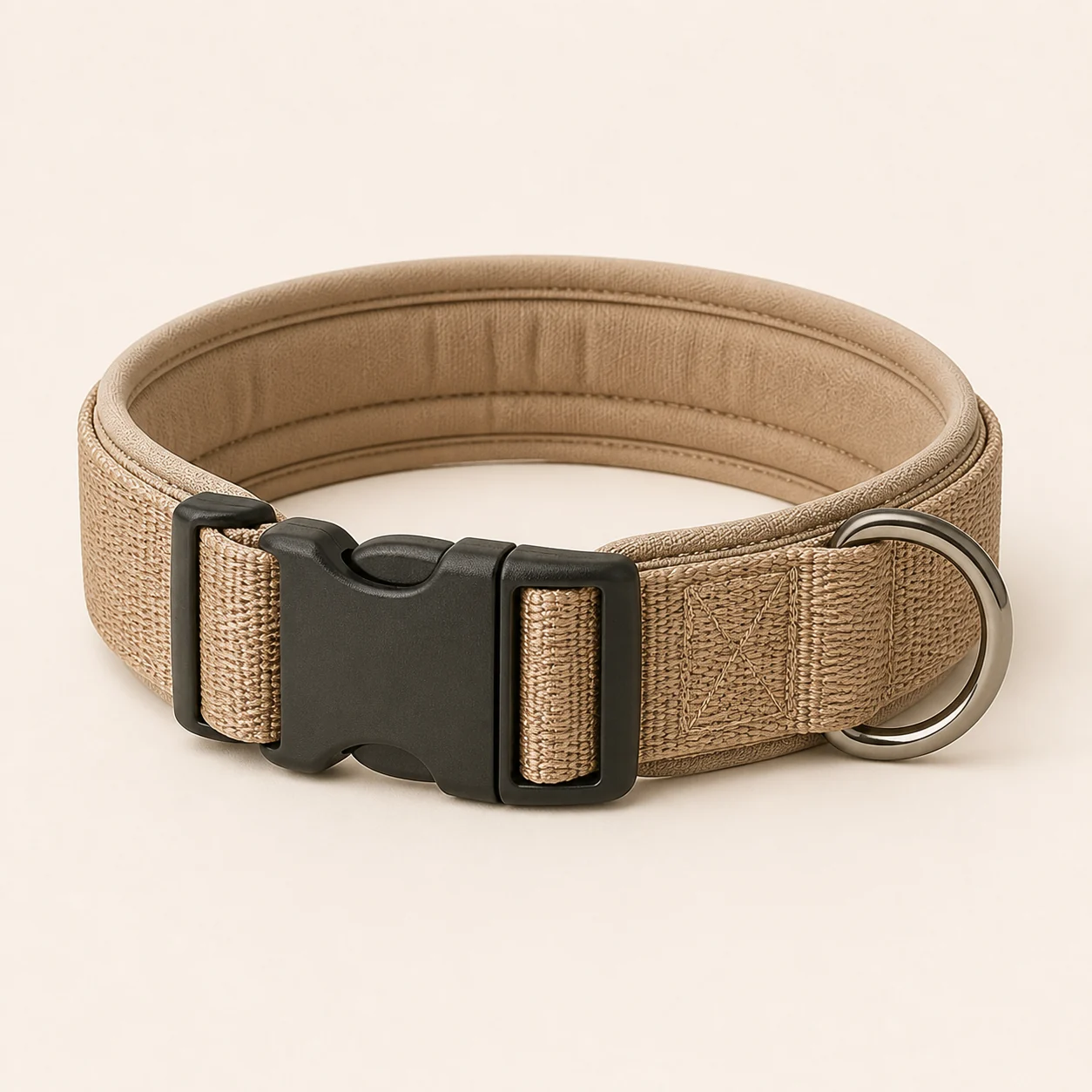
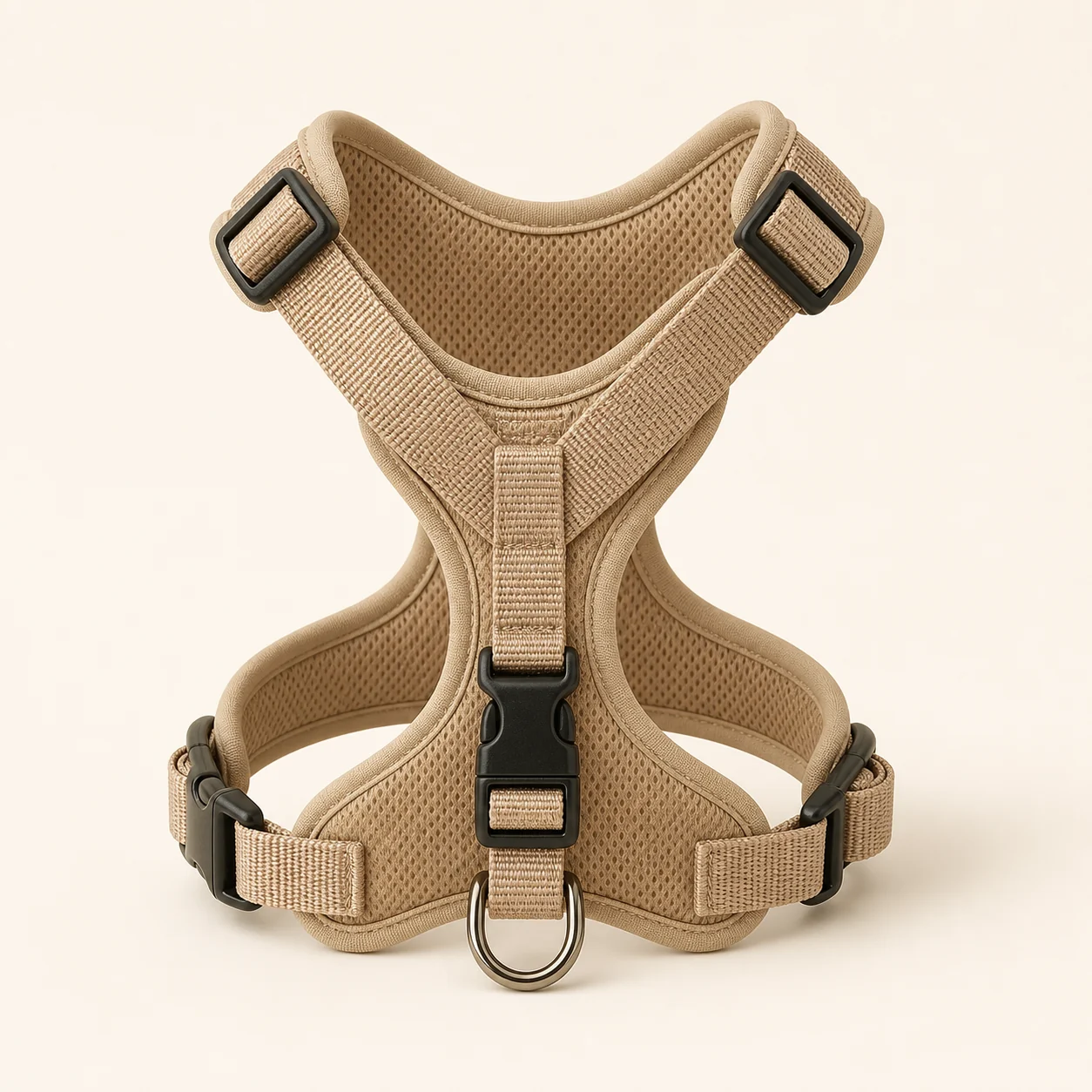
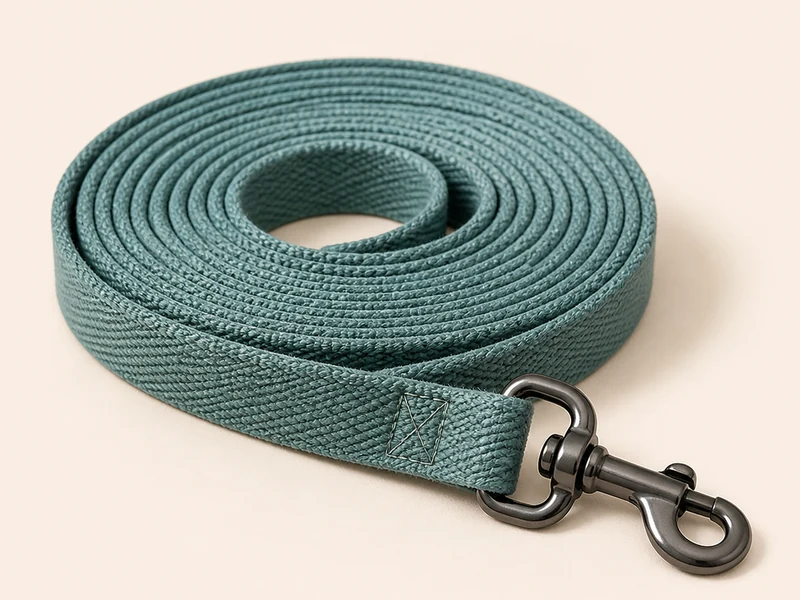
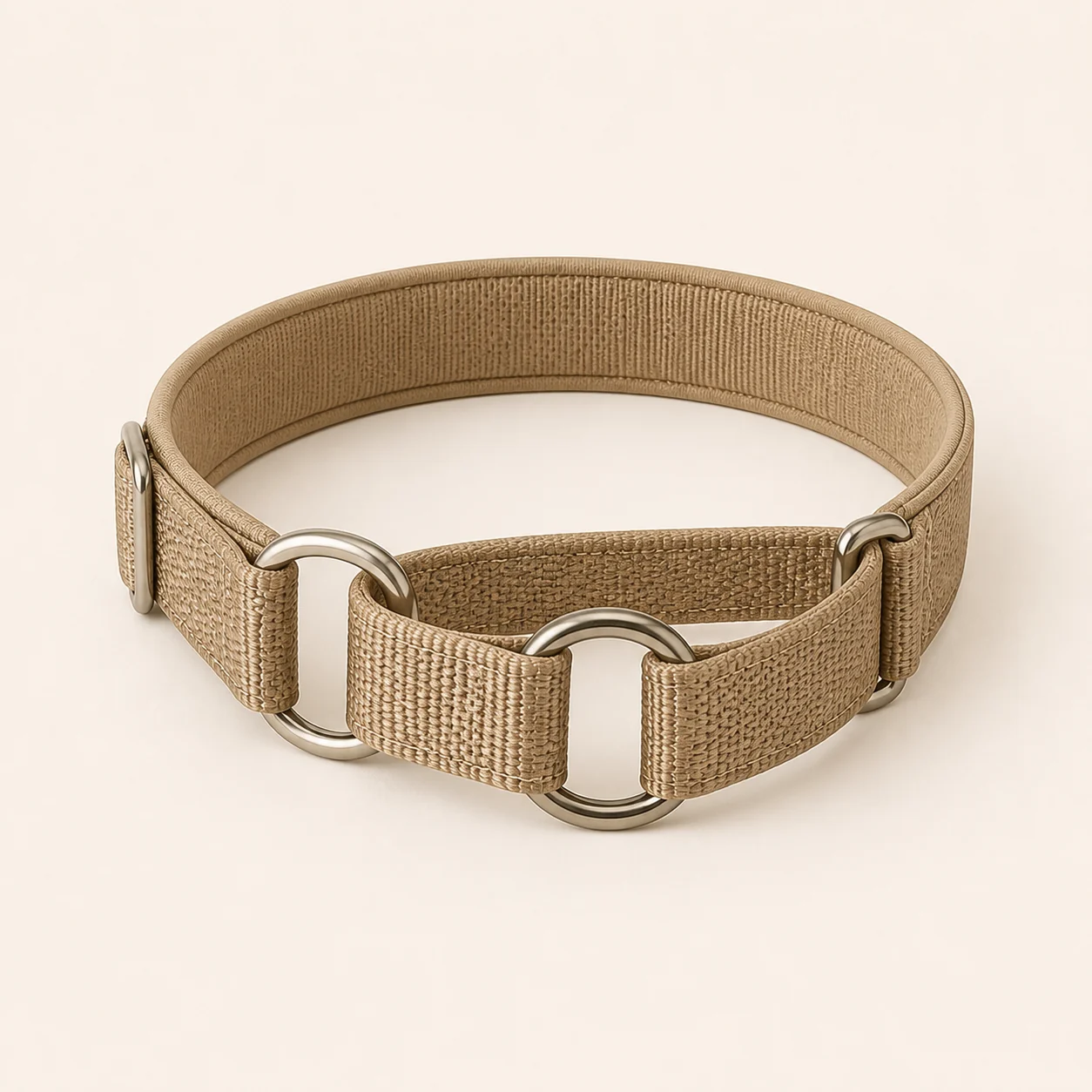
Most new dogs need secure ID, a comfortable collar or harness, and a leash you can manage with one hand while opening doors or carrying bags. Check fit inside the house first. A dog who startles at a truck, squirrel, or neighbor should not be testing brand-new hardware on the sidewalk.
04
Give rest a real place
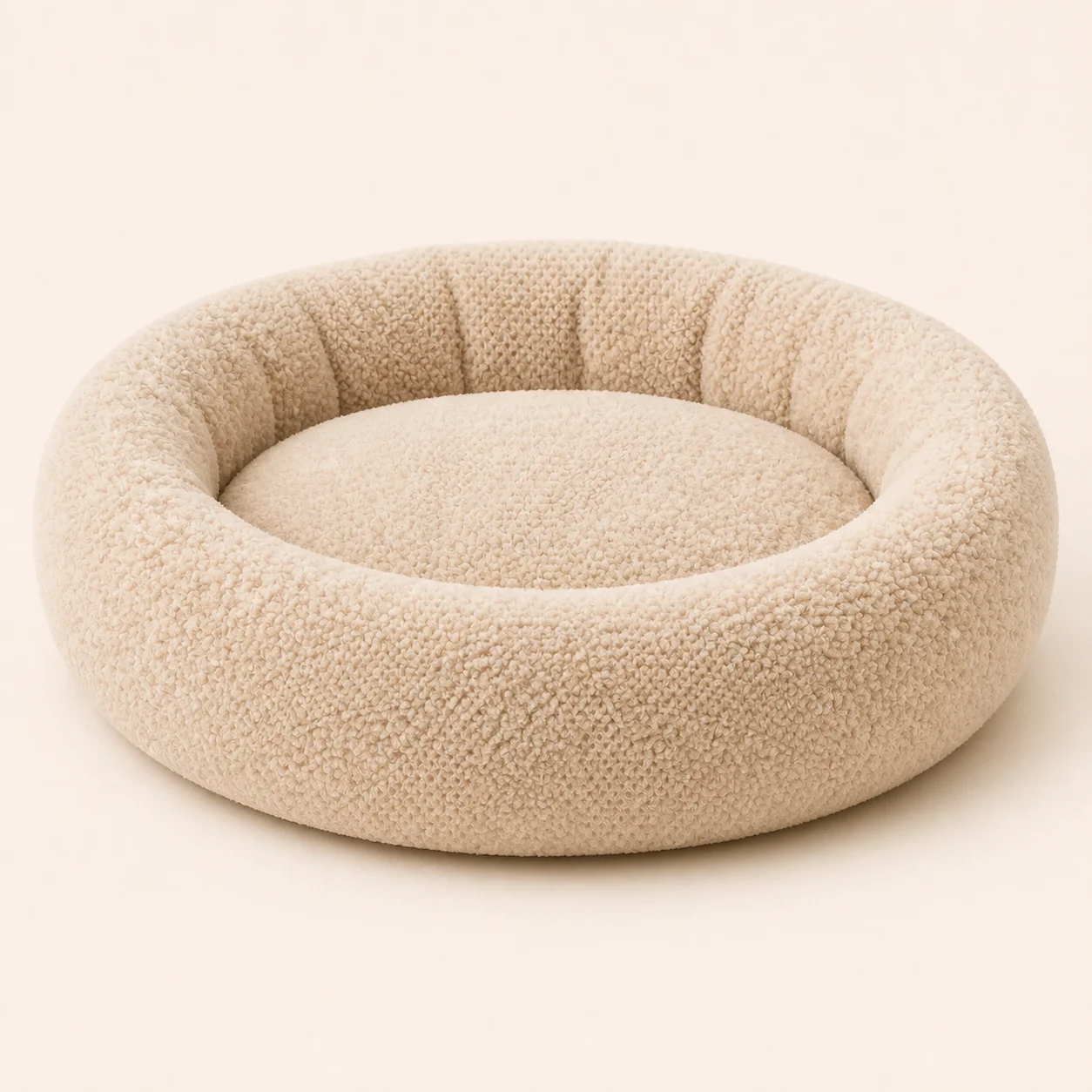
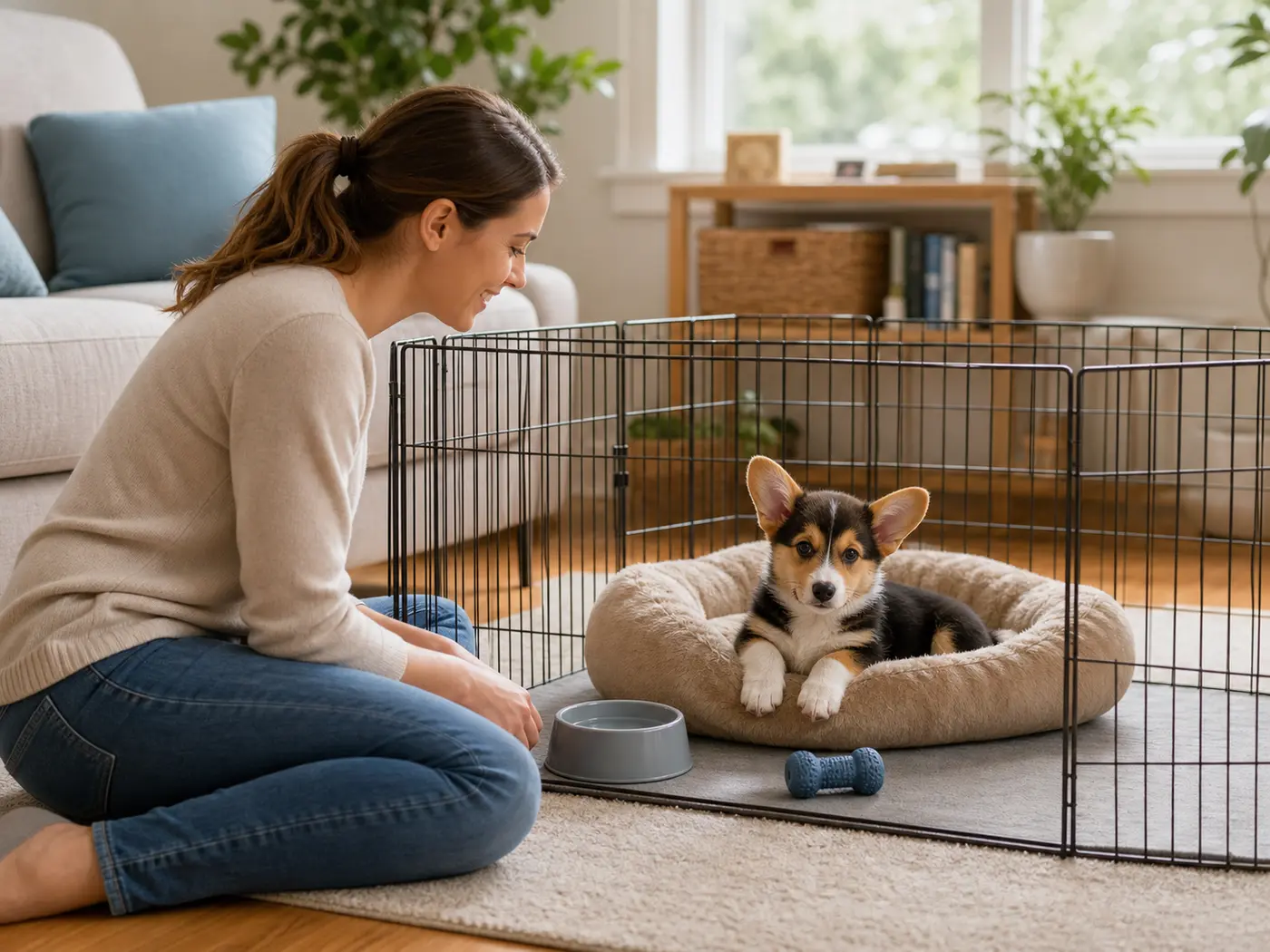
Choose one calm spot where your dog can sleep, chew, or watch the house without being stepped over. Some dogs love a crate, some prefer a bed beside the couch, and some need a gate or pen while they learn the rules. Keep the area boring, comfortable, and easy to clean.
05
Plan for cleanup before you need it
Accidents, muddy paws, nervous drool, and trash curiosity are normal first-week problems. Keep enzyme cleaner, towels, bags, and a small laundry plan ready. Cleanup supplies are not glamorous, but they keep one mistake from becoming an argument or a smell that draws your dog back to the same spot.
06
Buy a few chews, then supervise
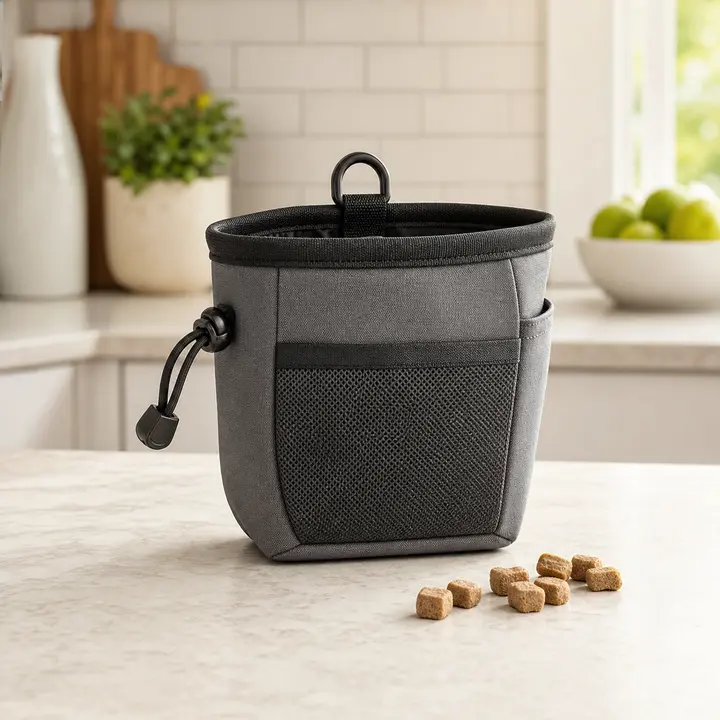
Chews can make settling easier, but the right choice depends on size, teeth, chewing force, and whether your dog tries to swallow pieces. Watch every new chew, remove small or sharp leftovers, and ask your vet if your dog has dental pain, stomach issues, or a medical diet.
Quick checks
ID tag, collar or harness, leash, and a backup way to secure your dog before the first walk.
Food, bowls, measuring tool, water access, and the old food if you are transitioning diets.
A rest spot, cleanup supplies, safe chews, and one gate or crate plan if the house is busy.
Next steps
Buy the starter version first, then upgrade after you know your dog's size, coat, chewing style, and habits.
Keep the first week quiet enough that you can observe appetite, bathroom patterns, sleep, and confidence.
Call your vet for vomiting, diarrhea, coughing, limping, refusal to eat, or any behavior change that worries you.
First-week supplies worth having ready
These are the boring, useful items that keep the first week manageable while you learn your new dog's real preferences.
Affiliate links: Furball Cove may earn from qualifying purchases at no extra cost to you.
Start with food and water bowls, the current food, a collar or harness, leash, ID tag, bed or crate, cleanup supplies, and a few supervised chews.
Should I buy everything at once?
No. Buy the first-week essentials, then adjust once you know your dog's size, coat, chewing style, sleep preference, and walking behavior.
Do I need a crate?
Many dogs do well with a crate or pen, but it should feel calm and gradual. If your dog panics, injures themselves, or cannot settle, ask a qualified trainer or your vet for help.