Updated
Dog training
Teach a Sniff Break Cue
A sniff break cue tells your dog when they are free to explore a safe spot with their nose.
Sniffing is often the biggest reward on a walk. Put it on purpose instead of making the whole walk a tug-of-war over smells.
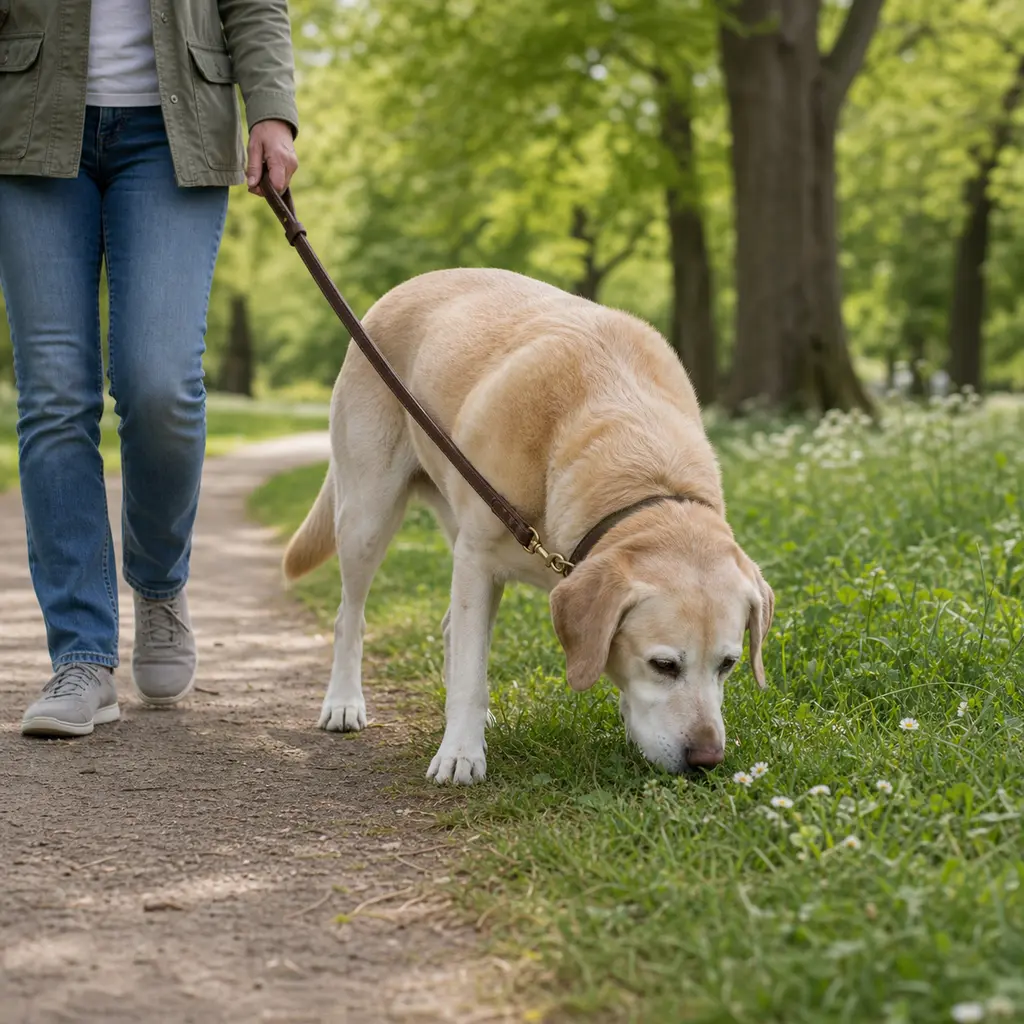
Dogs experience walks through scent. When you build sniffing into the plan, you can reward check-ins and loose leash walking with something your dog already wants.
The cue also creates contrast: walk with me for a short stretch, then go sniff. That rhythm is easier for many dogs than constant precision.
Great for
- Dogs who pull hard toward every smell.
- Scent-driven dogs who need walks to feel satisfying.
- Handlers who want fewer food-only rewards on walks.
Wait a bit if
- The sniff spot is unsafe, dirty, or full of unknown food.
- Your dog guards found items or eats things quickly outside.
- You are near traffic, tight paths, or other dogs where freedom is unsafe.
Make sniffing useful
Pick a safe sniff spot
Choose clean grass, a quiet tree, or a familiar patch away from traffic and dropped food.
Ask for one easy skill first
Reward a check-in, soft leash, sit, or a few steps near you before the sniff break.
Say the release cue
Use go sniff, take a break, or another phrase. Then follow your dog calmly to the safe spot.
Let the sniffing happen
Give a short stretch of real sniff time. Avoid pulling your dog away the second their nose drops.
Call back gently
After a few seconds, use follow me, touch, or a cheerful turn to reconnect and keep walking.
Repeat the rhythm
A few steps with you, then a sniff break, teaches your dog that cooperation makes the walk better.
Little things that help
Name the sniff break clearly
Pick a phrase like go sniff, say it once, and move toward a safe edge of grass. A clear release keeps sniffing from turning into sudden lunges.
Use sniffing as payment
After a soft-leash stretch, cue the break and let your dog investigate for a short moment. That tells them calm walking can open the world.
End the break gently
Say your walking cue, pat your leg, and reward the first step back with you. Pulling your dog off a smell can restart the exact tension you are trying to reduce.
Helpful little extras
Affiliate links: Furball Cove may earn from qualifying purchases at no extra cost to you.
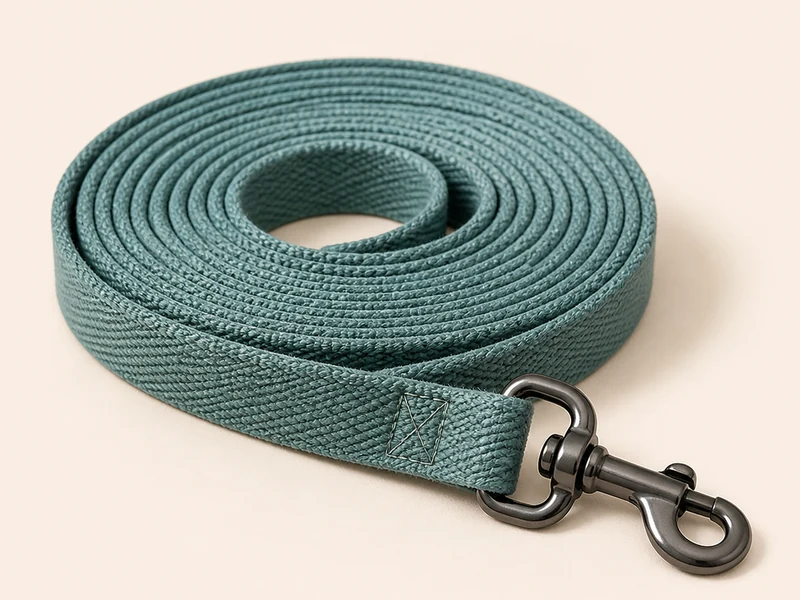
Six-foot leash
Good for neighborhood sniff stops where your dog can step to the grass without crossing into traffic or doorways.
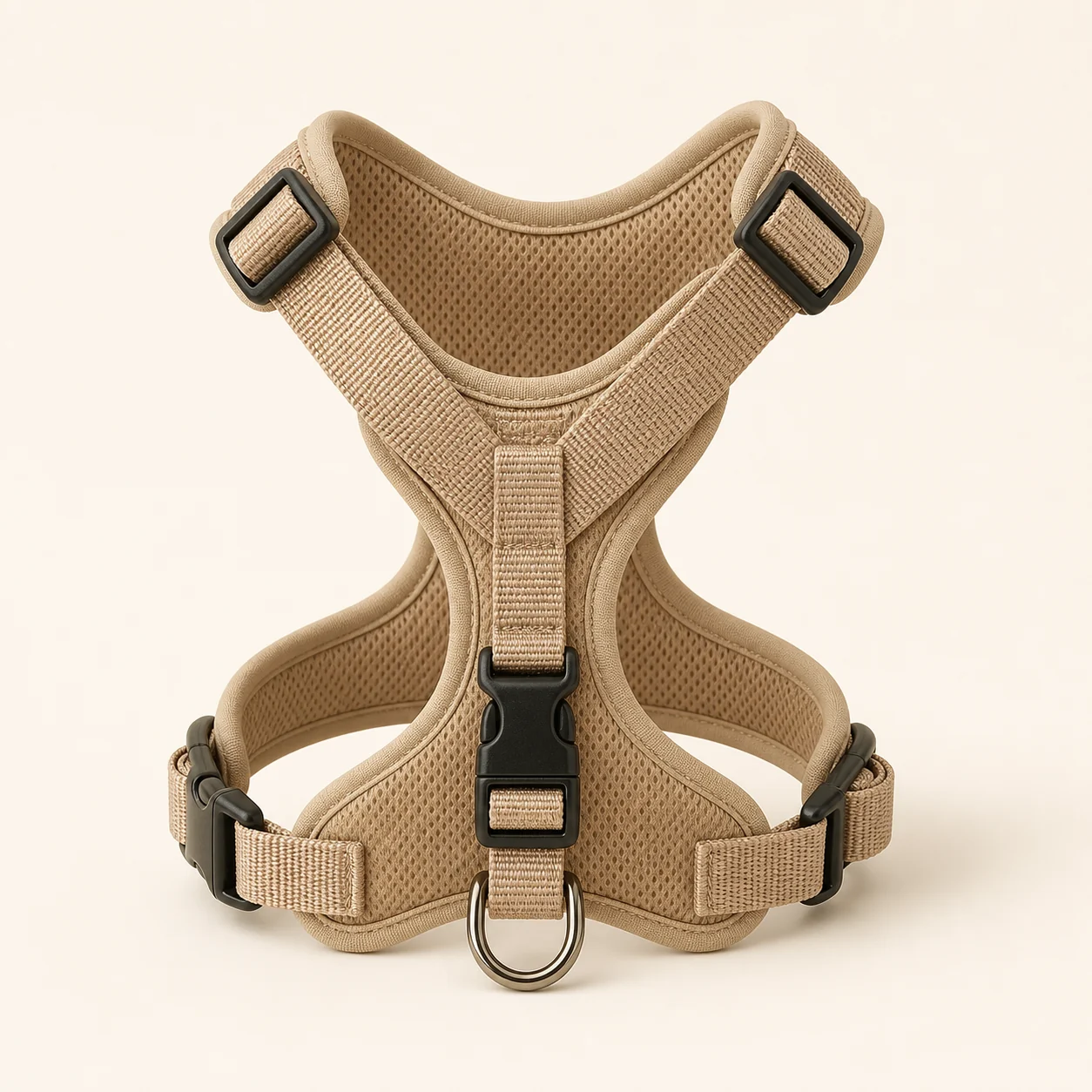
Front-clip harness
A comfortable harness gives your dog room to lower their head and sniff without pressure on the neck.
High-value training treats
Use these before and after the release, so your dog learns that checking in is what opens the sniffing break.
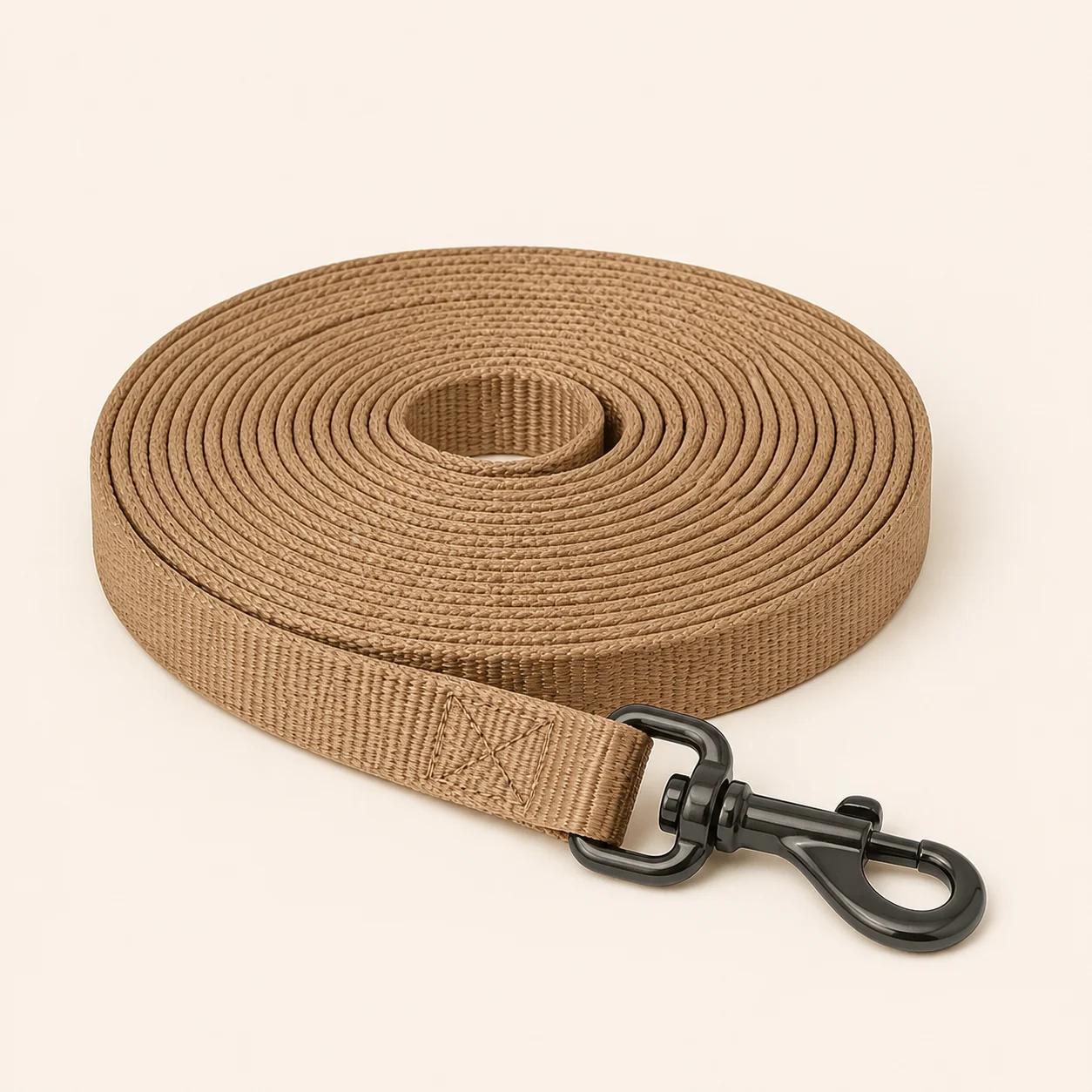
Long training line
Useful in quiet fields or yards when you want bigger sniff circles while still keeping a physical backup.
Questions people ask
Should I let my dog sniff on every walk?
Usually, yes, if the spot is safe. Sniffing is enrichment and can help dogs feel satisfied.
What if my dog eats things outside?
Use safer routes, shorter leash management, and leave it practice. If scavenging is intense, ask a trainer or vet for help.
Can sniffing be a reward?
Yes. A planned sniff break can reward check-ins, loose leash steps, and calm behavior around mild distractions.