

Updated
Dog training
Decompression Walks for Dogs
A decompression walk gives your dog room to sniff and move in a quiet place without constant sidewalk pressure.
For some dogs, this is the walk that helps them recover from busy streets, big feelings, adolescence, or a stressful week.
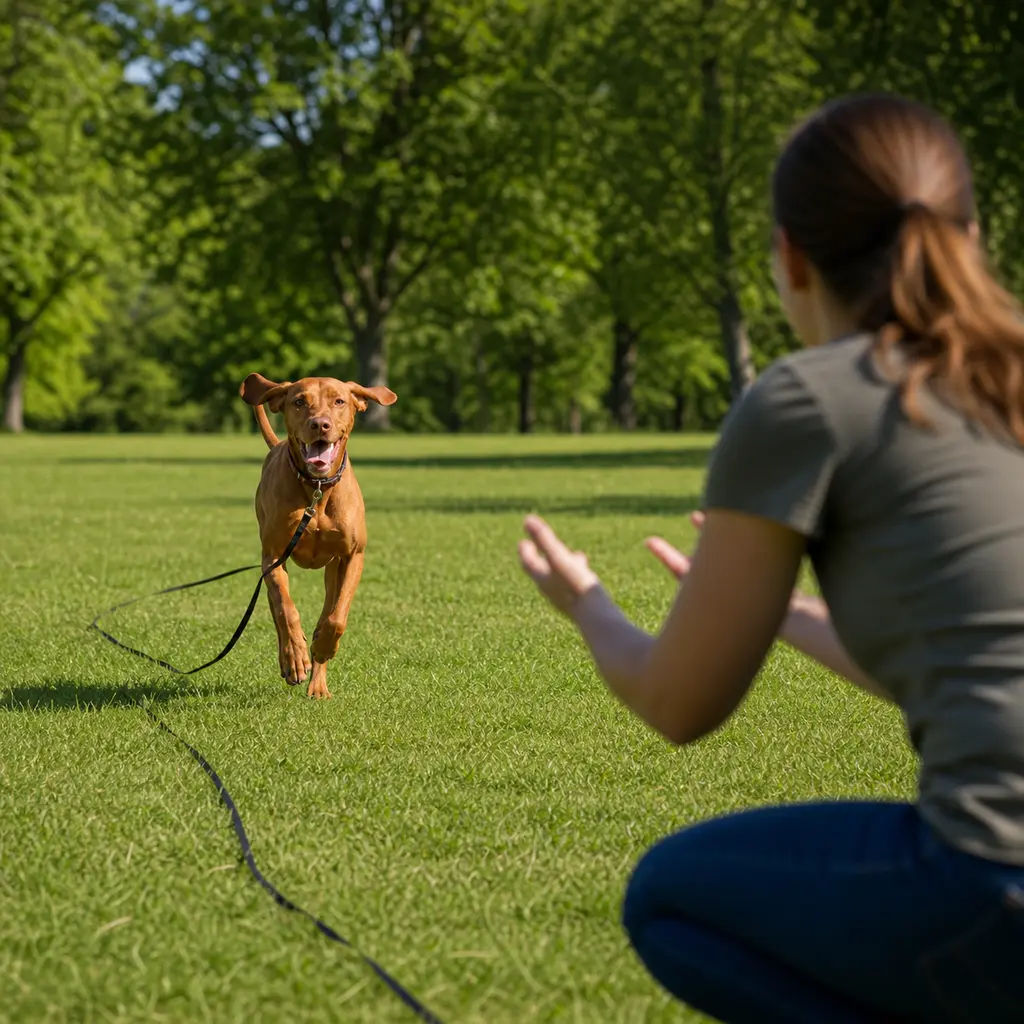
A decompression walk is a slower outing where your dog gets room to sniff, pause, and settle into the environment without constant close passes.
For dogs who panic or struggle around everyday triggers, treat quiet space as management, not a complete behavior plan. A qualified trainer can help you choose safe setups.
Great for
- Dogs who get overwhelmed by busy sidewalks.
- Adolescent, shy, or high-energy dogs who need safer sniff time away from crowd pressure.
- Quiet fields, trails, empty parks, or large yards where long-line use is legal and safe.
Wait a bit if
- Long lines are not allowed or safe in the location.
- Your dog will chase wildlife, people, bikes, or dogs without control.
- The area has traffic, cliffs, unsafe debris, or unknown dogs.
Shape the walking pattern
Choose a quiet legal space
Use a large, safe area where long lines are allowed and you can see what is coming.
Use comfortable gear
Attach the long line to a well-fitted harness, not a neck collar. Check for rubbing and tangles before you start.
Let sniffing be the point
Move slowly and pause often. Your dog does not need to march for the walk to count.
Reward check-ins
When your dog looks back or comes near you, mark it and reward with food, praise, or more sniffing.
Manage the line actively
Keep the line from wrapping around legs, dogs, trees, or people. Gather it before turns and narrow spots.
End before fatigue or frenzy
Head home while your dog still looks relaxed. Decompression should leave them looser, not more wired.
Little things that help
Pick a quiet legal space
Use an empty field, wide trail, or large yard where a long line is allowed and safe. Avoid roads, wildlife pressure, and blind corners.
Let sniffing set the pace
This walk is not about mileage. Give your dog time to pause, sniff, look around, and come home looser than they left.
Use support for unsafe walks
For panic, chase behavior, or walks that feel unsafe, choose management first and work with a qualified trainer before adding more freedom.
Helpful little extras
Affiliate links: Furball Cove may earn from qualifying purchases at no extra cost to you.
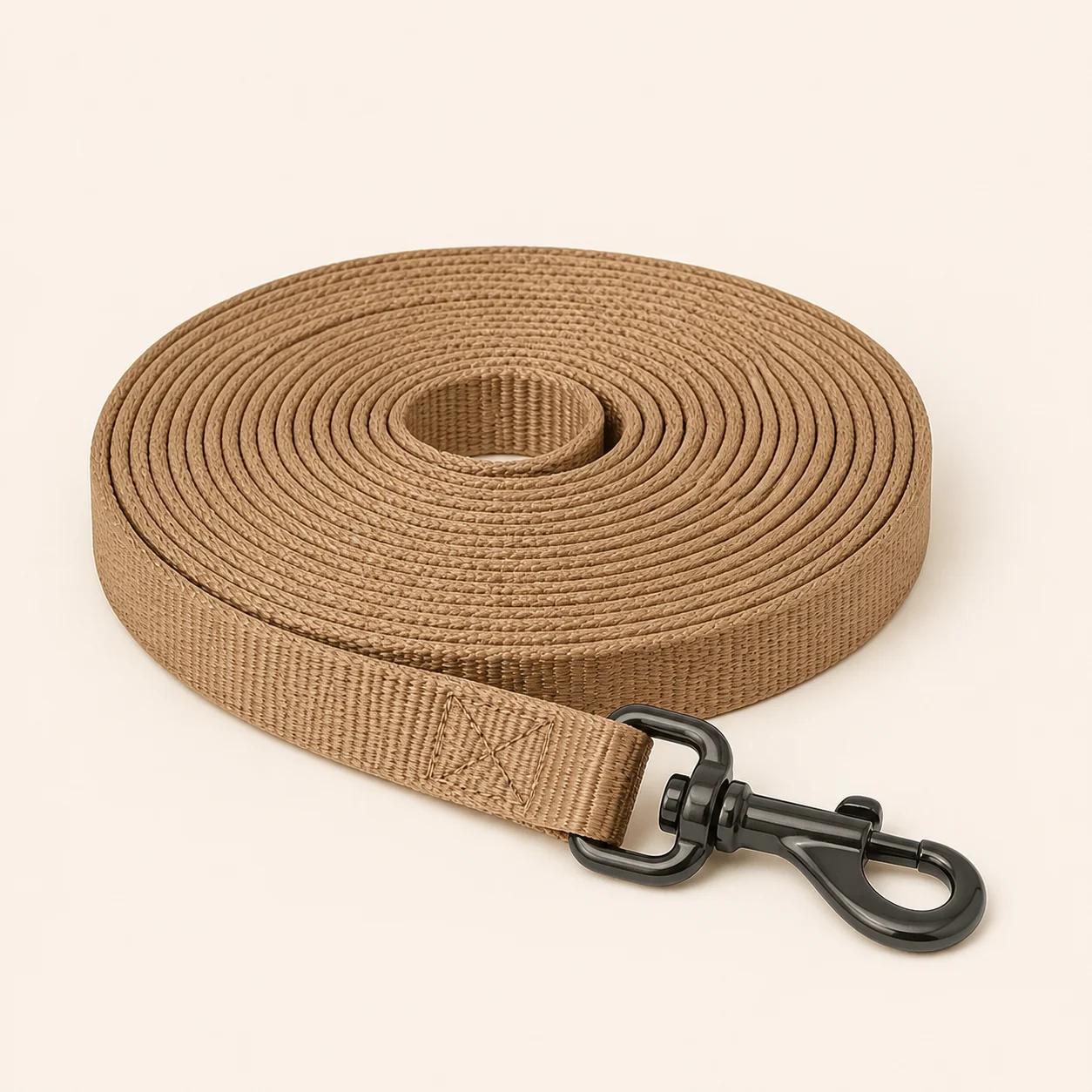
Long training line
A long line gives your dog room to wander and sniff while you keep a safe connection in open spaces.
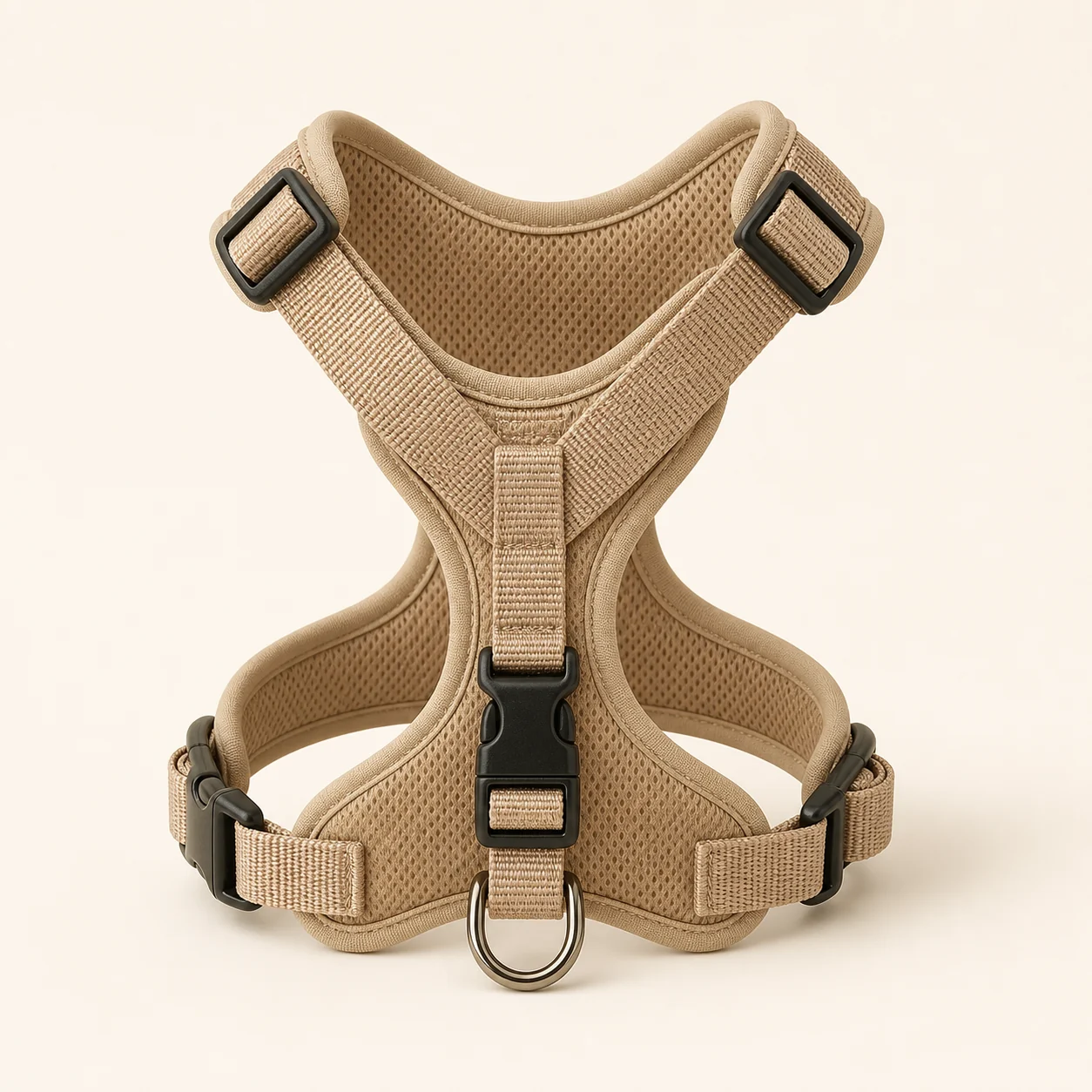
Front-clip harness
Use a comfortable harness instead of attaching a long line to a collar, especially when your dog may trot ahead.
High-value training treats
Reward voluntary returns and check-ins so freedom still includes little moments of teamwork.
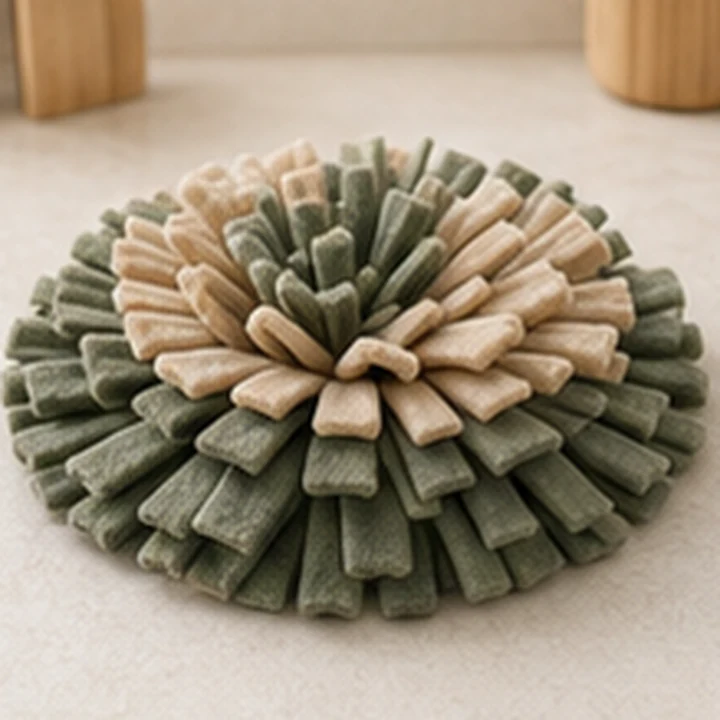
Snuffle mat
On days when quiet outdoor space is not available, a mat can give your dog a slower nose-work outlet indoors.
Questions people ask
Is a decompression walk off leash?
Not necessarily. Many dogs get decompression benefits on a long line in a safe, legal area.
How long should it be?
Long enough for relaxed sniffing, short enough that your dog does not become overtired or overstimulated.
Can overwhelmed dogs do this?
Often, yes, in carefully chosen quiet places. If safety is uncertain, work with a qualified trainer.
Try these next
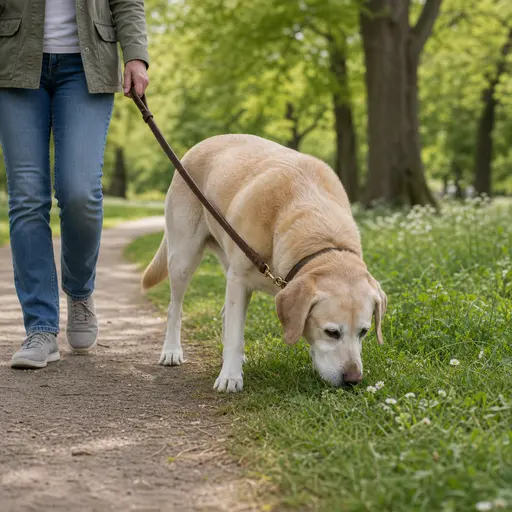
Sniff Break Cue
Build sniffing into the walk instead of fighting it the whole time.
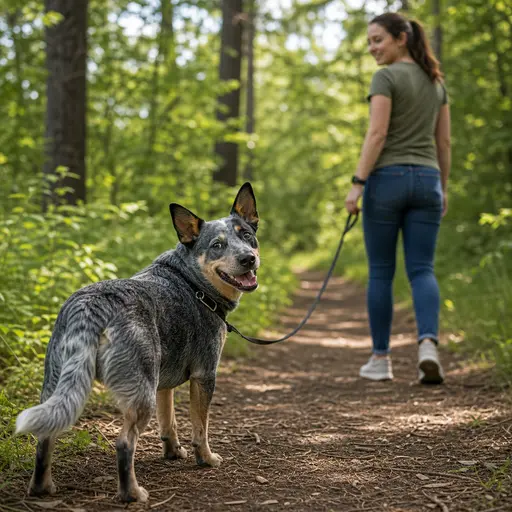
Check-In Walk
Reward voluntary glances before you need to ask for attention.
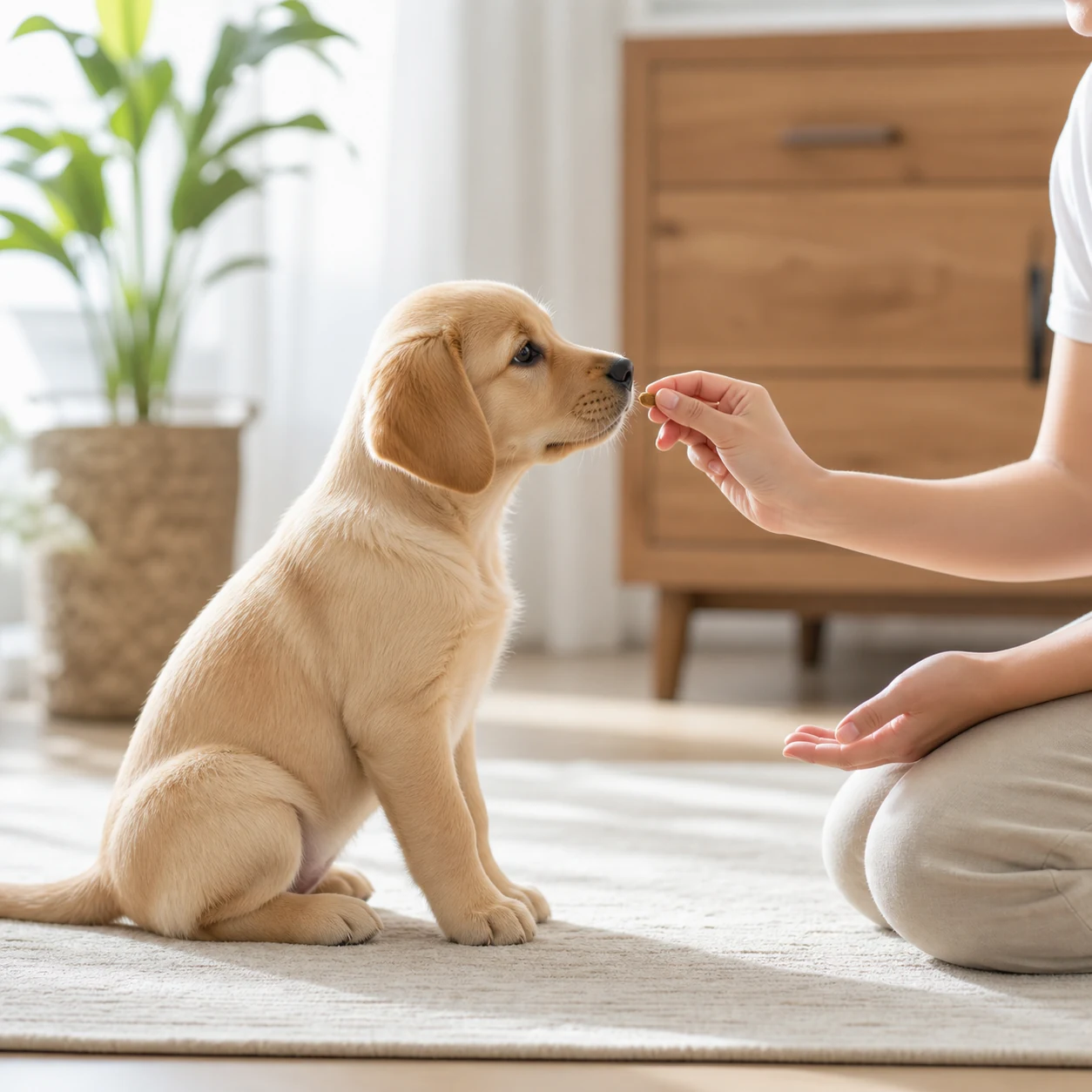
Recall Training
Coming back matters any time your dog gets more freedom.
Calm at Home
Walks improve faster when your dog also has calm routines at home.