Updated
Puppy training game
Toy Swap for Puppies
Toy swap teaches your puppy that giving something up is how the fun keeps going.
Use two toys, soft timing, and generous trades. You are not taking the fun away. You are teaching your puppy that your hands bring the next good thing.
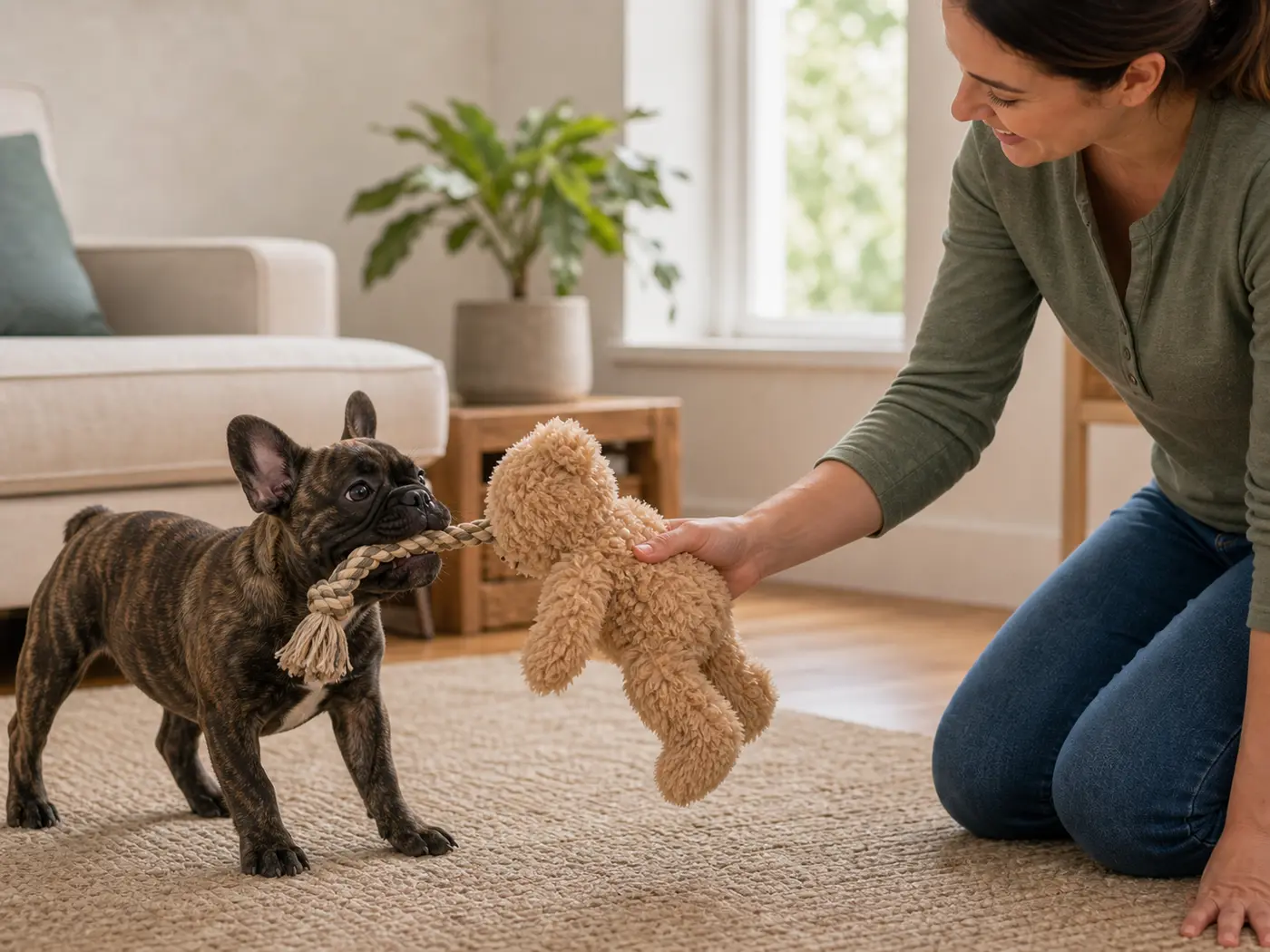
Puppies grab, carry, shake, and parade toys because their mouths are how they explore the world. Toy swap turns that normal puppy behavior into a polite little game.
The best part is emotional: your puppy learns that people approaching a toy are not a threat. They are the beginning of another fun round.
Great for
- Puppies who run away with toys, socks, or stolen household items.
- Families who want safer play with children and visitors.
- Building the foundation for drop it, leave it, fetch, and calmer tug.
Wait a bit if
- A puppy who freezes, growls, guards, or stiffens over toys or food.
- Items that are dangerous enough to require immediate emergency removal.
- Wild play when your puppy is too overtired to think.
Practice the first easy steps
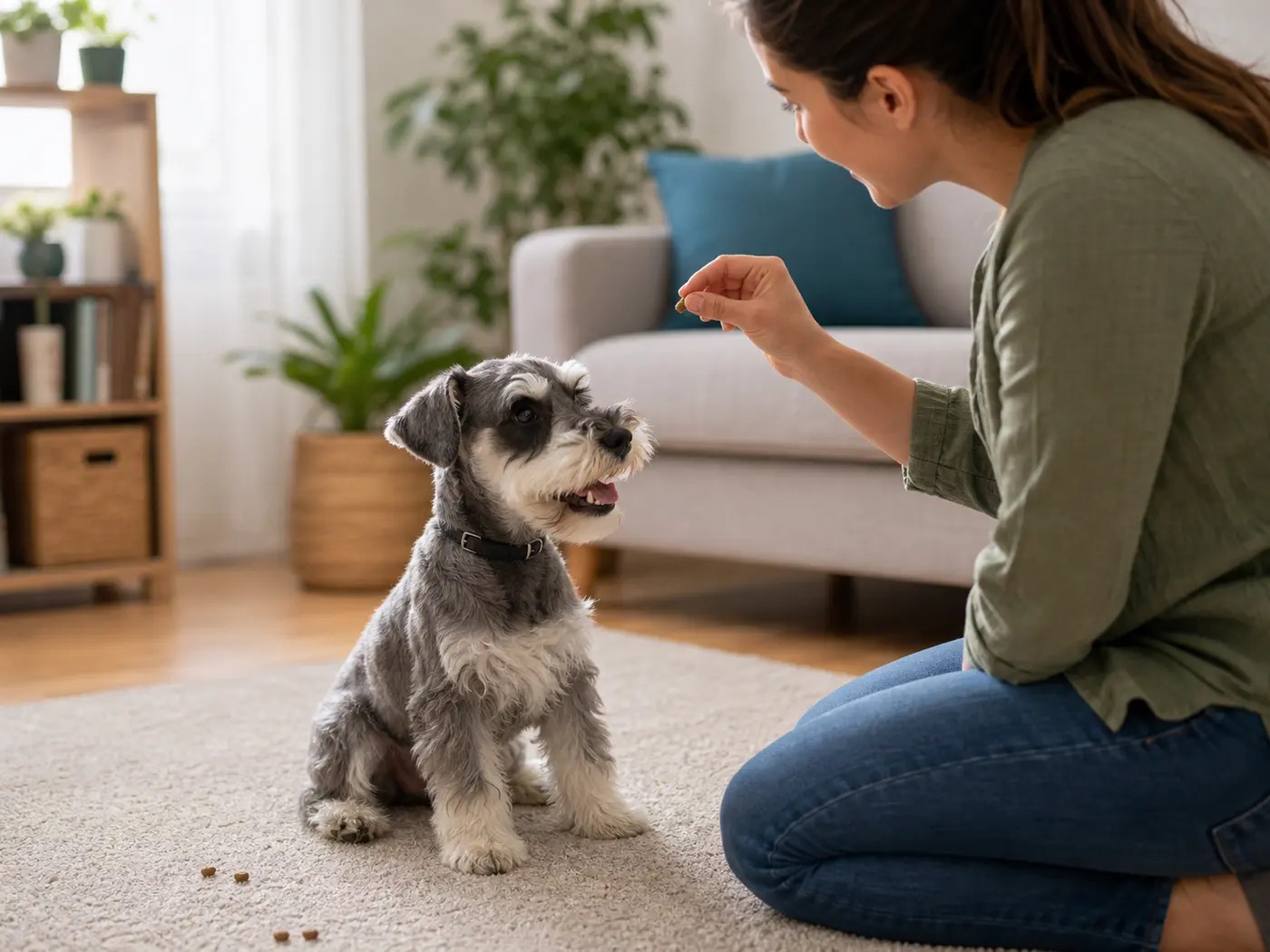
Start with two ordinary toys
Choose toys your puppy likes but does not guard. Keep the favorite stolen sock out of the lesson for now. Easy toys make the first trades feel relaxed.
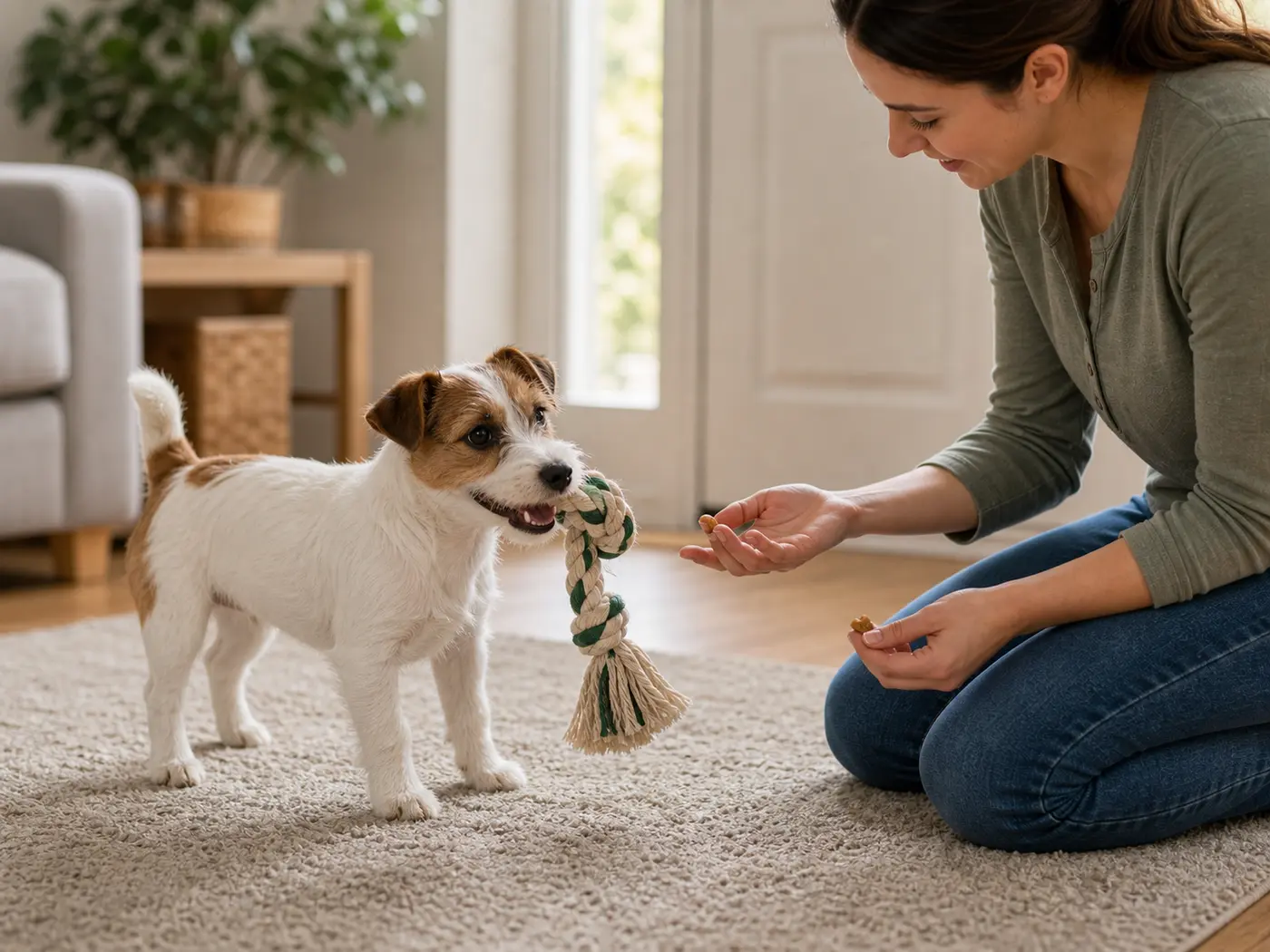
Offer the second toy first
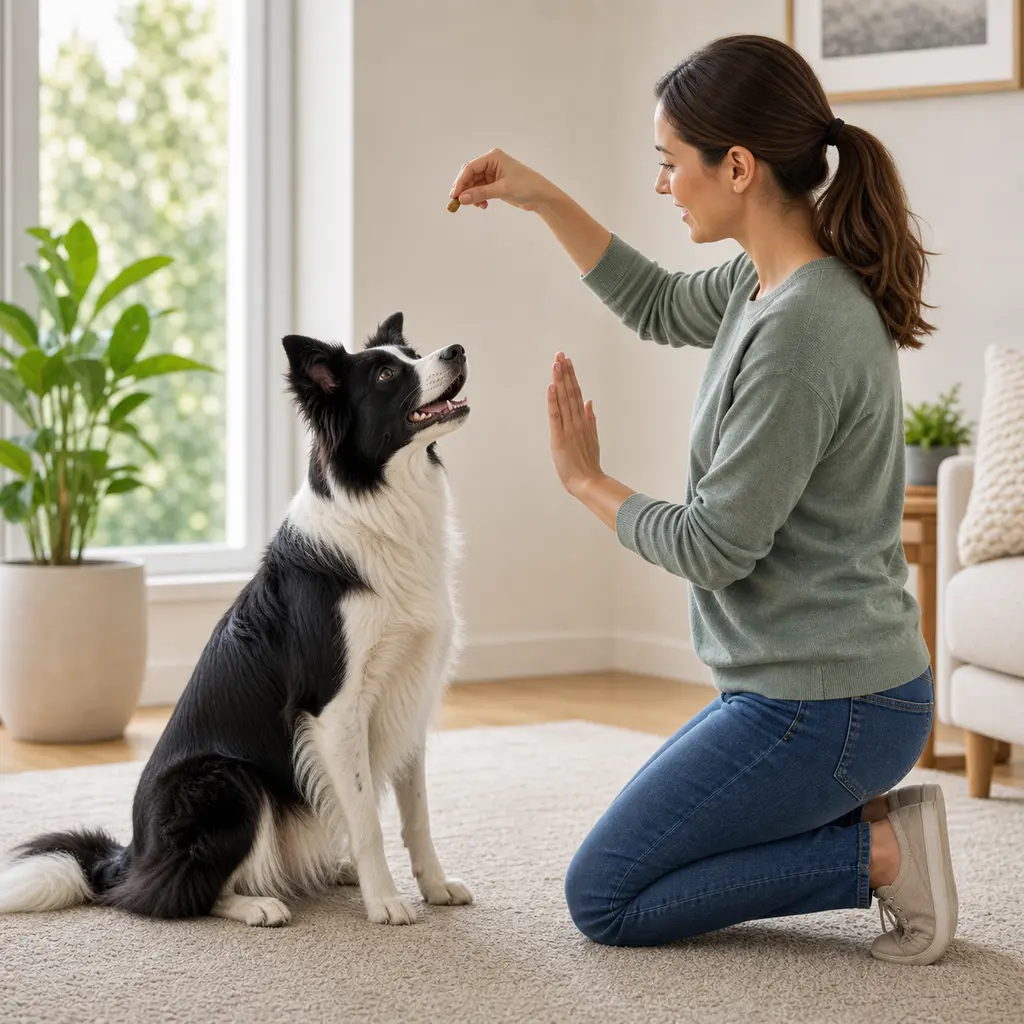
Move the new toy with a little happy energy. When your puppy turns toward it, let the first toy fall away naturally. No grabbing, chasing, or prying.
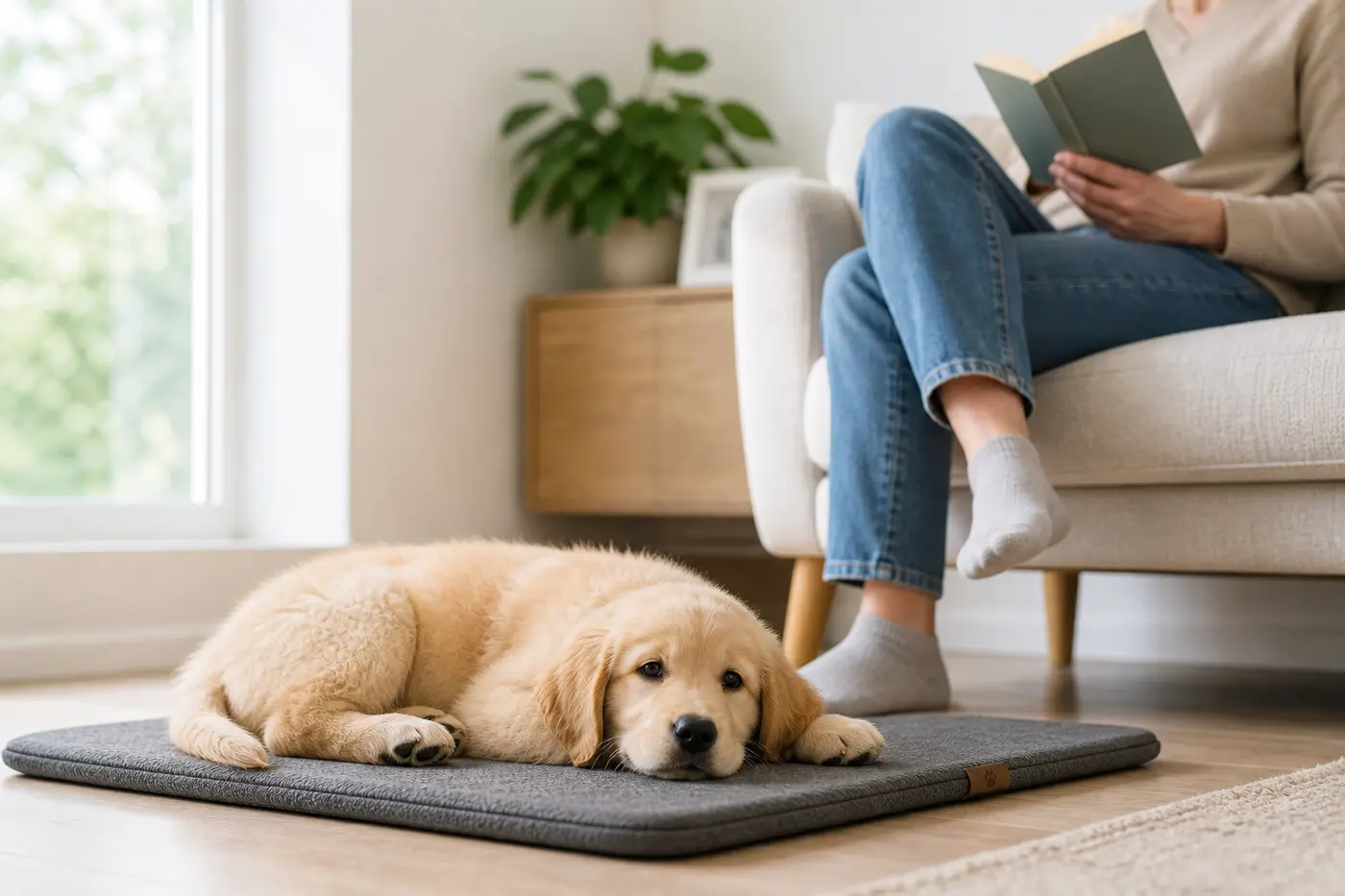
Give the old toy back
After a few seconds, trade again. Returning toys is what convinces your puppy that swaps are safe. If you always remove the prize forever, your puppy will learn to avoid you.
Add food for tricky moments
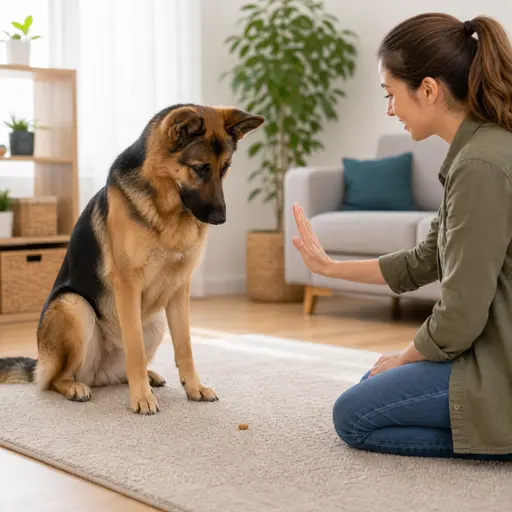
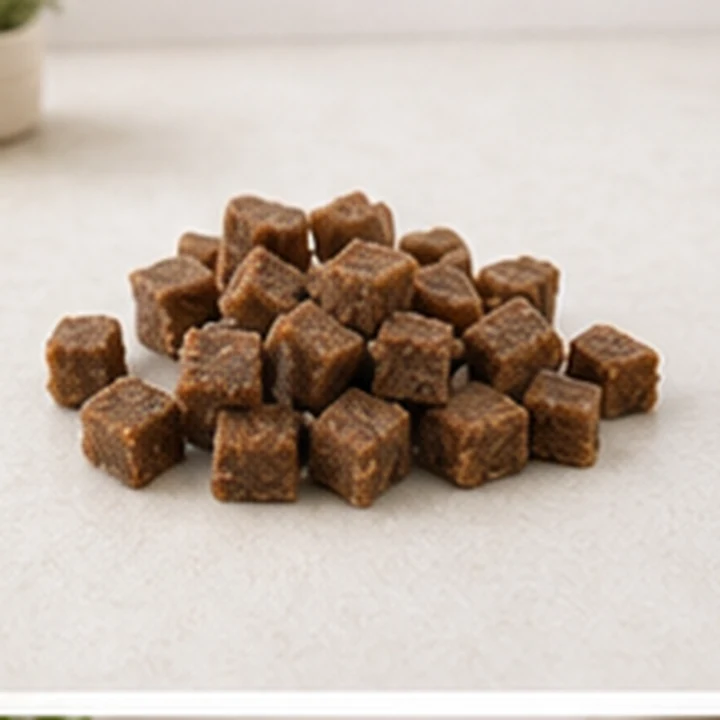
If your puppy hesitates, use a tiny treat at their nose, then present the next toy. Food should make the trade easier, not turn the session into a tense negotiation.
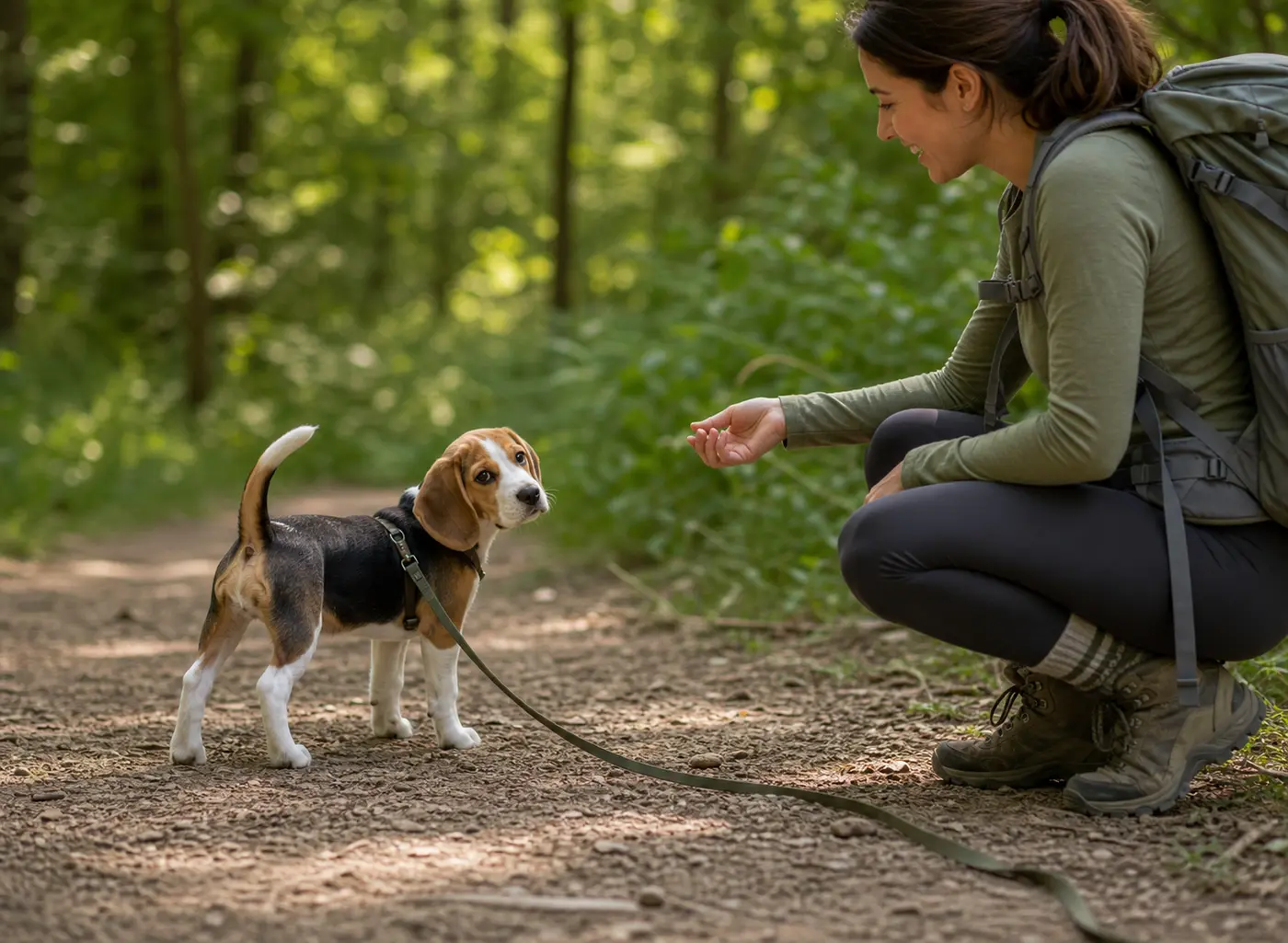
Name the swap
When the pattern is smooth, say your cue once right before offering the new toy. Use one phrase like swap or trade so the word stays clear.
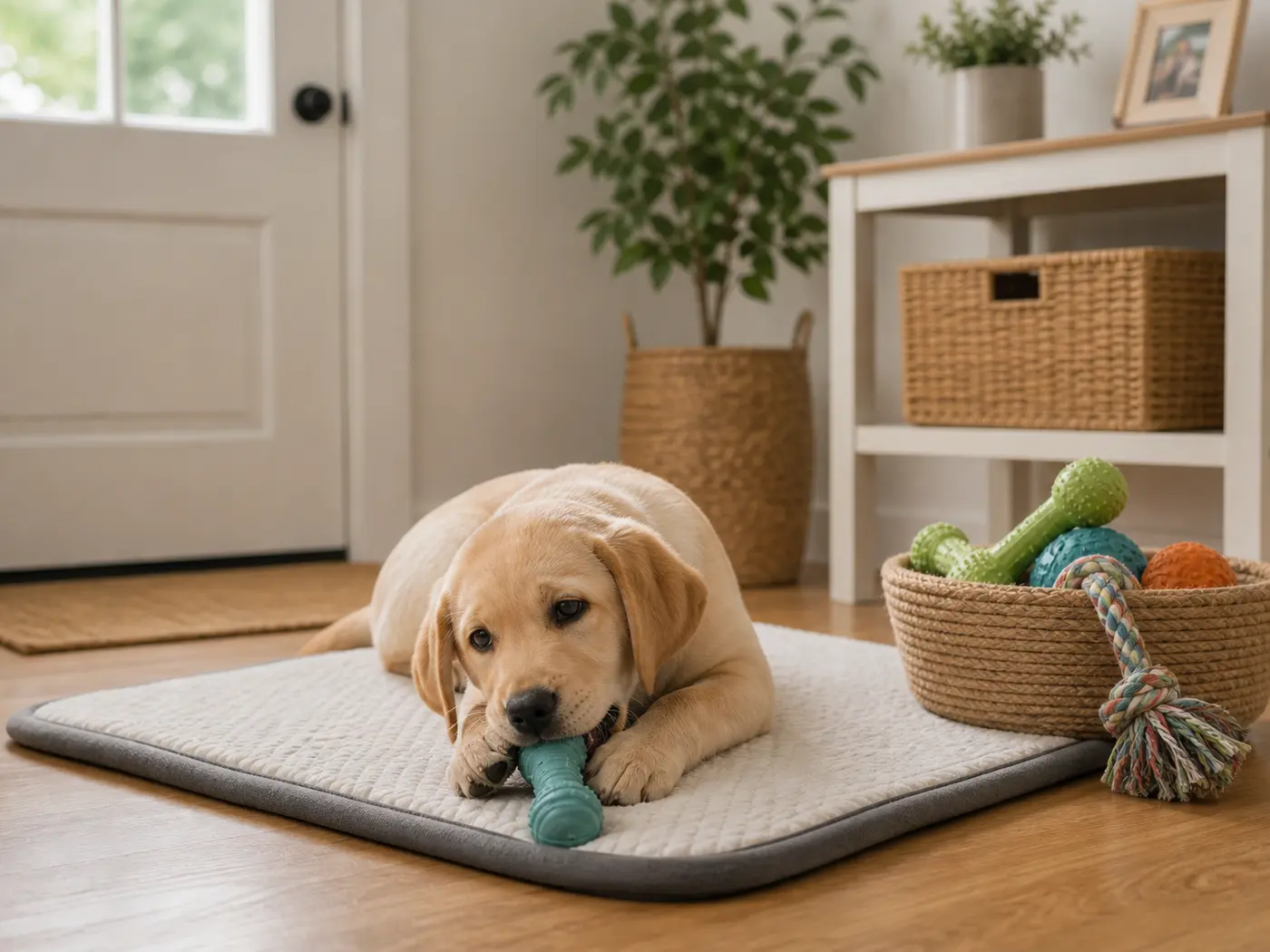
End with calm possession
Finish by giving your puppy a safe toy or chew to enjoy quietly. The game should end with trust, not with you snatching the final prize.
Little things that help
If your puppy runs away
Use lower-value toys, practice in a smaller space, and offer the second toy before reaching for the first.
If your puppy clamps down
Stop pulling. Make the trade easier with food or a more exciting second toy. Tugging against your puppy often makes the item more valuable.
If kids are playing
An adult should manage the toys and rewards first. Children can join when the puppy already understands the swap pattern.
Helpful little extras
Affiliate links: Furball Cove may earn from qualifying purchases at no extra cost to you.
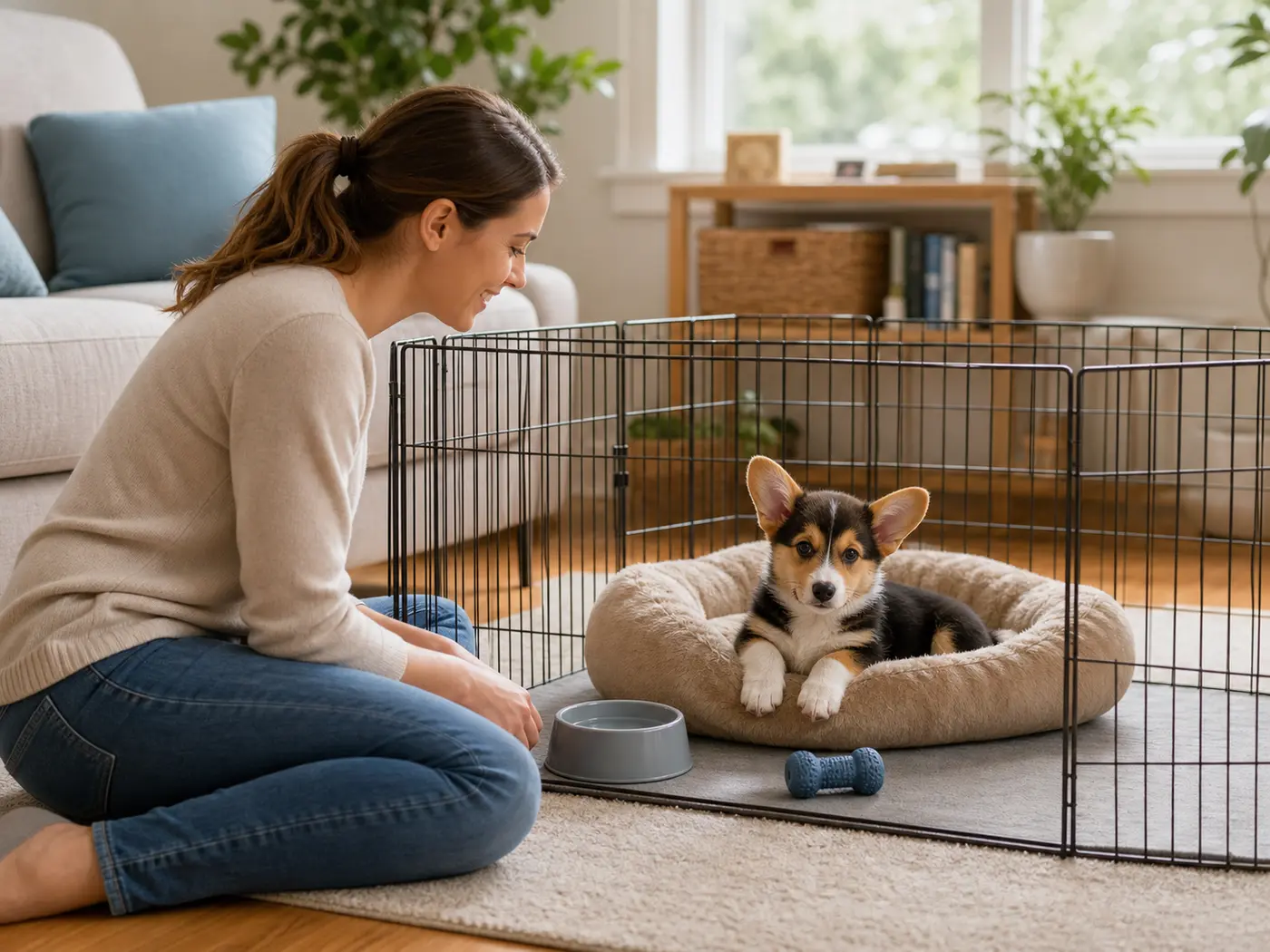
Two-toy tug set
A matched pair makes swaps clearer because the next toy is ready before your puppy worries about losing the first one.
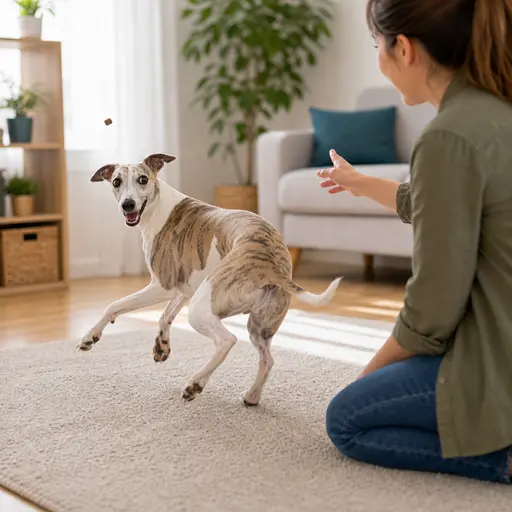
Soft training treats
Useful for early trades, stolen-object practice, and rewarding the instant your puppy lets go.
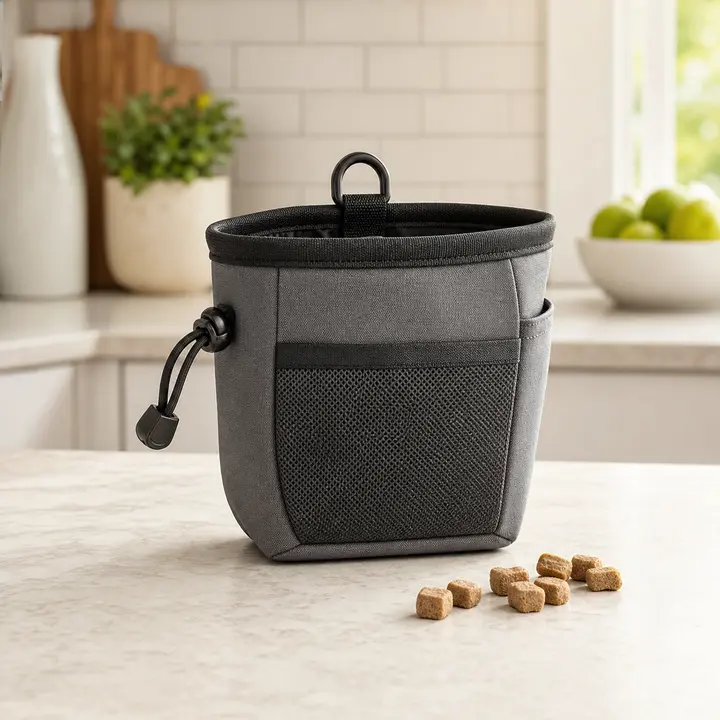
Training treat pouch
Keeps treats ready so the trade happens before the game turns into a chase.
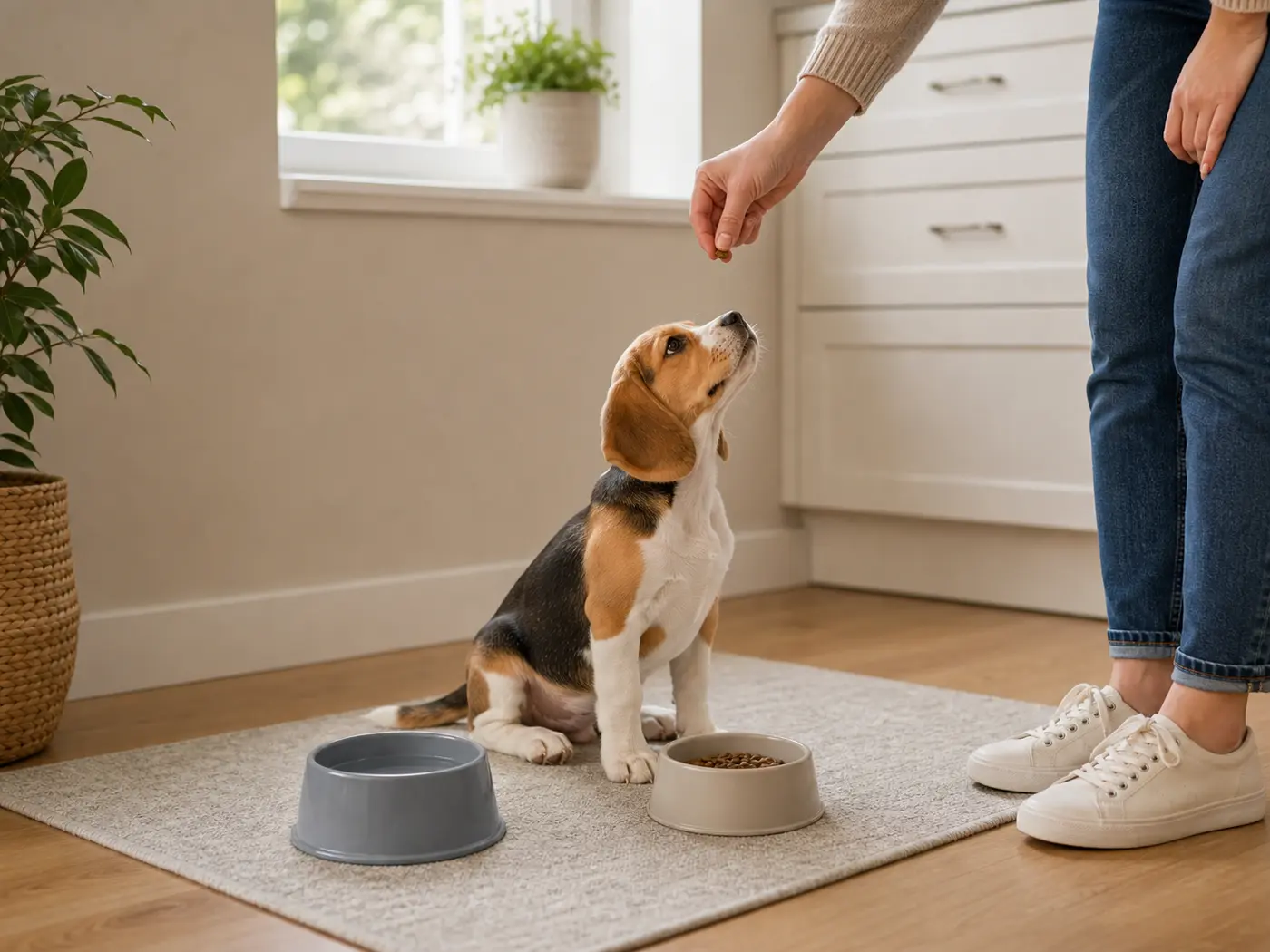
Washable toy basket
Makes toy rotation simple so your puppy has good options without every toy being out at once.
Questions people ask
Is toy swap the same as drop it?
Toy swap is the friendly foundation. Drop it becomes the clearer cue later. A puppy who loves swapping is much easier to teach to release on cue.
What if my puppy growls during toy swap?
Stop the game and make the setup safer. Growling, stiffening, freezing, or hovering over the toy can be guarding. Work with a qualified positive-reinforcement trainer.
Should I take the toy away after every swap?
No. Give toys back often. If swapping always ends the fun, your puppy may start running away or clamping down.