Updated
Dog training
Teach Your Dog Leave It
Leave it teaches your dog to turn away from something tempting and check back with you instead.
Start with boring practice objects before expecting the cue to work around sidewalk food, wildlife, or anything unsafe.
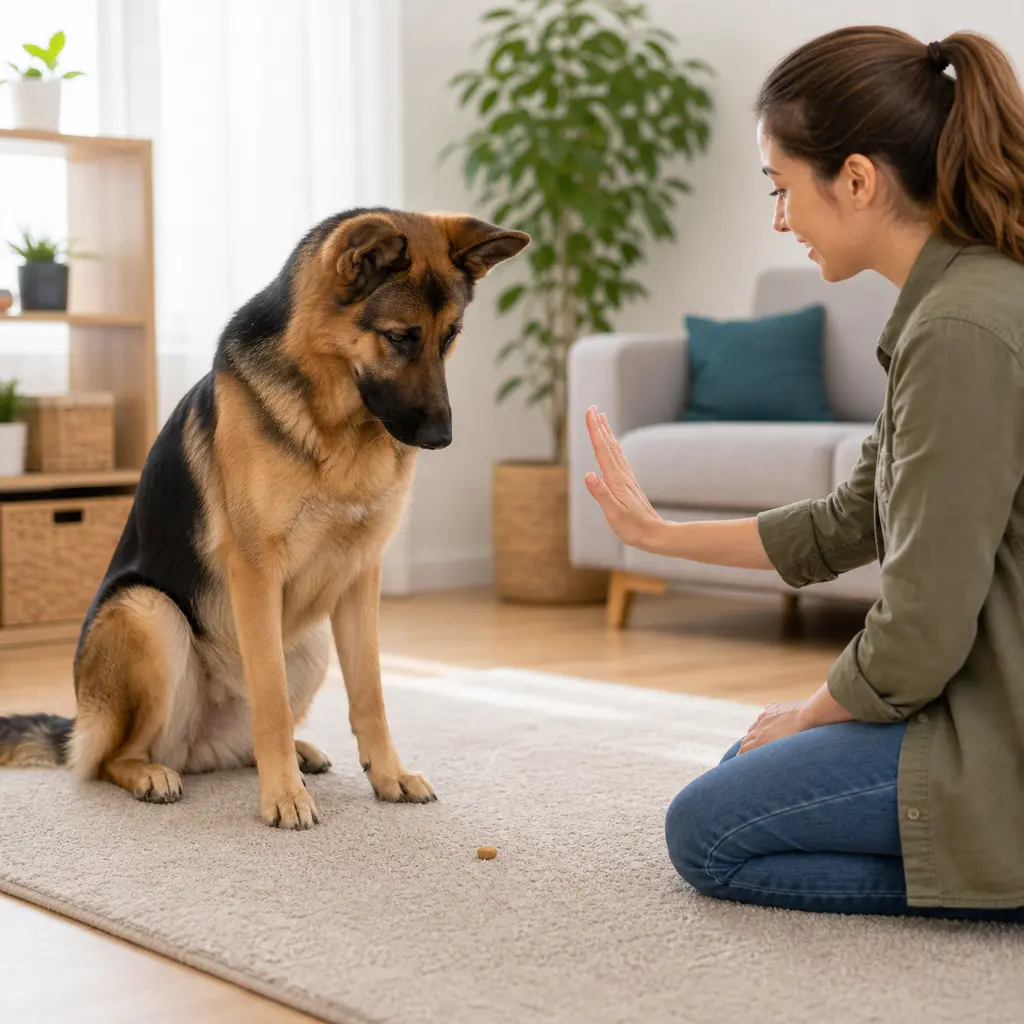
Leave it is not just a manners cue. It can prevent a lot of daily trouble, from dropped pills and chicken bones to socks, mulch, and mystery sidewalk snacks.
Teach it as a tradeoff your dog understands: turning away from that thing makes a better reward appear from you. Do not start with dangerous items or anything your dog is likely to guard.
Great for
- Dogs who grab dropped food, wrappers, socks, or outdoor finds.
- Puppies learning that not everything on the floor is theirs.
- Walks where you need a calm turn-away cue before trouble starts.
Wait a bit if
- The item may be toxic, sharp, hot, or dangerous; move your dog away instead.
- Your dog guards food or objects.
- You are practicing with something too exciting for your dog to ignore yet.
Practice the swap
Start with a closed fist
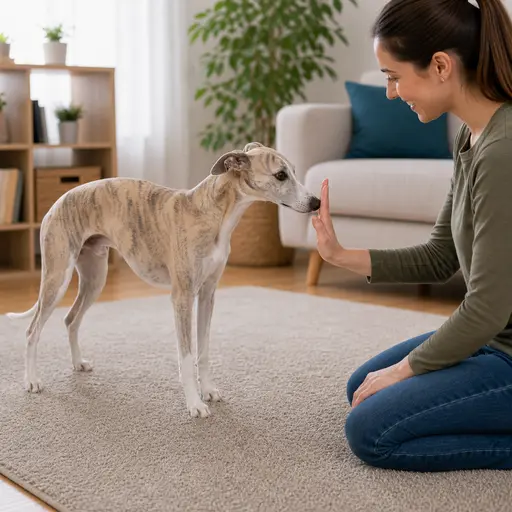
Put a low-value treat in your fist. Let your dog sniff. When they stop licking or pawing, mark that choice and reward from your other hand.
Add the cue before the pause
After several easy wins, say leave it right before your dog backs away from the closed hand.
Open your hand carefully
Show the treat in an open palm. Close your hand if your dog dives in, then mark and reward the next turn away.
Move the object to the floor
Place a boring item on the floor and cover it with your hand or foot if needed. Reward eye contact or turning away.
Practice with real-life objects
Use socks, tissues, wrappers, leaves, and toys before trying food on walks. Keep your dog on leash around outdoor finds.
Use management for danger
If something could hurt your dog, create distance and pick it up safely. Leave it is practice, not a substitute for prevention.
Little things that help
Keep sessions tiny
Two or three clean minutes usually teach more than a long session where your dog gets tired, grabby, or confused.
Use one cue
Say the word once, then help your dog succeed. Repeating the cue over and over teaches them that the first version does not matter.
Make mistakes easier
If your dog misses twice, lower the distraction, shorten the time, or move closer. The setup should teach the behavior, not expose the failure.
Helpful little extras
Affiliate links: Furball Cove may earn from qualifying purchases at no extra cost to you.
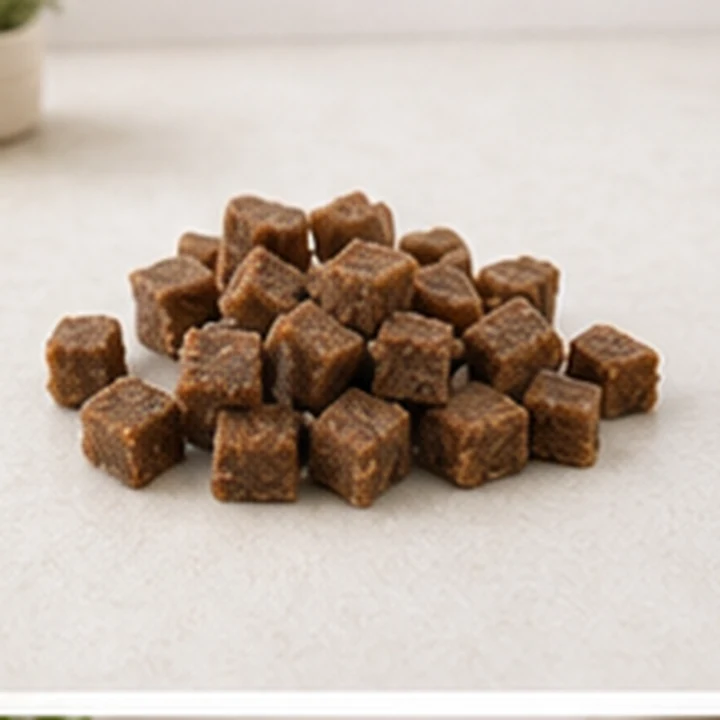
Soft training treats
Tiny soft rewards let you pay the exact moment your dog gets the cue right without slowing the lesson down.
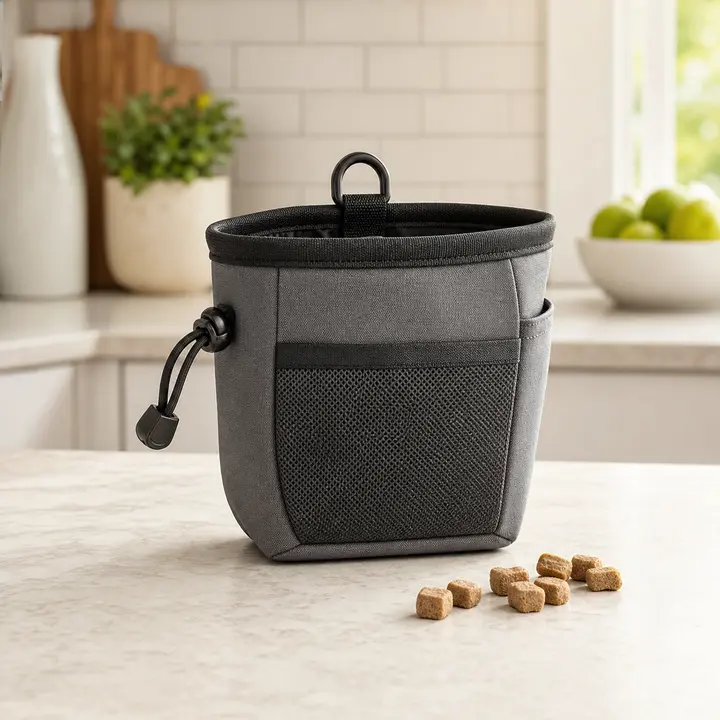
Training treat pouch
A pouch keeps rewards on your body, so you can mark and pay the good choice before the moment disappears.
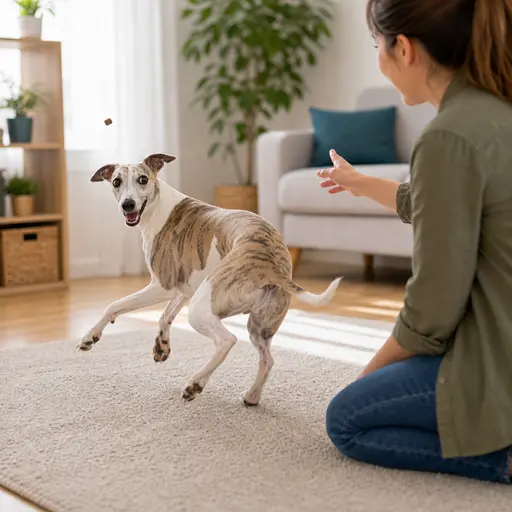
Training clicker
A clear marker helps your dog understand which tiny movement earned the reward, especially in the first few sessions.
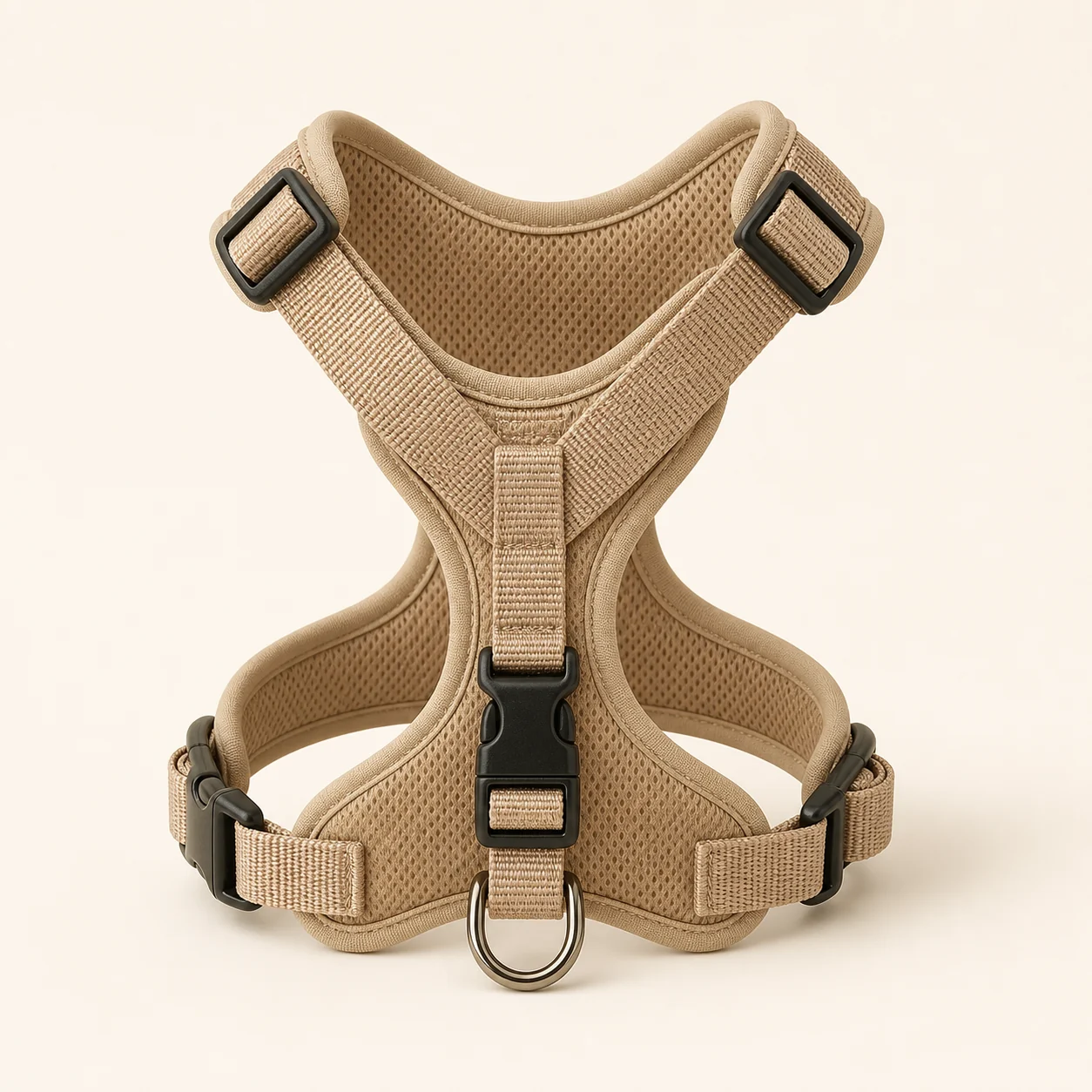
Comfort harness
A comfortable harness keeps recall and leash practice safer than clipping a long line to a collar.
Questions people ask
What should I reward with?
Reward from your hand or pouch, not from the forbidden item. Your dog should learn that turning away makes something better come from you.
Can leave it stop my dog from eating dangerous food?
It can help, but do not rely on it alone. Use a leash, distance, and quick cleanup when an item may be unsafe.
What if my dog growls over items?
Stop practicing with valued objects and work with a qualified reward-based trainer. Guarding needs a careful plan.