Updated
Dog training
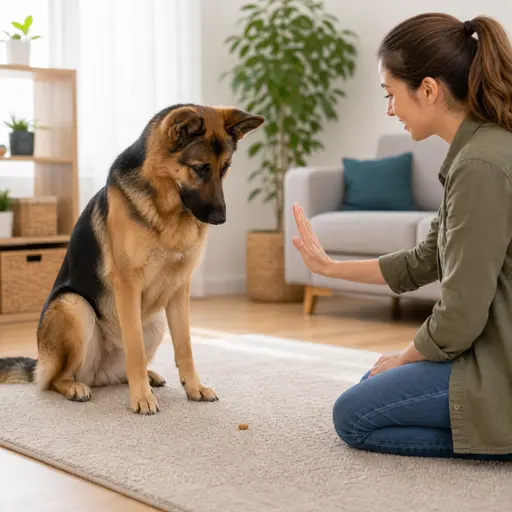
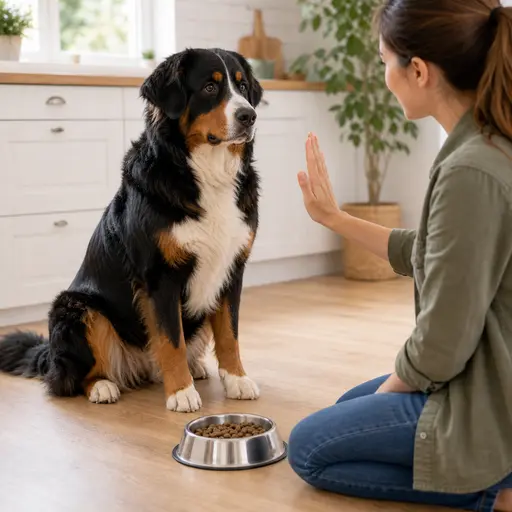
Teach Your Dog Drop It
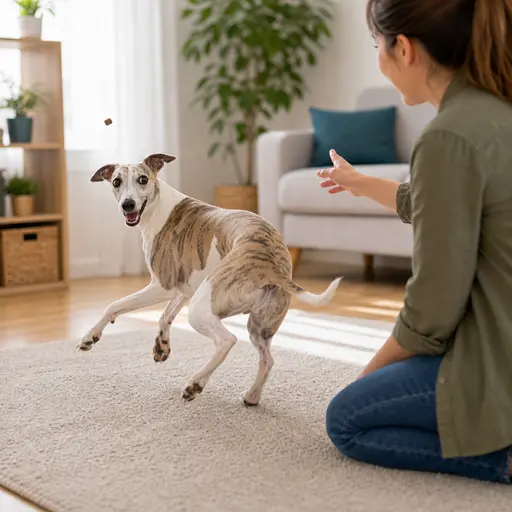
Drop it teaches your dog to release something from their mouth because a better option is coming.
Teach it with trades, not grabbing. The cue should make your dog feel safe enough to let go.
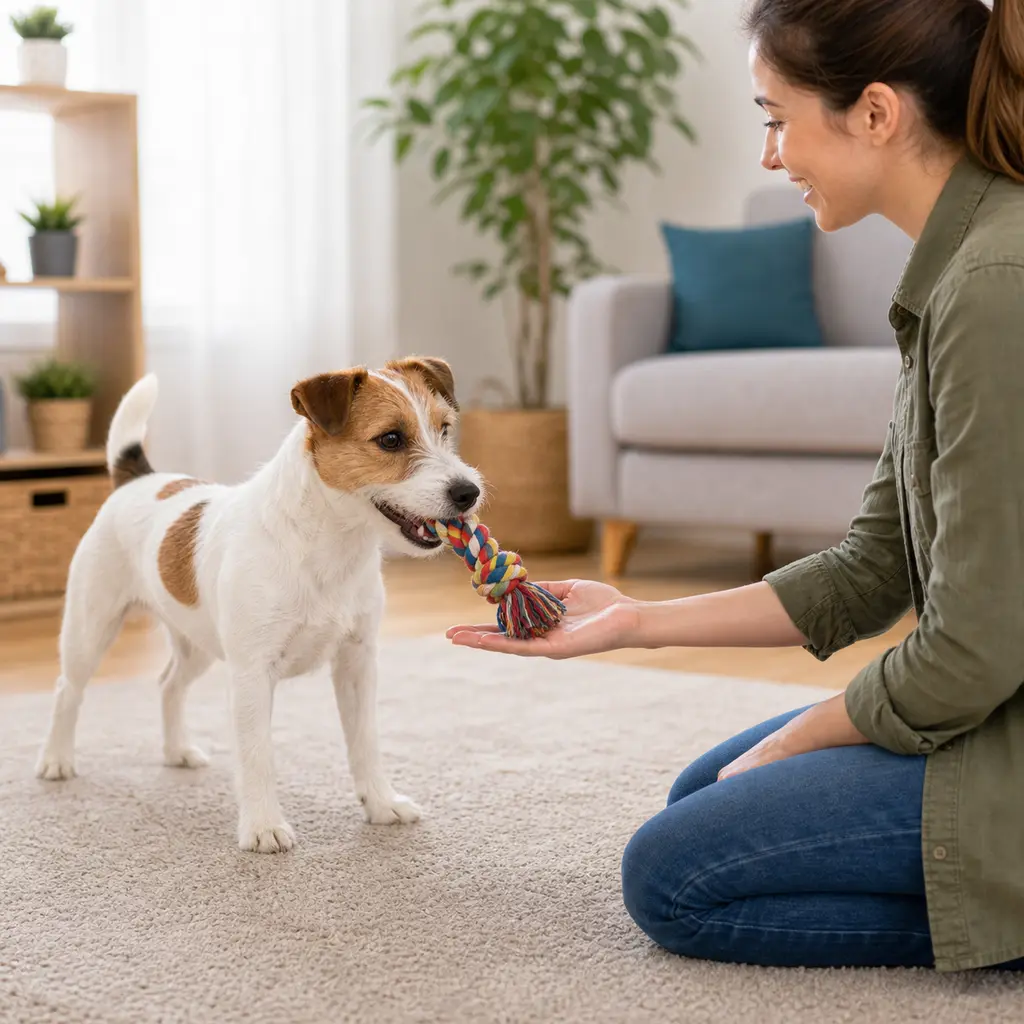
Drop it matters during tug, fetch, stolen socks, yard finds, and those heart-jump moments when your dog grabs the wrong thing.
The cleanest version is built through trades. Your dog learns that opening their mouth does not always end the fun, and it often makes something better happen.
Great for
- Dogs who enjoy toys and can trade safely.
- Puppies learning bitey toy manners.
- Homes that want safer fetch, tug, and object recovery.
Wait a bit if
- Your dog freezes, growls, snaps, or runs away with objects.
- The item is dangerous and you can safely move your dog away instead.
- People are grabbing objects from the dog's mouth as the main plan.
Practice the swap
Choose an easy toy
Start with a toy your dog likes but does not guard. Have better treats ready before the toy appears.
Offer a trade
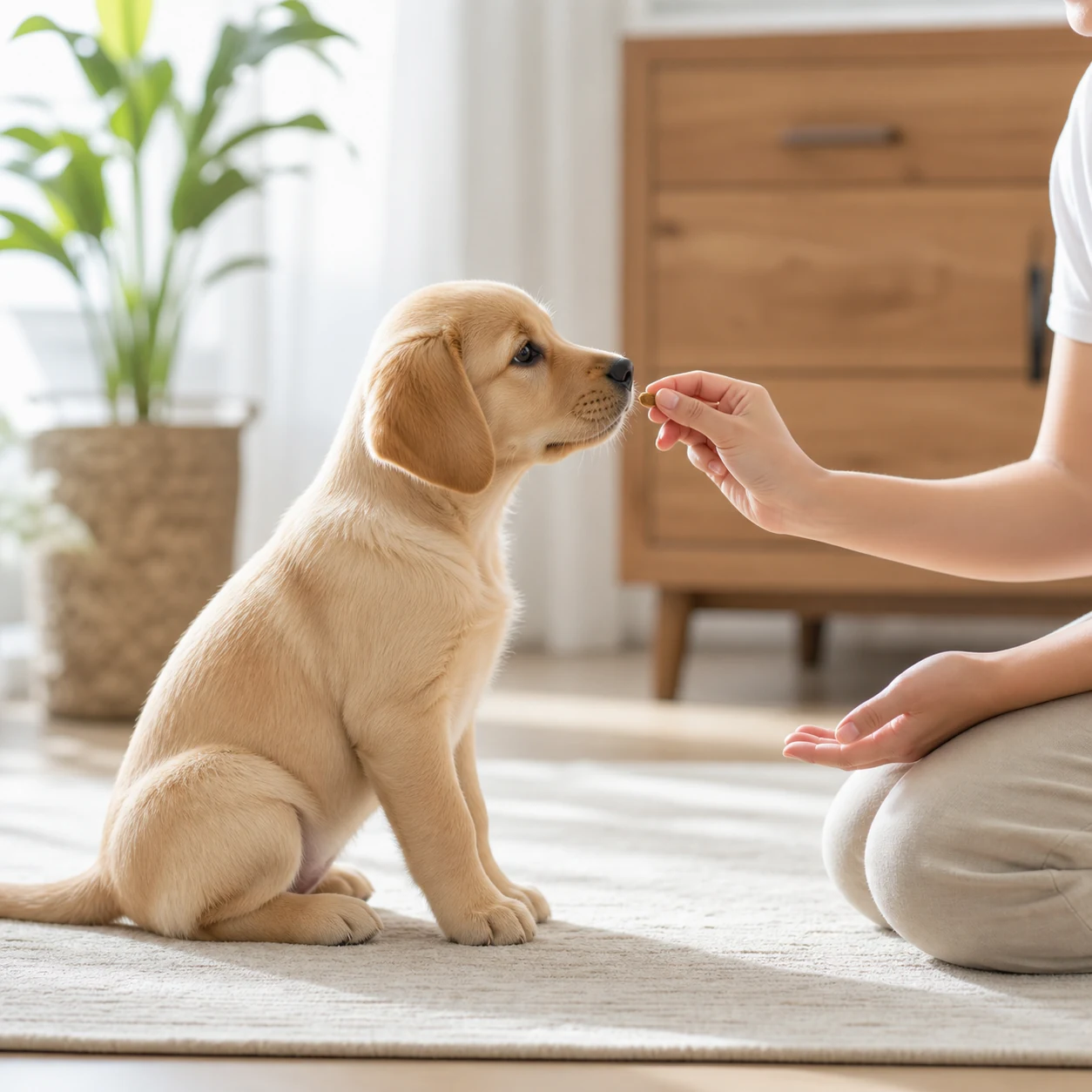
Bring a treat to your dog's nose. When the mouth opens and the toy drops, mark it and feed the treat.
Give the toy back
When safe, return the toy after the treat. Dogs release faster when drop it does not always end the game.
Add the cue
Say drop right before you present the trade. Keep the word calm so it does not sound like a threat.
Practice with different objects
Use a rope toy, ball, soft toy, and chew-safe item. Avoid dangerous or high-value objects during early practice.
Get help for guarding
If your dog stiffens, growls, or bites around objects, stop practicing trades alone and work with a qualified reward-based trainer.
Little things that help
Keep sessions tiny
Two or three clean minutes usually teach more than a long session where your dog gets tired, grabby, or confused.
Use one cue
Say the word once, then help your dog succeed. Repeating the cue over and over teaches them that the first version does not matter.
Make mistakes easier
If your dog misses twice, lower the distraction, shorten the time, or move closer. The setup should teach the behavior, not expose the failure.
Helpful little extras
Affiliate links: Furball Cove may earn from qualifying purchases at no extra cost to you.
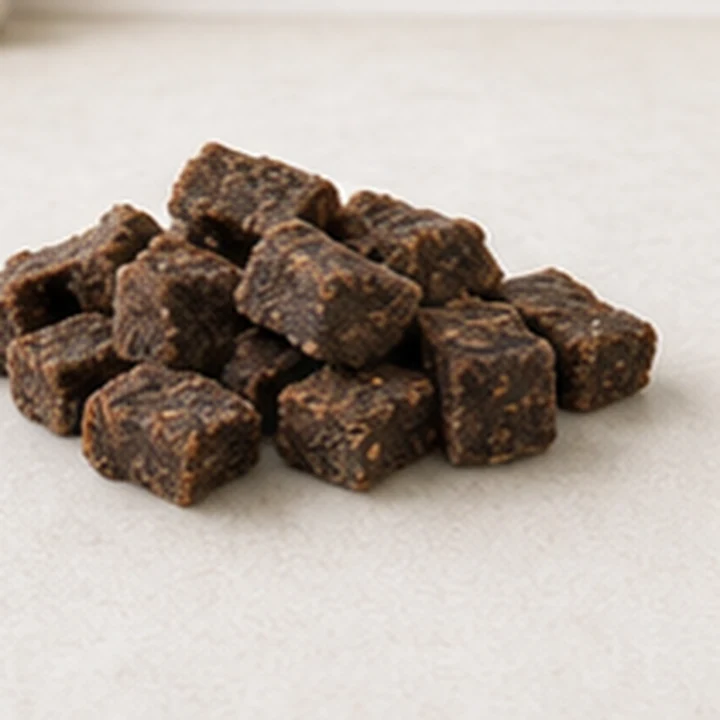
Soft training treats
Tiny soft rewards let you pay the exact moment your dog gets the cue right without slowing the lesson down.
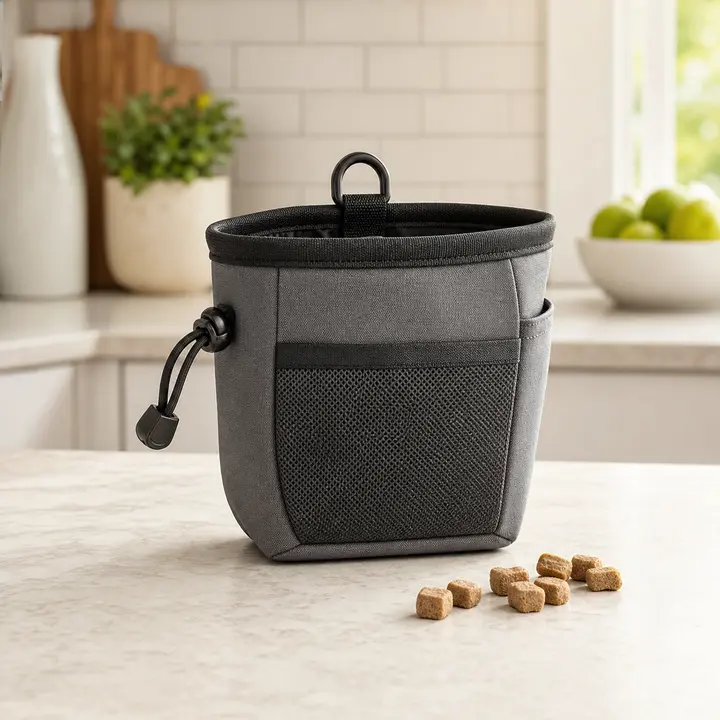
Training treat pouch
A pouch keeps rewards on your body, so you can mark and pay the good choice before the moment disappears.
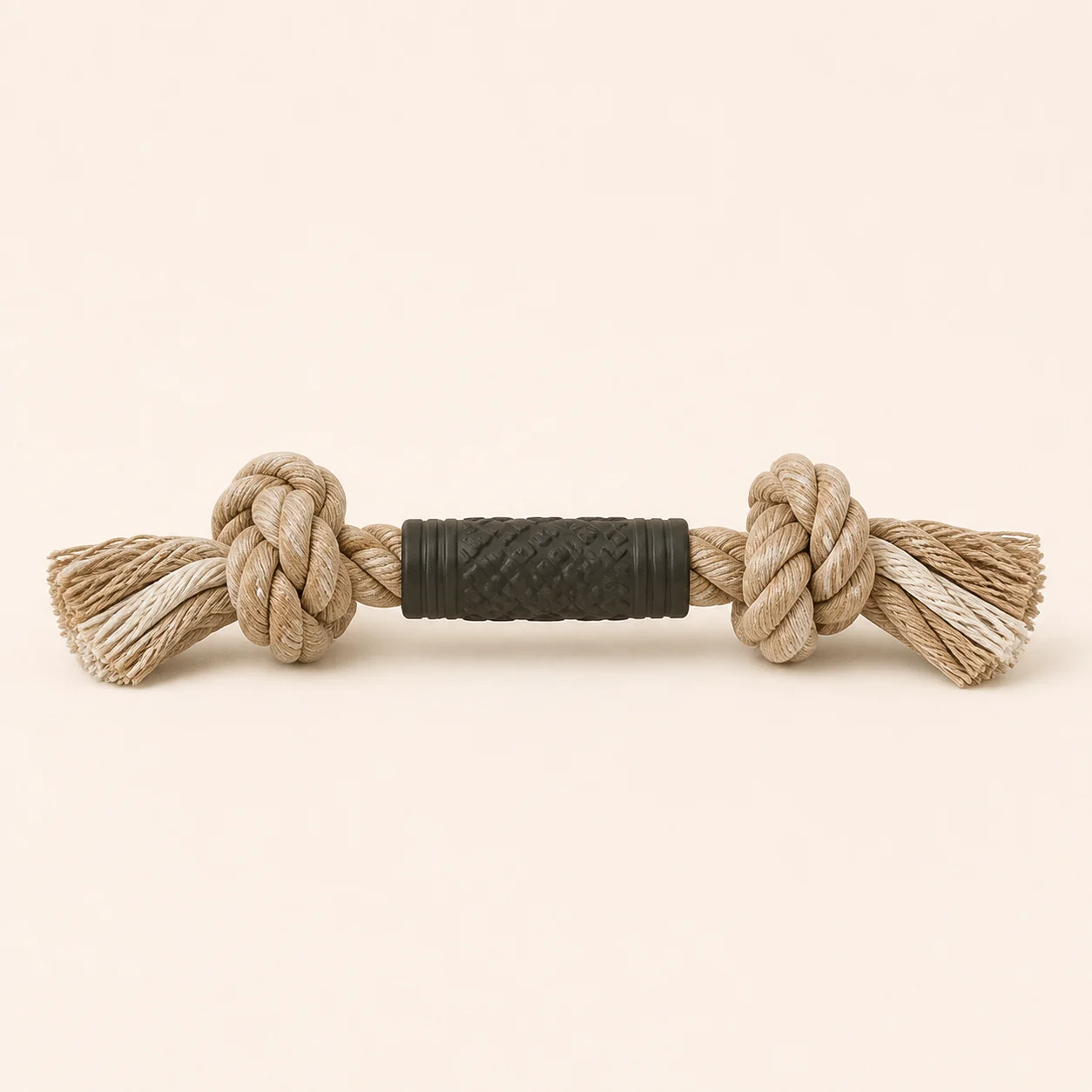
Training toy set
A few toys with different textures make trade games easier because your dog has safe things worth choosing.
Training clicker
A clear marker helps your dog understand which tiny movement earned the reward, especially in the first few sessions.
Questions people ask
Should I pull the toy out of my dog's mouth?
No. Pulling can turn the lesson into tug or make guarding worse. Teach a trade and reward the release.
What if my dog runs away with the object?
Practice in a smaller space with lower-value items, or use management. If guarding is involved, get professional help.
Can I use drop it during tug?
Yes. Pause the toy, trade, reward, then restart the game. Restarting teaches that dropping can make tug continue.