Updated
Dog training
Treat Access for Dog Walks
Treat access means rewards are ready before the good walking moment happens.
On walks, timing is everything. If treats are buried in a pocket, the check-in may be gone before you can pay it.
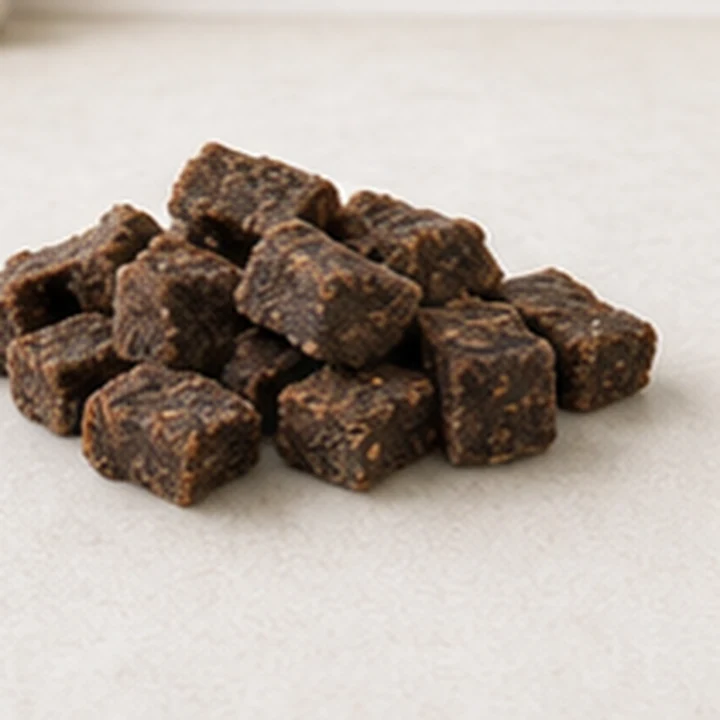
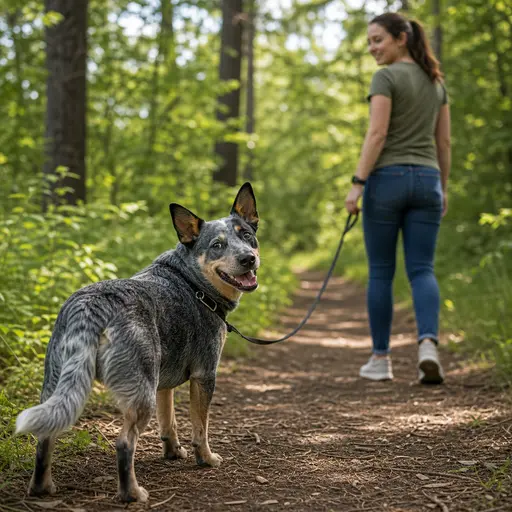
Good leash training often depends on a one-second window: your dog glances back, the leash softens, or they choose to pass a smell without diving. Easy treat access lets you mark and reward that moment.
This does not mean waving food in front of your dog for the whole walk. It means being prepared enough to pay good choices cleanly.
Great for
- Handlers teaching check-ins, loose leash, U-turns, or leave it.
- Dogs who respond well to food outside.
- Walks where timing has been sloppy because rewards are hard to reach.
Wait a bit if
- Food makes your dog jumpy, frantic, or unable to walk.
- Your dog guards food around other dogs or people.
- You are using visible food as the only reason your dog moves with you.
Shape the walking pattern
Load rewards before leaving
Put small treats in a pouch before the leash goes on. Do not wait until the walk is already difficult.
Use tiny pieces
Choose rewards small enough that your dog can eat and keep walking.
Keep the pouch on the reward side
Wear rewards where your hand can reach them without twisting the leash or stopping your body.
Mark before reaching
Say yes or click the good moment first, then reach for the treat. Otherwise your hand movement becomes the cue.
Vary the reward
Use food, sniff breaks, forward movement, praise, and distance depending on what your dog wants in that moment.
Fade visible food
Keep food available, but avoid walking with a treat stuck in front of your dog's nose for the whole route.
Little things that help
Set up before the door opens
Load the pouch, break treats into pea-size pieces, and put the pouch where your hand naturally falls. Timing matters most in the first minute outside.
Mark before you reach
Say yes or click when your dog makes the good choice, then get the treat. Reaching first can accidentally teach them to stare at your hand.
Use better rewards for harder streets
Dry kibble may work in the kitchen and fail near squirrels. Bring something soft and smelly when the walk is genuinely difficult.
Helpful little extras
Affiliate links: Furball Cove may earn from qualifying purchases at no extra cost to you.
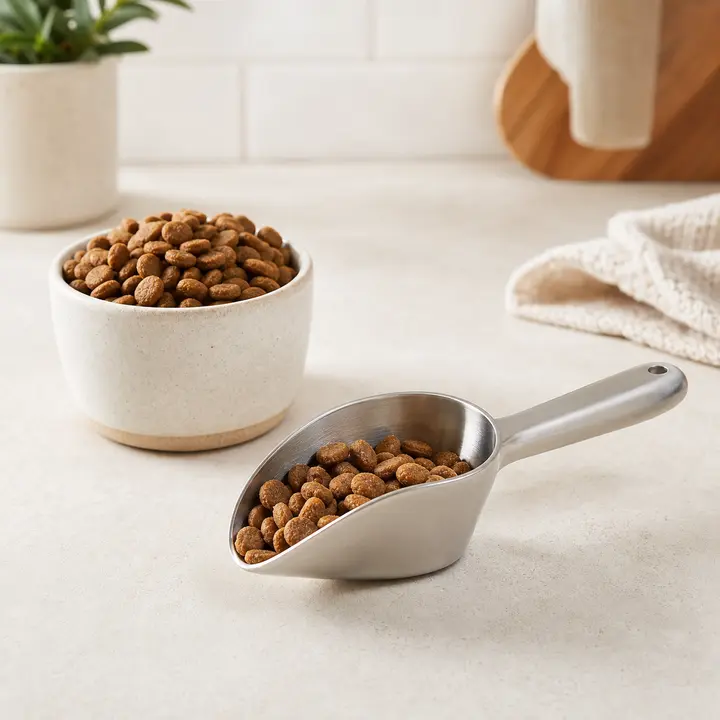
High-value training treats
Use these for the hardest moments, such as passing another dog, leaving a smell, or turning away from a squirrel.
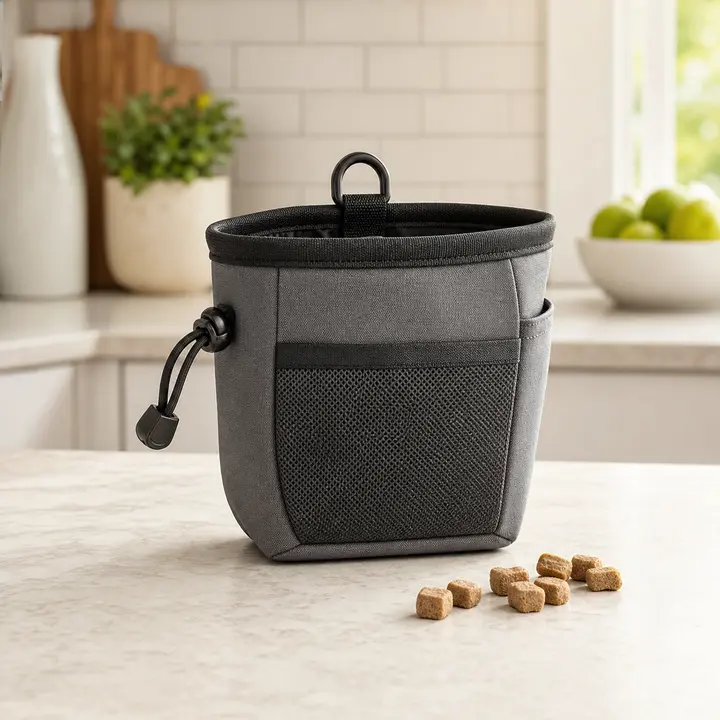
Training treat pouch
Choose a pouch you can open with one hand, because the best reward timing often happens while the leash is in the other hand.
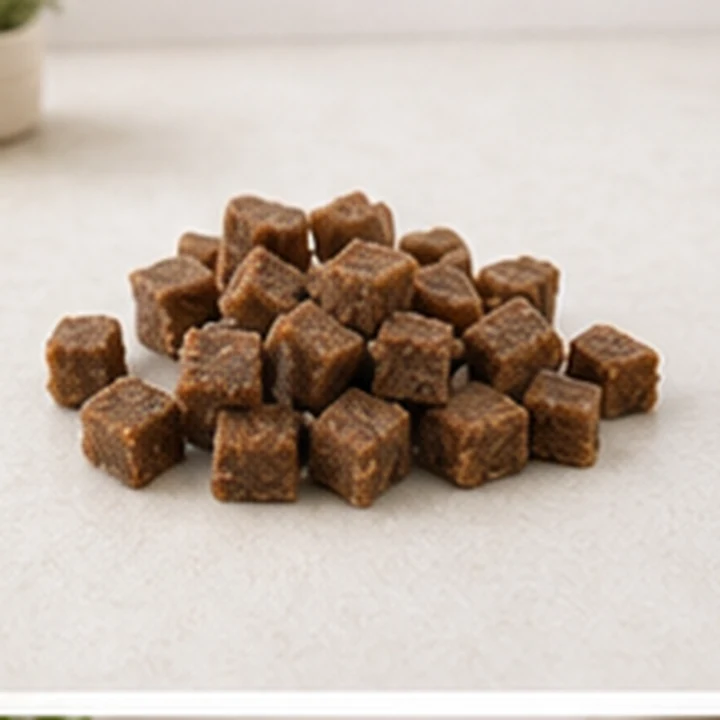
Soft training treats
Soft pieces keep your dog from crunching and stopping every few steps during moving practice.
Training clicker
A clear marker can separate the good choice from the reward delivery when your hand needs a second to reach the pouch.
Questions people ask
Do I need treats forever?
You will not need the same rate forever, but good rewards should stay part of training, especially in hard places.
What if my dog is not food motivated outside?
The environment may be too hard, or the reward may not be good enough. Try easier locations, better food, sniff rewards, or professional help if stress is involved.
Should the dog see the treat first?
Not usually. Mark the behavior first, then reward, so your dog learns the cue instead of following visible food.