Updated
Dog training principle
Use Real Rewards
A reward only works if your dog wants it in that moment.
Food is useful, but real rewards can also be sniffing, play, distance, greeting, movement, or getting to try again.
Many training problems are reward problems in disguise. Kibble may work in the kitchen, but a squirrel, guest, or open field may require something better.
Real rewards are not bribes. They are information. They tell your dog which choice paid off and make that choice easier to repeat next time.
Great for
- Recall, leave it, loose leash walking, and focus cues.
- Dogs who work differently indoors and outside.
- People who want training to fit normal daily life.
Wait a bit if
- Your dog cannot eat because they are scared, sick, or over threshold.
- Food creates guarding or frantic behavior.
- You are using rewards to lure forever instead of teaching the cue.
How to teach the first reps
Notice what your dog wants
Before you train, ask what your dog is trying to get: food, sniffing, greeting, chasing, movement, shade, distance, or rest.
Match the reward to the job
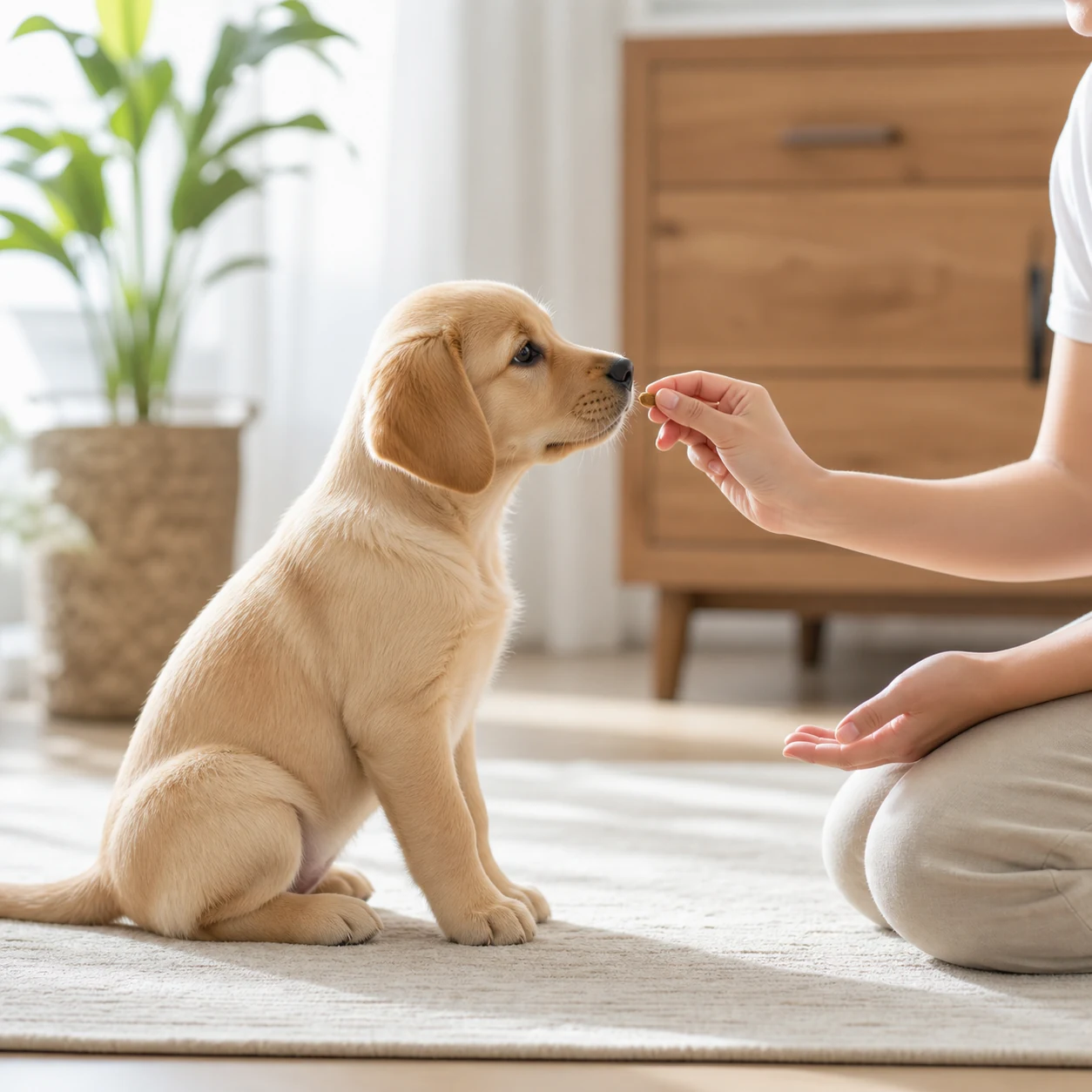
Use soft treats for fast reps, sniffing as a leash reward, toy play for energetic dogs, and distance for dogs who feel worried.
Pay the exact behavior
Mark the moment your dog gets it right, then deliver the reward where you want the behavior to continue.
Use life rewards carefully
A door opening, leash moving forward, or release to sniff can be powerful. Make sure your dog earns it with the behavior you wanted.
Upgrade for hard places
Use better rewards outside, near distractions, or when teaching recall. Harder settings deserve better pay.
Fade lures, not rewards
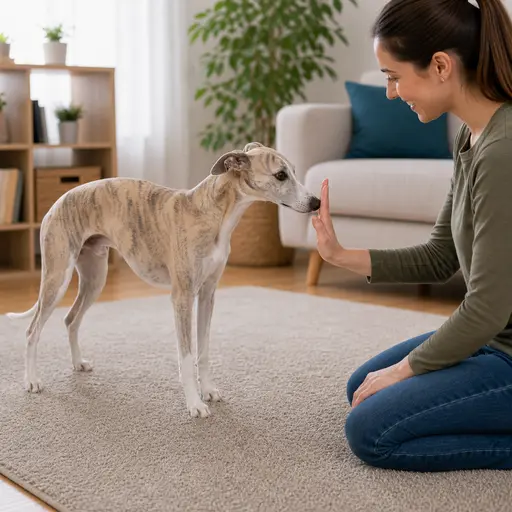
Remove the treat from your cue hand as soon as you can, but keep rewarding good choices while the skill is growing.
Little things that help
Keep sessions tiny
Two or three clean minutes usually teach more than a long session where your dog gets tired, grabby, or confused.
Use one cue
Say the word once, then help your dog succeed. Repeating the cue over and over teaches them that the first version does not matter.
Make mistakes easier
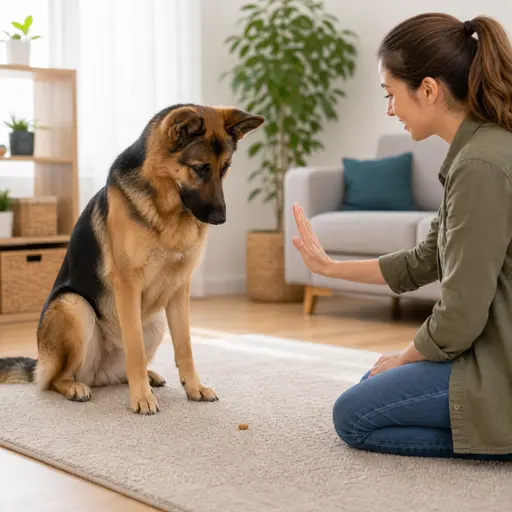
If your dog misses twice, lower the distraction, shorten the time, or move closer. The setup should teach the behavior, not expose the failure.
Helpful little extras
Affiliate links: Furball Cove may earn from qualifying purchases at no extra cost to you.
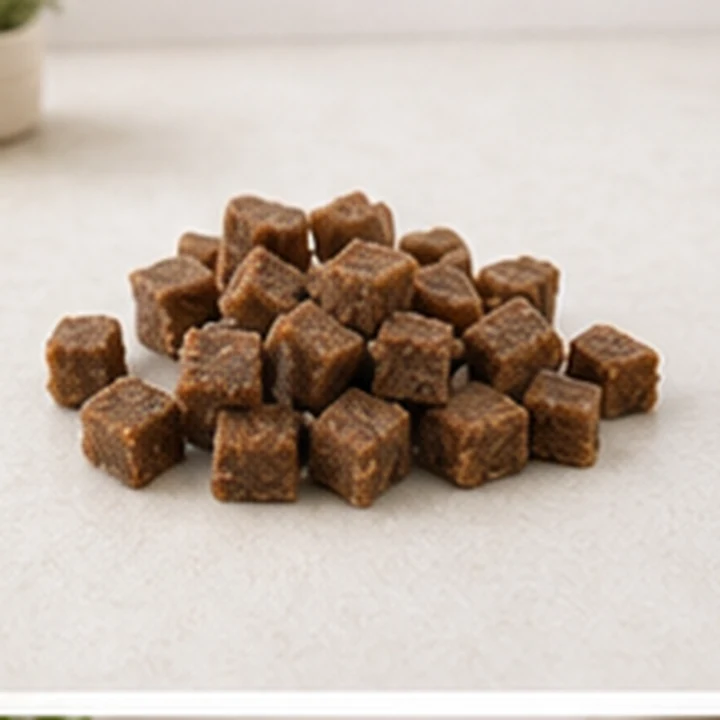
Soft training treats
Tiny soft rewards let you pay the exact moment your dog gets the cue right without slowing the lesson down.
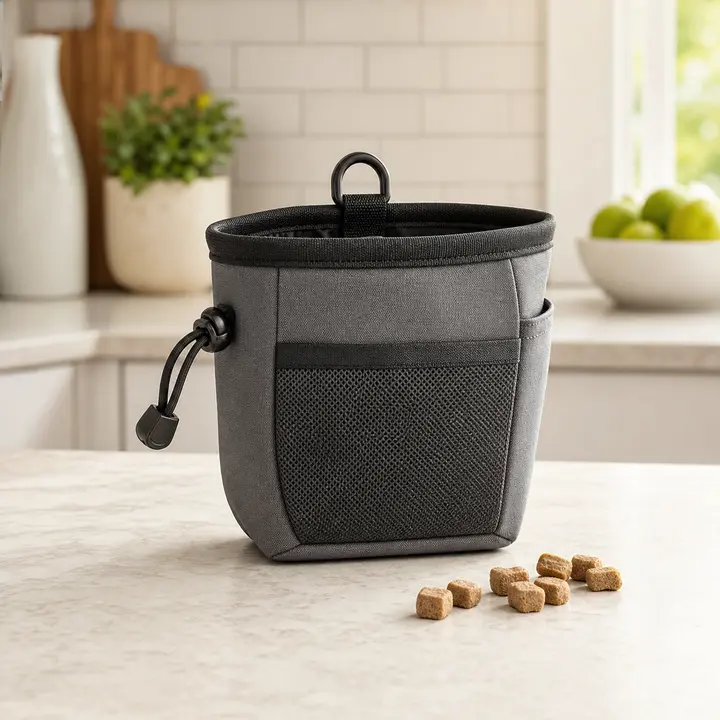
Training treat pouch
A pouch keeps rewards on your body, so you can mark and pay the good choice before the moment disappears.
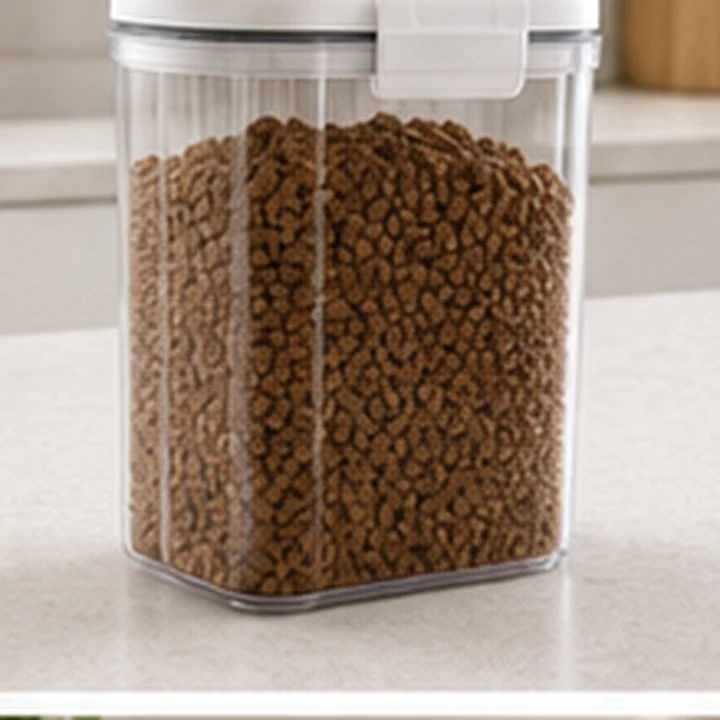
Reward jar
A small reward jar near the door, mat, or leash station makes it easier to catch real-life wins during the day.
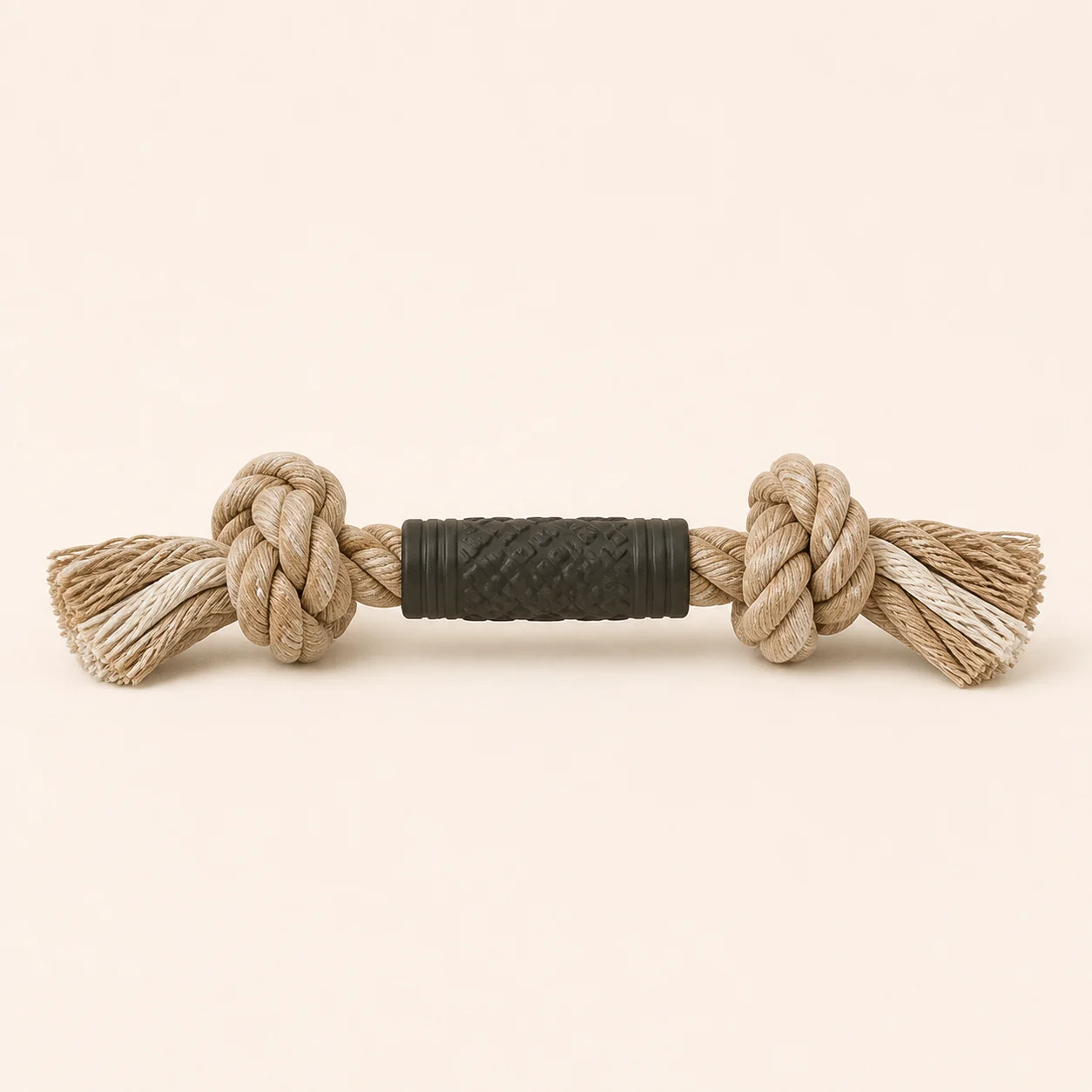
Training toy set
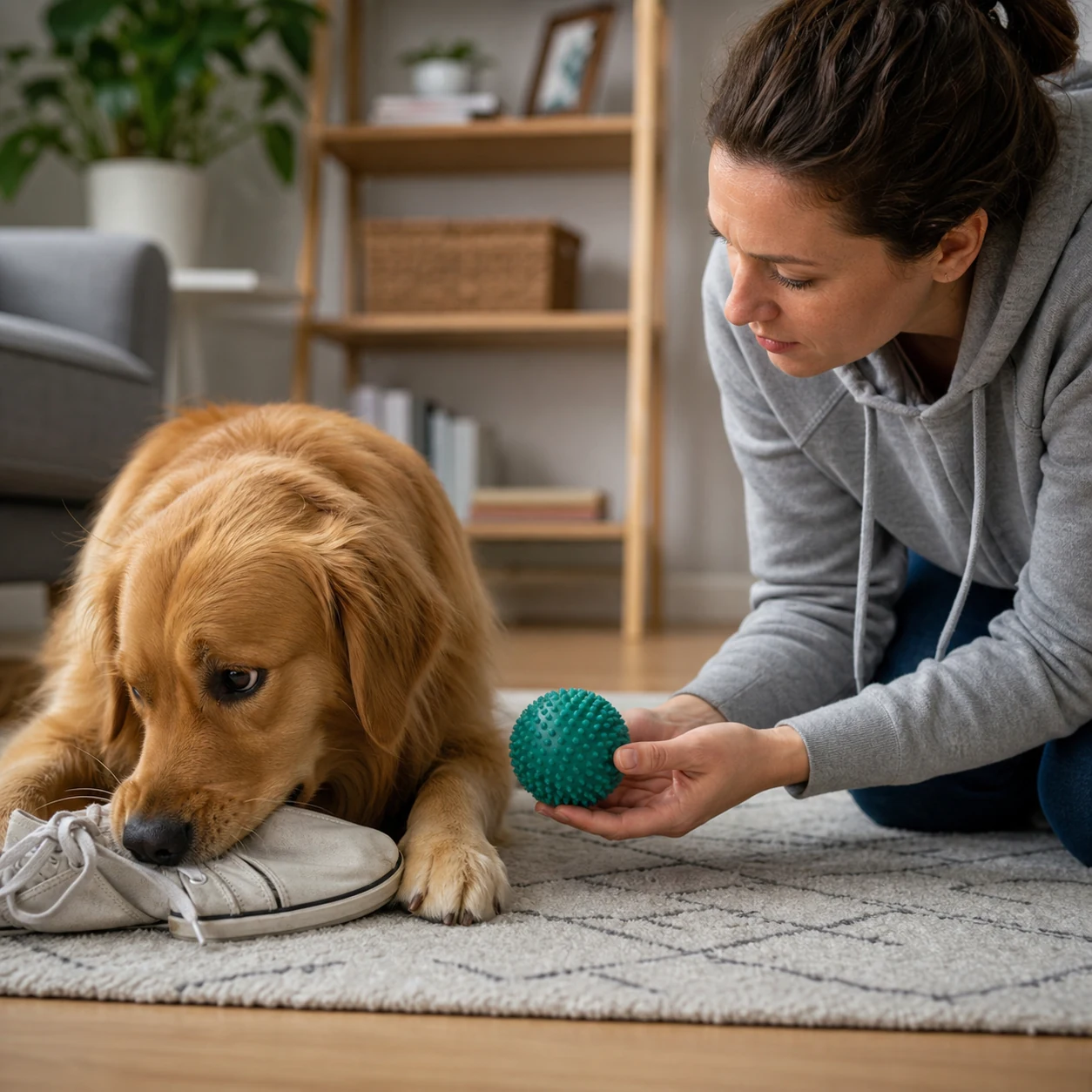
A few toys with different textures make trade games easier because your dog has safe things worth choosing.
Questions people ask
Am I bribing my dog?
A bribe appears before the behavior to persuade the dog. A reward comes after the behavior to teach what worked.
What if my dog will not take treats?
They may be full, worried, sick, or over threshold. Lower the difficulty and talk with your vet if appetite changes suddenly.
Can sniffing be a reward?
Yes. On walks, moving forward or sniffing a safe spot can reward check-ins, loose leash moments, and recalls.