Updated
Dog training
Teach Your Dog Come
Come means turn away from whatever is happening and move all the way back to you for something worthwhile.
Protect this cue. Practice easy wins, reward generously, and do not use come only when fun is about to end.
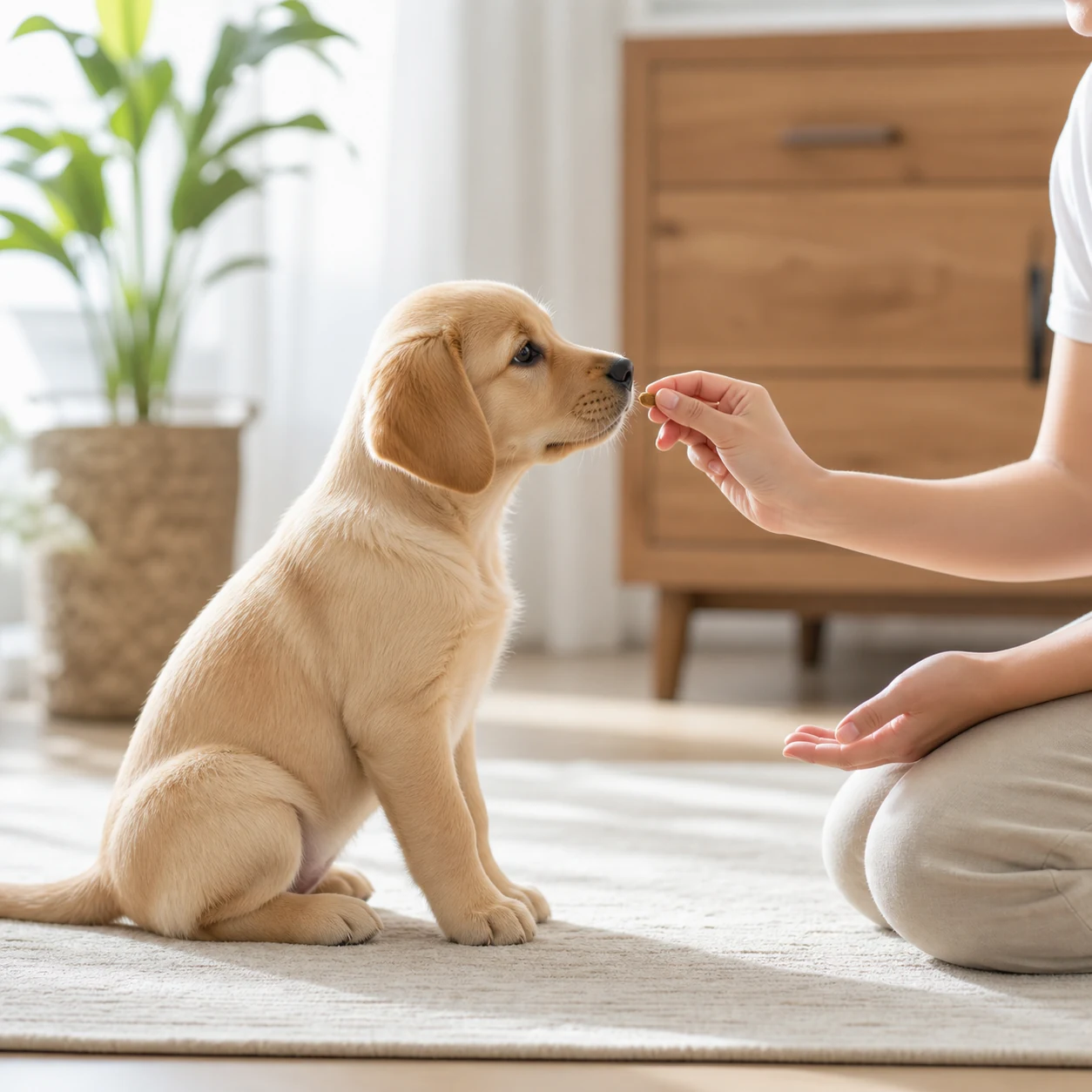
Come is one of the most important cues your dog can learn, but it is also one of the easiest to weaken. If coming back predicts a tiny reward, a bath, or the leash ending every adventure, many dogs start weighing their options.
Make recall feel generous and safe. Start in boring places, call once, reward close to your body, and often release your dog back to sniffing or play so returning does not always end the good stuff.
Great for
- Puppies and new dogs building a recall habit.
- Dogs who can practice on leash, indoors, or on a long line.
- Families who are ready to pay recall with excellent rewards.
Wait a bit if
- Your dog is off leash near roads, wildlife, or unsafe spaces.
- Your dog is chasing, panicking, or too distracted to hear you.
- You are about to call your dog for something they dislike.
Practice the return
Charge the word indoors
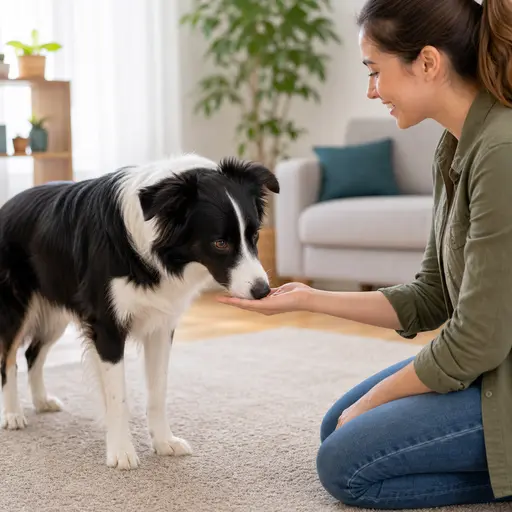
Say come once in a happy voice when your dog is already nearby, then feed several great treats. At first, the word should simply predict good news.
Move away as you call
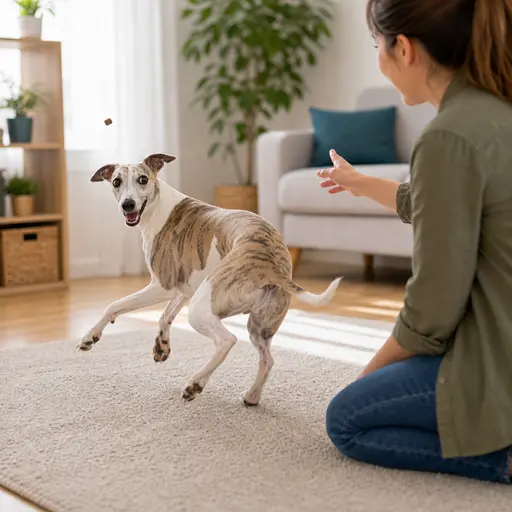
Take a few quick steps backward, call once, and reward when your dog catches up. Movement makes coming to you easier to understand.
Reward at your body
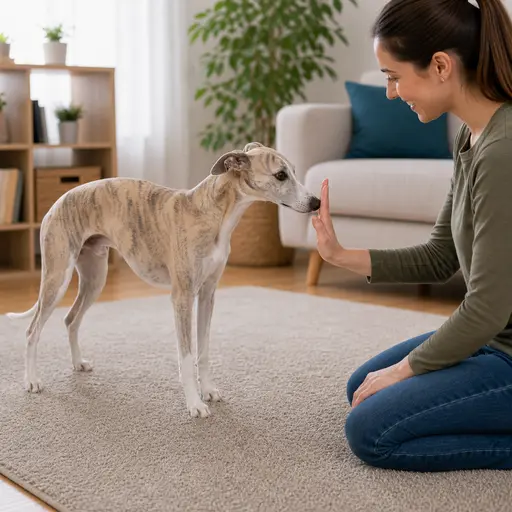
Feed close to your legs or gently touch the harness before rewarding. A useful recall ends close enough to clip a leash if needed.
Release back to fun
After many recalls, say go sniff or all done and let your dog return to safe exploring. This protects the cue from meaning fun is over.
Use a long line outside
Practice in quiet outdoor spaces with a harness and long line before adding parks, dogs, squirrels, or open fields.
Do not punish the return
Even if your dog took too long, reward the choice to come back. If you are frustrated, shorten the setup next time.
Little things that help
Keep sessions tiny
Two or three clean minutes usually teach more than a long session where your dog gets tired, grabby, or confused.
Use one cue
Say the word once, then help your dog succeed. Repeating the cue over and over teaches them that the first version does not matter.
Make mistakes easier
If your dog misses twice, lower the distraction, shorten the time, or move closer. The setup should teach the behavior, not expose the failure.
Helpful little extras
Affiliate links: Furball Cove may earn from qualifying purchases at no extra cost to you.
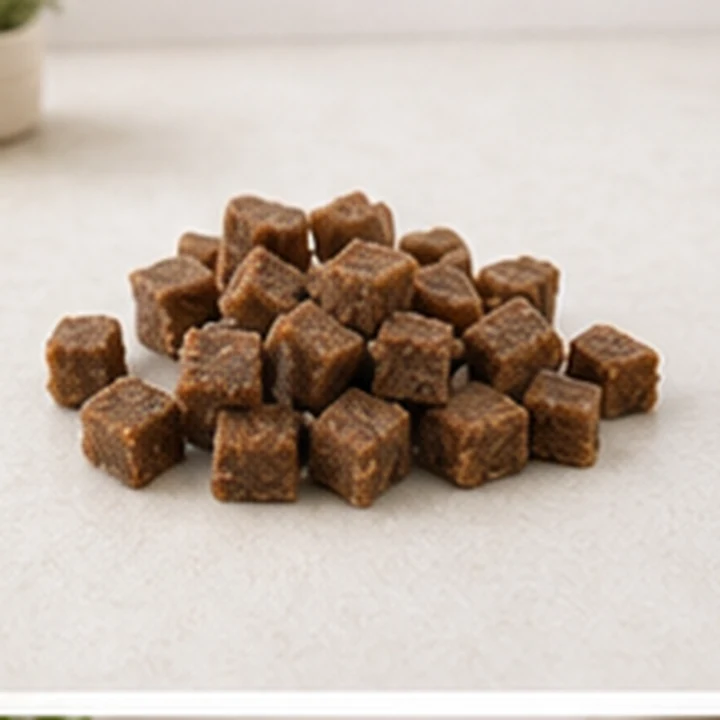
Soft training treats
Tiny soft rewards let you pay the exact moment your dog gets the cue right without slowing the lesson down.
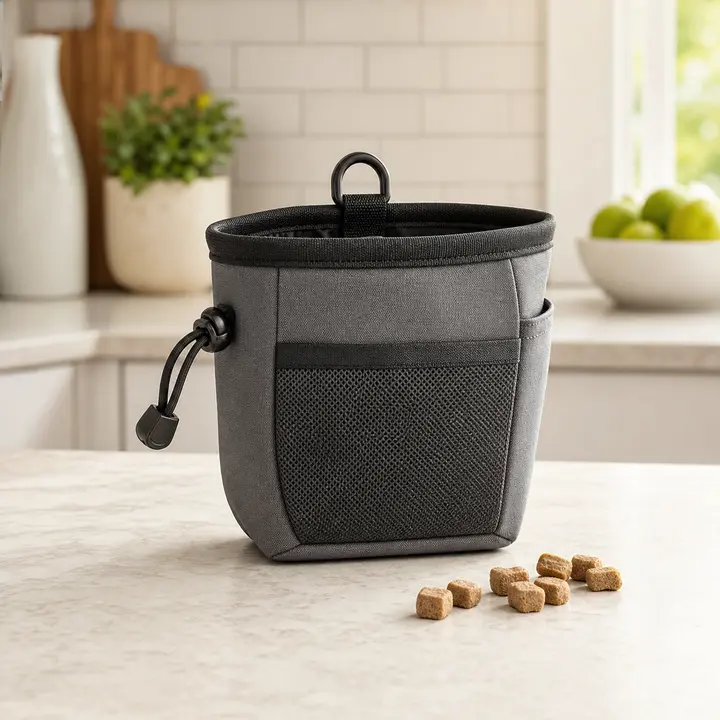
Training treat pouch
A pouch keeps rewards on your body, so you can mark and pay the good choice before the moment disappears.
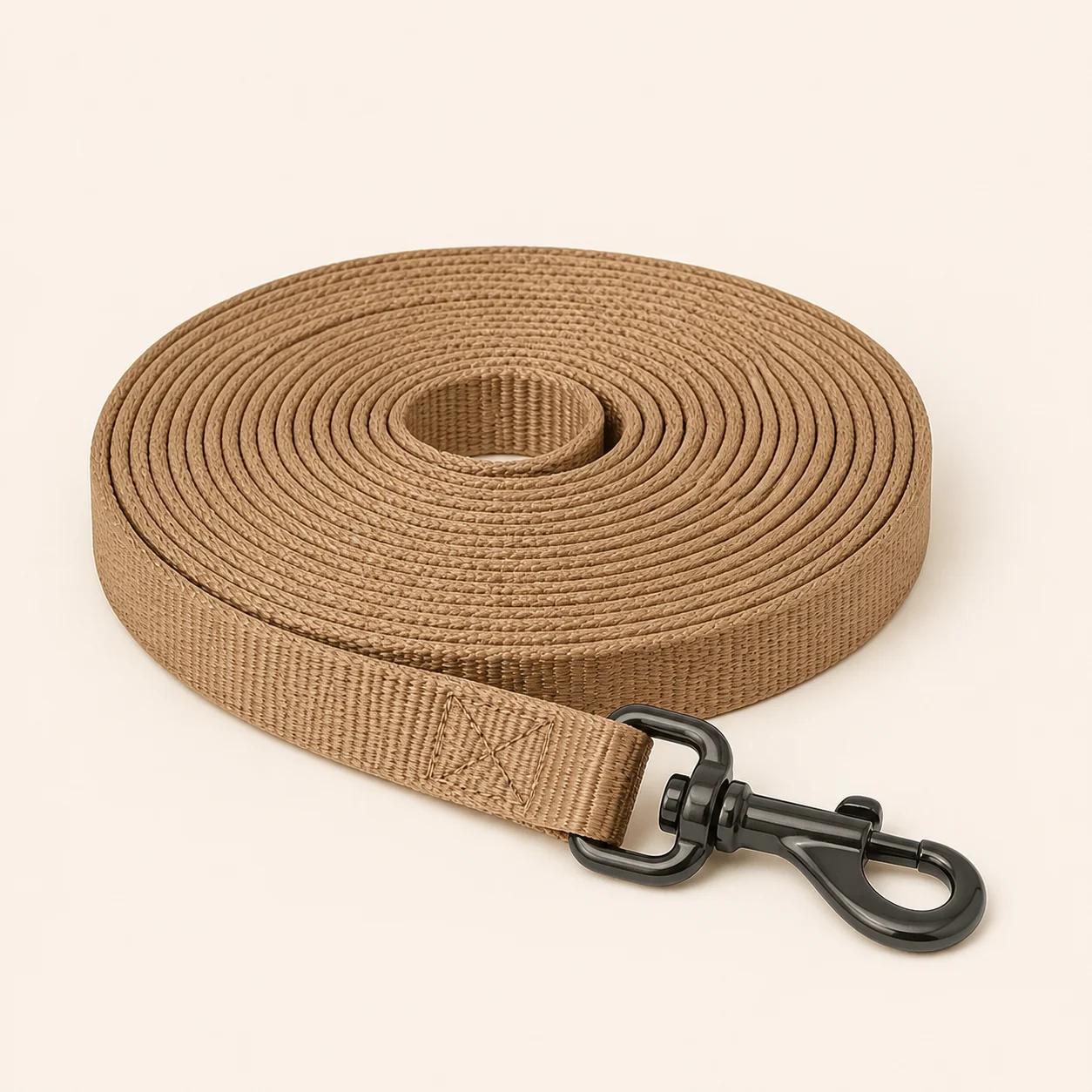
Long training line
A long line lets your dog practice coming back with room to move while you keep a safe backup connection.
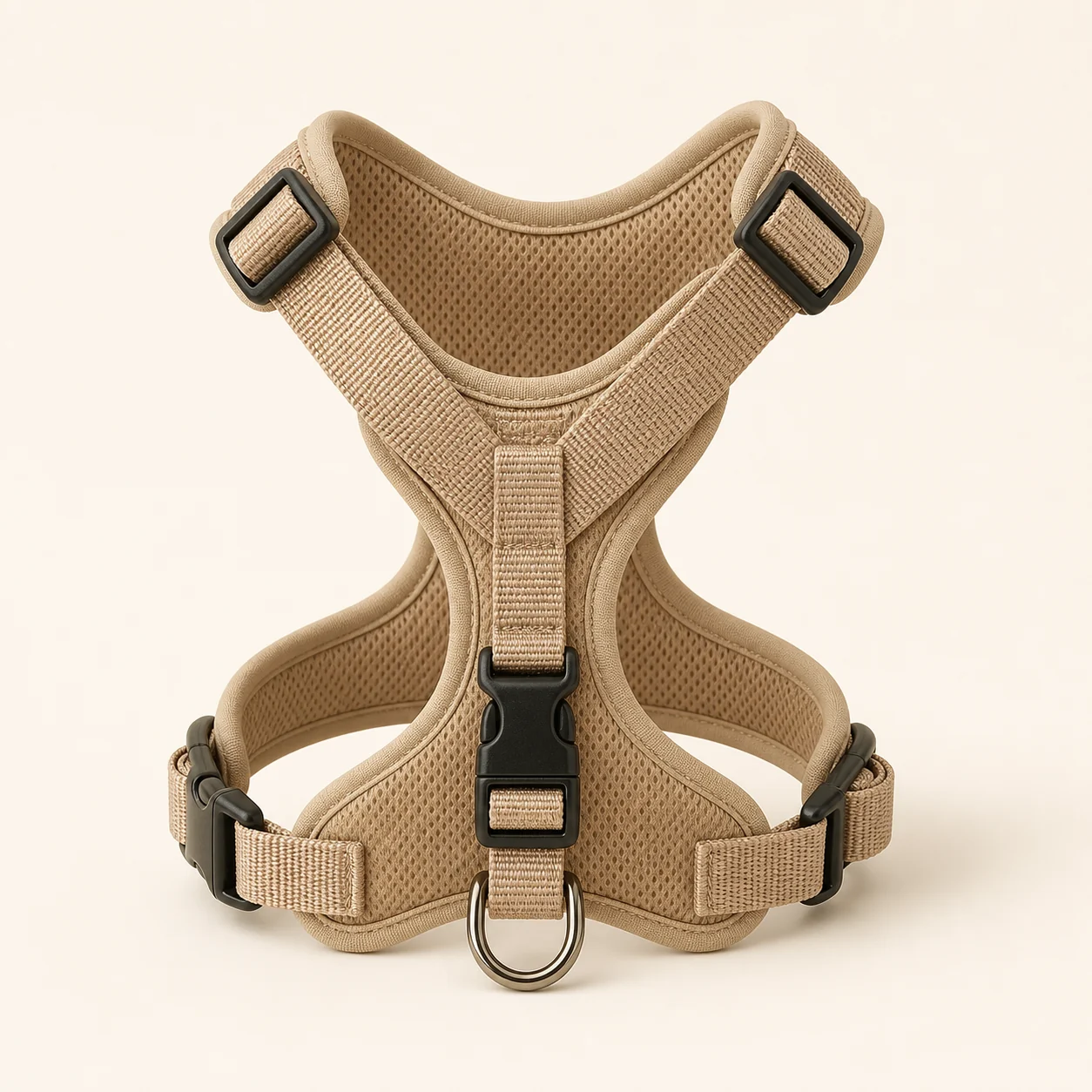
Comfort harness
A comfortable harness keeps recall and leash practice safer than clipping a long line to a collar.
Questions people ask
Should I repeat come if my dog ignores me?
No. Call once, then make the setup easier or go help your dog. Repeating the word teaches them to tune it out.
When can my dog be off leash?
Only in legal, safe areas after a long history of reliable recall. No cue replaces fences, leashes, and good judgment near danger.
What rewards should I use?
Use what your dog truly values: soft treats, play, praise, running to you, or being released back to sniff when it is safe.