Dog Walking Supplies: Leashes, Harnesses, Collars & ID
A good walking setup starts with secure ID, a comfortable collar or harness, a leash you can handle, cleanup bags, and visibility for early or late walks.
Walks are where equipment gets tested by squirrels, traffic, doorways, wet sidewalks, friendly neighbors, and dogs with big feelings. Buy for control, comfort, and safety before style.
01
Start with secure ID
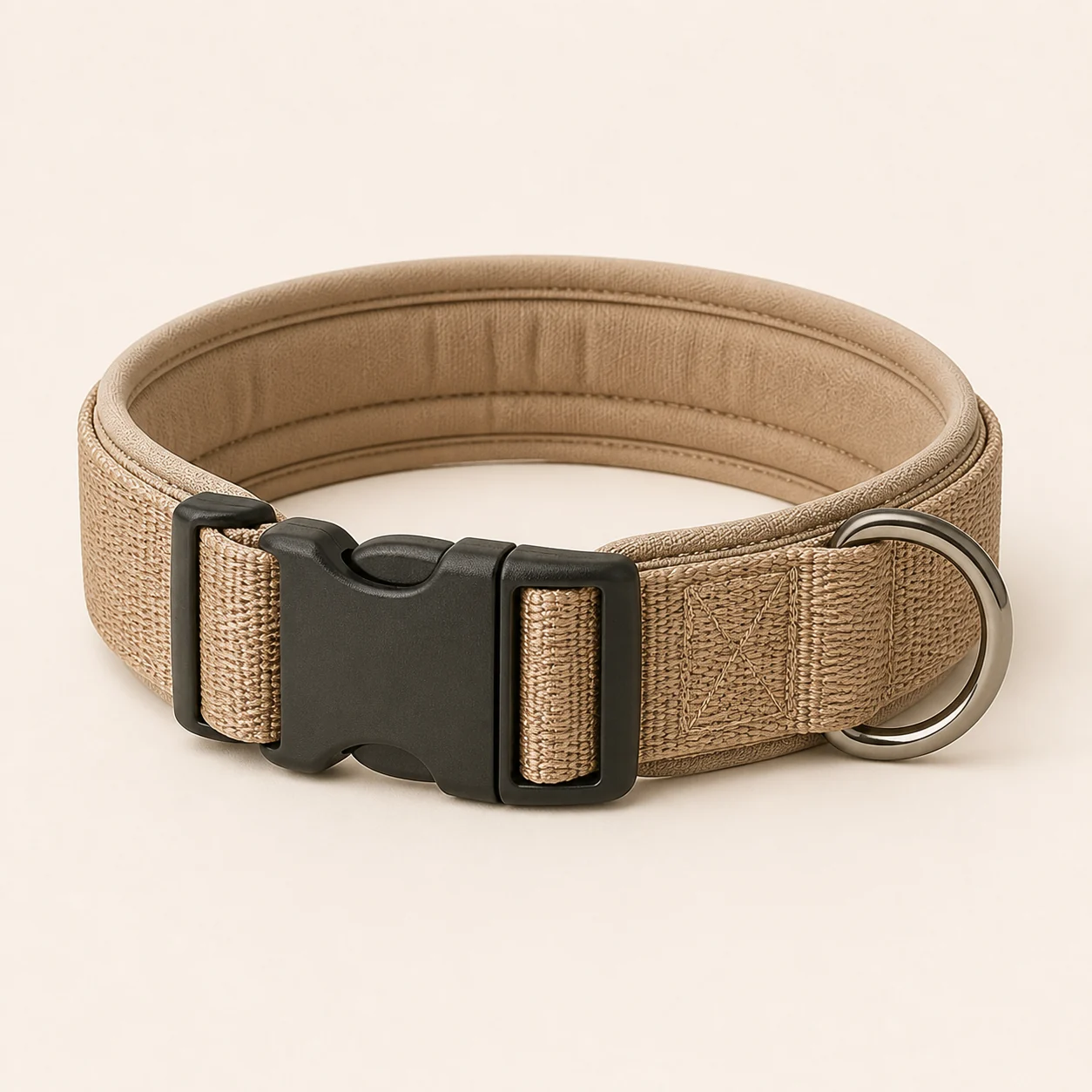
Your dog should wear readable ID even if they are microchipped. Tags help a neighbor call you quickly, while a microchip helps if the collar comes off. Check that phone numbers are current, tags are not worn smooth, and the collar is not slipping over the head.
02
Choose collar and harness by the walk
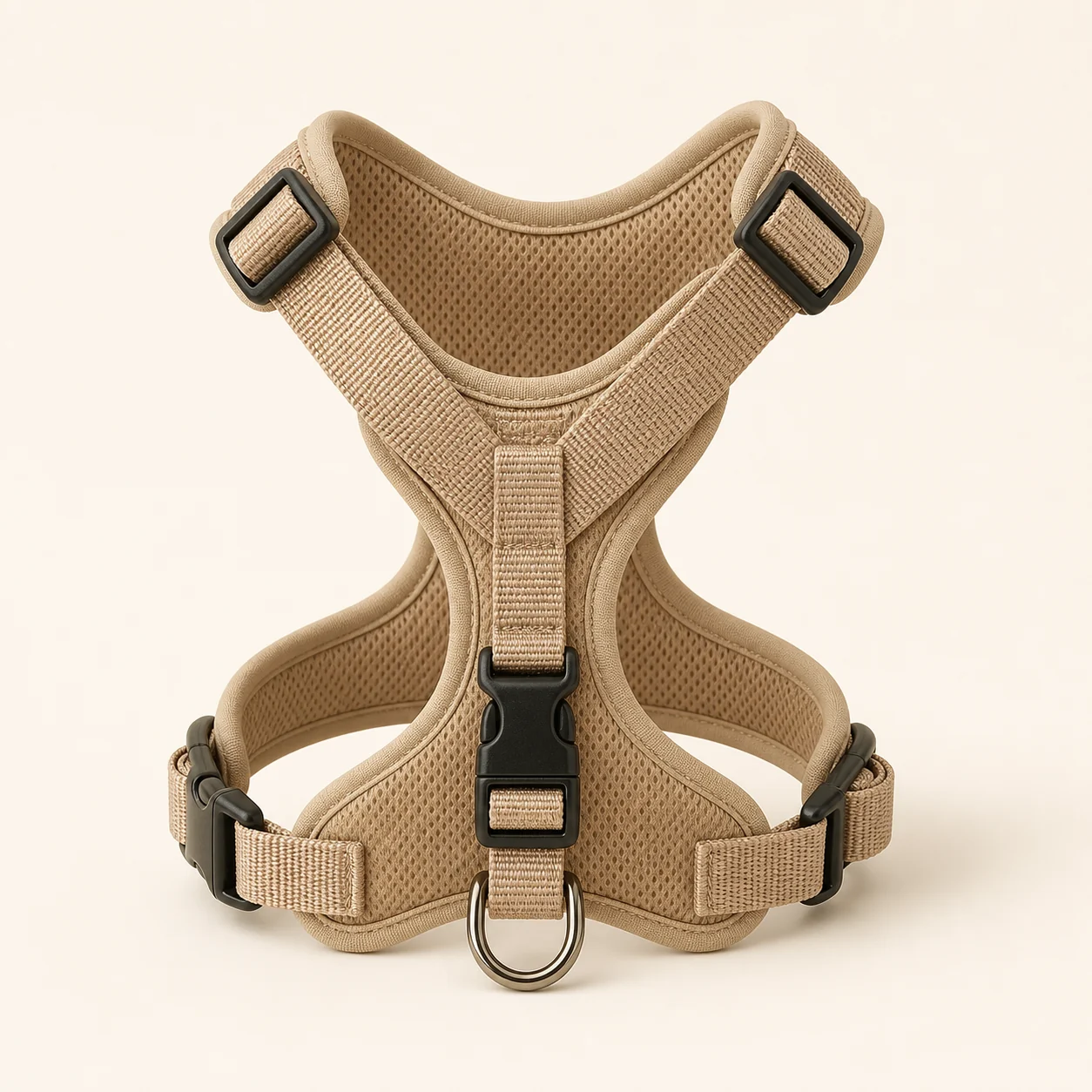
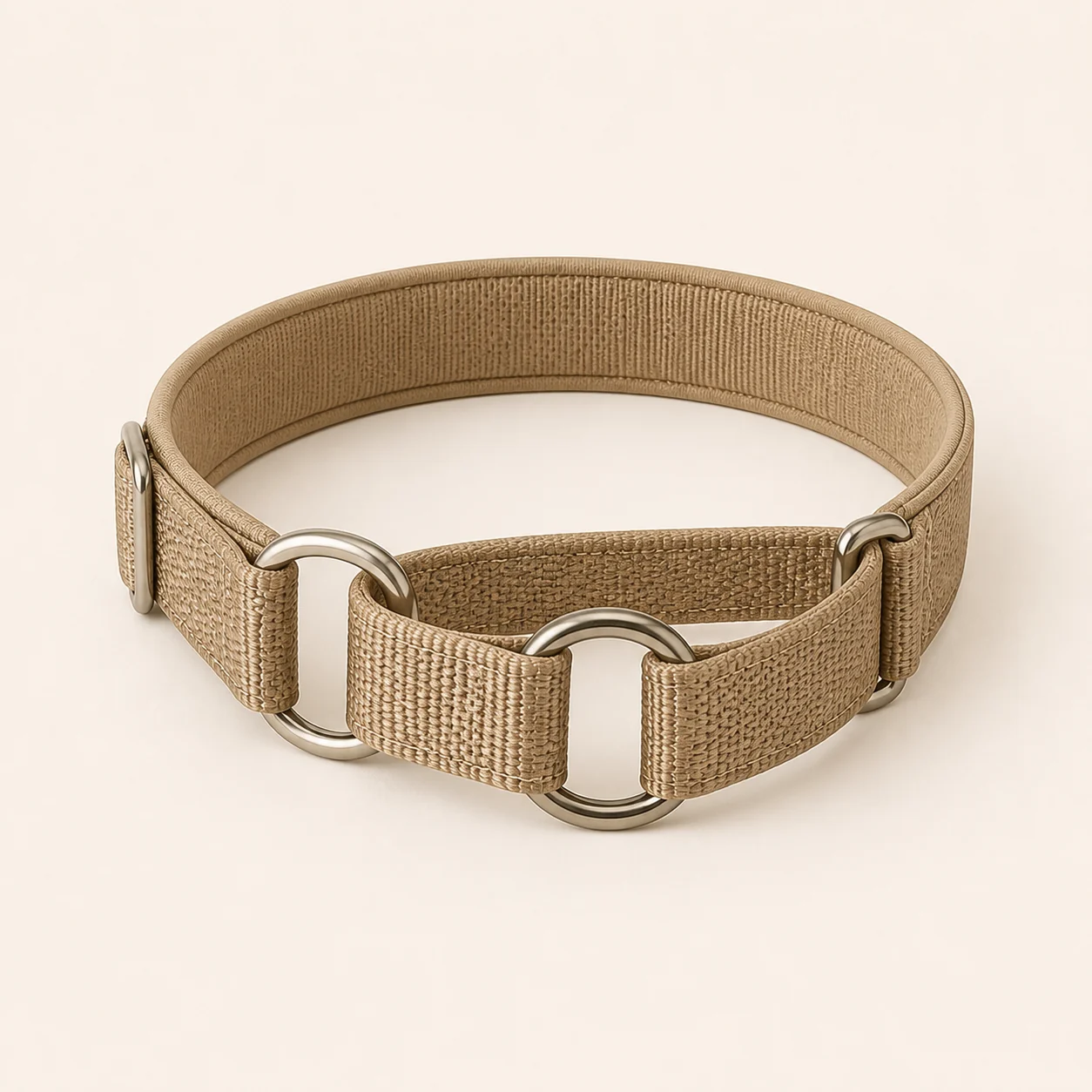
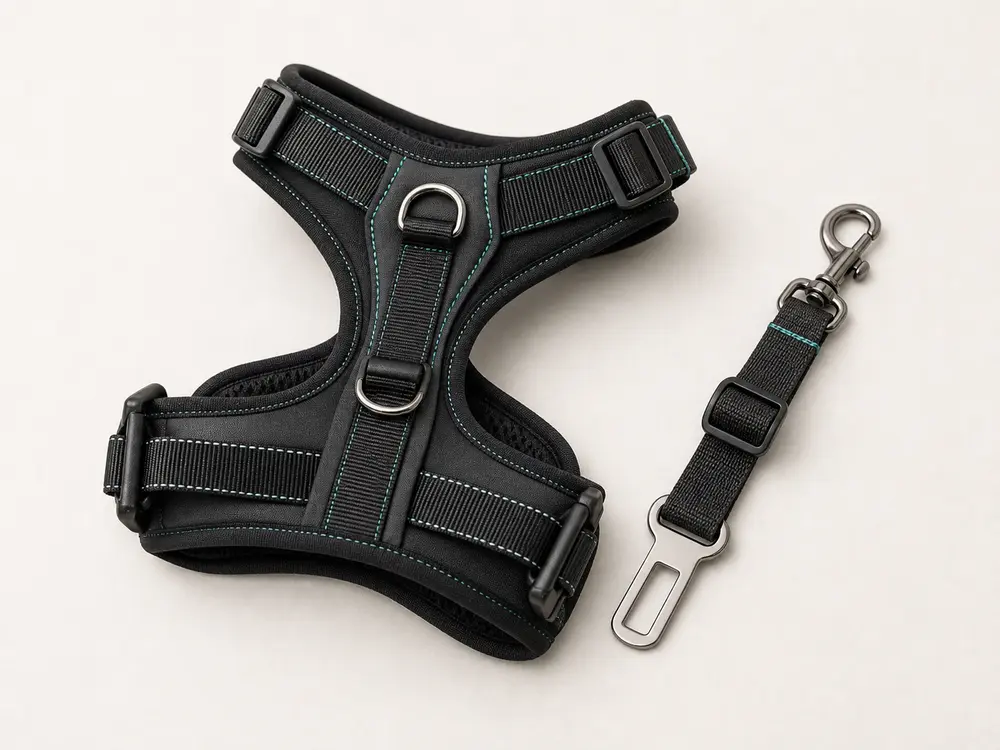
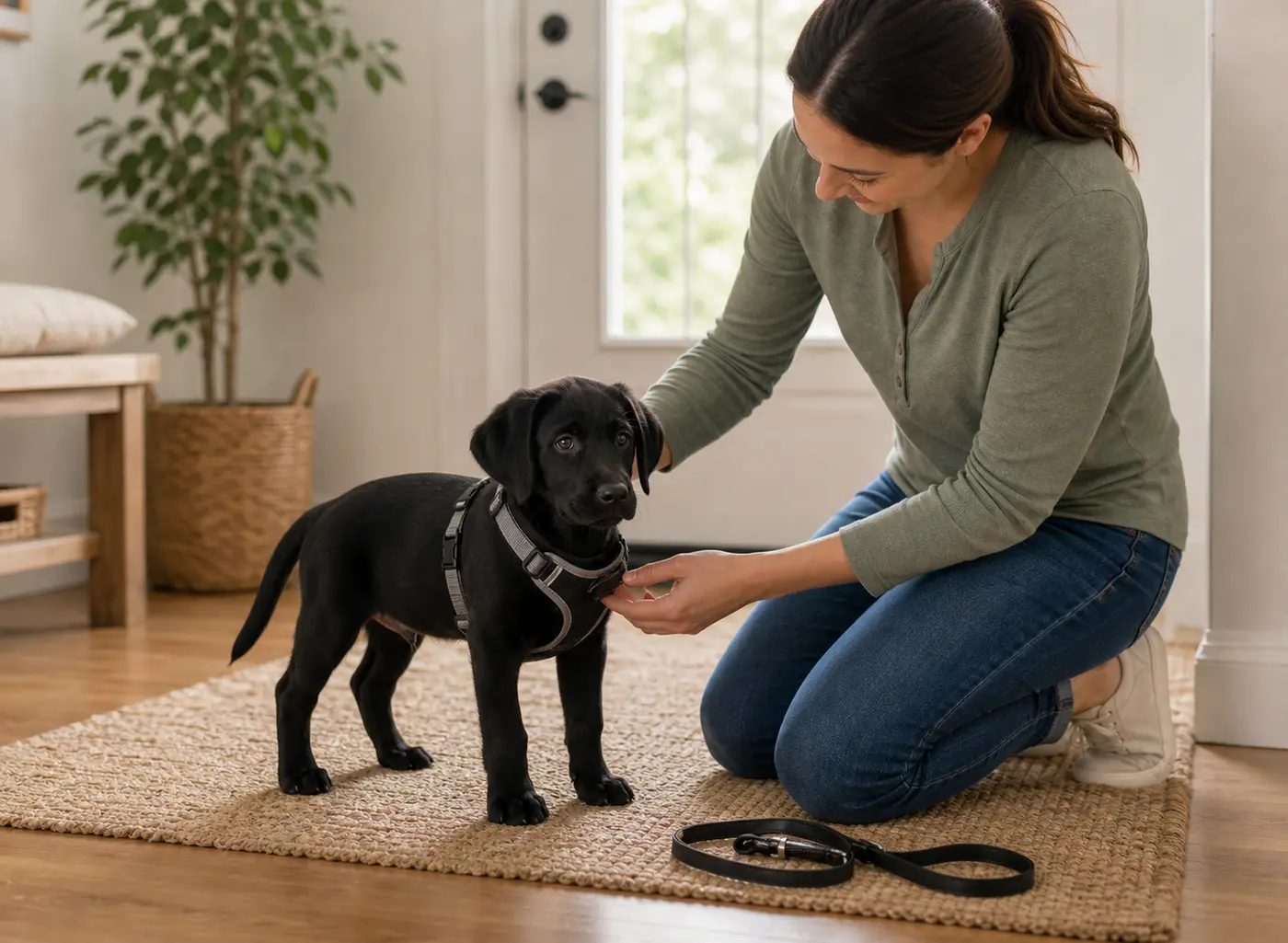
A flat collar can hold ID, while a harness may be better for dogs who pull, cough, or need a more secure connection. Check the fit with your fingers and watch for rubbing behind the legs. If your dog backs out of gear, use a more secure setup before busy walks.
03
Use a leash you can actually manage
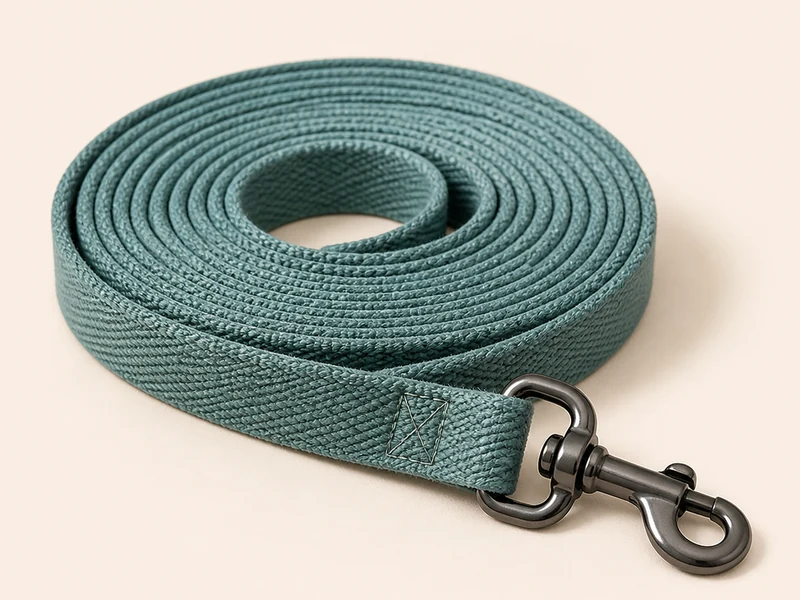
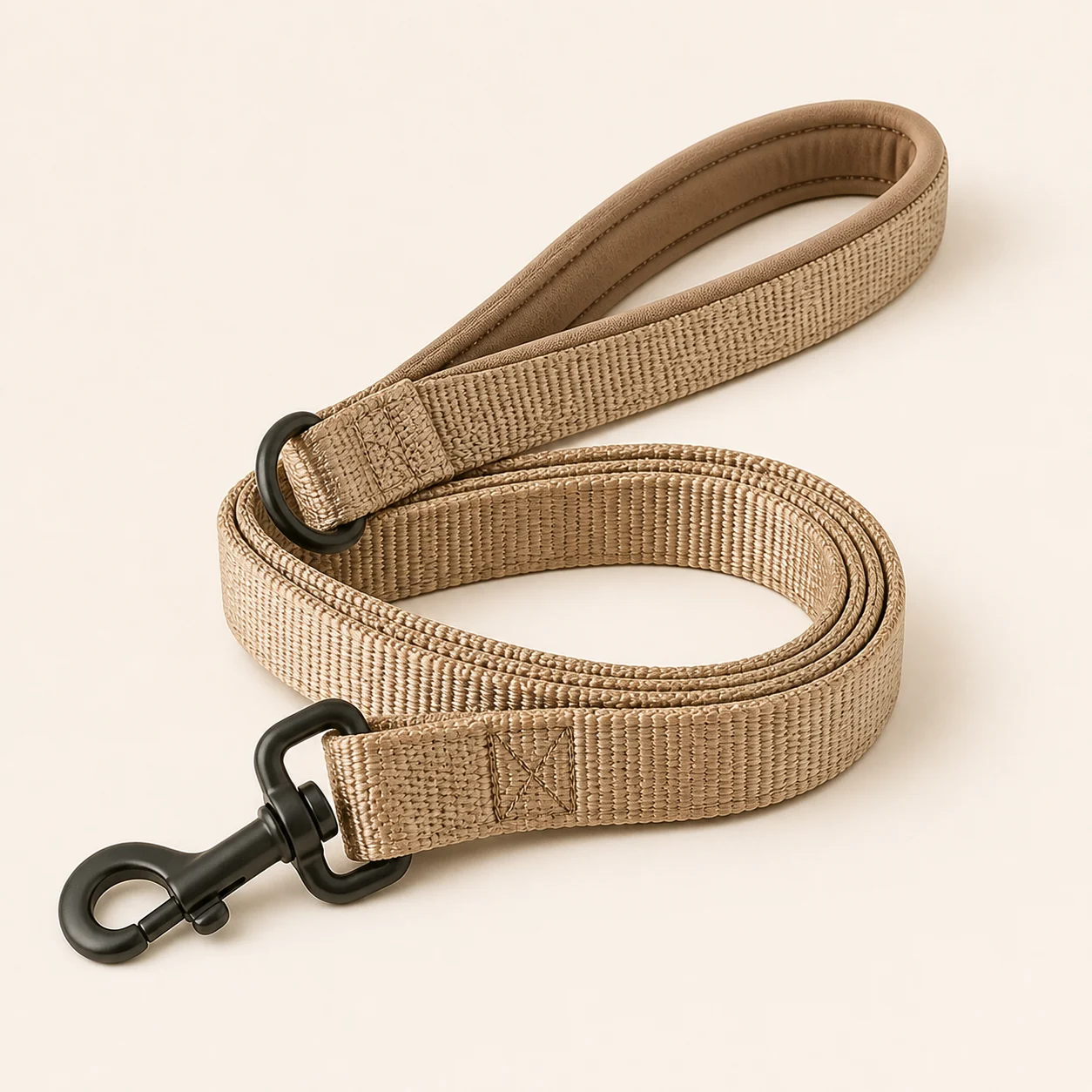
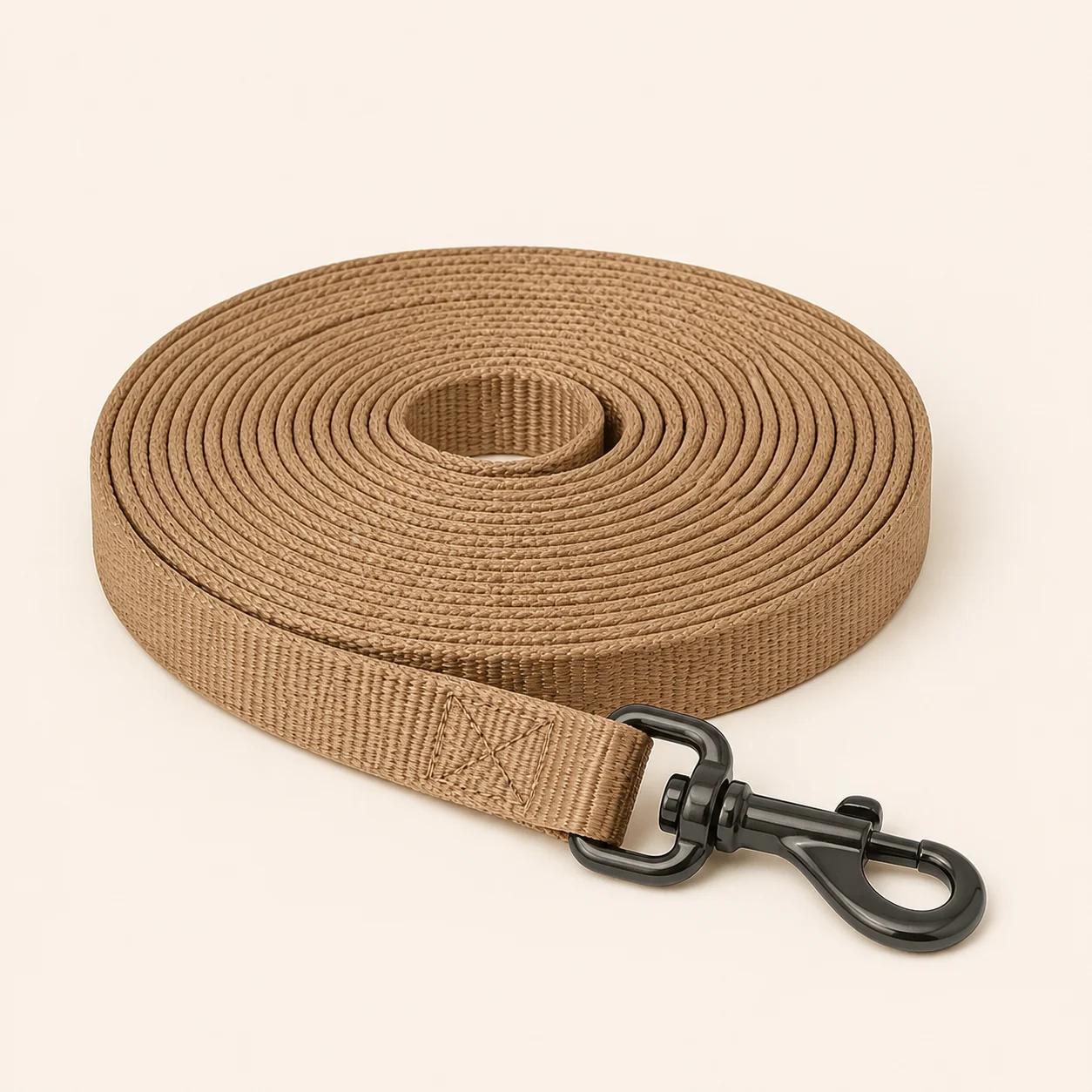
A six-foot leash is a practical default for sidewalks, parking lots, vet visits, and training. Very long leashes belong in open areas where they cannot trip people or wrap around bikes, kids, or other dogs. Retractable leashes can be risky in crowded places.
04
Add visibility before you need it
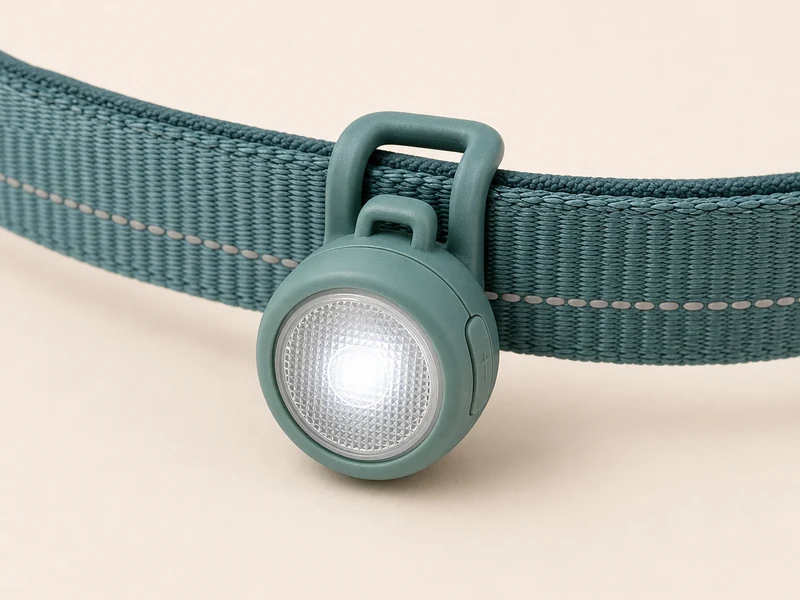
Early mornings, rainy afternoons, and winter evenings make dogs harder to see, especially a dark-coated dog on a shaded sidewalk. A reflective collar, leash light, or bright leash gives a driver, cyclist, or runner one more chance to spot you at the curb.
05
Pack for the whole walk
Bring bags, tiny treats, water for warm days, and a plan for distance. A dog who pulls hard for the first block may need shorter walks with more sniff breaks and reward-based training, not heavier equipment. If reactivity or lunging is intense, work with a qualified trainer.
06
Check gear after muddy or wet walks
Wet straps can rub, buckles can loosen, and collars can trap odor against the coat. Hang gear to dry, rinse mud from harness edges, and check skin where the harness sits. Ask your vet about redness, sores, coughing, limping, or a sudden refusal to walk.
Quick checks
ID tag is readable, phone number is current, and the collar cannot slip over the head.
Harness does not rub behind the legs, restrict shoulder movement, or press on the throat.
Leash length matches the place: shorter for sidewalks, longer only where it is safe and legal.
Next steps
Keep a six-foot leash as the default even if you use a long line for training or open spaces.
Use treats and distance to reward calm choices instead of relying on stronger hardware.
Ask a qualified trainer about lunging, biting the leash, panic, or repeated escape attempts.
Walking supplies worth buying well
These walking items cover the daily basics: connection, ID, handling, visibility, and safe practice in open spaces.
Affiliate links: Furball Cove may earn from qualifying purchases at no extra cost to you.
Many dogs wear both: a collar for ID and a harness for leash attachment. The best choice depends on fit, pulling, body shape, and comfort.
Are long leashes good for walks?
Long lines are useful for training and sniffing in safe open spaces. Use a shorter leash on crowded sidewalks, in parking lots, or anywhere bikes and traffic are close.
What if my dog lunges at dogs or people?
Create distance, reward calm behavior, and work with a qualified reward-based trainer. Do not rely on painful equipment to suppress big feelings.