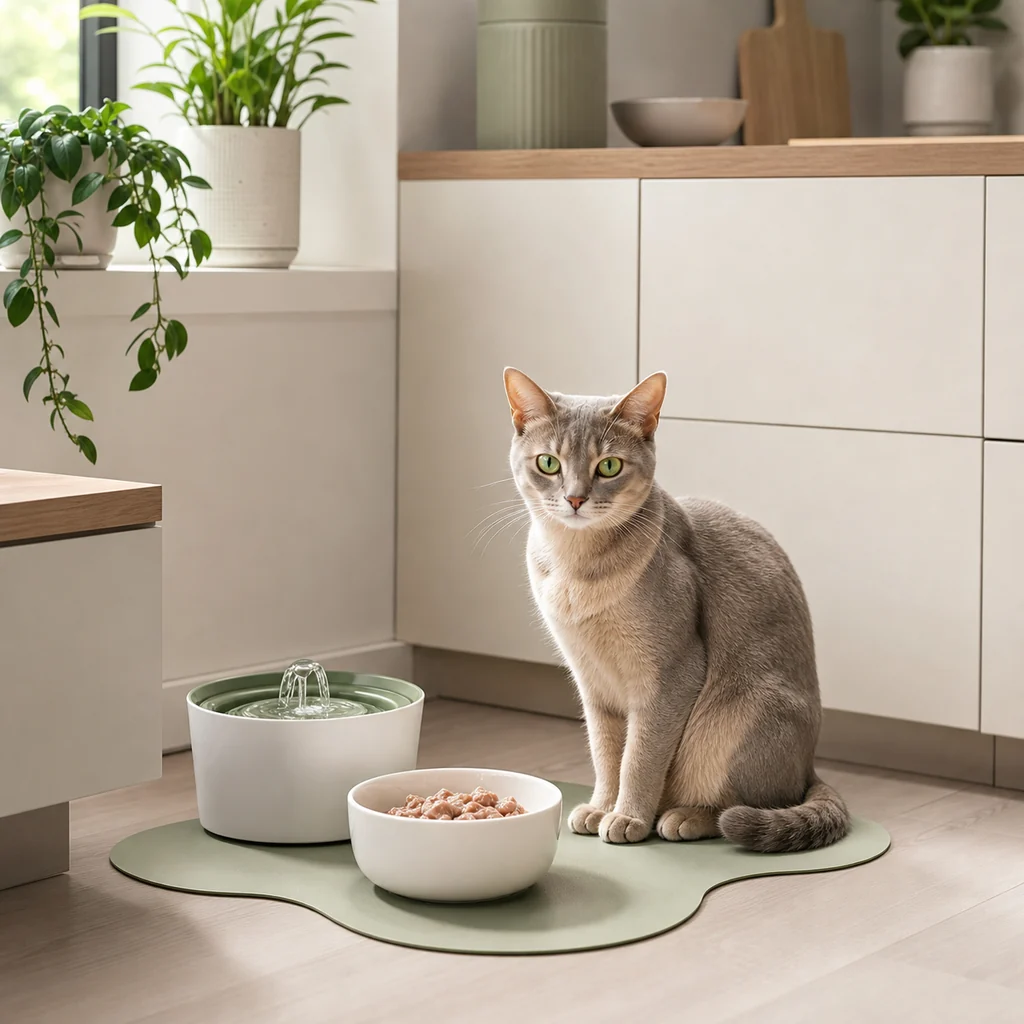
Use life stage, not marketing
Look for a complete diet made for growth while your kitten is still growing, then adult maintenance when your veterinarian says growth needs have changed.
Updated
Kitten food transition
Most cats switch from kitten food to adult maintenance food around maturity, but your veterinarian should confirm timing for your kitten.
Kitten food supports growth. Adult food supports maintenance. The switch should be planned, gradual, and tied to body condition rather than a random date.
Look for a complete diet made for growth while your kitten is still growing, then adult maintenance when your veterinarian says growth needs have changed.

Breed size, spay or neuter timing, weight, body condition, and health history can change the best switch date.
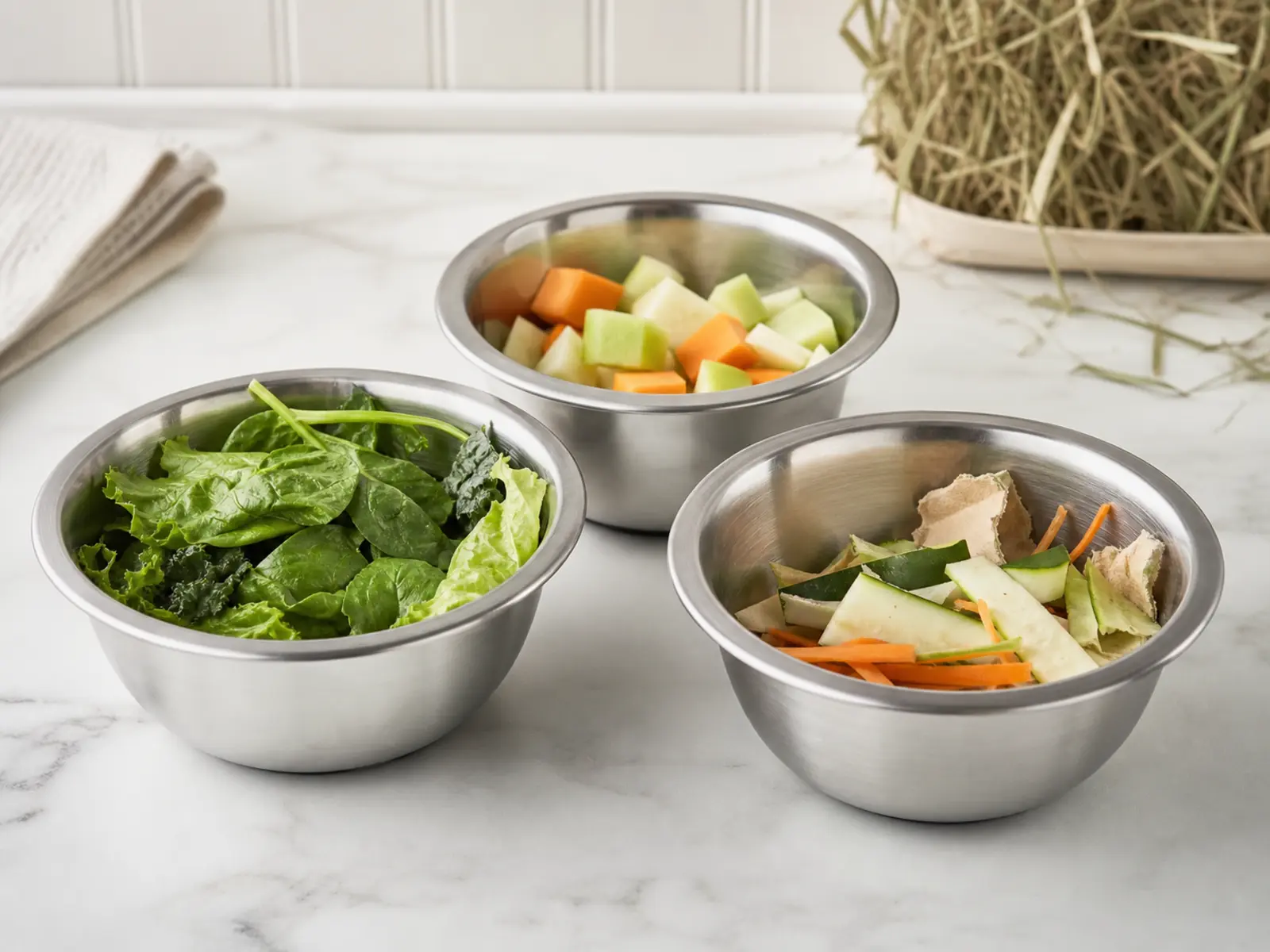
Mix the new adult food in slowly over several days. If stool, vomiting, or appetite changes persist, pause the transition and call your veterinarian.

Measure portions after the switch. Adult food changes calories, and a young cat can gain or lose condition quickly.
Use tools that make gradual mixing and portion checks repeatable.
Affiliate links: Furball Cove may earn from qualifying purchases at no extra cost to you.
Most cats switch around maturity, but your veterinarian should confirm timing based on growth, body condition, and health history.
A gradual transition is easier to read and usually gentler on digestion. Slow down if appetite, vomiting, or stool changes.