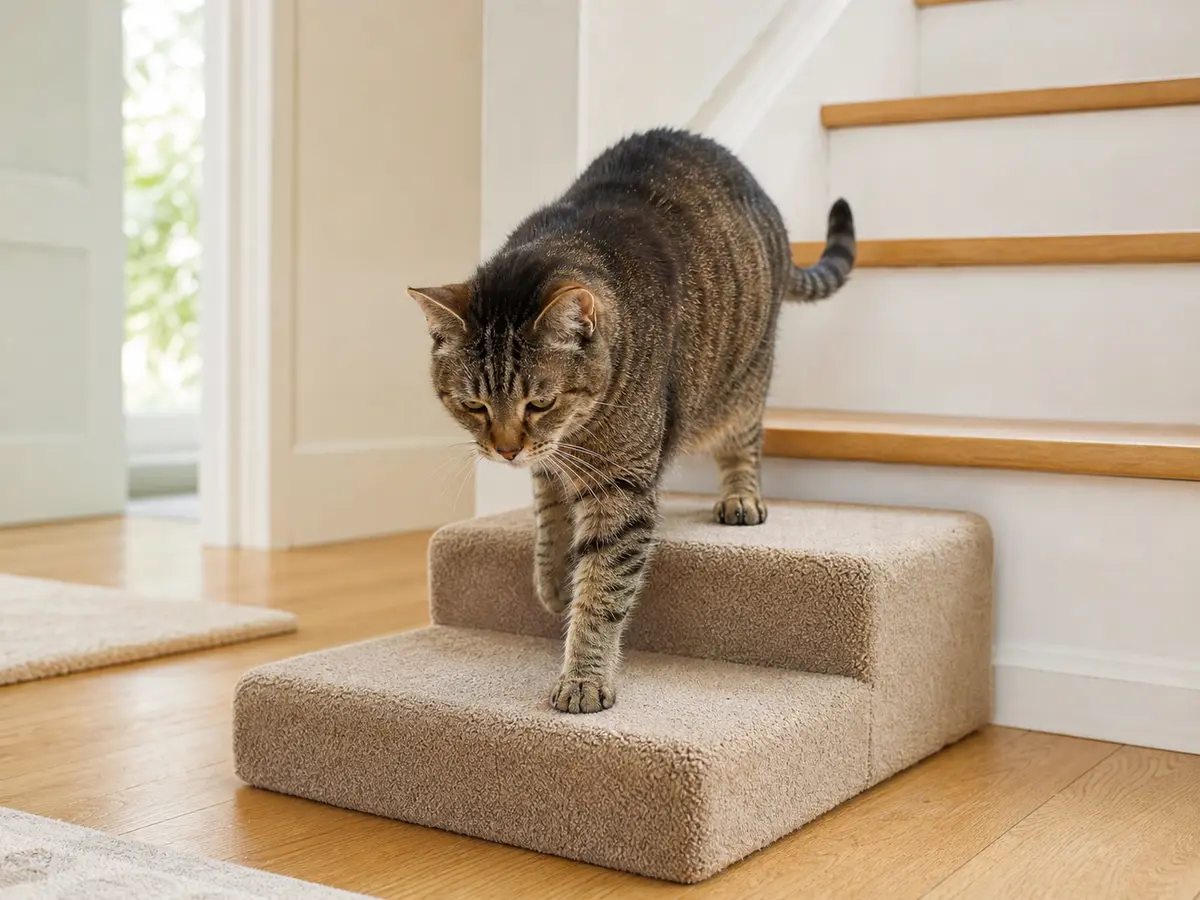
Make stairs easier for an older cat by adding traction, clearing the route, creating rest spots, and keeping food, water, beds, and litter on the easiest level when needed.
Stairs are not one problem. Think about the first step, the turn, the landing, the lighting, and whether your cat has to use stairs for every basic need.
Add grip to every step that matters
Carpet treads, secured runners, or non-slip surfaces can help a senior cat place paws with confidence. Avoid loose rugs that bunch up or slide under a careful cat.
Senior-cat changes deserve a slower read. Compare the new pattern with appetite, weight, litter habits, jumping, grooming, sleep, and whether the room has become harder to use.
Create a pause point
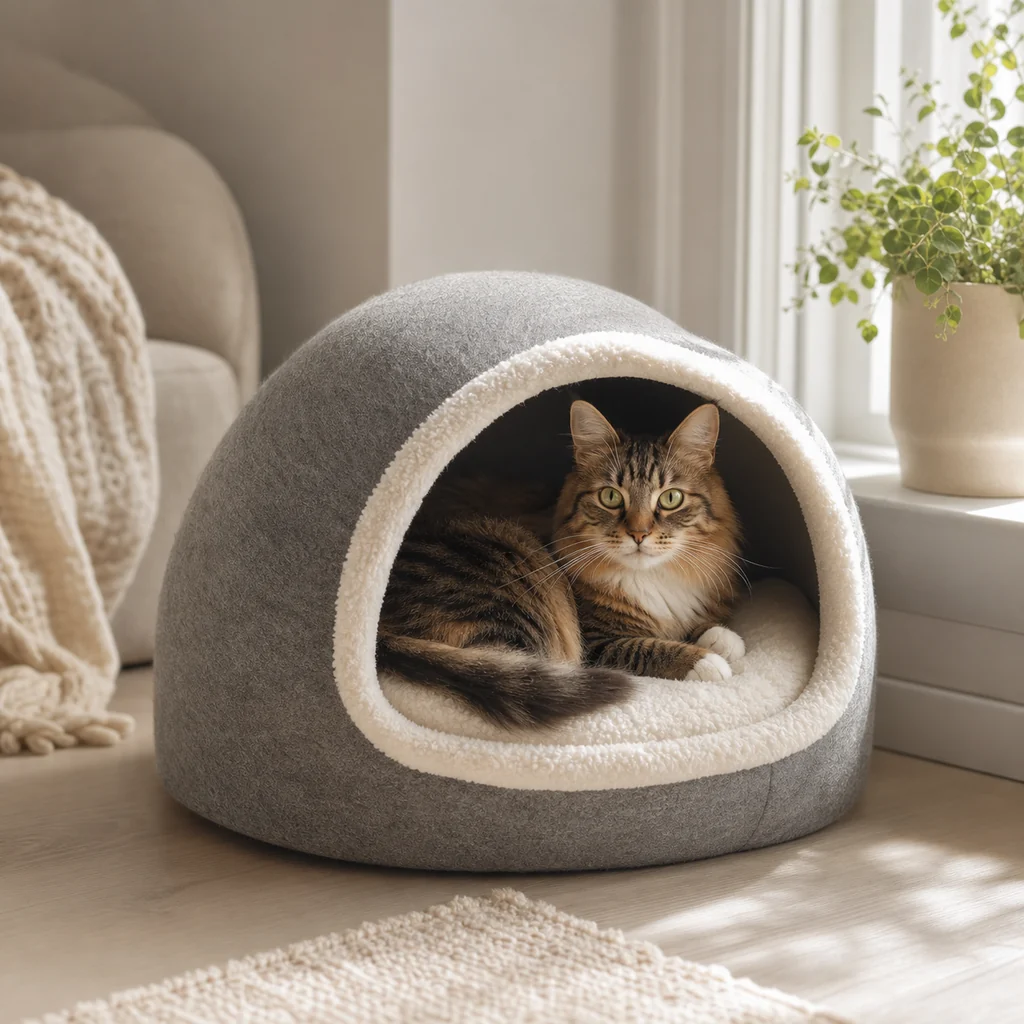
If your cat climbs in stages, make the landing quiet and uncluttered. A small stable rest spot can make the route feel less like one long effort.
Start by comparing today with your cat's normal. A senior cat who changes appetite, litter habits, jumping, grooming, sleep, or social behavior is giving useful information.
Move essentials before there is a crisis
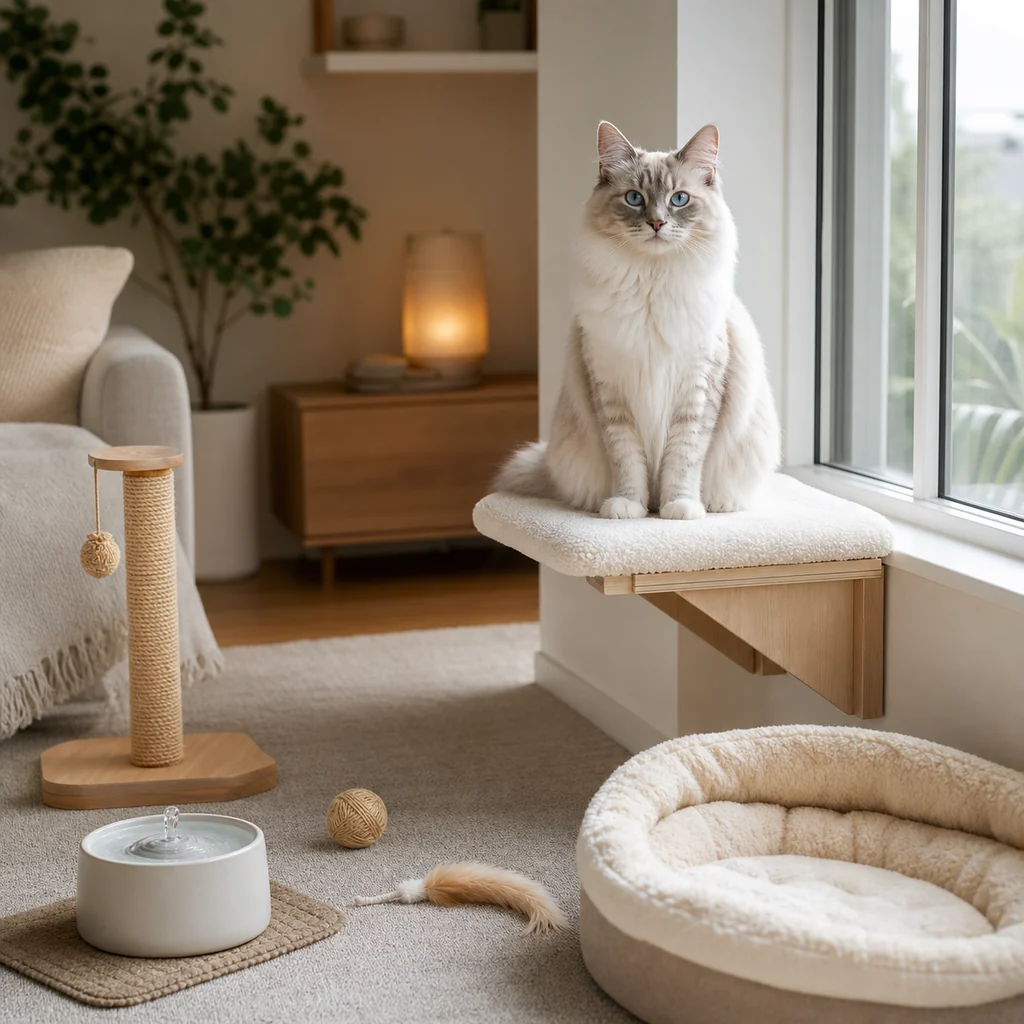
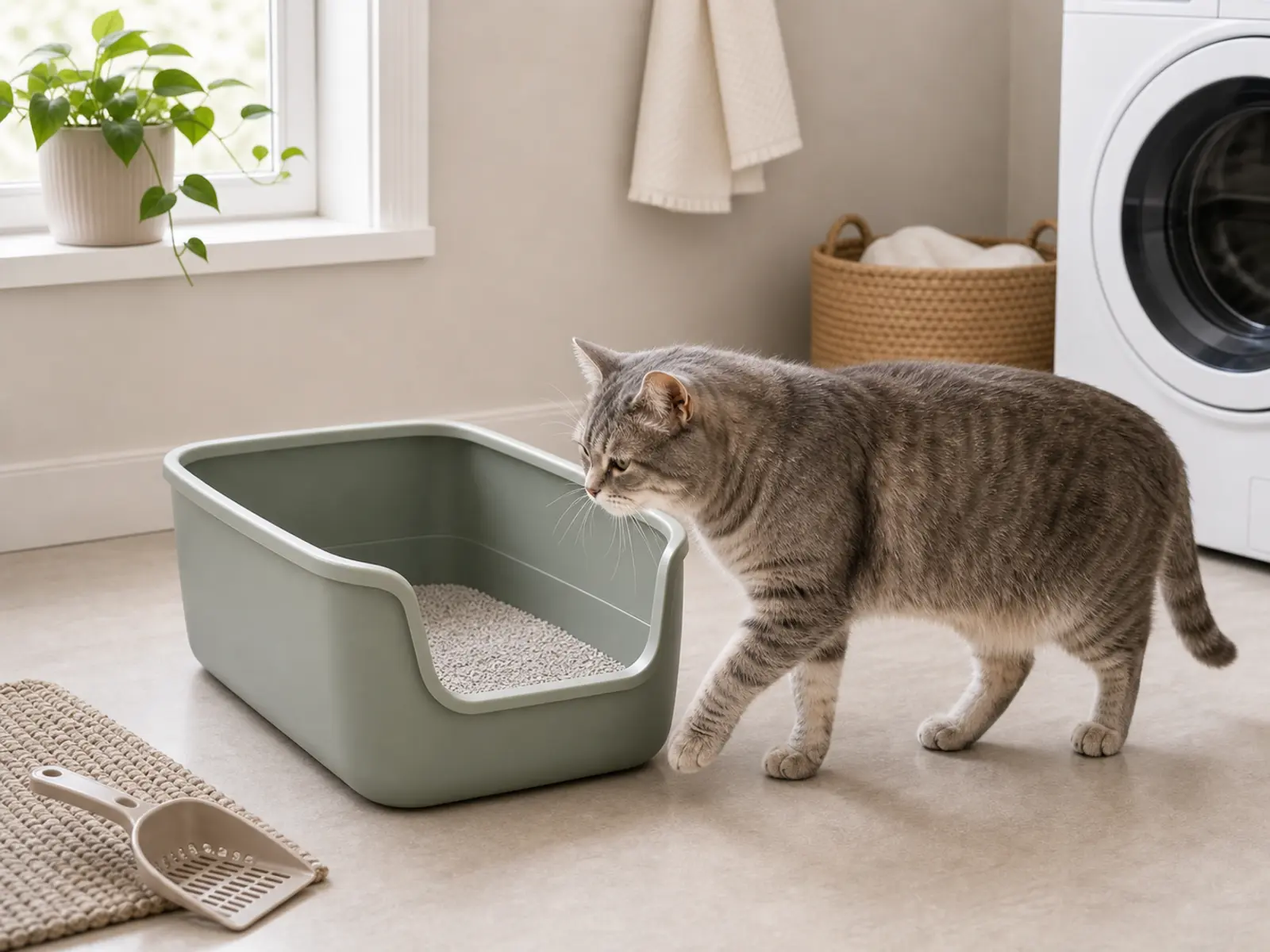
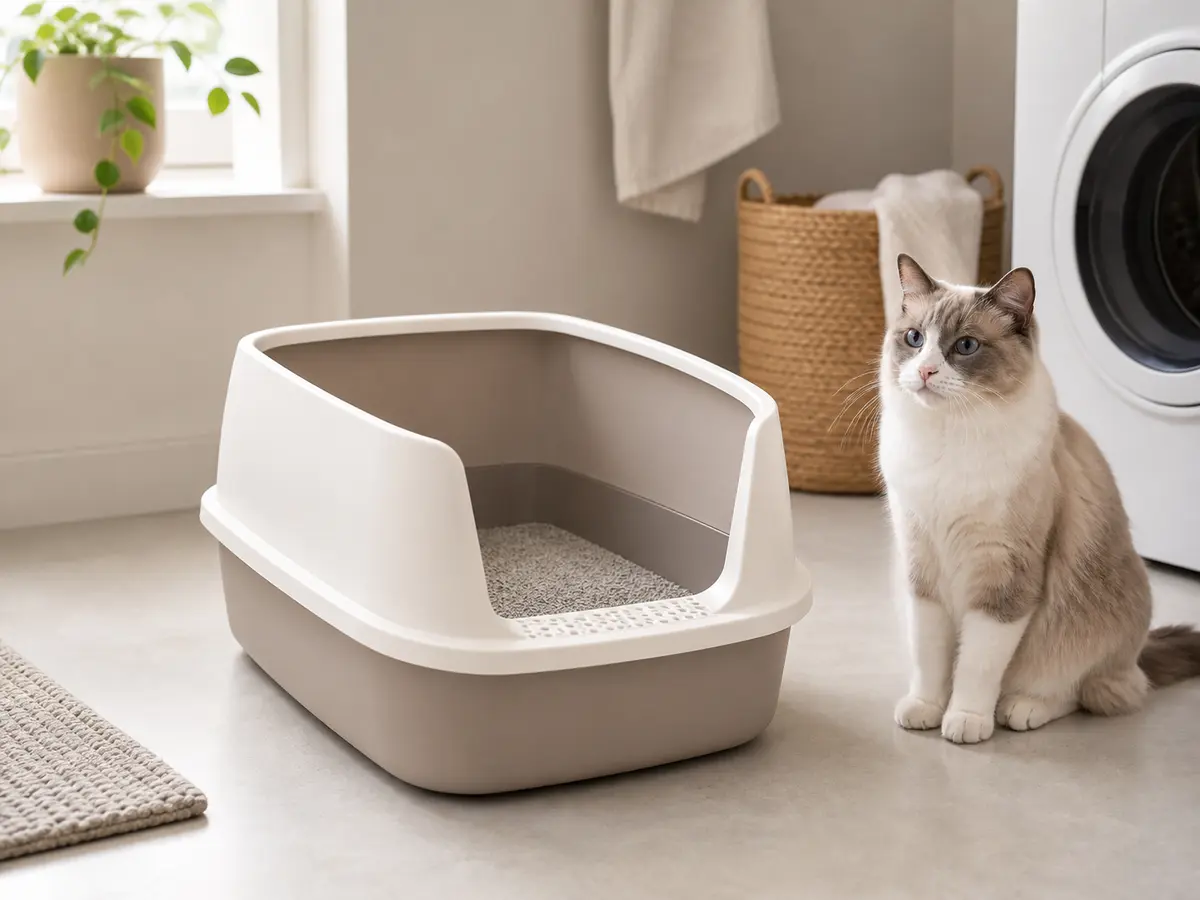
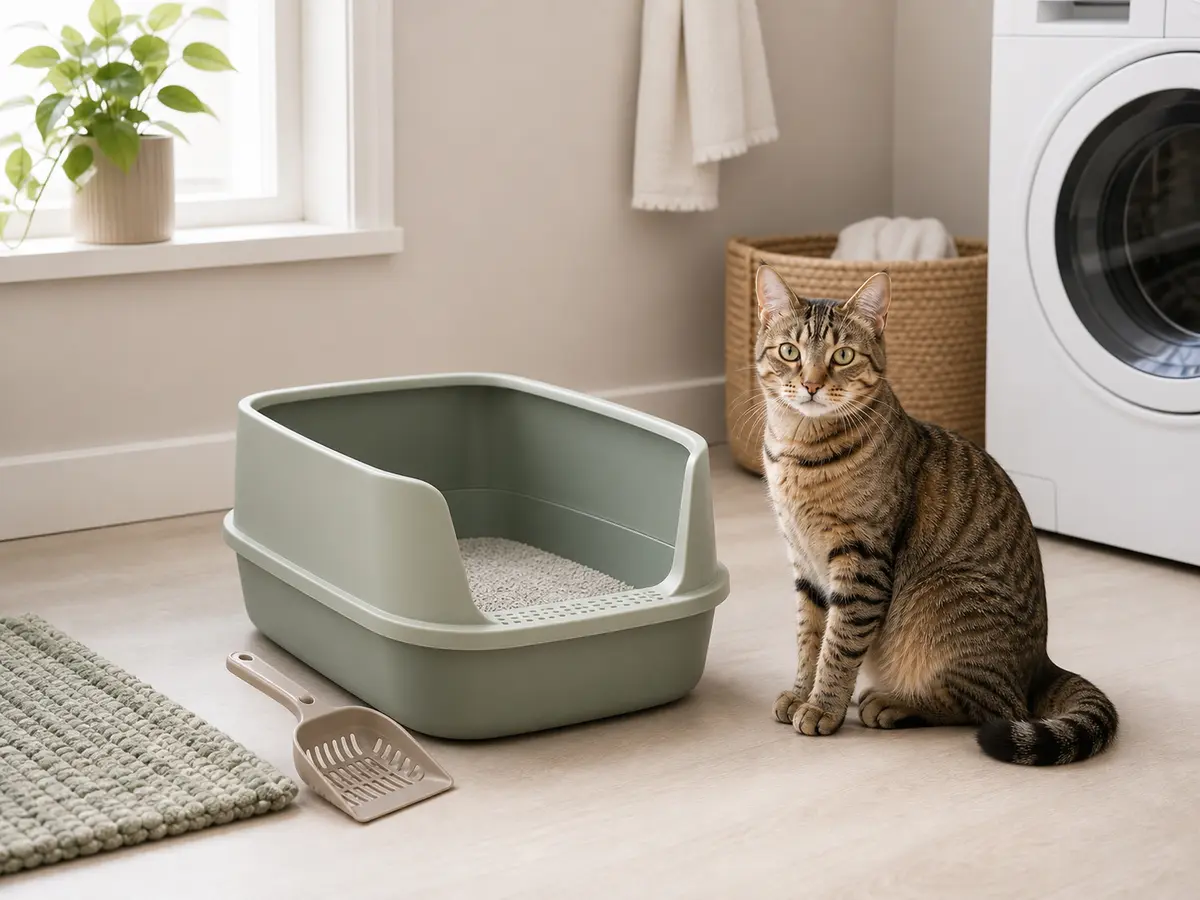
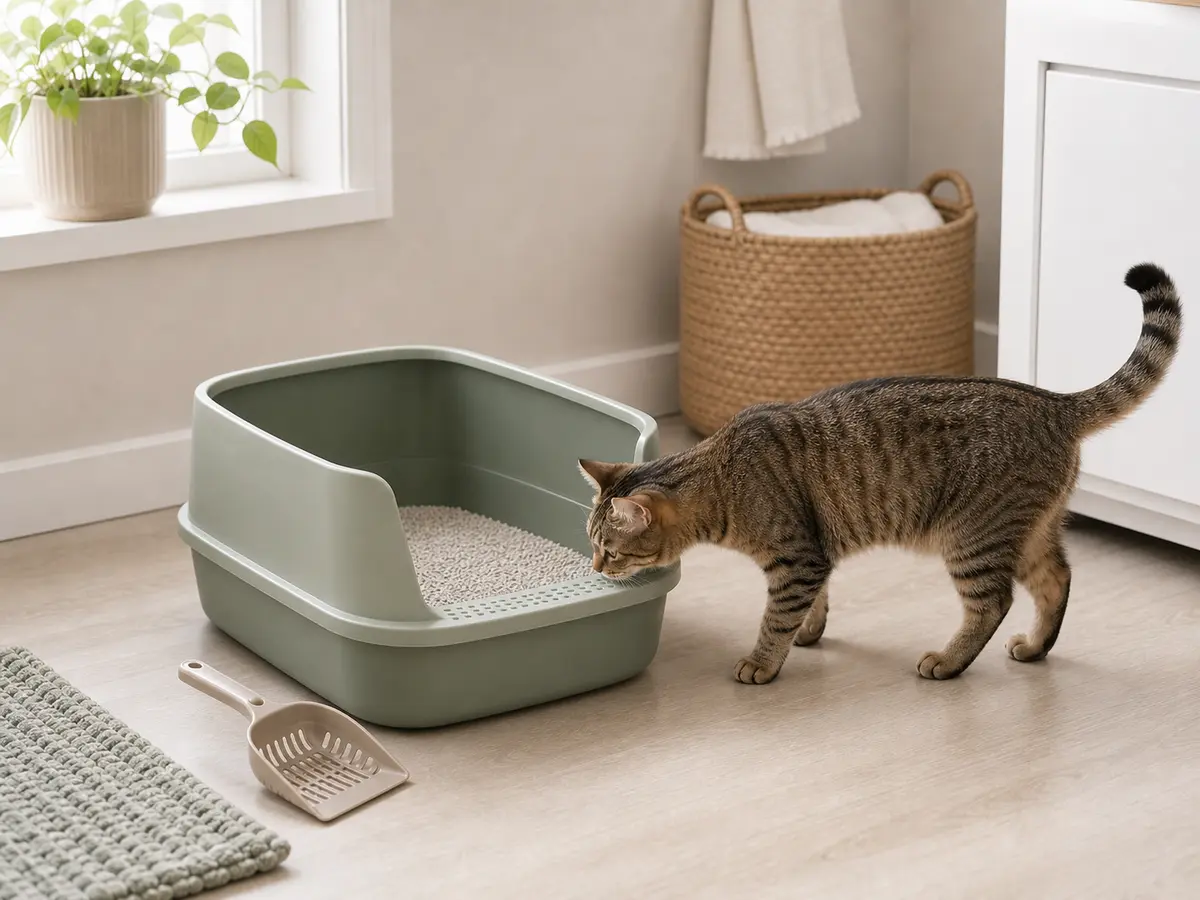
If stairs are getting harder, put food, water, and a low-entry litter box on the level where your cat spends the most time. Convenience can prevent accidents and stress.
Make the next step easy on joints and predictable for the routine. Lower the entry, shorten the jump, add traction, warm the bed, or schedule the checkup before guessing.
Watch for pain behind the stair problem
A sudden stair change can be a pain or weakness clue. Do not give human pain medicine; make the route easier and call your veterinarian for guidance.
Do not write off sudden senior changes as age. Appetite loss, weight loss, new hiding, pain, falls, litter changes, or confusion deserve a veterinary conversation.
Before you decide
Are stairs slippery, cluttered, steep, dark, or blocked by another pet?
Can your cat reach food, water, litter, and bed without stairs if needed?
Is the stair problem gradual, sudden, one-sided, or paired with falls?
Any limping, weakness, hiding, appetite change, or box misses?
Next best moves
Add secured traction and clear the stair route.
Move essentials to one easy level if stairs are becoming a daily barrier.
Call your veterinarian for sudden, painful, or worsening stair trouble.
Helpful supplies
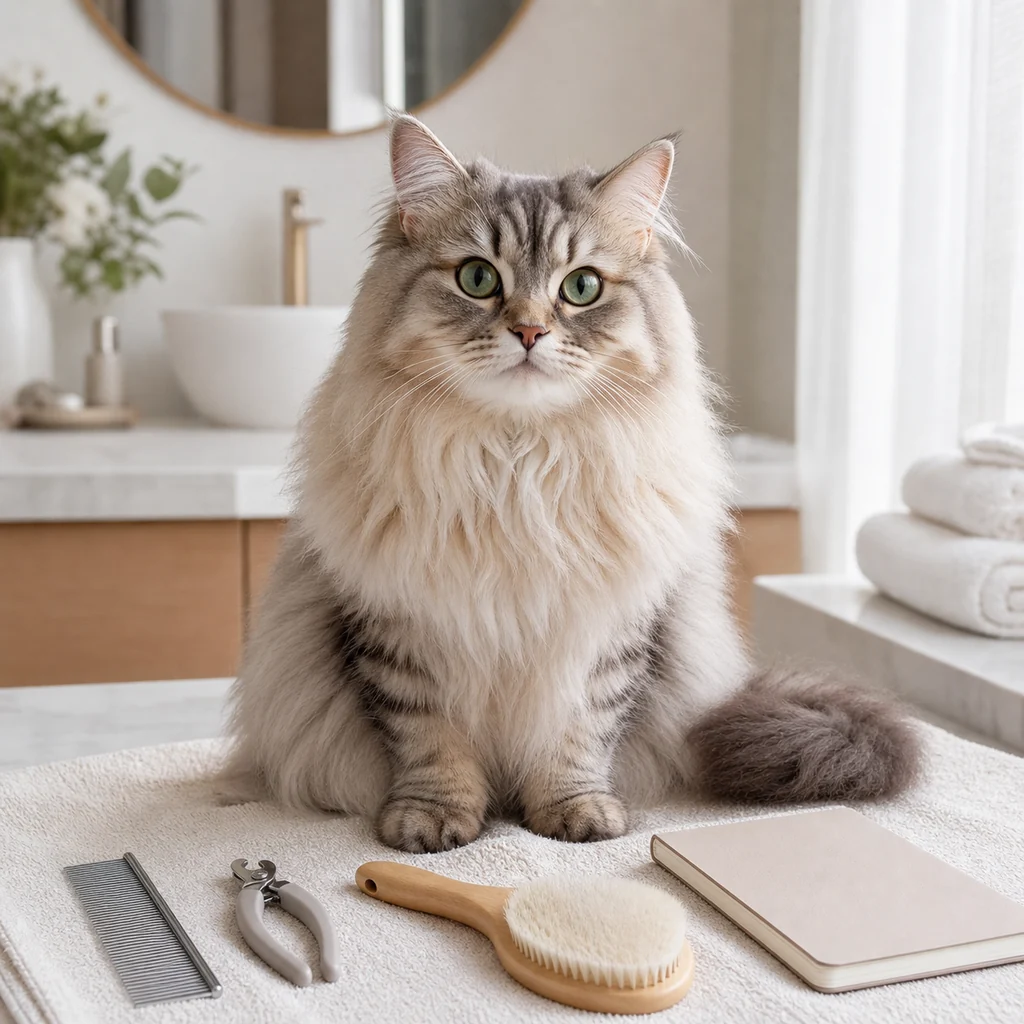
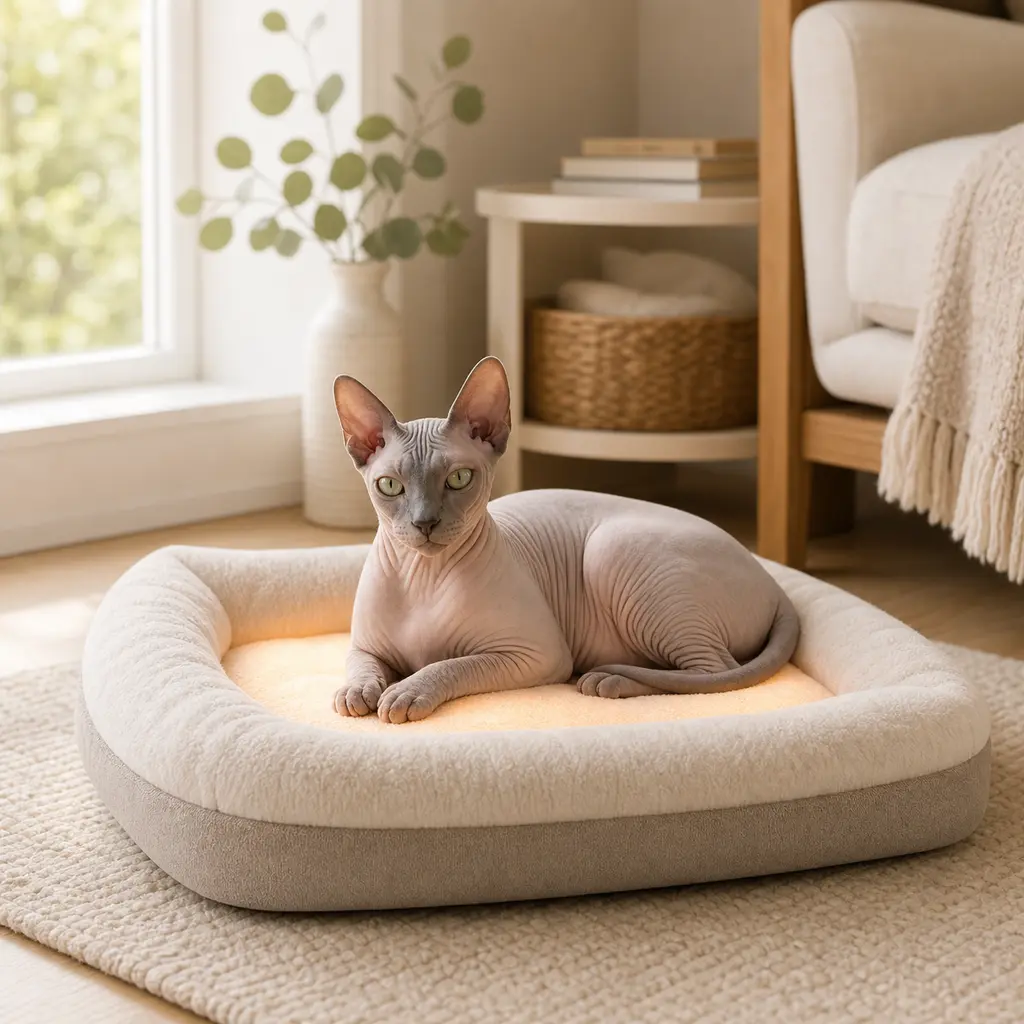
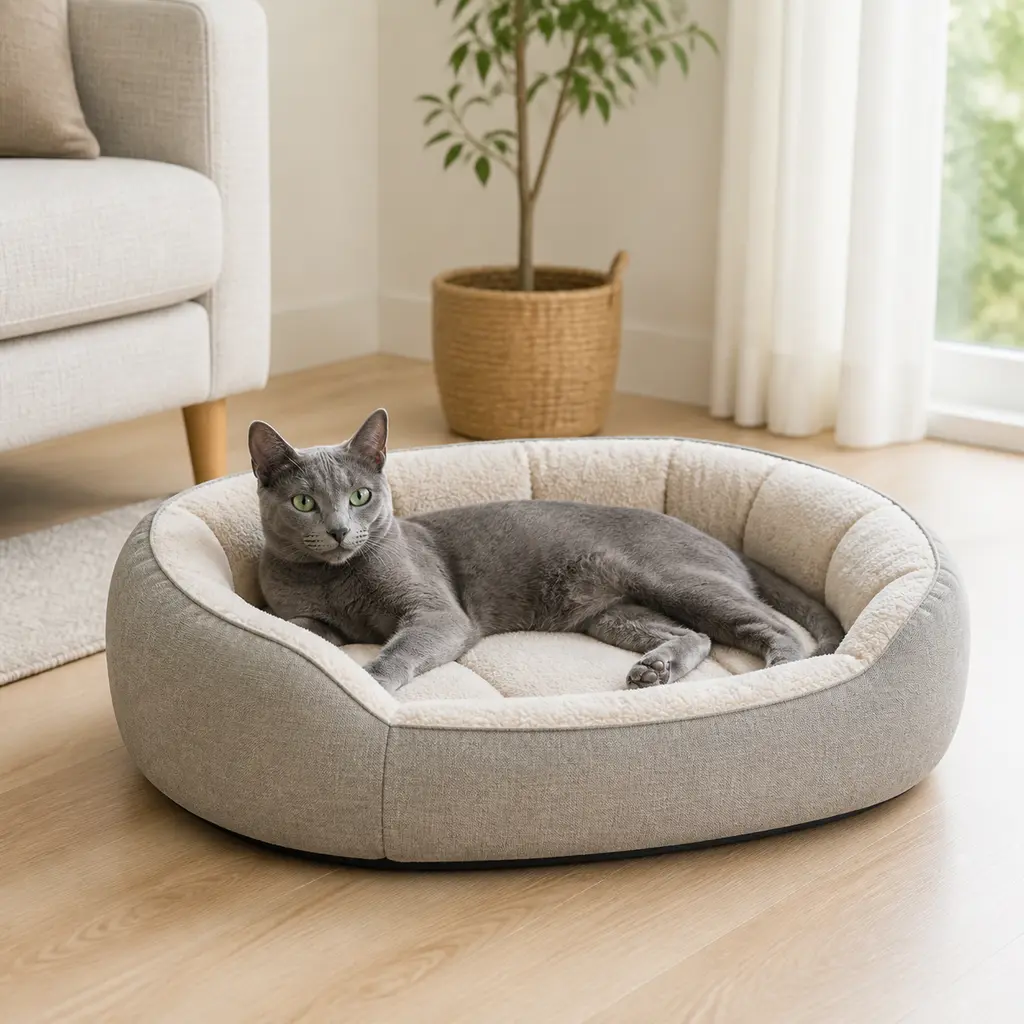
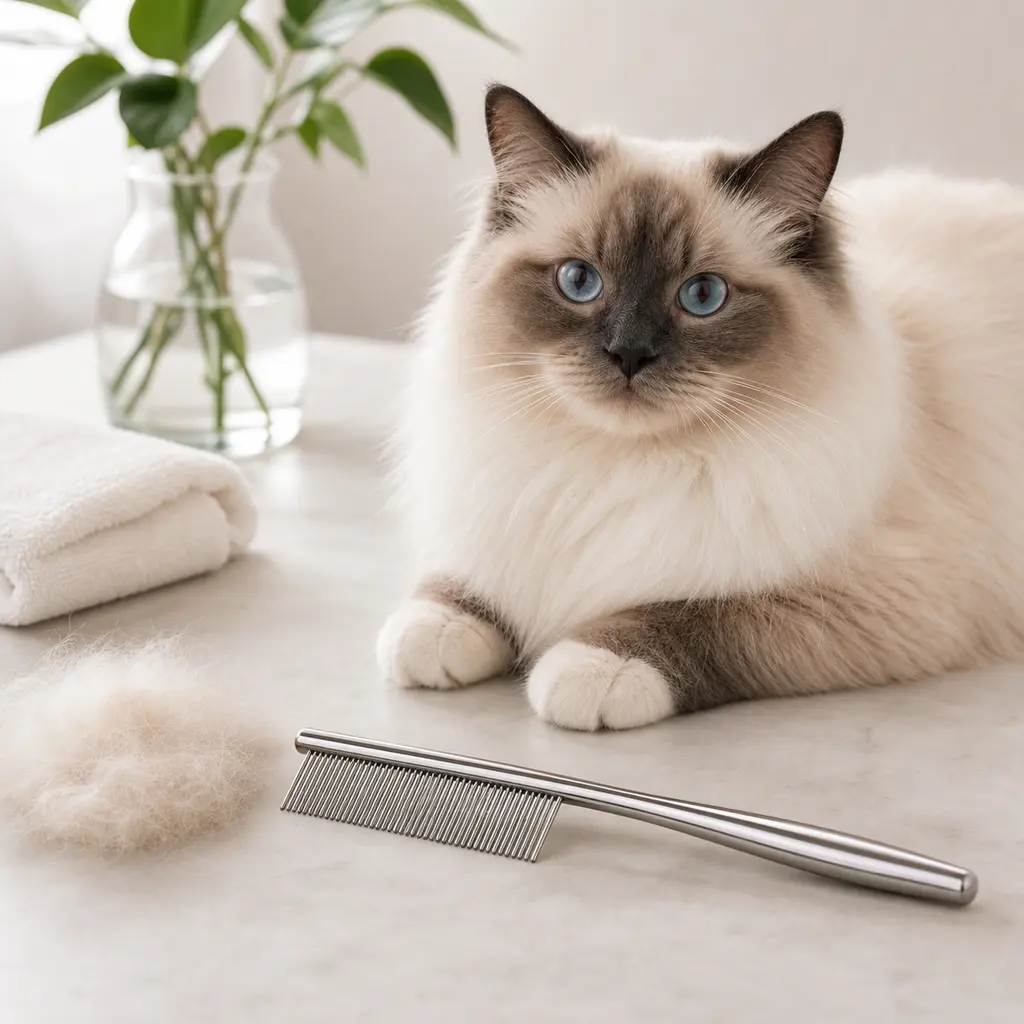
Senior supplies should reduce effort: lower climbs, warmer rest, easier litter access, and gentler coat checks.
Affiliate links: Furball Cove may earn from qualifying purchases at no extra cost to you.
Make stairs easier for an older cat by adding traction, clearing the route, creating rest spots, and keeping food, water, beds, and litter on the easiest level when needed.
When should I get help?
Call your veterinarian if stair trouble is sudden, one-sided, painful, paired with falls, weakness, limping, missed boxes, appetite change, hiding, or trouble reaching essentials.