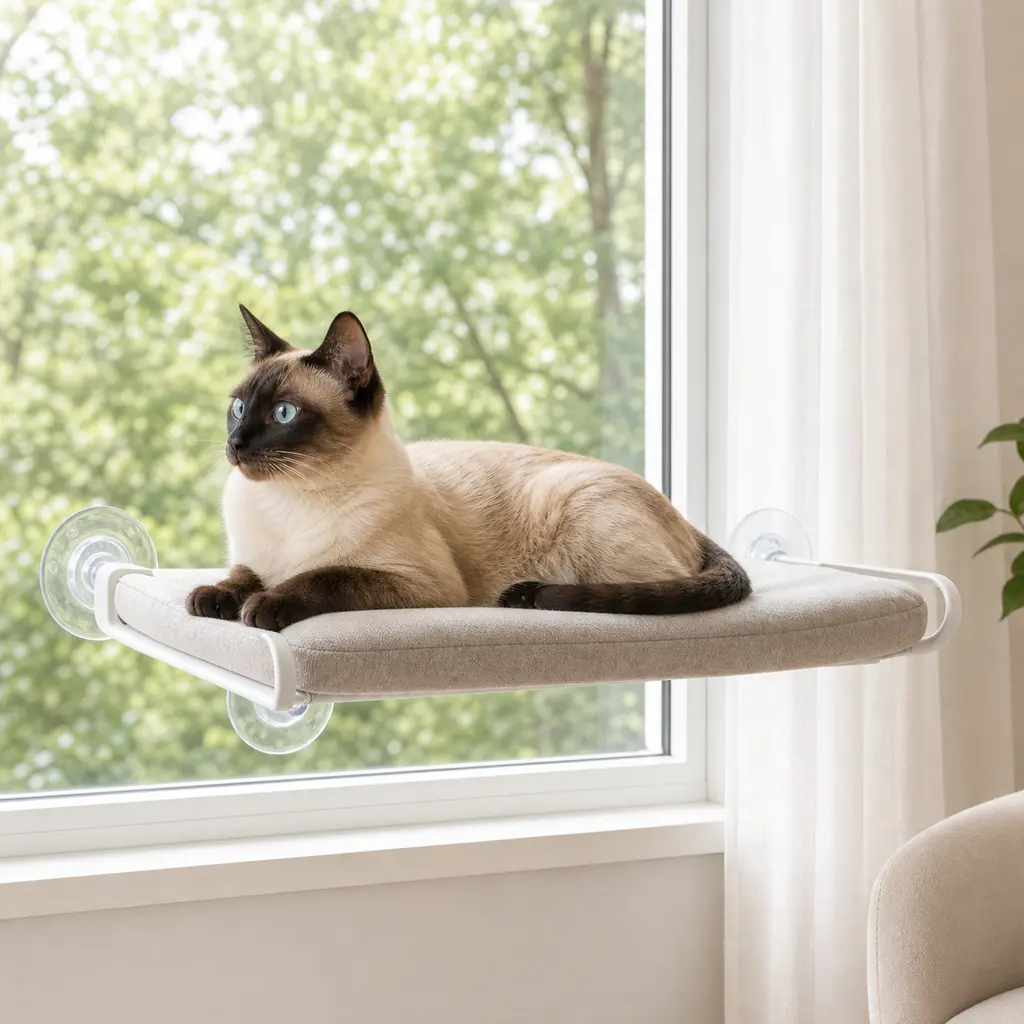
An older cat may stare at walls because they hear something, see tiny movement or reflected light, or feel confused; sudden staring with vision or hearing changes deserves more attention.
Start by checking the room like a cat would, then compare the behavior with your cat's normal hearing, vision, sleep, appetite, litter habits, and responsiveness.
Rule out ordinary cat-level clues
Cats notice tiny movement, insects, reflected light, wall sounds, and shadows long before people do. If your cat can look away and returns to normal, the moment may be careful watching.
Senior-cat changes deserve a slower read. Compare the new pattern with appetite, weight, litter habits, jumping, grooming, sleep, and whether the room has become harder to use.
Check whether your cat seems oriented
Say your cat's name softly, watch whether they respond, and notice if they know where food, litter, beds, and people are. Confusion is more concerning than a relaxed stare.
Start by comparing today with your cat's normal. A senior cat who changes appetite, litter habits, jumping, grooming, sleep, or social behavior is giving useful information.
Look for senior changes nearby
Wall staring matters more when it comes with night yowling, pacing, new hiding, missed jumps, appetite changes, or sleeping in odd places. Those details help your veterinarian understand the pattern.
Make the next step easy on joints and predictable for the routine. Lower the entry, shorten the jump, add traction, warm the bed, or schedule the checkup before guessing.
Get help for sudden or odd patterns
If staring is new, intense, difficult to interrupt, or paired with weakness, collapse, seizures, vision changes, or unusual behavior, call your veterinarian promptly.
Do not write off sudden senior changes as age. Appetite loss, weight loss, new hiding, pain, falls, litter changes, or confusion deserve a veterinary conversation.
Before you decide
Can you find a light, sound, insect, reflection, or wall noise?
Does your cat respond to their name and return to normal?
Is this new, repeated, intense, or paired with night yowling or confusion?
Any appetite, litter, weight, mobility, vision, hearing, or sleep changes?
Next best moves
Check the room for small movement, reflections, and sounds.
Write down when it happens and how easily your cat responds.
Call your veterinarian for sudden, repeated, confusing, or hard-to-interrupt episodes.
Quick cat question
Why does my older cat stare at walls?
An older cat may stare at walls because they hear something, see tiny movement or reflected light, or feel confused; sudden staring with vision or hearing changes deserves more attention.
When should I get help?
Call your veterinarian if wall staring is sudden, hard to interrupt, paired with confusion, pacing, yowling, appetite change, litter changes, vision or hearing changes, weakness, or collapse.